A Vibrant Language of Identity, Tradition, and Celebration
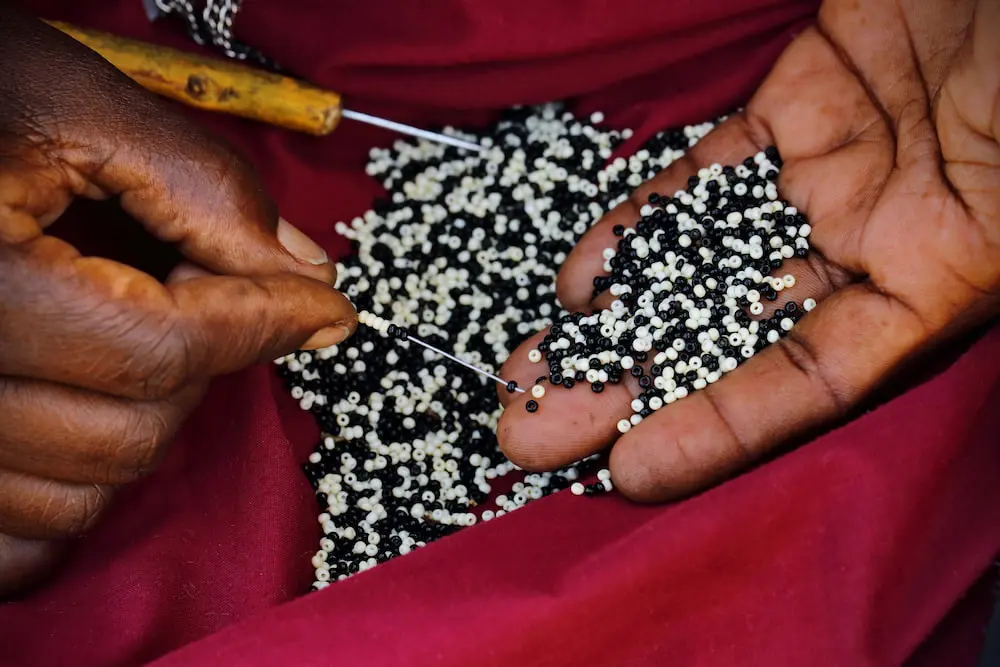
The Maasai people of East Africa—primarily found in southern Kenya and northern Tanzania—are widely recognized for their vibrant dress, distinctive customs, and above all, their intricate beadwork. To the untrained eye, the colourful bead patterns might simply look decorative. But for the Maasai, beadwork is a deeply symbolic and highly significant cultural art form—an unspoken language that conveys identity, status, age, and life’s milestones.
A Heritage Rooted in Trade and Tradition
Beadwork has been an integral part of Maasai heritage for centuries, though the materials used have evolved over time. Before the arrival of Europeans, the Maasai adorned themselves using natural materials such as bone, wood, seeds, shells, and clay. The introduction of glass beads via trade routes in the late 19th century—especially through European merchants—transformed Maasai adornment forever.
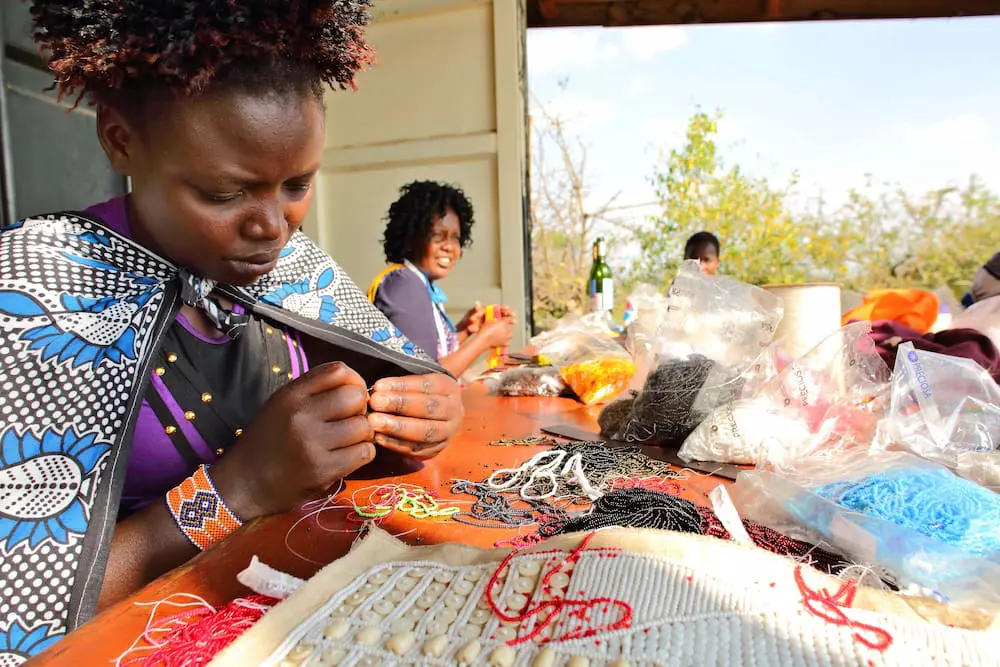
These colourful glass beads quickly became central to the community’s cultural identity. Over time, the Maasai developed a rich beadwork tradition that is passed down through generations, primarily practiced by women. Bead crafting is both a communal activity and a rite of passage. It is taught from an early age and becomes a lifelong skill, playing an essential role in the social and ceremonial life of the Maasai people.
The Symbolism of Colour in Maasai Beadwork
Every colour in Maasai beadwork carries a specific and powerful meaning, and the choice of colours is never random. These colours reflect values, beliefs, and aspects of the natural and social world of the Maasai. Here is a breakdown of the primary colours and their meanings:
- Red: Represents bravery, strength, and unity. It also symbolises the blood of cattle, which is sacred and vital to Maasai life. As the prominent colour of the traditional Maasai shuka (a traditional blanket), it is a colour associated with Maasai ethnicity and is the colour with which the Maasai hold the deepest connection.
- Blue: Signifies energy and the sky, which provides life-giving rain for cattle, crops and people. Water is often scarce, so blue also represents vitality and survival.
- Green: Symbolises health and land, reflecting the Maasai’s deep connection to the Earth and nature. When the land is healthy, the cattle are healthy, and so too the Maasai community are healthy.
- Yellow: Represents fertility and growth, often linked to the sun, which nurtures life.
- White: Associated with peace, purity and health. It also represents cow’s milk, which is a significant part of Maasai culture and a staple of Maasai sustenance. An abundance of milk goes hand-in-hand with Maasai health.
- Black: Stands for the people and the struggles they must endure. It speaks to pride and identity, and is often worn by married men and women to mark their marital status.
- Orange: Symbolises hospitality, warmth, and friendship—essential values in Maasai culture.
These colours are thoughtfully combined in patterns that are not only aesthetically pleasing but also culturally expressive and used with intent for specific events and celebrations.
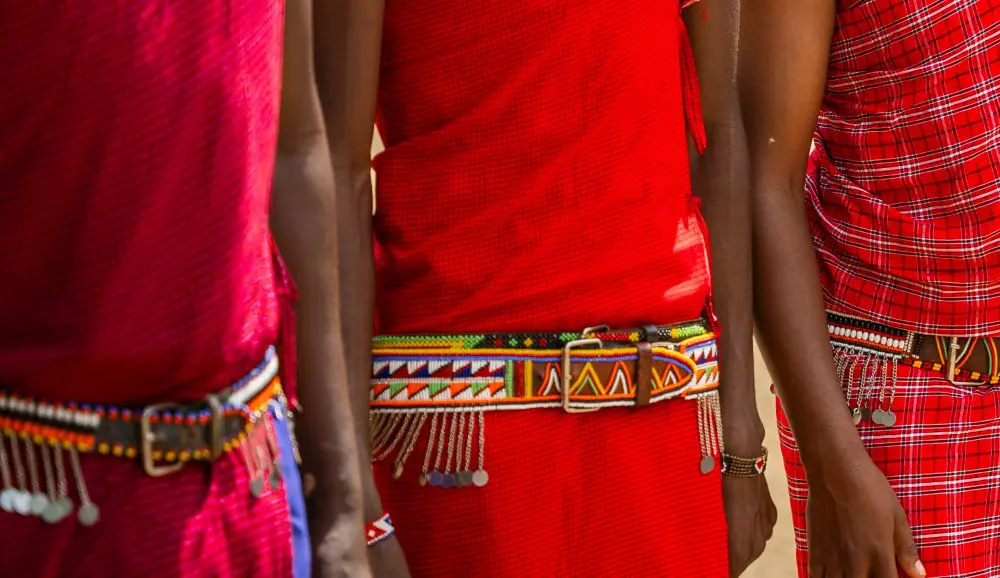
Beadwork as a Marker of Life Events and Identity
Maasai beadwork goes beyond decoration; it serves as a visual narrative of one’s identity and life journey. Beaded items are worn during important milestones and rituals, each crafted with specific designs and colours relevant to the occasion.
Key Events Marked by Beadwork:
- Initiation Ceremonies (Emuratare): Boys undergoing circumcision—a rite of passage into manhood—wear special beadwork that reflects their transition into warriorhood. Similarly, girls preparing for womanhood ceremonies are adorned in intricate bead necklaces and headpieces.
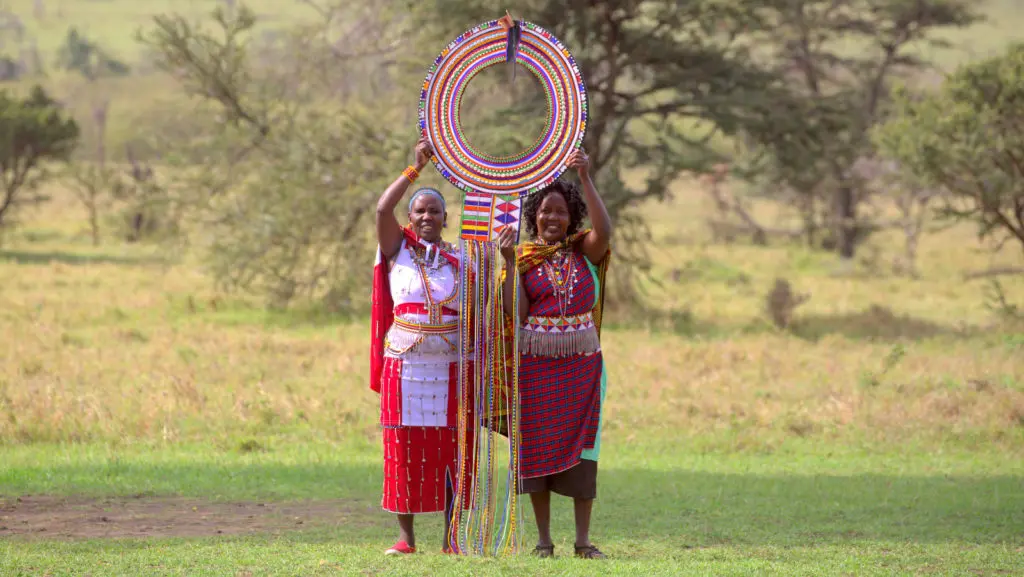
- Marriage: A bride is often elaborately decorated with beaded collars, earrings, and headbands. The wedding necklace (known as an enkarewa) is one of the most striking symbols and is made with colours signifying fertility, family, and harmony. After marriage, a woman’s beadwork will also denote her new status within her husband’s family.
- Age Sets and Warrior Status: Maasai society is organised into age sets. Each age group—especially the morans (young warriors)—is distinguished by specific styles and colours of beadwork. These evolve as members age and take on new societal roles.
- Eldership and Leadership: Elders wear simpler but highly respected beadwork that signifies wisdom, authority, and spiritual leadership.
- Festivals and Ceremonial Dances: During community celebrations, such as Eunoto (the graduation ceremony of warriors into elderhood), both men and women don elaborate beadwork in synchronised colour schemes, often paired with rhythmic chants and dances.
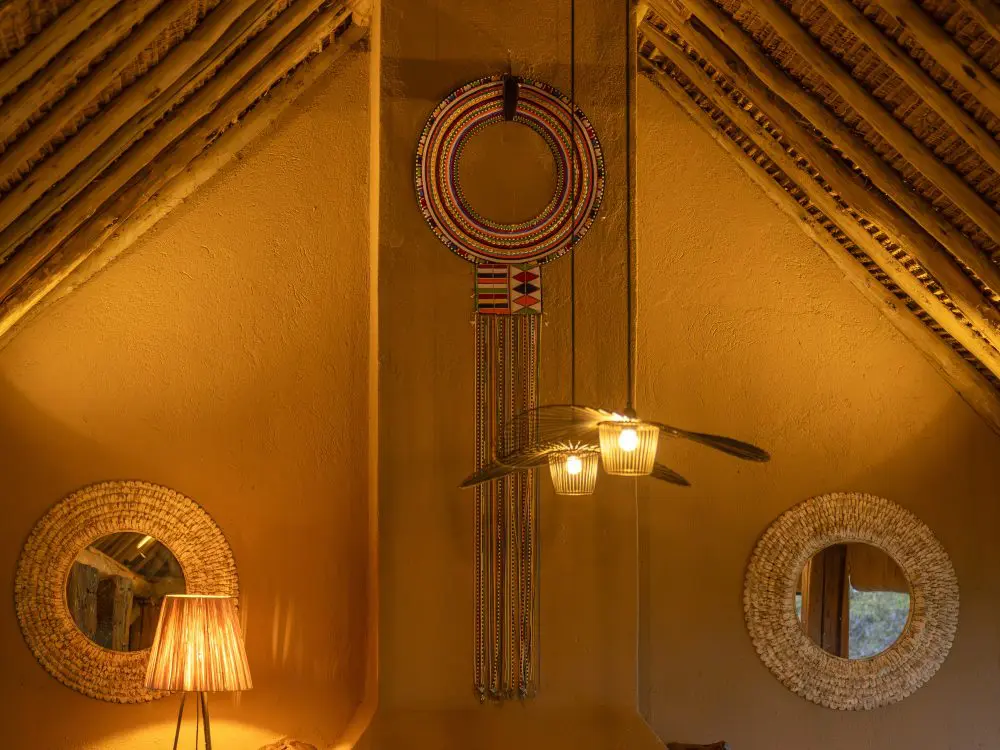
Beadwork Across Borders: Kenya vs. Tanzania
While the Maasai people in both Kenya and Tanzania share a common heritage, subtle regional differences exist in their beadwork. These variations stem from local access to bead materials, trade influences, and evolving fashion trends:
- Kenya: Having experienced a longer exposure to tourism, Maasai beadwork in Kenya can sometimes be more commercialised, particularly in areas near tourist hubs like Nairobi and the Masai Mara. This has led to more experimental designs and an increasing influence of global fashion trends. However, traditional patterns and meanings remain rooted in authenticity, especially in rural communities away from the busier hubs.
- Tanzania: In comparison, Tanzanian Maasai beadwork is generally more conservative and traditional. Rural communities often maintain older techniques and patterns that may be less influenced by external trends, although a more commercial trend is developing around tourist hotspots like Arusha and Zanzibar. The traditional Tanzanian beadwork may have more subtle and muted colour combinations, with deeper emphasis on ritual symbolism than commercial appeal.
Despite these regional nuances, the core values and symbolism behind Maasai beadwork remain consistent and sacred across borders.
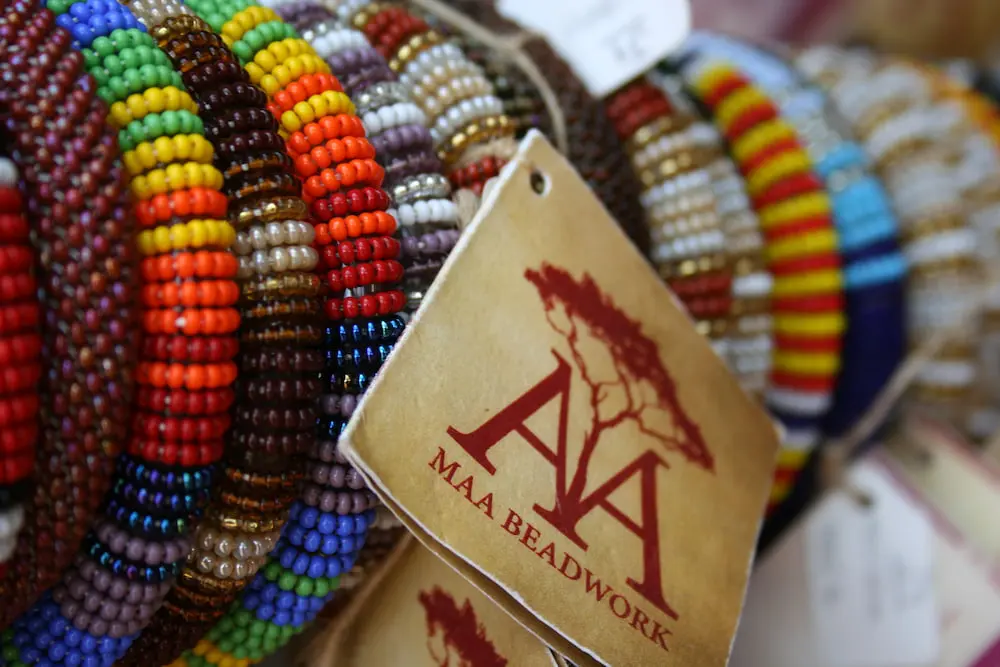
Beadwork as Living Tradition
Maasai beadwork is much more than an artistic expression—it’s a living, breathing tradition that captures the essence of Maasai identity, spirituality, and communal values. Each bead tells a story, and every colour carries generations of meaning. Whether adorning a bride, celebrating a warrior, or marking a child’s journey into adulthood, beadwork remains a timeless testament to the Maasai people’s enduring connection to their culture.
In a world that often moves too quickly to hold onto tradition, Maasai beadwork is a beautiful reminder of how colour, craft, and community can preserve identity. For a first-hand experience into the world of Maasai beadwork, we recommend incorporating a visit to a beading workshop at The Maa Trust when staying at either Naboisho Camp or Encounter Mara in Kenya’s Mara Naboisho Conservancy.
Incorporate local culture into your East Africa safari experience