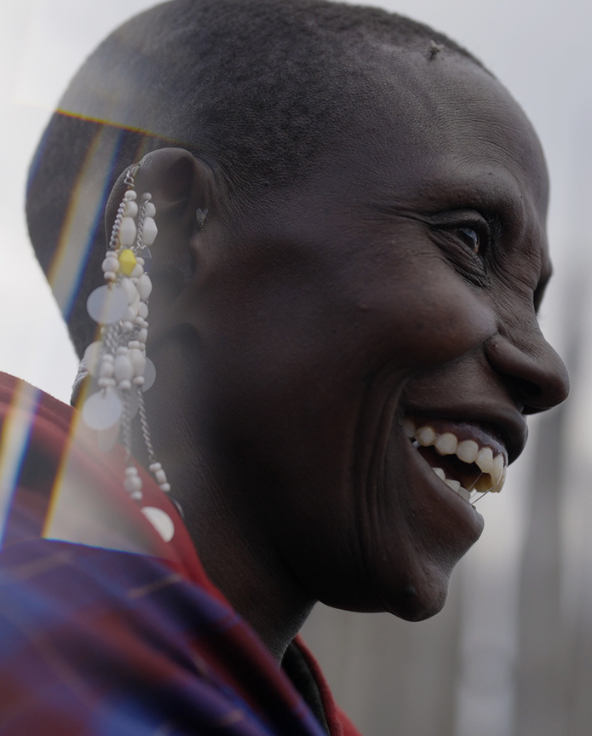
We empower crucial wilderness areas in East Africa, benefitting
People and Nature alike.
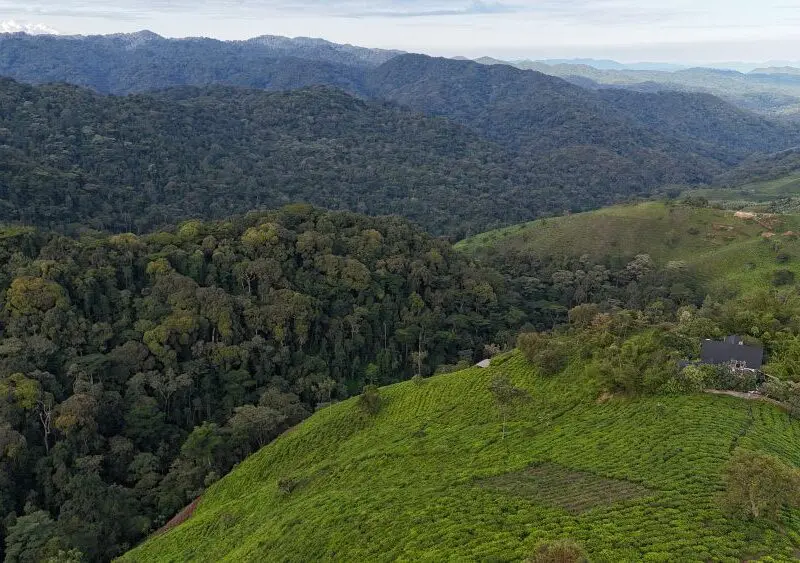
By making bold, and often pioneering, investments into areas that are ecologically and economically vulnerable, we aim to turn these areas into viable conservation economies, benefitting both the local communities as well as the environment.
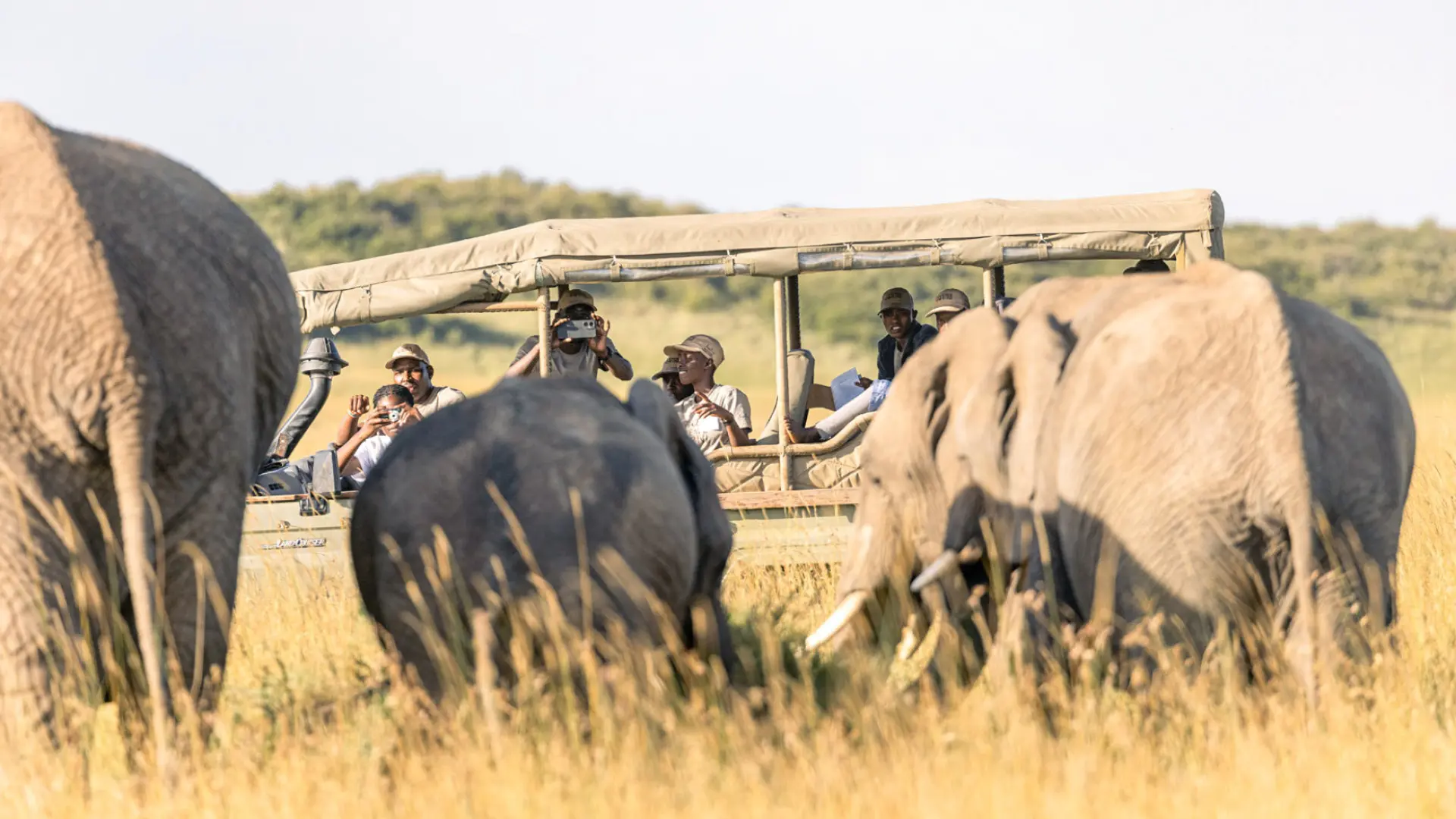
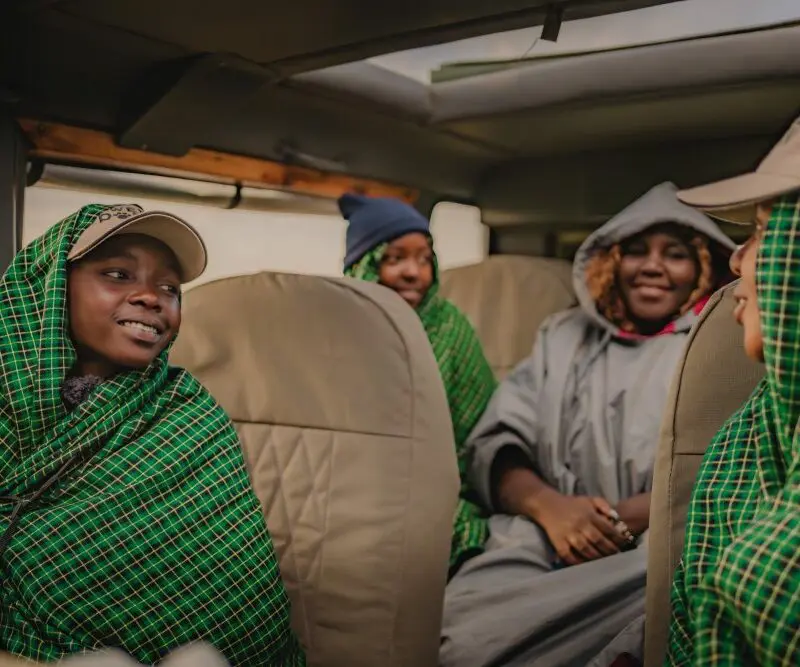
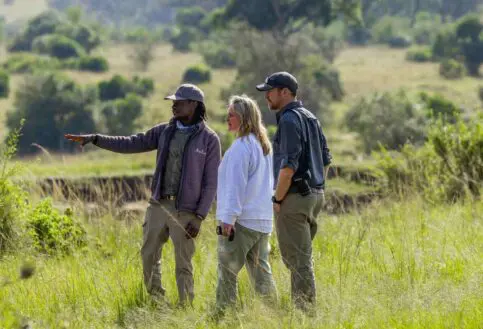
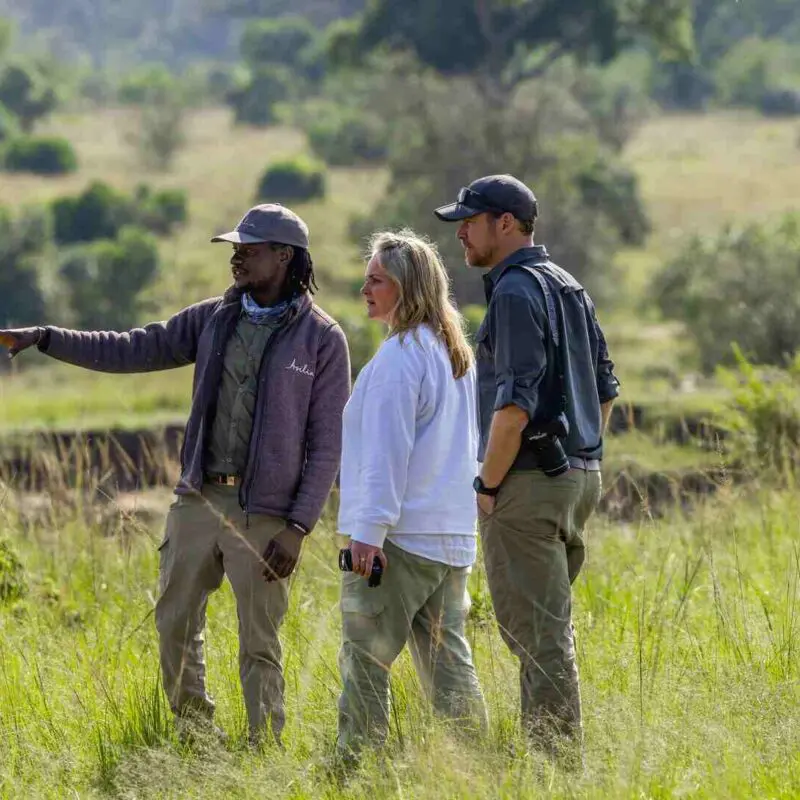
We acknowledge that people and nature are inseparable partners, so we work closely with communities, authorities, NGOs and industry partners to achieve the best possible long-term outcomes for all concerned. With the help of our guests, who contribute a levy of US$10 for each night that they stay with us, we’re able to make the most significant positive impact towards our goal of empowering these areas, including the communities and wildlife that call them home.
Our
Implementation Partners
The Maa Trust
KENYA
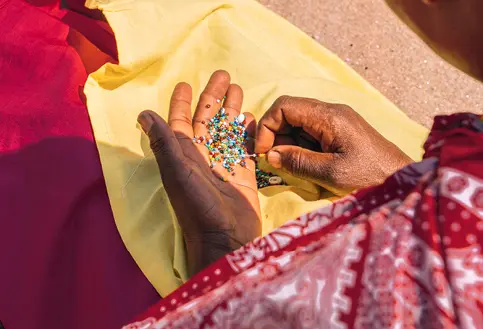
The Maa trust operates a number of programmes in the Greater Mara Area, focussing on community development and increasing benefits to Maasai families to encourage their appreciation for the protection of wildlife and wilderness areas. Specific emphasis is placed on female empowerment, women’s rights, and provision of education.
Twende Porini
KENYA & TANZANIA
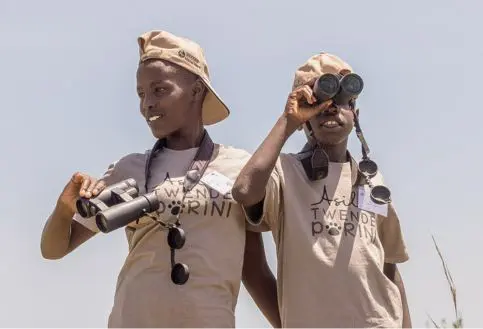
This in-house initiative welcomes children from surrounding communities into Asilia camps to experience first-hand what a safari is all about. For many of them, it is their first-time viewing wildlife in a non-threatening environment, allowing them to observe their beauty and begin to understand why tourists come all the way to East Africa to see them.
Change A Life Bwindi
UGANDA
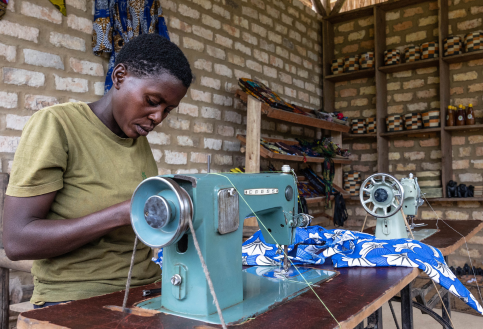
Change A Life Bwindi is a grassroots NGO supporting Batwa and Bakiga communities living alongside Bwindi Impenetrable National Park. Their work focuses on conservation-linked livelihoods to reduce forest pressure and improve local incomes. It is a vital resource, offering training programs that connect people to their environment, proving that conservation and livelihoods can work together sustainably.
Rhino Ark
KENYA
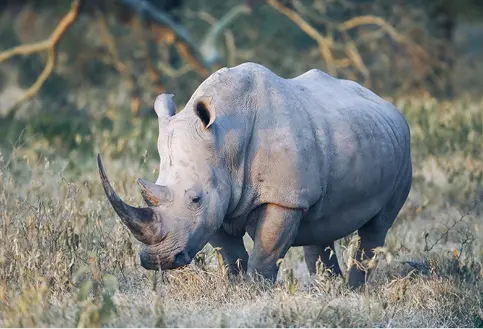
"Humans in harmony with habitat and wildlife” is the guiding philosophy behind this organisation. Focussing on the protection of mountain forests and the wildlife that depend on them, their work revolves around education, job and revenue creation, the protection of land, and the mitigation of human-wildlife conflict.
Kenya Wildlife Trust (KWT)
KENYA
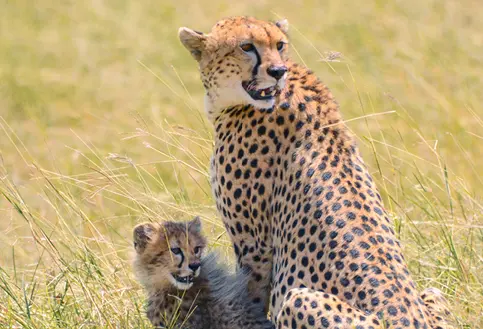
Working across the Greater Mara Area, Laikipia, and Tsavo, KWT focusses on the conservation needs for the protection of predators – the cornerstone of a thriving ecosystem. By working closely with the communities living in these regions to provide education and increased awareness, as well as partnering with organisations like MMWCA, the trust is able to conserve habitat and protect predators in these key locations.
Honeyguide
TANZANIA
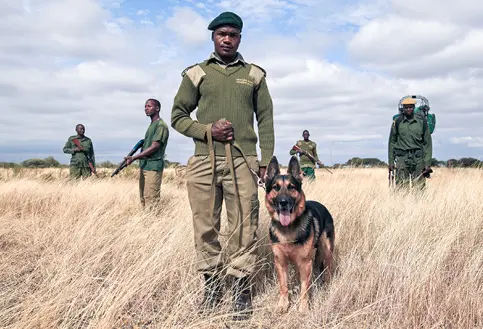
Honeyguide is a foundation focussed on empowering people and communities to protect their land and natural resources in northern Tanzania. This is accomplished by working closely with communities to provide business education and an understanding of the benefits of conservation, mitigating instances of human-wildlife conflict, and ensuring the protection of habitat for sustainable use by both humans and wildlife.
KopeLion
TANZANIA
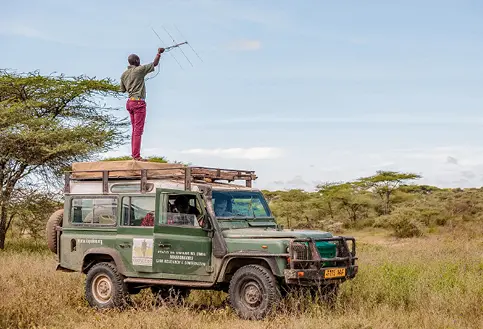
“Enabling lasting coexistence between people and lions in Ngorongoro”. In a landscape that is shared between people and lions, there will always be challenges needing to be addressed in order to maintain a balance and foster coexistence. Former Maasai lion hunters are now employed, acting as guardians to both livestock and lion.
Serengeti Cheetah Project
TANZANIA
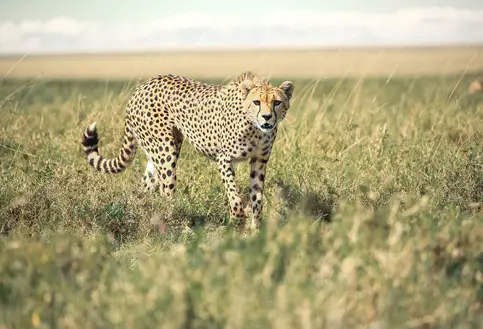
The world’s longest running scientific project on wild cheetah, with a comprehensive database dating back to 1975. Families and individuals have been, and are, identified and monitored, with information contributing to many scientific publications and accounting for much of what is known about these animals in the wild today.
Maasai Steppe Carnivore Conservation Trust (MCCT)
TANZANIA
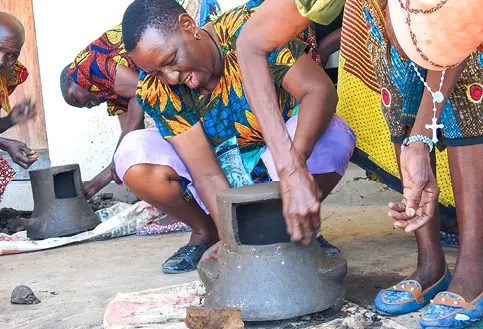
The MCCT works in the human-dominated Tarangire-Manyara ecosystem, an area rich in biodiversity with important migratory corridors, but where human encroachment has resulted in increased human-wildlife conflict. Through close community engagement offering education and skills development, alternative revenue sources can be implemented to remove reliance on crops.
Maasai Mara Wildlife Conservancies Association (MMWCA)
KENYA
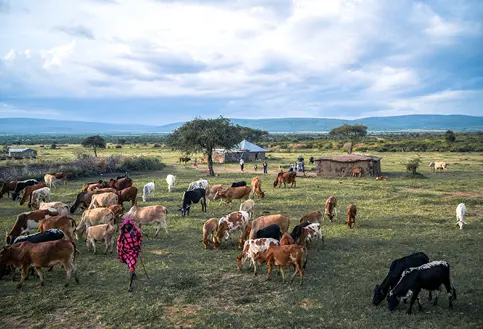
Through the conservation of protected Mara conservancies and the benefits communities receive because of tourism activities within the conservancies, the livelihood of the communities is improved, and wildlife conservation can flourish. As the wildlife offering improves, so the communities benefit further from increased tourism, creating a continuous cycle of improvement.
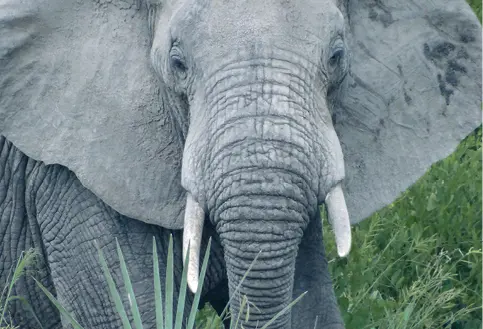
Southern Tanzania Elephant Program (STEP)
TANZANIA
Focussing on elephant conservation in southern Tanzania, STEP works with local communities and farmers in the pursuit of human-elephant coexistence and the protection of centuries-old migration corridors under threat from human encroachment. Monitoring and research are crucial in understanding movement, ranges, behaviour, and the effectiveness of crop-loss mitigation methods.
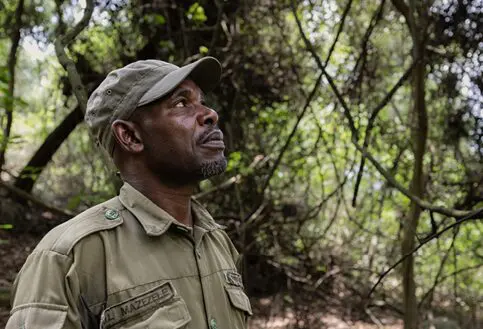
Honeyguide Foundation (Rubondo)
TANZANIA
The Chimpanzee habituation program in Rubondo Island National Park trains local youth as guides and trackers to support conservation. Trackers locate chimpanzees early by listening at calling points, then gradually approach and spend time with them to help the animals get used to human presence while recording their behavior and reactions. This safer, gradual process builds mutual habituation.
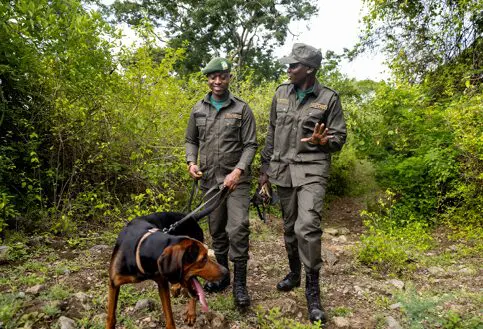
KURU Dogs
TANZANIA
KURU’s conservation dogs play a vital role in protecting Tanzania’s wilderness ecosystems. Trained to track poachers, detect wildlife contraband, and locate snares, they operate across vast landscapes such as the Serengeti, Manyara, and Mkomazi. Each dog works with a Tanzanian handler, building local expertise and trust within surrounding communities. KURU Dogs delivers cost-effective conservation that improves security for wildlife and demonstrates how practical innovation can support Africa’s ecosystems.
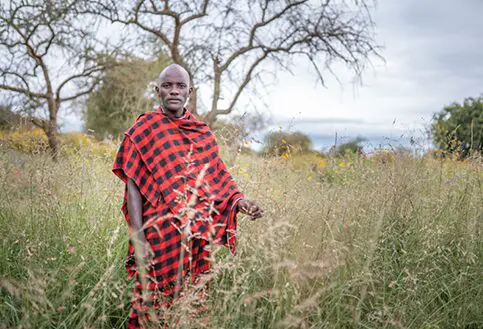
Savannas Forever Tanzania
TANZANIA
Savannas Forever Tanzania (SFTZ) is tackling rangeland degradation in northern Tanzania by restoring grasslands and supporting Maasai pastoralist communities. Their program combines native seed production with rotational grazing to mimics traditional nomadic herding to improve soil health, biodiversity, and water retention. Working with elders, women, and youth, SFTZ trains “seed champions” to harvest and grow climate-resilient native grasses, legumes, and forbs linking ecological restoration with rural enterprise.

The Lavington Five Roads Association (LFRA)
TANZANIA
LFRA is a residents' association representing over 1,000 residents from Maji Mazuri Road, Apple Cross Road & Close, Mbabane Road, Muhoya Avenue & Close, and El Molo Drive where our Nairobi head office is located. One of their flagship impact projects that we are assisting them to support is Muthangari Primary School, serving over 800 pupils, who come mostly from nearby settlements.
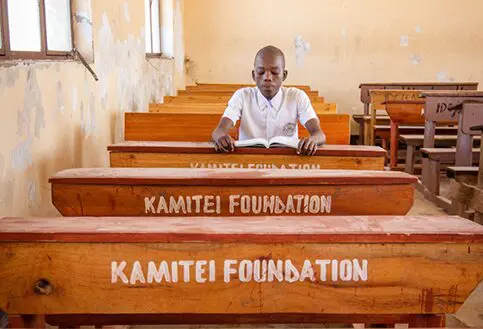
Kamitei Foundation
TANZANIA
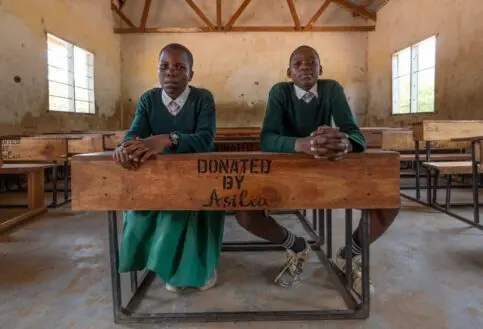
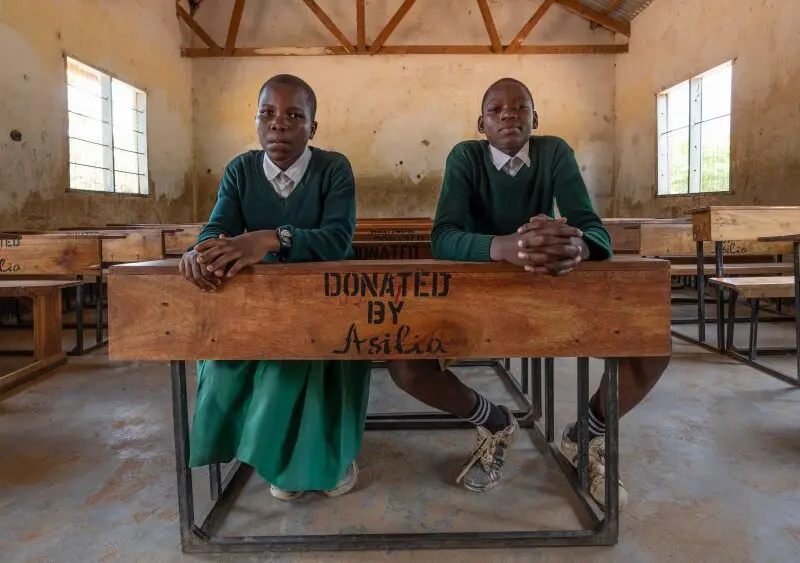
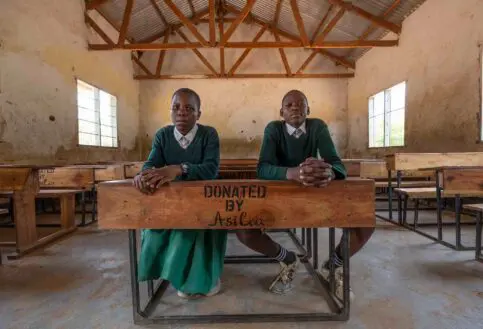
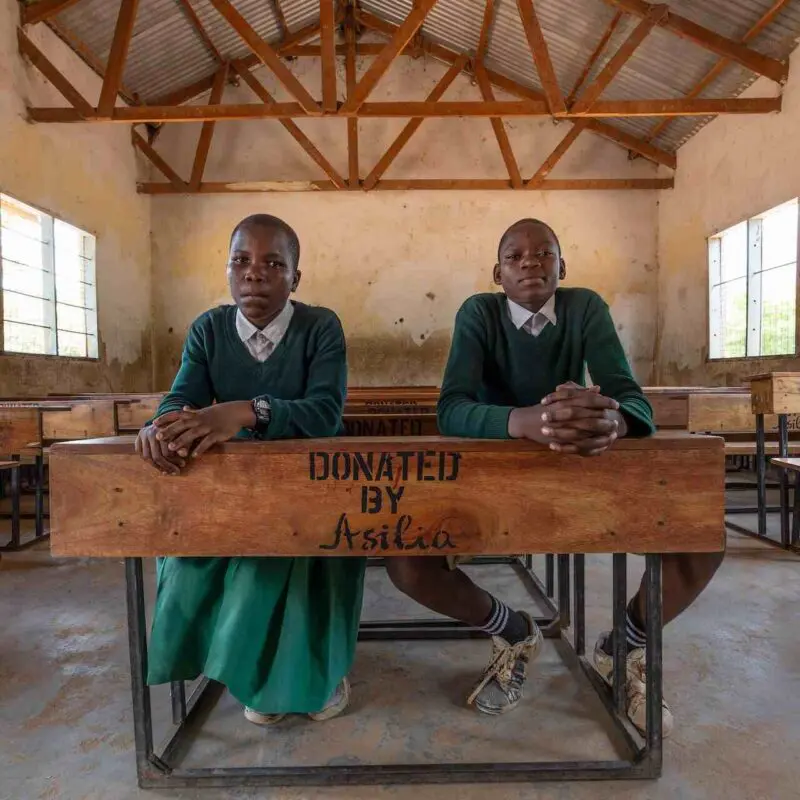
Education is critical to breaking the cycle of poverty in rural East Africa, opening pathways to economic independence, and providing communities with the knowledge and skills to pursue diverse livelihoods. Kamitei plays a pivotal role in this space by training teachers, supporting their development, and enhancing schools with improved resources and infrastructure.
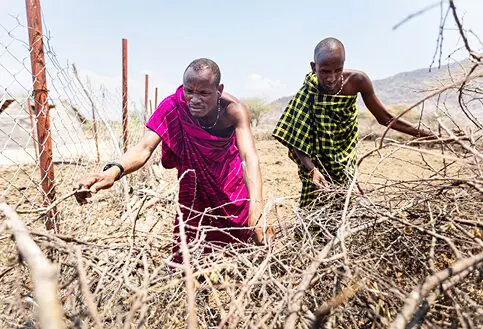
Lion Landscapes
TANZANIA
Lion Landscapes work to transform large carnivores into assets for the communities living alongside them, addressing coexistence challenges, and supporting sustainable conservation. Their work includes employing community liaisons to patrol village lands, using advanced ecological monitoring systems to guide conservation decisions, and linking conservation to income opportunities like ecotourism and biodiversity credits.
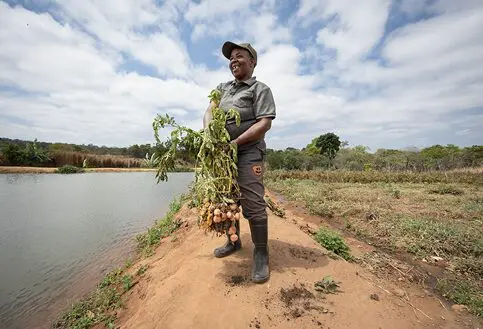
The Green Economy
TANZANIA
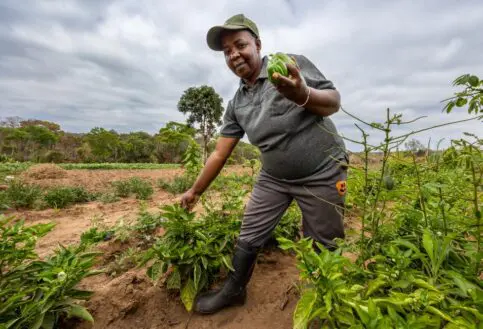
The Green Economy (TGE) is a Tanzanian non-profit focused on linking environmental restoration with community livelihoods. They work with smallholder farmers to promote regenerative agriculture, agroforestry, and circular-economy innovations that improve food security and soil health while reducing pressure on wildlife habitats. Their approach combines scientific knowledge with traditional experience, proving that conservation can thrive when people have the tools and opportunities to prosper alongside nature.
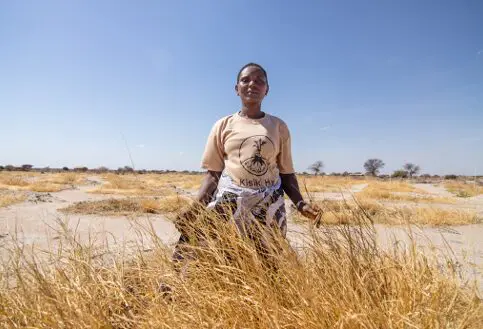
Lead Foundation
TANZANIA
The Lead Foundation works with communities to restore degraded land and reduce conflict between farmers and pastoralists. We are funding a project outside Ruaha National Park, training local groups to build semi-circular earth bunds that capture rainwater and restore grass cover on bare land. These grassed areas become new grazing zones, easing pressure on farmland and improving soil fertility. The project employs and trains local “lead farmers” who share the technique across their villages, creating long-term livelihood and ecological benefits.
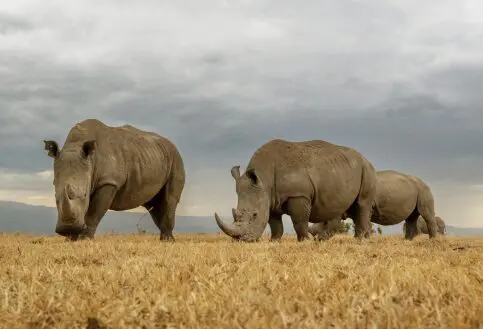
Ol Pejeta Conservancy
KENYA
Ol Pejeta Conservancy is a 90,000-acre conservancy in Kenya’s Laikipia County. It protects endangered species including black and white rhino and supports nearby communities through education, livelihoods and climate-smart agriculture. Its model integrates conservation, livestock and tourism to sustain both people and wildlife. Asilia are supporting a new regenerative farming initiative focused on neighbouring smallholder farms. The project excavates shallow 200m³ ponds that capture rainfall and slowly feed moisture into surrounding soil, supporting food security and income from improved crop yields.
Read more about our Positive Impact initiatives
Make a difference with Asilia
Positive Impact. Together.
Asilia is a proud member of the Nawiri Group, through which the reach and extent of our Positive Impact is able to travel so much further. Our latest report showcases the joint accomplishments of our implementing partners and the support of your contributions as lifelong friends and guests of Asilia.