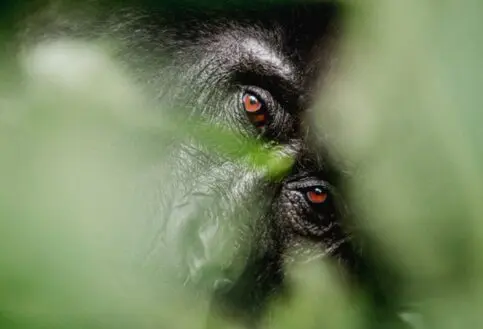
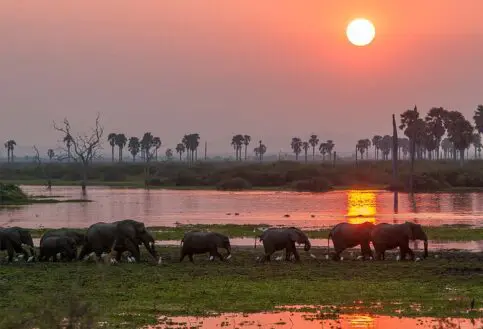
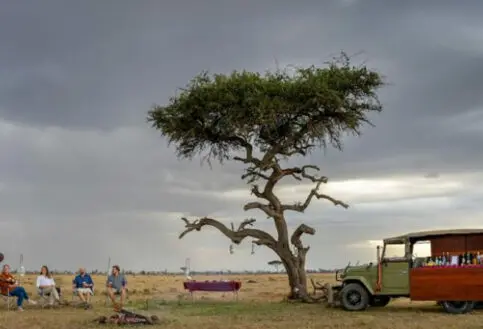
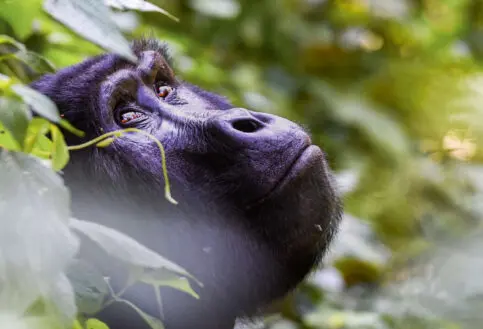
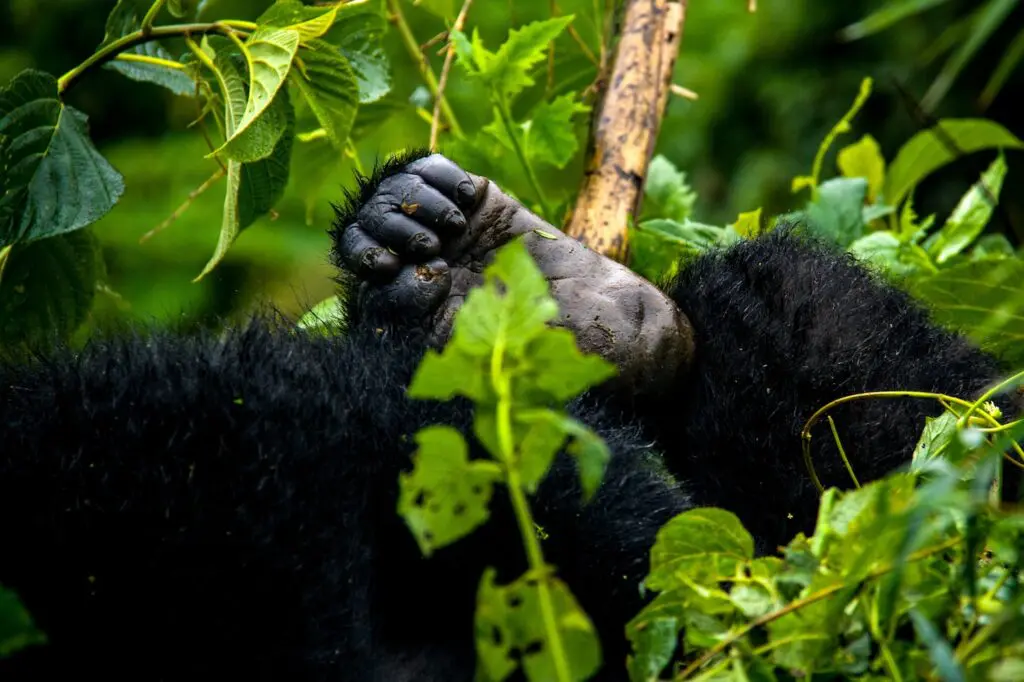
The mist parted as we crouched silently, hearts pounding. Just fifteen feet away, a massive silverback gorilla shifted his weight, dark eyes regarding us with undeniable intelligence. Days later, we stood speechless as thousands of wildebeest thundered across the Mara River, an entirely different but equally powerful wildlife spectacle. East Africa had offered us two of nature’s greatest gifts in a single journey.

Africa’s most extraordinary wildlife experiences can easily be combined into one unforgettable adventure. Gorilla trekking in Uganda or Rwanda offers intimate encounters with our closest relatives, while Tanzania’s sweeping savannahs deliver the quintessential safari experience. Though geographically separated, combining these adventures is not only possible but increasingly popular among discerning travellers seeking the ultimate African wildlife adventure.
We’ve gathered all the essential tips for planning a seamless journey that includes both experiences, maximising your time and ensuring the most rewarding encounters with Africa’s magnificent wildlife.
Best Time to Combine
Timing is crucial when planning a combination of gorilla trekking and a Tanzania safari. The good news is that there’s a significant overlap in favourable conditions for both.
Optimal Weather Windows
For gorilla trekking in Uganda and Rwanda, the prime seasons are:
- December to February (short dry season)
- June to September (long dry season)
Tanzania’s best safari seasons align well:
- June to October (dry seasons with excellent wildlife viewing)
- December to March (good for wildebeest calving in southern Serengeti)
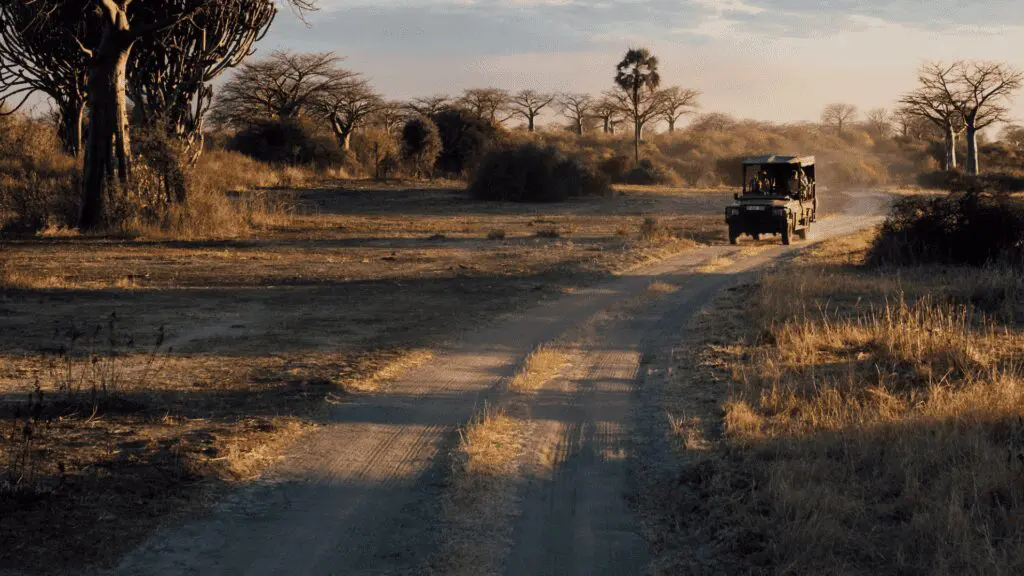
The June to September period is ideal, as it offers dry conditions for gorilla trekking and peak safari season in Tanzania when the Great Wildebeest Migration reaches the northern Serengeti. Late June to August is considered the best time to witness this spectacular natural phenomenon, including the dramatic river crossings.
Regional Climate Considerations
Uganda vs Rwanda: Uganda tends to be slightly wetter than Rwanda overall, making the forest more lush and dense. Uganda’s Bwindi Impenetrable Forest receives more rainfall than Rwanda’s Volcanoes National Park, which sits at a higher elevation.
Tanzania variations: Northern Tanzania (Serengeti National Park, Ngorongoro) and Southern Tanzania (Nyerere National Park, Ruaha National Park) have slightly different rainy seasons, with the southern parks typically receiving more rain during the wet season.
Logistics: Planning and Booking
Gorilla Permits
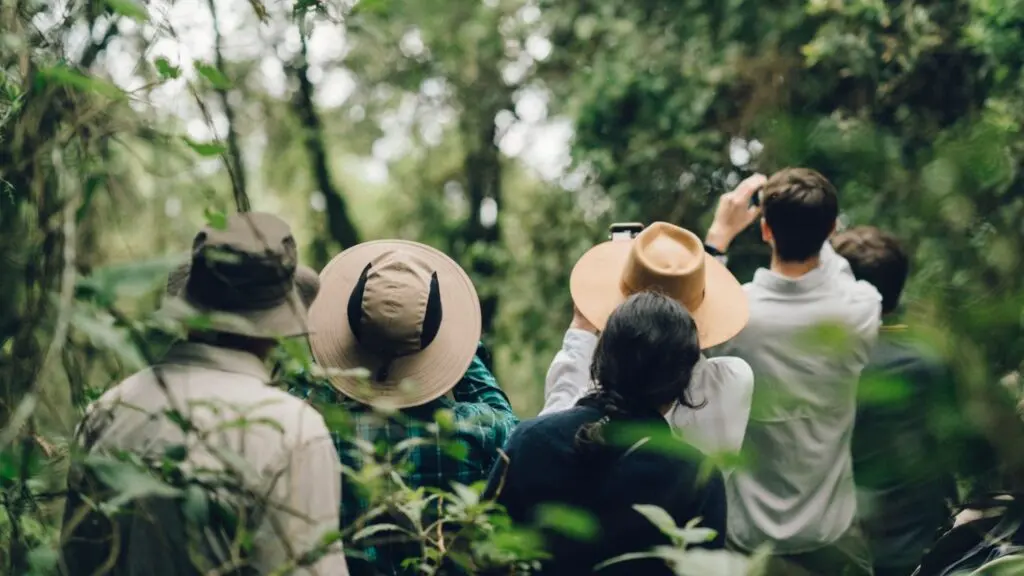
Gorilla permits are required to allow you to trek and spend time with mountain gorilla families. As of 2025, Uganda gorilla permits cost around US$800 per person, while Rwanda permits are more expensive at US$1,500. These permits must be secured well in advance, especially for peak season visits.
It’s recommended that you book permits as early as possible, and ensure that permits are available on your intended dates before confirming flights and accommodation. Due to their limited numbers, permits sell out quickly, especially during the peak season.
Travel Documentation and Health Requirements
- Visas: Most international travellers require tourist visas for Uganda and Tanzania. An East African Visa is available if you’re visiting multiple countries in the region and allows for movement through Rwanda, Uganda, Kenya, and Tanzania.
- Vaccinations: Yellow fever vaccination is mandatory if travelling between these countries. If you’re entering Tanzania through Kenya, Rwanda, Uganda, or Ethiopia, you must present a Yellow Fever Card. It’s always best to consult your nearest travel clinic for the most up-to-date information related to vaccinations. Other recommended vaccinations include hepatitis A and B, typhoid, and tetanus.
- Health precautions: Both gorilla trekking areas and parts of Tanzania have malaria risk. It’s always best to consult with your nearest travel clinic or your doctor about this.
Transportation Between Countries
Flying is the most efficient way to travel between gorilla trekking destinations and Tanzania’s safari regions. Direct flights connect Rwanda (Kigali) and Uganda (Entebbe) with several Tanzania destinations.
Key routes include:
- Kigali (Rwanda) to Kilimanjaro Airport or Dar es Salaam
- Entebbe (Uganda) to Kilimanjaro Airport or Dar es Salaam
- Direct flights from Kigali to Serengeti Airstrips (limited schedule)
Uganda vs Rwanda When Combining with Tanzania
Both Uganda and Rwanda offer exceptional gorilla trekking experiences, but some key differences may influence your decision when planning a Tanzania combination.
Uganda Gorilla Trekking
Pros:
- More affordable permits (US$800 compared to Rwanda’s US$1,500)
- Multiple gorilla families across different sectors of the Bwindi Impenetrable Forest
- Additional wildlife experiences like chimpanzee trekking in Kibale
Cons:
- Typically, more challenging and longer treks through dense forest
- Slightly more remote location when connecting to Tanzania
- Often requires an overnight in Entebbe before flying to Tanzania
Rwanda Gorilla Trekking
Pros:
- Somewhat easier trekking conditions in Volcanoes National Park
- More accessible location (2-3 hours from Kigali)
- More luxury accommodation options
Cons:
- Higher permit costs
- Smaller forest area with potentially more visitors
Great Wildebeest Migration vs Hidden Gems
Magical Migration
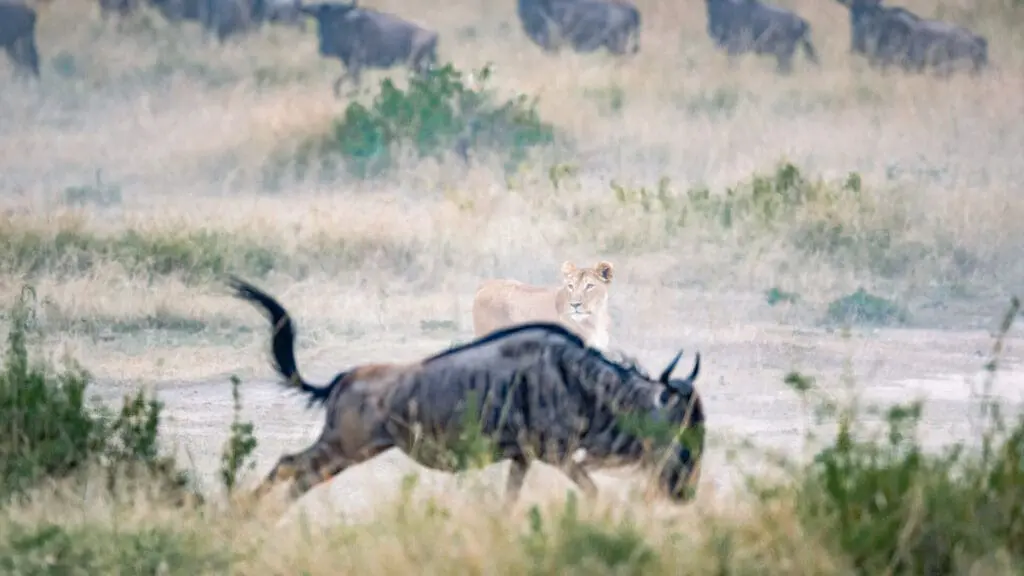
Known as the ‘Greatest Show on Earth’, the Great Migration is a spectacular wildlife event involving over 1.5 million wildebeest and hundreds of thousands of zebras and gazelles as they migrate in an annual clockwise pattern around the Serengeti-Mara ecosystem.
While the migration follows the same circuit every year, the exact timing of the movement of the herds is heavily dependent on the arrival of the rains. Generally, the pattern follows these timings:
- December to March: Herds gather in the southern Serengeti plains and Ngorongoro Conservation Area for calving season.
- April to June: Movement toward the central and western Serengeti.
- July to October: Northern Serengeti and Mara River crossings (the most dramatic phase).
- November: The herds return south as the short rains begin.
Tanzania’s Hidden Gems
While the Serengeti is the glittering jewel in Tanzania’s tourism crown, the country has many hidden gems waiting to be explored. Some of the areas in Tanzania you could combine with a gorilla trekking safari are:
- Tarangire National Park: Famous for large herds of elephant and towering baobabs, particularly rewarding during the dry season
- Nyerere National Park (formerly Selous): Africa’s largest game reserve, offering boat safaris along the Rufiji River and diverse wildlife
- Ruaha National Park: One of Tanzania’s wildest parks with excellent predator sightings and very few tourists
- Rubondo Island: Extraordinary chimpanzee trekking and a tranquil island setting in Lake Victoria.
How to Travel Between Each Country
Flying: The Recommended Option
Air travel is by far the most efficient way to combine gorilla trekking with a Tanzania safari. Multiple airlines, including scheduled services and charter flights, operate between the major hubs in Rwanda, Uganda, and Tanzania.
Road Travel Considerations
While travelling by road between gorilla trekking destinations and Tanzania is technically possible, it is largely impractical for most travellers due to the long distances, border crossings, and variable road conditions. As an indication, the road distance from Kigali to the Serengeti is about 592 miles (590km), requiring about 16+ hours of driving.
In What Order Should You Do This?
For most travellers, the optimal sequence is:
Gorilla Trekking First, Safari Second
The reasoning behind this order is that gorilla trekking is physically demanding, so it’s best to tackle it when you’re fresh. After the exertions of trekking, the leisurely pace of a safari is a welcome change. Round off your journey with the iconic Serengeti sunsets or perhaps even a Zanzibar holiday extension.
When planning this, allow two to three days for gorilla trekking, followed by four to five days for your Tanzania safari. If you have the time, a rest day between the two experiences is recommended.
Conservation and Responsible Tourism
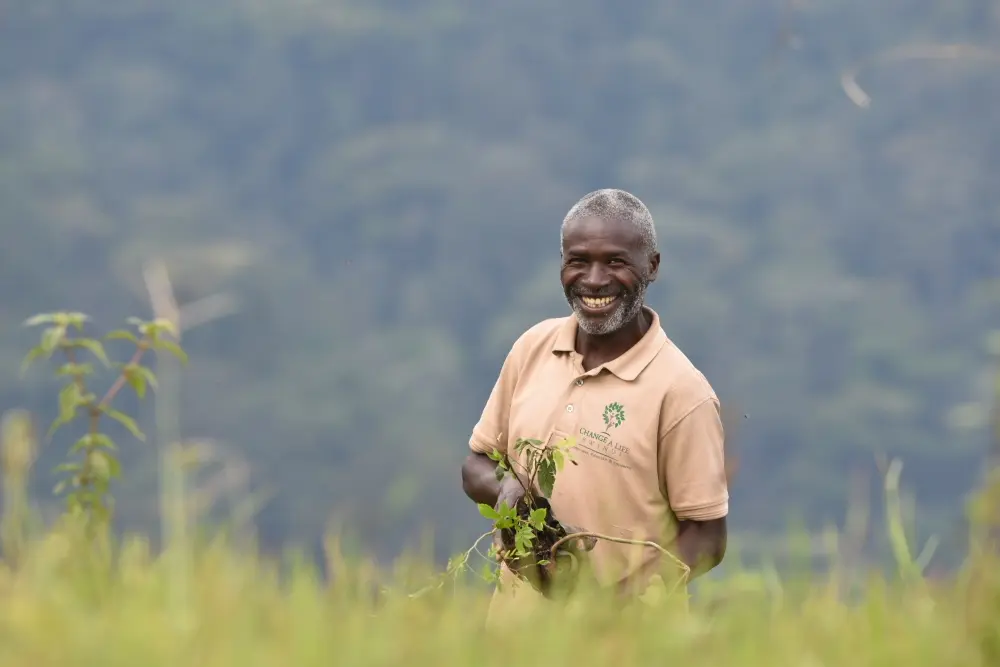
Both gorilla trekking and Tanzania safaris play crucial roles in conservation across East Africa.
Supporting Gorilla Conservation Through Tourism
In both Uganda and Rwanda, a significant portion of gorilla permit fees directly supports conservation efforts: approximately 15% goes to the government, 10% to local communities, and 75% to gorilla conservation initiatives. These funds enable anti-poaching patrols, monitoring of the gorilla families, community development projects, and habitat protection and expansion.
Conservation Success in Tanzania
Tanzania’s national parks model also directs tourism revenue toward conservation, with additional benefits for surrounding communities. Asilia’s conservation efforts in Tanzania support:
- Crucial wildlife corridors that maintain migration routes
- Community conservation initiatives
- Habitat restoration projects
- Anti-poaching operations
Being a Responsible Traveller
As a visitor, you can maximise your impact by:
- Choosing reputable safari operators and camps with strong conservation credentials
- Respecting wildlife viewing guidelines (especially the strict gorilla trekking protocols)
- Engaging with community-based tourism initiatives
- Minimising your environmental footprint through conscious choices
Budgeting for Your Epic Adventure
Combining gorilla trekking with a Tanzania safari represents a significant investment, but careful planning can help manage costs.
Major Expenses
- Gorilla Permits:
- Uganda: US$800 per person
- Rwanda: US$1,500 per person
- Safari Costs:
- Park fees (ranging from US$50-80 per day in Tanzania)
- Accommodation (from US$150 for budget options to US$1000+ for luxury lodges per night)
- Transportation (flights, transfers, safari vehicles)
- Professional guides
- International and Regional Flights:
- International flights to East Africa
- Regional connections
- Bush flights to Serengeti airstrips
- Additional Expenses:
- Visas (US$50-100 per country)
- Travel Insurance
- Gratuities ($US10-20 per day for guides, US$5-10 for other staff)
- Porter fees for gorilla trekking (US$15-20)
Cost-Saving Strategies
- Make your itinerary All Asilia (available from 2026) – spend 7 consecutive nights at only Asilia camps, and we’ll cover the cost of all inter-camp transfers.
- Shoulder seasons offer more attractive pricing (April-May or November)
- Combine Uganda gorilla trekking (lower permit cost) with Tanzania
- Select mid-range accommodation options
- Limit the number of internal flights
Combining gorilla trekking with a Tanzania safari is arguably the pinnacle of wildlife experiences in East Africa. Though logistically complex, the rewards of witnessing both mountain gorillas in their misty forest homes and the sweeping drama of the Serengeti plains are immeasurable.
Ready to plan your ultimate East African adventure? Contact our expert team to create your bespoke gorilla trekking and safari combination.