It’s a question that comes around with regularity: Should I pay the premium for peak season, or take my chances in the “off-season”?
It’s a fair question. The Great Migration – with its epic scenes of vast herds and nail-biting river crossings – is one of nature’s most dramatic spectacles. But here’s what the glossy brochures rarely tell you: the Maasai Mara doesn’t shut down when the herds move on. In fact, for a growing number of seasoned safari-goers, the green season (April and May) isn’t a compromise. It’s the whole point.
| Feature | Peak Season (July – September) | Green Season (April – May) |
| Primary Day | The Great Migration & River Crossings | Exclusivity, lush landscapes & newborns |
| Park Fees (2026) | US$200 per 12 hours | US$100 per 12 hours |
| Daily Rhythm | High energy; sharing sightings with other vehicles | Quiet & private; own the horizon |
| Photography | Golden, dusty, and dramatic action | Emerald greens, crisp air, and dramatic skies |
| Wildlife Status | High density (migratory herds) | Resident predators & migratory birds |
| Accommodation | Premium rates; high occupancy | Significant ‘value’ rates & high availability |
| Weather | Dry, cool, and dusty | Warm days with dramatic afternoon rains |
The Peak Season Reality: High Stakes and High Crowds
There’s no denying the raw power of a Mara River crossing. Thousands of wildebeest plunge into crocodile-patrolled waters, dust clouds rise against a golden sky – it’s the image you’ll often see in safari brochures, and for good reason. July to September is when the Great Migration premium is at its highest, and the Maasai Mara delivers a spectacle that few ecosystems on earth can match.
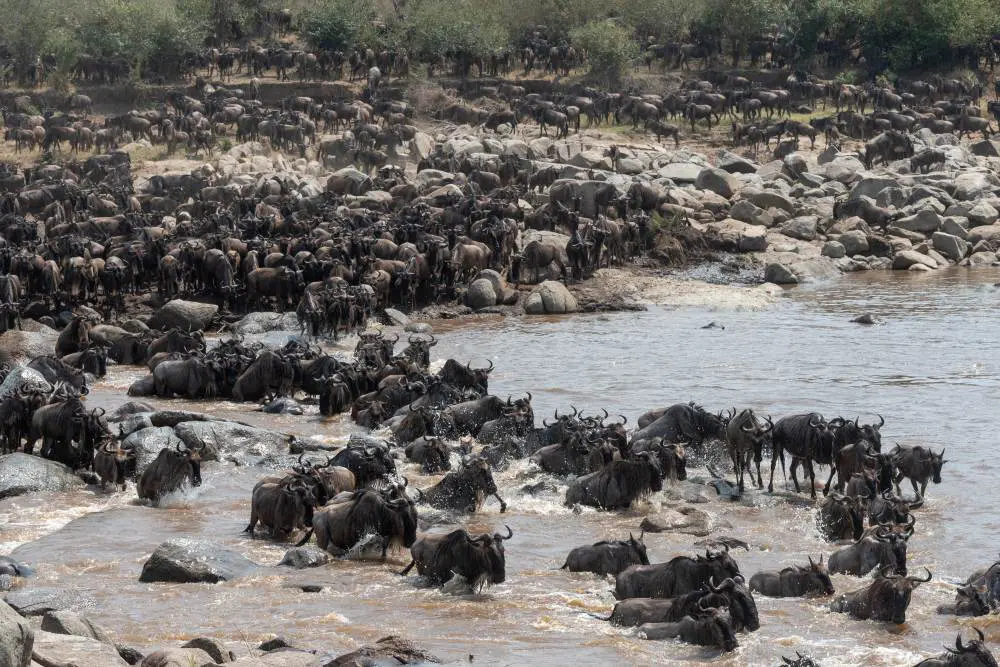
But this spectacle comes at a cost and is shared with higher numbers of other tourists.
Then there’s the 2026 park fee structure. The Maasai Mara’s peak season conservation fees are around US$200 per 12-hour period, which comes in around double the green season rate of US$100. For a family of four on safari, this difference alone can have a significant impact on your safari costs, even before you factor in the premium accommodation rates that July to September command.
None of this is to say that peak season isn’t worth it. A river crossing is a once-in-a-lifetime bucket list moment, but it isn’t the only reason to visit the Mara.
The Green Season Secret: Why April and May Win on Value
The green season – sometimes also called the emerald season in East Africa – is the Mara’s best kept secret. And the people who know it best, the guides who live here year-round, will tell you the same thing: this is when the Mara feels most alive.
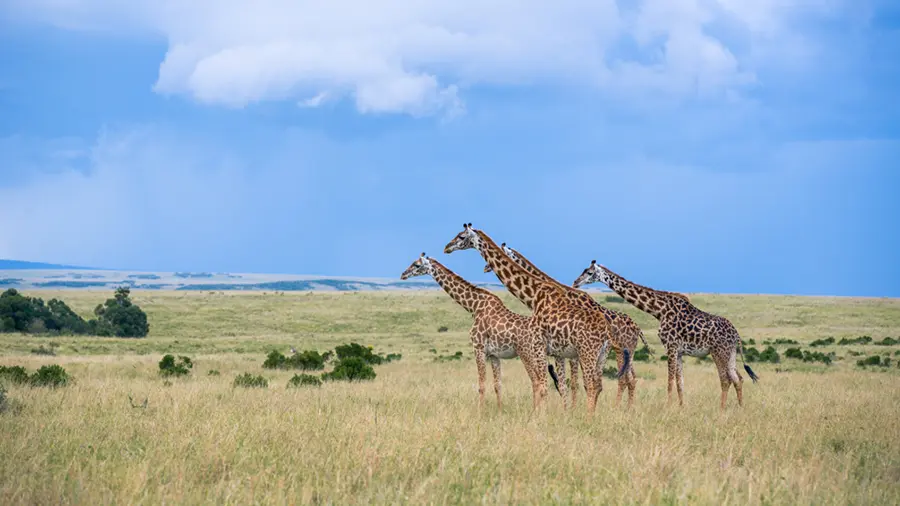
It’s not just about saving money (though the savings are significant). It’s about having the Mara to yourself.
The green season delivers what no peak season premium can buy: exclusivity. In April and May, it’s just you, your guide, and the horizon.
With fewer guests across the reserves and conservancies, your guide has the freedom to follow the story of a single sighting for as long as it unfolds. In fact, it’s highly likely that you’ll be the only vehicle there.
The low season safari benefits extend beyond the game drive too. Camps and lodges operate at lower occupancy, which means more flexibility in scheduling, and a wider choice of accommodation at attractive rates.
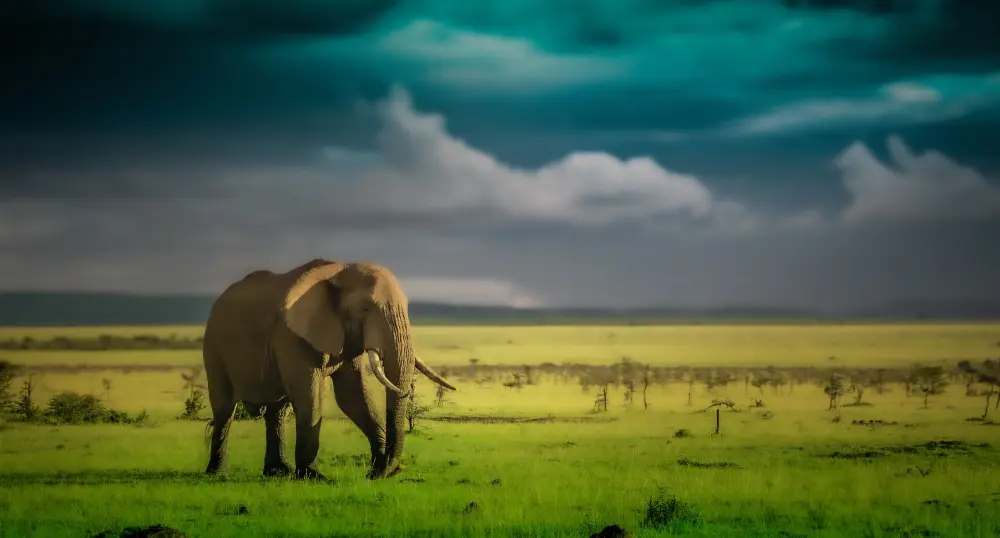
And then there’s the landscape itself. The long rains in Kenya transform the Mara from a dusty golden savannah into a rolling emerald carpet. The light is softer, the air is clearer, and skies are stacked with dramatic storm clouds at sunset. Photographers, this is your time!
The ‘Green’ Trade-Off: Rainfall and Resident Wildlife
It’s undeniable. The green season is green because it rains. The long rains typically arrive in the afternoons, and while mornings are usually clear and warm, the downpours can be dramatic. Some tracks get muddier. Some rivers swell. The Mara River rises and the grasses grow tall – sometimes so tall that the wildlife take advantage of the cover.
But the tall grass is a hit with predators.
In April and May, the Maasai Mara is also known as ‘Predator Season.’ With the migratory herds absent, the resident predators are the stars of the show. Lions, leopards, cheetahs, and hyenas are on the prowl, using the tall grass to conceal their ambush.
Yes, the wildebeest aren’t there. But the herbivores are (in great numbers), and they aren’t all congregated along the riverbanks. This means your search for wildlife is more thrilling and the hunts, when you encounter them, that much more gripping!
The Green Season Advantage: Exclusive Activities and ‘Slow Safari’
While the Migration is about the spectacle of movement, the green season is about the depth of the experience. The pace is slower and the crowds have gone, and Asilia offers several activities that are arguably at their best in April and May.
The Birdwatching ‘Peak’ (January – May)
The green season is the undisputed peak season for birding in East Africa.
Between January and May, European and North African migratory birds descend on the Mara and the Serengeti in their hundreds of species. Many arrive in their vibrant breeding plumage, creating a riot of colour typically absent during the dry months. The wetlands teem with waders and raptors, and species lists can run into the hundreds on a single game drive.
For dedicated birders, this window is unmissable. The combination of resident species and migratory visitors creates a diversity unmatched at any other time of year.
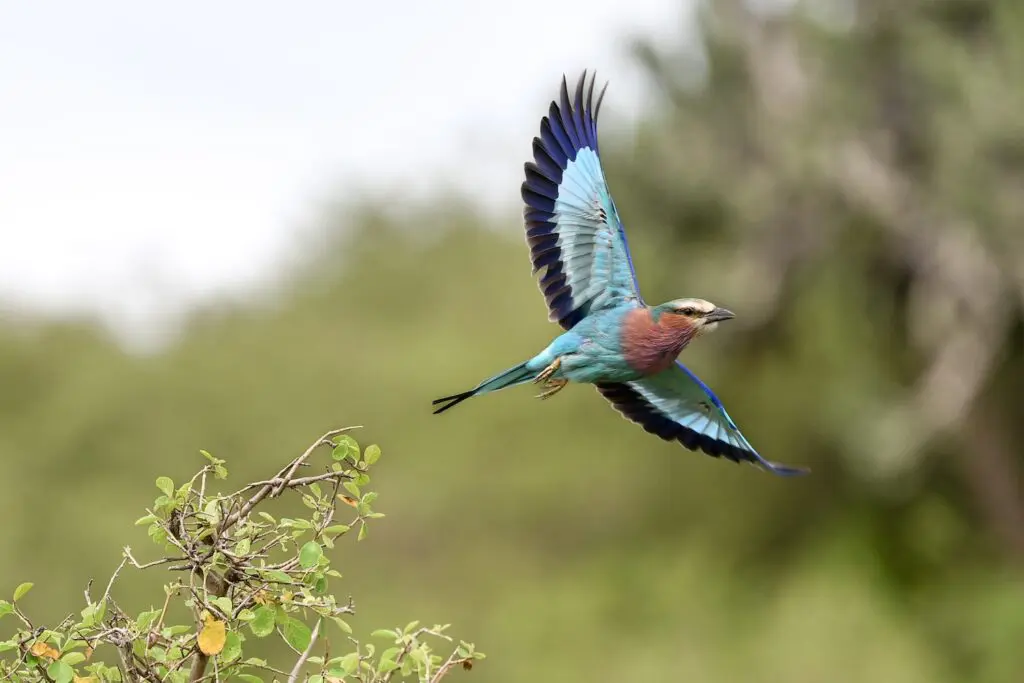
Explore our dedicated birding safaris to plan a trip timed to this extraordinary season.
Specialised Photographic Safaris
The green season is the secret season for photographers, and those in the know guard it jealously.
The air is washed clean by the rains, no dust or haze remains. Just clear, ‘clean’ light that makes colours pop. Greens are richer, skies are more dramatic, and the contrast between storm clouds and the verdant savannah grasses produces magic.
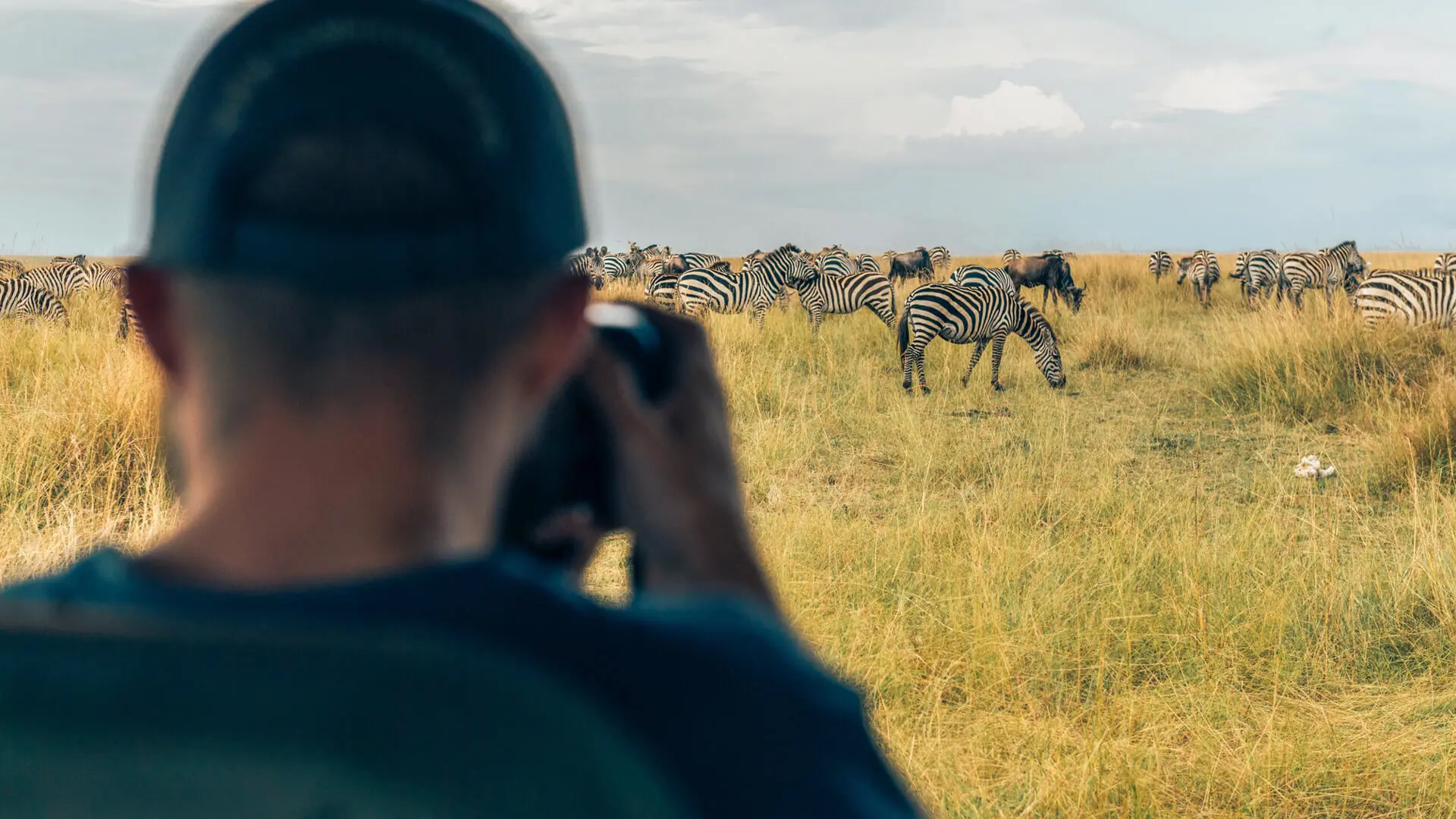
Camps like Naboisho are particularly well suited for photographic safaris during this period. With Asilia’s photographic vehicles, equipped with 360-degree swivel seats and camera mounts – you can spend hours at a single sighting, adjusting angles and waiting for the perfect light, without the pressure of other vehicles queuing behind you. During the green season, these vehicles are easier to book, and the unhurried pace means your guide can prioritise the shot over the schedule.
Discover more about Asilia’s African photo safaris and these specialised vehicles.
Intimate Walking Safaris
Walking in the bush during April and May is a sensory explosion. The ground is soft and damp, the air carries the earthy scent of rain on warm soil, and the landscape is alive with wildflowers, butterflies, and the hum of insects that flourish after the rains.
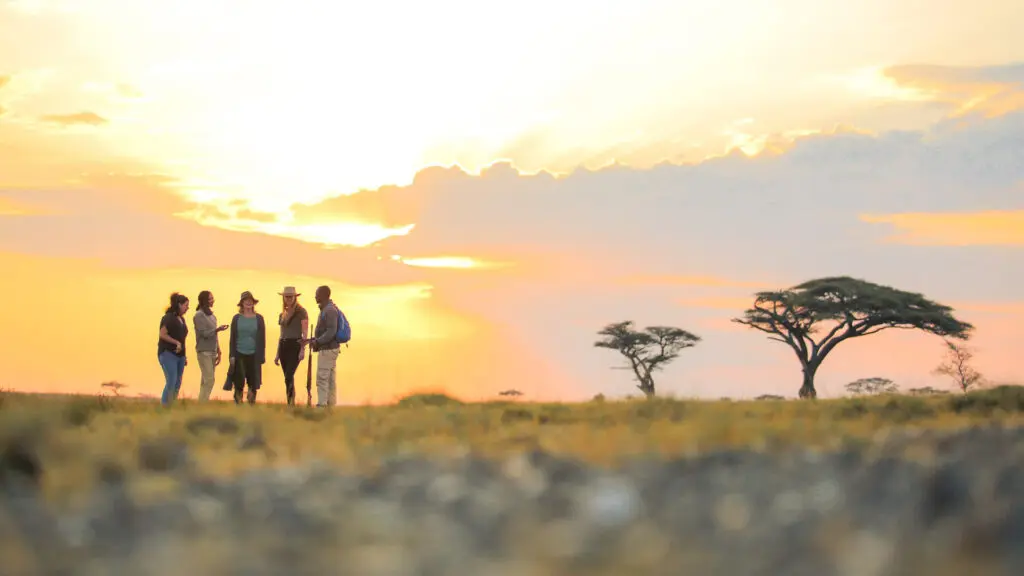
But the real advantage for walkers is practical: damp soil is a tracker’s paradise. Animal spoors are easier to spot in the wet earth than in the dry dust, making it easier for your guide to read the morning’s animal traffic with near forensic precision. It’s the kind of detail that transforms a walk from an amble through the grasses into an education.
A walk offers a different lens on the bush, bringing you close to the ‘micro-life’ that’s so easy to miss from a vehicle. Rare insects, delicate wildflowers, industrious dung beetles rolling their unglamorous cargo – it’s a whole new experience on foot.
Walking safaris are only available in certain private conservancies, like Mara Naboisho. Plan your walking safaris with Asilia in East Africa.
Frequently Asked Questions
Absolutely! April and May offer the Mara at its most exclusive, with dramatically lower park fees, fewer visitors, lush landscapes, exceptional birding, and magnificent predator sightings. You won’t see the GreatMigration, but it’s a much quieter experience and more affordable.
In 2026, the Maasai Mara park fees are around US$200 per 12-hour period during peak season (July – September) and US$100 per 12-hour period during the green season (April-May).
The tall grass can make spotting smaller animals trickier to spot, but the larger predators – lions, leopards, cheetahs, and hyenas – remain highly active and visible. It’s a good time to see predators on the hunt, as resident herbivores (zebra, topi, eland, impala) are plentiful all year round.
The rains clear dust from the air, creating crisp, clear light. Without the haze and dust, colours are more vivid, skies more dramatic, and the vibrant green of the foliage contrasts dramatically with the dark clouds.
During the long rains (typically between April and May), mornings in the Maasai Mara are warm and clear. Rain tends to arrive in the afternoon in the form of dramatic but short-lived downpours. Temperatures remain comfortable. Some roads become muddy, and the grasses grow tall, but the rain also ushers in incredible bird viewing, gorgeous wildflowers, and butterflies.
In many ways, yes. The damp soil makes tracking wildlife much easier as the animal footprints are clearer than they would be in the dust of the dry season. The landscape is also at its most vibrant – flowers and insect life flourish, creating a sensory experience hard to achieve at other times of year.
When the herds of the Great Migration have moved on, the Mara’s predators become the main attraction. The hunting action is at its best, with herbivores scattered across the plains and the tall grasses providing cover for predatory ambushes.
Ready to explore the Mara on your own terms? Reach out today to begin planning your green season safari.