Is July a Good Time to Visit Africa?
By July, the dry season in East Africa is in full effect, making it one of the best months for an unforgettable safari experience. The parched landscape drives wildlife to congregate around the remaining water sources, creating some truly spectacular viewing opportunities. Temperatures are mild, and rainfall is minimal, creating the perfect conditions for tracking wildlife.
July falls within the high season for most safari destinations, meaning premium prices but also unrivalled wildlife viewing. Advanced booking for this time of year is essential, particularly for popular national parks and sought-after experiences.

Tanzania Safari in July
Visiting Tanzania in July offers excellent safari opportunities with optimal weather conditions across most regions. The dry season is fully underway, with daytime temperatures ranging from 20-30°C (68-86°F) and minimal rainfall creating ideal wildlife viewing conditions throughout the country.
July is perhaps the most thrilling month for witnessing the dramatic river crossings of the Great Wildebeest Migration. Hungry crocodiles lie in wait beneath the murky waters of the Mara River, thrashing the waters into a feeding frenzy as the first herds begin to cross.
July falls within Tanzania’s high season, meaning prices are higher and it’s generally busier. If you’re planning to visit at this time, advanced booking is essential—9-12 months ahead is recommended for places like the northern Serengeti and Ngorongoro in July. The southern parks, like Ruaha and Nyerere, offer a much more exclusive experience with fewer visitors even during this peak period.
Learn more about when to visit Tanzania.
Serengeti National Park
By this time of the year, the herds of wildebeest and zebra have moved into the northern Serengeti, where they gather along the banks of the Mara River before plunging headlong into the waters, heaving with hungry crocodiles. The dramatic river crossing of the Mara and Grumeti rivers is one of the most popular portions of the Migration, attracting visitors from near and far.
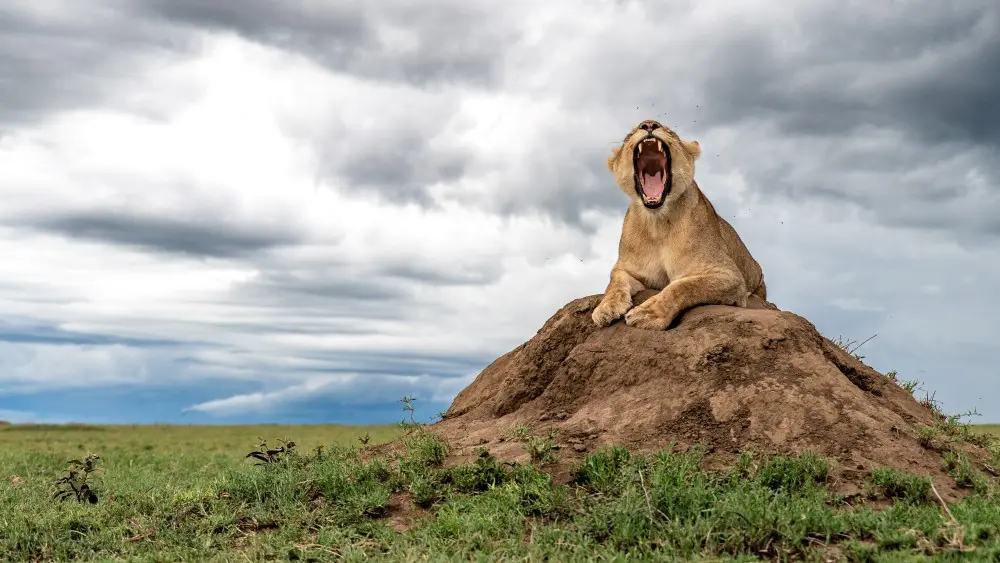
Visitors can expect exceptional predator sightings as lion, leopard, and cheetah capitalise on the abundant prey. The Lamai Wedge and Kogatende areas offer prime viewing locations for the river crossings, while the central Serengeti remains excellent for general game viewing.
Ngorongoro Crater in July

July in Ngorongoro Crater offers clear skies and minimal vegetation, which makes spotting wildlife easier without tall grass obstructing your view. The dry conditions attract the animals to permanent water sources, and the cooler temperatures mean the wildlife is generally more active throughout the day rather than only during mornings and late afternoons.
Kenya Safari in July
If you’re wondering if July is a good time to visit Kenya, the answer is a resounding YES! In fact, it’s one of the finest months for a Kenyan safari experience. Kenya in July is dry and mild, with comfortable daytime temperatures between 24-27°C (75-81°F). The dry conditions are ideal for safaris, as the animals are easier to find as they’re usually congregated around water sources. Also, viewing wildlife is easier as the vegetation is dry and sparse.
July sees the Great Migration’s arrival in the Masai Mara. While the more dramatic river crossings don’t occur until August and September, July visitors can often witness the buildup of the herds on the banks of the Mara River and the first few brave charges across, typically toward the end of July.
July is high season, bringing premium pricing and larger visitor numbers, particularly in popular destinations like the Masai Mara. Booking in advance is essential, particularly for the Migration. The unmatched wildlife experience more than makes up for the higher costs and busier conditions.
Learn more about when to visit Kenya.
Great Masai Mara in July

The Masai Mara in July transforms into a wildlife paradise as the front-runners of the Great Migration begin to arrive. The reserve’s rolling grasslands are dotted with resident wildlife, including big cats – lion, leopard, and cheetah – that roam the fringes to take advantage of this abundant prey. The conservancies along the edge of the National Reserve are an excellent alternative at this time, offering exclusive viewing experiences and fewer crowds.
Amboseli National Park in July
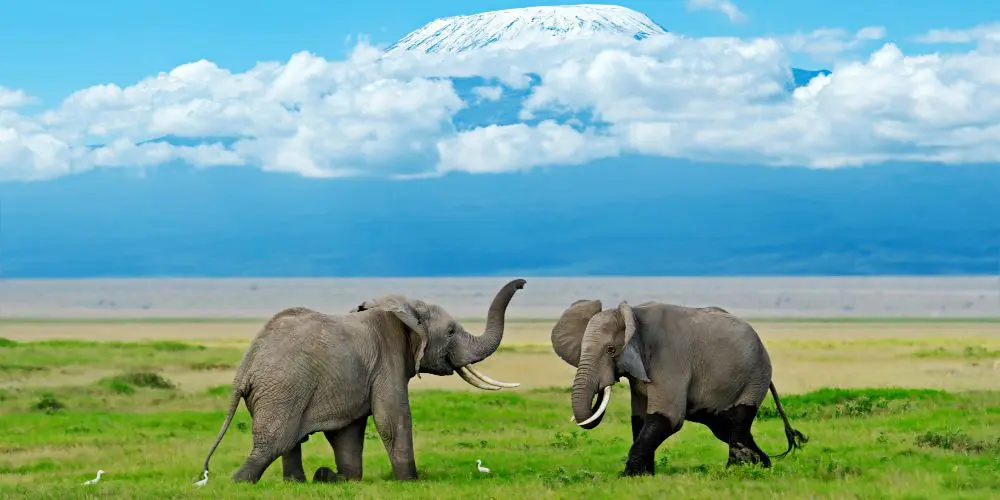
July is an excellent time to view the game at Amboseli National Park. The dry weather means that the park’s famous elephant herds and other wildlife hang out close to marshes and water sources. On clear mornings, the epic backdrop of Mount Kilimanjaro becomes increasingly visible, while reduced vegetation and comfortable temperatures make game viewing pleasant.
Uganda Gorilla Adventures in July
Conditions for gorilla trekking in Uganda in July, as well as other wildlife adventures, are ideal. It’s the dry season, temperatures are comfortable, and the minimal rainfall creates perfect trekking conditions. Gorilla trekking in July is marked by drier conditions on the forest floor, making hiking through the dense forests more pleasant. As the gorillas follow food availability, you’ll find them on the lower mountain slopes during the dry season, so treks are potentially shorter and less strenuous. Photographers prefer this time of year as the conditions are clear.
July is peak season in Uganda, so expect higher prices and the need to book well in advance, especially for limited gorilla permits. However, Uganda is generally a quieter destination than Kenya and Tanzania, providing a more exclusive safari experience even during high season.
Learn more about the best time for gorilla trekking in Uganda.
Bwindi Impenetrable National Park in July
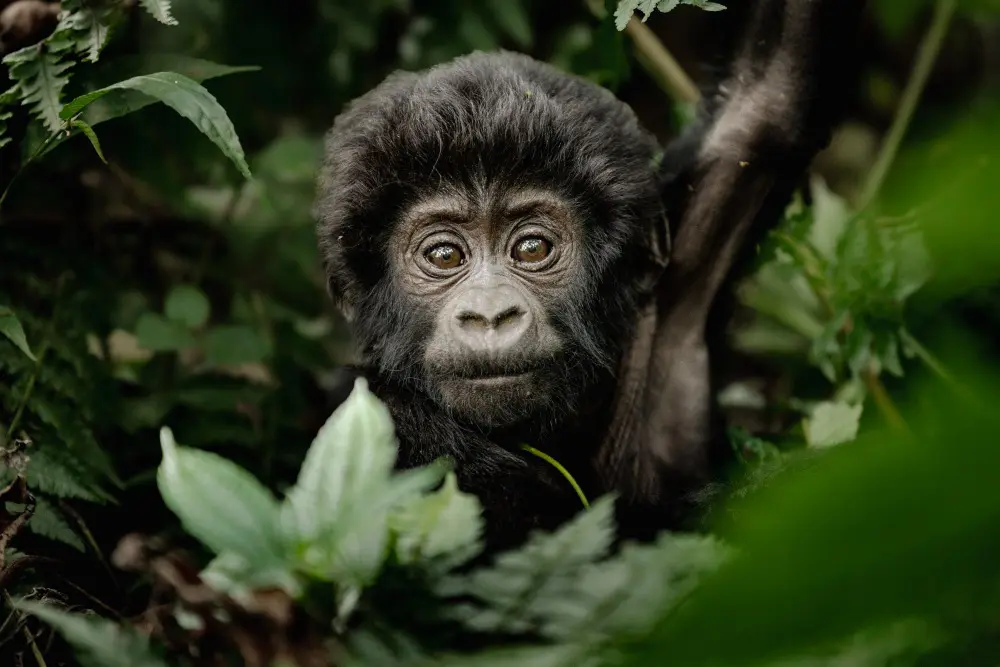
Bwindi offers excellent gorilla trekking conditions in July. Reduced rainfall means less mud and firmer terrain underfoot, making it a popular time for trekking. The multiple gorilla families are accessible from different park sectors and allow varied trekking experiences based on your fitness level and preferences.
Queen Elizabeth National Park in July

Beyond gorilla trekking, July is excellent for exploring Uganda’s savannah parks. Queen Elizabeth National Park offers exceptional game viewing during this dry period, with wildlife gathering around the Kazinga Channel and other remaining water sources. The tree-climbing lion of Ishasha are easier to spot through thinner foliage, and the clear conditions generally make wildlife spotting easier.
Best Beaches in Africa in July
After a thrilling safari experience, a few days of beach bliss offer the perfect way to end your trip. July provides excellent beach conditions across much of East Africa’s coast, with warm temperatures and minimal rainfall creating optimal conditions for sunbathing, water sports, and marine explorations.
Zanzibar in July
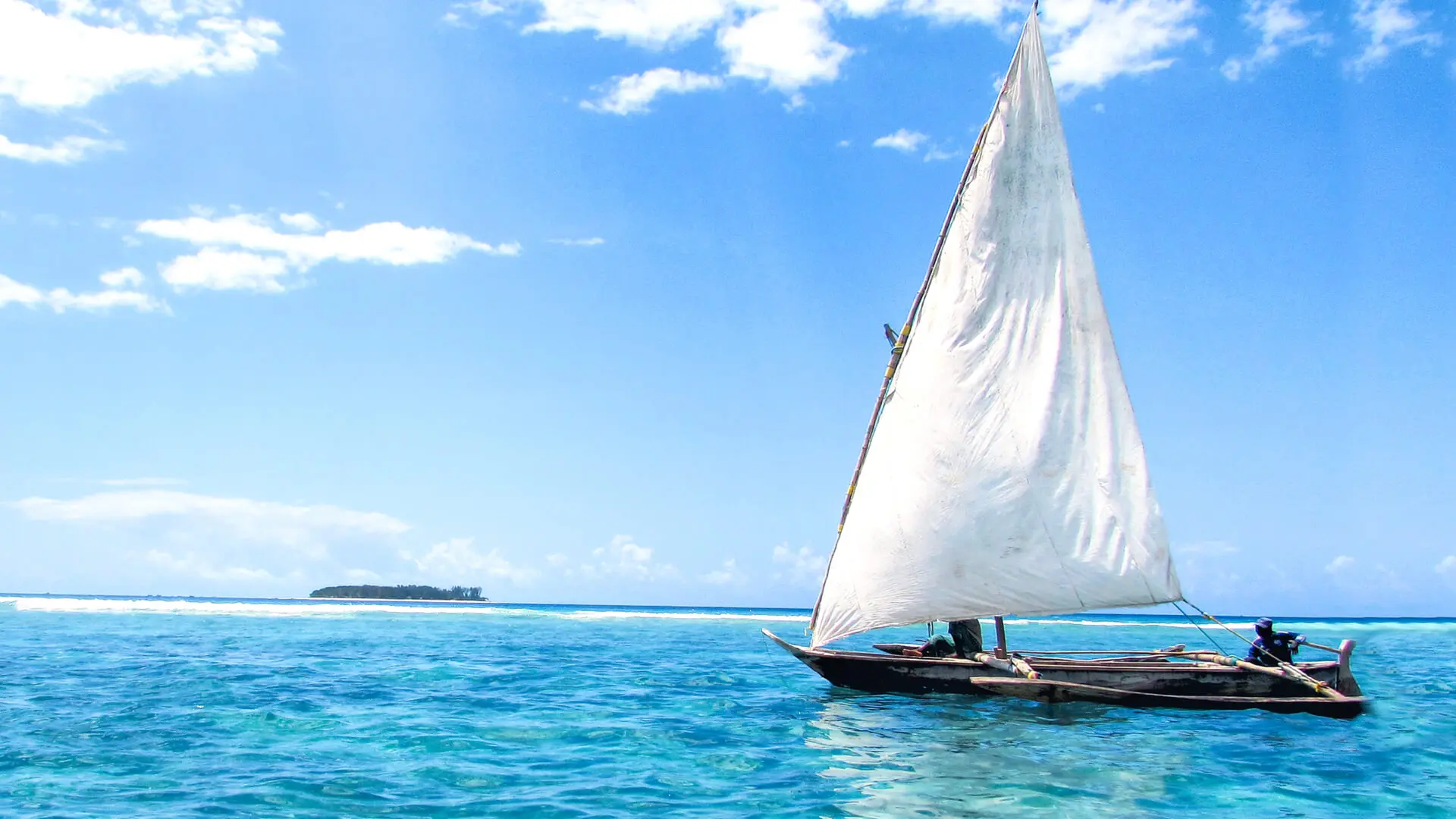
July is one of the best months to visit Zanzibar, a tropical paradise. Expect dry, sunny weather, minimal rainfall, and bright blue skies, perfect for beach activities and exploring the island’s rich culture.
Water sports enthusiasts can enjoy optimal conditions for snorkelling and diving among the vibrant coral reefs. The waters are crystal clear, with visibility extending up to 30 meters. The northern and eastern beaches experience calmer seas at this time while diving conditions peak around Mnembe Atoll and sites off Stone Town and the south coast.
As July is high season, expect higher prices for premium accommodation and higher visitor numbers.
Learn more about the best time to visit Zanzibar.
Kenya Beaches in July

Kenya’s coastline in July offers exceptional beach conditions with warm, dry weather averaging 26-30°C (79-86°F), with minimal rainfall. The clear skies and gentle coastal breeze create the ideal conditions for a beach break after an exhilarating safari.
July is the perfect time for water activities along Kenya’s coast. The calm, clear seas offer excellent conditions for snorkelling and diving, particularly around the marine reserves of Watamu and Kisite-Mpunguti. Visibility at this time of year often exceeds 20 meters, revealing vibrant coral gardens and diverse marine species. Dolphin spotting excursions and deep-sea fishing also reach their peak during this period.
As with all of East Africa, July is peak season, so expect higher prices at the coastal resorts and higher visitor numbers. However, the excellent weather and perfect beach conditions will compensate for this.
Learn more about the best time to visit Kenya’s beaches.
Our Best July Safari
For the ultimate July safari, we recommend our All Asilia Reserve Circuit, which combines Tanzania’s Serengeti & Ruaha National Parks with a stay at Kenya’s Mara Naboisho Conservancy.
This incredible 10-day safari covers the highlights of each country. Because you’ll be spending 7 consecutive nights at Asilia camps, we’ll cover the cost of the inter-camp transport, making this itinerary hard to resist.
If you’d like to add on a beach component, our team of safari experts can assist you in crafting the itinerary of your dreams. Ready to begin planning?