There is a moment in Nyerere National Park when everything feels renewed. After the long rains of April and May, the landscape begins to shift. The heavy skies clear, the air softens, and the first steady rhythms of the dry season emerge.
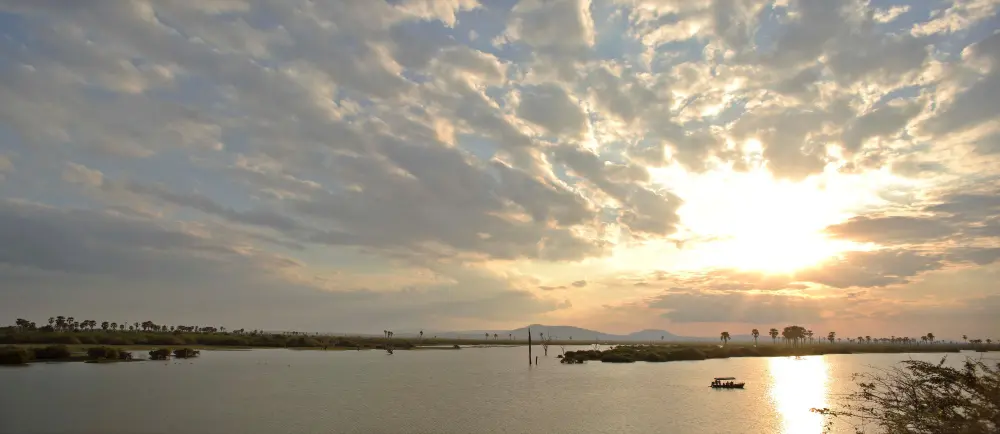
June marks this transition – a time when the park is at its most vibrant, its waterways at their fullest, and its possibilities at their widest. It is also when Roho ya Selous opens its doors once more, welcoming the new safari season in one of East Africa’s most dynamic and water-rich wildernesses.
A Landscape Reawakened
Nyerere National Park, formerly part of the Selous Game Reserve, is defined as much by its waterways as by its wildlife. Rivers, lakes, and channels weave through the landscape, creating a safari experience that feels fluid and ever-changing. By June, the effects of the rainy season are still fresh.

Water levels across the park are at their annual peak, transforming the terrain into a network of interconnected systems. Seasonal channels that may be dry later in the year are now full, linking lakes and opening up routes that may otherwise be inaccessible. Nowhere is this more evident than at Lake Nzerakera, where Roho ya Selous is situated.
The lake expands with the rains, its edges softening into the surrounding floodplains. From the camp’s peninsula setting, water stretches in almost every direction, creating a sense of immersion that is unique to this time of year. This abundance of water does more than shape the scenery – it defines the experience.
The Season of Exploration
June is, quite simply, the best time to explore Nyerere by boat. With the waterways at their fullest, the park opens up for exploration in ways that are not possible later in the season. Channels become navigable, hidden lagoons reveal themselves, and previously isolated lakes can be linked together in a single outing. Each journey on the water holds the potential for new discoveries.
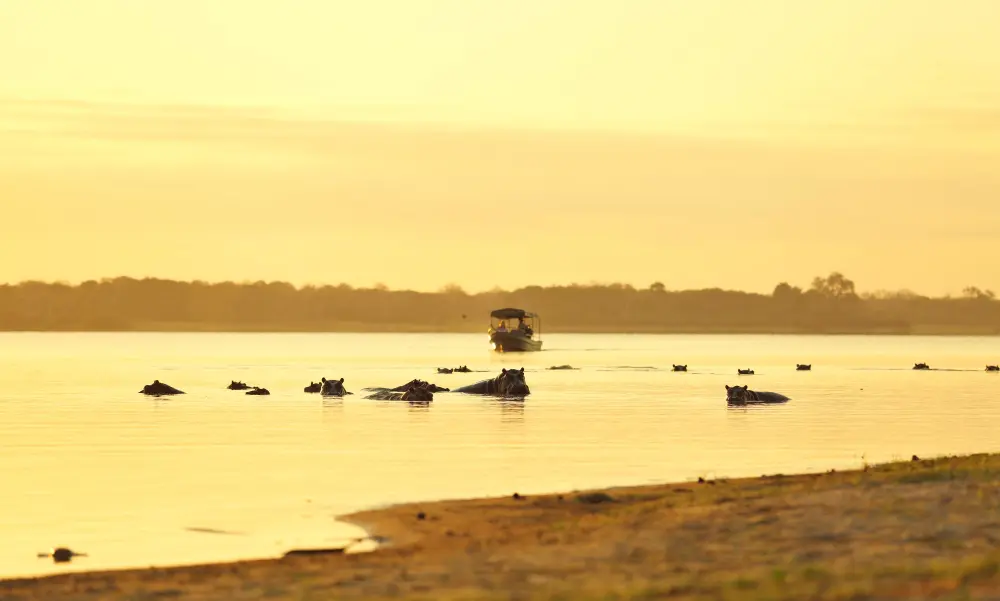
Boats glide through narrow channels lined with reeds, emerging into wide, open lakes where the horizon seems to stretch endlessly. The pace is unhurried, allowing time to absorb the details – the reflections on the water, the movement along the shoreline, the constant interplay between land and lake.
This is a different kind of safari. There are no tracks to follow, no fixed routes. Instead, the waterways guide the journey, offering a sense of freedom and discovery that is difficult to replicate elsewhere. And with every turn, there is something to see.
Wildlife Along the Water’s Edge
As water levels rise, wildlife adjusts accordingly. Animals are drawn to the edges – those transitional spaces where land meets water. These areas become hubs of activity, offering exceptional opportunities for observation.
Hippos are ever-present, their pods occupying channels and lagoons, their presence announced by the low grunts and sudden splashes that break the surface. Watching them from the water offers a unique perspective, bringing you closer to their world without intrusion.
Along the banks, crocodiles lie motionless, basking in the sun. Their stillness is deceptive, and the contrast between their calm exterior and latent power is a constant reminder of the balance that defines these ecosystems.
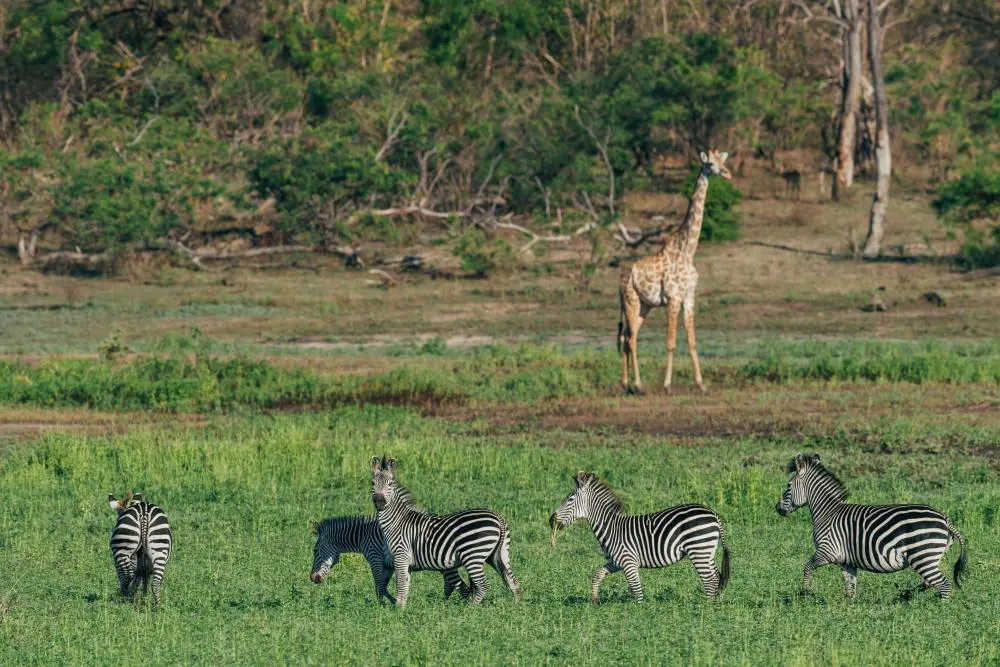
Further afield, elephants, buffalo, and antelope move between feeding areas, often appearing at the water’s edge to drink. From the vantage point of a boat, these encounters feel intimate and unhurried, free from the dynamics of a traditional game drive. But perhaps the most striking presence in June is not on the land at all.
A Haven for Birdlife
With the rains replenishing the landscape, Nyerere becomes a birding paradise. Migratory species linger, resident birds thrive, and the abundance of water creates ideal feeding conditions. The result is a richness and diversity that is immediately apparent, even to the casual observer.
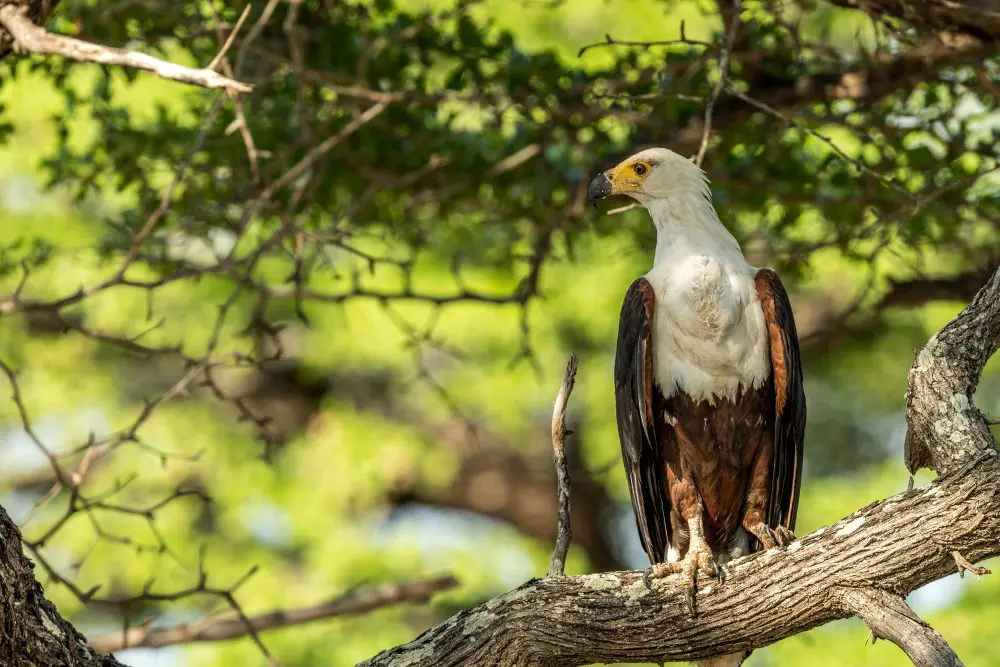
Fish eagles call from the treetops, their distinctive cry echoing across the lakes. Kingfishers dart low over the water, flashes of colour against the reflective surface. Herons and storks wade through the shallows, while bee-eaters gather along the banks. For those with a deeper interest in birding,
June offers an exceptional window. The variety is vast, and the accessibility – particularly by boat – allows for prolonged, uninterrupted viewing. It is a reminder that in Nyerere, the experience is not defined by a single species or moment, but by the collective richness of the ecosystem.
Evenings on the Water
As the day begins to wind down, the atmosphere shifts once more. The heat softens, the light deepens, and the waterways take on a different character. This is the time for one of Nyerere’s most memorable experiences: evening sundowners alongside the water.
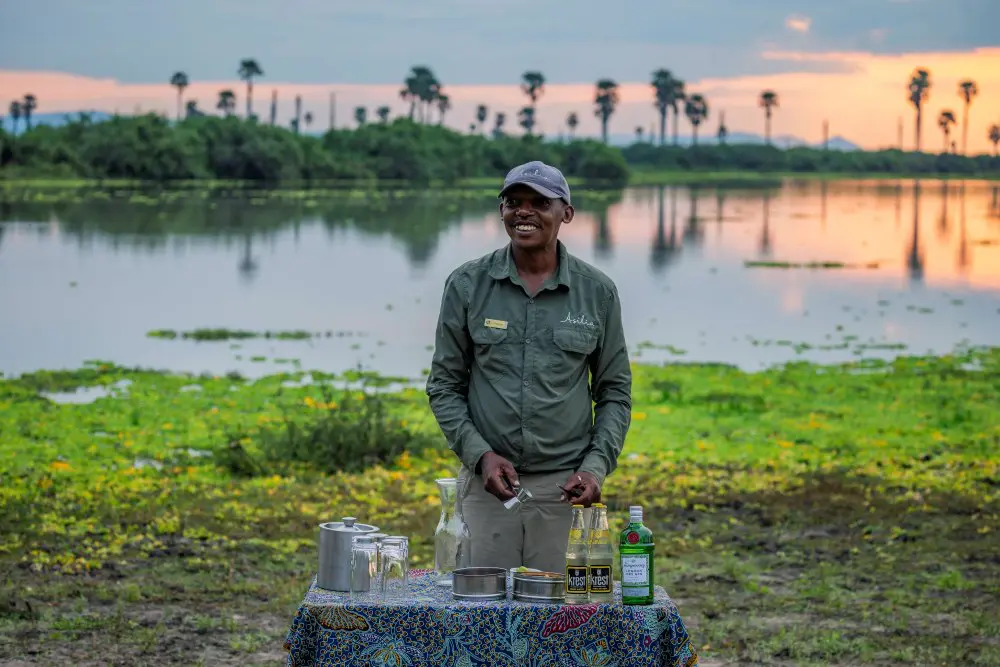
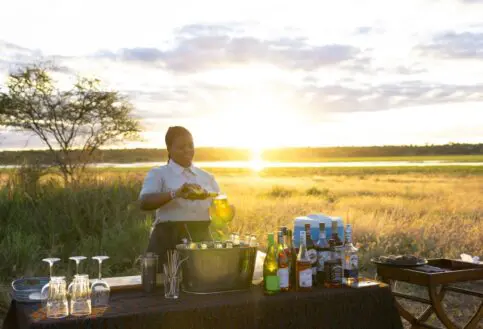
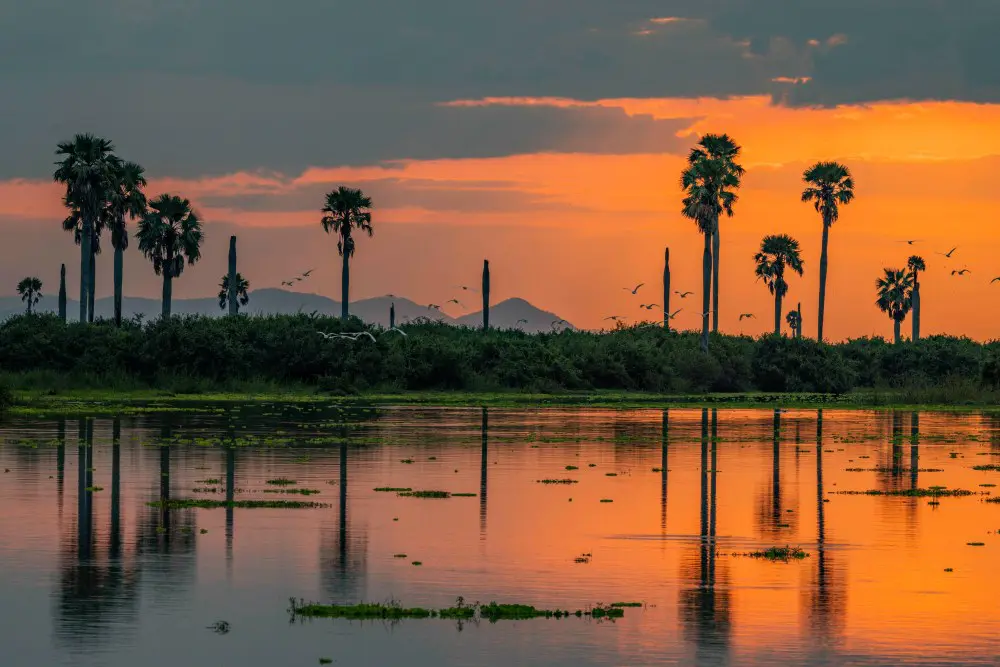
Drifting across the lake as the sun dips towards the horizon, the landscape becomes bathed in warm, golden tones. The surface of the water reflects the changing sky, creating a sense of stillness that is both calming and expansive. As you approach the shoreline, activity on the bank comes into focus, where a drinks table has been setup. With a crisp gin & tonic, or your preferred beverage in hand, toast the setting sun and marvel as the sunset colours blend and swirl across the water’s surface.
Hippos begin to stir, birds settle for the night, and the first sounds of the evening emerge. It is a moment that captures the essence of the park – not dramatic or hurried, but quietly profound.
Roho ya Selous: At the Heart of it All
At the centre of this experience is Roho ya Selous. Perched on its peninsula within Lake Nzerakera, the camp is uniquely positioned to take full advantage of June’s conditions. With water on nearly all sides, access to the surrounding channels and lakes is immediate and effortless.
Mornings might begin with a gentle walk along the shoreline, tracing tracks left overnight and observing the subtle interactions between wildlife and water. From there, the day can unfold in multiple directions – by boat, by vehicle, or simply by pausing to take in the view.
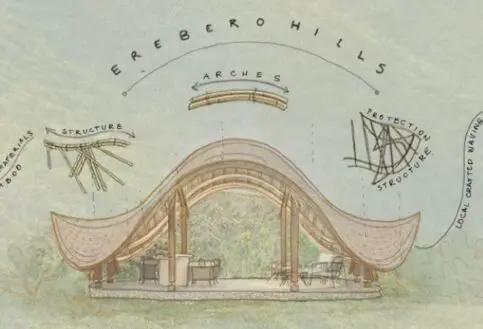
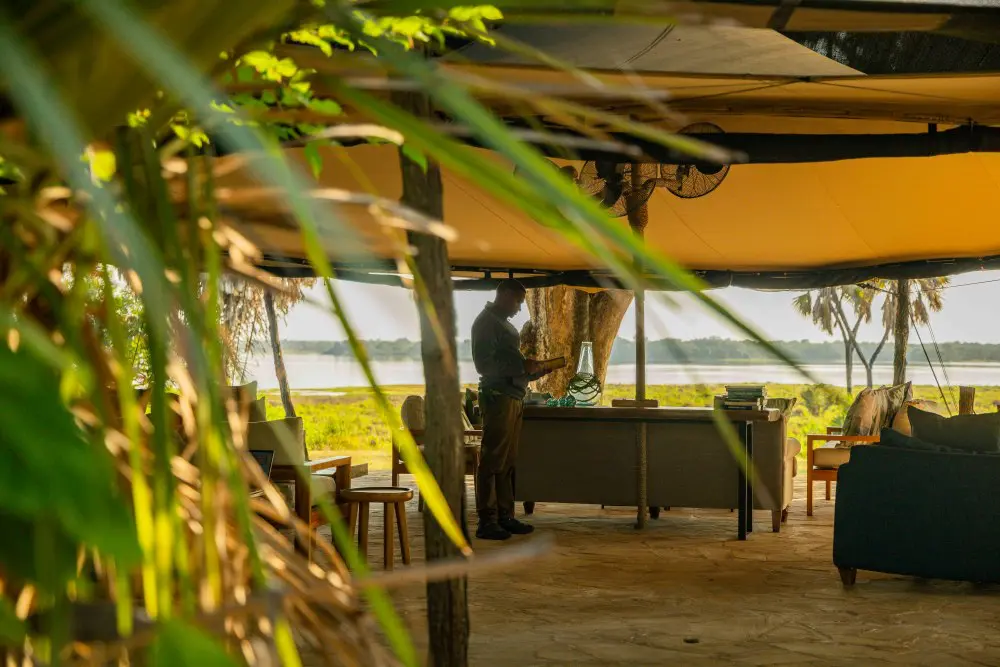
The camp itself reflects the rhythm of the environment. Open, airy spaces invite the outside in, while the constant presence of water creates a sense of calm continuity. In June, this connection feels particularly strong. The landscape is at its most generous, the waterways at their most expansive, and the opportunities for exploration at their peak.
A Season Defined by Water
There are many times to visit Nyerere National Park, each offering its own perspective. But June stands apart. It is a month defined by abundance and accessibility, where the effects of the rains are still visible and the waterways are at their most dynamic. It is a time when the park reveals itself not just as a place to see wildlife, but as a landscape to move through, to explore, and to understand.
For those drawn to the idea of a safari that flows – literally and figuratively – there is no better moment. In June, Nyerere is not just alive. It is open.