Few wildlife encounters are as powerful as watching lions move across the Serengeti at dawn. From large resident prides lounging lazily on granite kopjes to lionesses on the hunt, capitalising on the abundance that the wildebeest migration offers, the Serengeti delivers some of Africa’s most iconic predator experiences.
For safari travellers, knowing where lions thrive – and choosing the right camp and season – shapes the entire safari experience. This guide covers what makes Serengeti lions special, what a lion safari feels like, and which camps offer rewarding encounters.
Why the Serengeti is Famous for Lions
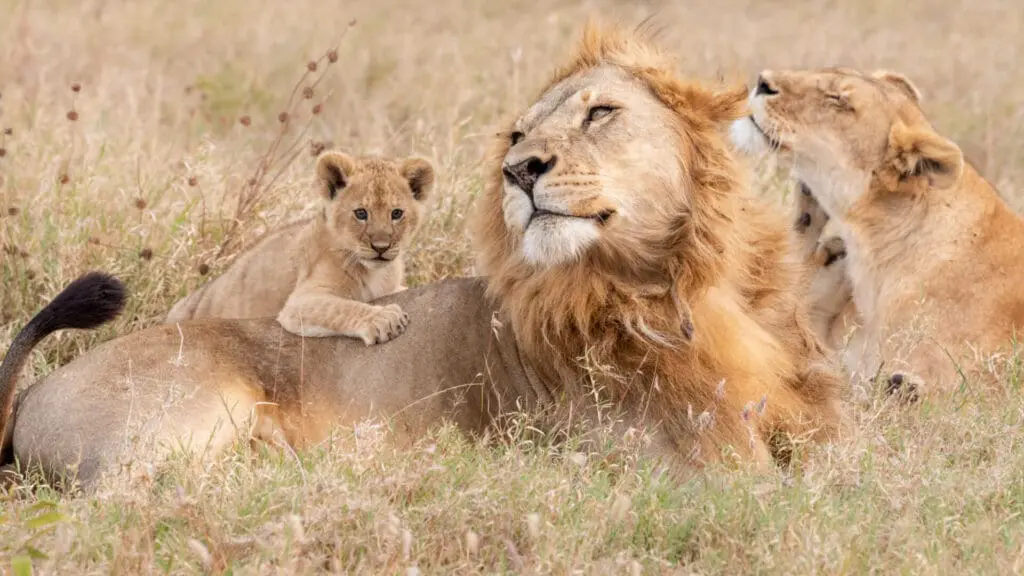
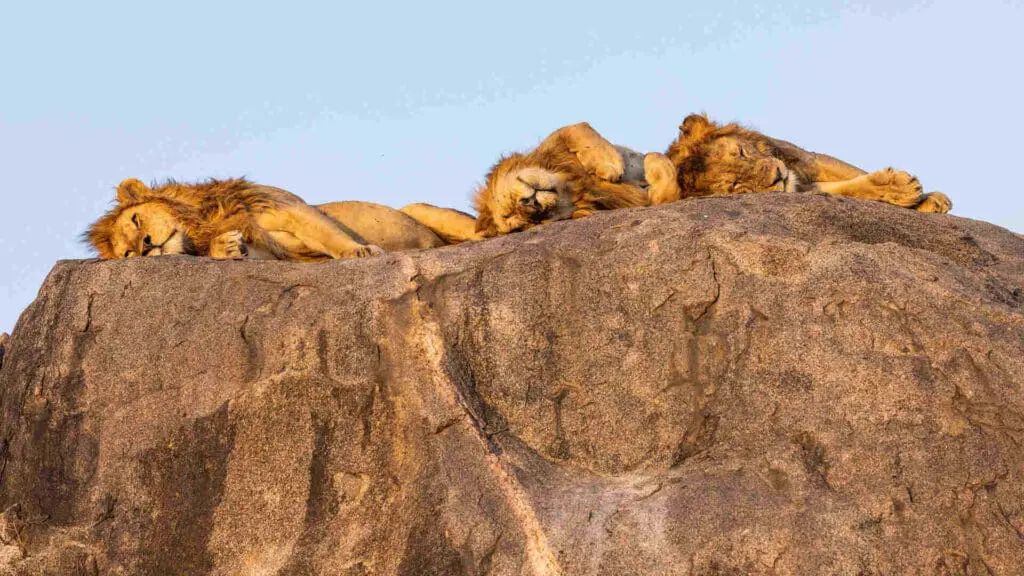
Over 3000 lions live in the Serengeti, making it one of the most significant lion populations in Africa. These lions are organised into prides, each occupying defined territories across the ecosystem’s grasslands, woodlands, and rocky outcrops.
What sets the Serengeti apart is the combination of open plains, rocky kopjes, and year-round availability of prey. The migration of vast herds of wildebeest and zebra ensures that at any given point, there’s a region of the Serengeti where resident prides enjoy an abundance of food.
The landscape and abundant prey are ideal for lion prides. Guests see territorial behaviour, hunting, and group dynamics year-round. Open grasslands mean sightings are often prolonged, and the lions are not skittish around vehicles, so natural behaviour continues undisturbed.
What a Lion Safari in the Serengeti Is Actually Like
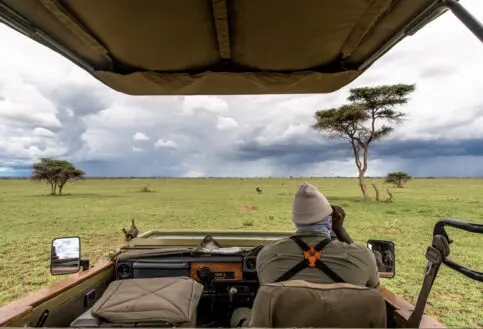
A lion safari experience in the Serengeti begins before sunrise, when the air is cool, and the landscape is painted in deep golds and violet. Your guide navigates the vehicle quietly across the plains, expertly reading the terrain for tracks, alarm calls, and the posture of grazing herds that might indicate a nearby lion.
A pride of lions materialises from the long grass. Seeing lions in the Serengeti at dawn is an emotional experience that photographs alone can’t capture.
After watching lions on safari, you’ll tell your family and friends back home about cubs wrestling and tumbling under the watchful gaze of their mother, lionesses skillfully coordinating a hunt across the plains, or a coalition of males roaring at dusk. But no amount of describing can come close to the actual feeling of a lion’s roar vibrating through the air and settling in your chest. That feeling can only be understood after a close lion encounter.

Serengeti Regions Known for Lion Sightings
Eastern Serengeti and Namiri Plains
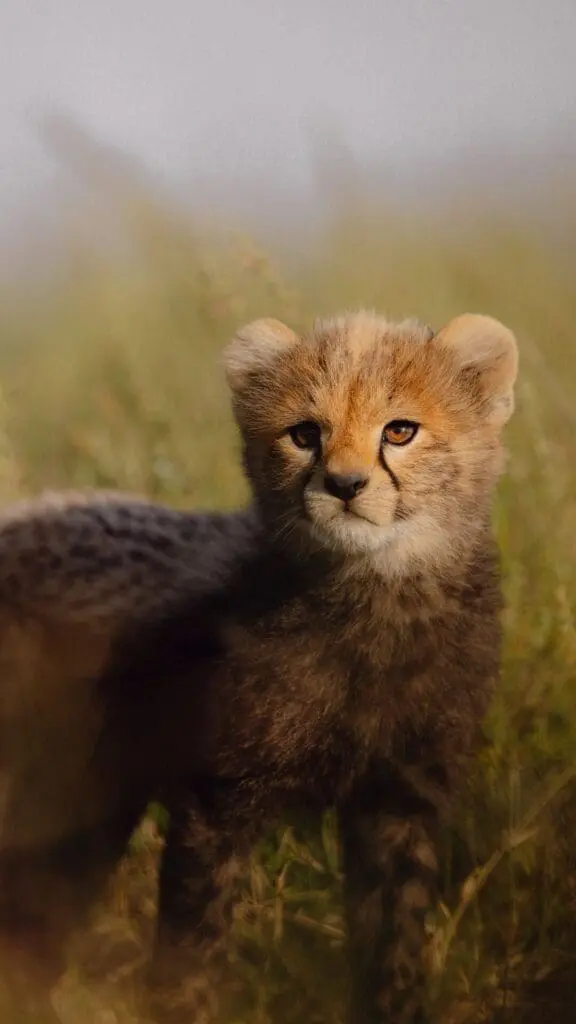
The eastern Serengeti around Namiri Plains is renowned for its high predator density and quieter safari experiences. The area was closed to tourism for two decades to support cheetah conservation and remains one of the Serengeti’s most rewarding areas for lion sightings. The grasslands here support significant lion pride activity, and with very few other vehicles in the area, encounters tend to feel private and uninterrupted.
This region has historically hosted some of the Serengeti’s most impressive prides, including the famous Namiri Super Pride – a group of over 60 lions governed by a coalition of six males known as the Wauwaji (“The Killers”). Today, the area remains prime lion territory with active prides frequently sighted near camp.
Namiri Plains – For Big Cat Encounters
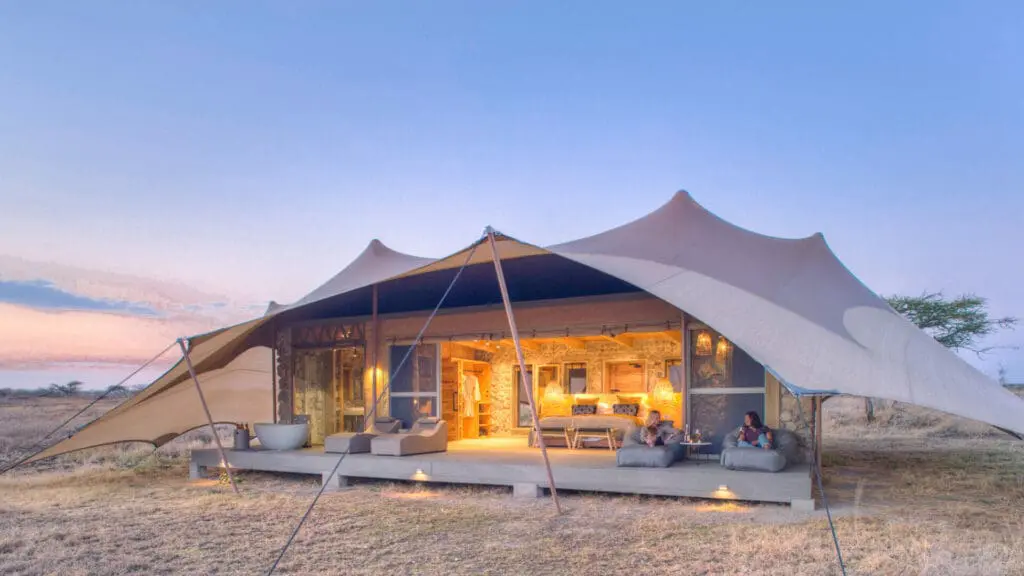
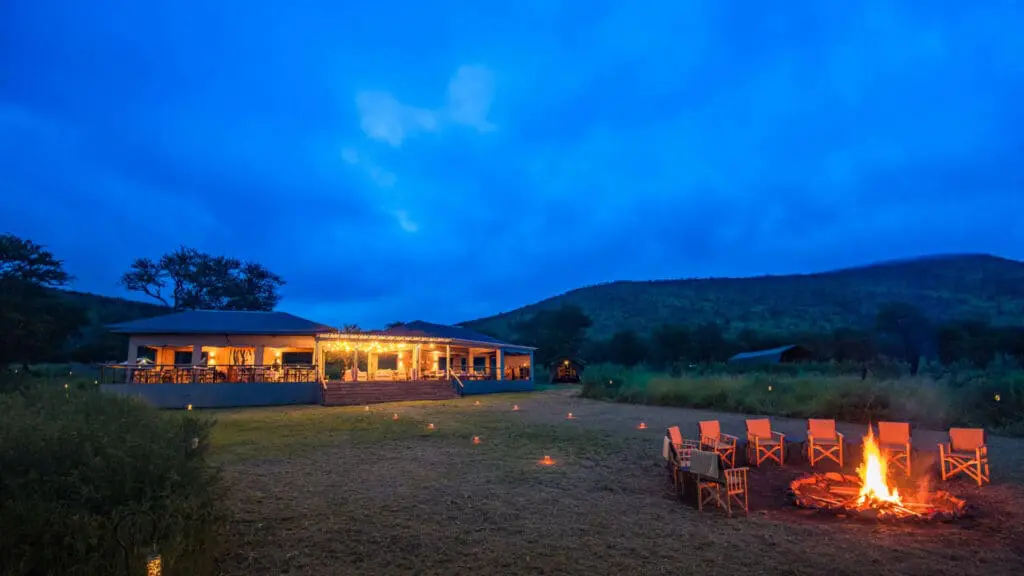
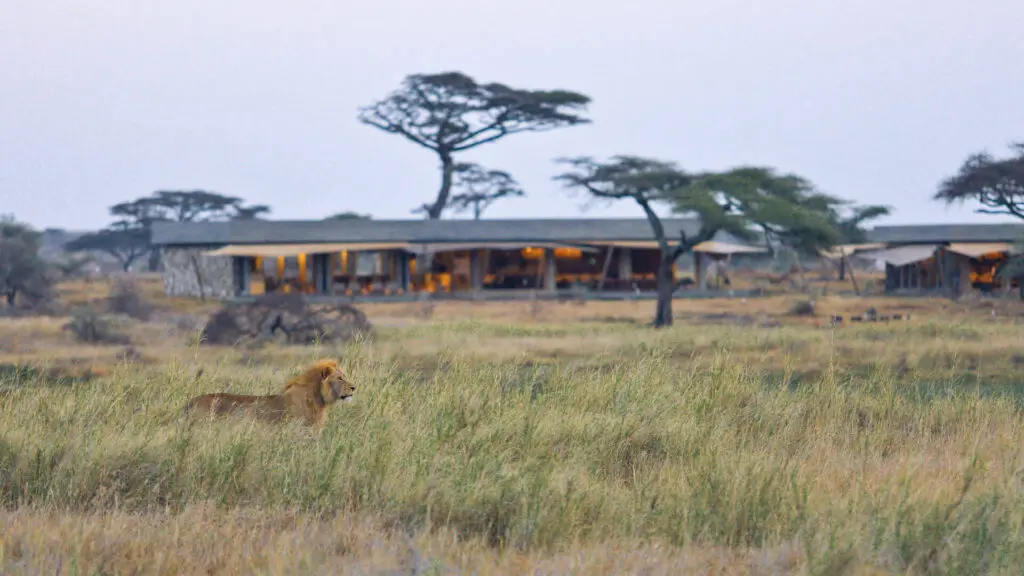
Asilia’s Namiri Plains camp, located in the remote eastern Serengeti and known for its rich predator territory, is recommended for travellers seeking close wildlife encounters. Its 11 spacious tented suites offer panoramic plains views and, at times, lion sightings from camp.
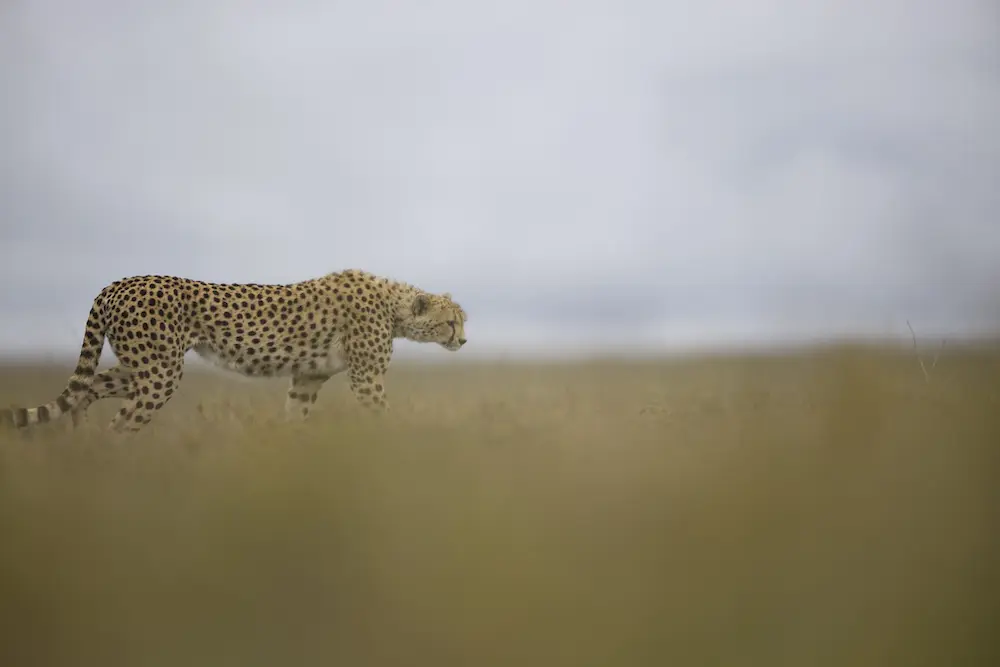
Exclusivity here is at its maximum, with the nearest neighbouring camp over an hour’s drive away. In addition to exclusive game viewing, the area is a haven for big cats, offering frequent cheetah and leopard sightings. For photographic opportunities, few camps in the Serengeti can match this combination of access, privacy, and predator density.
Central Serengeti and Seronera
The central Serengeti around Seronera is popular for its excellent year-round wildlife viewing. The network of rivers, kopjes, and grasslands supports a high density of resident lion prides. The region also lies along the migration corridors, meaning prey availability surges during the herds’ annual movement through the area.
For visitors seeking classic Serengeti scenery – golden plains, distant horizons, kopjes, and acacia woodland – the central Serengeti delivers. Lion sightings are frequent and feature early-morning hunts and lone males surveying territory from rocky outcrops.
Dunia Camp – For Central Serengeti Lion Viewing
Asilia’s Dunia Camp offers easy access to both the scenic Moru Kopjes and the game-dense Seronera area. The camp’s location means guests can enjoy year-round wildlife viewing, including regular lion sightings across the surrounding plains and woodland edges.
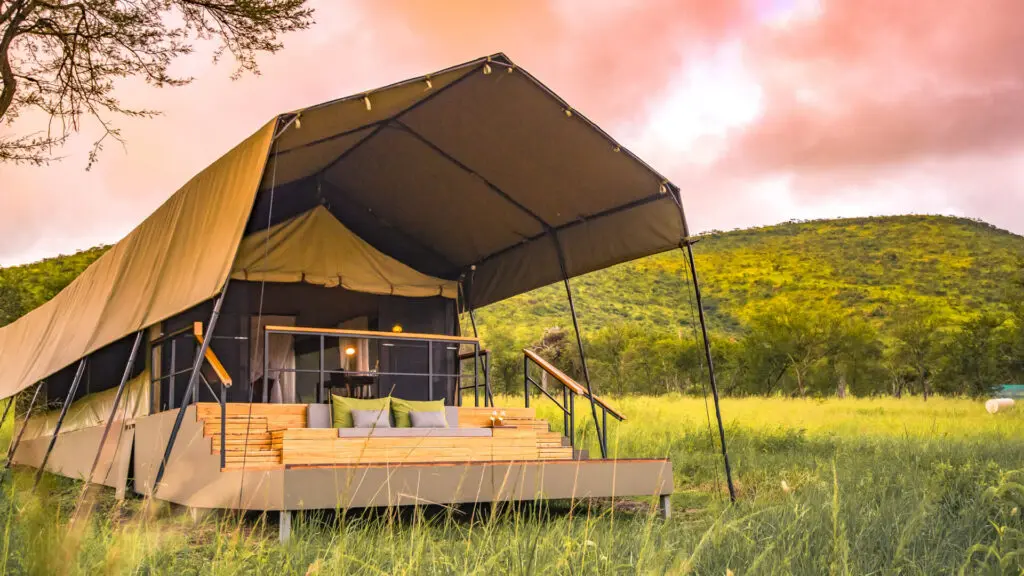
Dunia is notable as East Africa’s first all-women safari camp. The team’s hospitality has earned consistent recognition. Eight spacious tents overlook golden grasslands, offering warmth, comfort, and outstanding game viewing in a wildlife-rich area.
For first-time safari visitors or those looking for a well-rounded Serengeti stay that balances big cat encounters with broader wildlife diversity, Dunia is an excellent choice.
Best Time for a Lion Safari in the Serengeti
January to March – Calving Season Predator Action
The early months of the year bring calving season to the southern Serengeti. Hundreds of thousands of wildebeest give birth within days of each other, the abundance of vulnerable calves triggering an increase in predator behaviour. Lion prides move into the area to take advantage of easy prey, and cub sightings increase as lionesses time their own breeding cycles to coincide with peak food availability.
For guests, this window offers some of the most dramatic interactions of the year: hunts in open grassland, prides feeding together, and the raw intensity of the predator-prey dynamics.
June to October – Dry Season Game Viewing
The dry season is the Serengeti’s classic safari season. Vegetation thins, fewer remaining water sources concentrate wildlife in smaller areas, and visibility across the plains is at its best.
This period also coincides with the migration’s movement through the central and northern Serengeti, drawing predators to riverbanks where the migratory route and the search for fresh grazing funnel the herds across rivers. For the wildebeest, it’s a question of hesitating on the banks to make easy prey for lions or hurtling headlong into the waters where opportunistic crocodiles lie in wait.
For visitors seeking reliable, high-quality lion sightings, combined with comfortable weather and great light for photography, this season is the most popular choice.
Year-Round Lion Sightings
One of the Serengeti’s great advantages is that lion sightings are not restricted to a single season. Resident prides occupy territories throughout the ecosystem year-round, and our experienced guides know where to find active prides regardless of the month. Whether you visit during the lush green season or the golden dry months, you can expect meaningful lion encounters on your Serengeti safari.
Why Guides Matter on a Lion Safari
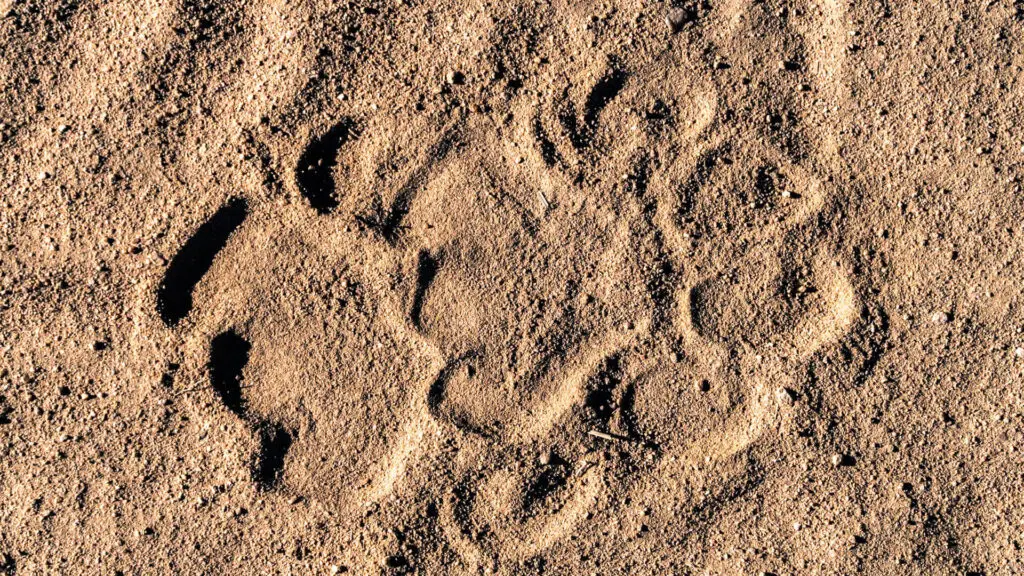
Exceptional lion sightings are often shaped by expert guiding. On a well-guided lion safari, your guide reads the landscape in real time: the nervous energy of a wildebeest herd, the subtle messages in a set of lion tracks. This depth of interpretation transforms a game drive from sightseeing into a genuine understanding of pride dynamics and predator ecology.
Our guiding teams bring years of experience, with intimate knowledge of local prides, individual lion behaviours, and seasonal movement patterns – making an ordinary game drive an extraordinary one.
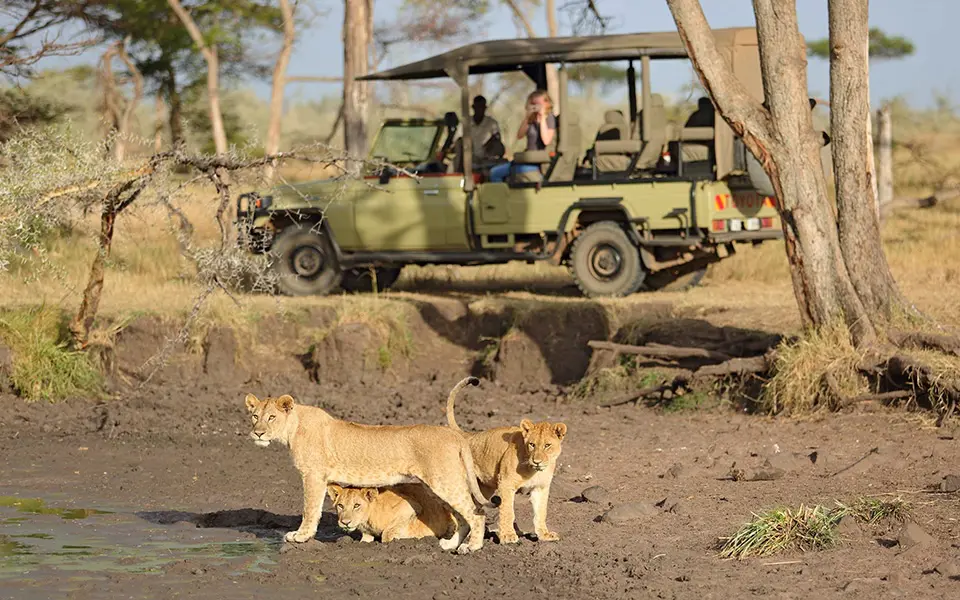
Photographing Lions in the Serengeti
The Serengeti is one of the finest destinations in Africa for an African photo safari. The golden light of early morning and late afternoon transforms lion portraits, especially when prides are positioned on kopjes or against the Serengeti’s signature dramatic skies. During cub season (typically January to April), the photographic opportunities multiply – playful cubs, nursing mothers and intimate family interactions offer compelling subjects.
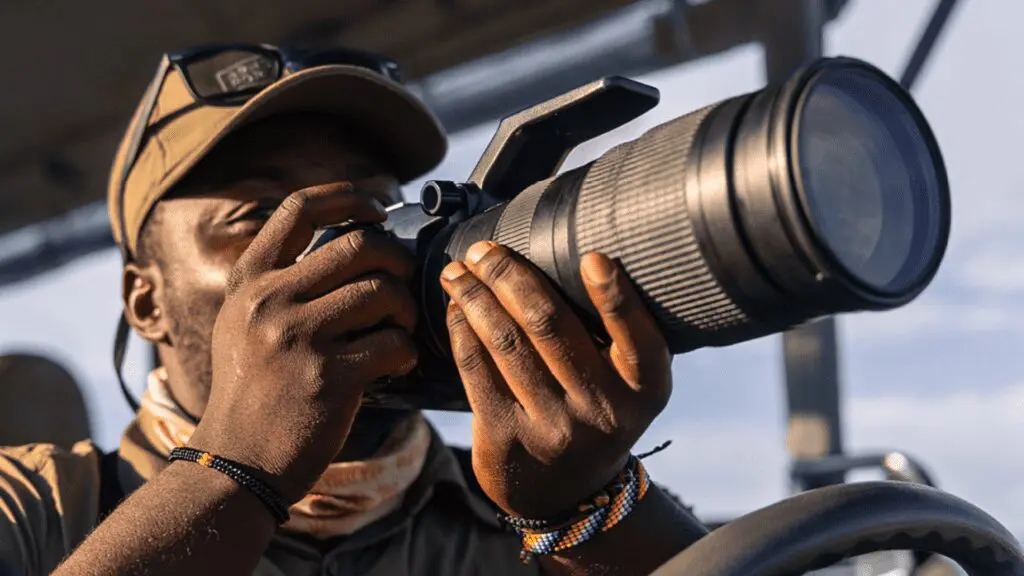
Asilia’s guides are experienced in wildlife photography and understand how to position the vehicles for the perfect light and background, making a significant difference to the quality of images guests bring home.
Is a Lion Safari in Tanzania Good for First-Time Safari Travellers?
Absolutely! A lion safari in the Serengeti is considered one of the most emotionally impactful introductions to the African bush. There’s a high probability that guests will see lions on their game drive, ensuring that first-timers will have the thrill of a meaningful wildlife encounter from their very first day.
While the Serengeti is great for lions, they are by no means the only iconic wildlife species on offer. Guests can expect to see elephants, giraffes, cheetahs, leopards, hippos and, during the right season, vast herds of wildebeest.
Honeymooners seeking adventure, photographers building a portfolio, families wanting a shared experience, and bucket-listers all find what they’re looking for in a Serengeti safari.
Ready to begin planning your lion safari in the Serengeti? Our team is waiting to help you plan a magical safari customised to your needs.