Most travellers assume the dry season is the only good time for a safari. It isn’t.
East Africa’s green season tells a different story. The plains turn emerald. The light turns cinematic. The crowds disappear, and the prices drop with them. You get exceptional wildlife, dramatic skies, and camps that feel like your own.
Ask a seasoned safari traveller for their favourite time to visit, and many will name this one. Here’s why – and how to decide if it’s right for you.
What is Green Season?
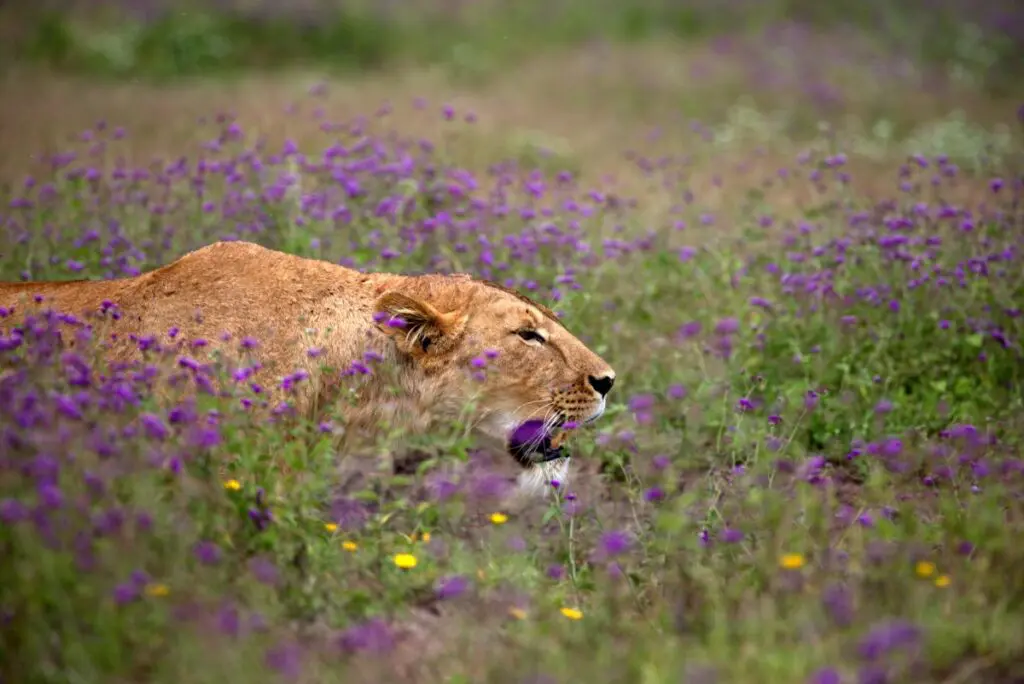
Green season runs through the long rains of April and May. The rain feeds the land. The bush thickens. The plain erupts in green. Hence the name.
A few terms often get muddled up, so let’s clear them up:
- Green season describes the landscape – lush, alive, and freshly washed.
- Rainy season describes the weather. In East Africa, rain tends to fall in short afternoon bursts rather than sustained, all-day downpours.
- Low season describes the price. Fewer travellers means lower rates and better availability.
At Asilia, we’ve started calling low season something else: Secret Season. It’s a fitting name. It’s the time of year insiders like to keep to themselves. Here’s why we call it Secret Season.

Is Green Season a Good Time for a Safari?
It is, but it depends on the safari you want.
Green season rewards a certain kind of traveller. If you love quiet, colour, and value, you’ll thrive. If your heart is set on dusty plains and the Great Migration’s river crossings, peak season may suit you better.
Here’s a simple way to compare:
| Green season is ideal if you want… | Peak season may suit you if you want… |
| Fewer vehicles and quieter camps | The drama of the Great Migration’s river crossings |
| Lower prices and better value | Reliably dry, predictable weather |
| Beautiful light and moody skies for photography | A first safari focused on the Big 5 |
| Lush, green landscapes | Maximum visibility in thinned-out bush |
| Space and privacy at every sighting | You don’t mind sharing sightings |
Why Experienced Safari Travellers Love Green Season
Fewer Crowds and More Room to Breathe
Green season empties the parks. Vehicles thin out. Camps quieten down. It’s like you have the place all to yourself. No craning to get a view of a sighting.
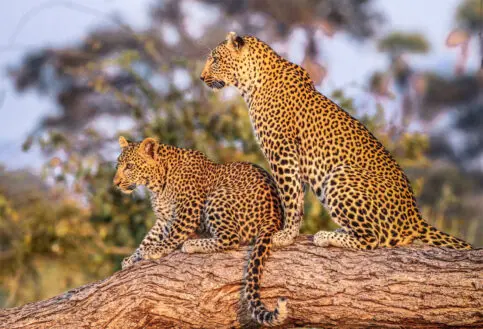
Picture a leopard draped in a tree, with no other jeeps around. Picture a pride of lions, and only your guide beside you. Time slows. The bush feels truly wild again.
Dramatic Landscape and Better Photography
This is a photographer’s season.
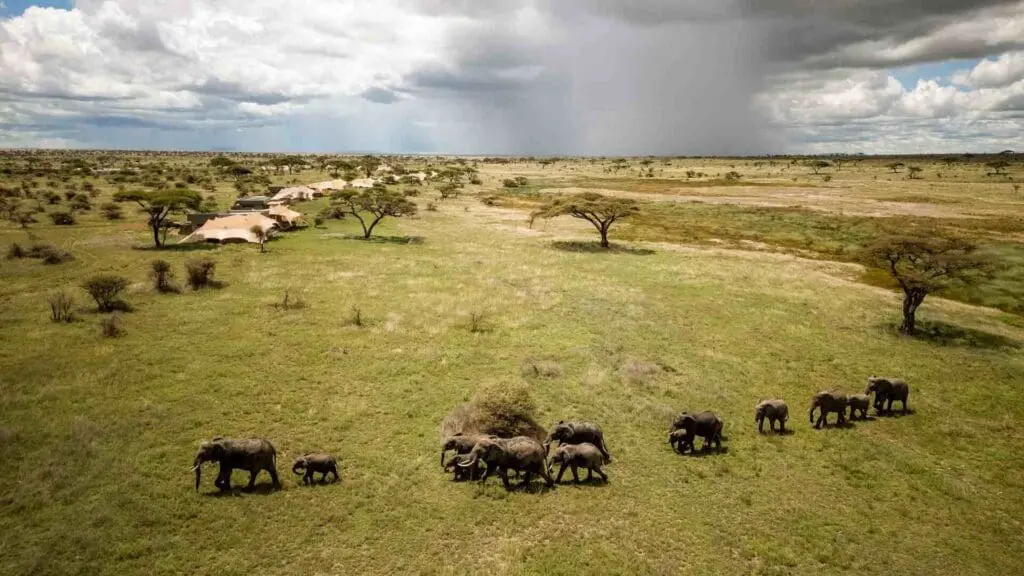
Storm clouds build over green plains. Light breaks through in gold. Puddles turn to mirrors. Wildflowers bloom across the grasslands. The scene has a depth and drama that the dry, dusty months don’t. Even your phone shots will look extraordinary.
Predators on the Move
With fewer crowds, the predators take centre stage.
Lions, cheetahs, and leopards hunt across open, green country. The action is every bit as sharp as in peak season – often easier to reach, and almost always yours alone. In the eastern Serengeti especially, the big cats put on quite a show.
Rewarding Birdwatching
Green season is a gift for birders.
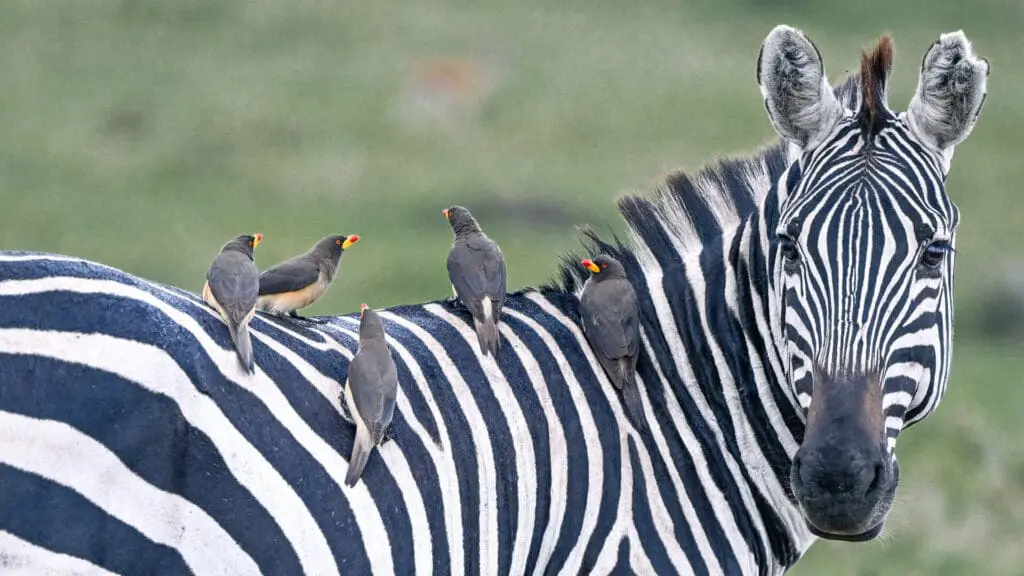
Resident species slip into their breeding colours. Nests appear. Songs fill the air. April and May also catch the very tail of the migrant season, so a few long-distance visitors still linger. Bright plumage against emerald backdrops makes for beautiful photographs. Bring the long lens.
Better Value
Green season simply costs less.
Lower rates open the door to a longer trip, a finer camp, or a room you’d usually save for a special occasion. Availability opens up. Some camps offer extra nights or upgrades. You travel well, and you travel forless.
Common Myths About Green Season Safaris
| Myth | Reality |
| It rains all day | Most rains fall in short afternoon showers. Mornings are often bright and clear. |
| You won’t see much wildlife. | Wildlife thrives year-round. Resident animals stay put, and predators stay busy. |
| Everything closes. | Many camps stay open – and some of the best are at their finest. |
| Photography is worse. | Many photographers prefer it. The light and landscapes are hard to beat. |
| Cheaper means worse. | Lower prices reflect demand, not quality. The safari is every bit as good. |
Who Is Green Season Perfect For?
Honeymoon couples. Green season is made for two. Quiet camps. Empty plains. Long, slow mornings with no one else in sight. It’s romance with a wild backdrop. Here’s how to plan a honeymoon during green season.
Wildlife photographers. Clouds, colour, and golden light hand you your best snaps. Fewer vehicles mean more time and space at every sighting.
Birders. Breeding plumage, birdsong, and lush habitats make this a rich season for birdwatching.
Returning safari travellers. Seen the Migration already? Green season shows you a different side of Africa – slower, greener, more intimate. It’s why experienced travellers choose green season.
Families. Better value and quieter camps make family travel easier on the wallet and the nerves. The Easter holidays can line up beautifully. Here’s more on travelling as a family.
Where to Go During Green Season
Not every park suits green season. Some southern parks close for the rains. But a handful of places truly come alive – and knowing the best time to visit Tanzania and Kenya helps you choose well.
Central and Eastern Serengeti. The Serengeti stays open and stays brilliant. As the herds move north, the central and eastern plains fill with life. Big cats hunt in the open. Camps are often surrounded by wildlife. This is green season in the Serengeti at its best.
The Ngorongoro Highlands. High, cool, and green, the highlands shine in the rains. The crater teems with wildlife. The hills invite walking. And the light after a soaking shower is something else.
Ol Pejeta Conservancy, Kenya. Ol Pejeta stays green and rich with life. It’s home to rare rhinos and every one of the Big 5, with safari conservation at its heart.
Mara Naboisho Conservancy, Kenya. Naboisho offers one of Kenya’s finest private conservancy experiences. Low vehicle numbers. Superb big cats. Walking safaris and night drives you won’t find in the main reserve. It’s one of the best private conservancies in Kenya.
Which Asilia Camps Shine in Green Season?
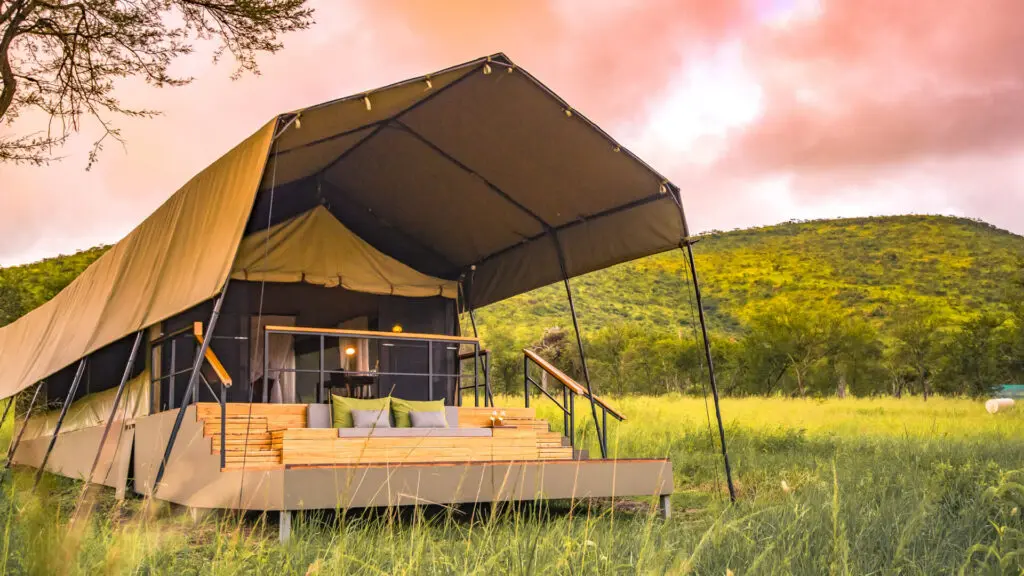
Dunia Camp – best for green season in the Serengeti. Deep in the central Serengeti, Dunia is run entirely by an all-female team. In green season, the migration often passes right through. Guests wake up to herds around camp and big cats close by.
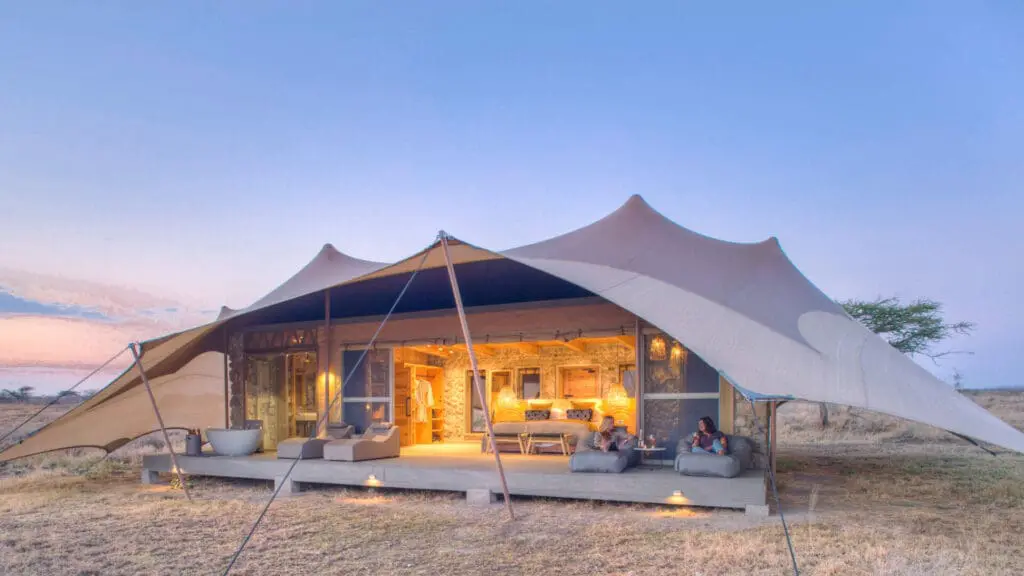
Namiri Plains – best for big cats and photography. Namiri sits in a remote corner of the eastern Serengeti, famous for its cheetahs and lions. It stays open through green season for one simple reason: the wildlife viewing is that good.

The Highlands – best for a quiet crater experience, hiking, and culture. Tucked into the Ngorongoro Highlands, The Highlands pairs an uncrowded crater visit with walking, culture, and cosy, fire-warmed romance. Green season suits it perfectly.
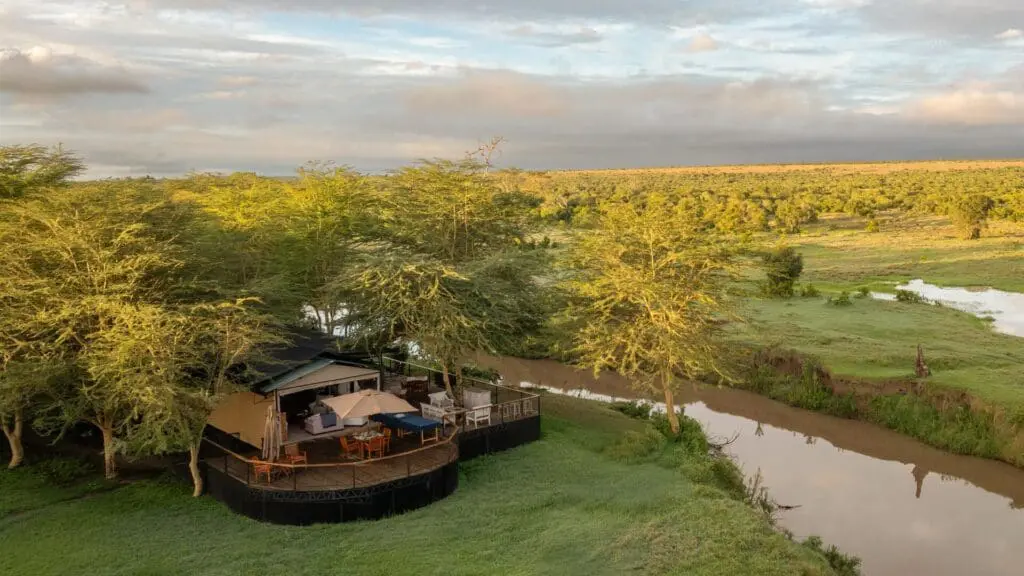
Ol Pejeta Bush Camp – best for conservation and the Big 5. On Kenya’s Ol Pejeta Conservancy, Ol Pejeta Bush Camp puts you close to rhinos, big cats, and real conservation work. Green season keeps the landscape lush and the sightings strong.
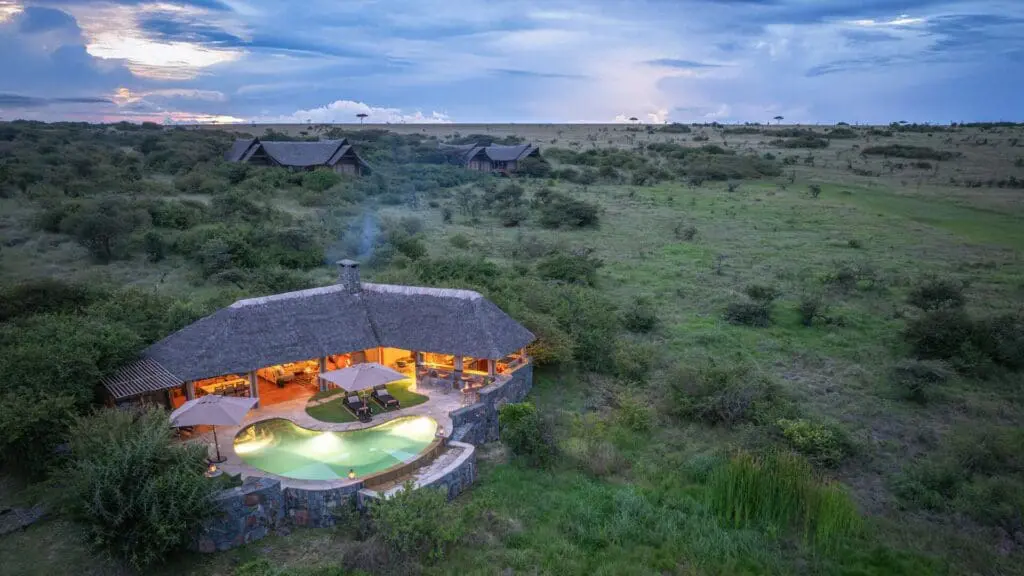
Naboisho Camp – best for big cats, walking safaris, and night drives. In the Mara Naboisho Conservancy, Naboisho blends first-class predator sightings with the freedom of a private conservancy – walking safaris, night drives, and space to yourself.
Should You Choose Green Season or Peak Season?
It comes down to what you want most.
Choose green season if you value:
- Quiet, exclusive sightings
- Beautiful light and green landscapes
- Better value
- A slower, more intimate pace
Choose peak season if your priority is:
- The Great Migration’s river crossings
- Dry, predictable weather
- A classic first safari
There’s no wrong answer. There’s only the trip that fits you.
Frequently Asked Questions About Green Season Safaris
The green season is when the rains come to East Africa, mainly in April and May, when the landscape turns lush and green.
No. Rain usually comes in short afternoon showers, with bright spells around them.
Yes. Resident wildlife stays put, and predators remain active year-round.
Often much cheaper – with better availability, and sometimes extra nights or upgrades.
Big cats, elephants, giraffes, plains game, rhinos in some areas, and rich birdlife.
The central and eastern Serengeti, the Ngorongoro Highlands, and Kenya’s conservancies such as Ol Pejeta and Mara Naboisho. Some southern parks close during the rains.
It can be, if you’ll take quiet and value over guaranteed dry weather, yes.
Neither is better. Each suits a different traveller. Green season wins on price, peace, and photography. Peak season wins on dry weather and river crossings.
Ready to travel when the crowds don’t?