Best Time To Visit Kenya For A Safari Adventure
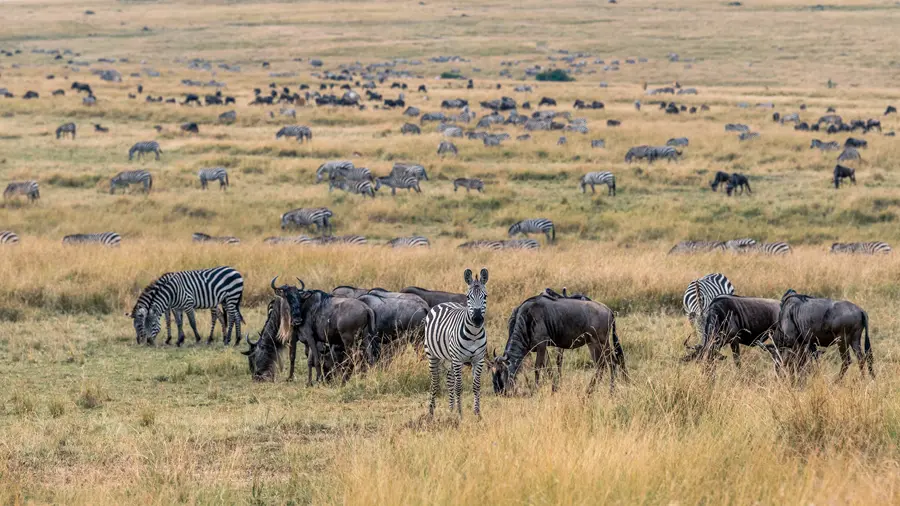
With more than 50 fascinating and diverse national parks and reserves, Kenya holds a wealth of safari opportunity. The great wildebeest migration during a Masai Mara safari, the most awe-inspiring movement of herbivores on the planet, is best enjoyed during the dry season, from June to October. This time of the year is considered the dry season throughout most of Kenya, and it is typically the best time for most safari activities.
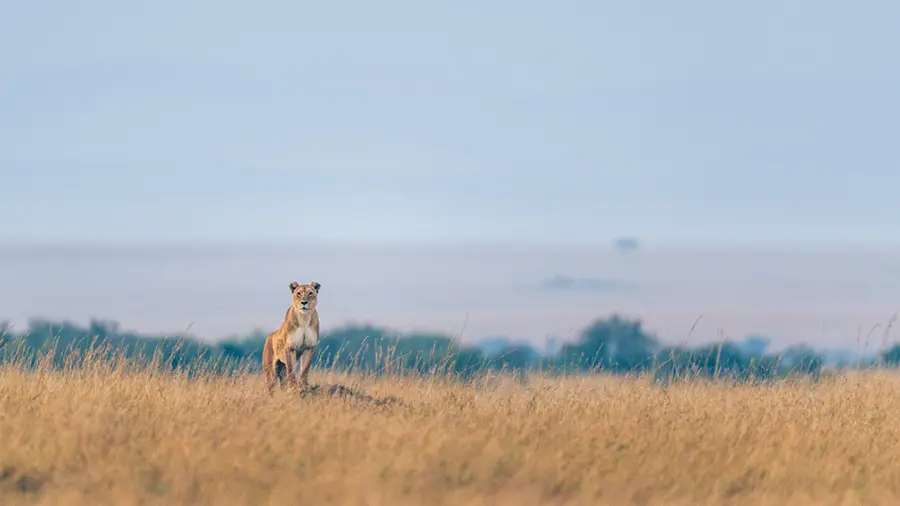
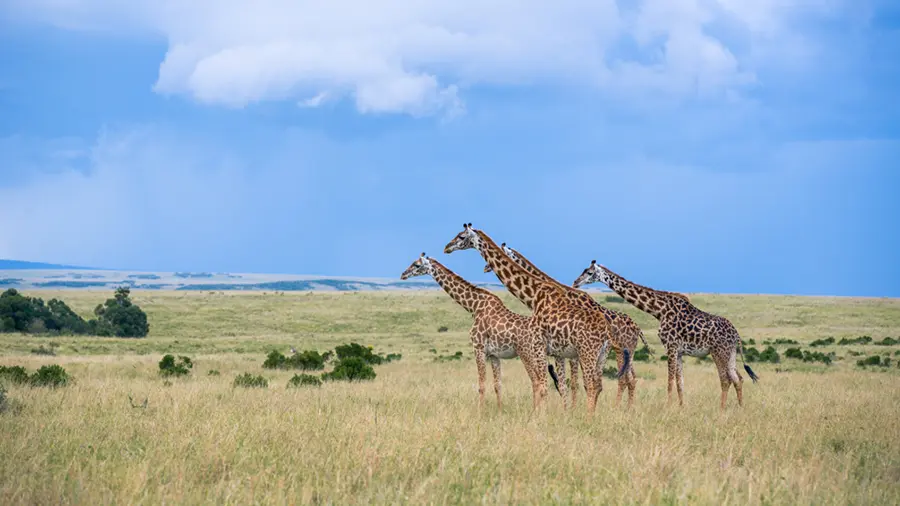
However, safaris in Kenya’s rainy season are also great fun, sometimes presenting challenging conditions, but still offering excellent wildlife and birding. Different adventures can be enjoyed throughout the year, making Kenya a year-round safari destination. Kenya is a country of contrasts, from snow-capped mountains to sun-kissed beaches, fascinating cultures, modern cities, sweeping plains and prolific wildlife. You will enjoy the best safari imaginable.
- The best time to visit Kenya for a safari is during the dry season between June to October.
- Kenya has a mix of over 50 national parks, reserves and private conservancies, with diverse wildlife and landscapes.
- The best time to visit Kenya to see the wildebeest migration in the Masai Mara is from July to October.
- Safaris in Kenya are enjoyable during the rainy season, with exciting experiences and quality game viewing.
- Kenya offers a variety of attractions, from mountains and beaches to cultures and cities.
- Kenya is an excellent destination for an unforgettable safari adventure.
Monthly Breakdowns
January
January is an ideal month for travelling to Kenya. The weather is hot and dry, with daytime temperatures ranging from 23°C to 37°C. If you plan to visit Kenya’s beaches like Diani Beach, you’ll experience hot and humid weather with low rainfall. These conditions make it the perfect time to enjoy beach activities and water sports. Enjoy pleasant sunny weather with moderate rainfall in central regions like Nairobi and Masai Mara. The prevailing weather makes it an excellent time for game viewing wildlife in the parks, as wildlife tends to gather around water sources, and landscapes are often refreshed and green after the short rains.
Should you be interested in seeing Mount Kilimanjaro and searching for the large herds of elephant, the southern part of the country, such as Amboseli National Park, offers stunning views, plentiful wildlife, and similar temperatures to the central region but with lower rainfall. Remember that January is considered as high season in some parts of Kenya, leading to higher prices and often more crowds.
February
Kenya’s climate and weather patterns vary depending on the region and altitude. February is typically dry and hot, but not dusty, thanks to the recent rains. It is an ideal time to travel, offering excellent game viewing often without the crowds of peak season. Migratory birds from Asia and Europe usually start to arrive in February, making this a particularly good month for birders. If you’re a beach enthusiast, Diani Beach is the place to be, as it’s the warmest and most humid period of the year. The sunny weather and a warm, calm sea creates the perfect combination for swimming and water sports.
Towards the north, the Samburu Reserve is at the peak of the dry season, making it easy to spot wildlife. It can get dusty and hazy here, but the park is less crowded. Amboseli National Park is perfect for elephant viewing during this time of year as they stay close to the permanent water sources. The park may get busy, but the road conditions are good, and the weather is hot and dry, providing clear and spectacular views of Mount Kilimanjaro.
March
The long rainy season typically starts in the second half of March. The days are hot and humid in the build up to the rains, broken by frequent afternoon showers and thunderstorms. The rainfall varies across the country, with the central highlands and the western region receiving more rain than the northern desert and the coastal lowlands. The first half of the month is usually still dry, offering an excellent safari option with few crowds for those willing to take the risk. Once the rain arrives, there are still game drive opportunities, but some roads can become challenging in the mud. Wildlife can become less visible and more dispersed in the rain, however, lower prices, fewer crowds, and greener landscapes remain attractive options for many travellers. The coast and Diani Beach are still good options for beachgoers, as the rain is less frequent and the water is warm and clear. Water sports and marine wildlife activities can be enjoyed with abandon.
April
The long rains are now in full-force, and April is the wettest month, with warm and humid days and cooler nights. The coast is sweltering and humid, and rainstorms are frequent and steady. Meanwhile, wildlife is more challenging to spot due to thick vegetation and abundant water supplies. The upshot, however, is that it’s the most inexpensive time of year to visit, with hardly any tourists. The weather is scorching and dry in the northern regions, with occasional showers.
In the central highlands, including Nairobi, the temperatures are mild to warm, and the rainfall is heavy. In the southern region, where the Masai Mara and Amboseli National Reserves are located, the weather is warm and wet, with lush green landscapes and abundant birdlife. On the south coast, the rain reduces visibility for diving and snorkelling, and the humidity can be uncomfortable.
May
May sees the rain continue and is a very wet month across Kenya. Heavy rainfall occurs in most of the country, particularly in the coastal and central regions. Rain usually falls in the afternoons, while mornings can be dry and sunny. May is also a warm month, with average daytime temperatures ranging from 22°C to 30°C. Coastal areas such as Diani Beach are hot and muggy, with temperatures reaching up to 29°C. Humidity levels are also very high, creating additional discomfort. The rain can make roads muddy and slippery, limiting game drive options and creating a challenging game viewing experience.
Some parks may be closed or have limited access due to rainfall, and many camps choose to close over this period. Despite the downsides, the month of May has its advantages for travellers as well. With the prevailing climate and fewer crowds, prices can be considerably lower.
June
June is an exciting transition month in Kenya when the country moves from the rainy to the dry season. The weather during this time is generally pleasant and sunny, with less humidity and mosquitoes. There may still be some rain early in the month, drying out as the month progresses. The northern region tends to be drier and warmer, while the central highlands are milder and greener. In the south and along the coast, there may still be occasional showers. By late June, there is excellent wildlife viewing to be enjoyed in Kenya, as the vegetation is beginning to thin, and wildlife is already migrating towards water sources.
July
July is an excellent time to travel to Kenya as it is the dry season with pleasant and sunny weather. The northern and central regions are warm during the day and cool at night, with little to no rain. The southern coast, including Diani Beach, is hot during the day and relatively mild at night, with moderate rain. The rain doesn’t affect beach activities much, as it usually falls in short showers in the afternoon. The wildlife viewing is excellent in July, especially in the Masai Mara, where the wildebeest migration may arrive during or towards the end of the month. July marks the start of peak tourist season, so expect higher prices and more tourists in the most popular destinations.
August
August is one of the best months to visit Kenya. Generally, it is dry, with little to no rainfall except in the mountains and on the coast. The northern and central parts of the country, including the Masai Mara, are mild and pleasant, with clear skies and good wildlife viewing. The southern coast, including Diani Beach, is warm and humid, with a chance of rainfall and a refreshing ocean breeze. The rain does not affect the beach activities or the safari experience, as it is usually short and light. August is the safest month to visit Kenya if you are specifically looking to view the Great Migration in the Masai Mara. This extraordinary wildlife spectacle, as millions of wildebeest, zebra, and antelope cross the Mara River from Tanzania, facing predators and crocodiles, is a breathtaking experience.
September
The predominantly dry conditions of August continue into September with few noticeable changes. It is still considered high season throughout most regions of the country. The northern and central parts of the country, including Nairobi, have mild to pleasant daytime temperatures and mild evenings. On the other hand, the southern coast is warm to hot and humid. The wildebeest herds of the Great Migration are usually still dominating the plains of the Masai Mara, and wildlife viewing is good in nearly all parks as wildlife congregates near available water sources
October
October marks a transitional period in Kenya as the dry season comes to an end and the period of short rains approaches. Until the rains actually arrive, most parks and reserves are at their driest, offering the very best game viewing with thin vegetation and wildlife clustered around watering holes. This is also a great time to observe the tail-end of the wildebeest migration in the Masai Mara, as the last big herds move south into Tanzania. The weather varies depending on the region, with the first half of the month mainly being warm and sunny and the second half being milder as the rain approaches. The northern and central parts of the country, including Nairobi, experience moderate temperatures and low humidity, with occasional afternoon showers. The southern and coastal areas, such as Diani Beach, are hotter and more humid, with occasional moderate thunderstorms.
November
November is typically marked by short, intense afternoon showers, lasting up to an hour, which refresh the landscape and revitalise the wildlife, creating perfect conditions for a late afternoon game drive. Generally, the days are warm to hot, and can often be humid. The northern and central parts of the country, including Nairobi, experience high temperatures and rainfall. The southern coast, including Diani Beach, is hot and humid, with moderate rainfall. The rain can make some roads muddy and slippery, but by no means as challenging as the months of April and May. November offers an excellent safari experience, as there are fewer tourists, lower prices, and very good game viewing to be enjoyed. The rains bring greenery to the landscape, but the vegetation is still thin after the dry season.
December
December is another transitional month, as the short rains come to an end and the warm dry spell of January and February is introduced. By mid-December, the rains have usually subsided, making way for sunny and dry days, but the occasional shower should still be expected. The northern and central parts of the country, including Nairobi, have warm weather during the day and cooler temperatures at night, with moderate rainfall, while the coast is sweltering and humid, with occasional showers. Landscapes are green and lush, and there is excellent birdwatching to be enjoyed. After the rains, the air is clear and clean, making for wonderful photography conditions.
Related reads
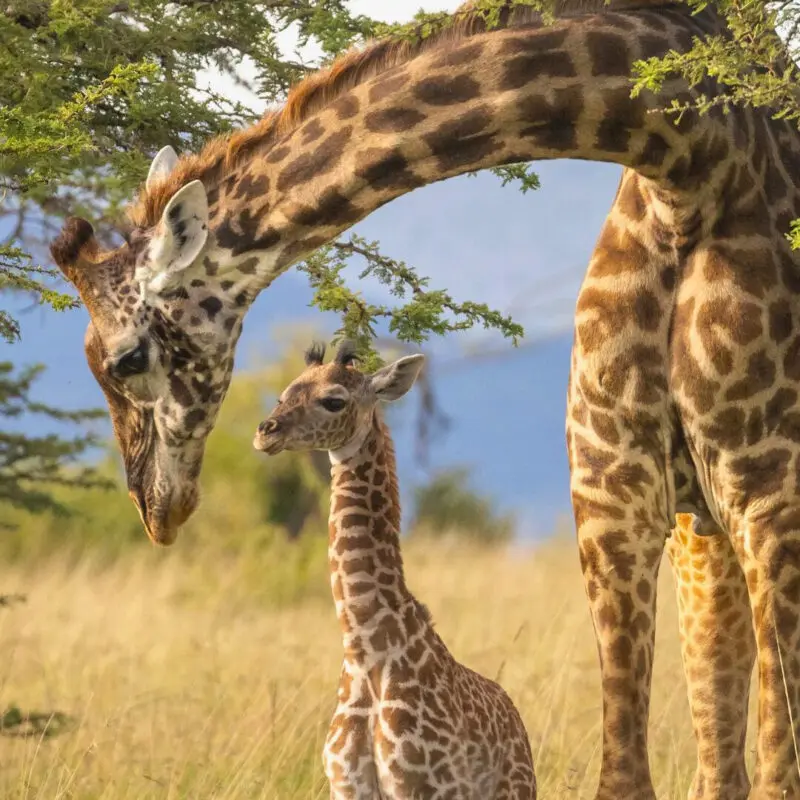
Kenya
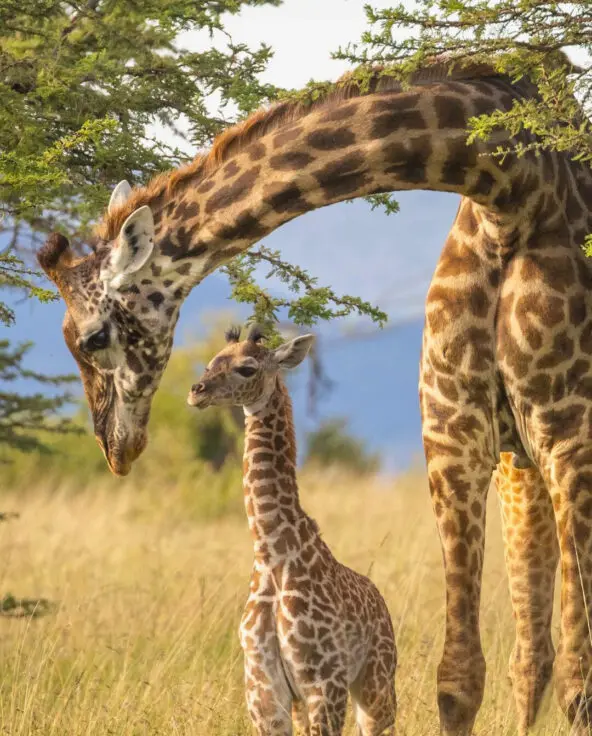
Embark on an unforgettable Asilia safari and explore the diverse wildlife habitats of Kenya.


Kenya Beaches
Discover the best time to visit Kenya’s beautiful white sand and Indian Ocean beaches. Learn about the hottest months, seasons, and best time for snorkelling in Kenya.
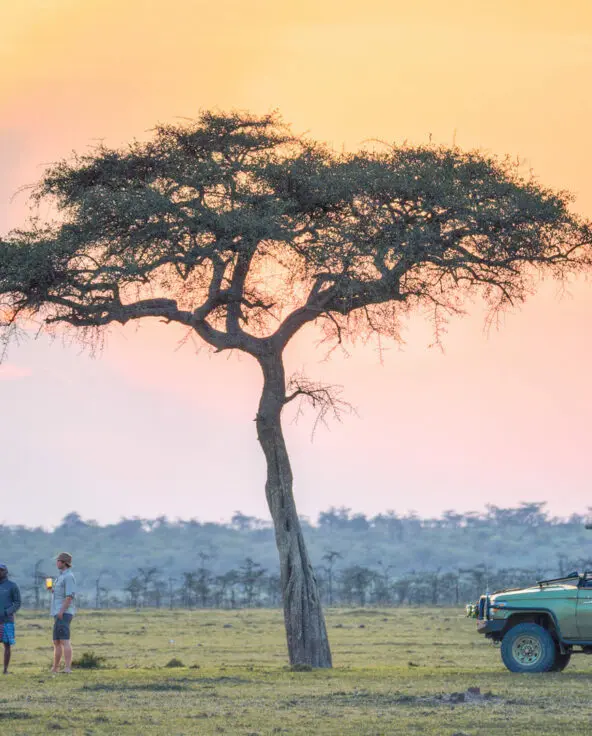
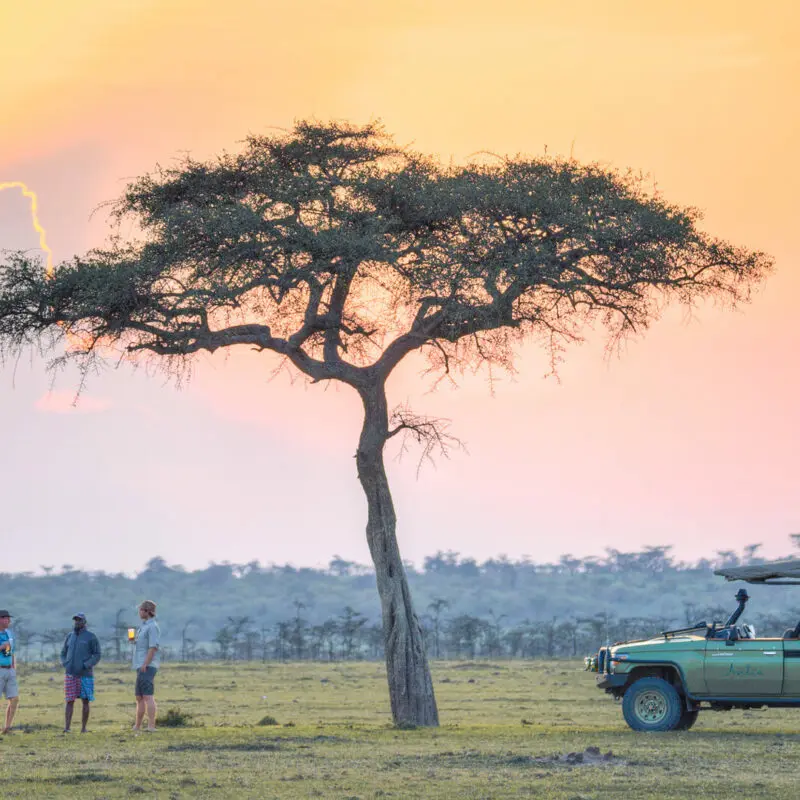
Best places to visit in Kenya
Explore Kenya – a land of diverse and vibrant attractions, offering an incredible tapestry of experiences for every traveller.