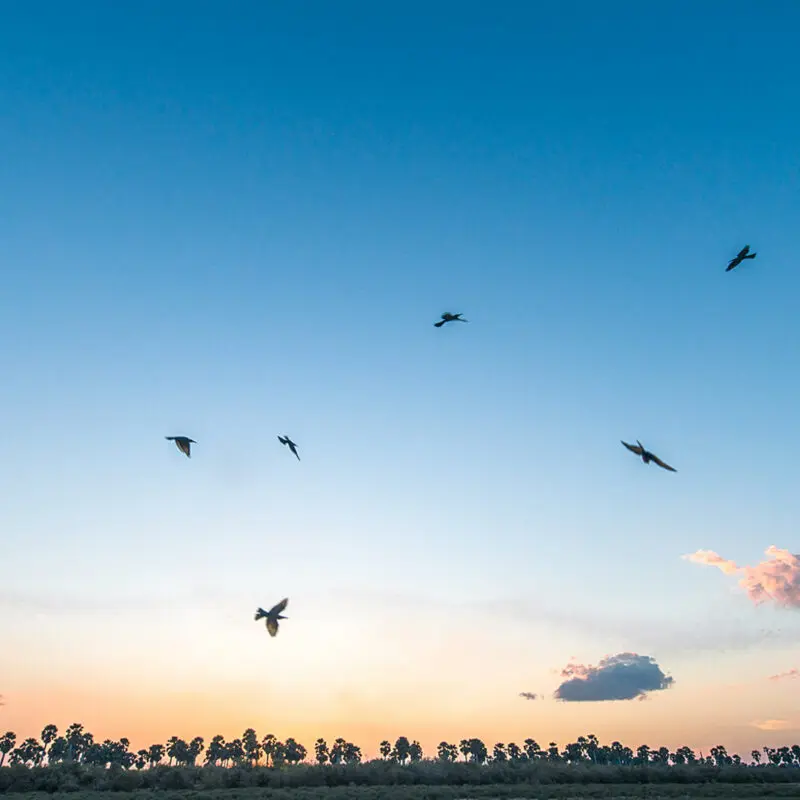
The best time to visit Nyerere National Park is during its dry season, between July and October, when the highest concentrations of wildlife can be witnessed. The park comprises the larger newly named Nyerere in the north and west, the balance being the Selous in the east, which is not a part of the national park.
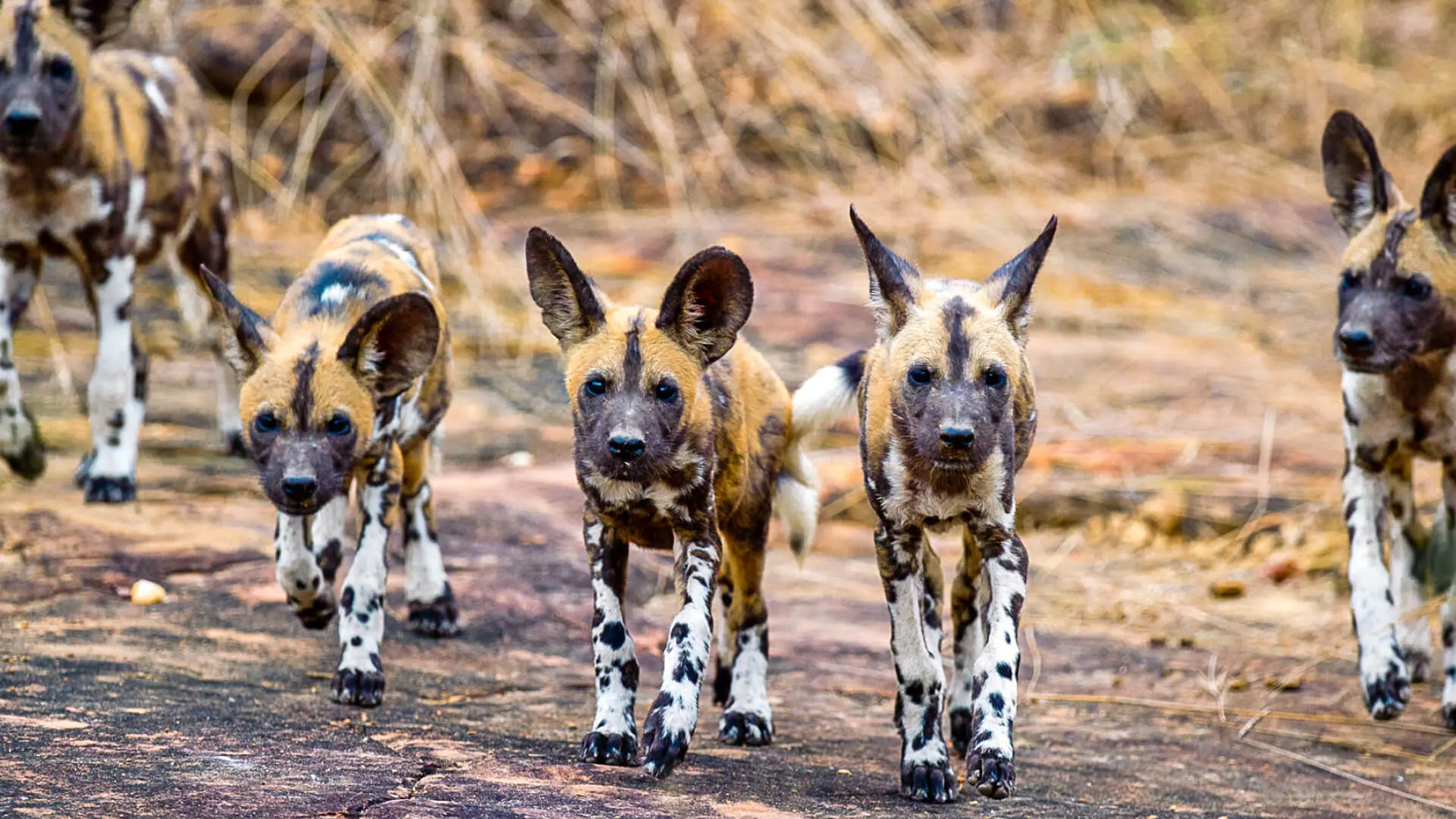
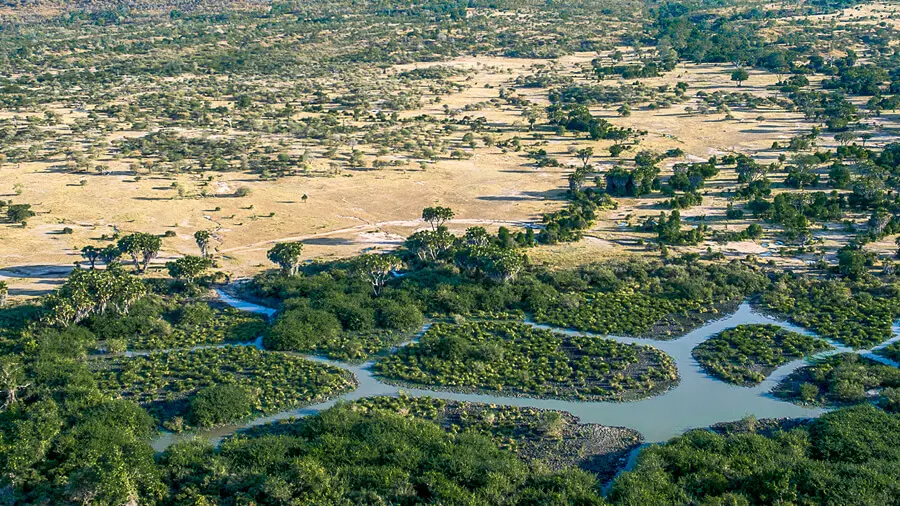
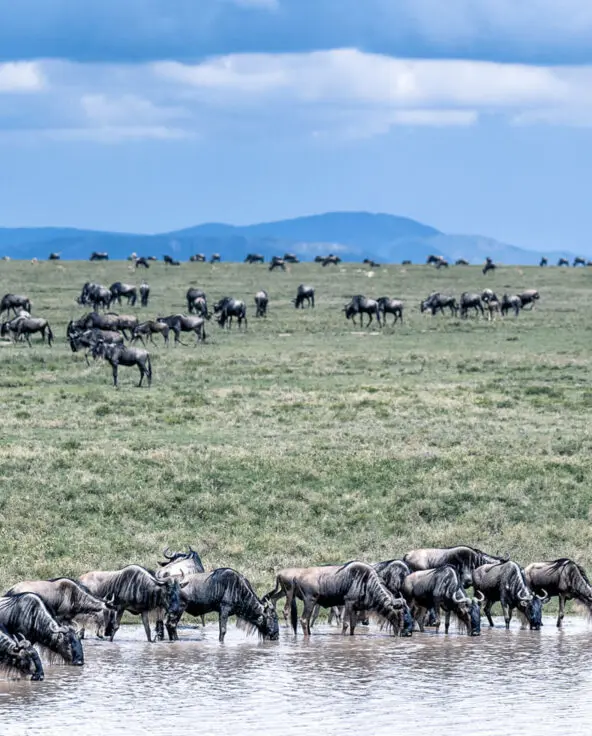
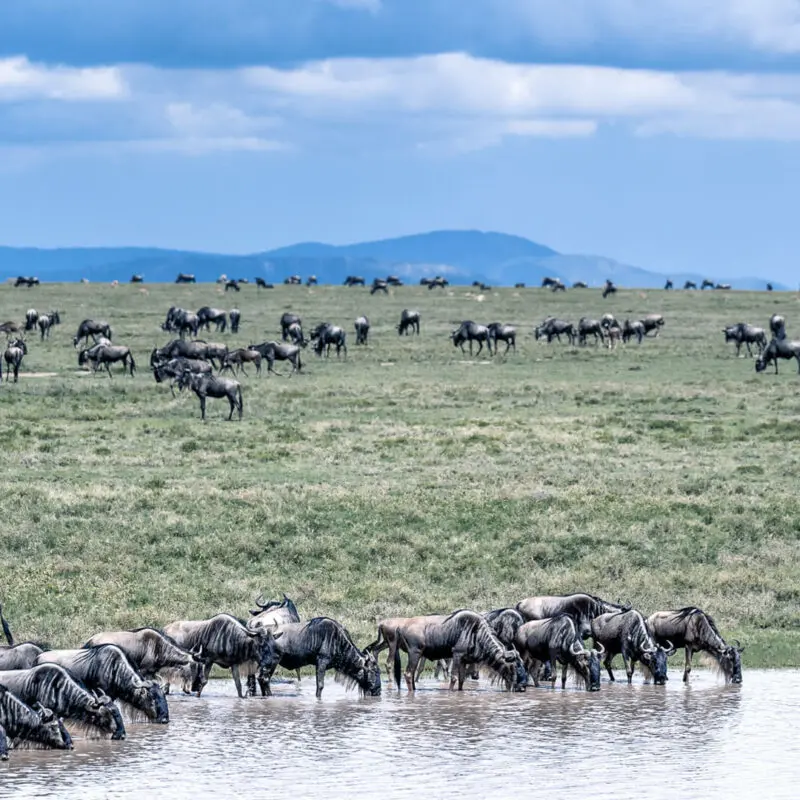
Nyerere is home to the Big 5 safari (although rhino sightings are extremely rare), lion, hyena, giraffe, zebra, eland, wildebeest and many antelope species. The region is most famous for its substantial African wild dog populations, potentially the biggest on the continent. The park comprises stunning, varied topography, including significant rivers, marshes, forests, and hot springs, attracting a diverse variety of bird species. Stay in Asilia’s secluded Roho ya Selous on a small peninsula overlooking a picturesque lake.
Seasonal Overview
June To September
June sees Nyerere National Park green and lush as it emerges from the period of long rains and transitions into the dry season. The lakes and rivers are full, making for excellent boating conditions. The first half of the month may still be slightly cooler, but the temperature will be steadily increasing as the park becomes drier over the coming months. Late June is an excellent time to travel, offering dry conditions without the high season pricing. July marks the start of the high season, as the park is now entering its best months for game viewing. As regular water sources steadily diminish, the accessible lakes and rivers become increasingly busy with a variety of wildlife seeking to quench their thirst, making for remarkable game viewing. Conditions are warm and sunny, and the thinning vegetation creates excellent conditions for game drives and walking safaris.
Highlights:
- Enjoy excellent game viewing by vehicle and boat.
- Explore the wild on foot in perfect walking safari conditions.
- Warm and sunny weather conditions.
October to January
By October the park is at its driest, with the best possible conditions for walking safaris and game drives. Water levels are very low, often resulting in boating safaris not being possible, but game viewing at this time is phenomenal. In November, the humidity starts to climb as storm clouds begin to gather in the afternoons, eventually bursting and heralding the start of the short rains. This period usually lasts from around mid-November through to mid-December, bringing daily afternoon showers and much needed relief to the region. The landscape and wildlife are both refreshed, the dust is pulled from the air, and water levels are restored allowing boating to resume. By late December, the short rains have usually ceased, leaving the park green and fresh, but with vegetation not yet as dense as after the long rains. January is dry and hot, with the occasional shower. This time is excellent for birding safaris as migratory species from Asia and Europe arrive, while game viewing is slightly more challenging than during the height of dry season, but still rewarding.
Highlights:
- Enjoy the peak season for walking and game drives in October.
- Excellent value for money to be found in November when wildlife density is still high, but prices and tourist numbers are typically low.
- Boating in December and January is perfect for birdwatching.
February to May
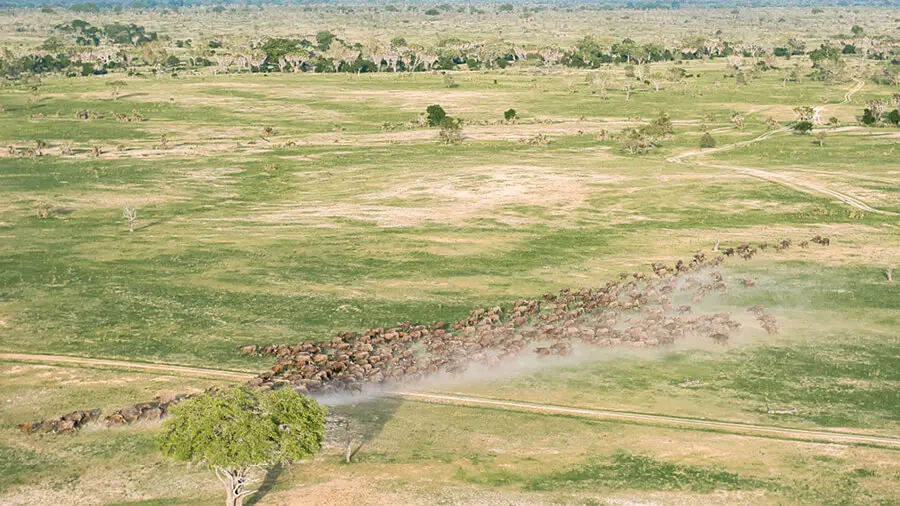
February is similar to January, providing hot and sunny days with the occasional shower. The park is green and game viewing continues to be challenging but the birding is excellent, best enjoyed by boat. As March approaches, the humidity begins to climb and the afternoons frequently cloud over, signalling the approaching long rains. From mid-March to mid-May, the rains are usually frequent and can be relentless for days at a time, preventing planes from landing and severely impact the safari experience. Our camps, and most in the area, are all closed during this period, creating time for maintenance and refurbishment ahead of the new season in June. Towards the end of May, the rains have usually stopped, leaving the park green and lush, with an abundance of water and thick vegetation.
Highlights:
- Spectacular migratory birding continues to enthral, offering outstanding photographic opportunities.
- Enjoy minimal vehicles, significantly reduced tourist numbers and welcome low rates.
- Excellent boating conditions in February and March.
Best Time For Wildlife Viewing In Nyerere
For an unforgettable safari experience, the vast and wild Nyerere National Park is the place to visit. The park is home to a wide variety of wildlife, including lion, elephant, leopard, rhino, buffalo, hippo, hyena, crocodile, and the rare African wild dog. The best time to visit Nyerere is from June to October when the dry season thins the vegetation, and wildlife can reliably be found close to permanent water sources. Boating safaris provide spectacular views of birdlife, crocodile and hippo, while walking safaris allow you to feel closer to nature and appreciate the smaller ecosystems overlooked from the height of a vehicle.
The Best Time For Birdwatching
Nyerere is a paradise for bird lovers, especially during the wet and green seasons between November and May, when migratory birds from Europe and Asia flock to the region, adding to the diversity and beauty of the native avian species. Throughout the year, Nyerere offers a rich and varied birding experience due to the diversity of the landscape within the park. There are more than 400 recorded species in the park ranging from the endemic rufous winged sunbird to the elusive Pel’s fishing owl. The rivers and lakes attract waterbirds, while eagles and vultures soar above the plains.
Weather Considerations
Nyerere National Park has a warm and humid climate. The dry season lasts from June to October, when the wildlife is easier to spot due to the thinner vegetation and their proximity to water. The average temperature is 29°C (84°F), with cool nights. Rainfall is minimal, below 10 mm (50 inches) per month, and the sky is clear but dusty. Boating safaris can become challenging towards the end of dry season as the water level in the lakes becomes too low.
Nyerere’s wet season occurs between November and May. It is hot and humid; temperatures hover at 31°C (88°F), and monthly rainfall is up to 231 mm (9 inches). Mid-January to mid-March is the driest period, offering excellent birding opportunities and fantastic boating safaris. The scenery is green and lush, but the roads can be muddy and challenging in November and the first half of December. Wildlife is more elusive during this period, but patience is often rewarded.
Related reads
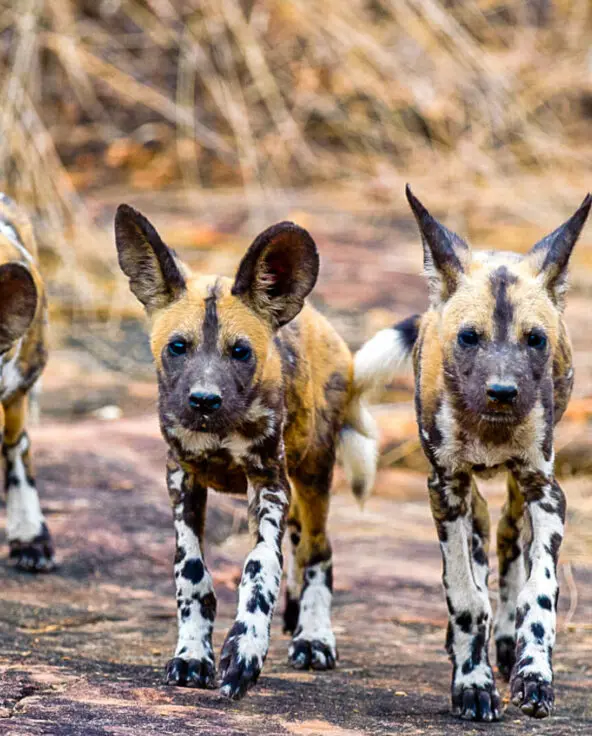
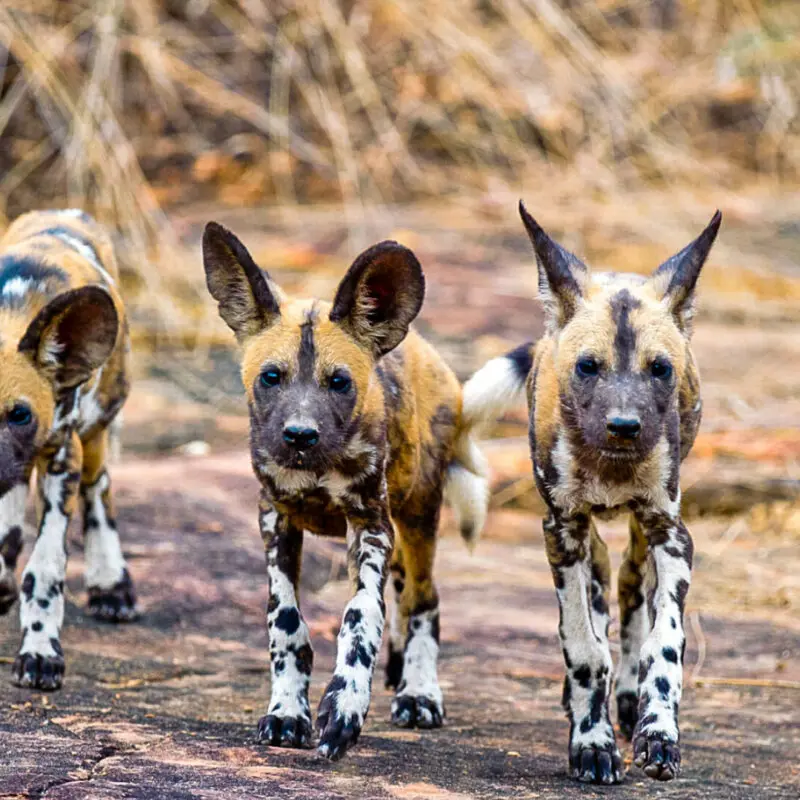
Nyerere National Park
Located In the south of Tanzania, Nyerere (Selous) is a vast, wild reserve – larger than Switzerland – with just a scattering of small camps.
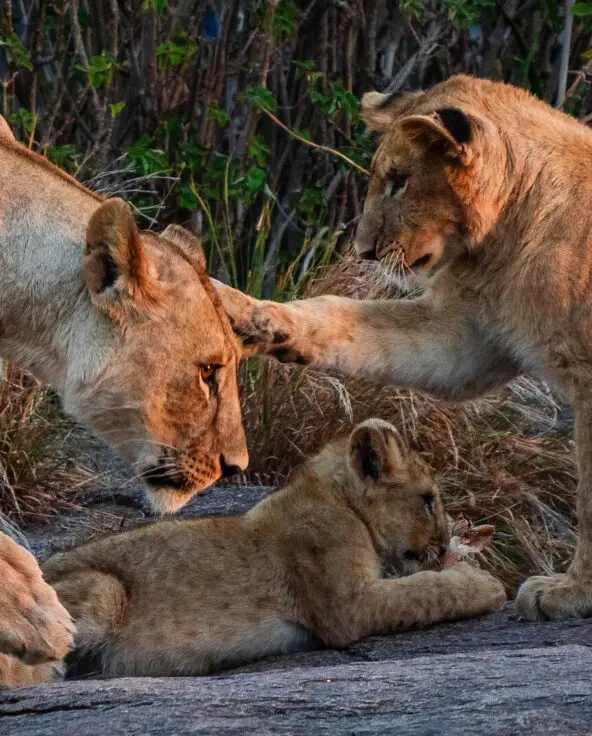
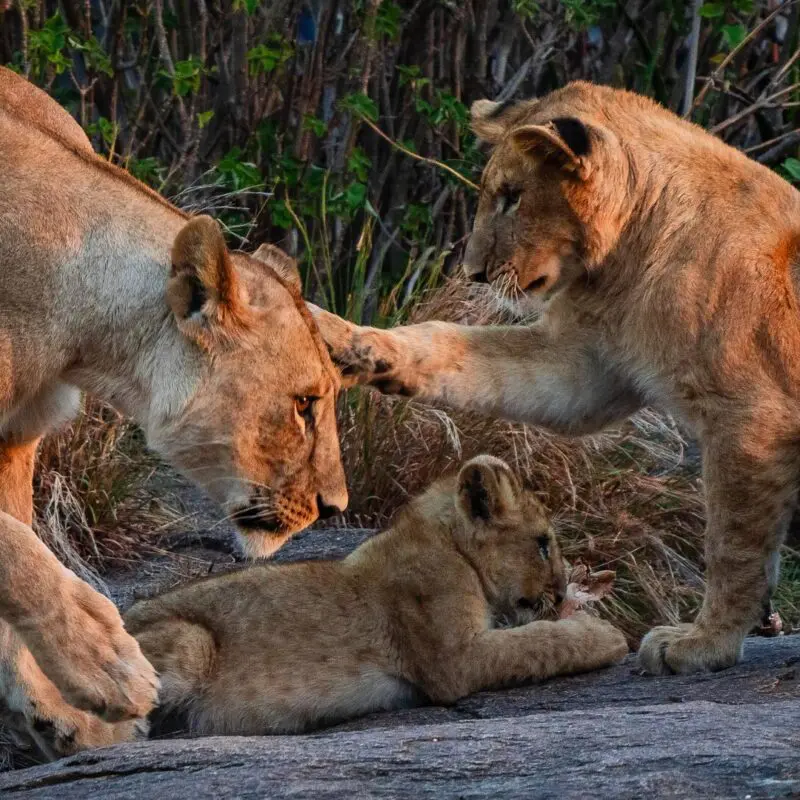
Tanzania
Explore the best destinations in Tanzania with Asilia, from the well-known Serengeti and Ngorongoro Crater, to the remote Ruaha.
Best places to visit in Tanzania
Explore the best places to visit in Tanzania, from the wildlife-rich Serengeti to the pristine beaches of Zanzibar.
Nyerere National Park is a vast and wild park in southeastern Tanzania, offering some of Africa’s most diverse and spectacular wildlife viewing. The best time to visit Nyerere National Park is during the dry season, from June to October, when wildlife is easier to spot in close proximity to the Rufiji River and its lakes. You can enjoy game drives, boat and walking safaris, and sensational bird watching. Contact us today and let our safari specialists help you plan your dream safari.