Ruaha is one of Tanzania’s hidden gems, a pristine wilderness offering an authentic and uncrowded safari experience. The best time to visit Ruaha National Park is during the dry season, from June to October. The climate is perfect with warm sunny days, the vegetation is thinning, and wildlife viewing is at its optimum. This unique cross-over habitat sees an interesting mix of eco-systems and species as the region straddles the border between east and southern Africa. Ruaha also boasts a rich birdlife, with over 570 species recorded. Stay at Asilia’s award-winning Jabali Ridge and Jabali Private House, the exclusive use Kokoko Camp, or the adventurous Usangu Expedition Camp, and explore the park by vehicle, through night safaris, and on immersive walking adventures.
Seasonal Overview
June To September
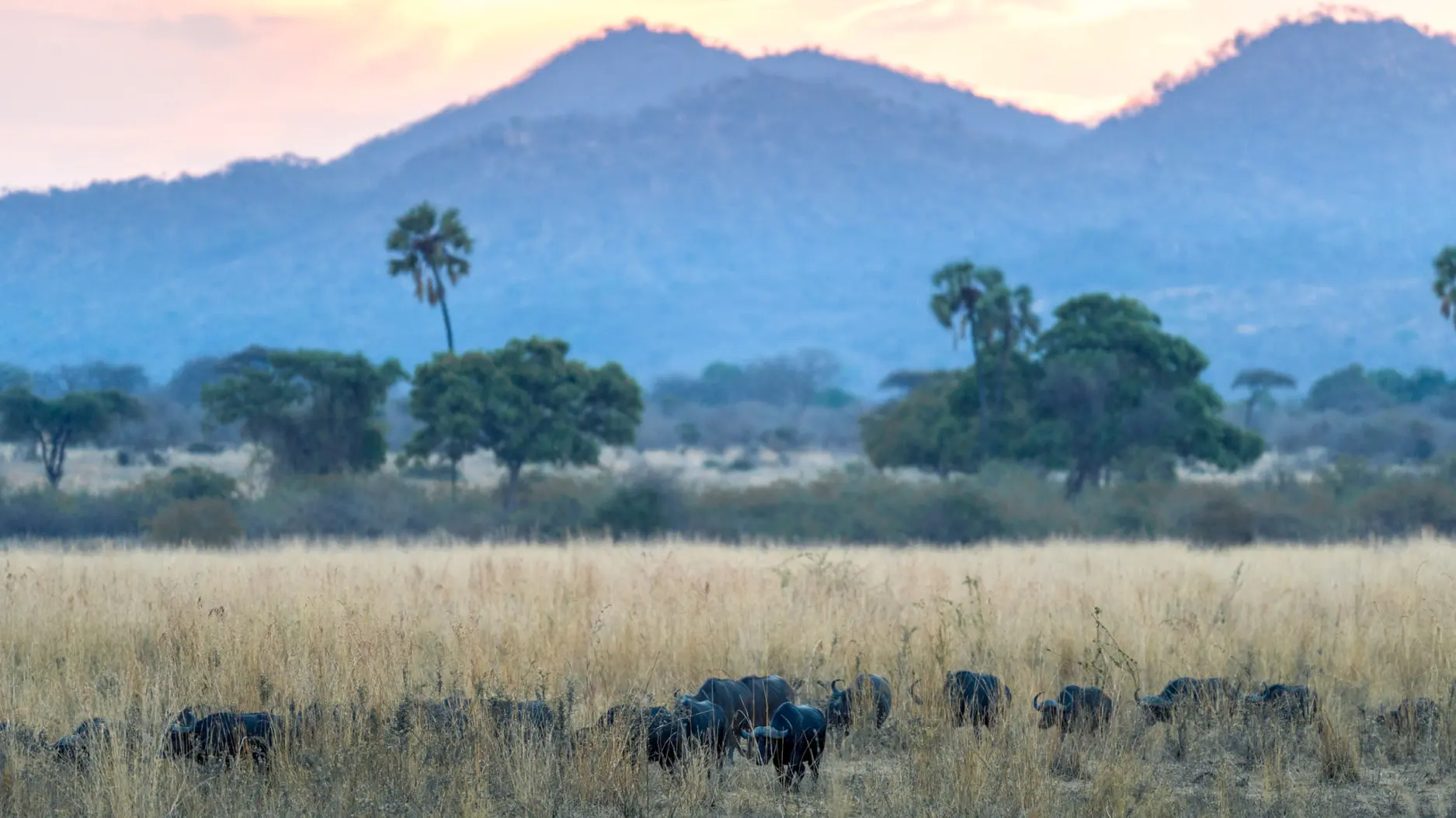
June sees Ruaha National Park green and lush as it emerges from the period of long rains and transitions into the dry season. The first half of the month may still be slightly cooler, but the temperature will be steadily increasing as the park becomes drier and dustier over the coming months. Late June is an excellent time to travel, offering dry conditions without the high season pricing. July marks the start of the high season, as the park is now entering its best months for game viewing. Water sources diminish, forcing elephant, buffalo, and a variety of plains game to congregate in the vicinity of the remaining watering holes. Predator action is prolific. The thinning vegetation makes for excellent game drive conditions, while walking safaris at this time of the year are amongst the best in Africa. Days are warm and sunny, while nights are cool and clear, perfect for night game drives.
Highlights:
- Spectacular wildlife is drawn to the Great Ruaha River and other waterholes, offering breathtaking sightings.
- Weather conditions are mild, sunny and perfect for safaris.
- With thinner vegetation, immersive and educational walking safaris can be enjoyed.
October to January
By October the park is at its driest, with the best possible conditions for walking safaris and game drives. The movements of wildlife are more predictable at this time, as a regular daily cycle for access to water is followed, with predators in close pursuit. In November, the humidity starts to climb as storm clouds begin to gather in the afternoons, eventually bursting and heralding the start of the short rains. This period usually lasts from around mid-November through to mid-December, bringing daily afternoon showers and much needed relief to the region. The landscape and wildlife are both refreshed, the dust is pulled from the air, and some of the best possible photographic conditions can be enjoyed. The days are still warm, and the afternoon shower does not greatly impact daily activities. By late December, the short rains have usually ceased, leaving the park green and fresh, but with vegetation not yet as dense as after the long rains. January is dry and hot, excellent for birding as migratory species from Asia and Europe arrive, while game viewing is slightly more challenging than during the height of dry season, but still rewarding.
Highlights:
- October offers some of the best walking safari conditions to be found in Africa.
- Excellent value for money to be found in November when wildlife density is still high, but prices and tourist numbers are typically low.
- Birdwatching is at its best, increasing the bird variety to 570 species and offering a photographer’s paradise.

February to May
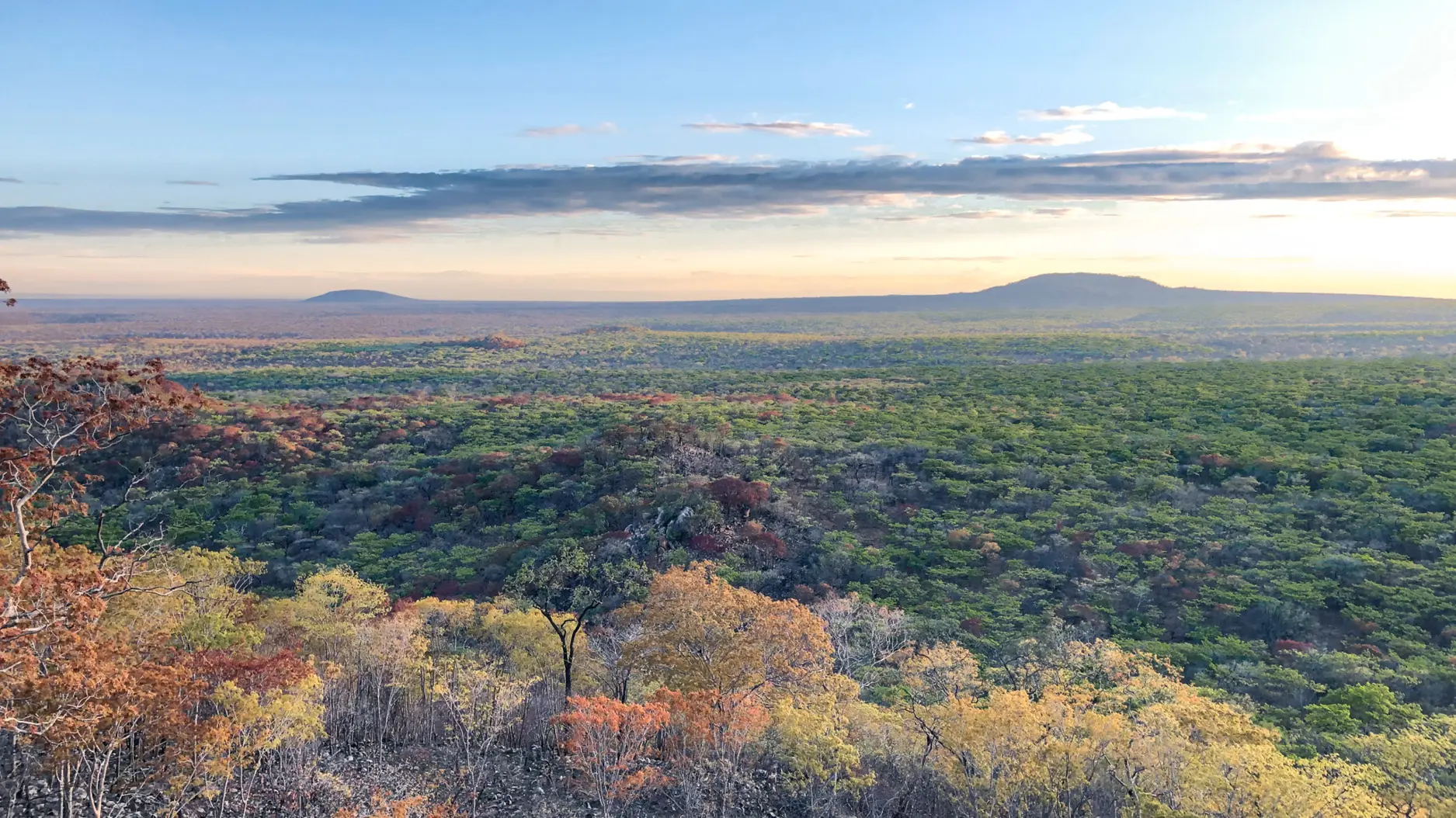
February continues in a similar style to January, offering excellent birding against a beautiful backdrop of the refreshed national park. The days are sunny and warm, but the humidity begins to climb as March approaches and the long rains draw near. From mid-March to mid-May, the rains are usually frequent and can be relentless for days at a time, preventing planes from landing and severely impact the safari experience. Our camps, and most in the area, are all closed during this period, creating time for maintenance and refurbishment ahead of the new season in June. Towards the end of May, the rains have usually stopped, leaving the park green and lush, with an abundance of water and thick vegetation.
Highlights:
- February and early March offer a low tourist period with exceptionally good rates.
- The rugged landscapes are bursting with greenery and abundant birdlife.
Best Time For Wildlife Viewing In Ruaha
The best time to visit Ruaha National Park for an unforgettable safari experience is during the dry season, especially July to October. During these months, you can witness the most incredible variety of wildlife, drawn to the waters of the Great Ruaha River, a lifeline through the dry season months. Wildlife includes large prides of lion capable to taking down buffalo and giraffe. Other cats, like leopard, cheetah, civet and serval are found here, as well as hyena and elusive packs of wild dog. The park also holds a large population of elephant, best seen at the permanent water source through the dry months. Ruaha National Park is a true gem of Tanzania, offering you a chance to see nature at its finest, without high numbers of tourists.
The Best Time For Birdwatching
If you love birds, the best time to visit Ruaha National Park is from October to January. The park becomes a birdwatcher paradise as hundreds of migratory species from Asia and Europe flock to the wetlands, the Great Ruaha River, and its tributaries and lakes. You can marvel at the sight of giant storks, elegant cranes, colourful sunbirds, and rare white-throated robins or iranias. You can also spot the African skimmer, a Ruaha speciality, as it skims the water surface with its long lower bill. Ruaha offers a unique diversity of habitats and birds, making it one of Africa’s most outstanding destinations for birding.
Weather Considerations
Ruaha National Park has a dry season from July to October, with no rain and clear skies. The average daytime temperature is (26°C) 79°F, and the nights are around (14°C) 57°F. Humidity levels are low, and the air is dusty. It is the best time to see wildlife due to the thin vegetation and reliance on permanent water sources. The park’s wet season is November to May, featuring afternoon thunderstorms and high humidity. Temperatures range from 61°F to 86°F (16°C to 30°C), and rainfall averages 5.2 inches (133 mm) per month. January and February are usually dry and hot, with excellent birdlife. The thickening vegetation and abundance of water makes game viewing more challenging, but the birding is rewarding. The region’s rugged and scenic landscapes are green and lush, attracting many migratory birds.
Related reads
Ruaha National Park
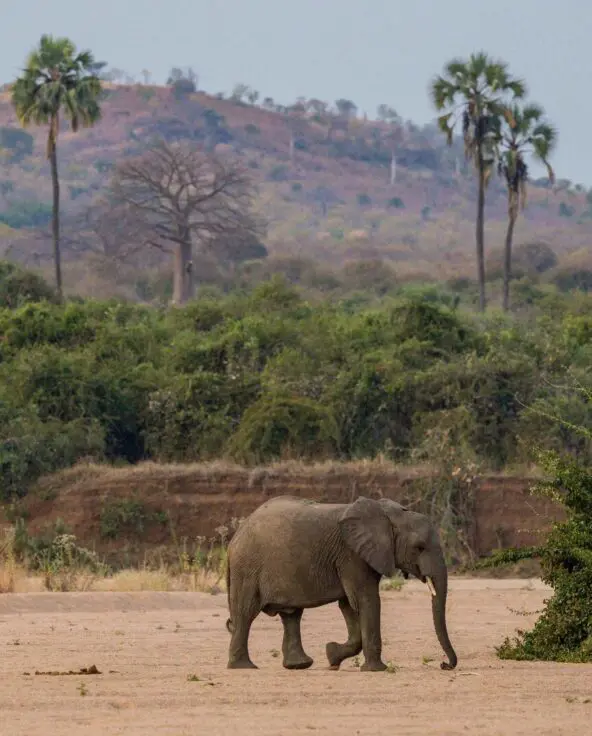
One of the largest national parks in Africa, southern Tanzania’s Ruaha remains blissfully off the beaten track, and rich in wildlife.
Tanzania
Explore the best destinations in Tanzania with Asilia, from the well-known Serengeti and Ngorongoro Crater, to the remote Ruaha.
Ruaha National Park is a wildlife paradise, home to lion, cheetah, wild dog, and more. Whether you prefer the dry season for easy sightings or the wet season for lush scenery and birds, Ruaha National Park can provide an exclusive and adventurous safari experience. Contact us today, and we’ll help plan your dream safari!