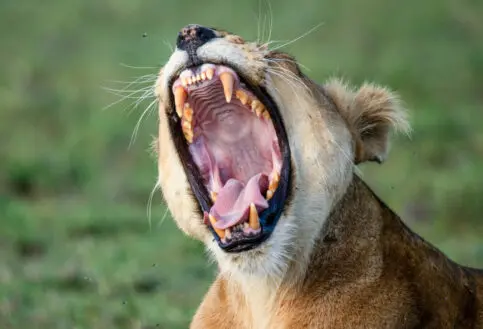
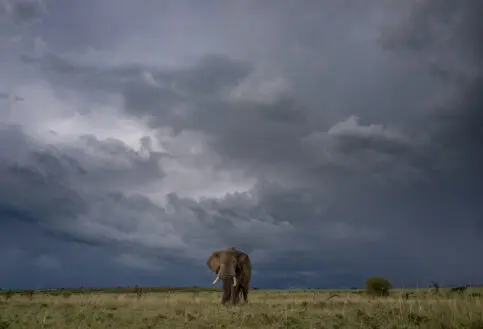
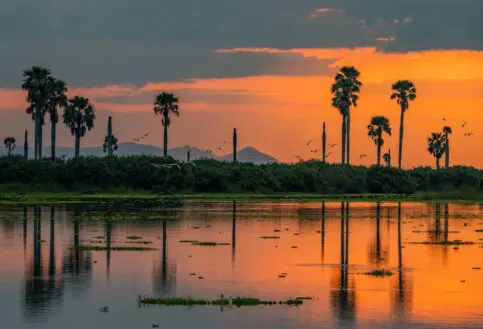
Described as the birthplace of safari, Kenya has much to offer beyond game drives and the awe-inspiring Great Migration. Naturally, you’ll want to witness large herds of wildebeest thundering across the savanna during the Great Migration in the Masai Mara, or come eye to eye with elephant in Amboseli, or see Lake Nakuru which is flecked with thousands of flamingos, but there is a long list of other things to do in Kenya.
Beyond the world-famous safari parks lies a trove of coastal treasures. The famous Diani Beach offers visitors the chance to snorkel and dive fish-rich coral reefs, or you can get away from the crowds and relax on pearly beaches somewhere within Lamu Archipelago. Experience the melting pot of cultures and cuisines in Mombasa or Malindi or explore Old Town and Lamu Town which are steeped in Swahili history.
To the east of the sweeping Great Rift Valley lies Mount Kenya, where bold and adventurous visitors can climb the snow-cloaked equatorial peaks. Hell’s Gate National Park harbours obsidian caves and hisses with natural geysers as well as hot springs that were made to be explored with curiosity.
With a bucket-list long selection of activities and experiences to choose from, you won’t be stranded with questions of what to do in Kenya.
Wildlife Viewing
1. Witness the Great Migration in the Masai Mara National Reserve
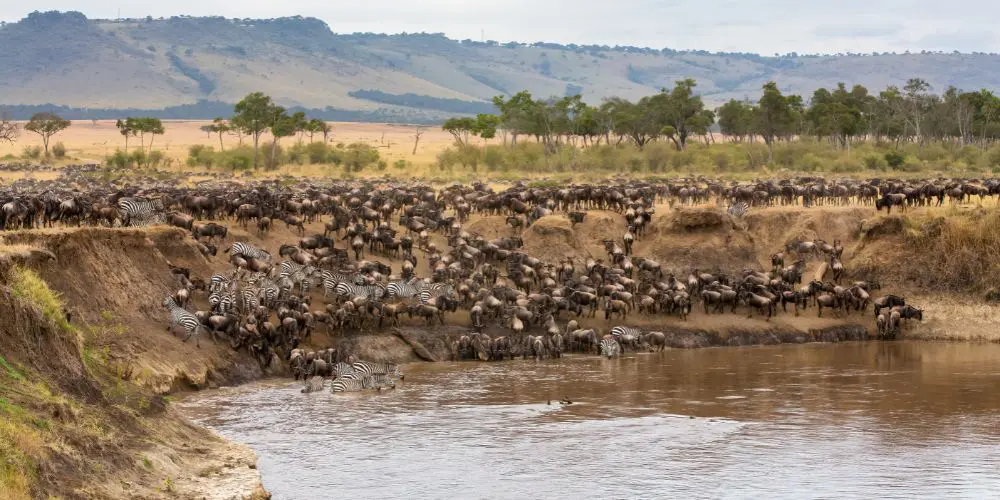
The Masai Mara National Reserve is famous for the Africa Great Migration– a journey of over 2,500 kilometres that spans two countries (Tanzania and Kenya) in which thousands of wildebeest, zebra, and Thomson’s gazelle travel to and from the Serengeti. While this grand occurrence happens all throughout the year, it is most prominently in the Mara from July through to October, during which the herds cross the Mara River.
Outside of the Migration, throngs of hippo and crocodile lurk in the Mara River. The park is also known for providing excellent predator sightings with relatively large populations of lion, cheetah, and leopard – especially in the dry months from December through February.
Plan your Kenya safari holiday and encounter the adventure.
2. Eat breakfast with Giraffes – Giraffe Centre
Located in Nairobi in the Langata suburb, Giraffe Manor is a boutique hotel that offers a close-up experience with these graceful giants that is incomparable to any other. The building dates back to the 1930s and is modelled on a Scottish hunting lodge – creating a charming, yet luxurious place where animal-lovers will enjoy every moment of interacting with giraffes and exploring the forest.
While the Rothschild’s giraffes reside in a forest sanctuary, you’ll find these friendly creatures in the most unsuspecting places around the property – like the breakfast table or your bedroom window, vying for your attention and being inquisitive about what’s on your plate.
3. Explore Amboseli National Park
You will be hard-pressed to find a view that beats the silhouette of elephant grazing against Africa’s most famous mountain. Situated a four hour drive from Nairobi, Amboseli is best known and loved for the many herds of elephant that roam within its boundaries. Its desert-like terrain offers unobstructed views of over 80 other types of mammals – including zebra, giraffe, cape buffalo and lion.
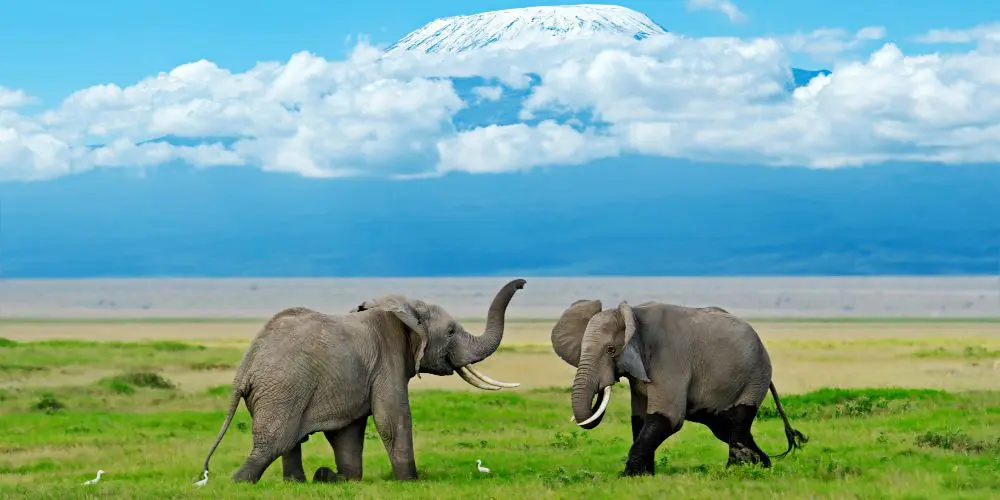
In addition to elephant, Amboseli is known as one of the best bird-watching destinations in the world, with more than 400 separate species of birds including nearly 50 types of raptor. A visit to the park also presents the opportunity to visit surrounding Maasai villages- an authentic East Africa cultural experience that connects you to the Maasai people to whose lives cattle herding is central.
The Maasai are known for their distinct culture- they adorn themselves with colourful beads and wrap a cloth known as “shuka” around their bodies. They carry wooden sticks called rungus or Fimbo ya Nyayo, which are used for hunting and fending off predators, and their ceremonial dancing involves jumping high (sometimes up to three feet vertically) and singing led by the olaranyani, who is the song leader.
Lastly, Amboseli is also known to provide astounding views of the great Kilimanjaro. The mountain rises just over the border in Tanzania, but from Amboseli, you’ll get a glimpse of the snow-covered peaks, earning the reserve the title of one of the best places to view Mount Kilimanjaro from. All of this and more for you to enjoy and explore from a crowned UNESCO-Mab Biosphere Reserve.
4. See the Wildlife at Tsavo National Park
The sight of dust-red elephants within the midnight blue waters of the Galana River, as they roll around spraying each other from their trunks, is one of the most evocative images in Africa. Captured in Tsavo National Park, the area is full of picture-perfect scenes and photographic opportunities for visitors to capture themselves.
The park forms the largest protected area in Kenya and is home to most of the larger mammals. Some bucket list finds include vast herds of elephant, rhino, buffalo, lion, leopard, hippo, crocodile, and waterbuck. You can also expect kudu and gerenuk in lesser numbers, while the prolific bird life features 500 recorded species, making the area exceptional for birding.
5. Lake Naivasha
Lake Naivasha is located on the northwest of Nairobi with the town of Naivasha on its north eastern shore. The rich vegetation around Lake Naivasha supports a variety of animals including buffalo, antelope, giraffe, warthog and monkey.
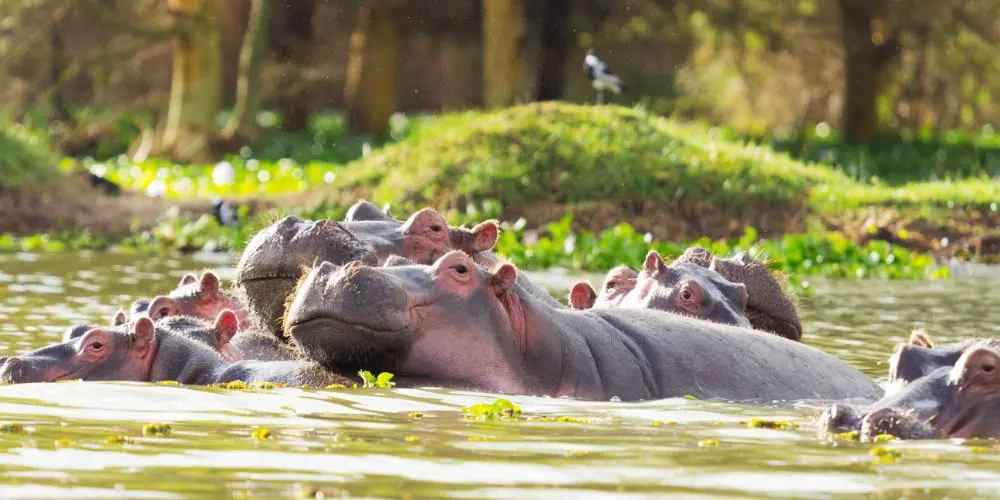
Another treat for those in search of wildlife, you will almost certainly catch sight of hippo lazily hanging out in the cooling water. The highest and purest of the Great Rift Valley’s lakes – Naivasha hosts a variety of birdlife, where more than 400 species have been recorded. However, many can be spotted along the shoreline – from pelicans and fish eagles to weavers and warblers.
6. Visit the Bird Watchers Paradise Lake Nakuru National Park
On the floor of the Great Rift Valley, surrounded by wooded and bushy grasslands lies the beautiful Lake Nakuru National Park. Known for its wide ecological diversity and varied habitats that range from Lake Nakuru itself to the surrounding escarpment and picturesque ridges, the park is ideal for bird watching, hiking, picnics and game drives.
While bird watching here offers fantastic sightings year-round, it is recommended that most visitors go from November to March, when there is the additional presence of migratory birds from North Africa, and even from Europe. The colourful and rich birdlife includes great white pelicans and several species of waterbird.
Once a soda (alkaline) lake, Lake Nakuru was famous for its large flocks of flamingo; however, after major flooding between 2012 and 2014, their numbers decreased significantly. With less alkaline waters, the lake was no longer suitable to sustain the flamingos feeding and breeding. This should not discourage you because can still expect to see these graceful birds near the lake, albeit in lesser numbers.
Cultural Experiences
8. Explore Nairobi
Kenya’s capital and largest city – Nairobi is legendary for its colourful colonial history and its mingling of modernity and tradition. Here, you’ll find everything from markets that sell local delicacies, to a vibrant nightlife and the Nairobi National Museum- a great one-stop to see exhibits on Kenya’s history, culture and the country’s finest contemporary art.
To see Nairobi’s wildlife without venturing far from the city centre – visit Nairobi National Park, home to Black rhino, lion, leopard, buffalo, zebra, wildebeest and cheetah. Within the park’s borders, the David Sheldrick Wildlife offers close-up encounters with elephant orphans. Finally, no visit to Nairobi would be complete without popping into the Giraffe Centre near the famous Giraffe Manor – where these long-necked beauties eat out of visitor’s hands.
9. Cultural Travel on the Island of Lamu
Over the course of hundreds of previous years, Lamu Island has been shaped by local African tribes, Arab traders and Portuguese explorers. This mix of culture has created a fascinating history and a unique culture among the resident Swahili people.
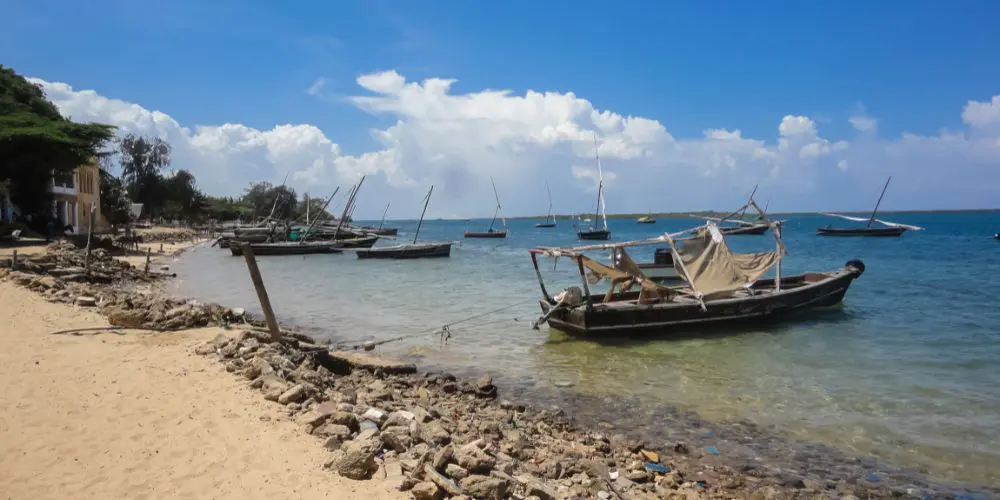
For travellers looking for a culturally immersive experience, you can spend a few hours exploring the old city, learning more about the history of Lamu, relax at Shela Beach, sail around the Lamu archipelago by Dhow, or attend the amazing Lamu Cultural Festival which aims to promote and preserve the local heritages and Swahili culture.
10. Enjoy Mombasa by Night Dhow Cruise
A traditional dhow cruise is a bucket-list experience for all visitors to Kenya. Your journey begins as the sun sets and you set sail into the harbour and past Fort Jesus. As you glide past Fort Jesus – you are treated to a sound and light show that is absolutely spectacular. After that, you will make your landing and venture into Fort Jesus for supper where you will enjoy a delicious dinner that is served alfresco in the inner courtyard of Fort Jesus.
When supper is done and you have had your fill – the night life begins. The Tamarind Night Dhow cruise is a one-of-a-kind experience that blends a traditional dhow experience with an air of luxury, allowing you to savour every moment of the journey with a culinary experience to top it all off.
Adventure Activities
11. Climb Mount Kenya
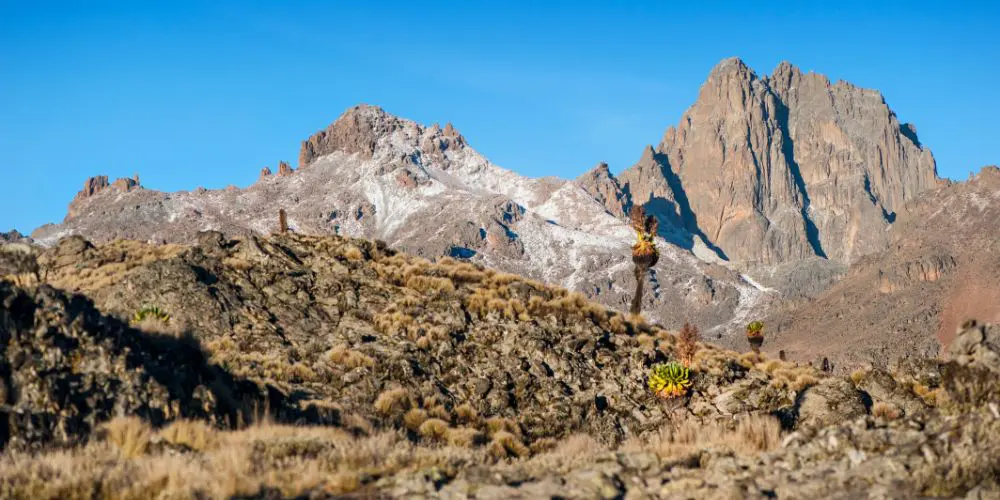
A must see Kenya landmark and neighbour to the famous Mount Kilimanjaro, Mount Kenya steals the title of Africa’s second tallest peak. It may surprise you to find out that this mountain is often considered a more challenging climb than its Tanzanian cousin. The mountain lies just under 200km north-east of Nairobi and stands tall at 5,300 m (17,400 ft). The breathtaking scenery is marked by incredible views of Kenya and from certain points, lucky glimpses of Mount Kilimanjaro in Tanzania.
While the Mount Kenya National Park, which was established to protect the mountain, is open year-round, the best time to visit is from December to March, when the weather is warm but not yet sweltering, and the skies are sunniest, and in December, you can expect a light drizzle. Whenever you decide to go, remember to be prepared for the colder temperatures at the peak, and come adequately equipped for your hike.
12. Eat in a Cave at Barbour’s Cave Restaurant
At first, the idea of eating in a cave may not sound enticing, but Barbour’s Cave is home to an enchanting restaurant with a unique location providing an equally unique culinary experience. Located in Mombasa, Ali Barbour’s Cave Restaurant is set in a natural coral cave with a series of interlinked chambers. The main part of the restaurant has an open roof top, and on a clear night you can enjoy the beauty of South Coast’s starry night.
The restaurant specializes in seafood with options ranging from freshly caught and scrumptious crab to varying catches of the day. For meat lovers, the restaurant also serves an impressive meat menu which has a range of poultry, venison and beef dishes. If neither of the above appeal to your diet, there is also a delicious vegetarian menu.
13. Samburu, Buffalo Springs and Shaba National Reserve
The colourful Samburu tribe dominate the area around Samburu National Reserve, Buffalo and Shaba Springs National Reserve, walking across the dry savannahs of Kenya. Many visitors travel to experience this arid-desert which contains considerable animal life. Camels are the perfect beast of burden in this desiccated scrubland but wildlife thrives in the reserves that are watered by the Ewaso Nyiro River or “River of Brown Water”.
Grevy’s zebra are endemic to this area and resemble donkeys with long ears and narrow stripes that don’t quite go well under the belly. Reticulated giraffe are also uniquely patterned with the most perfect square making photography a pleasure and the “golden light” just before sundown, a photographer’s delight, best enjoyed with a drink in hand.
The Samburu people of north central Kenya, similar to but not to be confused with the Maasai, are also semi-nomadic and pastoralists. They are recognised by their style of dress which includes the wrapping of a red cloth similar to a skirt, a white sash, and beaded jewellery.
14. Hang out at Lake Victoria
Lake Victoria is famous as the world’s largest tropical lake and the world’s second largest freshwater lake. Covering a total of 69,000 square kilometres the lake lies in the Rift Valley of East Africa. The lengthy body of water runs through Ukewere Island, Rubondo Island, Ukora Island, and Maboko Island across three countries, namely Kenya, Tanzania, and Uganda.
Fishing in the lake is an exciting activity, and both Nile Perch and Tilapia can be caught. Birdwatching is also spectacular, and you can spot over 350 different birds around Lake Victoria. Beyond the wildlife, you can also enjoy cultural walks along the lake, go for a boat cruise, or explore one of the lake’s eighty-four islands- many of which remain uninhabited.
The low-tourist season for Lake Victoria is from March to June, while June to August are the cooler times of year, making it particularly comfortable to visit during these months.
15. River Raft the Tana River
Two hours from Nairobi, Tana is a nearly-1000km long river in Kenya, flowing from the Aberdare Mountain range and Mount Kenya towards the Indian Ocean. Whitewater rafting and kayaking on the Tana River in Kenya are becoming popular activities in the country. Not only are there adventurous river rapids – but there is also an opportunity to view Kenya’s nature from the river.
The ecosystem and bird viewing while rafting through the valley are also spectacular, and where the tide slows down you can really stop to take your surroundings in. The journey by raft can take anywhere between three and four hours, with optional stops along the way. Tana River provides great rafting water year-round, however the rainy season from November to December is known to increase the rush, ideal for serious adventurers.
16. Hike the Hell’s Gate National Park
North-west of Nairobi and south of Lake Naivasha, Hell’s Gate National Park is home to a variety of wildlife, flora and over 100 species of birds including Verreaux eagles and vultures . The breathtaking scenery, complete with towering cliffs, gorges, rock towers, volcanoes and belching plumes of geothermal steam make it one of the most atmospheric parks in Africa.
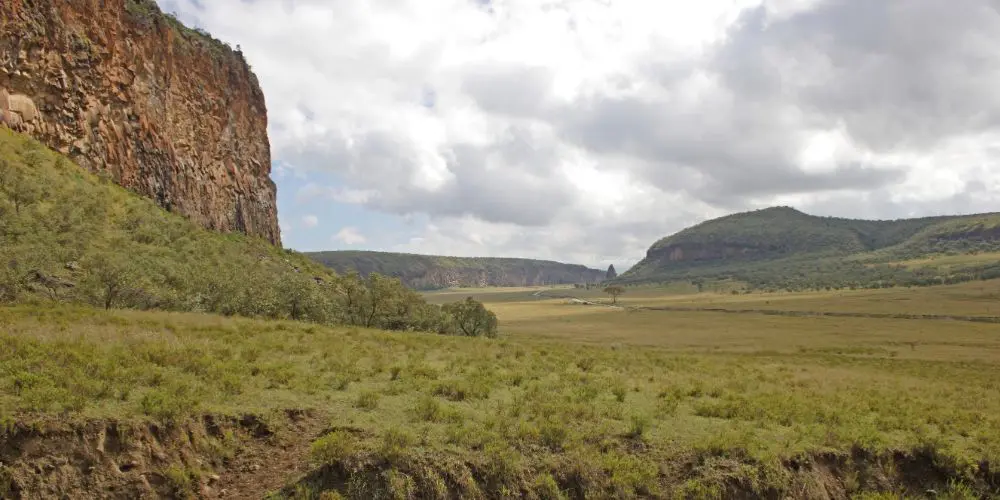
Hell’s Gate is an ideal venue for a day trip from Nairobi where, in addition to exploring and taking in the biodiversity (which includes raptors), visitors can enjoy mountain biking, rock climbing and a natural spa. The wildlife here also makes for strong mammal sightings of Thomson gazelle, Burchell’s zebra, African buffalo and plenty more! Following most game parks, the best time to visit Hell’s Gate is from June to March, during the dry season.
17. Relax on the East African Coast
The East African Indian Ocean coast is one of the best places in the world to take it easy and enjoy a beach holiday.
Along with pristine stretches of white sand and swaying palms – the laid back attitude and friendly Kenyans along the coast add to the serenity. To check out the Kenyan coast, you might visit areas around Mombasa, Diani, Malindi and Kilifi, making them the perfect post-event to a safari. Kick back, relax and enjoy the warm waters of Diani Beach, one of the best beaches in East Africa.
From October to January is the most ideal time to visit the beaches in Kenya as the weather is hot and sunny and the rain is minimal. Several Kenya beaches such as Diani Beach and Mombasa are ideal for a range of water sports and activities from snorkelling and scuba diving to sailing and kite-surfing.
You will soon find that there are hundreds of things to do in Kenya. Whether you are chasing summer in search of a beach getaway, an adventurer looking to hike peaks or row against rapid river waters, or a wildlife lover in search for a few bucket-list items, Kenya promises to exceed your expectations!
Explore more of what Kenya has to offer and book a trip with us by speaking to one of our Asilia travel agents.