Farida comes from Ulia, a small village in southern Tanzania. It’s not far from Nalika Wildlife Management Area (WMA), which forms part of the Niassa-Selous Transfrontier Conservation Area – a community-based conservation zone where over 75,000 people live alongside wildlife.
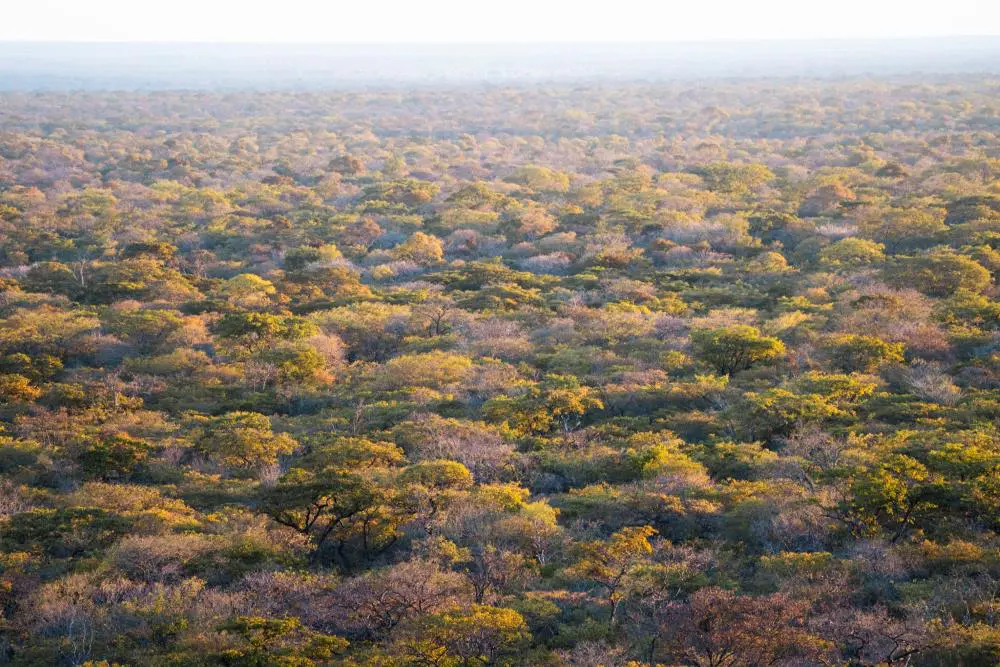
Farida grew up hearing tales of elephants destroying farmers’ fields, and children too fearful of lions to walk to school. Where people and wild animals overlap, there is often collateral damage on both sides; lives and livelihoods can be lost in the conflict.
Fortunately, it doesn’t have to be this way. Our partners at Honeyguide Foundation have committed their expertise to this area, providing governance and anti-poaching, and helping communities to thrive alongside the landscapes that they share with wildlife.
Farida’s father, who had worked near a national park, had told her how rangers would save people’s crops by scaring elephants away, describing brave men and women whose job it was to protect their communities – and the wildlife too.
Farida’s first such encounter came on a conservation course she took while volunteering in a community defence initiative. She watched the rangers in awe: how was it that they weren’t afraid, and that they knew how to move wild animals away without harm? She was inspired by her government’s investment in protecting its people, and decided she wanted to be part of this work.
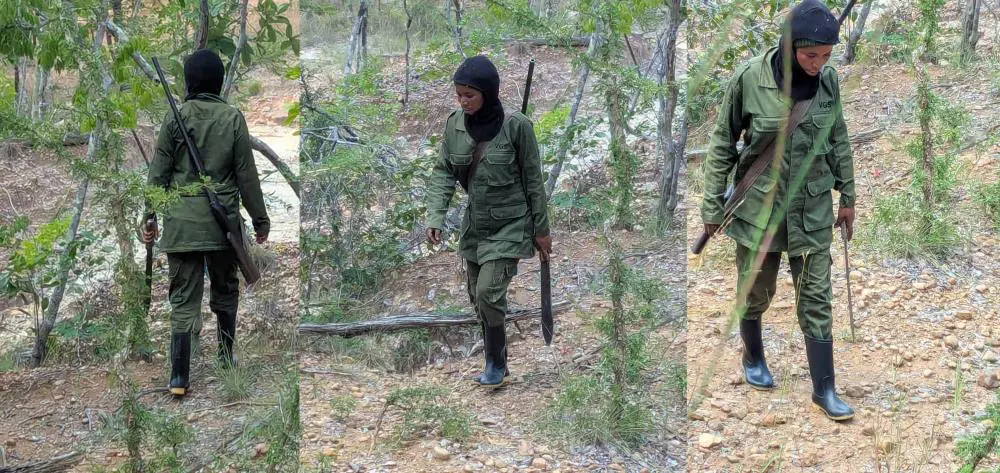
When she saw a notice that rangers were needed in Nalika WMA, she applied immediately. Her mother and sisters couldn’t understand her. ‘People we know have been killed by elephants! You’re bringing a funeral upon us.’ It was her father who encouraged her to believe in herself; he knew she could do it. As it turns out, he was right.
She’s now a ranger in Nalika, spending her days patrolling the WMA and collaborating with the communities that live on its boundaries. As a woman in this line of work, she’s part of a distinct minority. Of every ten rangers, eight are men – and the toughest part of her job has been the fight to be taken seriously.
Although she and the other women shoulder as much responsibility and labour just as hard, the assumption she most often encounters is that the male rangers are doing the real work and the women are merely their girlfriends.
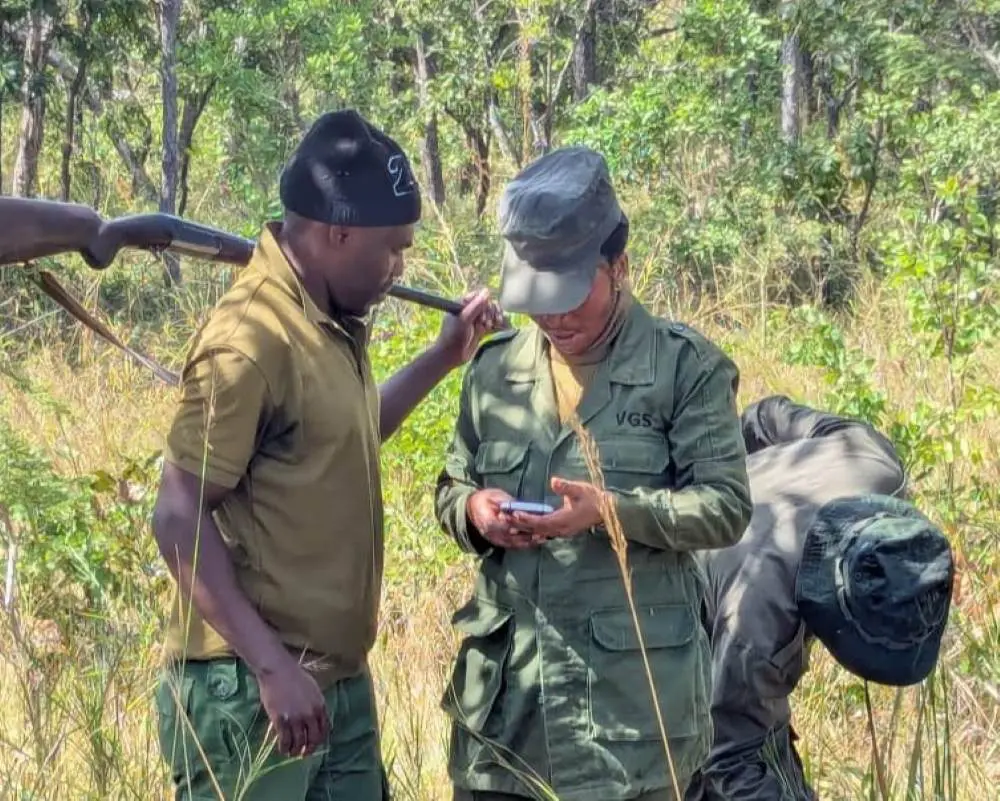
It’s taken a long time, but she feels attitudes finally shifting. Simply put, the women have proven themselves. They show up for their communities, fending wildlife off fields, sharing education and information, and doing the same work as the men. What has also made a difference is the lives they have created. They are able to support themselves, build their own houses, and enjoy a comfortable existence. The fruits of their labour have earned them respect.
Seeing this respect reflected back in the eyes of the community has made her believe in herself more. This work has taught her so much, and she’s shown herself – and others – how much she is capable of.
She loves being out in the bush, but her favourite part of the job is working with people. Her experience has shown her that women have something special to bring to this role; it’s in the way they know how to connect, and how their message is received. The trust that the rangers earn makes all the difference: if there’s trouble afoot, the community doesn’t hesitate to call them. When illegal miners start digging for minerals, or hunters are hiding their spoils – Farida and her colleagues know where to go and who to look for. Nalika has seen a decrease in poaching, and she attributes this to the relationships they’ve built.
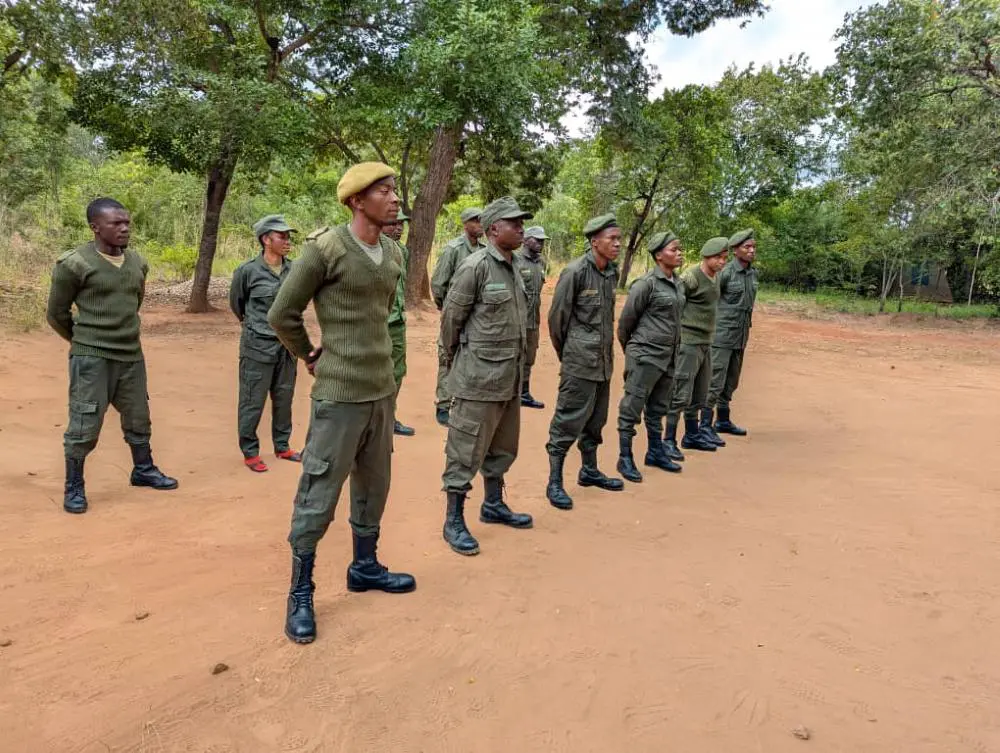
While poaching declines, the number of female applicants aspiring to become rangers has seen a significant uptick. With Farida and others like her as role models, it seems natural that women would be inspired to build a career around coexistence. As perspectives on wildlife and women shift, the myriad ways that natural resources can benefit communities comes more clearly into focus.
Farida tells these applicants ‘don’t be afraid, and don’t let people put you off. We can do this work – and this work needs more of us.’ By blazing her trail, she has lit the way for others to follow – and the future looks brighter for it.
Written by Robyn Ghaui
When you choose to travel with Asilia, you are actively choosing to contribute towards our valued implementing partners, like Honeyguide, who are working to protect vast tracts of crucial wildlife habitat across Tanzania.