Change a Life Bwindi
Change a Life Bwindi is an existing Ugandan NGO that has been working with the Batwa and Bakiga communities around the site of Erebero Hills since 2018. They will now become a key implementing partner for Asilia, allowing them to significantly scale up their proven impact work, with the support of both the neighbouring lodge and the guests it hosts.
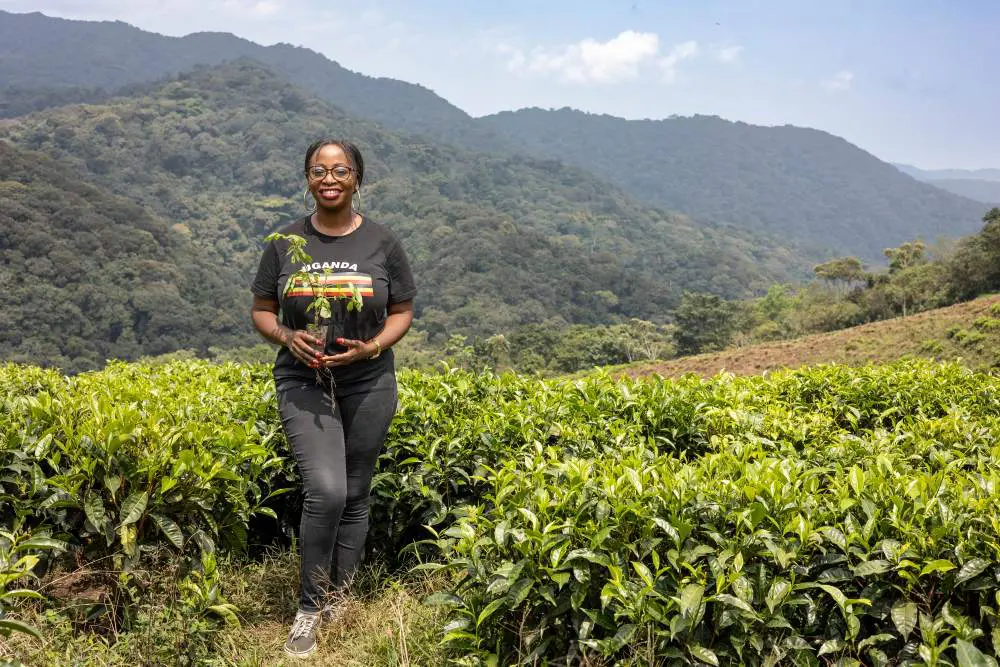
Changing Lives in Bwindi with Tina Katushabe
In 2016, during a visit to Bwindi to see her cousin’s brother who was working as a game ranger in Bwindi Impenetrable Forest, Tina Katushabe met a five-year-old girl who had been abused by an HIV-positive man. As a mother herself, she felt compelled to help her. Supporting the child and her family became a turning point in Tina’s own life. Every time she visited, the girl would bring with her more children who needed support. Seeing the scale of hardship, Tina decided to take action.
“I wanted to find a way to support these young girls, but realised to help them, I needed to help their families.” Tina explains. “Giving handouts wasn’t a scalable option, I needed to find a way to help the children’s’ mothers, often unemployed single parents, generate their own income enabling them to support their children.” She also saw the need to improve the delicate balance between the wildlife and neighbouring communities and realised both could benefit through the right opportunities.
Tina began by creating a basket-weaving program, providing local women with a way to earn a living. Weaving holds a significant place in Batwa culture, reflecting their deep connection to the forest and their resourcefulness in using its natural materials. It was a skill that came naturally to the women, with sustainable materials grown locally readily available for them to use. Tina provided them with support to organise themselves and find a route to market their woven products.
Tina recalls the moment news came that the first baskets were sold, “It was fantastic, the village erupted in celebration. The drums came out and everybody was dancing. The sale gave them hope for a future whereby they could earn money for themselves.”
The women used their earnings from those early sales to buy solar panels and a water tank, small but essential improvements that changed daily life. That success became the foundation for Change a Life Bwindi, established in 2018, and the organisations work supporting local communities through sustainable enterprise.
The products woven by the community have been Certified Gorilla Friendly™ under the Park Edge Community Products ecolabel, providing the Batwa community enterprise access to tourism markets.
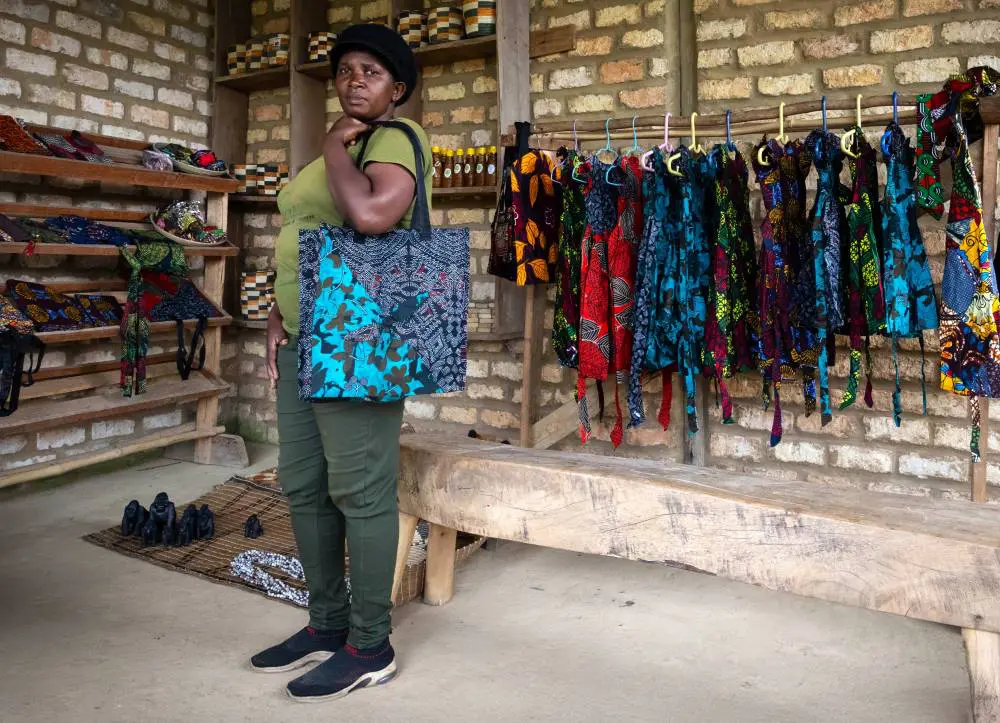
From that first project, Change a Life Bwindi expanded. Seeing that young women needed practical skills, Tina launched a tailoring and fashion initiative called My Hands my Future. Traditional weaving remained important but was seen as an activity normally undertaken by the elders of the community. Fashion offered a modern opportunity for younger generations. The project focused on enrolling vulnerable teenage girls that had dropped out of school and providing them with mentorship in tailoring. To support the programme, Tina enrolled the help of Mama Faith, a professional designer and dressmaker from Kampala. She moved to Bwindi to take the young girls under her wing to teach them the skills they needed, while Tina supported their endeavours by finding routes to market allowing them to sell their creations and gain financial independence.
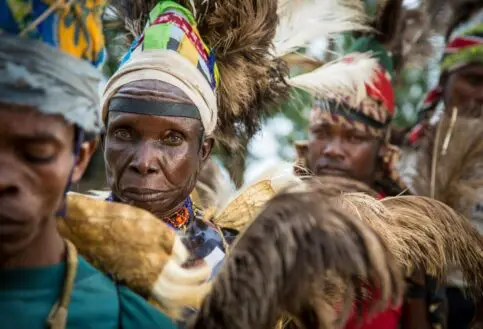
Becoming more connected with the local people, Tina recognised that it wasn’t just the females who needed support. For generations, the Batwa were forest dwellers, hunter-gatherers whose existence was intertwined with Bwindi’s dense ecosystem. The community Tina was working with were responsible for significant poaching within the national park, a response to displacement and generational belief that the forest was a provider for them. A solution needed to be found that would provide them with purpose and an income. The Batwa’s love for honey offered one such opportunity, combining their ancestral knowledge with modern beekeeping practices. As a result, Change a Life Bwindi started a beekeeping project, offering hives and training to Batwa men known to have been poaching within the forest.
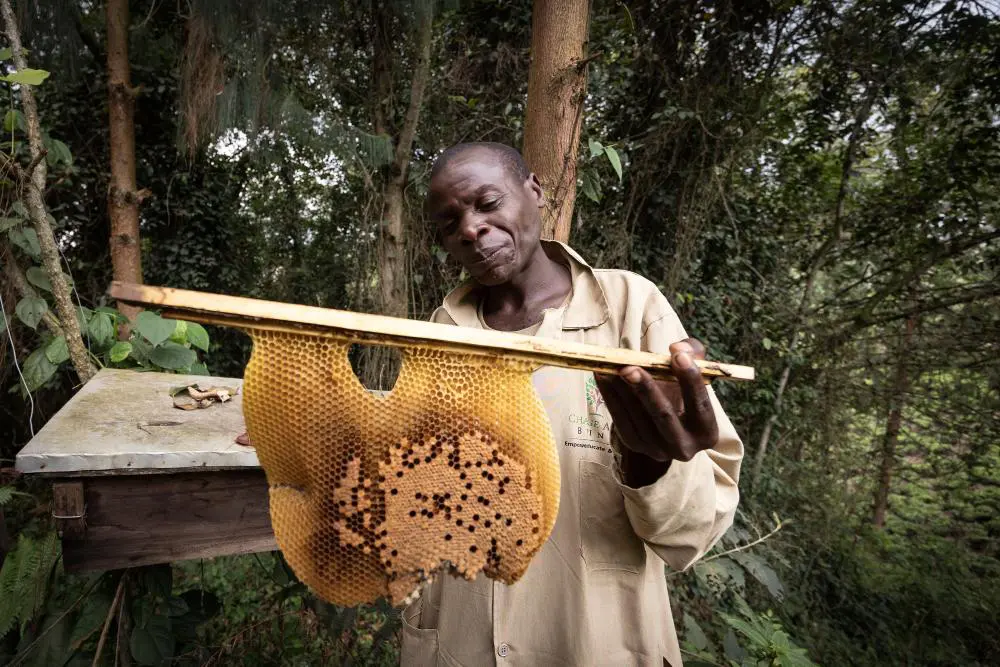
For the local community Change a Life Bwindi became a vital resource. The organisation created pathways to self-sufficiency while also valuing indigenous knowledge. Training programs focused on skills that connected people to their environment, reinforcing the idea that conservation and livelihoods could work together.
“I have fallen in love with this place and its people” Tina explains. “Despite having so little they are very welcoming. The coming together of two communities, the Batwa and Bakiga, has created a diverse culture with very differing backgrounds and views, but now I see them coming together to work on projects like the reforestation corridor. It is a beautiful thing to experience and really gives me hope for the future.”
Tina’s work has not gone unnoticed. In 2020, Change a Life Bwindi was recognised at the Responsible Tourism Awards for its impact. The organisation’s approach rooted in local leadership, practical solutions, and long-term sustainability has become a model for how tourism and community development can align.
Stitching Together a Future with Mama Faith
Tuhirirwe Bakuza, better known as Mama Faith, has always had a passion for fabric and design. Born in Kabale, she grew up fascinated by her father’s sewing machine, experimenting with fabrics and patterns from an early age. That love of textiles led her to study fashion and design at university, where she dreamed of creating African print fabrics and tailoring clothing from them.
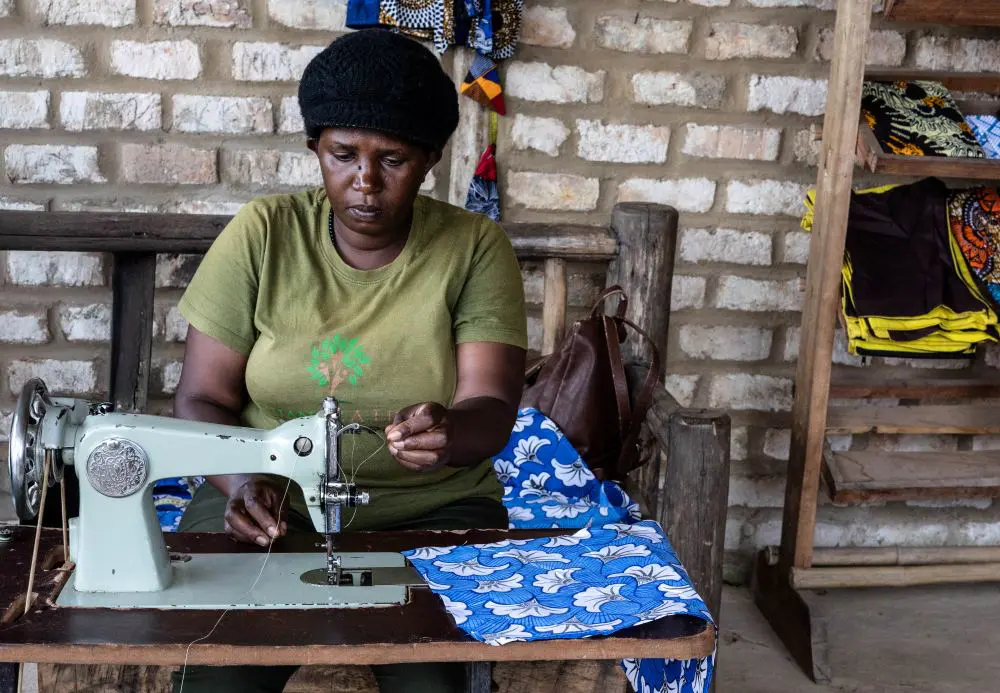
When Tina Katushabe invited her to join Change a Life Bwindi, Mama Faith saw an opportunity not just to work in fashion but to share her skills with women who had few opportunities. She moved to Bwindi to establish the tailoring program, training young mothers and women from disadvantaged backgrounds in dressmaking, repairs, and product design. Many of the women she teaches dropped out of school early and had little hope of earning an income before discovering tailoring. Through her training, they learn to sew, measure, and design clothing, developing skills they can use to support their families. While she enjoys seeing creativity flourish, she acknowledges the challenges, as many women who lack any education struggle with measurements. “If they struggle” she says “I continue to assist them with cutting to ensure accuracy. But once the sewing begins, they fly, they all pick up the skill quickly.”
Mama Faith takes great pride in seeing her students grow in confidence, particularly as they start to earn their own money. The program equips them with access to sewing machines and materials, teaching them not just how to make clothes but how to find markets for their work. Some create simple garments for local children, while others design beautiful, lined dresses for sale to international visitors.
Mama Faith herself especially loves making bags from fabric offcuts, ensuring that nothing goes to waste. “I love seeing women come here and learn,” she says. “It gives them a future.”
A New Sense of Place for Nyamishana Evering
For much of her life, Nyamishana Evering felt caught between two worlds. A young Batwa mother with two children, she never knew life in the forest but also struggled to feel accepted in the wider community where she lived with the Bakiga. Without education or skills, she believed she had little to offer.
That changed when she joined Change a Life Bwindi’s tailoring program three years ago. At first, she wasn’t sure she would succeed, but as she mastered each step, firstly threading a needle, then stitching a seam, before finishing a dress, her confidence grew. Now, she makes clothes for herself and her children, repairs garments for others, and has a steady income from her sewing. “I used to feel I had no place and no respect, but now people seek me out and pay me for my skills,” she says.
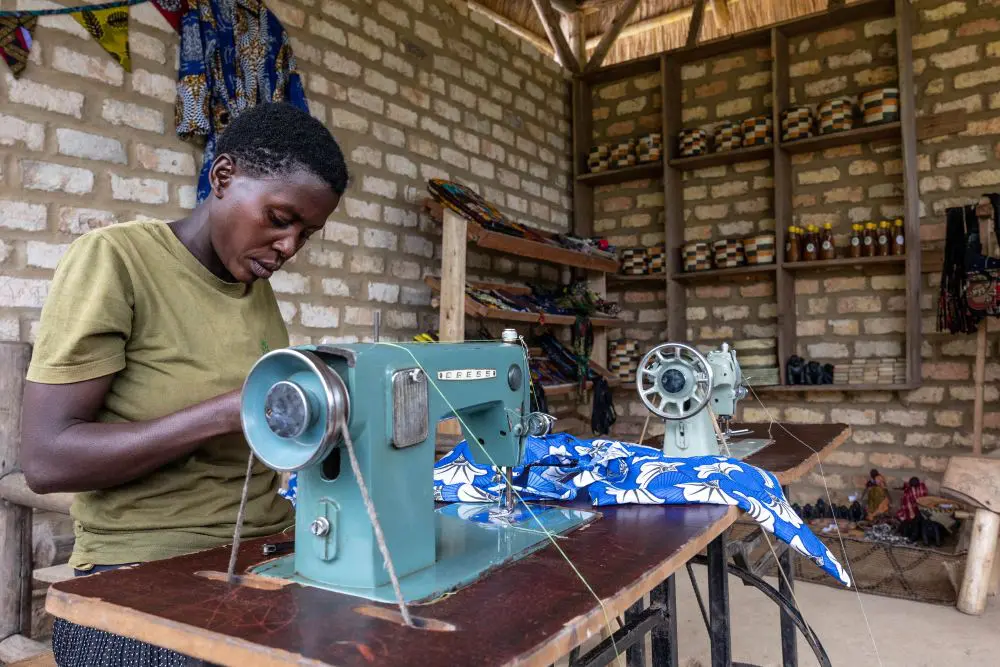
With the money she earns from tailoring, she buys more fabric, creating new designs to sell. This income allows her to purchase essentials like food, soap, and school supplies for her children. “My children go to school. I have a skill so I can earn money. As a young mother, I didn’t think this would be possible,” she says.
Tailoring has given Nyamishana given both financial independence and a sense of identity. Once overlooked, she is now valued for her skills. The same people who once dismissed her now come to her for clothing and repairs, recognising her talent. She no longer feels invisible. Instead, she has a trade, a future, and a place where she belongs.
Stay at Erebero Hills for the opportunity to visit the programs of Change a Life Bwindi and meet the people the project has impacted.