In one of Tanzania’s largest and most remote areas the evening sky is transitioning rapidly from azure, blue to deep purple, leaving us in darkness with the sounds of hidden wildlife all around. On the outskirts of camp, we attach a camera to the trunk of a tree, positioning it so it looks out on a clearing with a small pool of water at its centre. This is a perfect place to discover what animals are moving under cover of darkness.
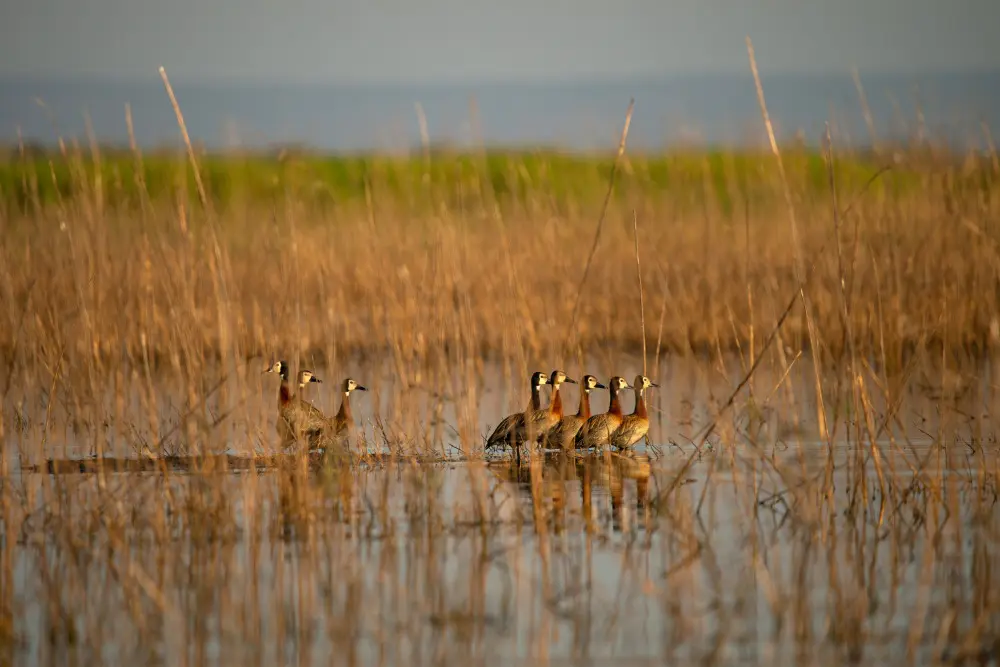
The Usangu Wetlands
The Greater Ruaha Ecosystem in Tanzania is a vast region, encompassing approximately 50,000 square kilometres and is home to over 10 percent of Africa’s lions. We’re in the Usangu Wetlands within the Usangu Game Reserve, a relatively new addition to Ruaha National Park, following its inclusion in 2006, and an area that not that long ago was an ecosystem on the brink of collapse. Our camera trap set, we head back to camp, wondering what creatures we might record overnight.
An old and often abused hunting block, the Usangu Wetlands feed into river systems crucial to the whole country. These remote watery plains, at the heart of which sits the Ihefu Swamp are the source of the Great Ruaha River. This is the lifeblood for huge areas of the country; not least because its two hydroelectric dams generate about 50 percent of Tanzania’s electricity.
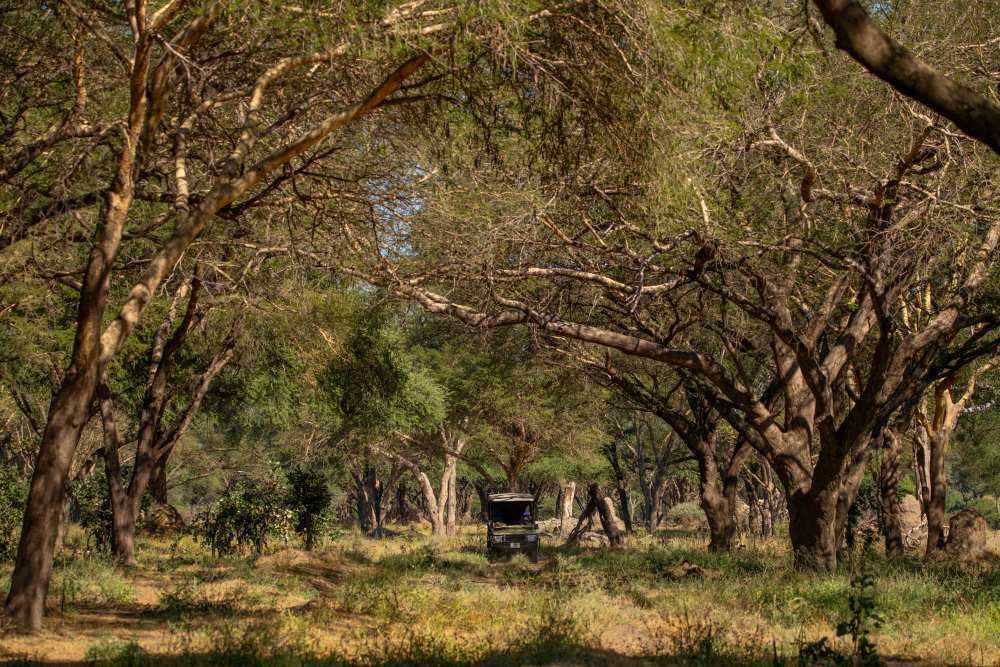
In 1993, the Great Ruaha River ran dry for the first time in known history. This catastrophe was caused by human activity within the Usangu Wetlands. Once rich in wildlife, the area was unrecognisable. Rice farms with their thirsty requirements and fed by unmanaged water trenches were drying out the wetlands. This was compounded by intense grazing, with cattle tramping the ground and removing grass cover, which in turn increased evaporation of the remaining water. The hydroelectric turbines stopped turning, reducing the electricity available for economic development. To counter the problems, the Tanzanian Government expanded Ruaha National Park to include the 6,000 square kilometre wetland wilderness.
This was not without controversy because annexing Usangu meant displacing people. There were 27 villages relocated, and the communities from the 31 further villages along the outskirts of the park became banned from entering the land that was once the resource they lived off. Livestock grazing, fishing, hunting, farming and wood gathering were all forbidden under new rules. Understandably, community feelings ran high.

Recognising Opportunity
It was a confusing time for the communities, and they struggled to understand the new rules. Living in such a rural environment, without access to electricity or the means to buy alternative fuel sources, cooking was primarily performed over a woodfire. Without access to the park, they were struggling to gather enough wood for their basic needs, while in the park they can see wood lying on the ground, but they are not allowed to use it. One or two people picking up firewood might not be a problem, but when it’s 600 people it quickly becomes unsustainable.
To change the narrative, solutions needed to be found, and this included finding alternative energy sources and improving income so the local communities could afford to buy into it. Initially, the communities felt the emphasis was only on the wildlife and that people didn’t matter. While the feelings of some of the older people living in the villages bordering the park are still mixed, the outlook of the younger generation is more open, with many embracing the opportunities that tourism in the park is opening. The partnership created between Asilia, Tanzania National Parks Authority (TANAPA), and the Tanzania Wildlife Research Institute was the start of the region’s recovery. In 2021 Asilia Africa approached the community looking for people who were keen to train in hospitality and tourism, and work at a new camp.
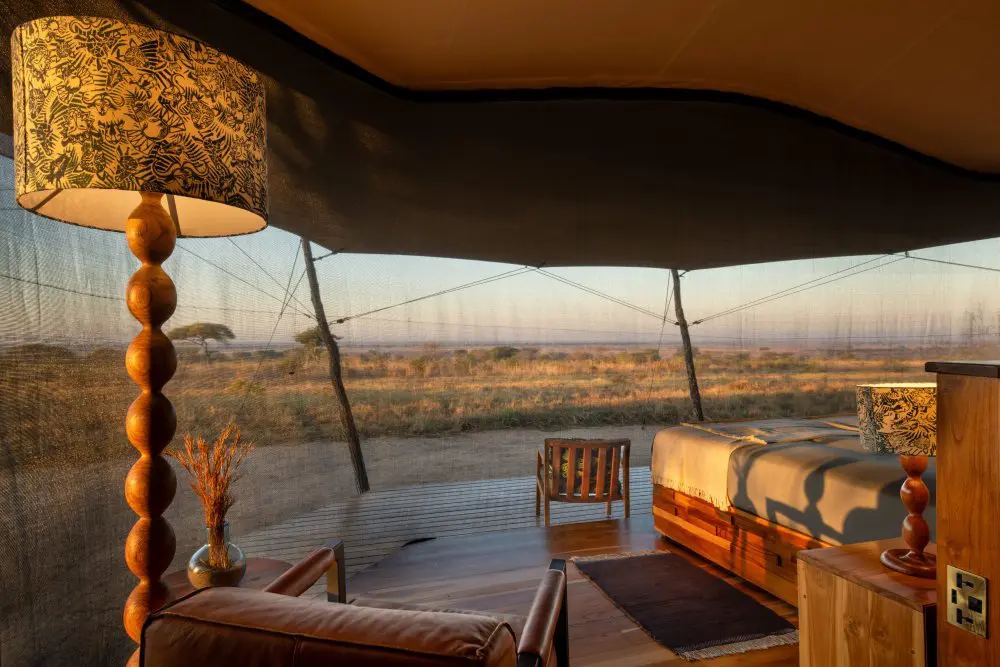
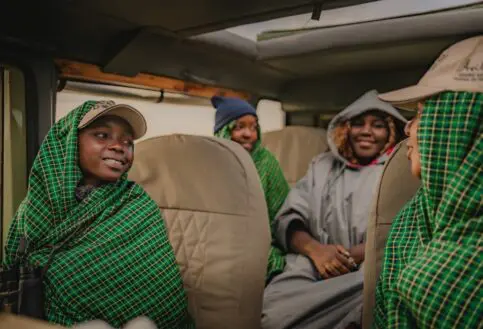
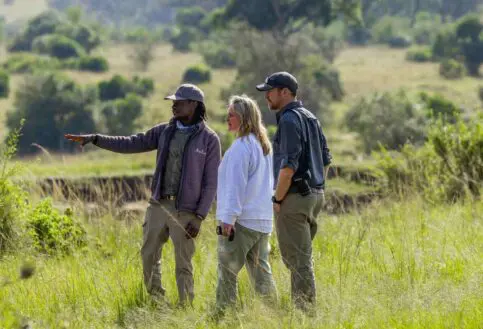
Many of the staff at Usangu Expedition Camp are from the villages and communities surrounding the park. Their fathers were poachers, collecting honey, trapping wildlife, and fishing within the park, but they now can use the skills and knowledge of the land they were taught by their fathers in new roles as guides. After initially facing backlash from their community for accepting work inside the park, they have now become ambassadors for the park. The income they earn and the improvements to their livelihoods has been seen by the community, who now understand the importance of protecting the land to enhance the generation of tourism, which in-turn will further benefit the community. It is only when conservation is supported by the community that it can truly thrive.
“The initiative of establishing a camp in a place like that is not just bold, but necessary. Only if you have a long-term vision of the park, if you have a solid view of sustainable tourism pillars, and you keep real conservation at heart beyond the mere financial return, only then, you can decide to embark on such a venture. I feel very proud that Asilia is such a company, and I am part of it.” Lorenzo Rossi.
Balance Restored
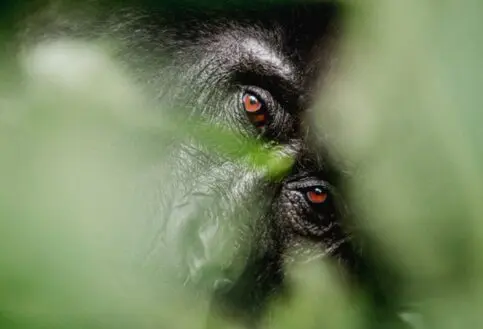
With the support of the community, and in conjunction with the efforts of TANAPA, Usangu has returned to being a year-round seasonal wetland ecosystem, feeding the Great Ruaha River which in turn becomes the main tributary to the Rufiji River, delivering hydro-electric power to the country and providing a source of water depended on by communities and wildlife alike. Wildlife is now thriving in the Usangu Wetlands, no longer competing for grazing against cattle, or under threat from bushmeat poaching.
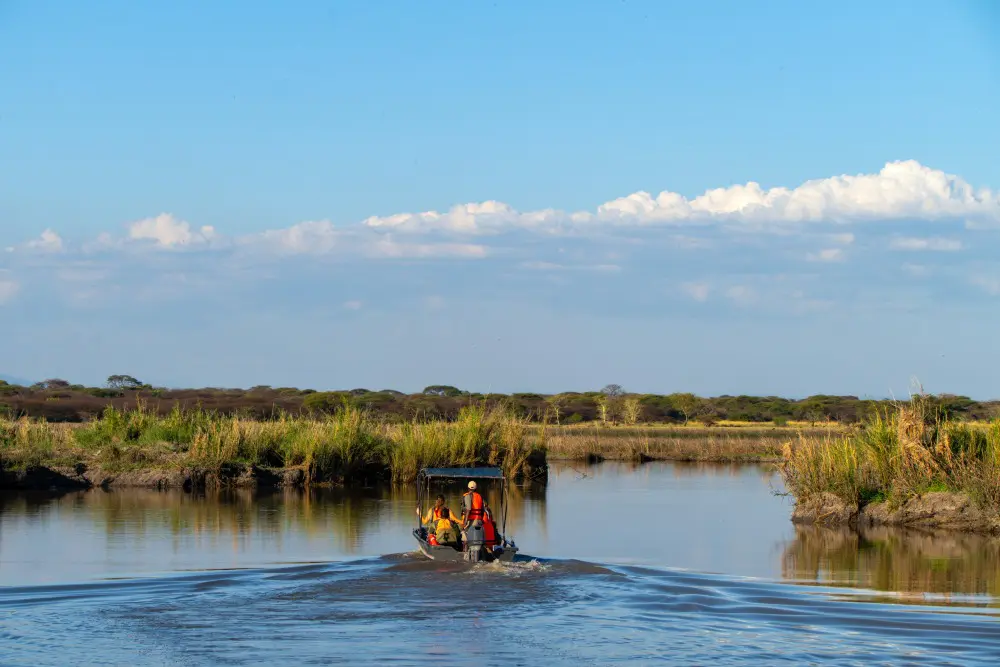
The Usangu Wetlands is a success story, that shows what could be rolled out in other areas. The progress made, despite the difficulties of the past are heartening. There are clearly challenges ahead to ensure that communities prosper, but the improvement in biodiversity and the landscape itself is a big step along the road.
In camp, on the last afternoon of our stay, we sit to review our camera trap images from the previous two nights. First, an elephant, it’s eyes glowing white looks towards the lens, then in the frame is the familiar sight of two dik-dik stopping by to drink. The final shot reveals something different, a slim cat-like animal with what looks like a Zorro mask across its eyes. It’s a secretive genet, a good capture data wise, highlighting the diversity of rarer wildlife in the region. As visitors we feel we’ve played a part in the ongoing research that is helping to put this ecosystem back on its feet.
If you are looking for a safari experience that is wild, exclusive, and remote, then Usangu Expedition Camp should be a part of your next itinerary. Contact us to get your planning underway.