As a safari destination, Tanzania offers a wealth of natural beauty and exciting wildlife. Almost a third of the country has been set aside as national parks, conservation areas, game reserves and controlled areas. These areas are crucial in protecting the country’s wildlife and conserving the natural habitat biodiversity. One of the most remarkable protected areas in the region is Ruaha National Park.
The scope of wildlife in Ruaha is extraordinary, with 80 animal species, a checklist of over 550 recorded bird species, and 10% of the world’s lion population calling the area home.
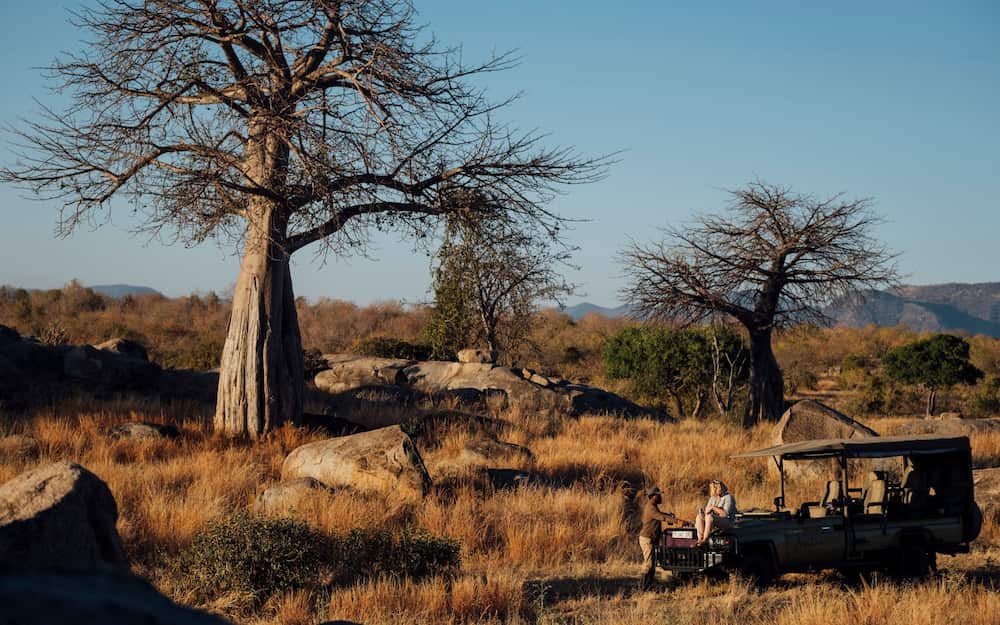
One of the largest national parks in Tanzania, Ruaha offers a vast, diverse and seasonal landscape that dramatically transforms between the dry and wet seasons. Grassy plains shift from golden to green, barren baobabs produce leaves and flowers, and dry sandy riverbeds run fast and deep towards the Great Ruaha River. Migrant birds follow the change in season, while the behaviour of local wildlife reflects the changes in access to water.
With only a handful of safari camps in an area larger than the Serengeti, Ruaha offers the discerning traveller a sense of exclusivity amongst some of Tanzania’s finest game viewing.
Ruaha National Park Animals: Top Sightings
1. Lion in Ruaha National Park
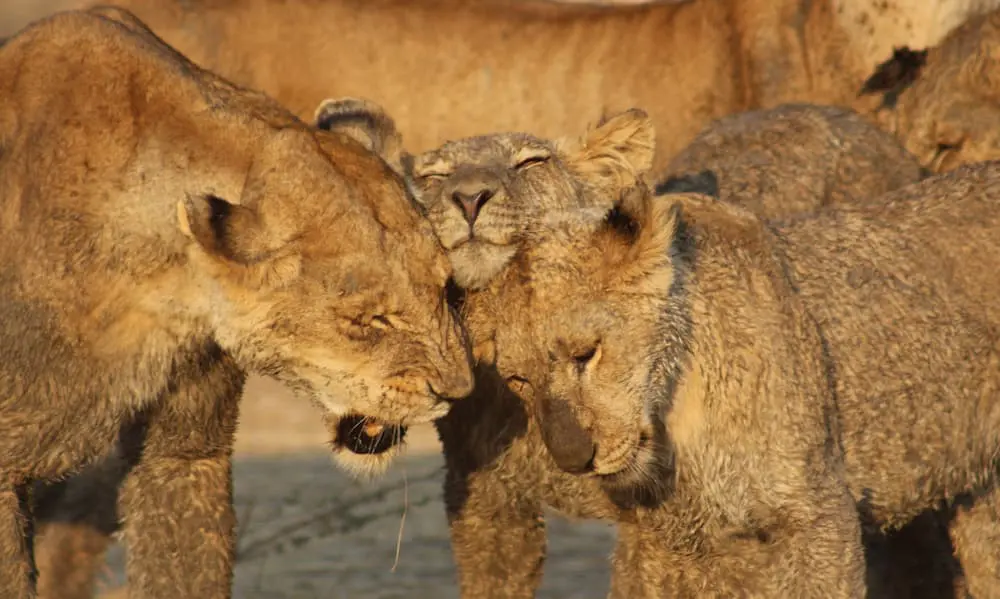
Few parks in Africa can boast the lion numbers that Ruaha National Park delivers. These elegant big cats prowl the plains, preying on large game such as buffalo and giraffe. If lion are at the top of your safari agenda, then Ruaha is for you.
When to see lion in Ruaha: Sightings can happen throughout the year, but the drier seasons (June to October) are the best times to view lion. The big cats gather around the watering holes to drink and hunt, and the dry conditions mean you’re more likely to spot them advancing on their prey.
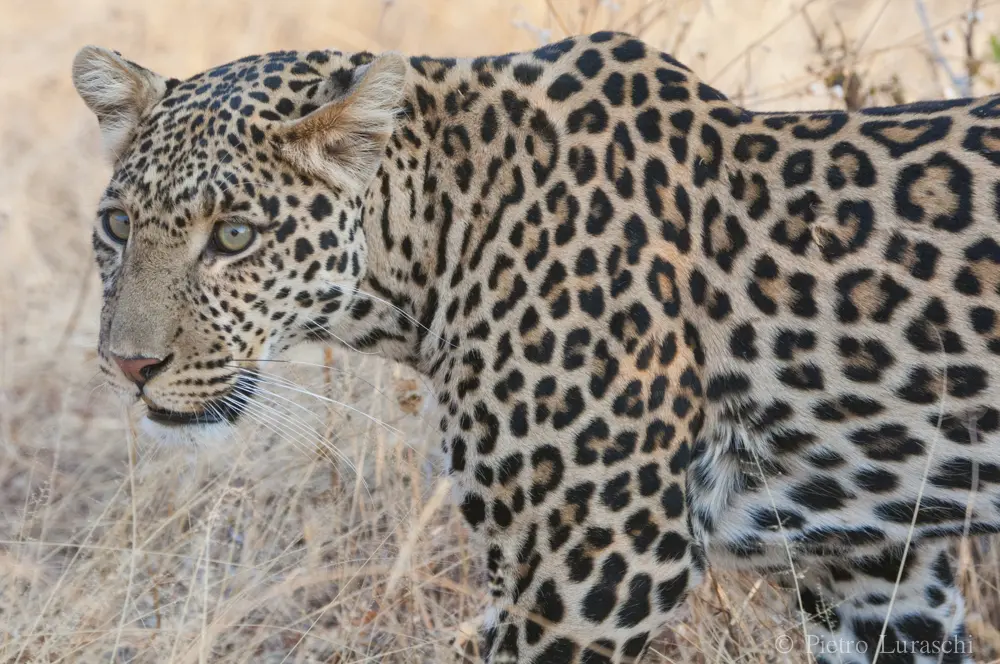
2. Leopard in Ruaha National Park
It’s a fun challenge to spot a beautifully camouflaged leopard among the trees and tall grasses of Ruaha. Leopard and lion are both members of Africa’s Big Five, making them sought-after and rewarding safari sightings.
When to see leopard in Ruaha: You can find leopard in the park throughout the year, but the drier months are better, as the vegetation is thinner making them easier to spot. Leopard will also be attracted to the watering holes and rivers in the dry season, to quench their thirst and potentially hunt prey.
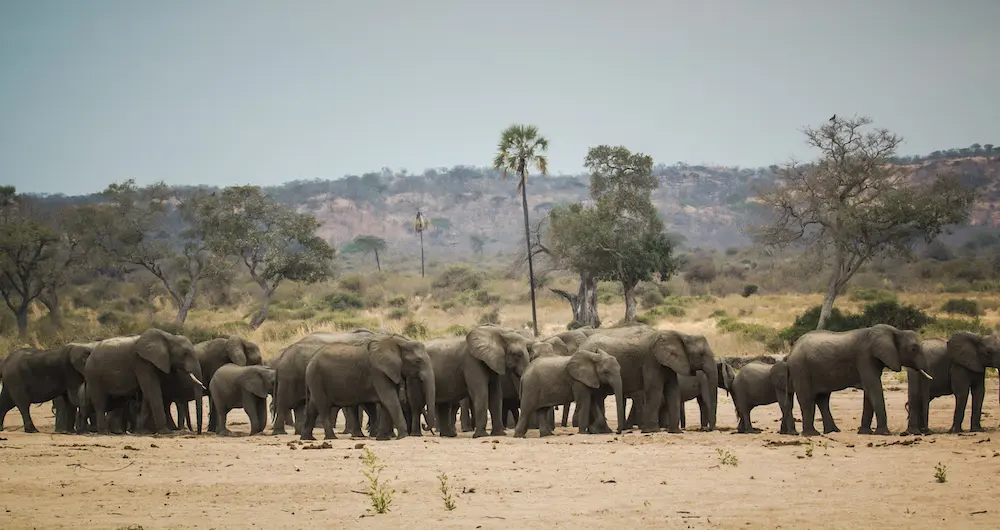
3. The Ruaha Elephant Population
The park has one of Tanzania’s largest elephant populations; approximately 12,000 elephant migrate through the greater Ruaha region every year.
When to see elephant in Ruaha: The rainy season in Ruaha is a great time to see elephant moving in large herds, grazing on the newly grown grass. (The wet season from January to March also means fewer tourists.) November and December are good months for elephant sightings despite the humidity – the rain and overflowing river attract them to the water. Our Untamed Edition small group tour travels deep into the heart of Ruaha National Park.
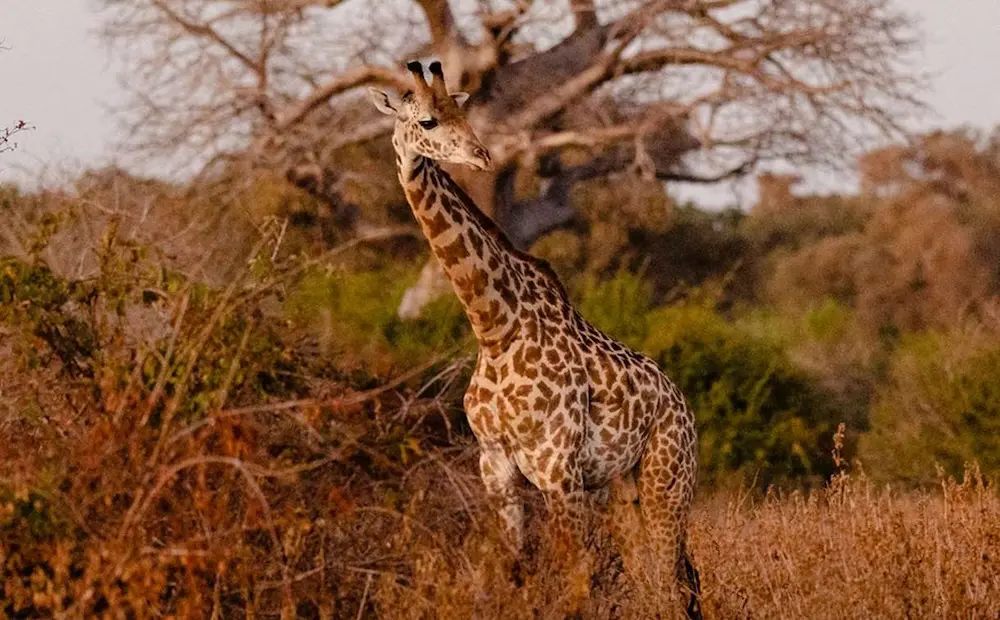
4. Ruaha National Park Giraffe
Giraffe are well distributed throughout Tanzania, and you can be sure of spotting some of these exotic creatures on your Ruaha safari.
When to see giraffe in Ruaha: Giraffe can be sighted in Ruaha National Park all year round, but the dry months are better for spotting these gentle giants at the watering holes.
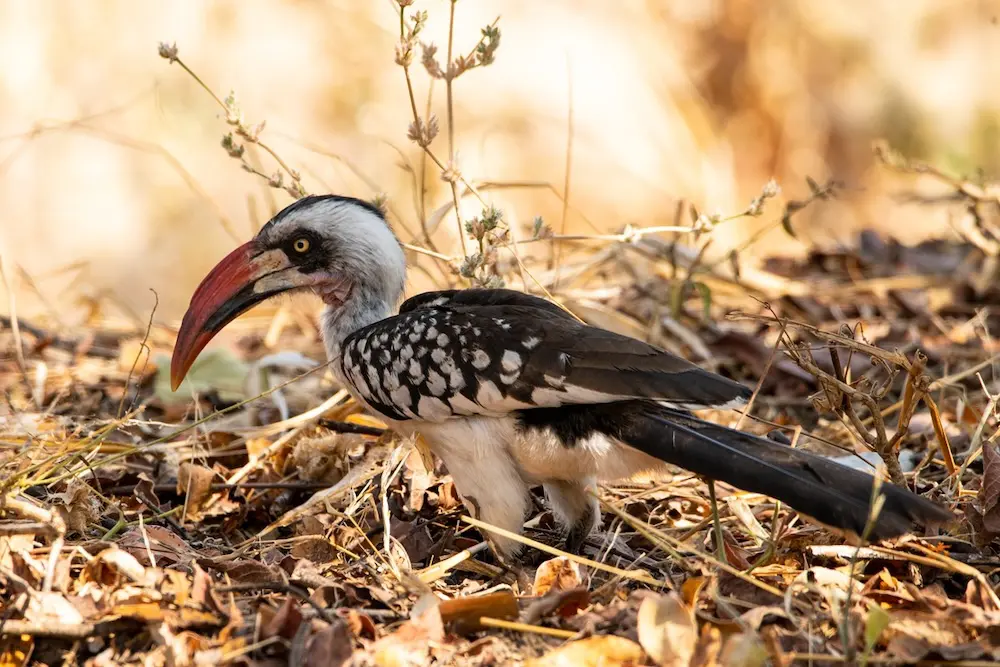
5. Birds of Ruaha National Park
The river running through the park attracts an abundance of birdlife. Because the park is quiet with a low number of visitors, it’s an ideal setting for birdwatching, with more than 500 bird species making their home in the park.
When to see birds in Ruaha: Birding in Ruaha is great all year round, however, for avid birders, we recommend visiting between October and March when you’ll have the opportunity to see the migratory bird species. The lush vegetation in the wet season creates excellent photo opportunities, and the overflowing river in November and December attracts many species to the water.
6. Ruaha Pangolin
More difficult to spot but certainly worth the search, is the endangered pangolin. These fascinating creatures are unfortunately one of the most trafficked species in Africa, and reserves like Ruaha offer a sanctuary for them.
When to see pangolin in Ruaha: The dry season is a good time to look for pangolin as they’re less likely to be hidden in thick green vegetation. They’re most active at dusk and dawn, so going on a night game drive may increase your chances of sighting these rare and shy animals.

7. Ruaha Primates
Ruaha is home to primates large and small, including yellow baboons, vervet monkeys and bushbabies. The colobus monkey might also make an appearance.
When to see primates in Ruaha: You’ll see monkeys and other primates in the park all year round. They can be easier to see in the bare branches during the dry season, but the rainy months provide trees full of fruit and a lush environment for monkey-spotting.
Safaris in Ruaha National Park
Other Ruaha National Park animals you might see include the elusive African wild dog, black-backed jackal, zebra and bushbuck. Take a night drive to catch sight of lions feeding, or immerse yourself in the landscape with a walking safari. Overall, Ruaha offers an incredible wildlife experience.
Find accommodation at Ruaha National Park with Asilia Africa.