A Guide to Gorilla Photo Safaris
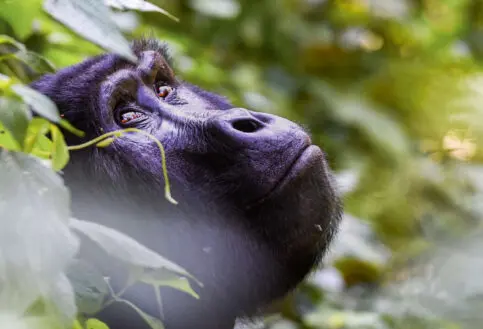
Few experiences can compete with standing mere feet away from a family of wild mountain gorillas in the forests of Uganda and Rwanda. Wildlife enthusiasts and photographers alike seek out this kind of experience to observe these magnificent creatures as they go about their peaceful lives. It offers the chance to experience and immortalise in photos the gorillas and their similarity to humans.
If you’re looking for tips and tricks to make the most of your gorilla trekking safari, you’ve come to the right place.
Where are the best places to go on a gorilla photo safari
The dense forests of East Africa, specifically those in Uganda and Rwanda, offer the best locations for gorilla trekking. These parks and reserves are some of the last remaining refuges for gorilla populations in the world.
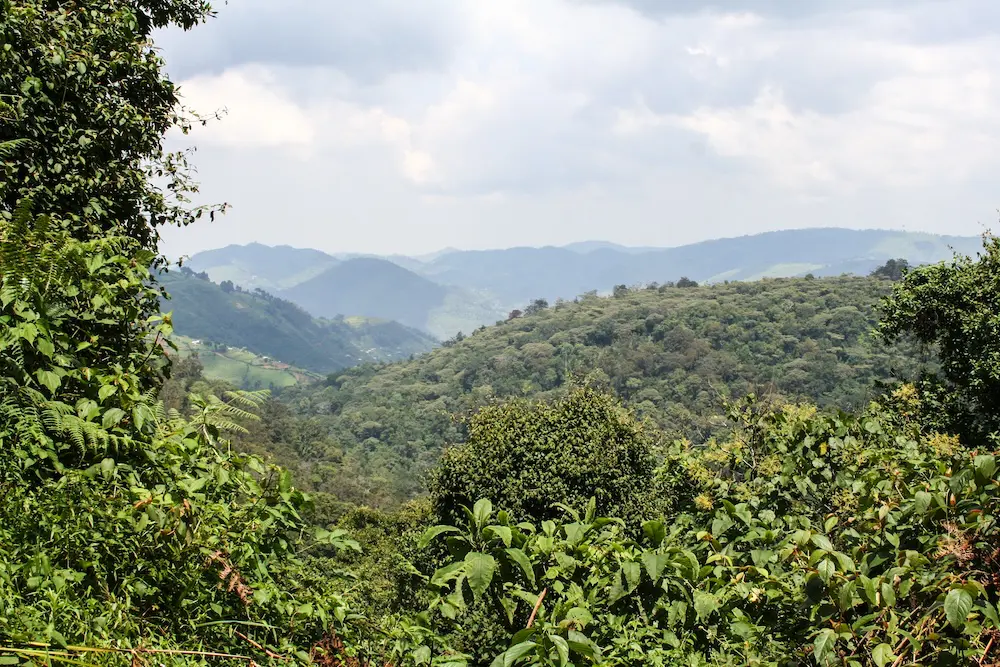
Bwindi Impenetrable National Park, Uganda: Home to nearly half the world’s mountain gorillas, this UNESCO World Heritage site offers dense forests and mist-cloaked hillsides—perfect for moody gorilla photography on your Uganda safari.
Mgahinga Gorilla National Park, Uganda: Snag epic shots of the gorillas with the Virunga volcanoes in the distance in this park. It’s smaller than Bwindi but no less dramatic in its scenery.
Volcanoes National Park, Rwanda: This Rwanda safari park was made famous by legendary primatologist Dian Fossey. It is often considered an easier trekking experience due to less dense vegetation.
While each of these regions offers unique photographic opportunities, Bwindi in Uganda is often considered the top choice for serious photographers due to its diverse habitats and somewhat larger populations of gorillas. Find out more about where to see gorillas in Africa, or have a look at our Primate Edition small group tour venturing into Bwindi & Rubondo Island for a soul-stirring experience.
The best time of year to go on a gorilla trekking photo safari
It’s entirely possible to go gorilla trekking year-round, but some seasons offer better conditions for mountain gorilla photography.
The dry seasons between June and August and from December to February are the top choices for a gorilla photo safari. The drier weather offers easier hiking conditions (great when you’re lugging equipment), an easier time finding gorillas, and, of course, clear skies that offer better lighting.
Conversely, the rainy seasons between March and May and from September to November can make things slightly more challenging, but certainly not impossible. The vegetation is lush and vibrant, creating a beautiful background against which to shoot. Throw in some mist for added ambience and a few glistening raindrops, and you’re set. You will need to be prepared to protect your equipment from the rain and generally steamy conditions.
That said, mountain conditions are variable, so you should always be prepared for varying conditions no matter when you visit.
Gorilla Photo Safari Equipment
What camera lens is best for gorilla trekking
Before we look into some lens recommendations, it’s essential to mention that you don’t want to carry too much weight when you’re trekking the forests for hours. Consider carefully what equipment is most versatile and worth packing, and what you could live without.
Some good lenses to pack in your kit:
- 70-200mm/2.8 zoom lens – an excellent all-round choice which offers versatility for a gorilla photo safari. It is great for capturing both wider shots and tighter close-ups.
- 24-70mm/2.8 zoom lens – occasionally, gorillas get curious and may come quite close. This is one of the best lenses for gorilla trekking and is great for capturing these close moments with a wider field of view.
- 100-400mm zoom lens – recommended for distant subjects, but less useful in a very dense forest setting. Birding enthusiasts may need the extra zoom, but for most gorilla treks this will be more lens than needed.
- Tripods are usually not allowed, but a monopod can help with stability.

What camera settings are best for gorilla trekking
When you’re in the thick foliage of the forest, lighting conditions can be challenging. Generally, the following settings can be a good starting point:
- ISO: Start at ISO 800-1600, but you may likely need to go even higher in darker forest conditions.
- Aperture: Wide apertures are recommended to let in more light and create a shallower depth of field, which helps the gorillas stand out from the background.
- Shutter speed: Moving targets like gorillas are best captured at 1/250s to allow you to clearly capture their movements. If they’re really busy, you can increase this.
- Shooting mode: Aperture Priority is highly recommended, as you can still control the depth of field while the camera handles the shutter speed.
- Focus: Continuous autofocus (AF-C) is recommended. Back-button focussing can also allow you more control.
- Metering: In forest environments, spot metering or center-weighted metering can be helpful.
- File Format: Shooting in RAW allows you much more flexibility in post-production.
Handy photography tips for gorilla trekking
When composing your photos while gorilla trekking, some handy tips include:
- Get low to the ground so you’re at eye level with gorillas. This makes them appear larger in the frame but also helps separate them from the background.
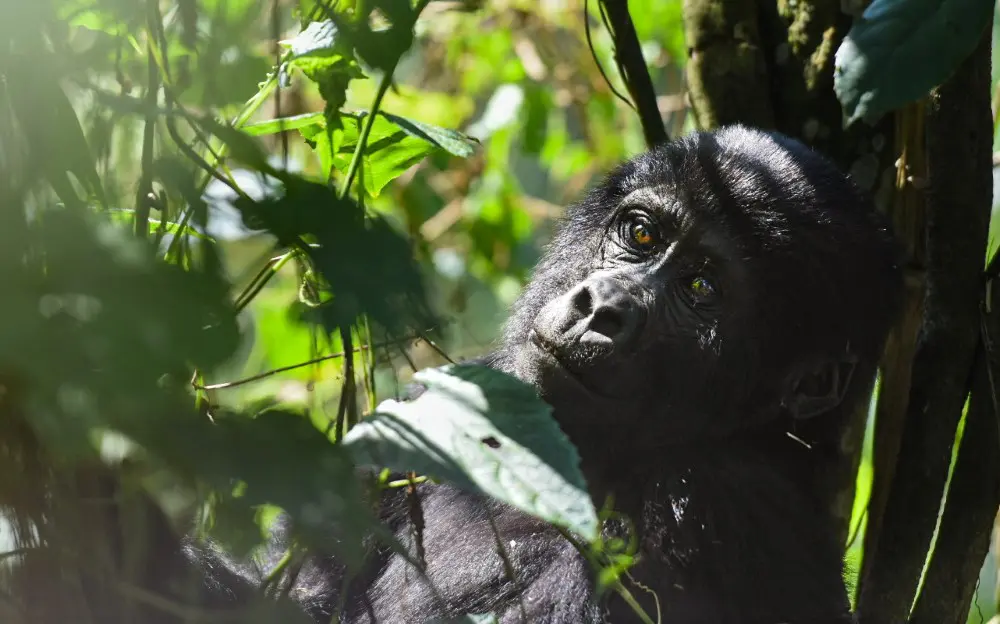
- Gorillas have immensely expressive eyes that convey a range of emotions. Use single-point autofocus to get a crisp focus on the eyes.
- Capture those moments of interaction. What makes gorillas such incredible subjects is their similarity to us in terms of their relationships. Try to snap those moments between mothers and their babies, young gorillas playing, or those peaceful moments where they’re simply eating or grooming.
- Dense forest foliage can make your shots more challenging, but it can also be used to frame your subjects. Similarly, while low-light conditions can be tricky, those magical shafts of light can take your photos to a new level.
- Always listen to your guide and maintain a safe distance from the gorillas.
Who are Gorilla Trekking Photo Safaris for?
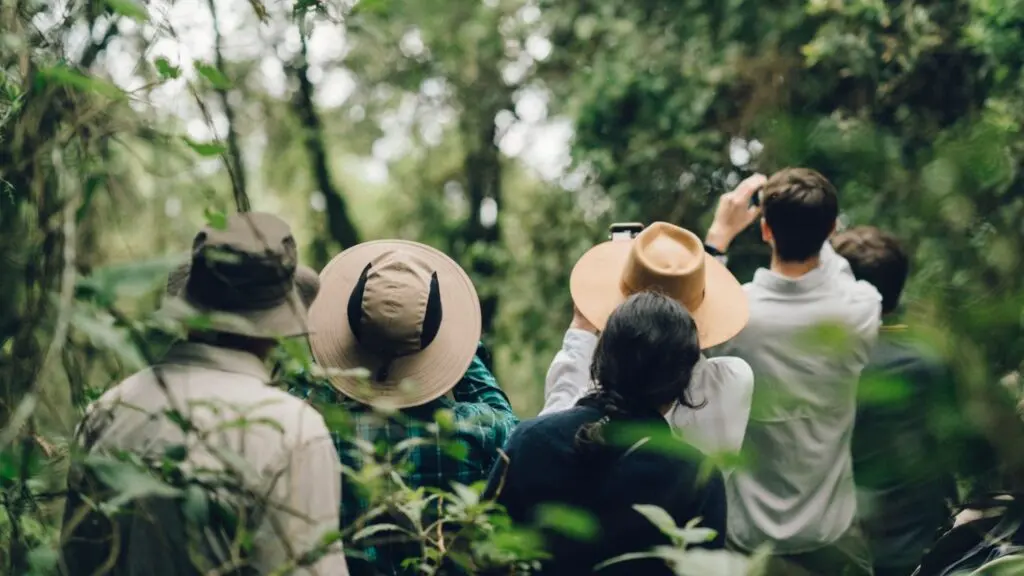
Gorilla safaris are for absolutely anyone of a reasonable level of fitness. Trekking can be quite strenuous and can involve hiking for between 2 and 6 hours, so it’s advised to prepare before your trip with a few hikes and walks.
Because gorilla trekking is a physically demanding activity, children under the age of 15 are not permitted. Trekking groups are limited to 8 people to ensure the gorillas aren’t impacted by large crowds and to allow guests to be in the moment and not have to jostle for a view.
How experienced should you be to go on a Gorilla Trekking Photo safari?
Gorilla trekking photo safaris are not just for professional photographers. Amateurs can participate and even learn from more experienced trekkers on the trip. If you’re new to photography, familiarise yourself with your camera before your trip. You don’t want to miss out on incredible encounters with gorillas while you fiddle with your camera.
Final thoughts
A gorilla trekking photo safari is a soul-stirring experience that will create lasting memories of your close encounter with these remarkable creatures.
For an incredible experience with the gorillas, consider Erebero Hills in Uganda. Perched on the edge of the Bwindi Impenetrable Forest, this exciting new camp will open in 2026 and offer not just gorilla trekking but also the chance to positively impact the local communities in Uganda.
If you’re considering your dream gorilla trekking safari, contact our safari experts today to begin planning your trip, which will be tailored to your needs.