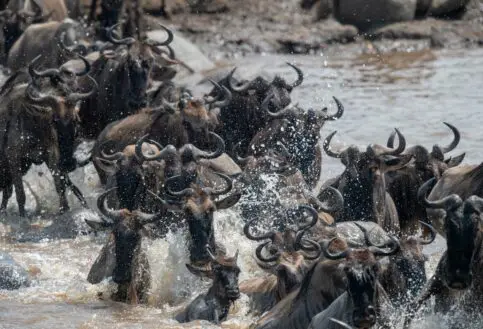
If you’re wondering, “Will my 15-year-old actually enjoy a safari?” – you’re certainly not alone. It’s a common concern that a safari might be too slow-paced for a teenager. But in reality, a well-planned African safari with teens is anything but boring. From tracking wildlife on foot to paddling past hippos at dawn, today’s teen-friendly safari experiences in East Africa are active, immersive, and genuinely transformative. In this guide, we’ll cover the best safari activities for teenagers in Kenya and Tanzania – everything that goes beyond the traditional game drive to keep your older kids engaged, inspired, and off their phones.
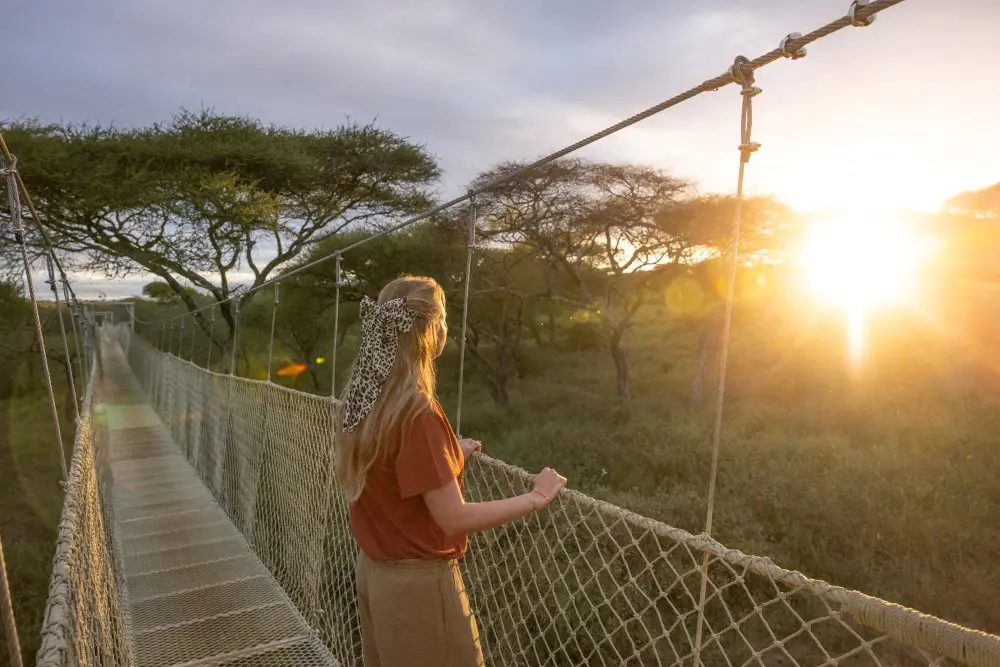
Is a Safari a Good Holiday for Teenagers?
Yes! A safari holiday can tick every box for teenagers – adventure, independence, real-world learning, and a meaningful break from scrolling. In fact, a major point to focus on if you need to do some convincing is the incredible photography opportunities and the fact that they’llhave some excellent content to share and an experience that none of their friends could top.
Is a safari too slow-paced for teenagers? Not when the itinerary is designed with them in mind. The question isn’t whether a safari is suitable for teenagers. It’s which activities to include.
1. Walking Safaris
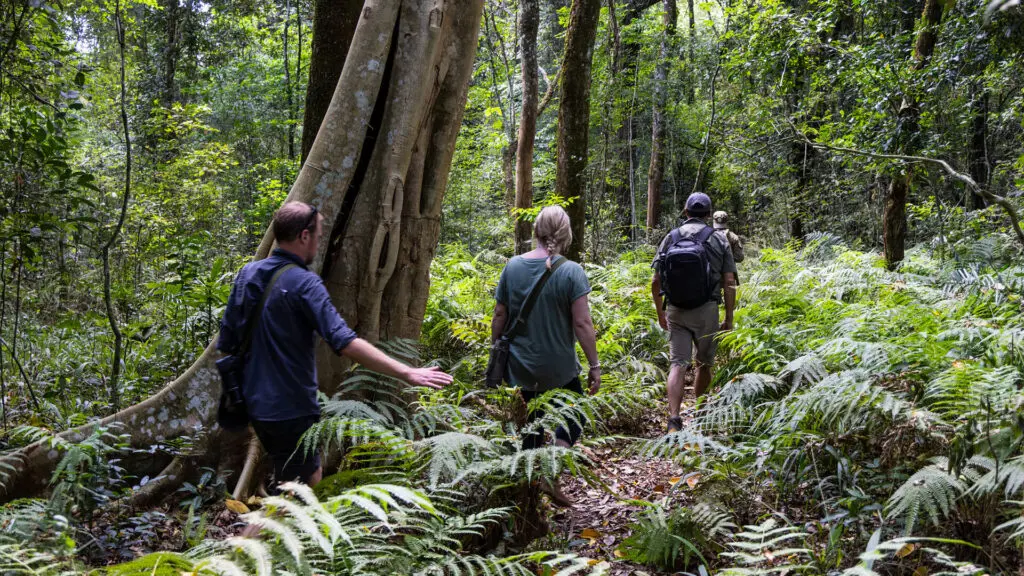
Are walking safaris safe for teens? Absolutely – and they’re one of the most confidence-building experiences available on an African family safari. Walking safaris transform game viewing into something far more visceral and educational (without feeling like school).
Instead of passively watching from a game vehicle, teenagers learn to track animals on foot – reading prints in the dust, interpreting broken branches, and identifying dung (believe it or not, teens usually find this surprisingly fascinating). Guides teach the group to understand ecosystems, from the medicinal uses of plants to the symbiotic relationships between species.

2. Night Game Drives
If there’s one activity that appeals to thrill-seeking teens, it’s this. Night game drives unlock an entirely different side of the African bush – one where nocturnal wildlife takes centre stage. Rare species like aardvarks, bush babies, and hunting predators all emerge after dark, and spotting them with hand-held spotlights feels genuinely exciting.
There’s something about heading out into pitch darkness that sharpens the senses. For teenagers, this is a more adventurous experience than a daytime drive; less predictable, more thrilling, and definitely Instagrammable when they’re back in camp.
Night drives are available at select conservancies in Kenya and Tanzania, so it’s worth factoring this into your itinerary. Many of Asilia’s family-friendly camps in East Africa offer this experience.
3. Wildlife Photography & Camera Skills
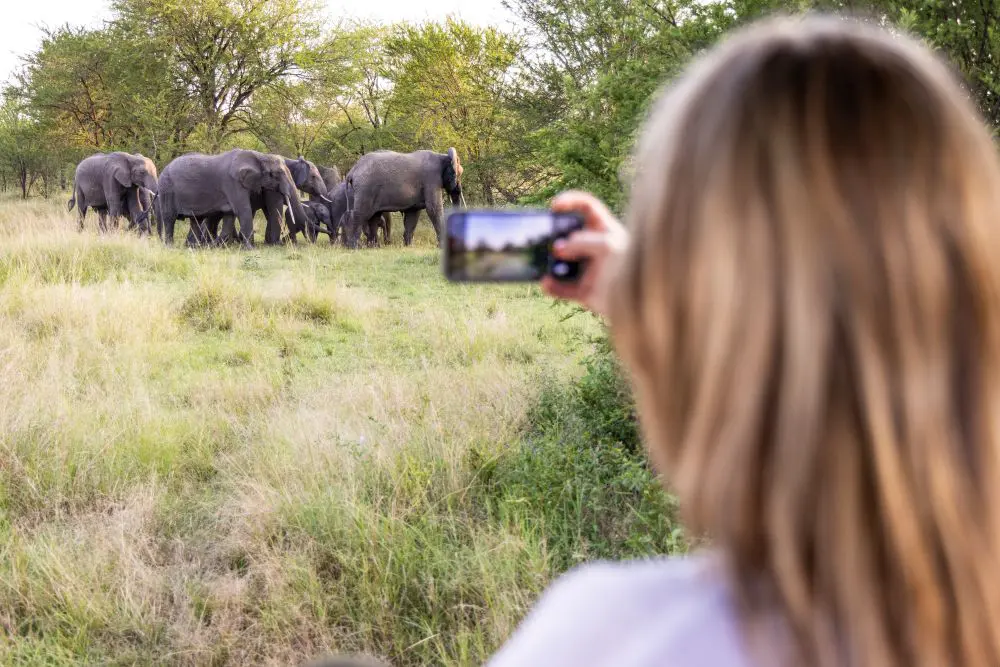
Here’s a strong hook for social-media-savvy teens: the chance to come home with wildlife shots that would make a pro jealous. On safari is one of the best places on earth to practice photography, and most teens already have a capable camera in their pocket.
Our guides are knowledgeable and able to teach teens using smartphones or DSLRs about composition, lighting, and patience – skills that are transferable well beyond the bush. Some camps offer a dedicated photography-focused drive, timed to catch the perfect light.
4. Conservation & Anti-Poaching Experiences
This is where a safari becomes something genuinely educational for teenagers. Meeting those who protect wildlife on a daily basis, learning about the science behind conservation efforts, and understanding the real-world economics of sustainability gives teenagers a perspective that goes well beyond the classroom.
This is safari as real-world education – the kind that sparks genuine career interests, shapes values, and gives teens something meaningful to talk about when they get home.
5. Cultural Visits With Local Communities
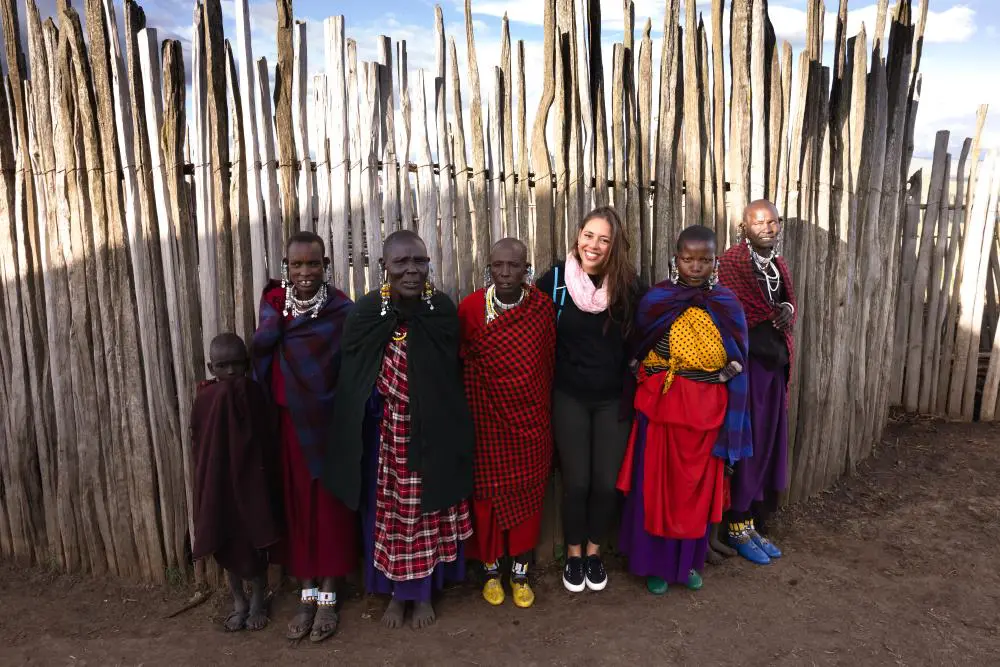
A safari with teenagers isn’t just about animals. Visiting Maasai or local communities opens up a completely different dimension of the trip, allowing your teen to focus on human connection, cultural exchange, and impact.
These aren’t staged tourism performances. It’s an authentic exchange that challenges assumptions and broadens perspectives.
The key is choosing operators who prioritise genuine, respectful engagement over spectacle. Asilia’s community partnerships are built on long-term relationships, which means the interactions feel real – not transactional.
6. Fishing and Boating Safaris
Safaris aren’t just about being on land. Boating safaris offer an active alternative to vehicle-based game viewing, and teens tend to love the fresh perspective.
Gliding along the water offers a unique wildlife perspective, and in some areas, can be combined with some catch-and-release fishing for a fun activity.
7. Private Vehicle Safaris for Family Flexibility
One of the simplest ways to make a safari work for teenagers is to book a private vehicle. This exclusivity means your family can set their own pace, choosing to linger longer at a sighting or cut things short if needed.
This flexibility is especially valuable when travelling with mixed-age groups, offering a custom pace for all ages.

8. Beach & Safari Combinations
Is safari better than a beach holiday for teens? Why choose? One of the great advantages of East Africa is how easily you can combine both. A bush-and-beach itinerary gives families the best of both worlds.
After days in the bush, a few nights on the coast or in Zanzibar lets teens unwind with water sports – snorkelling, kite surfing, paddle boarding – while the change of scenery keeps things varied.
Explore Asilia’s ready-made family safari and beach holiday itinerary for a tried-and-tested combination that works beautifully with teenagers.
What Makes a Safari Engaging for Teenagers?
The difference between a safari that teenagers endure and one they rave about comes down to how the experience is delivered. Here’s what matters most:
- Interactive guiding style: The best guides for teens don’t lecture – they ask questions, tell stories, and turn game drives into collaborative discoveries.
- Active participation: Inviting teens to spot animals, identify tracks, or operate the spotlight on night drives gives them a role – not just a seat.
- Personal responsibility: Whether that’s keeping a wildlife checklist or navigating a walking safari trail, small responsibilities build investment in the experience.
What Age Is Best for a Safari With Teens?
What is the minimum age for safari activities? It depends on the activity. Here’s a general guide to help you plan:
- Ages 12+: Most safari camps welcome children from 12 on shared game drives. At this age, teens are old enough to sit quietly in a vehicle, follow guide instructions, and appreciate wildlife sightings. Many family activities (including photography and cultural visits) are suitable for this age group.
- Ages 14+: Walking safaris typically begin from around 12 or 14, depending on the operator and conservancy. This is the age where safari for older kids really opens up: night drives, longer walks, and more independent exploration become available.
- Ages 16+: Older teens gain access to the full range of safari experiences, including more demanding walks and specialist conservation activities. They’re also more likely to engage deeply with guides and ask questions that lead to richer encounters.
How to Keep Teenagers Engaged on Safari
Will my teenager get bored on safari? Only if the trip isn’t designed with their input. Here are some practical strategies:
- Involve them in planning. Let your teen research camps, choose activities, and help shape the itinerary. When they have ownership over the trip, they’re more likely to be engaged.
- Encourage journaling or photography as a creative outlet. A daily journal, a photography project, or even a short video diary turns passive observation into active storytelling.
- Set daily wildlife ‘missions.’ Challenge your teen to spot the Big 5, photograph a specific bird, or identify ten animal tracks. Gamifying the experience taps into their competitive instincts.
- Allow downtime. Not every moment needs to be scheduled. Teenagers need alone time and time to decompress – a hammock by the pool, a book in the shade, or an hour of stargazing. The best luxury family safari experiences in Africa naturally build in this breathing room.
Frequently Asked Questions About Safaris With Teenagers
Are there age restrictions at safari camps in East Africa?
Yes. Some activities do require your teen to be a certain age for safety reasons. Walking safaris require guests to be between 12 and 14 years or older, and gorilla trekking has a minimum age of 15.
Is safari safe for teenage girls?
Absolutely. Safari camps in East Africa are some of the safest, most well-managed hospitality environments you’ll find. Guides are experienced, camps are secure, and the group nature of activities provides a comfortable, supportive setting.
Is there Wi-Fi on safari for teenagers?
Most camps offer limited Wi-Fi in the main areas, but it’s rarely fast enough for streaming or heavy social media use. This is actually one of the benefits of a safari, as it encourages teens to disconnect and be present.
What if my teenager is not interested in wildlife?
That’s more common than you’d think, and it rarely lasts past the first game drive. It’s not unusual for reluctant teens to become the most engaged once they’re face-to-face with a lioness or an elephant. Activities like photography and cultural visits also provide alternative entry points.
How long should a safari be when travelling with teenagers?
Four to seven nights in the bush is the sweet spot for most families with teens. Shorter trips may feel rushed, while anything longer can test attention spans. Pairing a safari with a beach extension is a smart way to add variety and keep the overall holiday balanced.
Why Asilia Africa is Ideal for Families with Teens
Choosing the right safari operator makes all the difference when travelling with teenagers. Asilia Africa is built for exactly this kind of trip – here’s why:
- Small, intimate camps: With limited guest numbers, Asilia’s camps offer a personal, unhurried atmosphere.
- Experienced, engaging guides: Asilia’s guides are trained to adapt their approach to different ages and interests, making every drive and walk relevant to teens.
- Sustainable ethos: For families who care about travelling responsibly, Asilia’s conservation-first approach means your holiday directly supports wildlife protection and local communities.
- Private vehicles available: Flexible scheduling and private game drives let families move at their own pace, without the constraints of a shared vehicle.
- Authentic experience: Nothing about an Asilia safari is staged. The wildlife encounters, community interactions, and conservation work are all real.
Ready to start planning your safari with teenagers? Get in touch with our team to build a bespoke itinerary that’ll have your teens asking when they can go back.