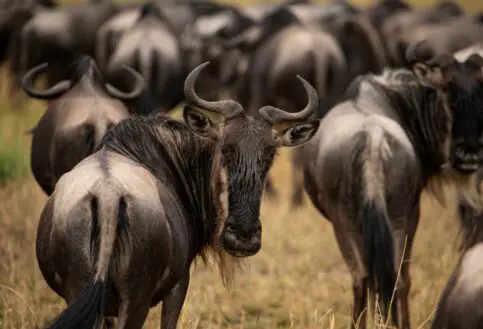
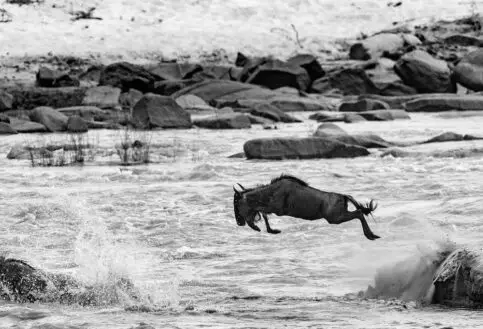
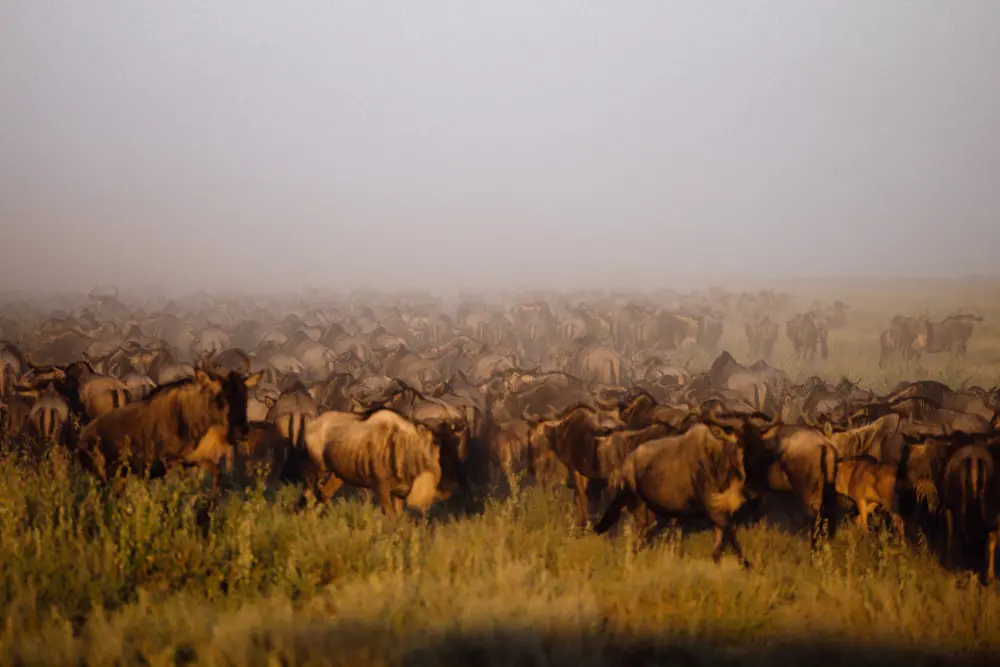
Each year, as vast herds of wildebeest and zebra move north through the Serengeti ecosystem, anticipation builds across the northern plains. The arrival of the Migration around Kogatende marks one of the most exciting periods of the safari calendar.
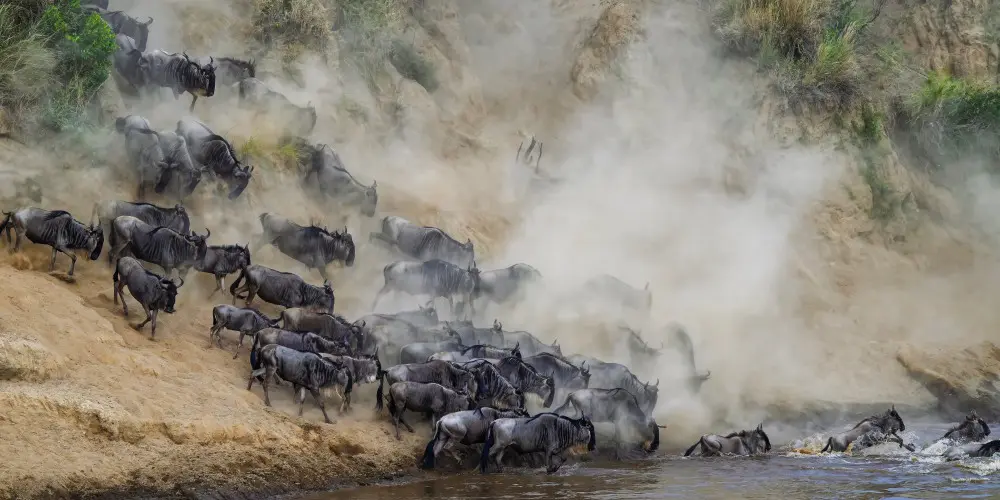
For guests, it is a chance to witness dramatic river crossings, predator interactions and the energy of one of nature’s greatest wildlife spectacles. For the teams at Sayari Camp and Olakira Migration Camp, however, the Migration’s arrival signals something else as well: the beginning of months of careful coordination, heightened focus and preparation. Long before the first guests arrive to watch a crossing, an enormous amount of work is already underway behind the scenes.
The first signs of the season
At Sayari Camp, General Manager Ridhiwani Mshana says peak season often announces itself before a single booking is checked in. “The first signs that show us that the peak season is here is the number of wildebeest all around Kogatende,” he explains. “Our guest board chart is always filled without any gap and there is a lot of movement from everyone in each department to see how everything fits properly.”
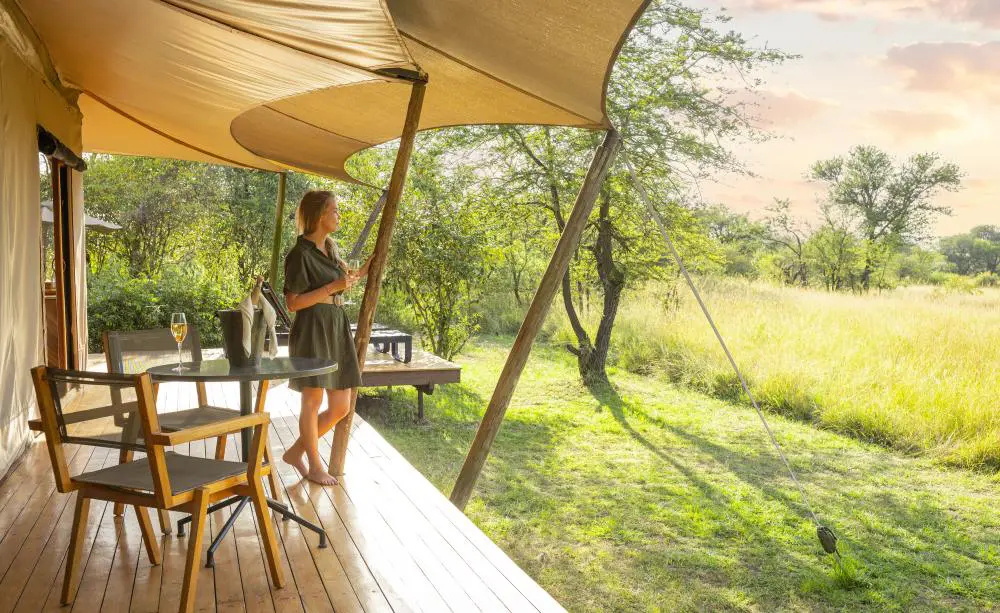
As occupancy increases, so too does the scale of operations. Seasonal staff join the permanent team, meetings become more frequent and departments review lessons learned from previous years. At Olakira, Camp Manager Wilfred Ngwatu points to the camp itself as one of the earliest indicators. “Camp set-up and general cleanliness” become key areas of focus, he says, as every department begins preparing equipment and facilities for months of intensive use.
A shared sense of purpose
While many daily routines remain unchanged, both managers describe a noticeable shift in energy as the Migration approaches. “Most of the things are all the same which we always do for all seasons,” says Mshana, “but what always makes a little difference is the level of focus and the high energy that everyone puts forward.”
He notes that staff mentally prepare for a faster-paced environment and that teamwork becomes even more apparent. “The biggest of all is how everyone appears for teamwork in all angles despite the department they are in.”
At Olakira, Ngwatu sees a similar pattern. “Everyone is busy to prepare all the necessary equipment as per their respective departments,” he says. The result is a camp-wide effort where every team member understands the importance of their role in delivering a seamless guest experience.
Preparing for the Migration itself
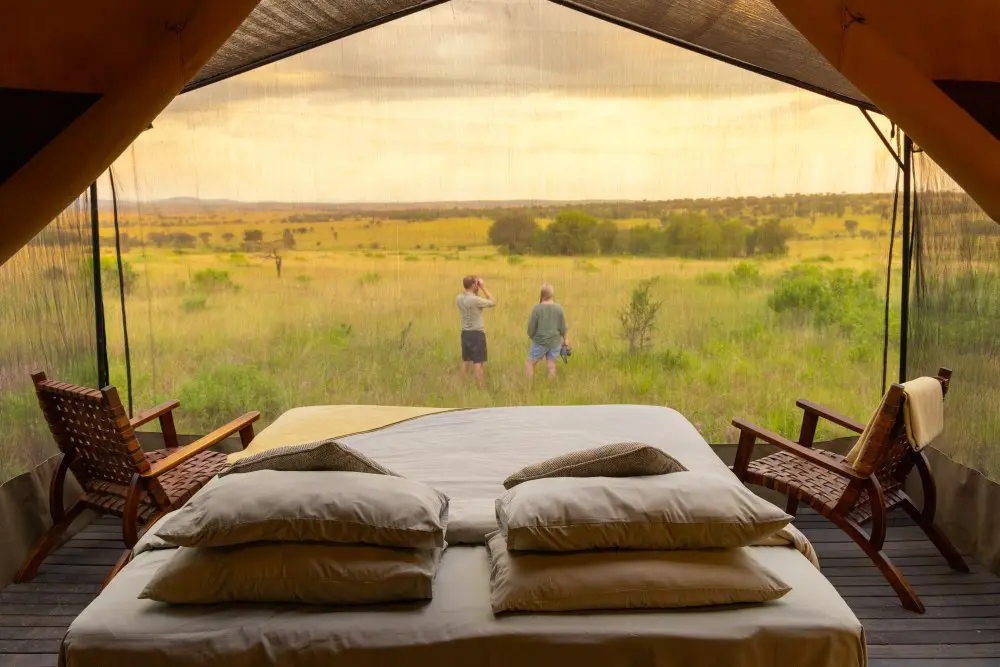
For guides, Migration season requires a different level of planning and awareness. At Sayari, where the Mara River crossings are a major draw, guiding teams spend significant time monitoring the movement of the herds.
“This time is more on the crossings,” says Mshana. “The biggest task for our guides would be the daily, if not hourly, monitoring of the migration movement around the river in all points.” Guides also review road conditions, refresh their wildlife knowledge and prepare vehicles for intensive use throughout the season.
At Olakira, anticipation builds among the guiding team as the Migration nears. “Every guide is excited about the coming peak season,” says Ngwatu. “Everyone is doing proper preparation compared to the quieter months.”
The hidden logistics
Guests may only see the polished final product, but behind every game drive, transfer and meal lies an intricate logistical operation. For Ngwatu, preparation begins with ensuring the camp itself is fully equipped and ready. “All departments will check and confirm if they have enough equipment that will allow them to perform their duties smoothly,” he explains. This includes ordering supplies, stocking food and updating guest information so every team member is prepared for incoming arrivals.
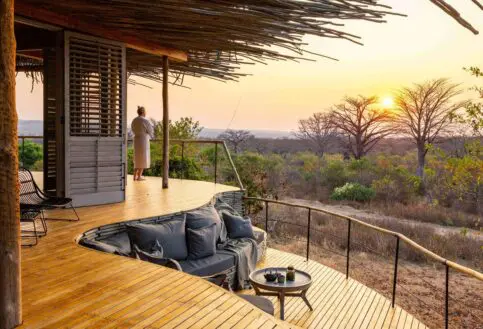
At Sayari, preparations often begin months in advance. “A massive part would always be the renovation of the camp,” says Mshana. “Having it ready and restored and indeed prepared for the big season ahead.” Vehicle maintenance, staff training, fuel planning, supply coordination and emergency procedure reviews all form part of the process.
Kitchens and housekeeping
As guest numbers increase, so too do the demands on camp operations. For the kitchen teams, flexibility becomes increasingly important. This means ensuring adequate supplies of special ingredients needed for particular dietary requirements. As Mshana says, “In peak seasons the number of guests increase, hence the number of dietaries as well.”

Migration season also creates unique challenges, particularly when guests choose to spend extended periods near crossing points. “We are obliged to accommodate picnic lunches to the crossing points because most guests, when they discover congregations at the crossing points, always hope they will cross.”
At Olakira, Ngwatu notes that kitchens adapt their planning and logistics to accommodate the additional pressure and support the increase in outdoor activities. Housekeeping teams are equally busy. Deep cleaning, room inspections, linen checks and maintenance reviews all take place before occupancy reaches its highest levels. At Sayari, where the camp sits close to Kogatende Airstrip, the housekeeping team must also prepare for rapid room turnarounds between arriving and departing guests.
The unseen art of coordination
One of the most complex elements of peak season happens entirely out of sight. Every arrival, departure and game drive must be carefully coordinated, often weeks in advance.
At Olakira, a vehicle movement chart covering up to two months helps the team anticipate future needs. “This will allow us to pick-up when and how many extra vehicles will be needed so we can plan accordingly,” says Ngwatu. Additional vehicles may be sourced from sister camps or trusted partners when demand requires it.

At Sayari, coordination extends beyond camp operations. “Firstly, the good coordination and close communication between airlines and camp,” says Mshana. “This includes tracking flight schedules and any possible delays.” Guides, airlines, neighbouring camps and tour operators all play a role in ensuring guest movements run smoothly.
Guide allocation presents another challenge. Both managers note that guests arrive with different interests, expectations and levels of safari experience. At Sayari, guest information helps managers match guests with guides whose strengths best suit their interests, while also balancing guide workloads throughout the season.
The teamwork
Perhaps the most surprising aspect of Migration season preparation is just how many people contribute to every guest experience.
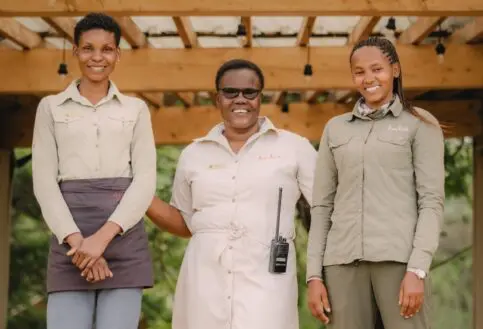
Guests may remember a dramatic river crossing, a perfectly prepared picnic lunch or a warm welcome at the airstrip. What they rarely see is the planning, communication and teamwork that made those moments possible. “It is the amount of effort dedicated to ensuring that guests can simply relax and enjoy their migration safari,” says Mshana. “Every successful game drive, meal, transfer and experience is the result of extensive teamwork behind the scenes.”

For Ngwatu, the reward comes when guests arrive and immediately feel the atmosphere the team has worked so hard to create. From the welcome at Kogatende Airstrip to the food, service and camp experience, every detail reflects months of preparation.
As the wildebeest gather in the north and the season reaches its peak, guests witness one of Africa’s greatest wildlife events. And, in our camps, guests experience the result of countless hours of preparation by the teams of people who make it all possible. The combination creates an unmatched migration safari experience.
Start planning your Migration safari today.