The run down to the end of the year can be a busy and stressful time. Deadlines are due in the workplace, there’s an overload of mandatory family gatherings, and the weather outside is frightful. As the dust of the festive season settles, consider an East Africa safari for warm weather, an escape to exclusivity, and an adventure that will recharge the batteries for the new year.

There’s an unfortunate perception that suggests the only time East Africa is worth visiting, is during the peak season months between July and October. Yes, the days are warm and dry and, yes, the river crossings are famously dramatic, but there is so much more to East Africa, and plenty of good reasons to visit during the green season months of January to May. The calving season, migratory birds, the green landscape, and an abundance of wildlife to be enjoyed in near exclusive conditions. Here are some of my top reasons to consider a safari between January and May.
The Weather
January to March
January and February see hot and sunny days across most of East Africa, occasionally punctuated by an afternoon rain shower. The short rains of November and December have passed, leaving the landscape green and refreshed after the long dry season. The short afternoon showers maintain the greenery and keep rivers and waterways topped up. The combination of hot days with afternoon showers can lead to increased humidity, especially as March approaches and the long rains threaten, but the warmth forces a welcome slow-down to daily life.
By mid-March, the afternoon showers are beginning to intensify with the approaching season of the long rains. Most camps in Ruaha and Nyerere national parks will close in mid-March as the logistics become increasingly difficult to navigate. Despite the developing rains, daytime temperatures are still warm, averaging 27°C across Kenya and Tanzania, with cooler nighttime temperatures offering welcome relief.

April & May
This period is known as the “long rains” in East Africa. It may rain for days at a time, causing roads to become waterlogged which can limit game drive options and make camp resupply logistics challenging. However, many camps remain operational during this period. Despite the rainfall, temperatures across the region remain in the mid-twenties, and there can be many hours and days without rainfall. Accommodation rates are typically at their lowest, potentially allowing a longer safari experience, and the weather forces a slower pace of safari with the opportunity to simply soak up your surroundings and enjoy the amenities of camp without feeling guilty.
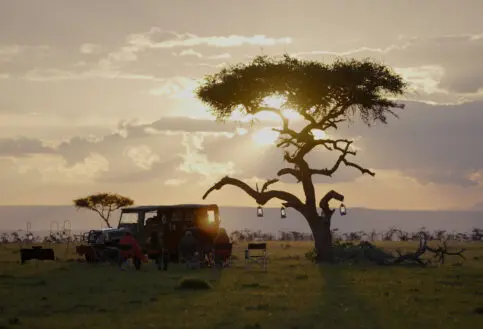
There’s something special about experiencing a rain storm from within a canvas tent. Smelling the approaching rain on the breeze, then listening as the first heavy drops make contact with the ground, developing into an almost deafening roar before the process reverses and the storm subsides. If it’s adventure you seek, this is the perfect time to travel. The days are unpredictable, and a tight schedule is impossible to adhere to, but the element of adventure is high, and the memories will last a lifetime.

Photography
For many wildlife photographers not specifically chasing river crossings, this is the preferred time to travel to East Africa. The afternoon showers of January and February dampen down the dust, creating perfect conditions for clear, sharp photographs, ideal for capturing the myriad birdlife this season delivers. As the rainy season approaches, the afternoons deliver dramatic skies filled with dark gathering storm clouds, offering an inviting contrast against the green plains. With significantly fewer guests during this season, there are fewer vehicles in the field, making for increased flexibility and manoeuvrability on sightings and allowing you to find the perfect angle, often entirely alone with only your subject for company.

Wildlife, Birding, and The Great Migration
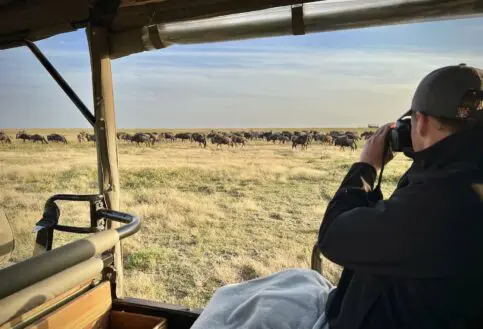
By December, the herds of the Great Migration have usually established themselves on the short grass plains of the southern Serengeti, spilling over into surrounding grasslands of the Ngorongoro Conservation Area. The nutrient rich grasses, nourished by volcanic ash from eruptions millions of years ago, are perfect for the hundreds of calves being born daily. The calves are vulnerable, attracting predators and scavengers from the surrounding area, drawn to the possibility of an easy meal. High season pricing will be in effect at most camps in this area through January and February, with many guests and vehicles enjoying the spectacle.
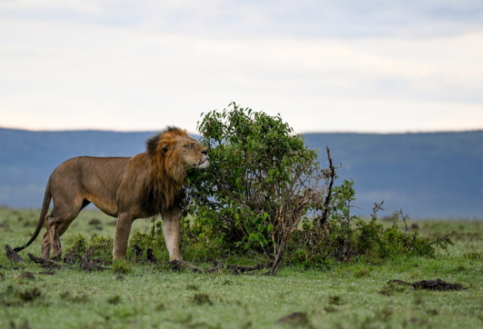
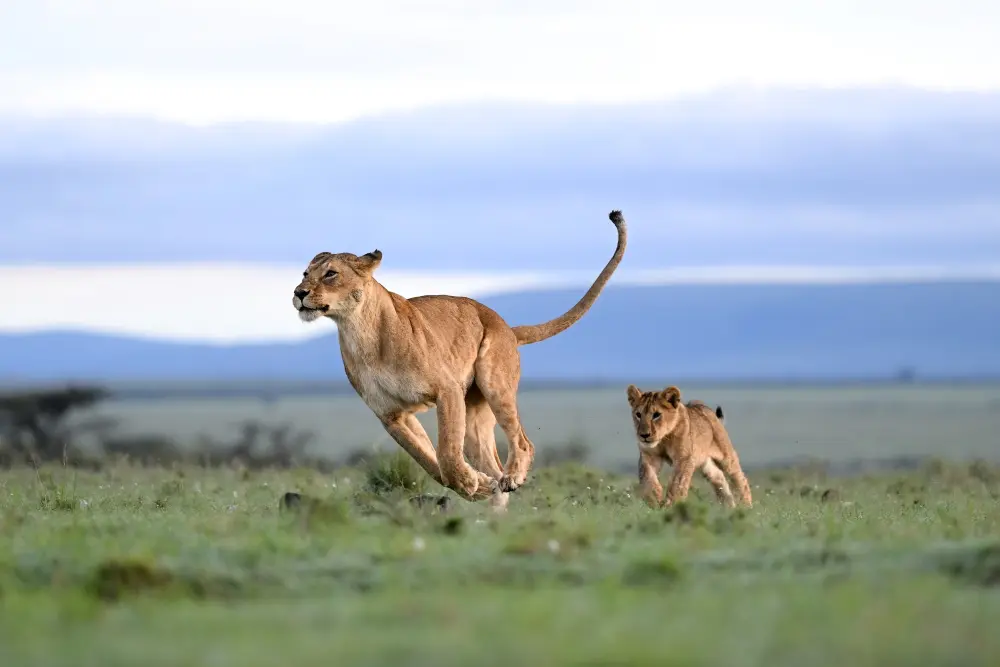
However the southern Serengeti is one of the few areas in East Africa that will be busy. Resident game exists across all wildlife reserves. Non-migratory zebra and wildebeest, giraffe, elephant, a multitude of different antelope, lion, leopard, cheetah, and a plethora of birdlife. The lion prides of the northern Serengeti remain within their territories, as do the leopard of the Mara Naboisho Conservancy. Migratory birds from Europe and Asia flood to the wetlands of Lake Manyara, Tarangire, Ruaha and Nyerere national parks, further bolstering the already impressive species count these parks boast.

Exclusivity
July to October is typically considered “peak season” across Kenya and Tanzania. The combination of warm, dry weather and the excitement of the migrating herds plunging across the Mara River makes this period incredibly popular. Hundreds of vehicles flood the northern Serengeti and the plains of the Masai Mara, jostling for position to enjoy the best possible views of sightings and the prime spot to capture a river crossing. From January to May, these locations are significantly quieter. The herds of the Great Migration are in the south, creating a hub of activity around the calving season. Nearly all other regions across Tanzania and Kenya are offering superb game viewing and birding on an almost private basis.
It’s hard to fully understand or appreciate the luxury of being the only vehicle at a sighting, until you have experienced the chaos of being in amongst 20 or 30 vehicles vying to secure the best view possible. It’s not a situation that is healthy for wildlife, and certainly not one that affords any sense of exclusivity. The northern Serengeti offers the ultimate sense of exclusivity and is particularly rewarding during this period. The landscape is green and lush, roamed by big cats enjoying the abundance of resident game. For those travellers with the time to do so, a two-centre stay in the Serengeti is strongly recommended. Visit the herds of the Great Migration in the south, where it will be busy and dusty in amongst both wildebeest and vehicles, and then head north to the lush tranquillity of the exclusive northern Serengeti.

Affordability
It’s no secret that a safari can be an expensive holiday, especially if travelling on safari as a family. By shifting your travel dates out of the peak season months, you will find a greater variety of available accommodation options, at a fraction of their peak season prices. Additionally, there are often special offers applicable to the low season months, further increasing the attraction of these months and bringing affordable exclusivity within reach.

If you’ve been considering the idea of an East Africa safari, but the pace of life and the cost of the holiday have been discouraging you from entertaining the idea further, consider this to be the sign you have been waiting for. Travel with us in the new year, and take the opportunity to recharge with a safari that leaves you refreshed and in awe of East Africa.