For many first-time safari travellers, the idea of sleeping in a tent seems at once exciting and concerning. With nothing separating you from the untamed wilderness but a sheet of canvas, it’s unsurprising that you might have some questions around safety.
Asilia Africa has been operating tented camps across Tanzania and Kenya for over two decades. Our heritage is rooted in conservation-led hospitality, where guest safety and wildlife respect go hand in hand. This guide explains how we keep our guests safe while delivering authentic and unforgettable safari experiences in the wild.

Are Safari Tents Really Safe? The Short Answer
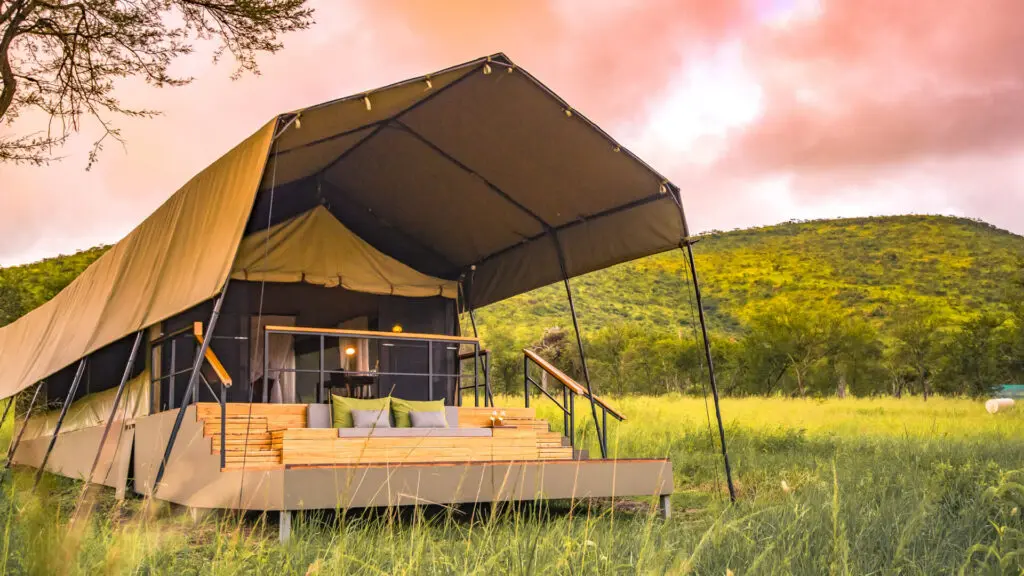
Absolutely – our luxury tented camps in East Africa are expertly designed with safety as a top priority. These are not your flimsy weekend camping tents. Safari tents are durable, weatherproof structures with reinforced canvas, sturdy frames, and secure closures. They’re designed to withstand the elements and provide superior comfort while preserving that wild experience.

What Makes Tents Safe? Key Safety Features Explained
Professional Camp Teams 24/7
Our safari camps operate with highly trained teams who monitor the camp around the clock. Security staff patrol the camp, keeping watch for any wildlife activity that may require attention.
On arrival, guests are given a thorough safety briefing to ensure they know what to do should any situation arise. After dark, you’re not permitted to walk around alone; our camp security staff are on hand to escort you to and from your tent.
Well-Designed Camp Layouts
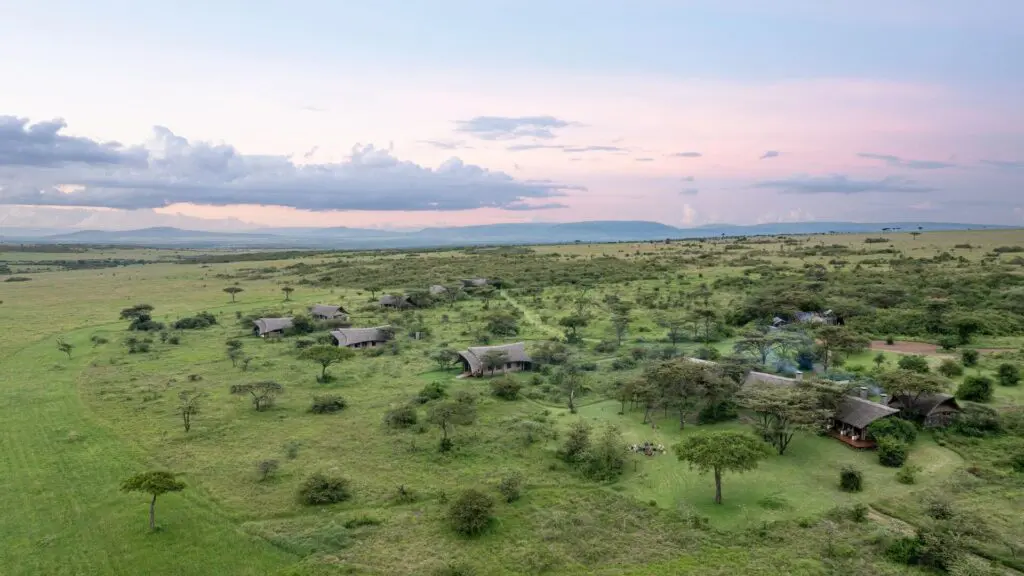
Camp layouts are carefully planned to avoid paths that wildlife typically move along. Tents are positioned in safe zones with clear sightlines, allowing staff to monitor the surroundings effectively.
Our camps locations are chosen for both incredible wildlife viewing and guest safety. Our teams have a wealth of knowledge about animal behaviour and design camps that aim to facilitate a peaceful coexistence between humans and wildlife.
Strong, Reinforced Tent Materials
Safari tents are constructed using heavy-duty canvas tightly stretched over solid frames. All closures are of the highest quality and close securely. Most tents are built on raised wooden platforms, keeping you slightly above ground level and providing a firmer feel underfoot, however even tents that are not on a platform are equally secure.
These structures are weather resistant and can handle everything from strong winds to heavy rains. The materials are also wildlife-resistant – durable enough to deter any curious animals while maintaining comfort inside.
Strict Wildlife Protocols
During your safety briefing, you’ll learn of a few rules and it’s important that you adhere to these. The most important of these is that you’re not allowed to keep food in your tent. This is to prevent attracting animals to sleeping areas. Our camps maintain strict protocols around food storage, waste management, and guest behaviour for this very reason.
All camp staff are trained and understand animal behaviour patterns. They know when to keep a distance, what warning signs to look out for, and when to take protective action. These protocols aren’t guesswork – they’re built on years of experience in the field.
Secure Night-Time Procedures
At night there are strict protocols in place. Each guest tent has a torch and radio for you to communicate with staff if you need anything. Staff are stationed strategically throughout the camp to ensure that you can sleep peacefully knowing that an experienced professional is watching over things.
Can Wildlife Come Into Safari Camps? How It Really Works
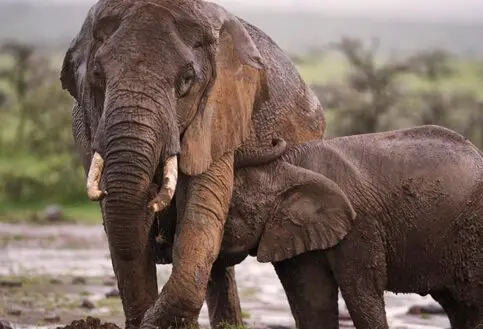
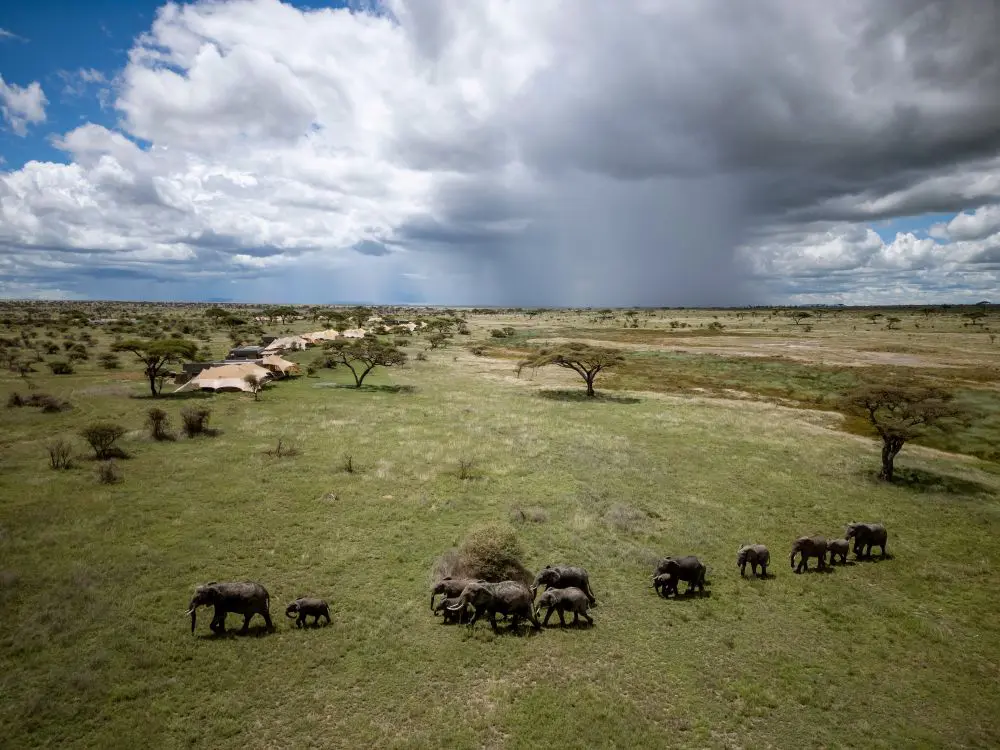
Yes – wildlife may walk through safari camps. Most of Asilia’s camps and lodges are unfenced so it’s possible for wildlife to wander through. That said, animals typically don’t approach tents due to human movement, scent, and general camp activity.
Wild animals are naturally cautious around humans, so you might see elephant grazing nearby, zebras passing by, or antelope drinking from nearby water sources, but they maintain a respectful distance. Camp staff will keep a close eye on the situation and their familiarity with wildlife behaviour means they will know when to intervene should it be needed.
The key takeaway is that camps remain part of the ecosystem, which creates extraordinary wildlife viewing opportunities while maintaining safety through expert management.
What About Inside the Tent? Insects, Comfort, and Night Sounds
Insect Safety
Safari tents are designed to keep insects out as much as possible while maintaining good airflow and comfort. All windows and openings are covered with fine mesh screening to allow the breeze in while keeping mosquitos and other flying insects out.
In areas where malaria is a concern, mosquito nets are provided over each bed, and guest are advised to use insect repellant and take antimalarial medication.
When it comes to larger critters, tents are cleaned daily to ensure no unwanted guests move in while you’re out on your game drives. It’s unlikely that you’ll find anything dangerous has taken up residence in your tent while you were out. In the highly unlikely event that an unwelcome visitor stops by, alert camp staff who will safely remove the offender and relocate them to their natural habitat.

Nighttime Sounds
At night, the African bush comes alive with sounds that can seem alarmingly close. Lion roars, hyena calls, and insect chorus all travel far across the plains through the stillness.
These sounds are all completely normal and not cause for any alarm. While they might disrupt your sleep for the first night or two, you’ll soon find that these sounds are a cherished part of the safari experience.
If any sounds concern you during the night, use your radio to contact camp staff who can assess the situation. They know the difference between normal wildlife activity and anything that might need attention.
Climate & Weather Safety
East Africa’s weather can be dramatic at times – sudden rainstorms, gusts of wind, and large temperature discrepancies between daytime highs and nighttime lows. Safari tents are designed to deal with it all.
The canvas and frame are sturdy enough to withstand heavy rains and wind, are waterproof to withstand any moisture from above or below. Inside your tent, you’ll have everything you need for a comfortable night.
How Safe Are Children or Families in Safari Tents?
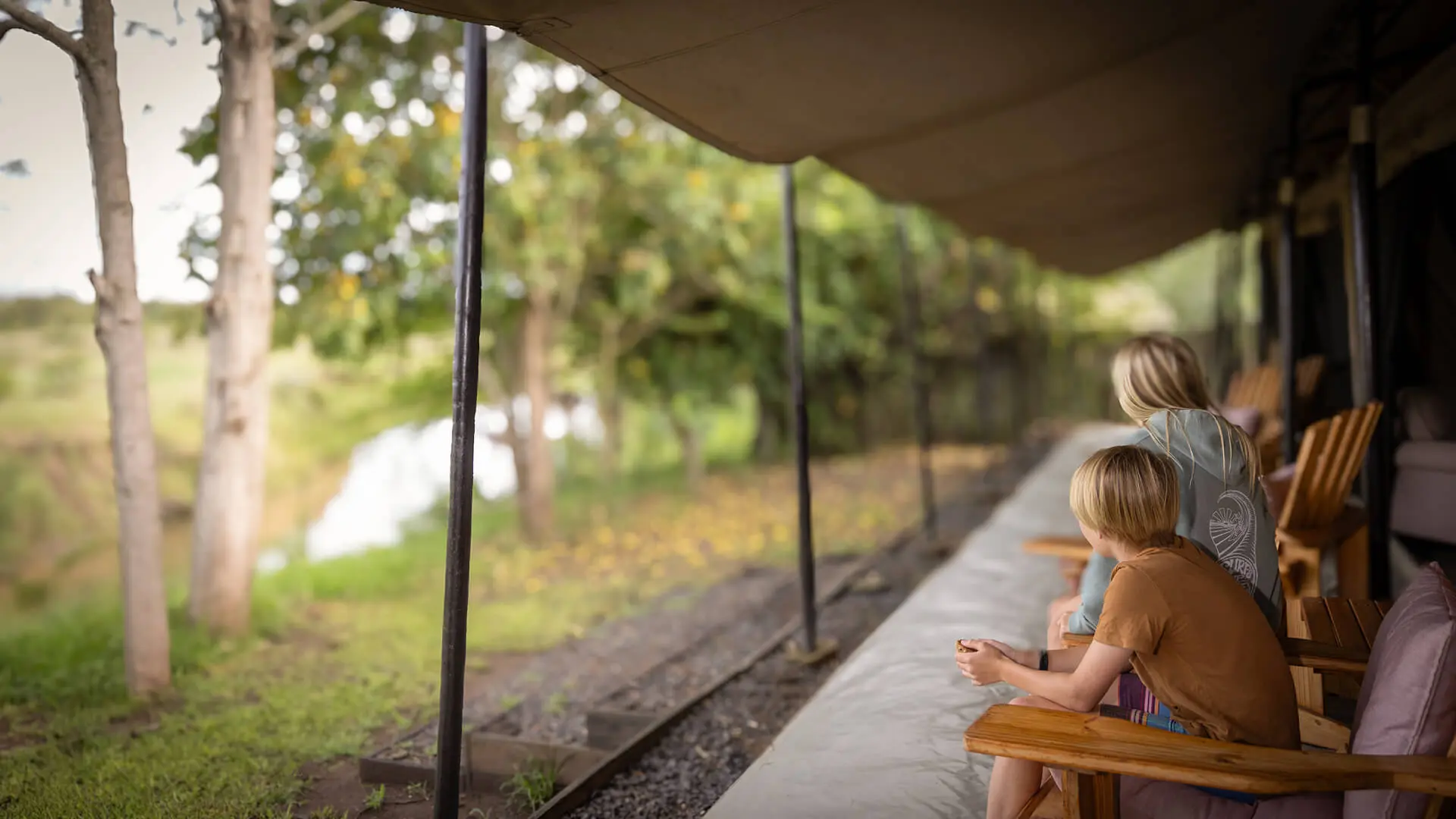
Families with children can absolutely enjoy a safe, comfortable stay in a safari tent. Many of our camps offer family tent configurations with interconnecting rooms or larger tents that accommodate parents and children together.
Asilia welcomes children over the age of 5 and our teams are on hand to ensure parents feel confident and children remain safe while experiencing the wonder of Africa’s wildlife.
What You Can Do to Stay Safe
Follow camp rules: Listen carefully to safety briefings and respect the guidelines provided.
Never leave your tent at night without an escort: If you need to move around camp after dark, call for staff assistance. They’ll accompany you safely to wherever you need to go.
Keep tents closed: Seal your tent completely when inside and when you leave. This keeps insects out and maintains the barrier between you and wildlife.
Don’t bring food inside: Resist the temptation to snack in your tent. Food attracts unwanted visitors – from insect to larger animals. If you have brought any of your own food or snacks with you, ask the manager to keep it safe for you.
Trust your guides: The people managing your safari know wildlife behaviour well. If they say stay still, move back, or follow them, do so without hesitation. Their training and experience keep everyone safe.
Asilia Africa’s Safety Standards: What Sets Us Apart
At Asilia Africa, safety is woven into everything we do. Our African tented safari experiences are built on decades of expertise operating in remote wilderness areas across Tanzania and Kenya.
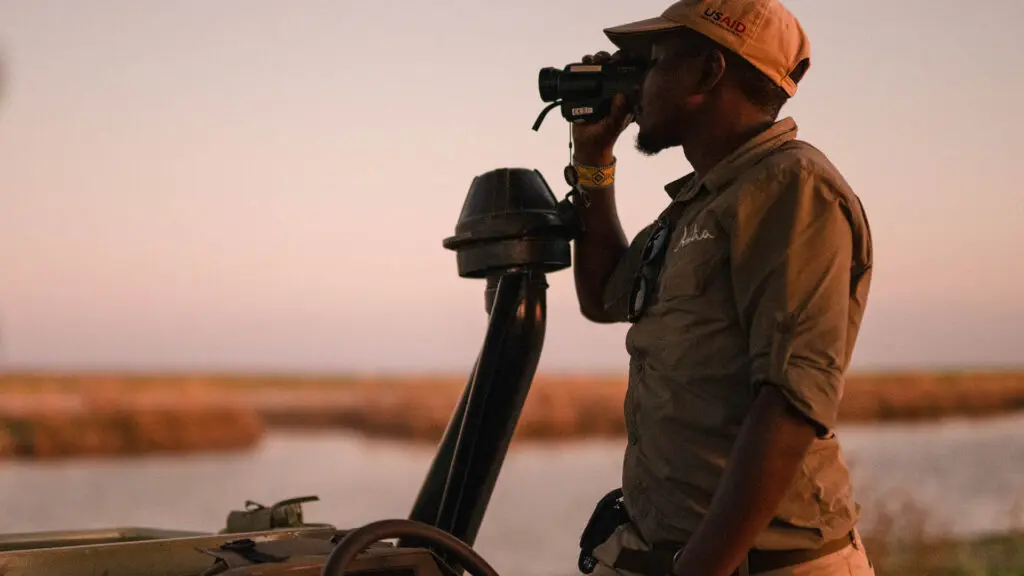
Our guides are among the most highly trained in East Africa, with a deep knowledge of wildlife behaviour, ecology, and safety protocols. Our camp staff take immense pride in creating a secure and welcoming environment for our guests. Many have worked with Asilia for years, building expertise that comes only from sustained field experience.
Our conservation-based philosophy means we operate in harmony with wildlife, not in opposition to it. We don’t only understand animal behavior, we respect it.
Every Asilia camp adheres to rigorous safety standards while maintaining the authentic, immersive character that makes tented safaris for special.
Our Top 3 Tented Camps
Asilia operates exceptional tented camps throughout Tanzania and Kenya. Here are three examples:
Sayari Camp, Northern Serengeti
Located close to the path of the Great Migration, Sayari is our flagship camp, offering unparalleled wildlife viewing from a luxurious tented camp. Each tent features solid construction and superior comfort.
Learn more: Sayari Camp
Naboisho Camp, Mara Naboisho Conservancy
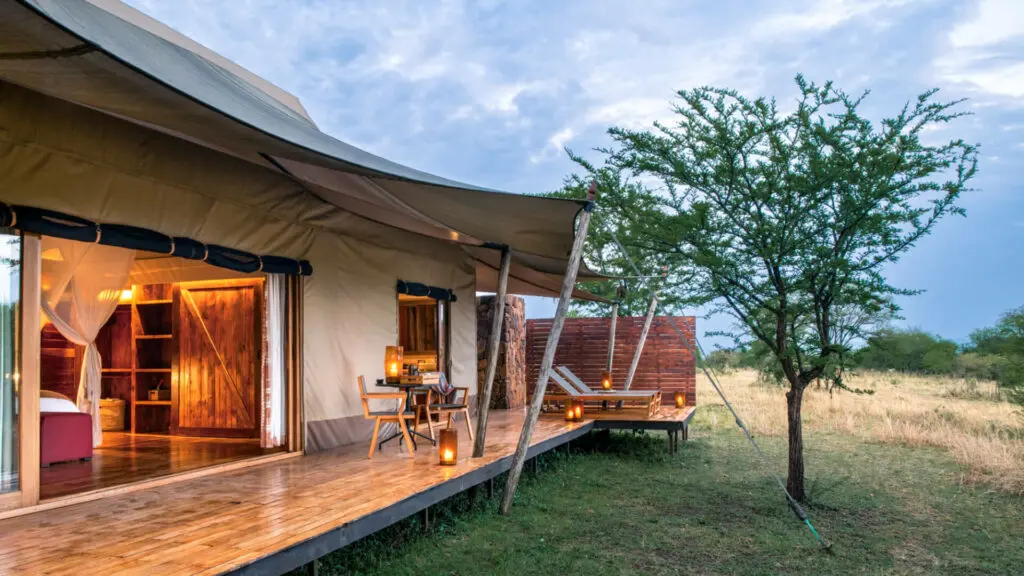
Set in a private conservancy bordering the Maasai Mara, Naboisho Camp delivers intimate wildlife experiences and exclusivity with access to plentiful resident wildlife and a range of activities.
Learn more: Naboisho Camp
Dunia Camp, Central Serengeti
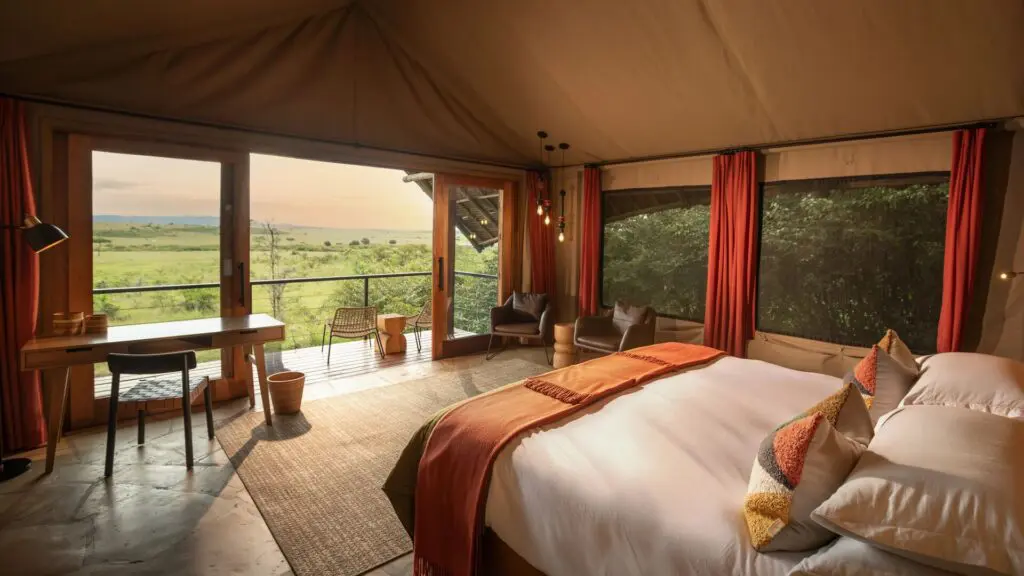
Surrounded by granite outcrops and sweeping plains, Dunia Camp isn’t just an incredible tented camp in a spectacular area of the Serengeti, it’s run and managed by an all-female team.
Learn more: Dunia Camp
Ready to Experience a Safari Tent?
Explore our classic tented safaris and discover how safe, comfortable, and extraordinary sleeping under canvas in East Africa truly is.