The dining experience across Asilia camps is something that consistently manages to surprise and delight. The ability to craft such sensory pleasures in remote bush kitchens is a skill not held by many, but for Chef Tonderai this is just another day in the perfect office.
Chef Tonderai
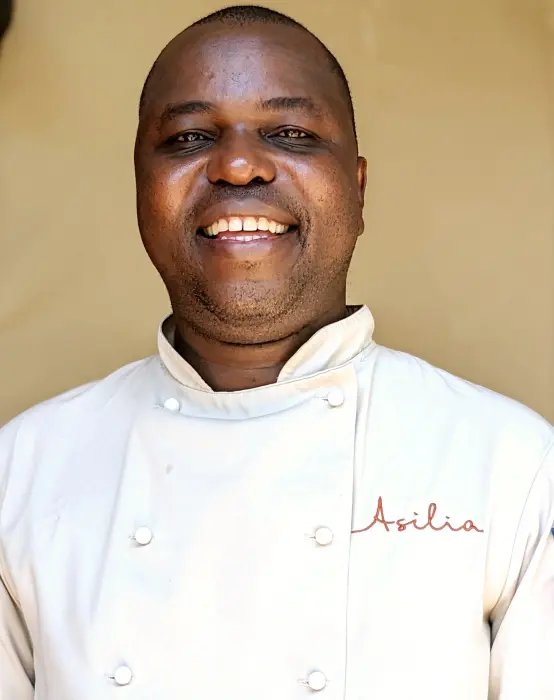
Born in Zimbabwe, Tonderai Chipfupi’s love for food started from a young age where he was surrounded by women who loved to cook. His older sister would return from high school with her cooking class tasters ready for him to sample. Her creations impressed and inspired him even from that young age. In the household, his mother made traditional pastries and other comforting home cooked meals that developed his love for flavours and the creation of food.
The inspiration was put into action as Tonderai’s interest developed. He began to cook one of his favourite foods, kapenta – a small fish found in Lake Kariba. He refined his methodology and approach and, whenever he went to visit his grandmother in her village, he would cook his kapenta dish for her. It was his grandmother that told him he would one day become a great chef.
After the death of his father, the breadwinner in the family, Tonderai moved to South Africa in search of improved employment opportunities. In the quaint wine-country village of Franschhoek, he began working as a waiter in a small, family-owned Italian restaurant. However, such was his interest in all things happening in the kitchen, he was soon moved into the position of trainee chef. Here, he impressed his employer to the extent that he was sponsored to enrol at the International Hotel School to study Food & Beverage Management.
Chef Tonderai continued to excel, working with increasingly prestigious hotels and restaurants. In Cape Town, he worked at The Cape Grace Hotel where he oversaw the sophisticated dinner service which included a food and wine pairing dinner. He then set his sights abroad to further his culinary experience, moving to Vancouver where he worked in a variety of restaurants, culminating at the Michelin Star Jean-Georges signature restaurant “Market”, located at the Shangri-La Hotel. In 2019 he returned to Africa, working in Botswana as the Executive Chef for a safari company, before joining the Asilia family in 2024 as Chef Trainer.
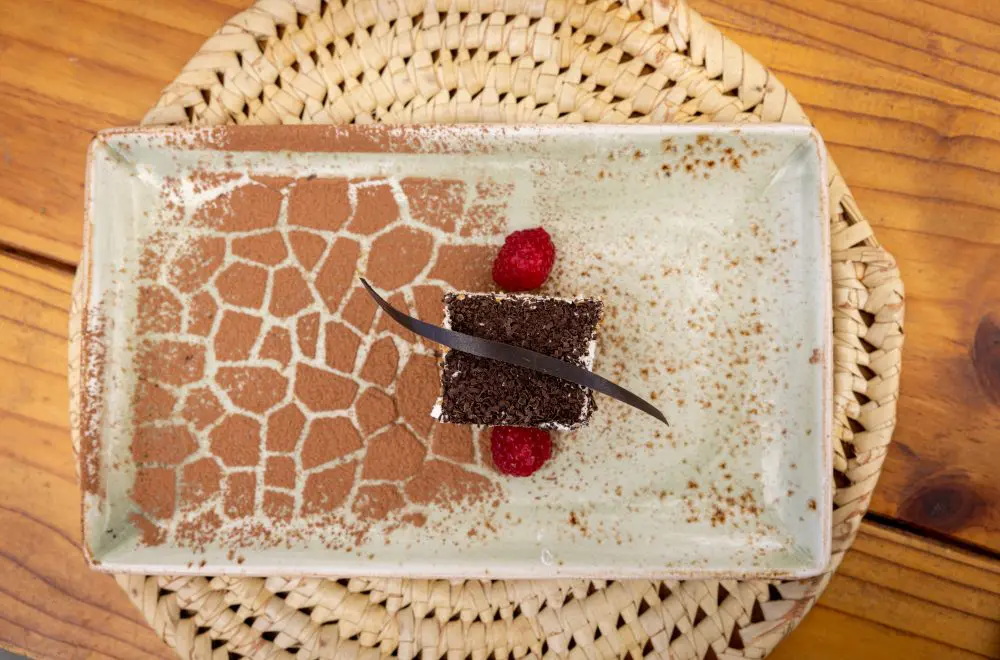
“The way a dish looks is the first opportunity for that dish to make an impression. With a strong visual appeal, it can even make the food taste better as the aesthetics influence the perception of flavour.” – Chef Tonderai
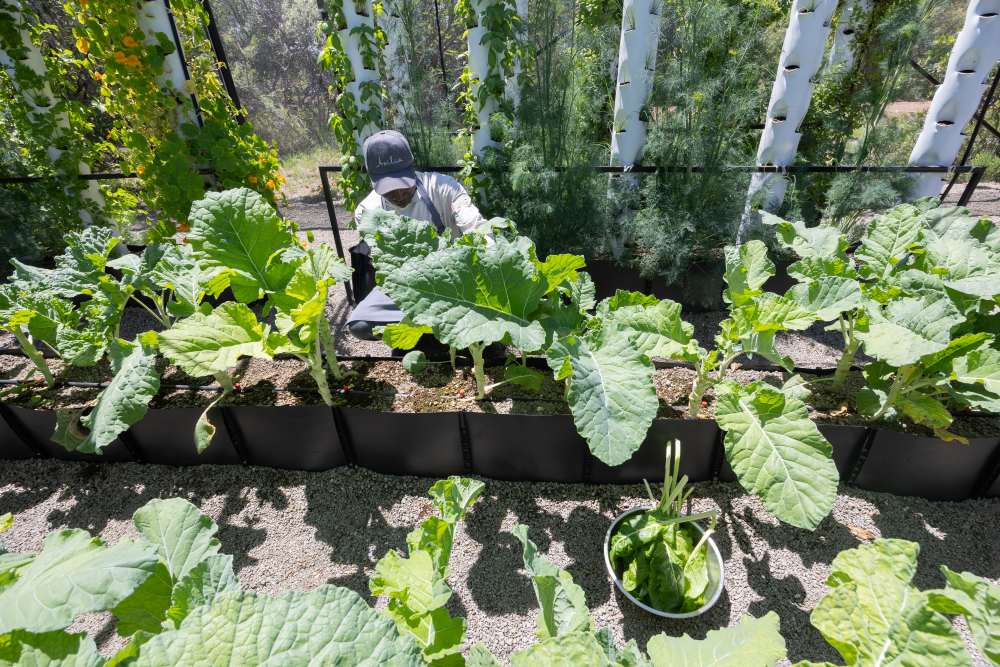
Preparing meals in the bush kitchen of a safari camp that both look and taste amazing, is very different to preparing the same meal in a top city hotel. Sourcing good quality ingredients where the cold storage chain has been respected can often be a problem, leading to inconsistencies and frustrations in the kitchen. The visual element of dining is crucial to the experience, and the pop of colour that fresh produce delivers cannot be underestimated. The vertical garden currently being trialled at Encounter Mara is already proving successful, with deliciously fresh greens being harvested just meters from the kitchen. In time, a vertical garden may become a standard feature within our permanent camps, further reducing our carbon footprint and reliance upon inconsistent suppliers.
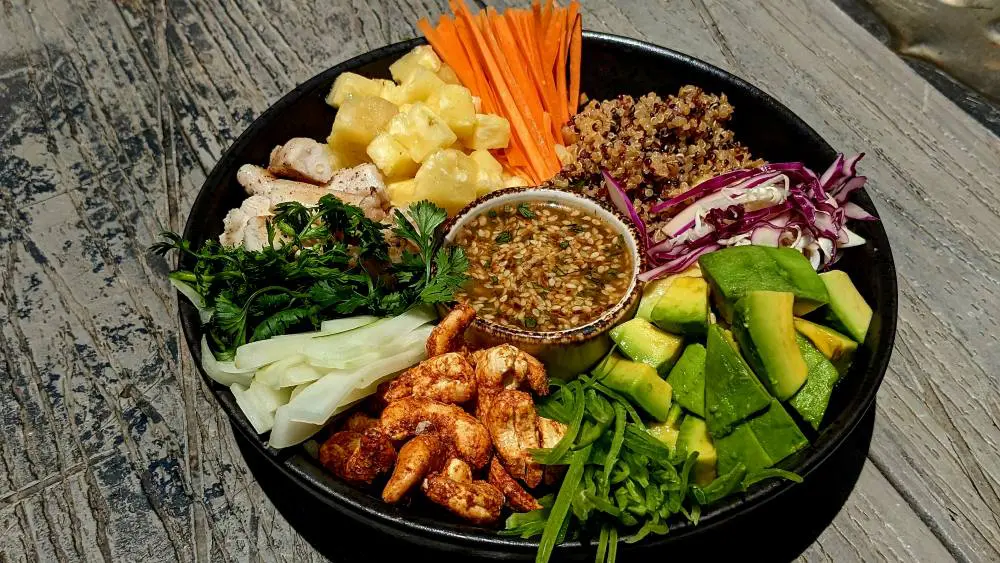
As Chef says, “Colour plays a crucial role in menu planning because it influences appetite and even mood. Colours like red and orange can stimulate hunger, while greens create freshness and appeal.” In the safari context, guests are immersed in landscapes teeming with colourful contrasts, from golden grasslands to deep green forests and fiery sunsets. Through a combination of fresh produce and the abundance of spice varieties readily available in East Africa, Chef is able to create vibrant colour combinations from papaya infused ceviche to rich red curries. Sometimes it’s as simple as a delicate swirl of tamarind reduction or a dusting of pilipili (chili powder) on the rim of a plate – just a subtle hint of different colour to appease the eye.

In order to diversify the menu offering, our camps will offer a curry night, or a Swahili themed evening to show off East Africa inspired cuisine. These local evenings showcase traditional flavours and provide the opportunity to dive deeper into the food culture of East Africa, while striking a balance between the use of local spices and ingredients and still catering for an international palate. East African cuisine is vibrant and consists of different colours influenced by diverse culture and ingredients, especially through the use of spices like cumin, ginger, cinnamon and paprika. These colours can be seen in different forms from earthy tones of ugali and sukuma wiki (local spinach dish) to the vibrant reds in spices and local stews.

For Chef Tonderai, it was his departure from Africa that ultimately developed his appreciation for the uniqueness of local flavours. “Travelling overseas taught me to appreciate our local dishes and inspired me to use local ingredients to create something that can be enjoyed by international palates.”

Start planning your East Africa safari experience, and prep your tastebuds for a delicious tour of local spices, flavours, and culinary delights. Whether you are an adventurous eater always willing to try something new, or you prefer to stick with what you know you like best, Chef Tonderai and his team of kitchen extraordinaires will delight your palate and provide a culinary experience to complement and enhance your East Africa safari.