The Misconception of the Great Migration
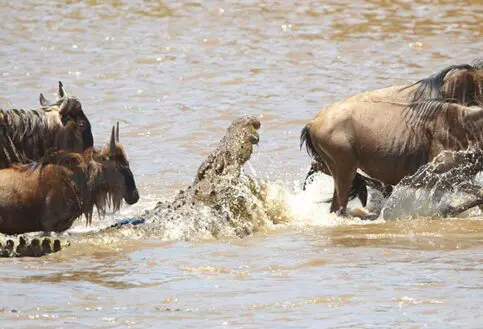
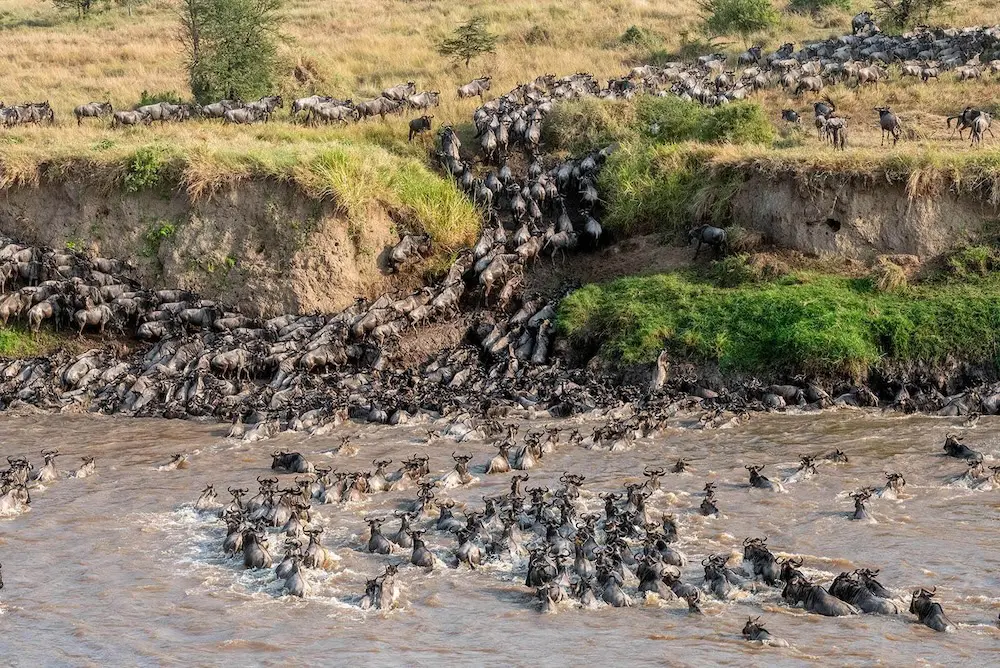
When most people think of the “Great Migration”, they think of the iconic wildebeest river crossings that take place in the Masai Mara and Serengeti over peak safari season from June to October.
The Great Migration is actually a year-long cyclical event, whereby wildebeest and other plains game follow the rains from the east of the Serengeti down through the northwest of Ngorongoro Conservation Area, back up through the central and west of the Serengeti, all the way up north to the Masai Mara, and then back down again through the centre and east of Serengeti.
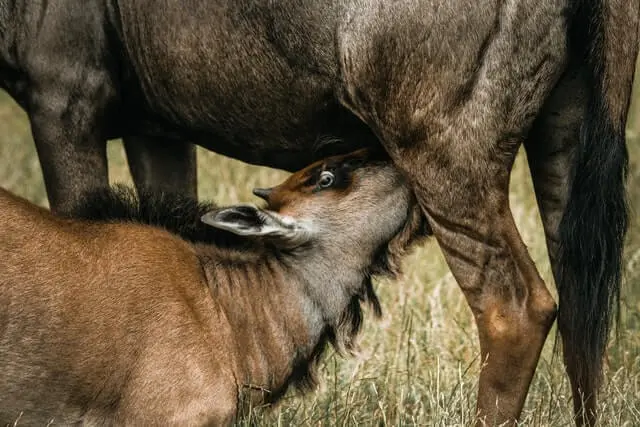
There’s plenty of action to be found across the whole annual Great Migration – with calving season from January to March, rutting season in April and May, and river crossing season from June to October, with the herd continuing to move south in November and December – just to start the whole cycle all over again. Most travellers consider the river crossings to be the most exciting part of the Great Migration to witness, and a must-do on the bucket list.
What Makes the River Crossings a “Bucket List” Event?
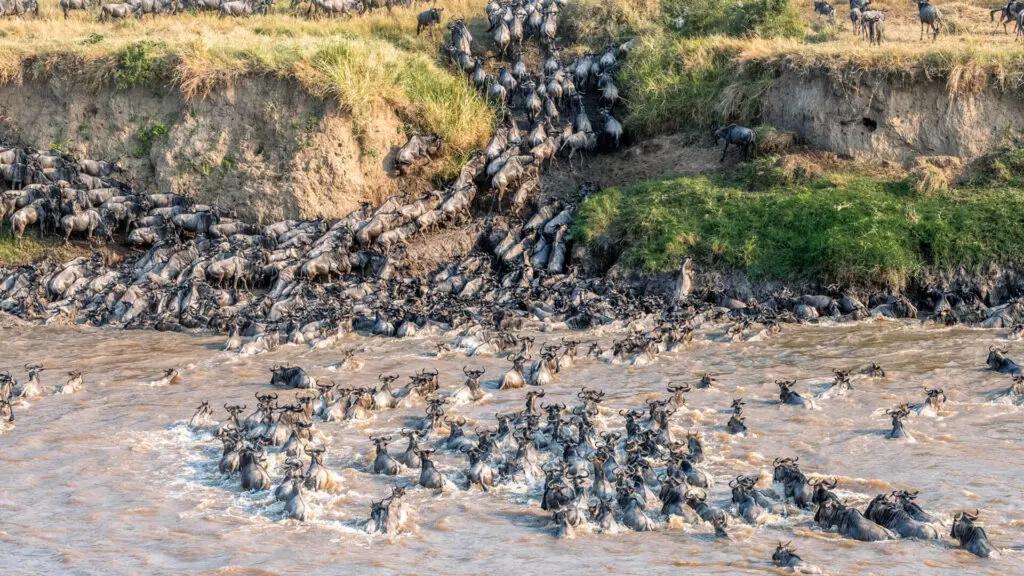
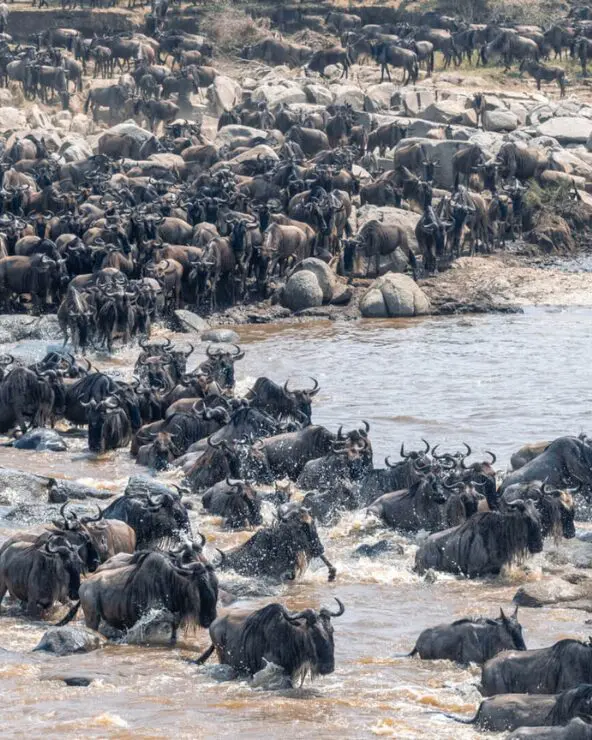
The sheer volume of wildebeest, zebras and gazelles is a wonder in itself, with 1.3 million wildebeest and 300,000 zebras taking part. This is the largest herd movement of animals in the world – so large in fact, that it can be seen from space.
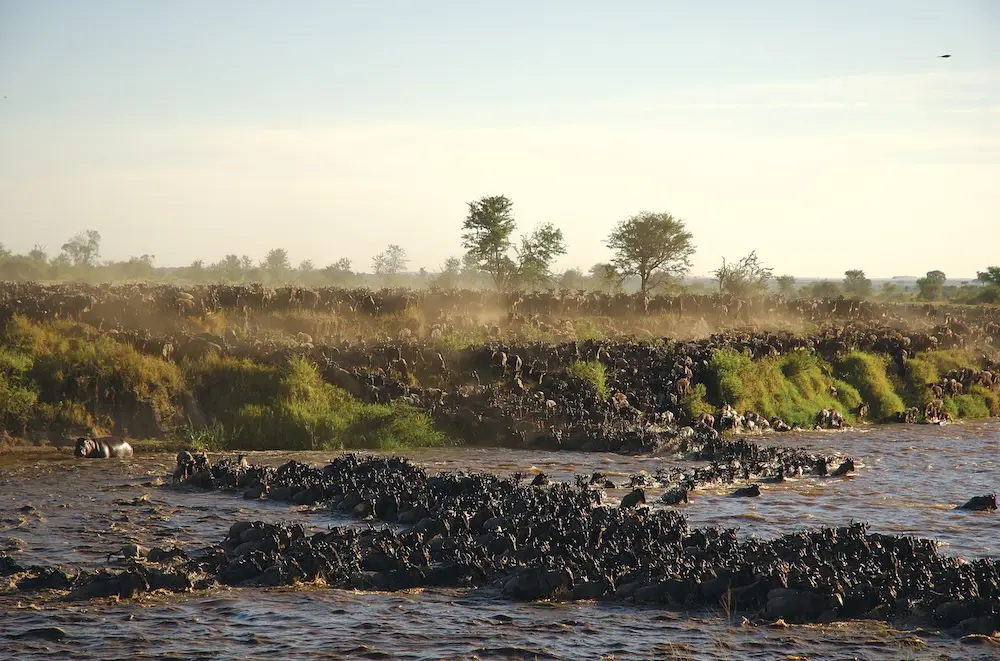
The dramatic river crossings are exhilarating to watch, but patience is needed to witness this spectacle first-hand. Wildebeest can take hours or even days to cross the Mara and Sand River from the Serengeti in Tanzania to the Masai Mara in Kenya. The herd eagerly waits for one of their comrades to take the first step.
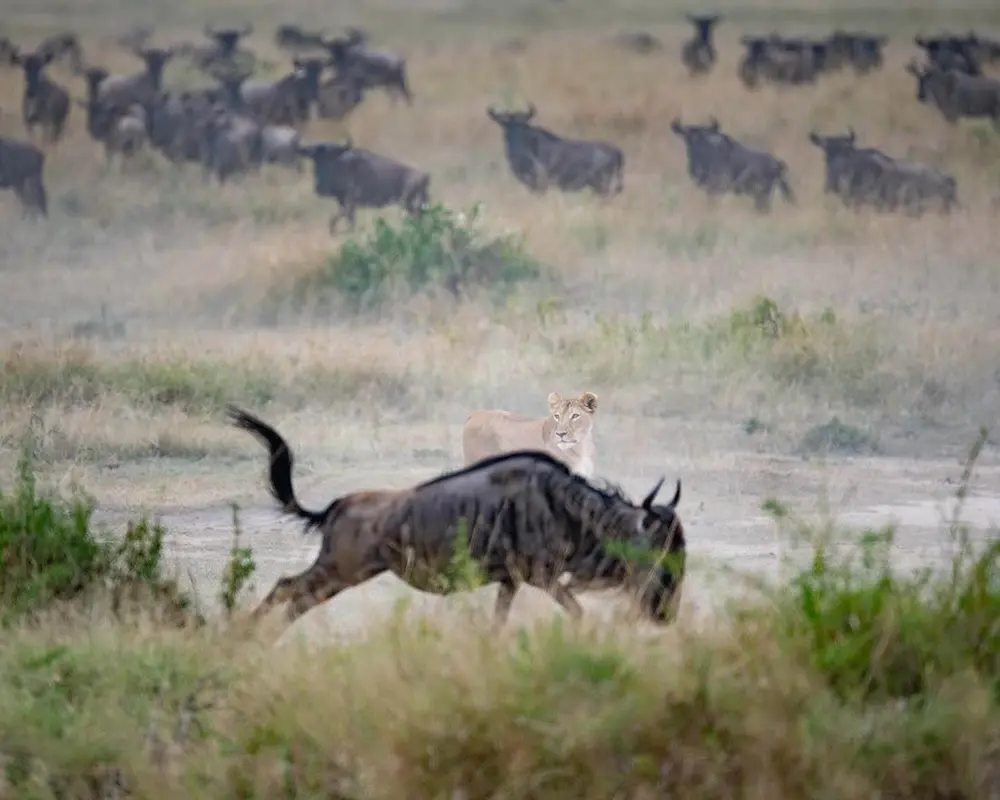
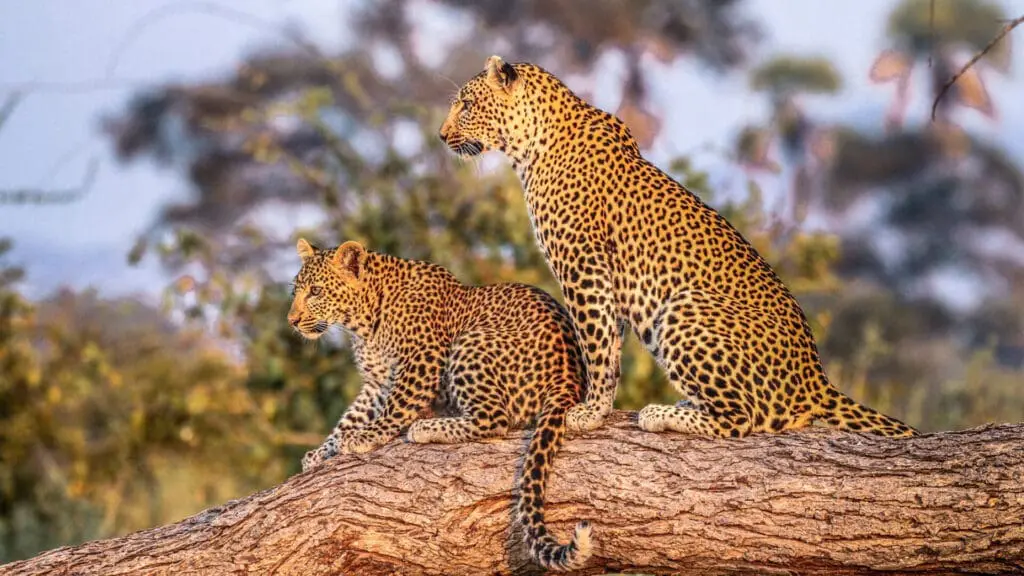
However, it is quite a scary prospect going first, there are predators to watch out for, with crocodiles in the river and lions and other big cats waiting on the other side of the river to pick off the weaker of the herd. There is the muddy riverbed to navigate, with the risk of getting stuck, and some sides of the ravine may turn out to be too steep to climb up – forcing the herd back across the treacherous river to start the exercise all over again!
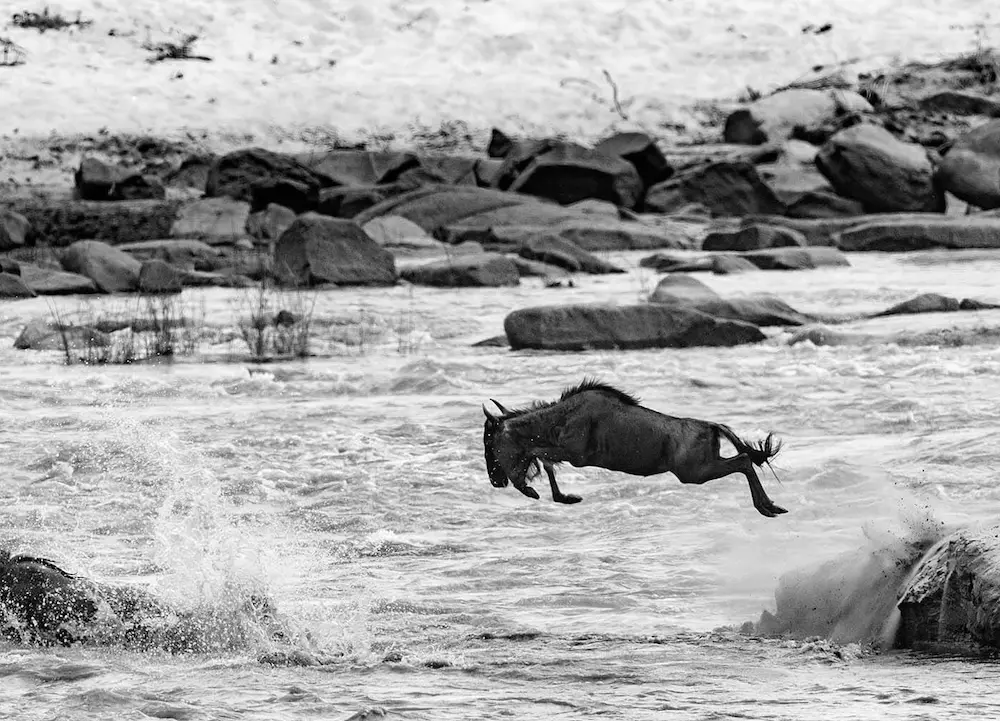
In the end, one brave wildebeest will take their first step (or rather jump) into the river, causing a cascading movement as the whole herd follows – a definite must-see event.

Wildebeest River Crossing: Why does it Happen?
The answer is simple: Food.
The wildebeest follow the rains by watching the movement of the rain clouds. They know that where there is heavy rain, the grass they eat will grow soon afterward. Instinct impels them to follow the storm clouds across the Mara and Sand Rivers.
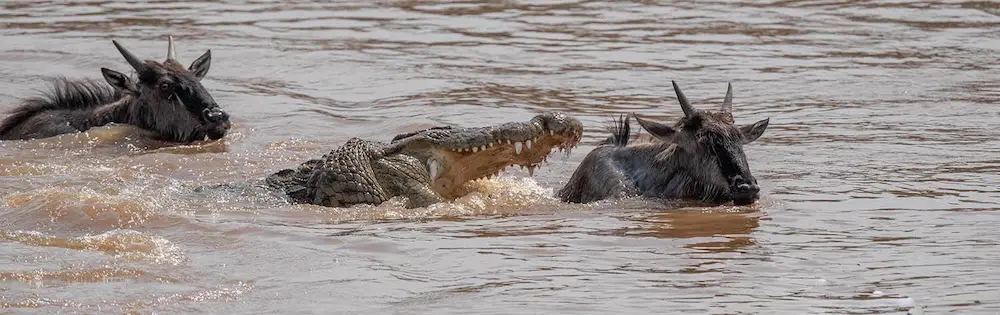
What Other Animals Migrate?
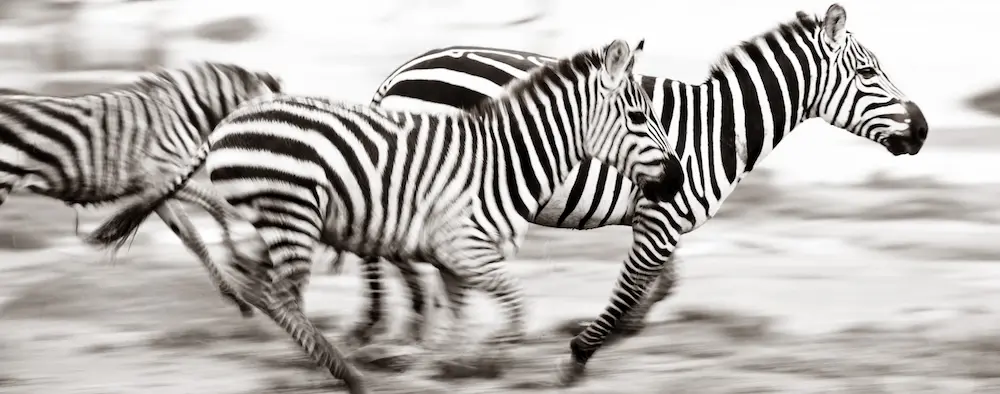
Zebras
The zebra migration in Tanzania’s Serengeti National Park is one of the largest mammal migrations in the world. It usually takes place between June and August.
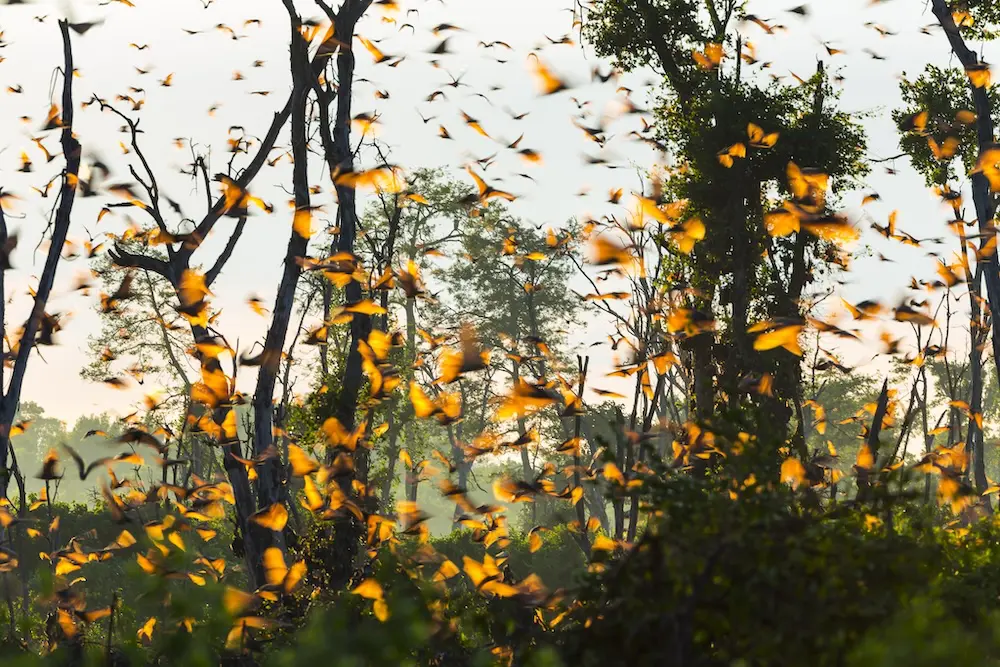
Straw-Coloured Fruit Bats
The largest mammal migration is that of the straw-coloured fruit bat. Eight million travel from the Congo to Zambia between October and December each year.
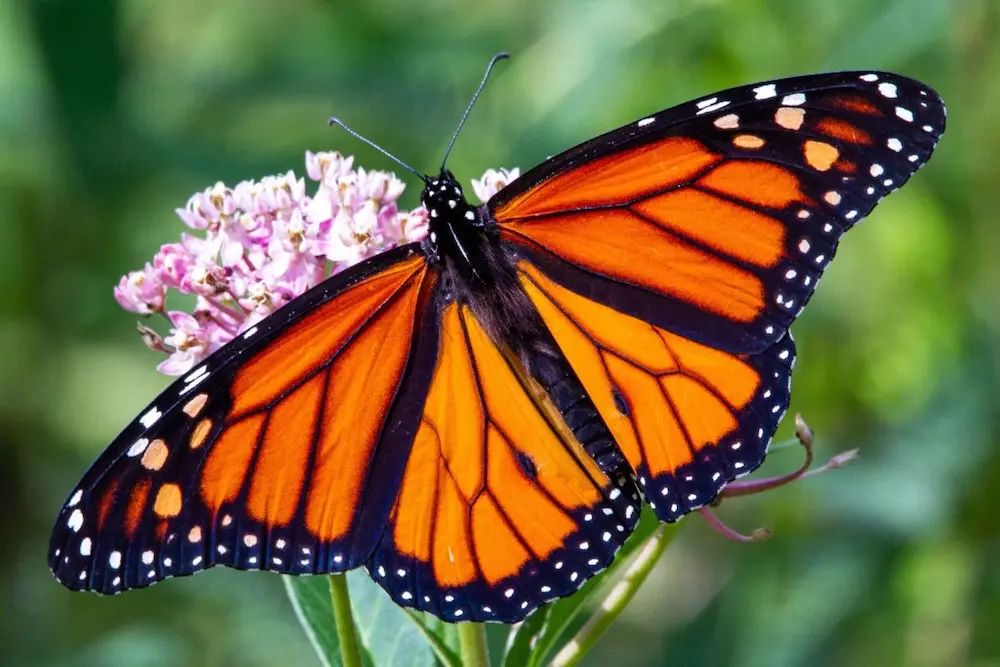
Monarch Butterflies
Unlike other migratory animals, no individual Monarch butterfly completes an entire round trip from northern America to southern America each year. The females lay eggs for a subsequent generation during the northward migration, and up to four generations can be involved in the annual cycle.
Arctic Terns
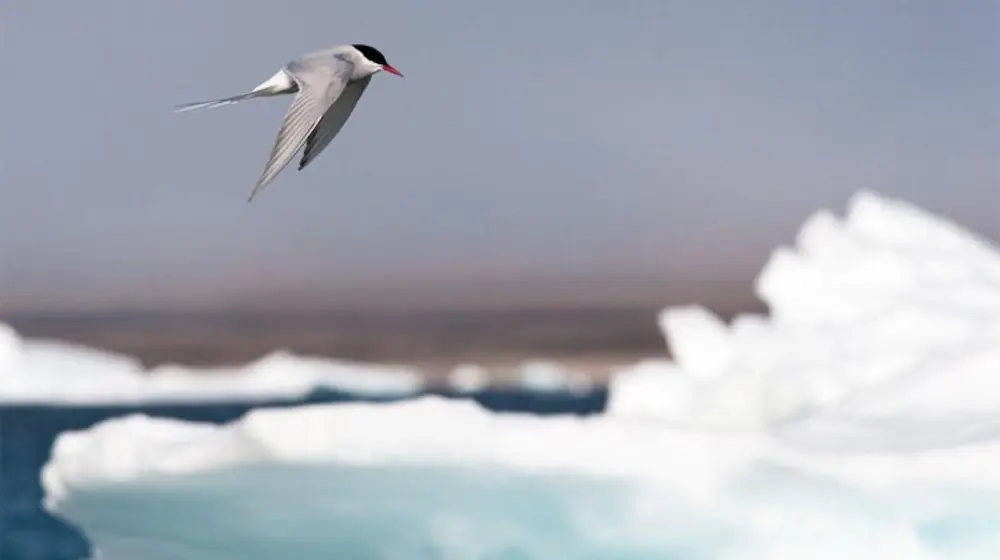
Arctic terns are small, mostly white birds, with the distinguishing features of a black head and red beak. They follow the summer weather from one pole to the other, Artic to Antarctic, spending most of their time at sea. They’re believed to migrate around 40,000 kilometres (25,000 miles) a year.
Where is the Best Place to Stay to See the Great Migration River Crossings?
Both the Serengeti and Masai Mara national parks are ideal places to watch the wildebeest herds cross the Mara River. Book your spot at a camp near the riverbank to make sure you don’t miss a minute of the action. Asilia has four camps that are perfectly situated to see the epic wildebeest river crossings in the northern Serengeti and Masai Mara. Each camp has its own unique style, offering a range of safari accommodations for all preferences. You can look forward to a warm welcome, sought-after locations, and superb guiding that is synonymous with Asilia.
1. Ubuntu Migration Camp, Serengeti National Park, Tanzania
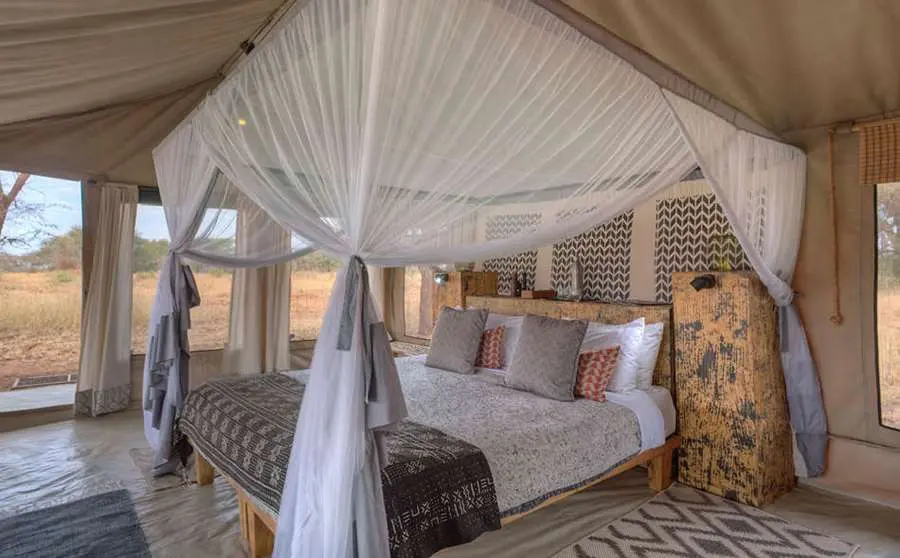
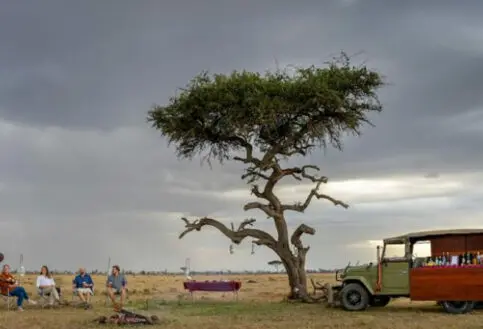
Ubuntu Migration Camp offers a camp lifestyle that epitomises the early days of safaris – with 10 traditional canvas tents, hot-water safari bucket showers, and open verandas looking onto the vast plains of grunting wildebeest as they make their way to the Mara River.
Best for: A classic safari with all the basics
2. Olakira Migration Camp, Serengeti National Park, Tanzania
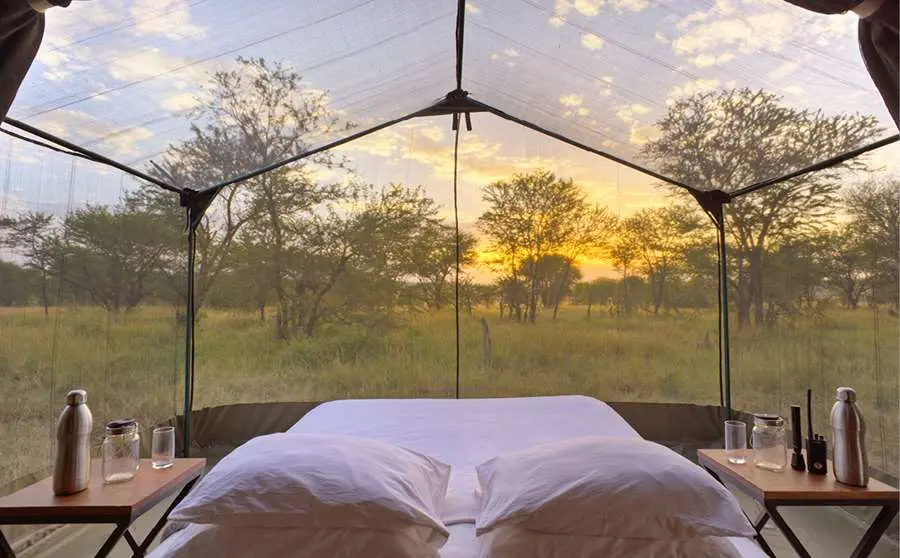
Olakira Migration Camp boasts eight beautiful stargazing tents with 270° views from your bed. The mesh-covered tents offer shelter as you to sleep under a sky of glittering stars. During the day, the bed is rolled away by your housekeeper, turning the space into your own private viewing deck with lounge, allowing you to watch the wildebeest herds move past camp up towards the Masai Mara for the show-stopping river crossings.
Best for: Romantic stargazing
3. Sayari Camp, Serengeti National Park, Tanzania
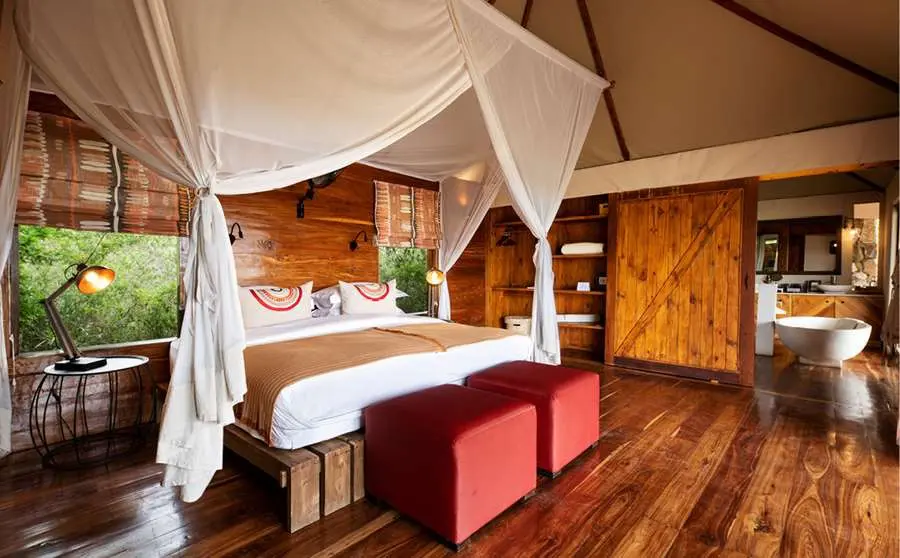
Sayari is renowned for its exquisite safari experiences offered from its luxurious base, making for a serene and relaxed stay. Set on the untouched plains of the northern Serengeti, this stylish award-winning camp is perfectly located within the path of the famous Great Migration route, and is near several crossing points along the Mara River, where sightings of the herds plunging into the water are frequent and spectacular.
Best for: Riverside sightings
4. Rekero Camp, Masai Mara, Kenya
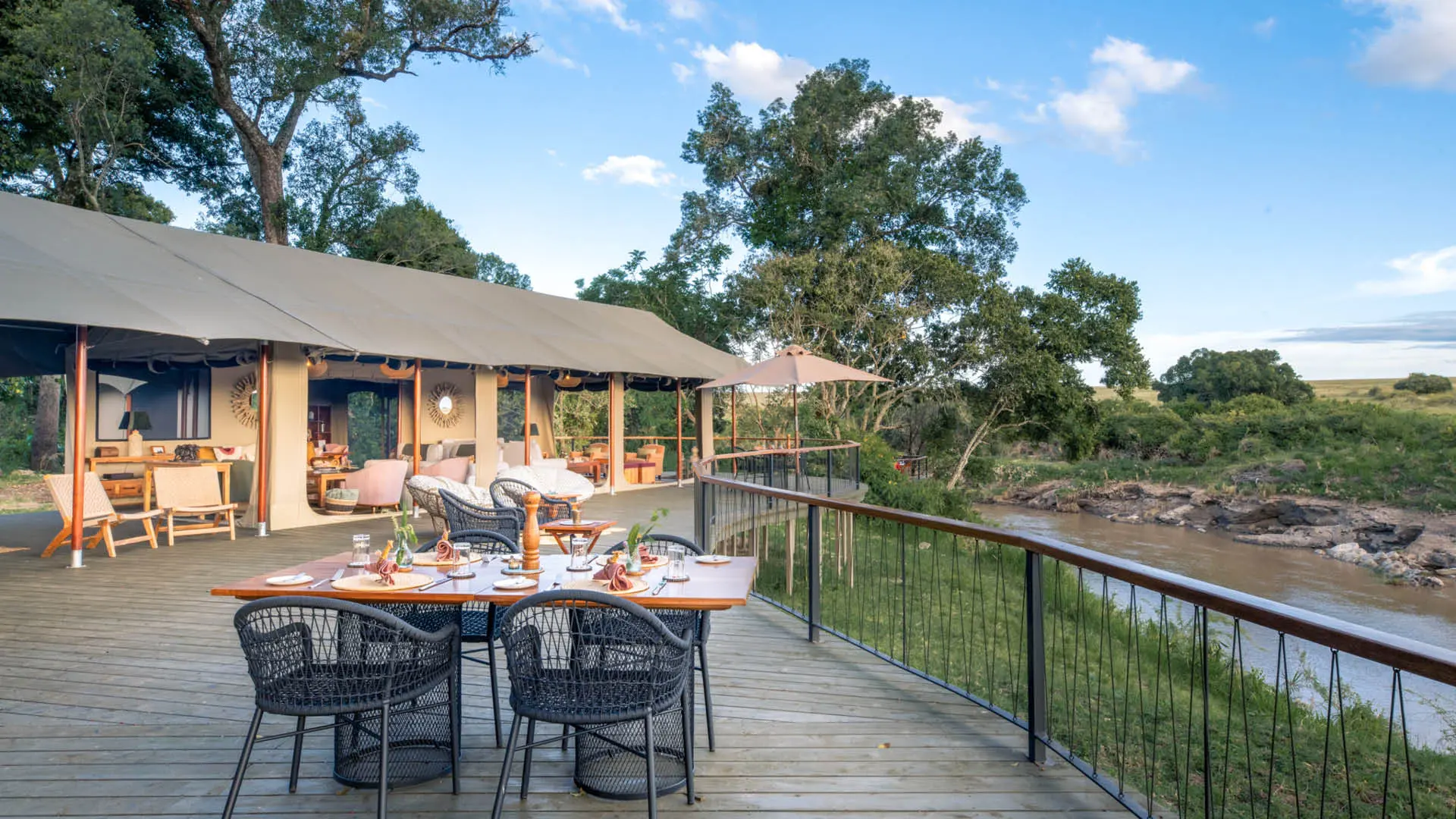
Over in Kenya stands Rekero Camp, one of the oldest members of our family portfolio, with its history dating back to 1986. When it comes to witnessing the world-famous Great Migration, Rekero and its nine tents sit in a prime position, overlooking the Talek River in Kenya’s Masai Mara National Reserve, a main crossing point used by the wildebeest on their epic annual journey.
Best for: Family safari holidays
Following the Herd
Tips for a Rewarding River Crossing Experience
It can be hard to predict the exact movement and location of the herds, so maximise your river crossing sightings by planning ahead.
- Plan your trip for the right time of year. The wildebeest cross over the Mara River in late July through August and early September, then again when they travel back south, in late October and early November.
- Stay in the same spot for a few solid days at a time, rather than hopping from one lodge to the next.
- Talk to your guide about the best spots to look for amazing sightings; they’ve been doing this for years and will have plenty of advice and stories to share.
Our Migration Camps
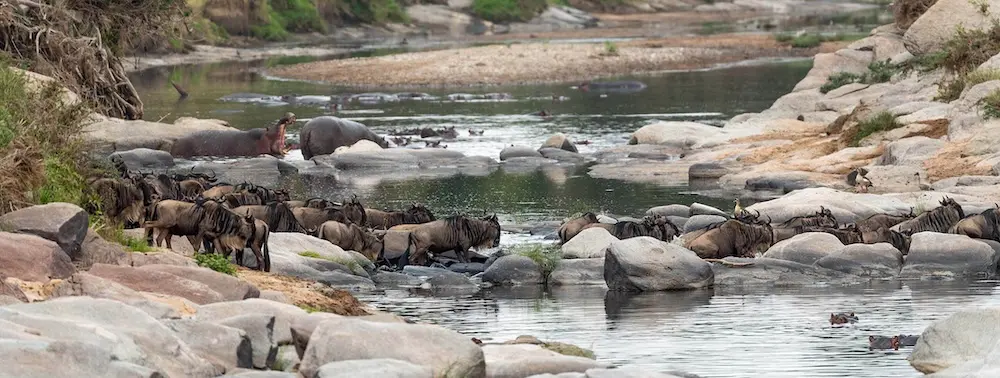
Our mobile camps (Ubuntu and Olakira) are carefully designed to be packed up and moved with the seasons. They allow our guests to stay in unique and secluded areas, following the Great Migration from the south of the Serengeti all the way north to Kenya’s Masai Mara.
Learn everything you need to know about planning the ultimate Great Migration Safari in our eBook guide. Inside the guide you’ll find: a month-by-month summary; a detailed map of how the migration moves; a selection of the best places to stay on safari; and expert tips for an unforgettable safari. Download the Guide >>
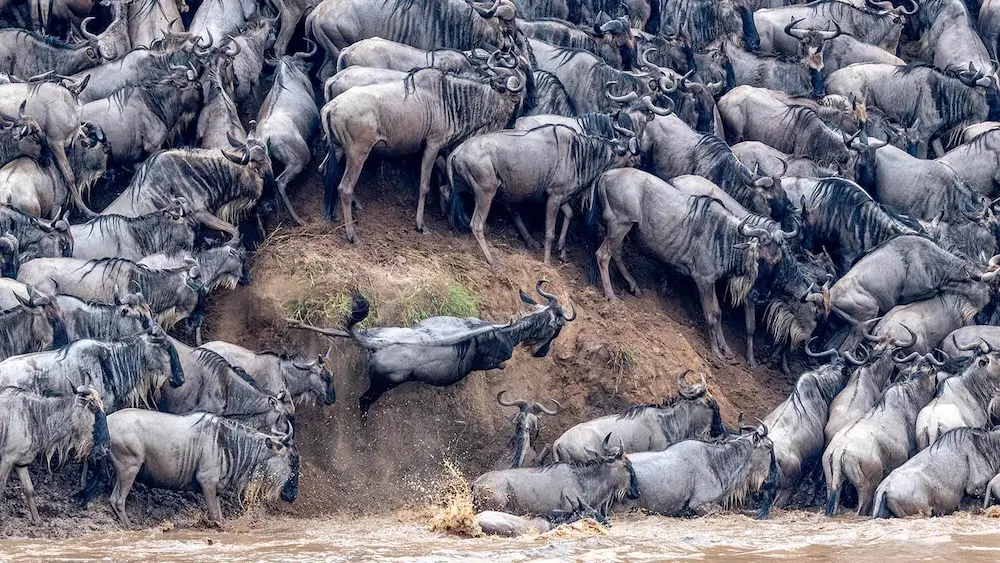
So, if you’ve witnessed the river crossings before or are looking to go on holiday over a quieter travel period during the calving and rutting seasons, we’ve got you covered for all the events that make up the famous Great Migration throughout the year. Get in touch to make your reservation with Asilia.