Wildebeest Migration Calving Season: The Great Migration’s Best Kept Secret
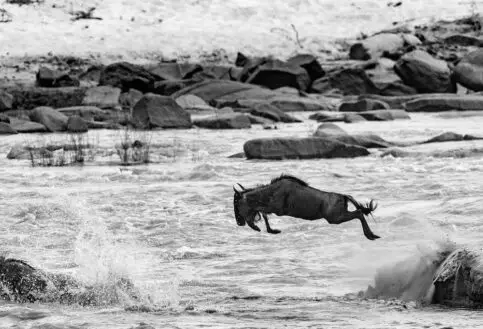
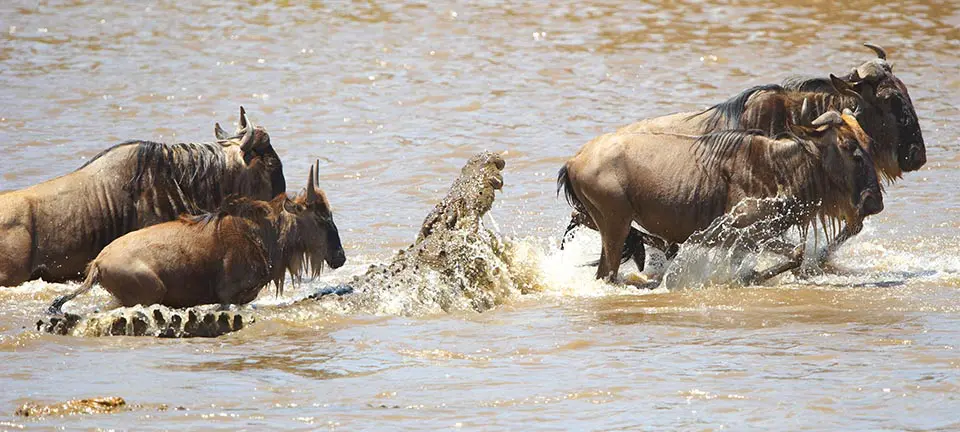
When we think of the Great Wildebeest Migration, we typically imagine vast herds of wildebeest bravely and steadfastly crossing crocodile-infested rivers. While these river crossings are undoubtedly thrilling and awe-inspiring, there is another lesser-known migration season that often goes unnoticed.
What is the Wildebeest Migration Calving Season?
The wildebeest migration calving season of the Great Migration occurs every year between January and February. Although the migration route has remained unchanged for thousands of years, the exact timing of the journey varies based on the seasonal rainfall. Therefore, these months of this fantastic phenomenon should be considered a rough estimate.
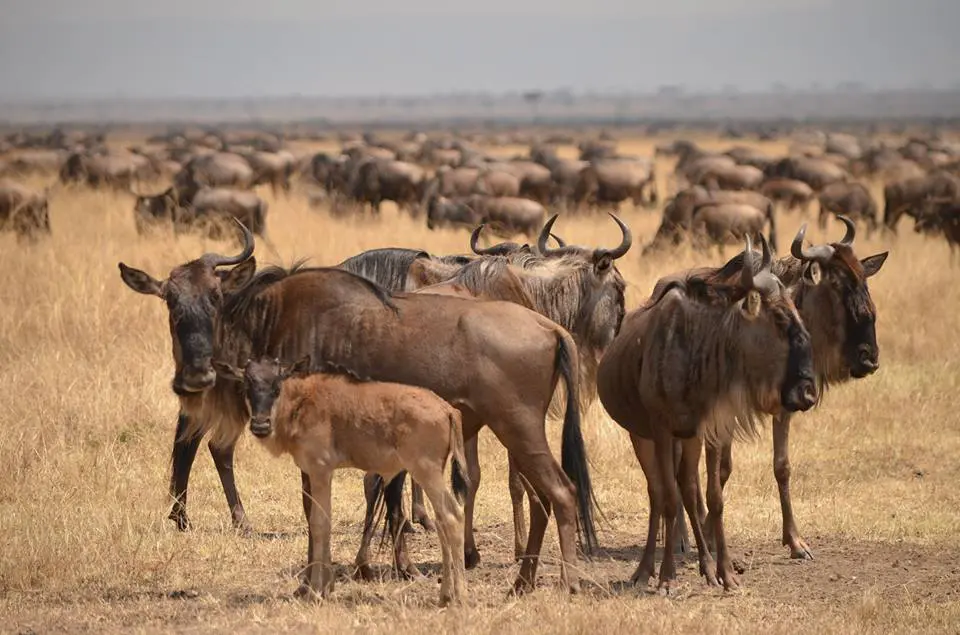
The vast herds usually seek fresh grazing in Tanzania’s southern Serengeti between January and March. The wildebeest make their way as far south as the Ngorongoro Conservation Area, though not quite into the Crater itself. On these verdant southern savannahs, they spread across the lush plains to feast on the fresh grasses that spring up after the rains. With their abundance of nourishment, these plains are also the perfect place for wildebeest to give birth, which they do in their countless thousands.
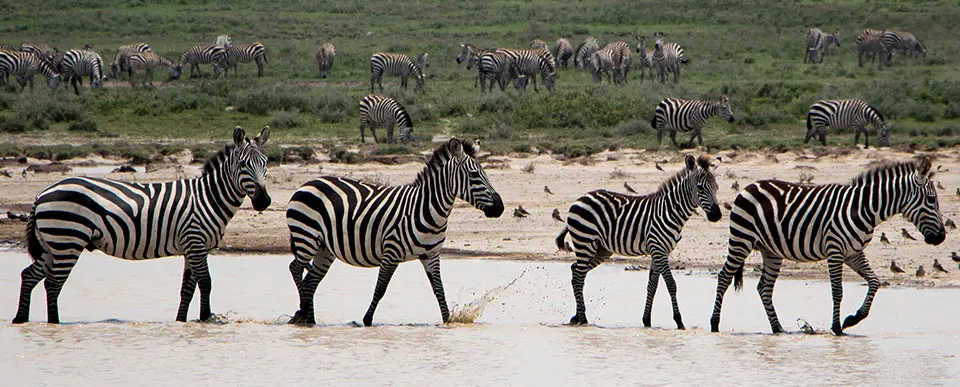
Wildebeest always migrate with the company of herds of zebra and gazelle. These animals play an essential role in the migration by eating the longer grasses that are not as tasty to young wildebeest. After the zebra and gazelle have grazed, the soft and nutritious shoots of grass, which are perfect for young wildebeest calves to nibble on easily, are left exposed.
Where can you see the Wildebeest Calving Season?
It’s no accident that the herds head south to feast and give birth. Driven by instinct, the herds migrate south to feast and breed. The southern Serengeti offers them a bounty of sweet grasses, ideal for nursing young wildebeest in their first weeks of life.
But what makes these grasses so unique? The secret lies in the ancient history of this land, when Ngorongoro and its surroundings were a hotspot of volcanic activity. The ash spewed out from these fiery eruptions was carried by the wind and deposited on the plains near Ndutu, enriching and nourishing the soil. The ash’s magic addition created the perfect ingredients to produce the annual lush and irresistible green carpet for both the adult wildebeest and their calves.
In the vast plains near Ndutu, something remarkable happens – over half a million wildebeests are born within two to three weeks, with as many as 8,000 of them born in a single day. While it is undoubtedly an adorable and tender sight to witness, it is essential to remember that this also means that opportunistic predators are always lurking, looking for a way to make a meal of the vulnerable and weak wildebeest calves. Although these little ones are champions at getting up and running with the herds within minutes of being born, they are still at risk of being preyed upon. These situations are a photographer’s dream, making this time of year incredibly special.
Unsurprisingly, the number of predators in the area increases when newly born wildebeest stumble around on their wobbly legs. However, it’s important to note that an easy meal is only sometimes guaranteed.
These wildebeest mothers have been using this route for years and are familiar with predators’ tactics. They have an instinct to give birth on the shorter grass plains, where they can easily spot approaching predators. Other mothers join them there and create a barrier around the newborns, protecting the most vulnerable members of the herd and increasing their chances of survival.
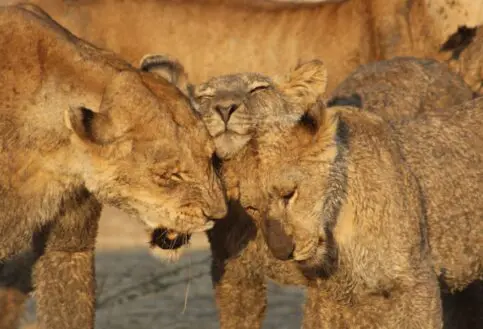
Older and more experienced predators can be seen during the wildebeest calving season. These predators have coordinated their birthing times to coincide with the arrival of the wildebeest calves so that their offspring have a greater chance of survival. Thousands of baby wildebeest make it easier for female lion, cheetah, or leopard to hunt for their hungry cubs and teach them how to hunt for themselves. By practicing their tackling tactics on young calves, cubs learn valuable hunting lessons vital for their future success.

Why Should You Choose a Wildebeest Calving Season Safari?
A safari during the wildebeest migration calving season is an excellent opportunity to witness the spectacular sight of wildebeest, their adorable wobbly-legged newborns, and many big cats on the hunt. The endless Serengeti savannah plains, dotted with grazing wildebeest as far as the eye can see, provide the perfect backdrop for capturing dramatic action and unforgettable moments with your camera.

Where to Stay in the Serengeti to Witness the Wildebeest Calving Season
A Wildebeest migration calving season safari is best enjoyed from our tented mobile camps, which move twice a year to ensure they are as close as possible to where the action is.
Ubuntu Migration Camp:
Ubuntu Migration Camp is a classic tented camp follows the colossal herds of wildebeest as they journey around the Serengeti. From the dramatic river crossings in the north to the fertile grasslands in the south where the wildebeest give birth, we set up our comfortable camp nearby to ensure you’re always close to the action.

Olakira Migration Camp:
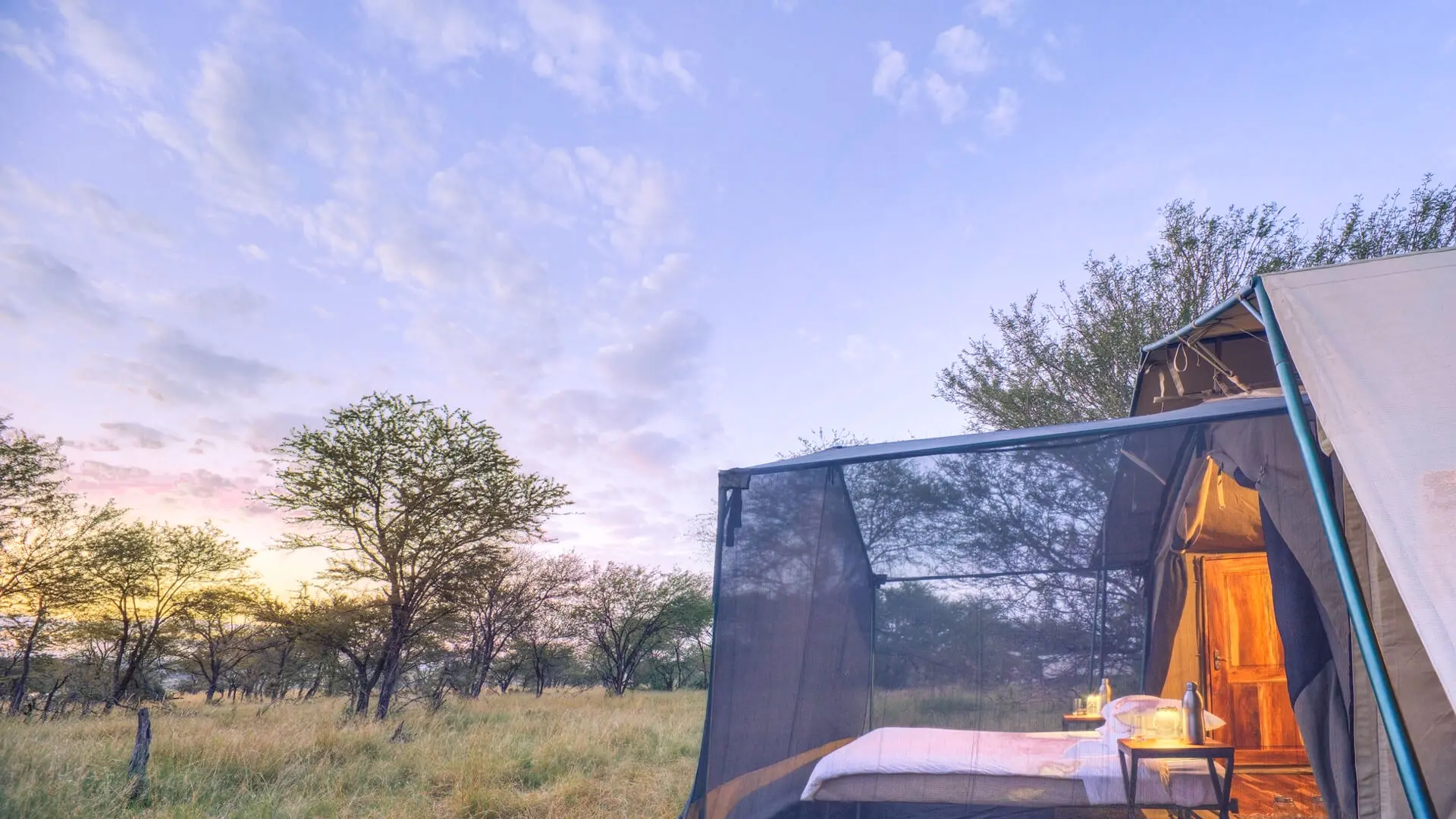
Olakira Migration Camp follows the migration throughout the year, offering the closest possible view of the action. The canvas tents are designed to blend into the bush without leaving a trace, though that doesn’t mean we scrimp on comforts. This camp boasts wooden floors, hot running water in the en suite bathrooms, and the option of a stargazing bed from within the comfort of your own tent.
Learn everything you need to know about planning the ultimate Great Migration Safari in our eBook guide. Inside the guide you’ll find: a month-by-month summary; a detailed map of how the migration moves; a selection of the best places to stay on safari; and expert tips for an unforgettable safari. Download the Guide >>
Our safari experts and in-camp teams are standing by to bring you the trip of a lifetime. Simply get in touch with us at any time and we’ll be glad to assist you.