A typical day on safari in Africa
An African safari is an extraordinary opportunity to explore the untamed wilderness and witness iconic wildlife species in their natural habitat. Whether you choose to experience the magnificent Wildebeest Migration, a Big 5 safari in Kenya and Tanzania, or a soul-stirring gorilla trekking adventure in Uganda, you’ll soon realise that time in Africa moves at its own pace. While no two days on safari are ever exactly the same, there’s a general rhythm to a typical safari day when you go on safari.
Discover a safari in Tanzania or choose a Kenya safari to see the rich wildlife and stunning landscapes of these countries.
Early morning: the Dawn of Adventure
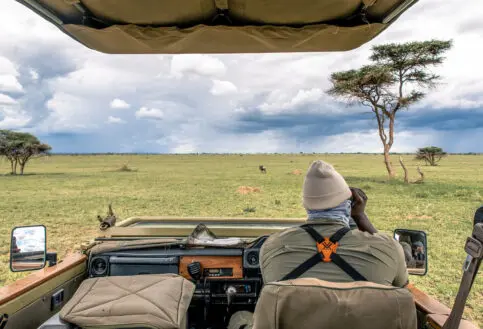
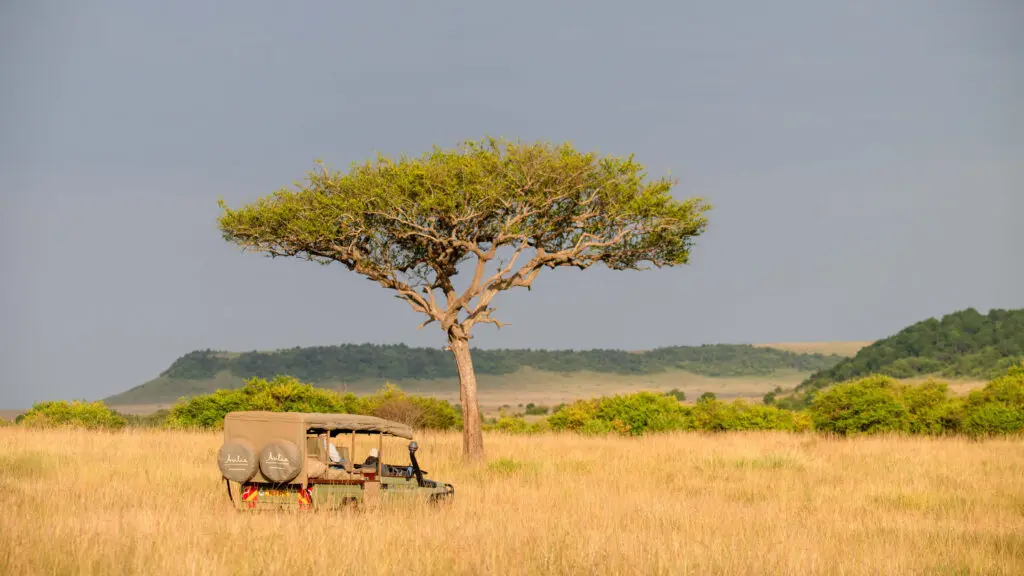
They say the early bird catches the worm, but when you’re on safari, being an early bird gets you some pretty memorable wildlife sightings. A typical day on safari in Africa will start before dawn with a cup of coffee or tea delivered to your room before you head out on your first safari game drive – after all, what is a safari without game-viewing activities? As the sun rises over the savanna and the crisp air slowly warms, you’ll catch the nocturnal species returning after a night of hunting, while the day-timers are wasting no time to go about their day before it gets too hot.
Once the sun is up, you’ll stop along your drive at a scenic spot for a breakfast of pastries, cereal, and other snacks, with juice and coffee, before continuing your wildlife viewing.
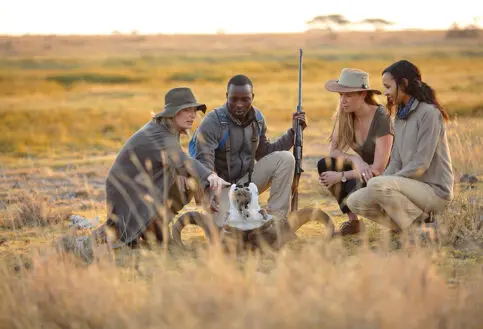
Cool mornings are also the best time to enjoy wildlife sightings on foot. Walking safaris are not offered at all camps and lodges, but if you have the opportunity to skip the game drive and set off on foot instead, we highly recommend it. It’s an immersive experience that engages all your senses and shows you the African bush in fine detail.

Mid-day: Relax and Refuel
The middle of the day is typically the hottest part – for the animals and those who seek them out. So, while the animals look for a shady spot where they can get out of the heat, you’ll head back to your safari camp for a siesta, a swim, or time to read and relax.
A light lunch featuring delicious fresh salads is usually served outdoors to fuel you up for the afternoon’s activities. When you go on safari, one of the things that surprises first-timers the most is how much you eat and how such delicious cuisine is created in the middle of the bush.

Late afternoon: The Golden Hour Game Drive
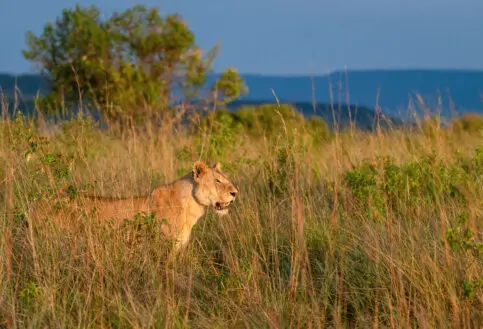
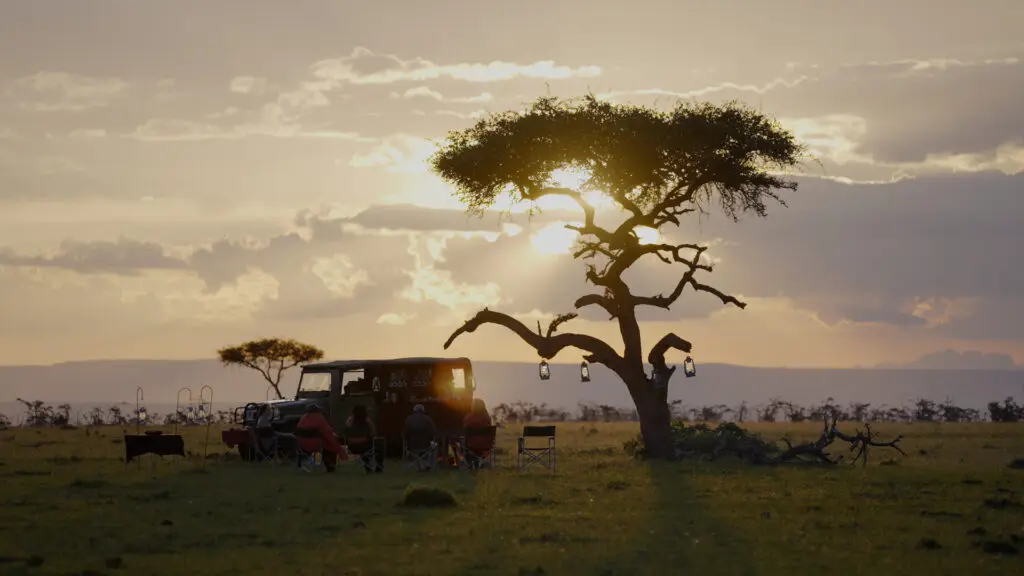
Afternoon tea with delicious baked goodies is served at around 15:30 before you head out on another drive. The animals are active again as the heat abates, and you’re likely to see predators emerging from their rest to prepare for the evening’s hunt. Photographers can get some incredible shots as the sky is painted in orange, pink and gold hues.
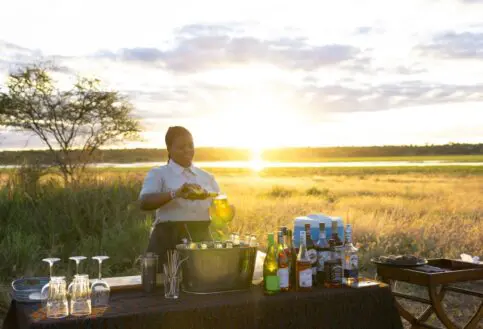
This golden hour is best appreciated with a refreshing beverage. Your guide will find a scenic spot where you can stop to soak up the sunset and enjoy some nibbles and a drink.
Some camps also offer the opportunity to continue your safari at night to see some of the more nocturnal species, like hyenas, civets, and even lions, as they begin their night’s hunting.
Evening: Beneath the Stars
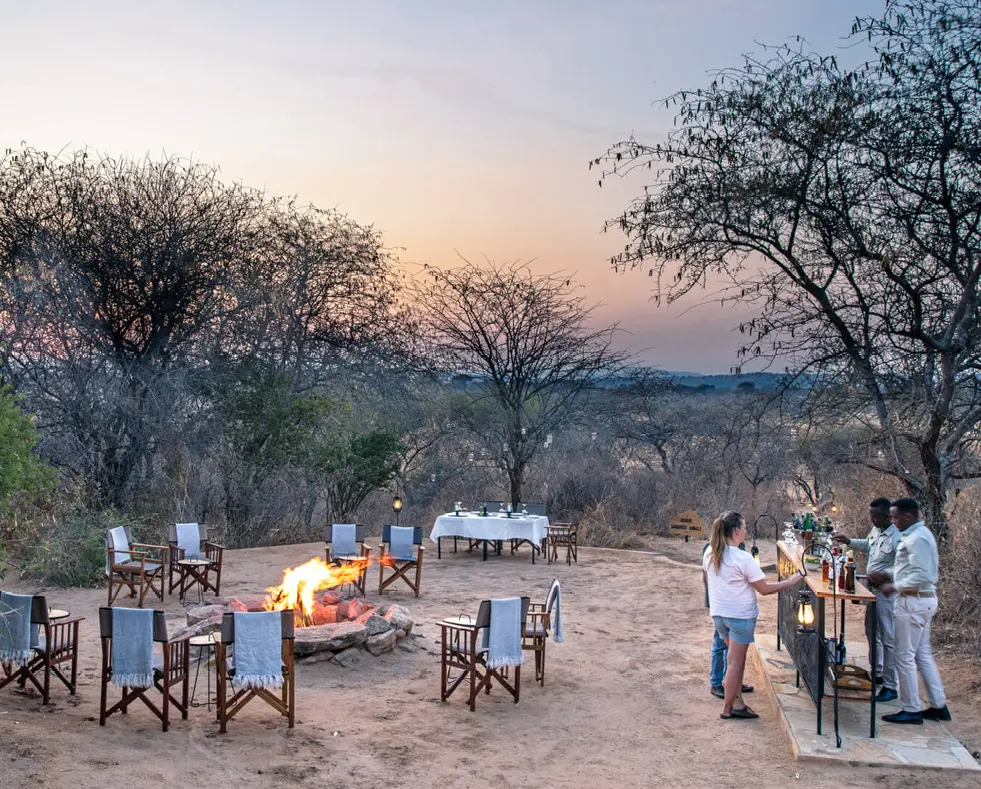
Freshen up before gathering at the campfire to swap stories of the day’s events and enjoy a drink, before sitting down to a delectable dinner beneath a star-studded African night sky. With no other sources of light around for miles, the sky above you is nothing short of breathtaking.
Planning your first safari
If you’re planning your first safari, having all the facts is key, so you can make an informed decision on whether you’re heading to Kenya, Tanzania, Uganda, or a combination of these. For an unforgettable first safari, consider making yours an All Asilia safari — book seven or more consecutive nights at Asilia camps, and we’ll cover the costs of all your inter-camp transfers.
Our top recommendations for a first-time safari include Naboisho Camp in Kenya’s Masai Mara and Namiri Plains in Tanzania’s Serengeti. These camps provide exceptional wildlife viewing opportunities and world-class hospitality, ensuring a comfortable and enriching safari experience.
Let Asilia guide you through every step for your first safari, ensuring a safe and memorable journey. We specialise in only East Africa, and our experienced teams are on hand to assist you at every stage of your journey. Alternatively, explore our Untamed Edition small group safari tour for those wanting the adventure without all the decisions that come with planning a safari.

FAQs
What does a safari look like?
A day on safari typically includes a morning and late afternoon game viewing activity, usually a game drive, but this could also be a walking safari, focusing on spotting wildlife. Between these activities, you have downtime at the camp or lodge, where you can relax and enjoy the natural surroundings.
What do you do on safari?
When you go on a safari, you’ll enjoy game drives, guided walks and, depending on your location, night drives to see the wildlife in its natural environment. You can also include cultural visits or simply relax between activities at your camp or lodge.
Is a safari safe?
A safari is very safe when conducted by experienced guides and operators like Asilia. Always follow your guide’s guidelines to ensure your safety.
How many game drives does a typical day on safari include?
A typical day on safari in Africa includes two game drives: one in the early morning and one in the late afternoon. Consider hiring a private vehicle, which allows greater flexibility and the option of full-day game drives.
How many days do you need for a safari in Africa?
For an ideal safari experience, plan for two to three nights at each camp and try to include at least two camps. This allows you enough time to fully experience the wildlife and region around each camp.
How many hours is a game drive?
Depending on your location and the wildlife’s activity, morning game drives are usually longer (4-5 hours), while afternoon drives are usually 2-3 hours.
How much does it cost to go on safari?
The cost of a safari can vary according to destination, level of accommodation, length of stay and season. How Much does a safari cost?
Ready to experience Africa’s wild side?
Check out more safari FAQs to prepare for your adventure, or contact our team today to begin planning your African safari.