Kibale National Park
Situated in western Uganda’s vibrant heartland, Kibale National Park (formally known as Kibale Forest National Park) is a showcase of biodiversity. Located approximately 320 kilometres west of Kampala, and spanning nearly 800 square kilometres, this lush sanctuary represents one of the most accessible tropical forests in East Africa. The park’s landscape breathes with life, a dense green canopy thick with layers of leaves where sunlight filters through in fractured golden streams, and the air hangs thick with primate calls and bird song.
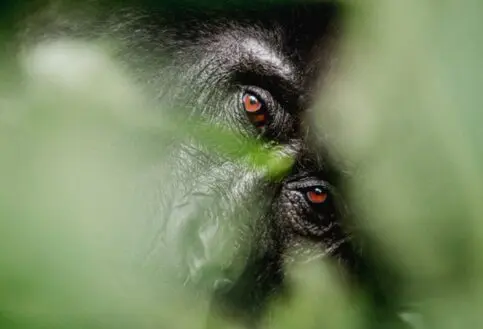
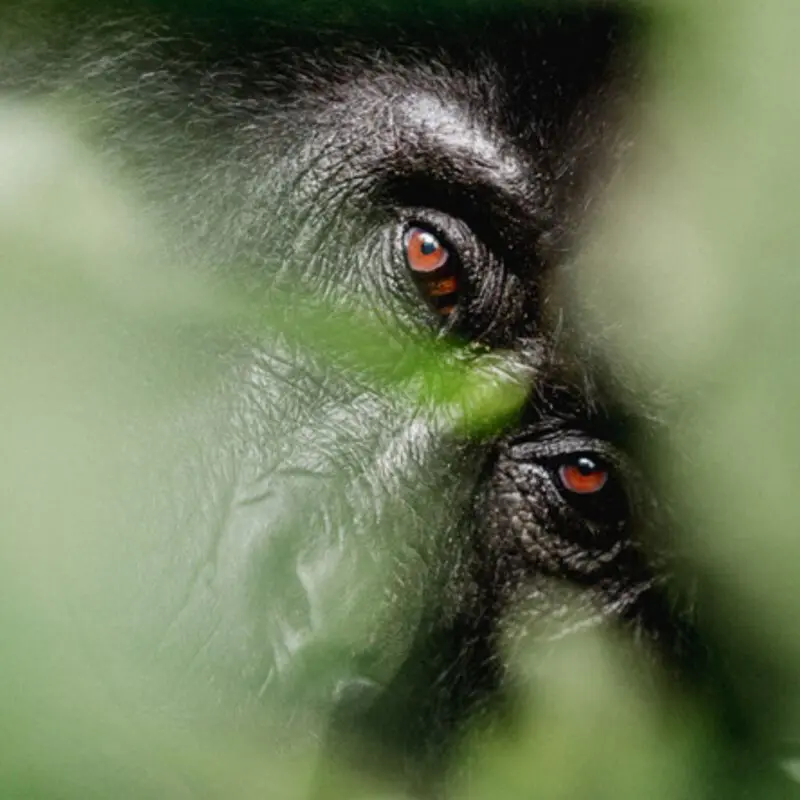
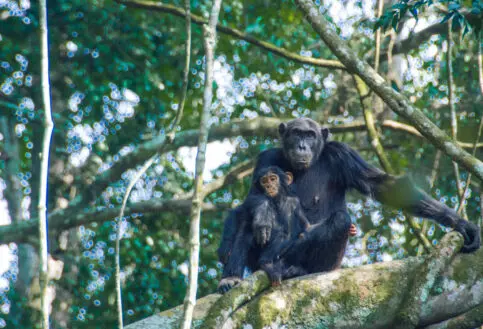
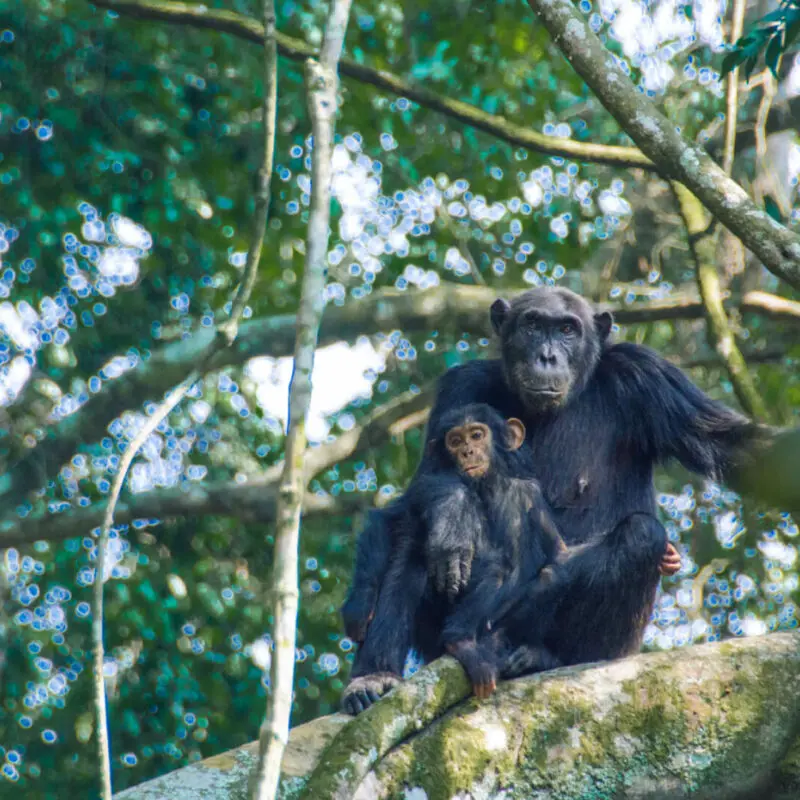
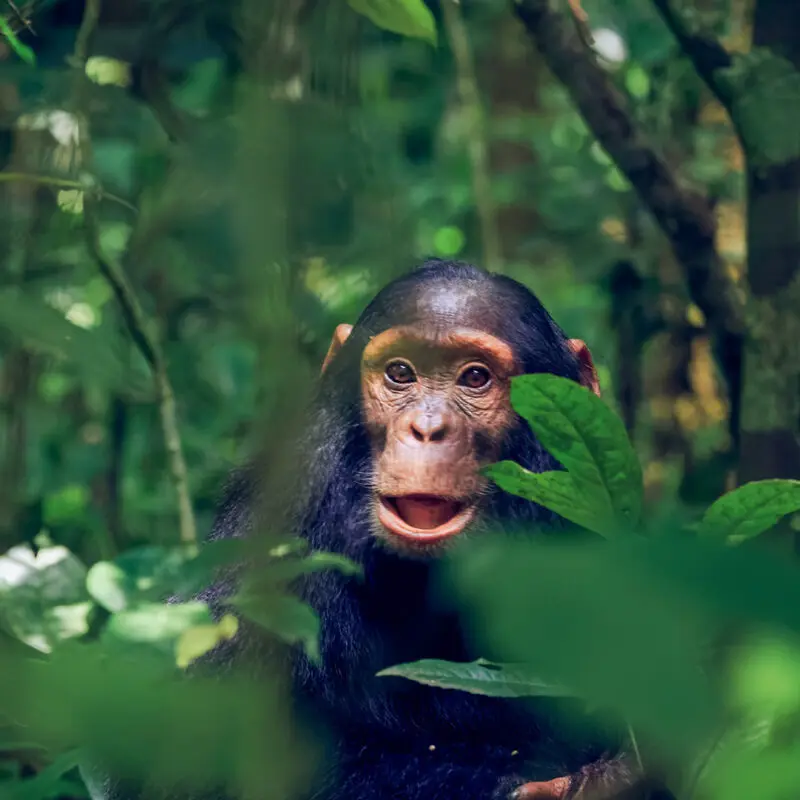
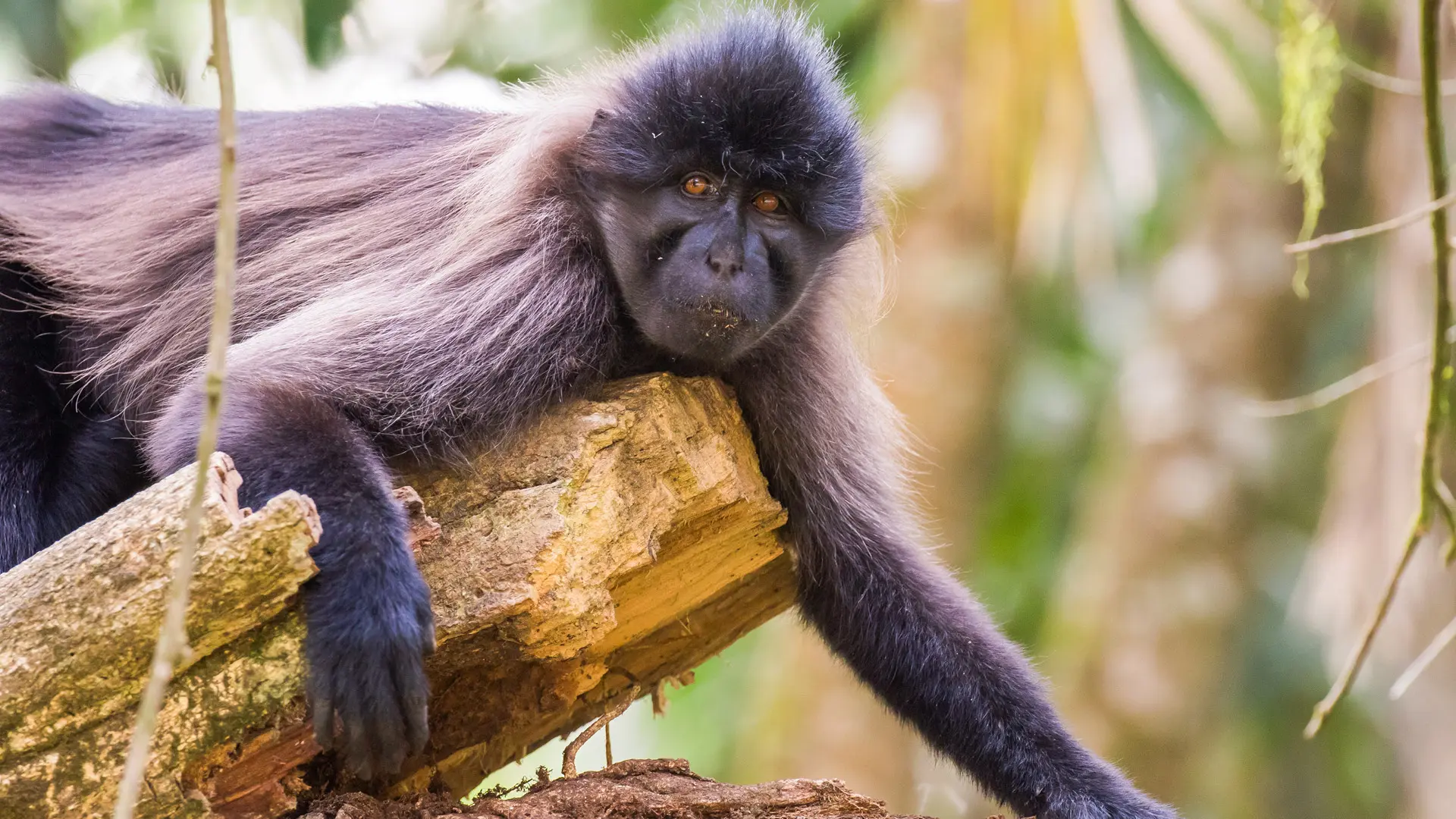
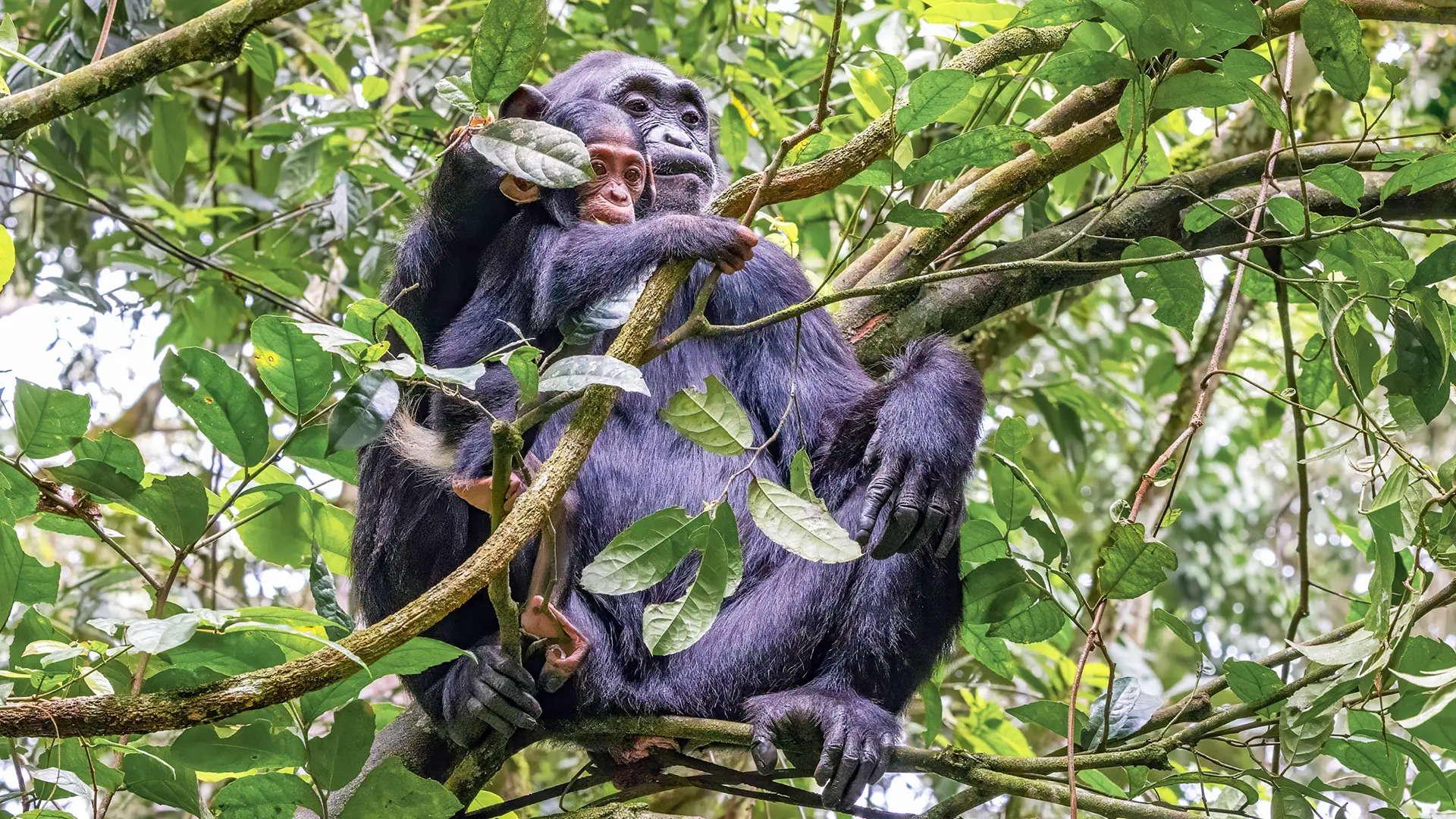
Known as the “Primate Capital of the World,” Kibale is famous for its extraordinary inhabitants. Thirteen species of primate live here, including the red colobus monkey, olive baboon, and the star of the show, the chimpanzee. Encountering a troop of wild chimps is a thrilling experience. Their calls, hoots, screams, and barks pierce the air, and in a sudden rush, they appear through the undergrowth, swinging nimbly through the trees or foraging on the ground. The sight is unforgettable and offers a rare glimpse into the lives of our closest animal relatives. These intelligent creatures move through the forest with fluid grace, their complex social structures and human-like interactions captivating researchers and visitors.
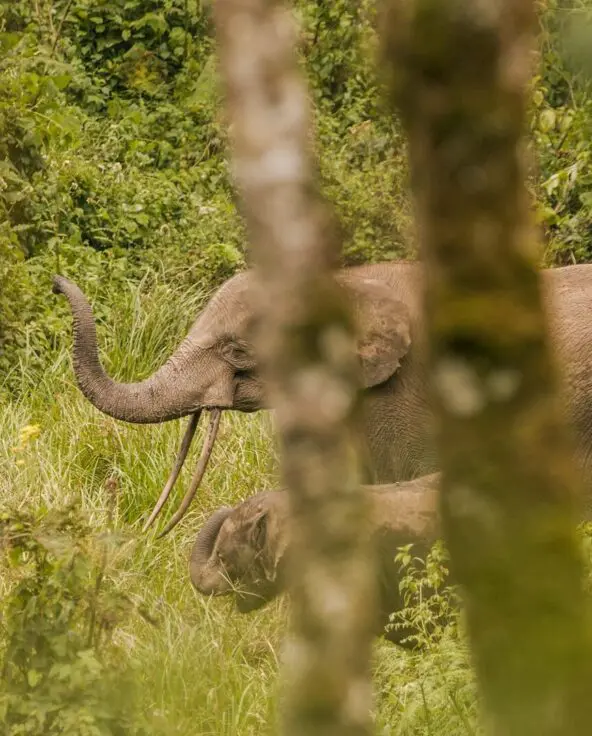
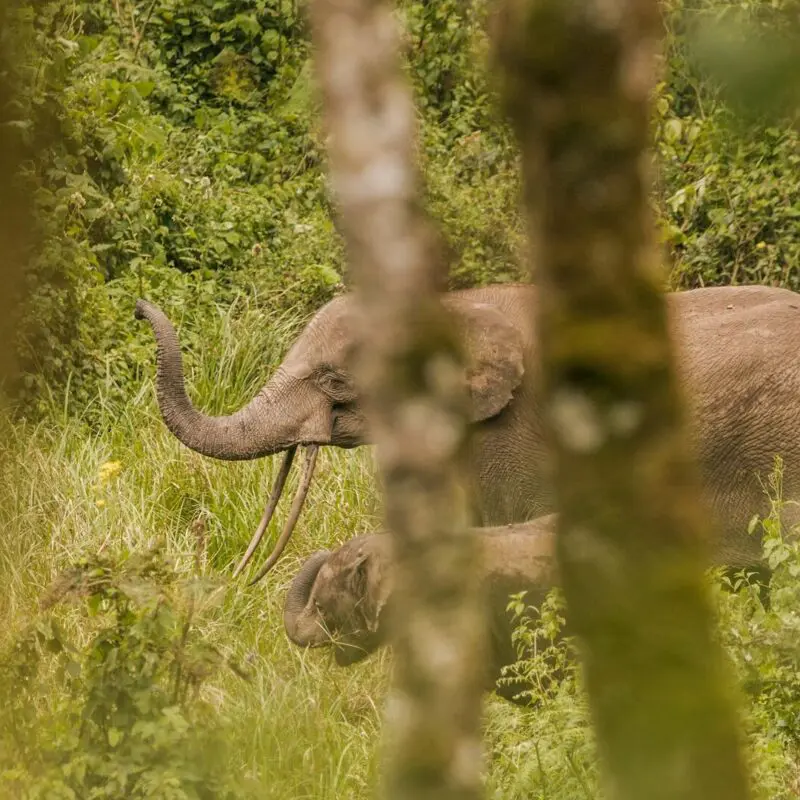
Beyond primates, the park hosts an astonishing array of wildlife, from forest elephant moving silently between ancient trees to vibrant bird species that dart between branches like living jewels.
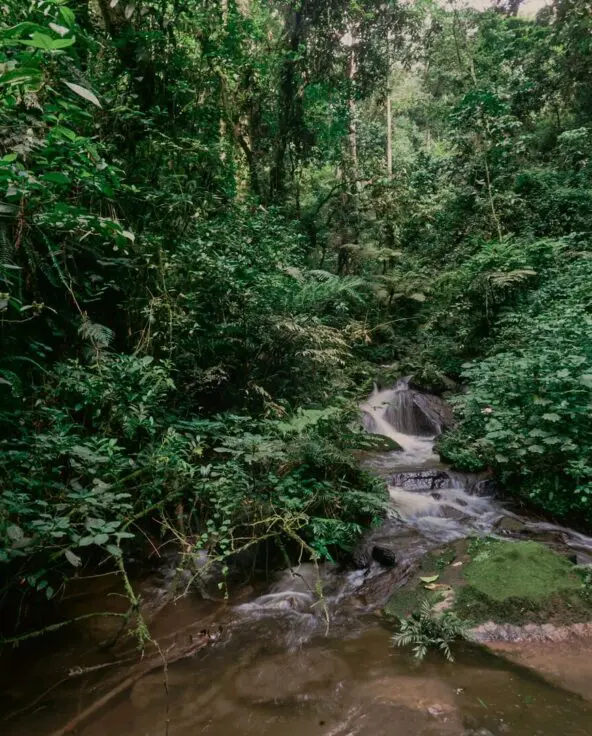
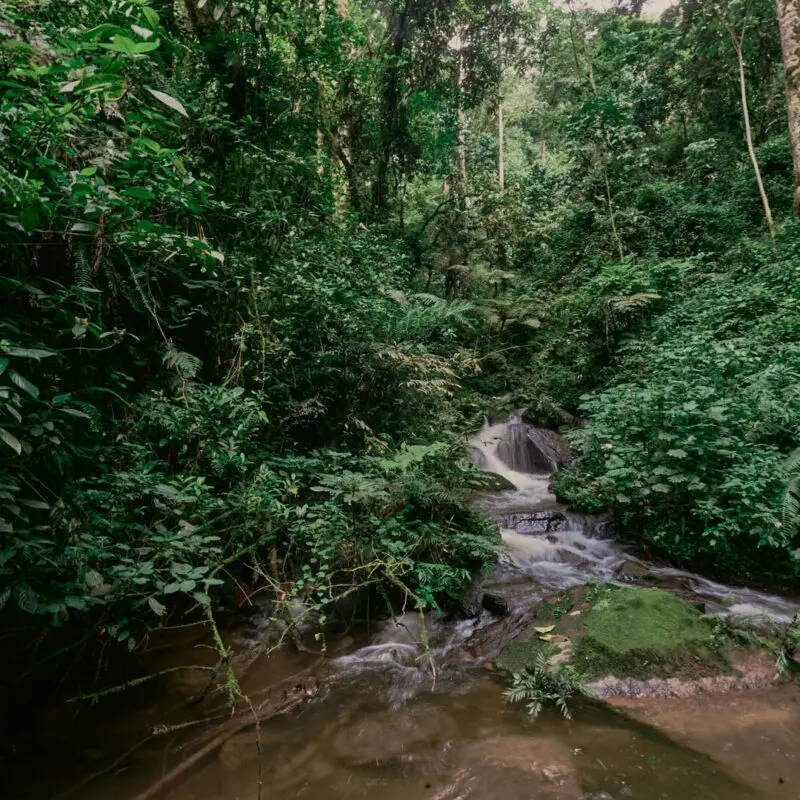
The forest itself tells a story of ecological complexity. Tall, buttressed trees create natural cathedrals, their roots intertwining with the forest floor. Moss-covered logs, damp earth rich with decomposition, and the constant background hum of insects create a sensory landscape that feels primordial and untouched. Trails weave through this dense wilderness, revealing hidden streams and shimmering swamps, where every step brings the promise of an unexpected encounter. Kibale is a place of raw, tangible nature that draws you in with its energy and surprises.
Reasons to visit Kibale National Park in Uganda
1. Chimpanzee Trekking
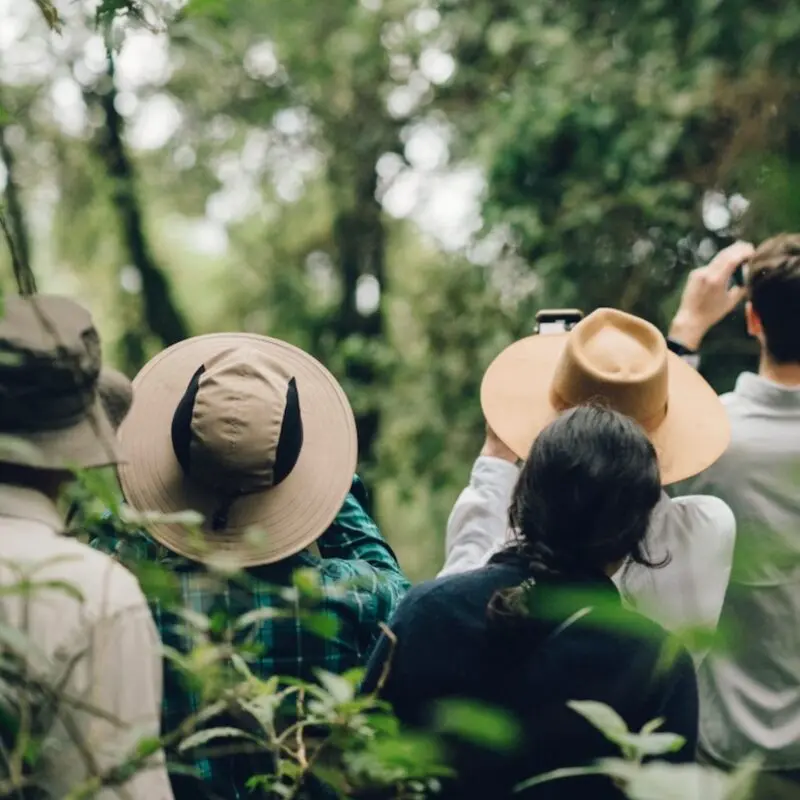
Kibale’s main draw is chimpanzee trekking, a guided walk through the dense forest in search of wild chimpanzee families. The park is known for its habituated chimps, who are accustomed to human presence, allowing visitors to observe their behaviour up close. You’ll follow experienced guides through winding trails, ducking under low-hanging vines as you search for the chimpanzees. These treks typically last 2-3 hours, bringing you within metres of these remarkable primates. Watch as they groom each other, play, hunt, and interact, glimpsing behaviours remarkably similar to human social dynamics. The experience provides not just a wildlife encounter, but a profound connection to one of our closest animal relatives.
2. Chimpanzee Habituation
Different from trekking, the habituation experience involves spending an entire day with a chimpanzee community. The goal is to acclimate the chimps to human presence. You start early, moving with the chimps from their sleeping nests to their feeding grounds. Unlike trekking, this is an all-day immersion, where you witness the full cycle of their daily life, from foraging to social displays. It’s a rawer, less predictable experience that’s all about patience and observation. You’ll see first-hand how researchers carefully document interactions, track individual chimps, and slowly build trust with these complex communities.
3. Bird Watching
Kibale is home to over 370 bird species, making it a paradise for enthusiasts looking for bird watching safaris. The forest canopy becomes a living canvas of colour and movement. Rare species like the African pitta, green-breasted pitta, and various hornbills create a dynamic aerial performance. Birdwatching trails wind through varied habitats, from wetland edges to the towering rainforest canopy. Early morning is the best time to go when the forest is alive with song, a soundscape of twittering, whistling, and cawing, creating a symphonic landscape that transforms the forest.
4. Forest Night Walk
As darkness falls, Kibale transforms. Night walks reveal a hidden world of nocturnal creatures such as bush babies with enormous eyes, various chameleon species blending into branches, and fascinating insects that emerge under cover of darkness. Guided by careful torchlight, you’ll experience the forest’s mysterious alternate self, where sounds become more pronounced and wildlife interactions take on an entirely different character.
5. Swamp Walk through Bigodi Wetland Sanctuary
Adjacent to the national park, the Bigodi Wetland Sanctuary is a community-run project known for its rich biodiversity. A guided swamp walk takes you along wooden boardwalks, through a tangle of papyrus reeds, palms, and orchids. It’s a quieter, slower-paced experience than walking through the forest, perfect for spotting birds like the great blue turaco. The walk is also a chance to learn about traditional herbal plants and how the local community manages this vital ecosystem.

Kibale National Park Accommodation
Accommodation around Kibale offers something for every preference on a Uganda safari, from rustic campsites to high-end lodges hidden within the forest. Eco-lodges are popular, built from sustainable materials with thatched roofs that blend seamlessly into the surroundings. These often include open dining areas where guests can listen to the night sounds of the forest as they eat. Tented camps provide a close-to-nature experience, with canvas tents set up on wooden platforms.
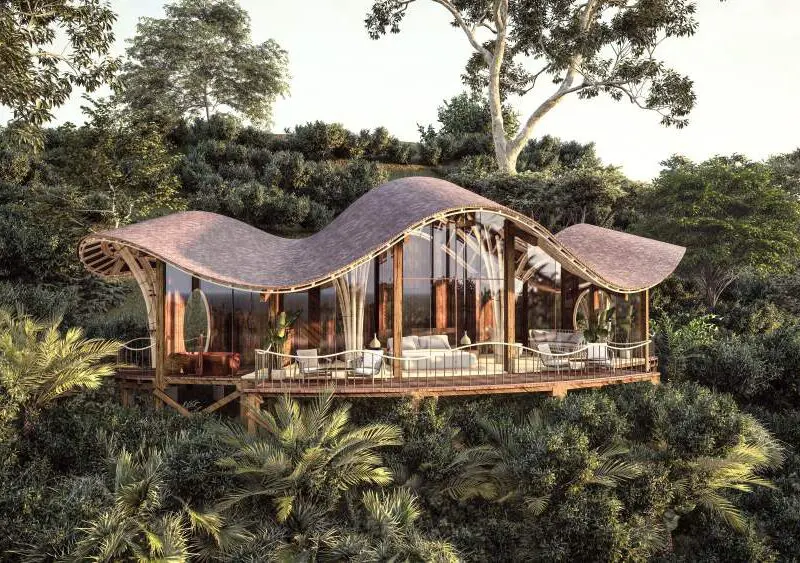
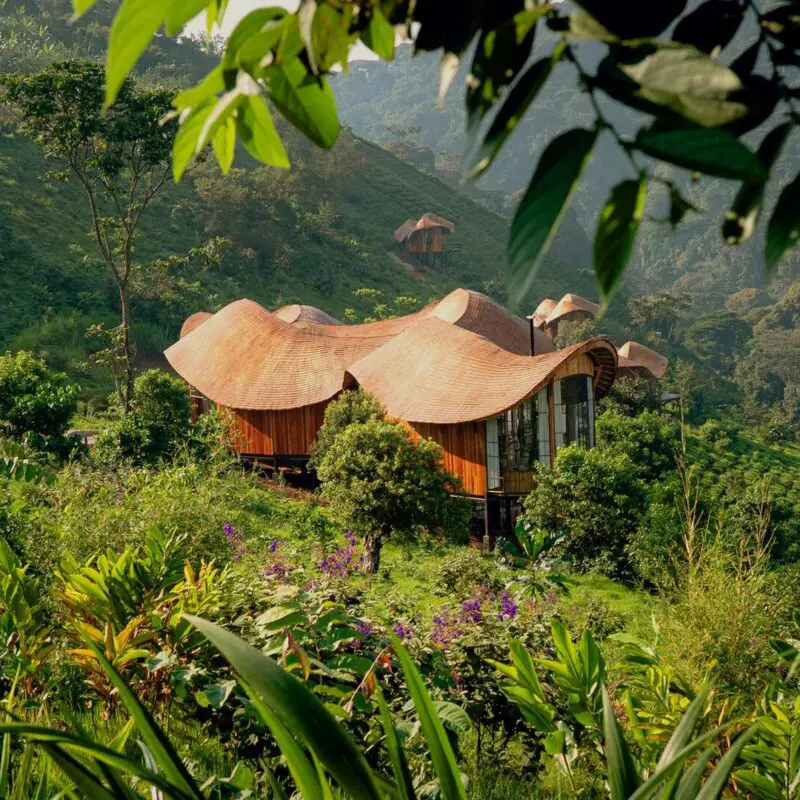
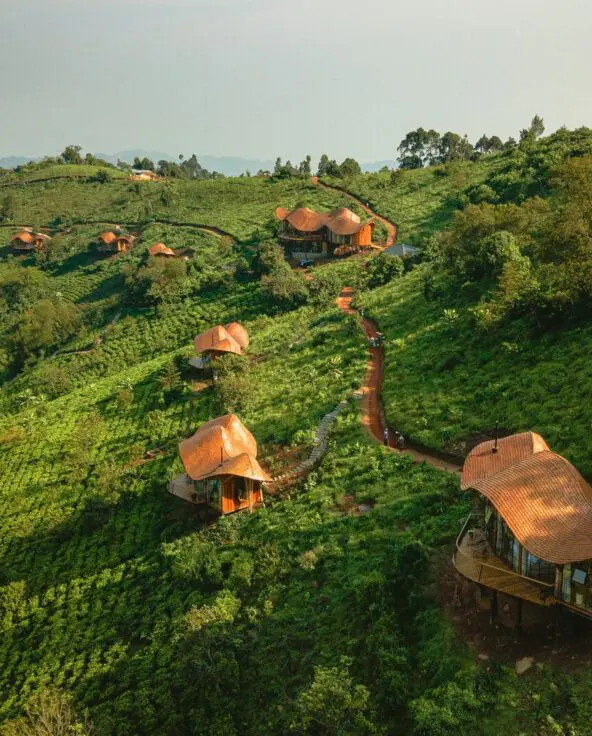
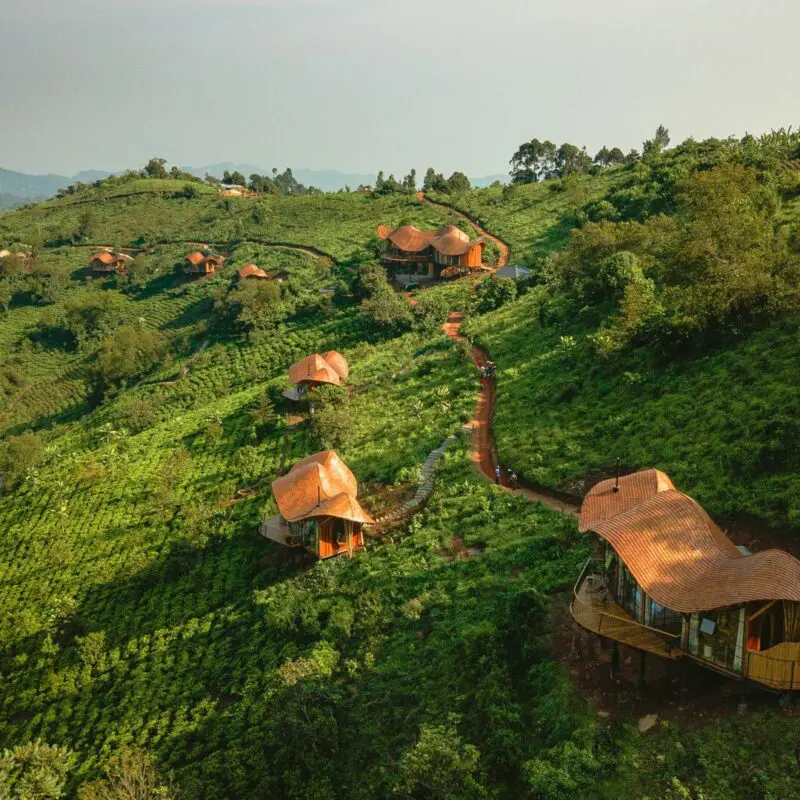
Our brand new and very first Asilia lodge in Uganda, Erebero Hills, opens for travel in 2026 and will provide the ideal haven from which to venture into the Bwindi Impenetrable Forest. If however you will be travelling to Uganda during 2025 our travel consultants can help you build a stay at one of our preferred partner properties into your itinerary.
Asilia Safari Camps in Uganda
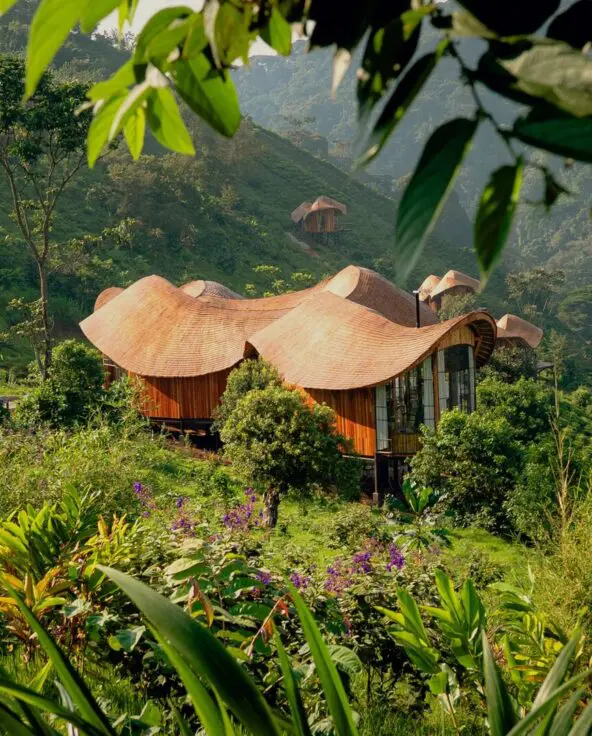
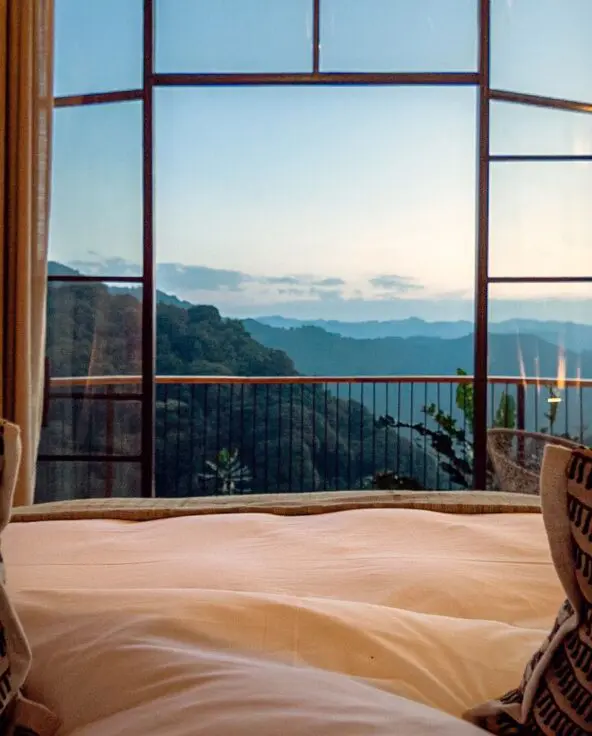
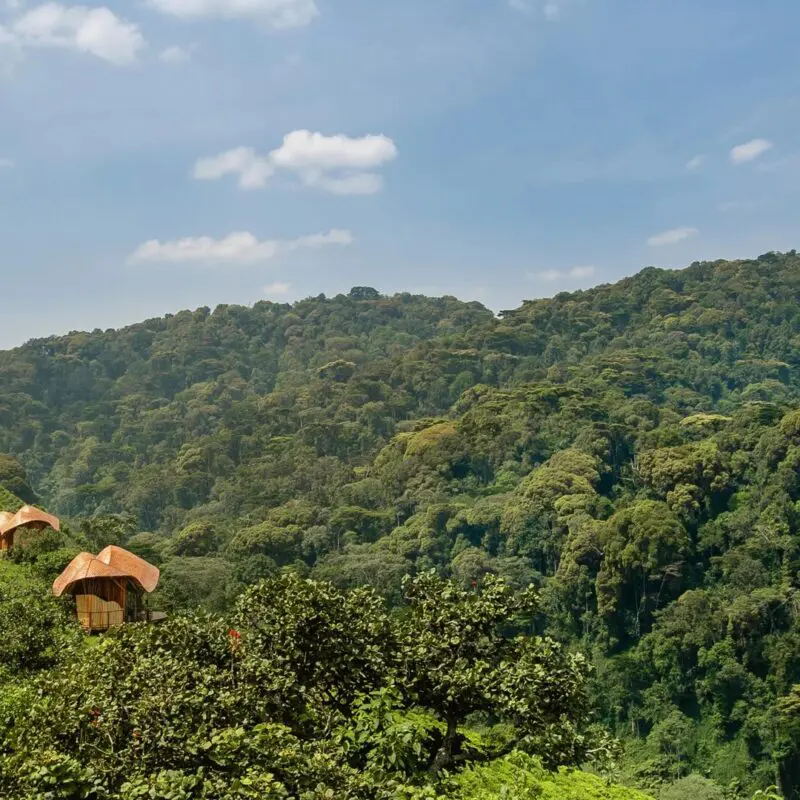
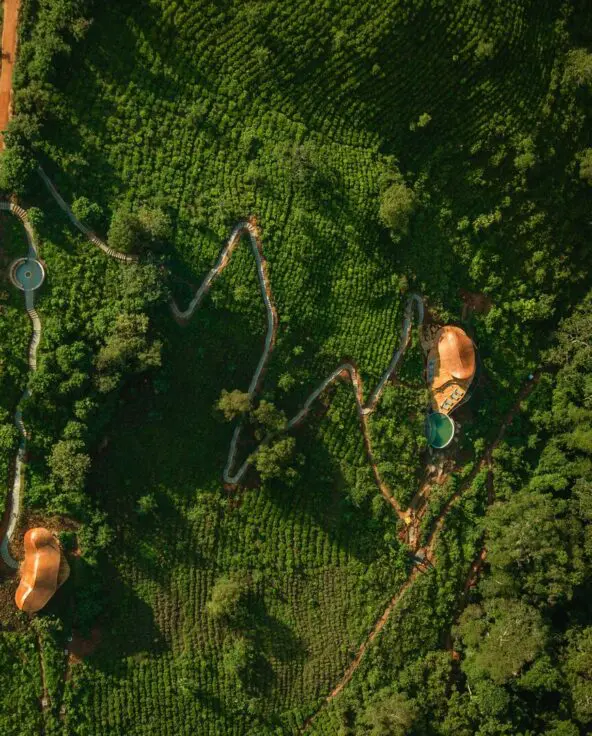
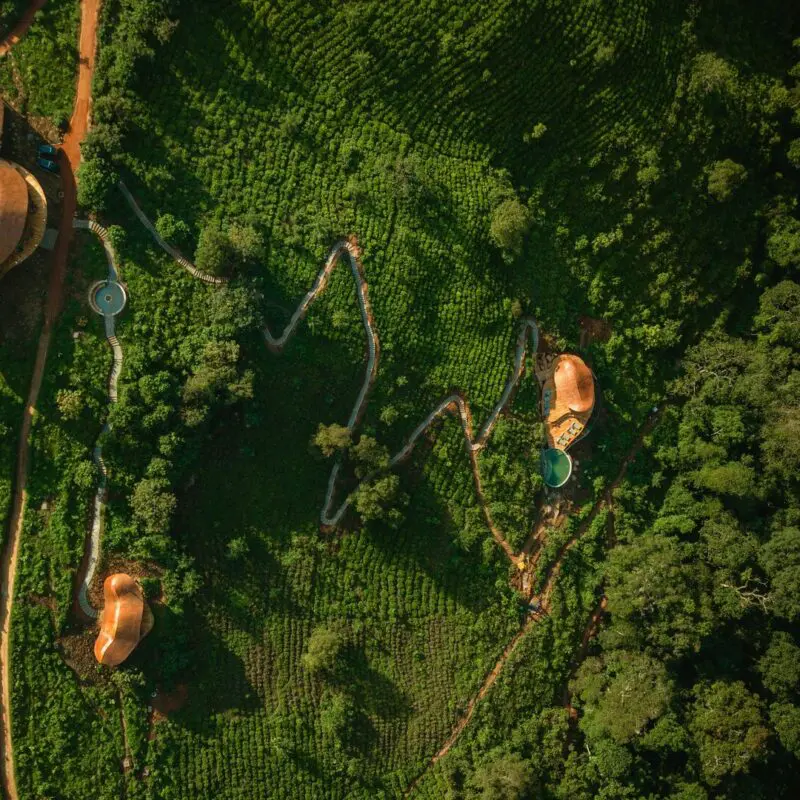
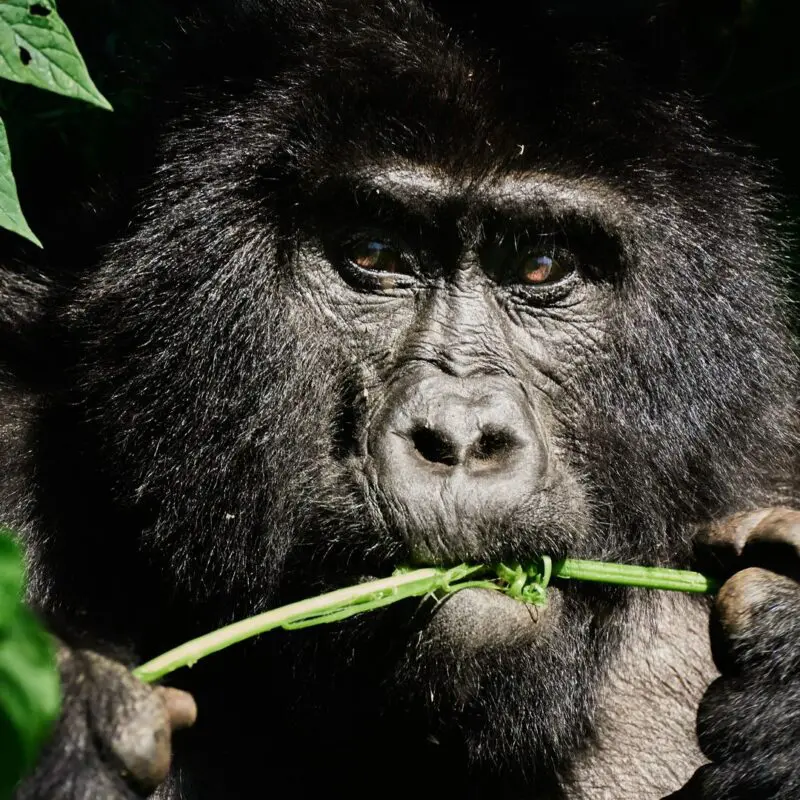
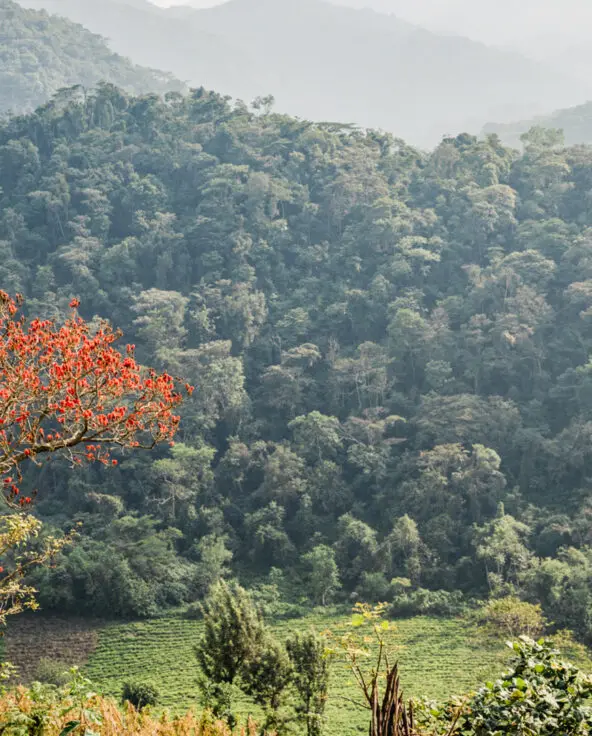
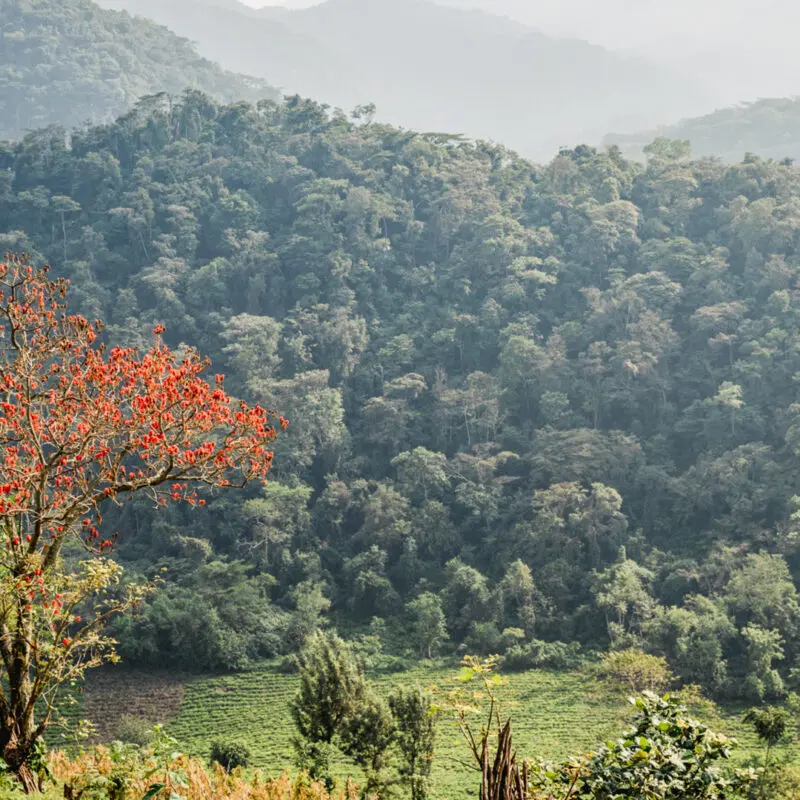
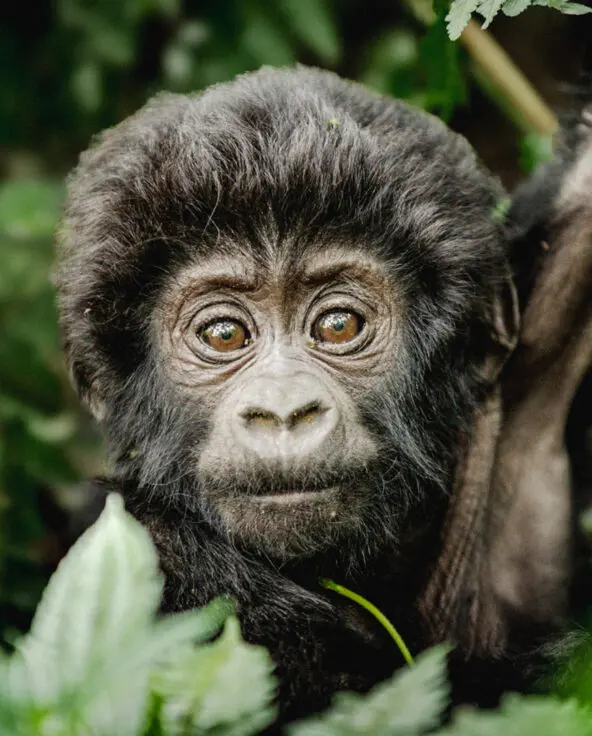
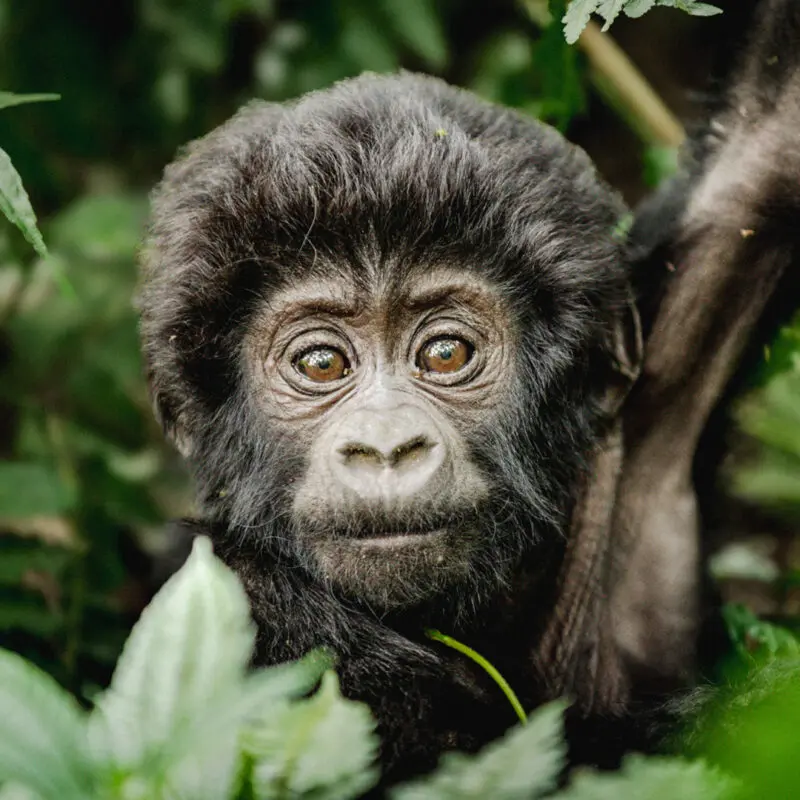
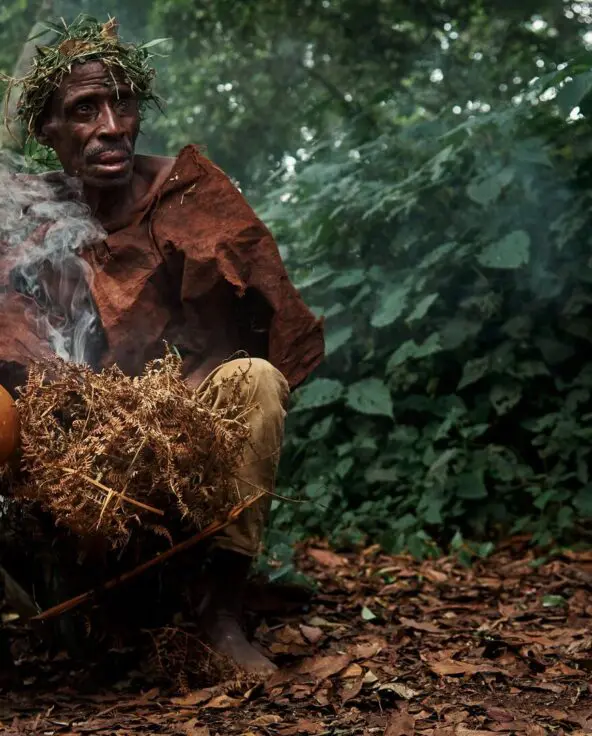
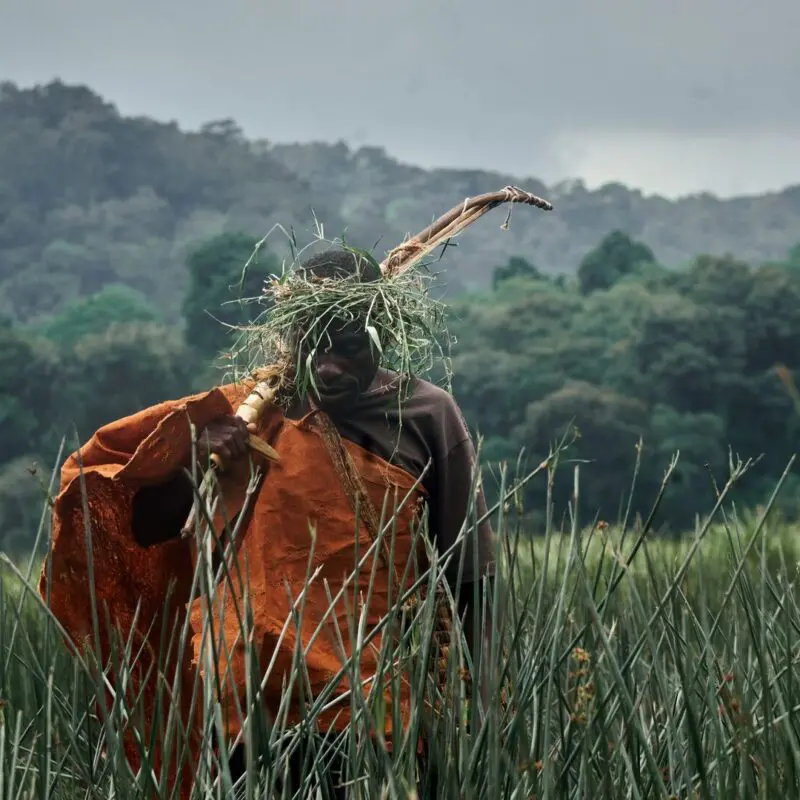
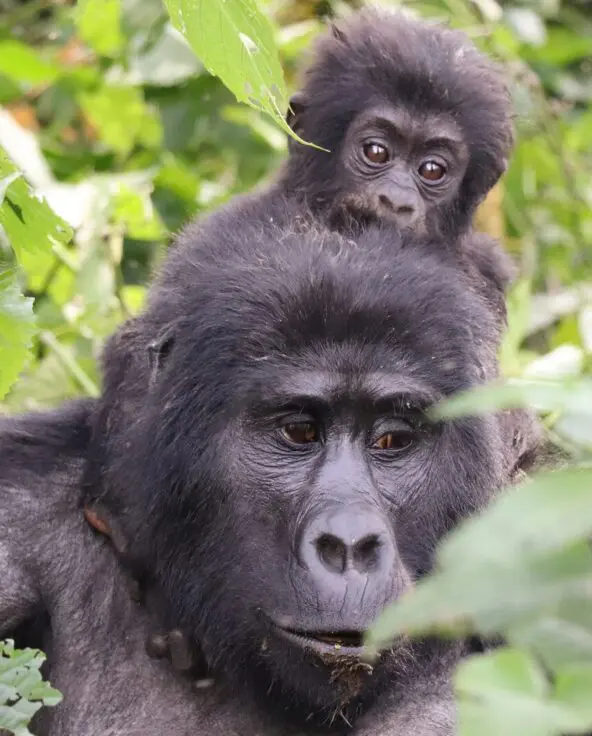
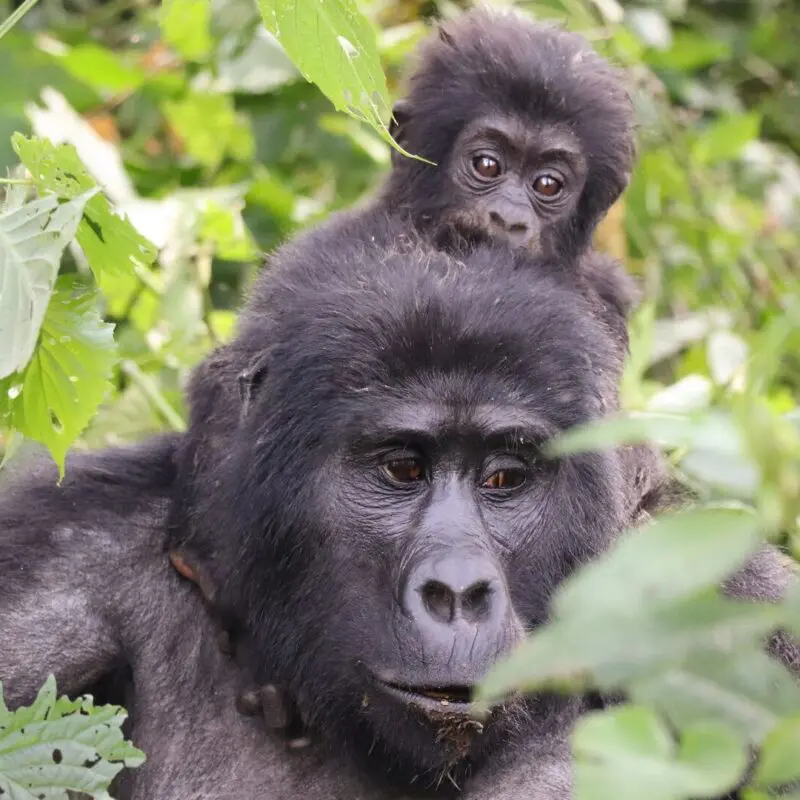
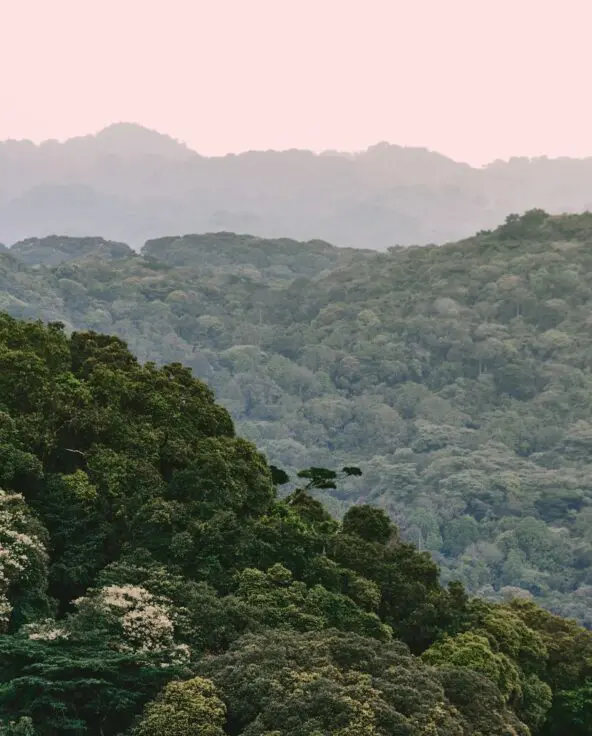
Our first lodge in Uganda will open for travel in 2026. Designed to blend in with the natural landscape, Erebero Hills will bring you closer to the Bwindi Impenetrable Forest - home to over half of the world’s mountain gorilla population.










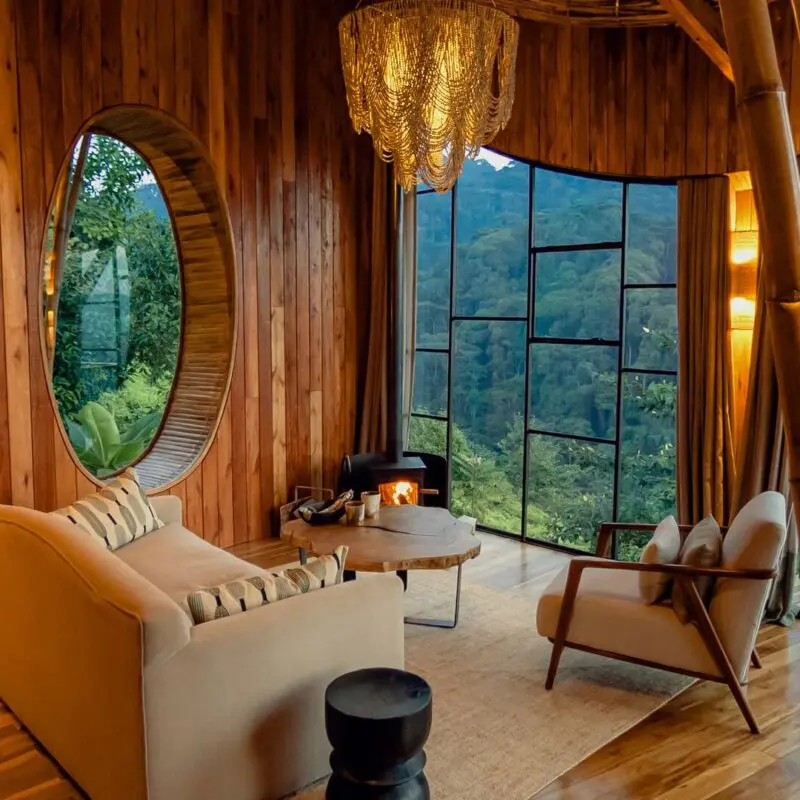

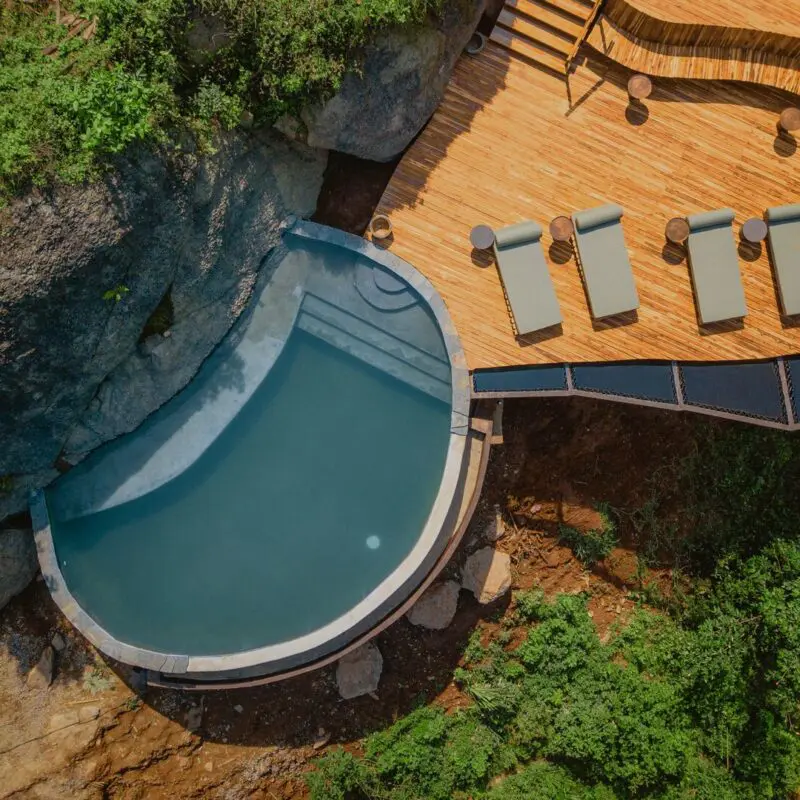
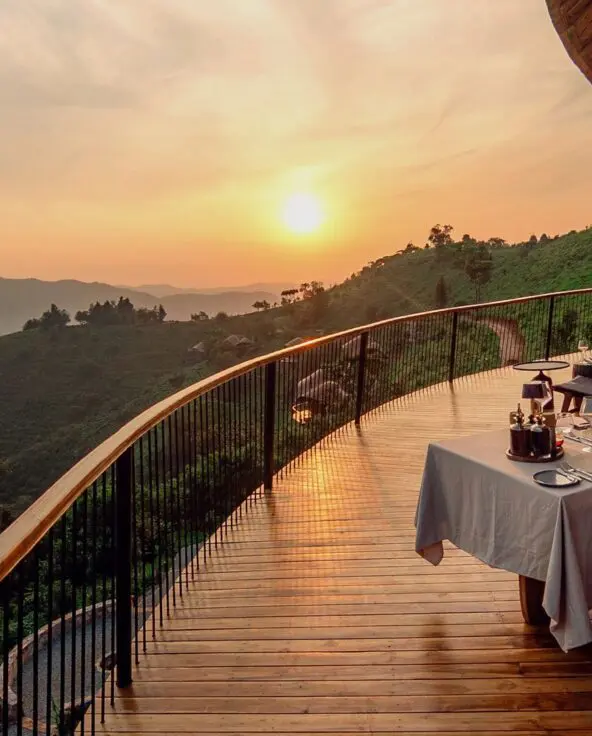

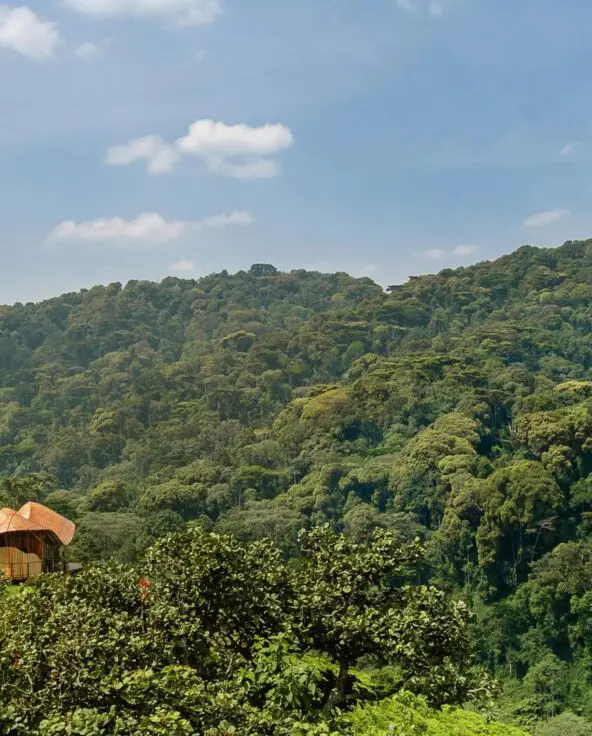







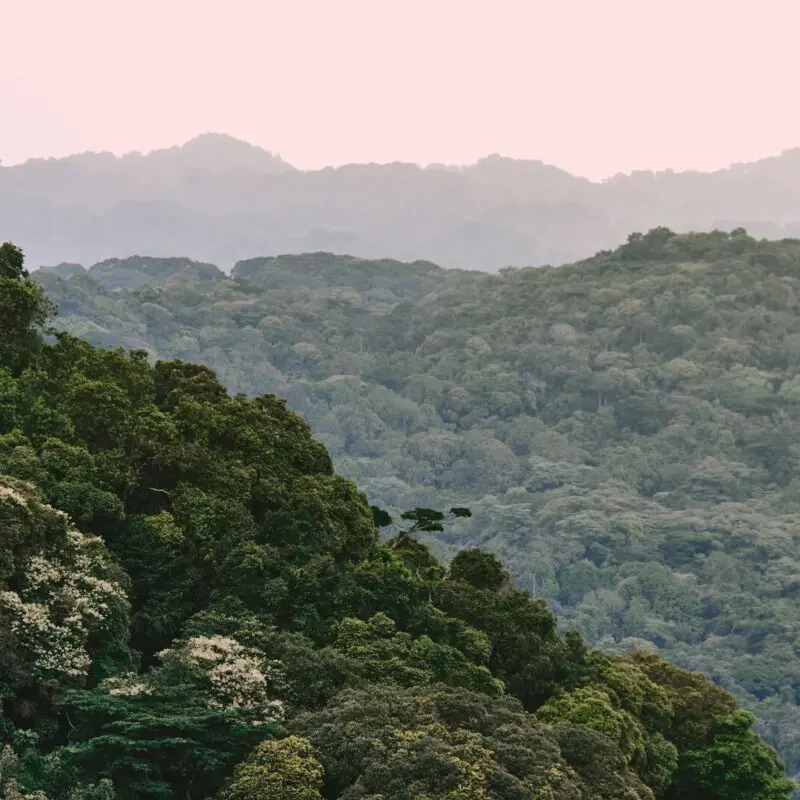
Erebero Hills
Bwindi Impenetrable Forest, Uganda
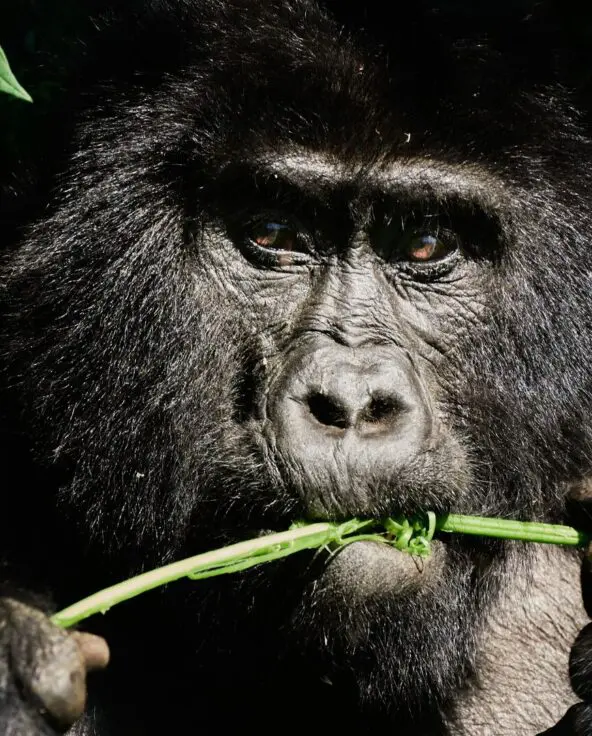
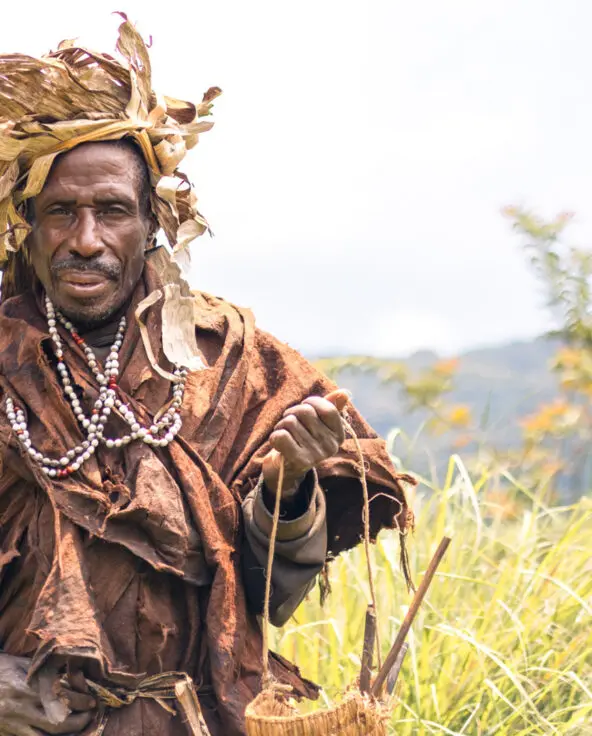
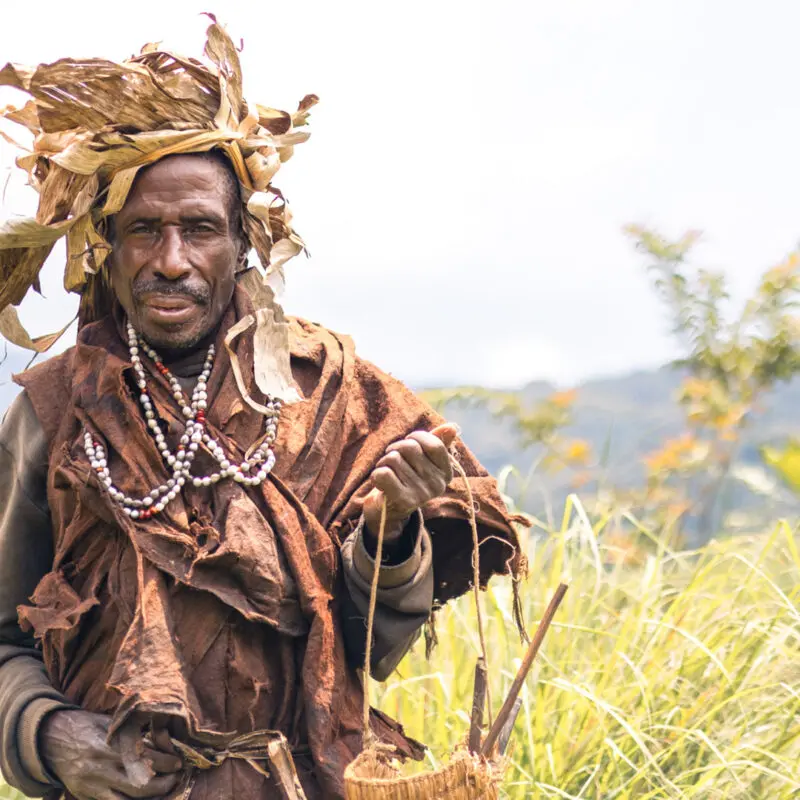
Erebero Hills offers a secluded haven beside Bwindi Impenetrable Forest, home to almost half the world’s mountain gorillas and exceptional biodiversity.
How to Get to Kibale National Park
From Uganda’s capital, Kampala, the journey to Kibale National Park covers about 300 kilometres. By road, it’s a six-hour drive west, winding past tea plantations, rolling hills, and small towns where roadside stalls sell fresh fruit. The final stretch brings you along red-dirt roads that hint at the remoteness of Kibale, with lush forest encroaching on either side.
For those already exploring Uganda’s other parks, Kibale is well-connected. Coming from Queen Elizabeth National Park, it’s a scenic two-hour drive that moves through the crater lakes region, with deep blue water contrasting against green hillsides. The road is often bumpy, especially after rains, but the landscapes make up for the slower pace. From Bwindi Impenetrable National Park, the journey takes a full day by road, but passing through the rural heart of Uganda gives you a sense of its varied landscapes.
If you want to avoid long road transfers, flights from Entebbe International Airport land at Kasese airstrip, about two hours from Kibale.
All Asilia: Northern Tanzania Circuit
From US$13,586
per person sharing
Destinations
Serengeti National Park, Tarangire National Park, Ngorongoro Conservation Area, Tanzania, Arusha
If you’re thinking about travel to East Africa, we’d love to help. Our safari experts and in-camp teams are standing by to bring you the trip of a lifetime. Simply get in touch with us at any time and we’ll be glad to assist you.