Masai Mara Annual Overview
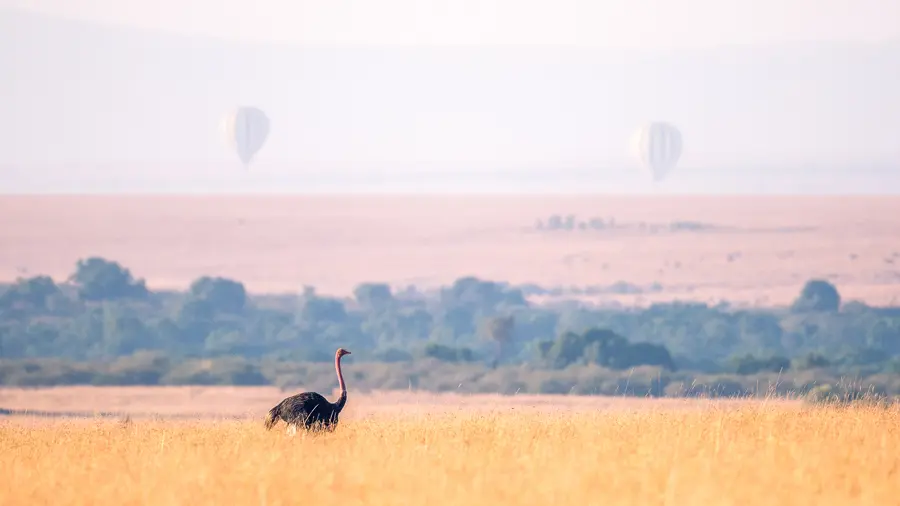
June to September
You can witness one of nature’s most thrilling spectacles, the Great Migration Africa. This event takes place across the plains of the Masai Mara, arguably making this the best time to visit the Masai Mara. Millions of wildebeest, gazelle, and zebra cross the Mara River in search of fresh grasslands, facing predators like crocodile and lion. The weather is perfect, with sunny, dry days and pleasant temperatures. The reserve is also home to the Big 5 safari and other wildlife. You can enjoy game drives, hot air balloon safaris, and sunset drinks with views over the plains. Safari costs are at their peak during this high season, and there will be many visitors in the park. However, the experience is worth the price, as it’s the best time to go to the Masai Mara to see the Great Migration.
October to January
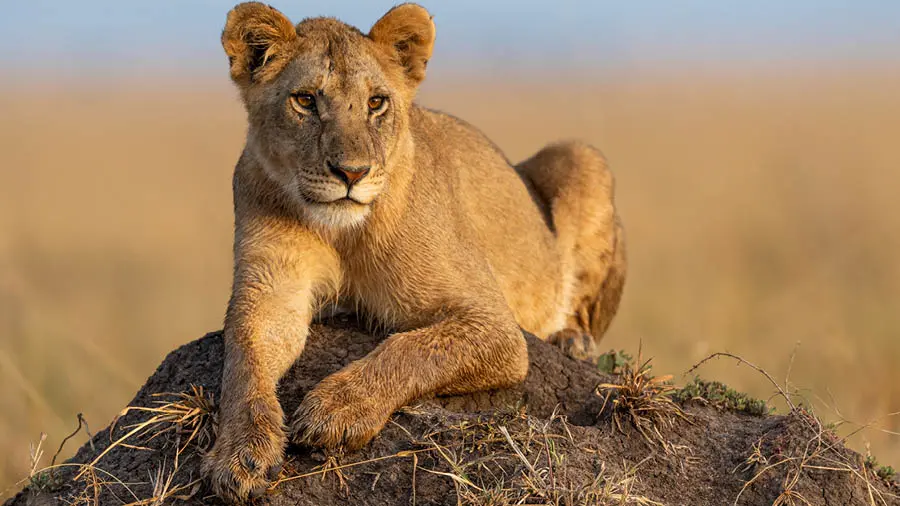
The short rains approach, with the humidity steadily building towards the first showers somewhere around mid-November. The showers are usually short and refreshing, usually in the afternoon, creating spectacular post-rain conditions for a late afternoon game drive. October is still warm and usually dry, with the last of the migrating herds often still being seen, making this an excellent month for game viewing with few other tourists. By January, the plains are refreshed and green, and the rains have usually passed. Many calves are born during this period, timed to coincide with the availability of nutritious grazing. Hot air balloon safaris, cultural visits, and walking safaris in the conservancies can be arranged. October is still considered a peak tourist season despite the thinning crowds. November to March the rates decrease, with the exception of the festive year-end dates.
February to May
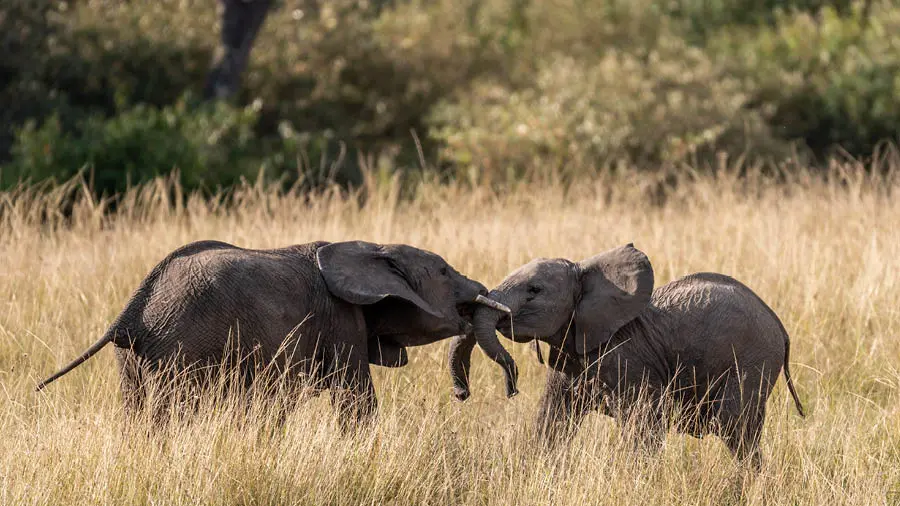
February and early March are typically still warm and dry, with the long rains arriving April. Depending on their positioning, some camps will close during this period. The reserve and surrounding conservancies are green and lush, showcasing plenty of flowers, and the strong resident game that this area is known for. There is excellent birding to be enjoyed, of both resident and migratory species, however the roads can be muddy and slippery at times. Game drives, hot air balloon rides, and cultural visits are available, weather permitting. Still, walking safaris may be limited due to the wet conditions. This period is a low season, so the reserve and conservancies are less crowded, and rates are lower. The rains taper off in May, with the days steadily increasing in temperature towards the approaching dry season.
Related reads
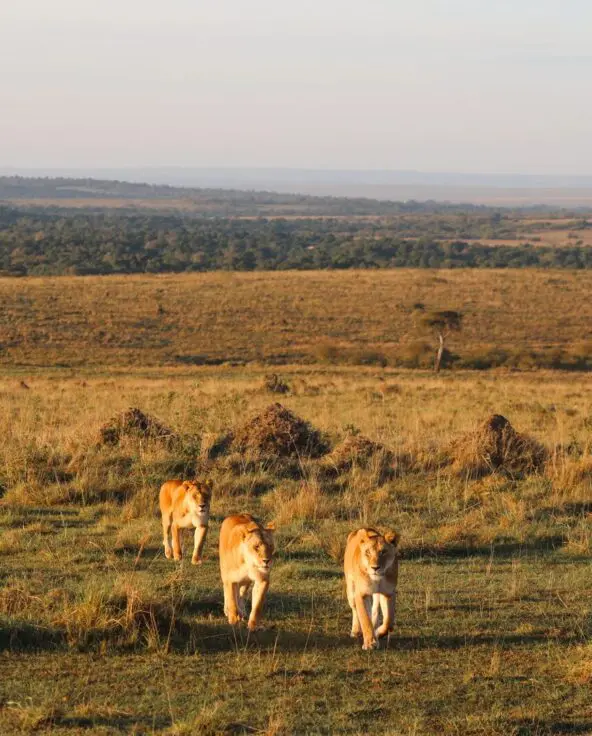
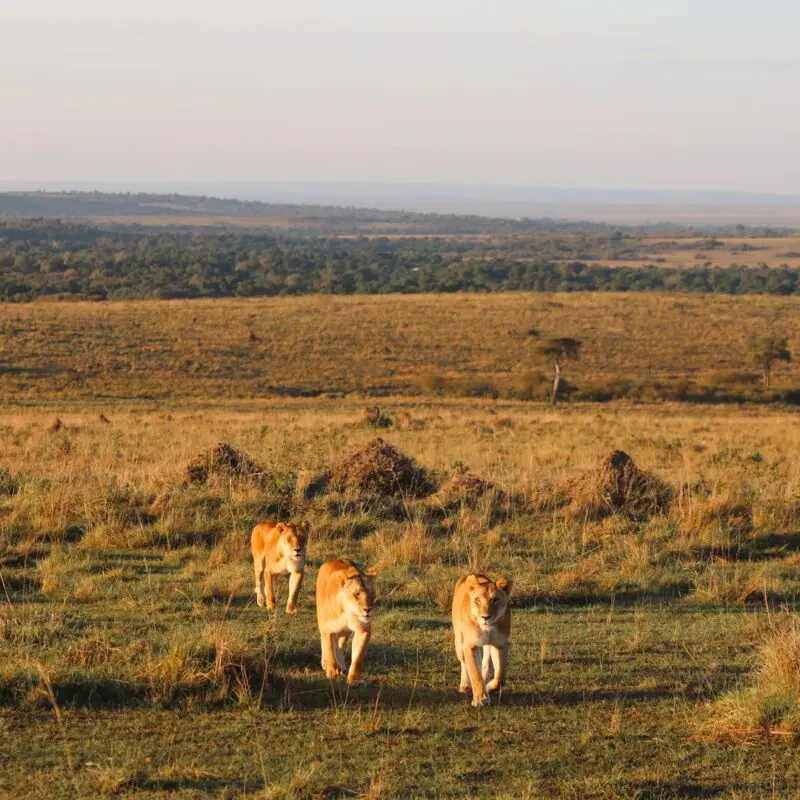
Masai Mara
Explore Masai Mara National Park, a premier safari destination known for its rich wildlife, scenic beauty, and the spectacular Great Migration experience.
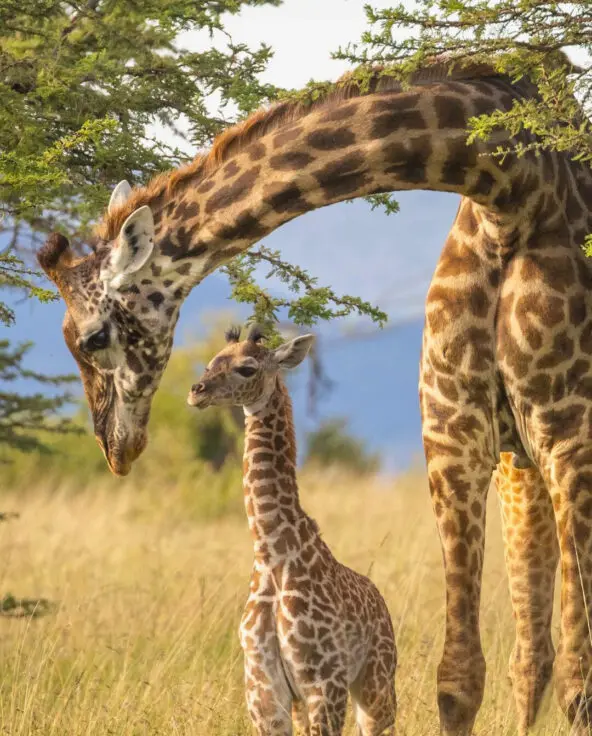
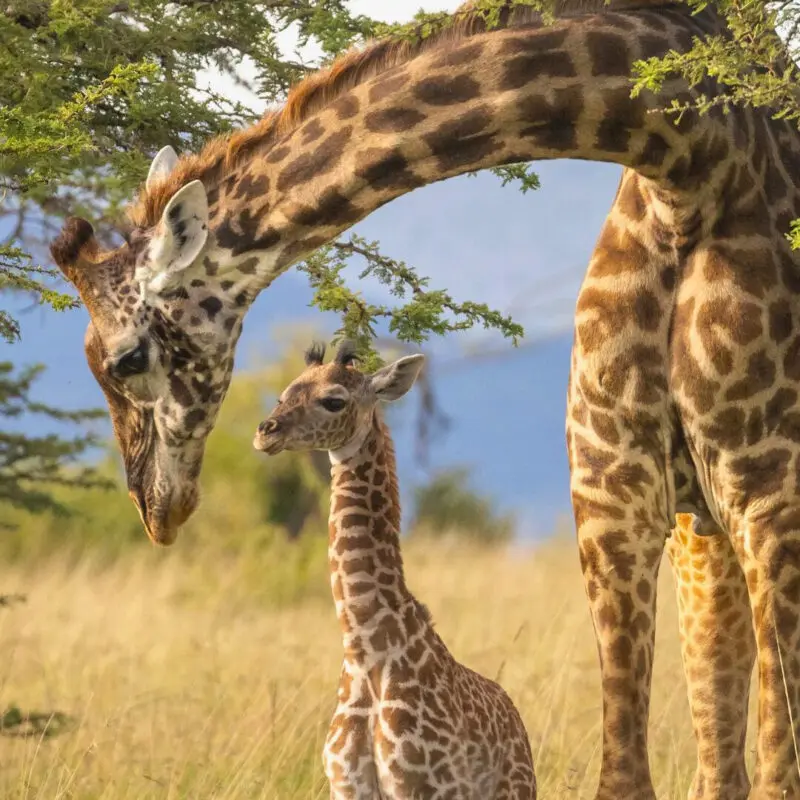
Kenya
Embark on an unforgettable Asilia safari and explore the diverse wildlife habitats of Kenya.
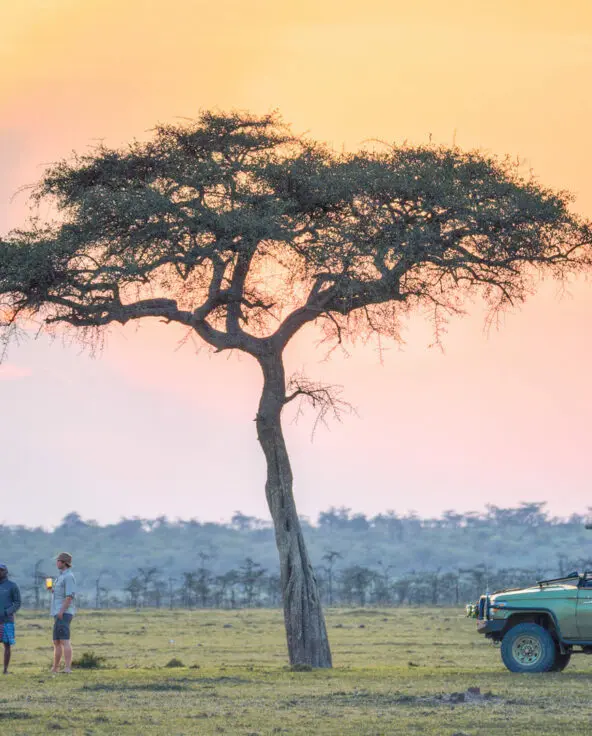
Best places to visit in Kenya
Explore Kenya – a land of diverse and vibrant attractions, offering an incredible tapestry of experiences for every traveller.
Dry Season Vs Green Season
Pros for Dry Season in the Masai Mara
The best time to visit the Masai Mara to witness the greatest wildlife spectacle on earth, immersing yourself in the movement of millions of wildebeest, zebra, and gazelle crossing the treacherous crocodile-crammed Mara River in a frenzy of survival, is during the dry season. The Masai Mara great migration safari occurs from June to October. During this period, the animals congregate around watering holes and rivers, and the vegetation is sparse, making it easier to spot them. In this iconic safari destination, you can enjoy game drives, hot air balloon rides, cultural visits to the Maasai villages and walking safaris in the conservancies, and bird watching safaris.
Cons for Dry Season in the Masai Mara
A safari adventure in the Masai Mara is a dream for many travellers. However, it may come with some disadvantages during the dry season, which spans from June to October. Although the weather is sunny and dry, the environment becomes dusty and hot, and the vegetation is sparse. During this season, the Great Migration occurs as millions of wildebeest, zebra, and antelope cross the Mara River, crowded with crocodile, attracting thousands of visitors and vehicles. This spectacle can make the experience feel less authentic and more congested. Safari costs are also at their peak.
Pros for Green season in the Masai Mara
If you want a unique and unforgettable safari experience, consider visiting the Masai Mara during the wet season. Also known as the green season, it lasts from November to May, with the heaviest rain in April. Mid-November to December typically sees afternoon showers, with drier weather through mid-January and February. During this time, the Masai Mara transforms into a lush and verdant paradise with abundant flowers and grasses, and excellent resident game. This season is also the best time for bird watching as migratory birds flock to the Masai Mara. The wet season offers lower rates and fewer crowds, making it a more intimate and affordable safari option.
Cons for the green season in the Masai Mara
A Masai Mara safari is an enriching and exciting adventure. Still, it can also be challenging during the wet or green season. The wet season lasts from March to May and November to December, bringing heavy rains, muddy roads, and mosquitoes. Some lodges and camps may close during the wetter months, but there is still good resident wildlife in the reserve and surrounding conservancies. An enthusiasm for adventure is important during the wet months, as it can be very muddy.
The Greater Masai Mara, encompassing the Mara Reserve and the surrounding conservancies, is truly a year-round destination, offering a thrilling experience and excellent game viewing throughout the year.