One of the best times to visit the Ngorongoro Conservation Area is during the rainy season of April and May. The roads are muddier, but the vehicles are well-equipped to cope. During this season, the crater and surrounding highlands are lush and green, often with wildflowers blooming in May. There are fewer visitors and vehicles, the wildlife and birding are excellent, and you will benefit from reduced safari prices. July to September heralds the high tourist season, and significantly more vehicles during the dry season.
The confined space of the crater floor makes the high number of vehicles more obvious than in more open and expansive areas. The short rains of November and December refresh the landscape after the dry season, creating excellent photography conditions in January. At whatever time you visit, the Ngorongoro Crater is a unique and iconic natural wonder known for its high concentration of incredible wildlife, while the wider conservation area offers stunning landscapes. The Ngorongoro Conservation Area can be enjoyed throughout the year.
Seasonal Overview
June To September
In early June, the Ngorongoro Conservation Area is green and lush after the long rains. The vegetation around the Ngorongoro Crater rim and on the slopes of Olmoti and Empakaai craters is thick and tangled, while the roads are often in need of some repair as a result of the heavy rains. Up in the highlands of Ngorongoro, there is always water to be found, so there is less of a fluctuation in wildlife numbers compared to Tarangire National Park. However, on the grassy plains in the northwest of the conservation area, water becomes an increasingly scarce resource as the dry season takes hold.
The days are warm and sunny, growing dustier as the season progresses due to the lack of rain. With firm terrain underfoot, this is an excellent time to be exploring the conservation area on foot on a walking safari, up the slopes of Olmoti to the vantage point it provides over the beautiful Olmoti Crater interior. Or hike down the inner slopes of the Empakaai Crater, through changing vegetation bands until arriving on the crater floor to a flamingo lined lake. The floor of the Ngorongoro Crater can get very busy through this season, the number of vehicles amplified by the relatively flat surface and the contained nature of the game drive experience. However, game viewing conditions are excellent, and the experience should not be missed.
Highlights:
- The area is green and lush after the rains.
- The dry season offers the best terrain for walking and hiking in the highlands.
- Game viewing on the crater floor is at it’s premium.
October to January
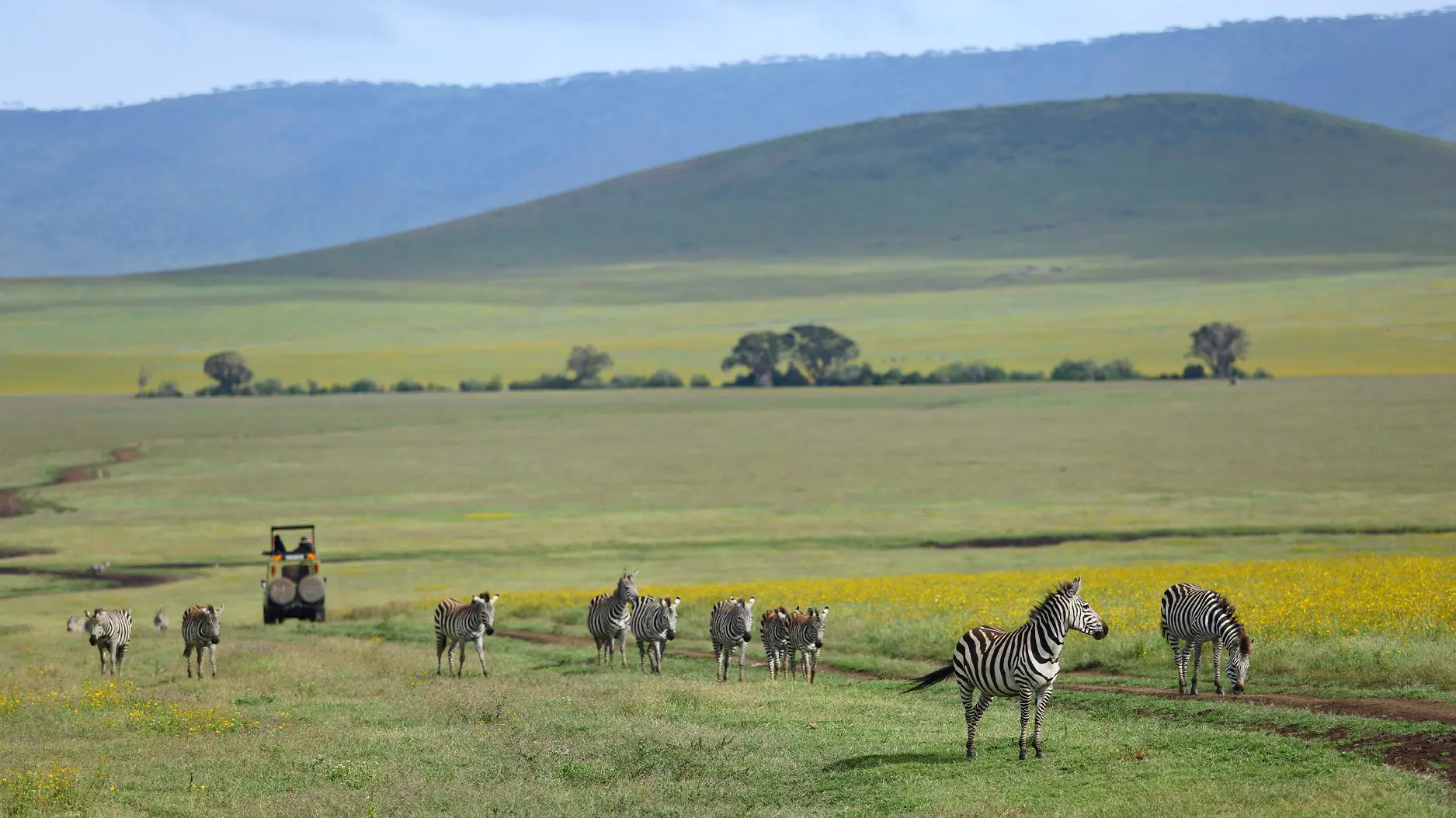
October is usually dry and dusty in both the crater and on the plains to the west. The dry season is approaching its end, and the threat of rain grows ever stronger as November arrives. The short rains bring refreshing afternoon showers, revitalising the crater floor and prompting new growth on the grass plains in the west. In the north and central Serengeti, the migrating herds will sense the arrival of this rain and start pushing towards the southern Serengeti and western plains of Ngorongoro.
By late December, the rains have usually subsided, leaving the plains restored with fresh, nutrient rich grass – perfect for the newborn calves being dropped through January and February. Up in the highlands, temperatures are cool at night while days can be warm and sunny. Tourist numbers decline, making for perfect game viewing conditions on the crater floor. As the herds of the Great Migration make their way onto the grass plains, the area transforms into a teeming mass of wildebeest and zebra. This is the best time of the year to enjoy the drive from The Highlands to Olakira or Ubuntu migration camps, presenting the opportunity to marvel at the scale of this natural spectacle as you descend from the highlands towards the grass plains in the west. Calving season will see thousands of wildebeest and zebra being born each day, providing easy pickings for predators, and phenomenal photographic opportunities.
Highlights:
- Fewer vehicles in the Ngorongoro Crater.
- The Great Migration arrives on the grass plains and calving season begins.
- The drive from the crater rim down to the grass plains should not be missed in January.
February to May
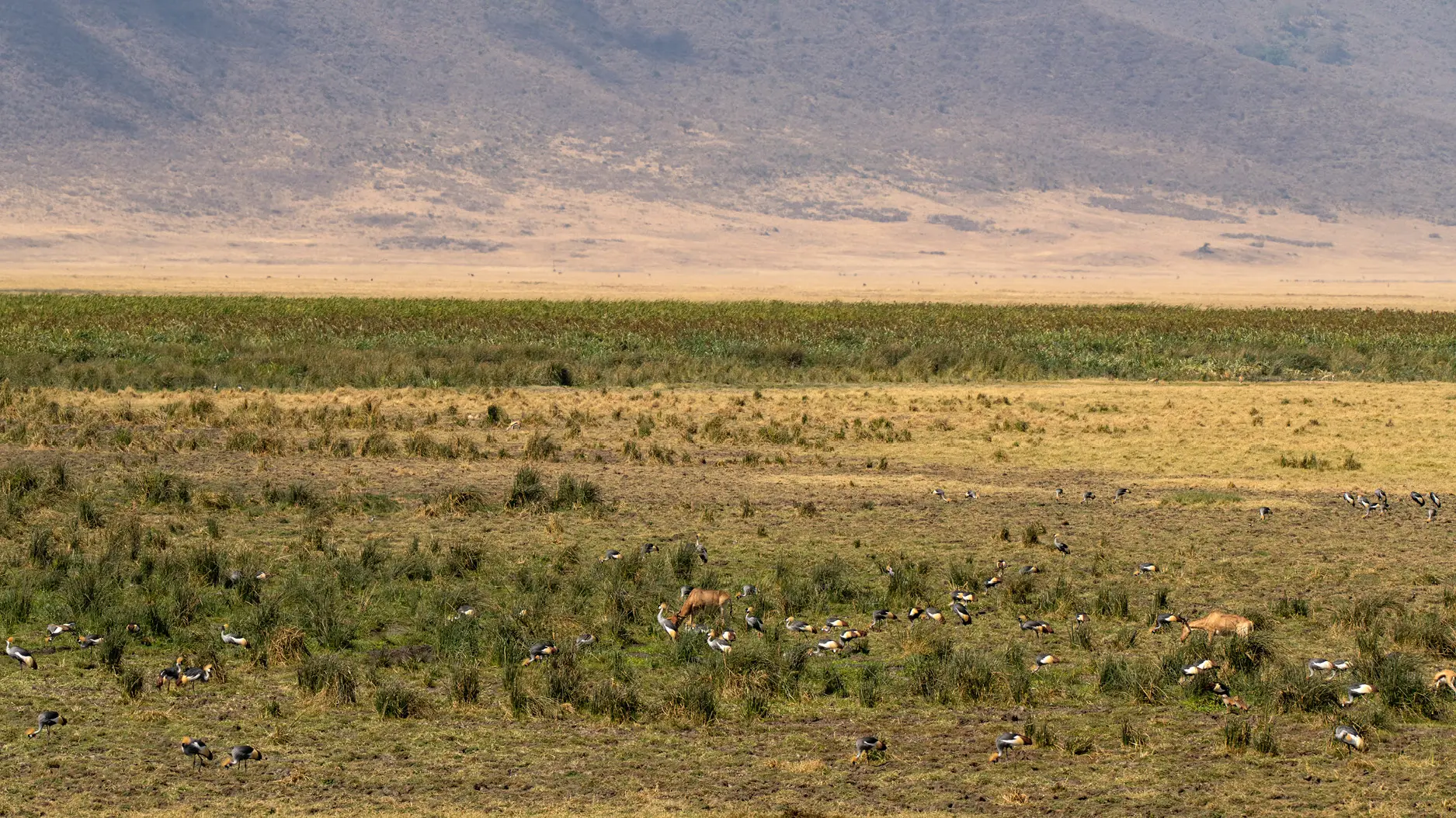
February continues to provide warm and sunny days throughout the conservation area, interspersed with the occasional afternoon shower. The herds of the Great Migration are still on the western plains where they birth the next generation, creating a world-class game viewing experience. Throughout March, there is a sense of approaching rains as afternoons increasingly experience cloudy conditions and the threat of rain. The long rains usually start in late March, lasting through to mid-May. During this time, there can extended periods of rainfall, turning the vegetation throughout the conservation area green, thick and lush.
The migratory herds typically start to move northwards and westwards in late March, fragmenting the herds as they choose their own routes. On the crater floor there are very few other vehicles, creating a remarkable sense of exclusivity. Wildlife within the Ngorongoro Crater do not migrate, making it a year-round wildlife destination for those prepared to endure some wetter days. As the rain begins to taper, the wildflowers bloom, carpeting sections of the crater and the surrounding highlands with a cacophony of colour. With a taste for adventure, April and May can offer provide a unique experience at a fraction of the high season price.
Highlights:
- A heightened sense of exclusivity in the crater.
- The calving season continues on the western plains in February and early March.
- Excellent birding in the Empakaai and Olmoti craters
The Best Time For Wildlife Viewing In Ngorongoro
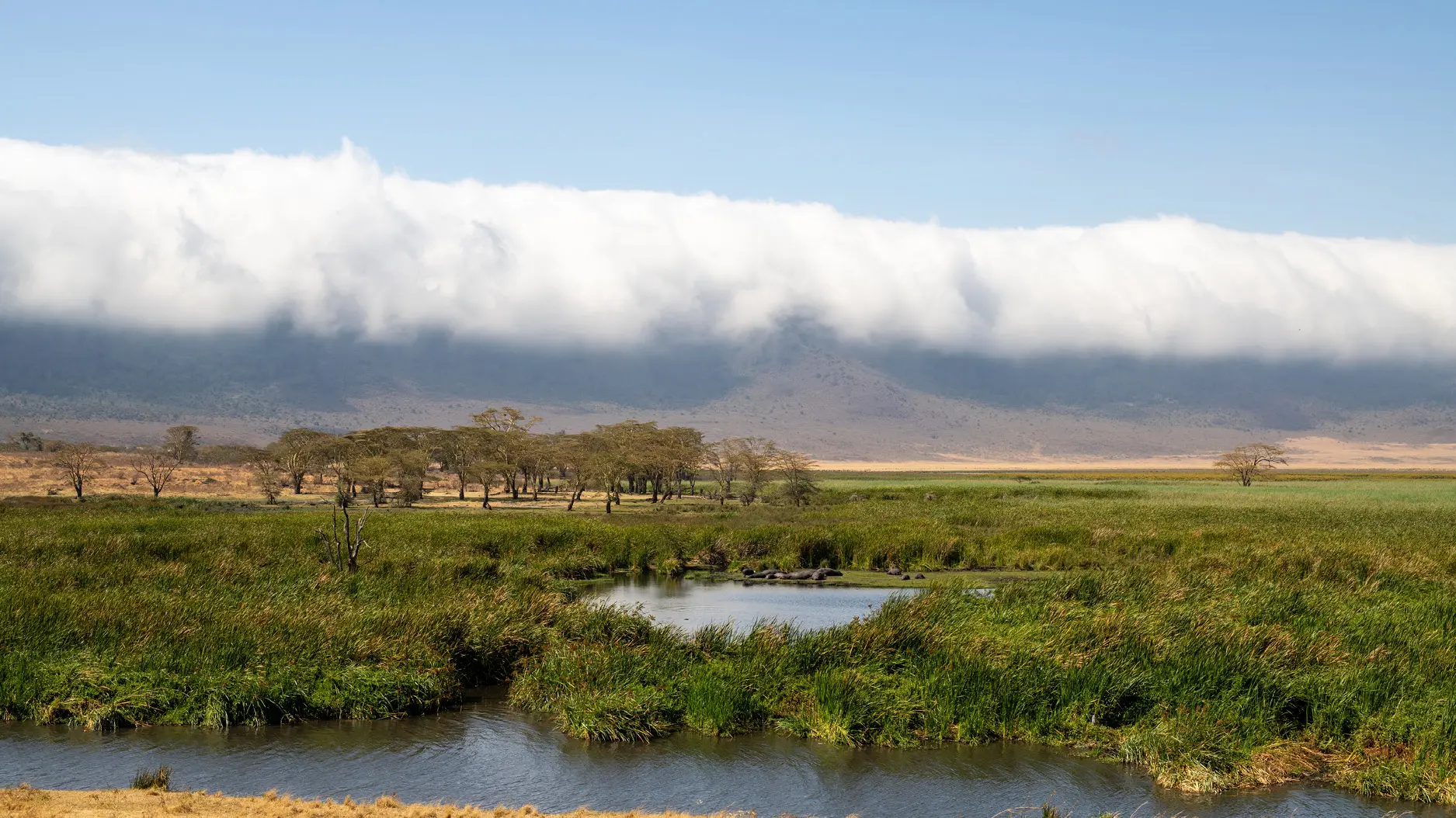
The Ngorongoro Crater hosts a remarkable diversity of wildlife. It is home to over 25,000 animals, including the Big 5 safari, which includes lion, leopard, elephant, buffalo, and rhino. These iconic species are among the most sought-after sightings for safari-goers, and the crater offers excellent opportunities to see them up close. Other animals, such as zebra, wildebeest, hyena, jackal, and flamingo, are also residents. The best time to visit Ngorongoro Crater for game viewing is during the dry June to October season. Wildlife congregates around the watering holes, and the grass is short. The March to May wet season offers more scenic beauty and far fewer tourists, but the weather is amicable which may impact your safari experience.
When To See The Great Migration Of Wildebeest
The Ngorongoro Conservation Area hosts the annual Great Migration of wildebeest and zebra once a year, when approximately 1.5 million animals gather across the southern plains of the Serengeti and the western plains of Ngorongoro to give birth to another generation. There is no physical boundary between these two reserves, and the enormous herds spread out over these nutrient rich grasslands, enjoying the grazing they provide. Typically arriving in Mid-December, the herds are usually in this vicinity through to late March, when they slowly begin to push north and west. The spectacle of thousands of baby wildebeest being born daily is a remarkable sight. Predators are in high numbers offering excellent cat sightings, with all manner of scavengers following closely behind to fight over the scraps. It is a phenomenal event to witness and an experience that should be on every safari enthusiast’s bucket list.
Related reads
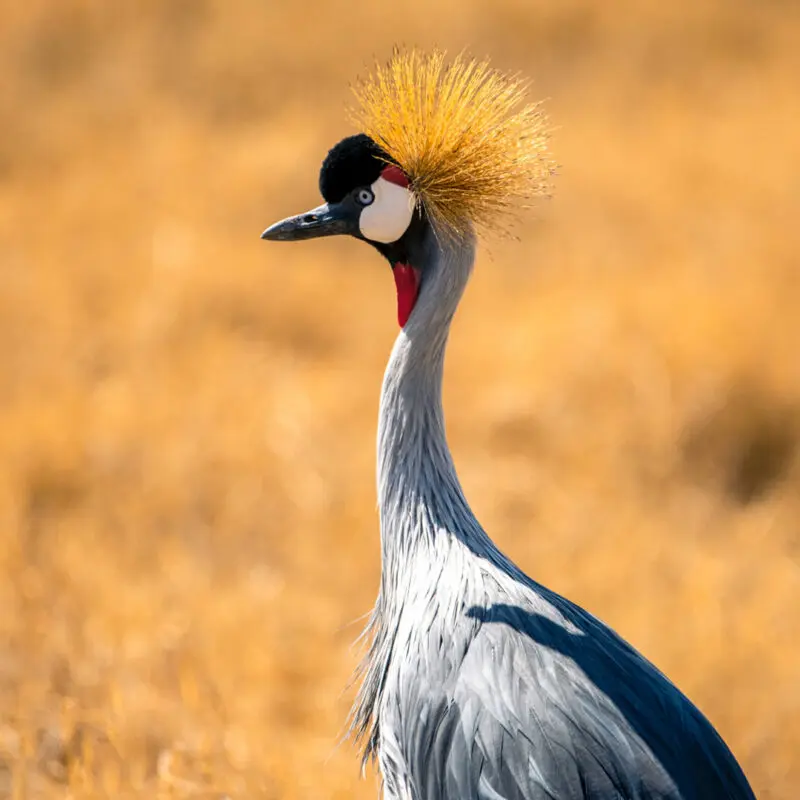
Ngorongoro Conservation Area
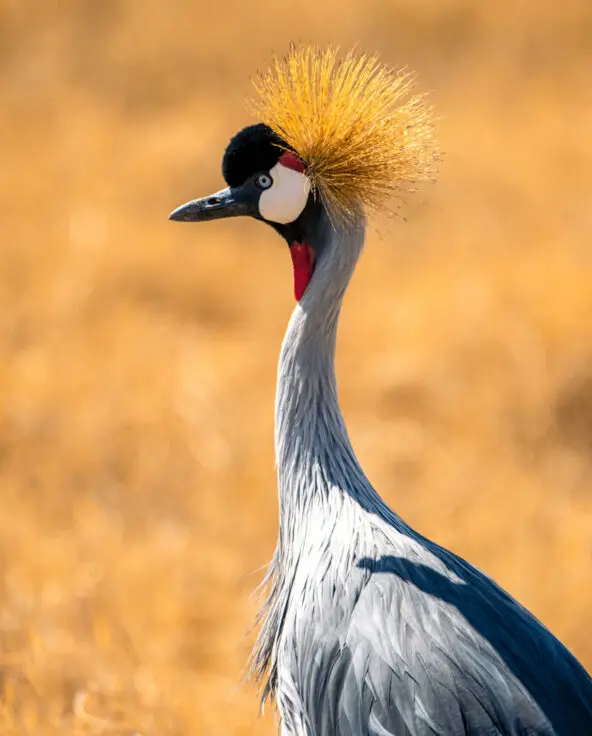
Home of the Ngorongoro Crater, the Ngorongoro Conservation Area has a high concentration of wildlife and staggering volcanic scenery.
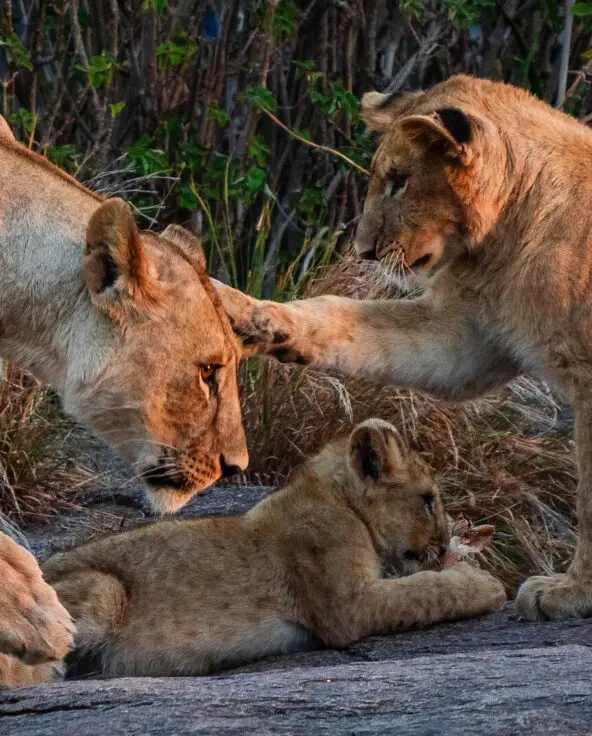
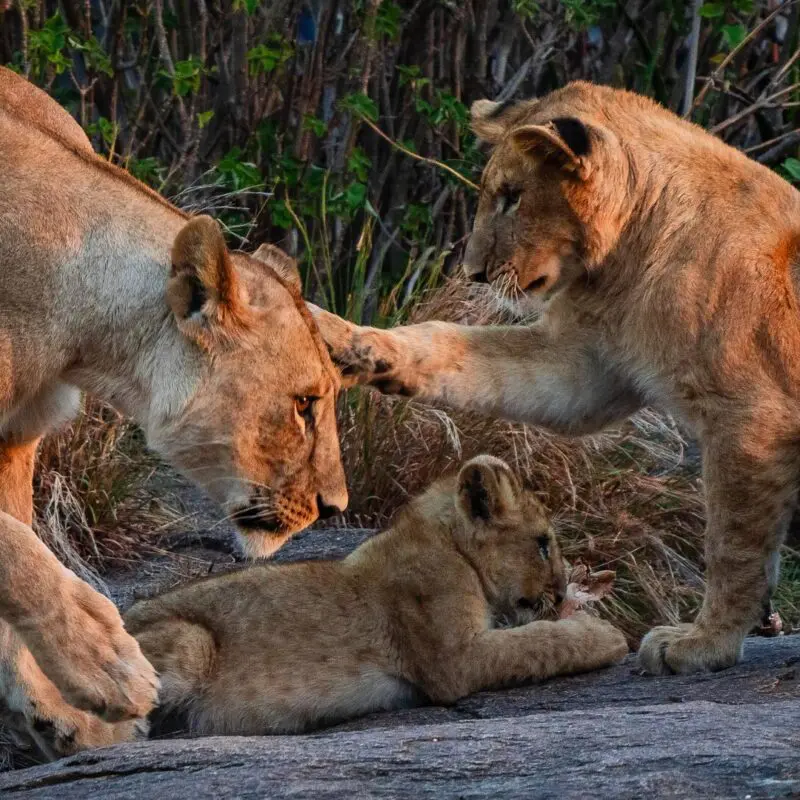
Tanzania
Explore the best destinations in Tanzania with Asilia, from the well-known Serengeti and Ngorongoro Crater, to the remote Ruaha.
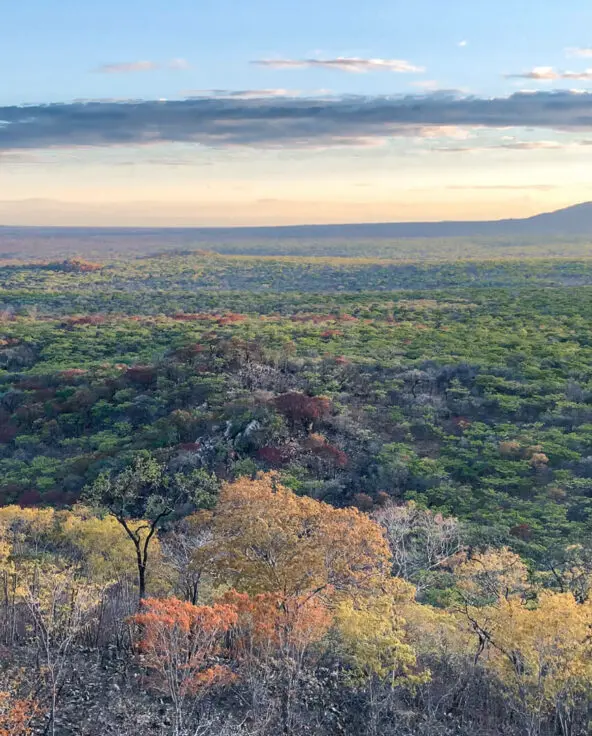
Southern Tanzania
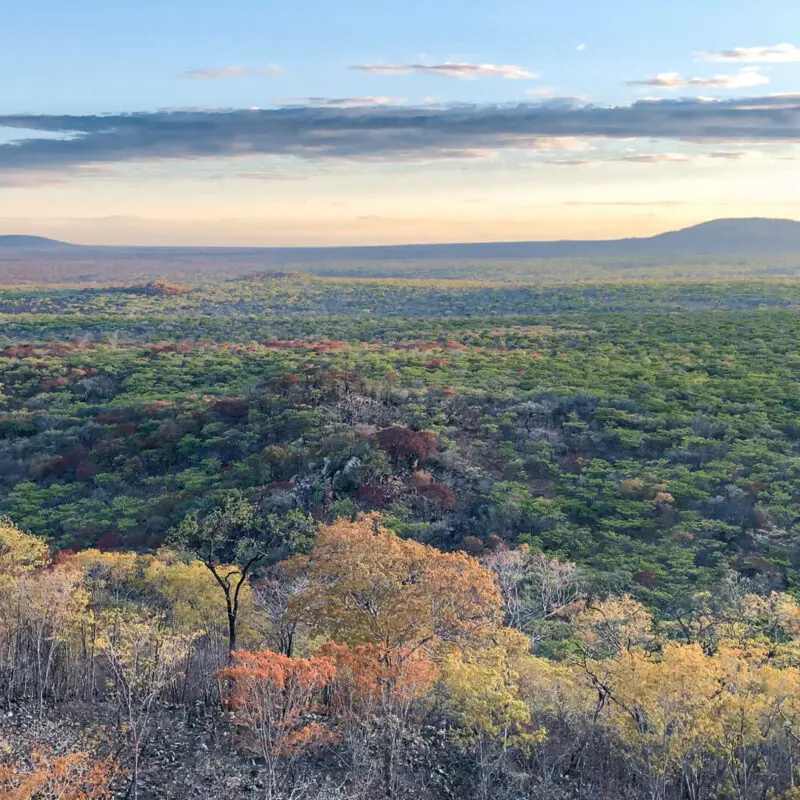
This region is the epitome of uncharted territory, offering an exclusive and authentic wilderness experience that is a privilege to encounter.
The Ngorongoro Crater is a year-round destination, capable of providing a diverse and exciting safari experience throughout the seasons. Contact our experienced Asilia Africa safari trip designers, and we will be thrilled to assist you in planning a specially designed journey, to include the Ngorongoro Crater in your East Africa safari.