The sweeping savannahs of the famed Serengeti offer breathtaking wildlife spectacles year-round. The herds of the dramatic Great Wildebeest Migration move throughout the year, congregating in the north from late June as they prepare to cross the Mara River, and in the south from late December as they give birth to the next generation. Away from the migration and its crowds, there are black rhino, cats a plenty, elephant, scavengers, and a variety of birdlife.
Our migration camps move twice a year, ensuring a front row seat to this fantastic phenomenon. If you prefer, our gorgeous boutique permanent camps are strategically located in the northern, central, and eastern regions, where you can experience an exceptional safari in any season.
Seasonal Overview
June To September
Why travel at this time
June is usually green and lush across most parts of the Serengeti after the season of the long rains. The air is still clean and mostly dust-free, making for excellent photographic safari conditions. By the second half of the month, the dry season is already starting to take hold, improving game viewing conditions and offering value for money ahead of the approaching peak season. The migratory herds are usually still fairly spread out, some coming through the Grumeti Reserve and others through the central Serengeti as they make their way northwards.
July marks the start of peak season throughout most of the Serengeti, with game viewing conditions at their best. The herds of the Great Migration are usually at the Mara River by mid-July, with river crossings happening almost daily for the next few months as confused wildebeest cross back-and-forth through crocodile infested waters. Across all regions of the park, game viewing is particularly strong as wildlife depends on available water resources, and the thinning vegetation makes for perfect conditions. The northern Serengeti can be incredibly busy at this time of the year, making a two-centre stay advisable to fully appreciate all that the Serengeti can offer.
Highlights:
- Days are dry, mild, and sunny, offering perfect safari conditions.
- With thinner vegetation, immersive and educational walking safaris can be enjoyed.
- Photographic opportunities abound.
October to January
Why travel at this time
October is the last month of the dry season, and is still considered a peak tourist season despite the chance of afternoon showers towards the end of the month. It is an excellent month for walking safaris as the bush is at its driest. The last of the river crossings are taking place in the northern Serengeti as the herds of the migration move southwards. By mid-November the short rains have usually arrived, offering some relief to the dry conditions and refreshing both the wildlife and the landscape. The short afternoon showers create perfect photography conditions, dampening the dust and with moody skies as the backdrop. The wildebeest herds can be quite stretched out at this time, enjoying the abundance of grazing as they make their way south where they will once again mass together into a mega-herd.
By mid-December the rainfall has subsided, but occasional showers may still be experienced. January brings hot, sunny, and clear days. Wildebeest calving season is happening on the nutrient-rich grasslands of the southern Serengeti, as thousands of baby wildebeest are born daily, creating a frenzy of activity for predators and scavengers. November to January is an excellent time to travel for lower rates and fewer tourists while enjoying phenomenal game viewing.
Highlights:
- The best safari conditions at the end of the dry season.
- Enjoy lower rates and fewer tourists, alongside excellent game viewing.
- Calving season begins in the southern Serengeti, bringing plenty of predator action.
February To May:
Why travel at this time
February continues with hot sunny days and the occasional short shower. The southern Serengeti is a hive of activity as calving season continues to attract photographers and predators alike. In March, the afternoons begin to see gathering clouds as the rainy season approaches, eventually bursting as the rains begin. The long rains continue to mid-May, with heavy rainfall and challenging game-viewing conditions. The migration herds begin to fracture and disperse, spreading out over vast distances as they move northwards through the central Serengeti or into the Western Corridor. Many camps close during this period due to the rains, but those that remain open offer excellent rates for travellers prepared for an adventure. Very few tourists are in the Serengeti, creating a strong sense of exclusivity. By mid-May the rains are usually subsiding, leaving the landscape green and lush and the herds continue to meander northwards.
Highlights:
- Photographic opportunities abound in the southern Serengeti through February and March.
- The long rains create adventurous conditions with few tourists and very competitive rates.
- Excellent birding to be enjoyed in the wetter conditions.
Related reads
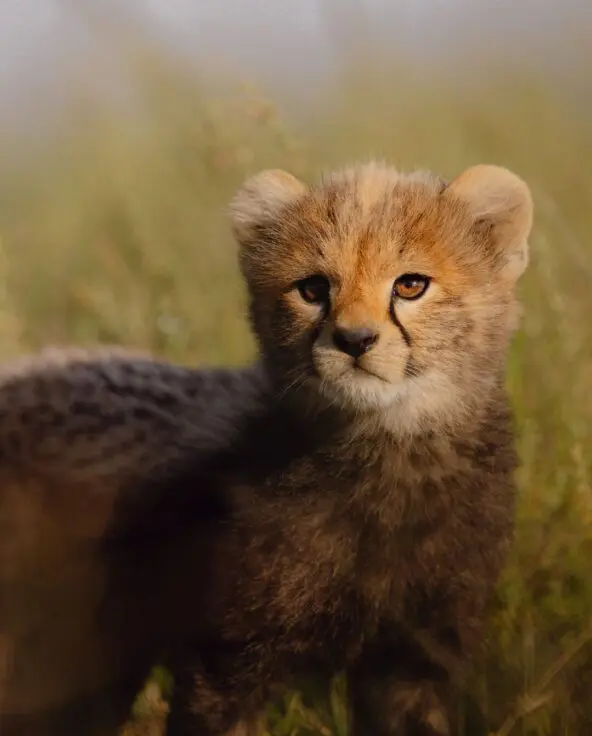
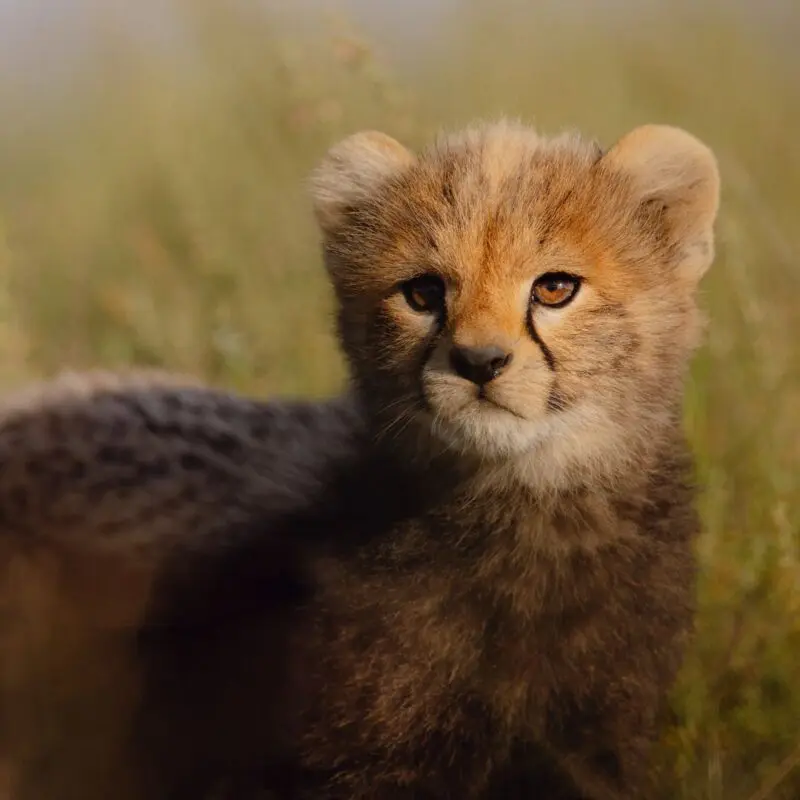
Serengeti National Park
Discover The Serengeti, home to the Great Migration, diverse wildlife, and stunning landscapes for an unforgettable African safari adventure.
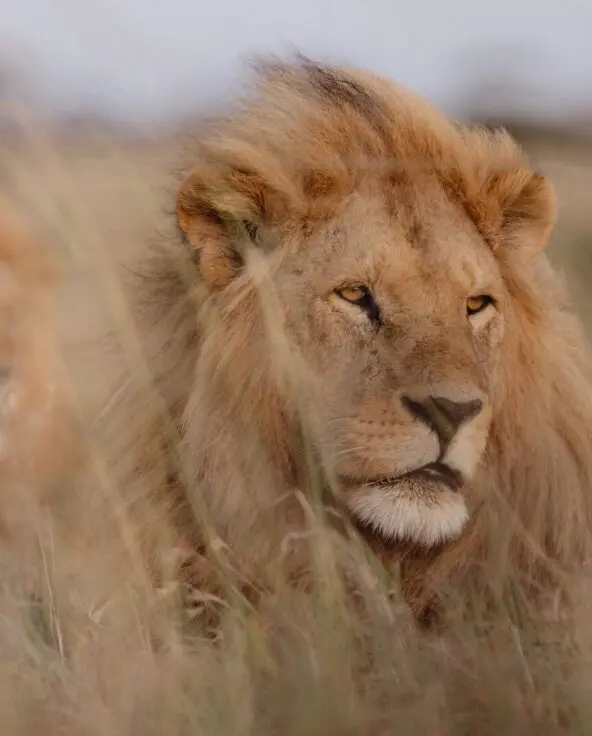
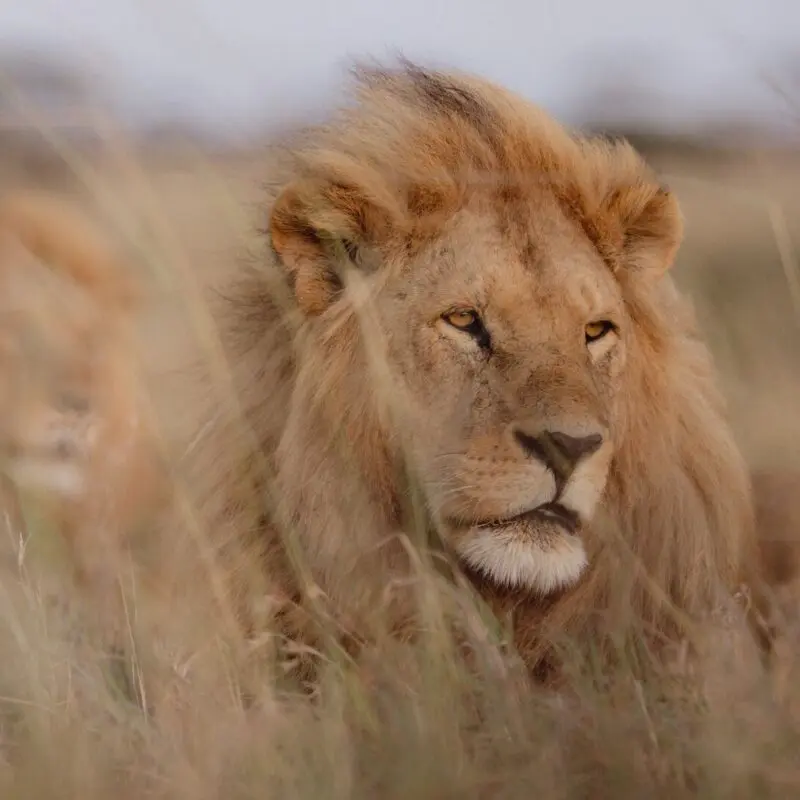
Tanzania
Explore the best destinations in Tanzania with Asilia, from the well-known Serengeti and Ngorongoro Crater, to the remote Ruaha.
Southern Tanzania
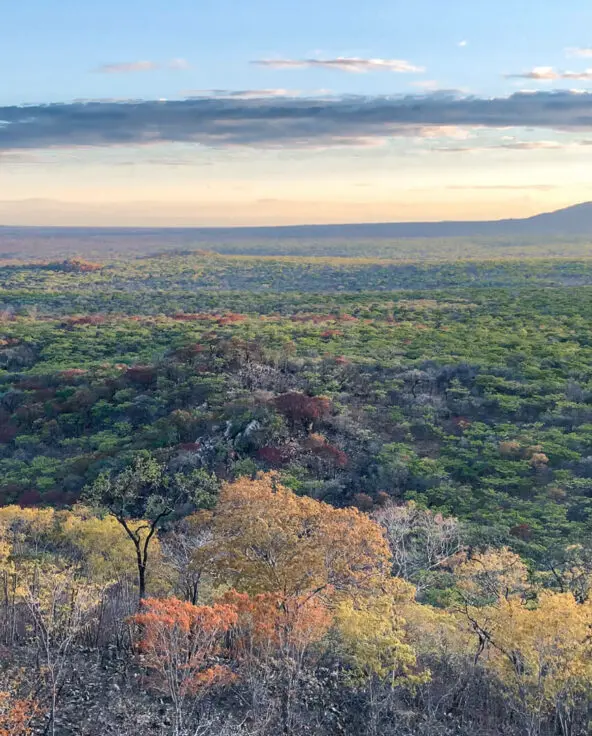
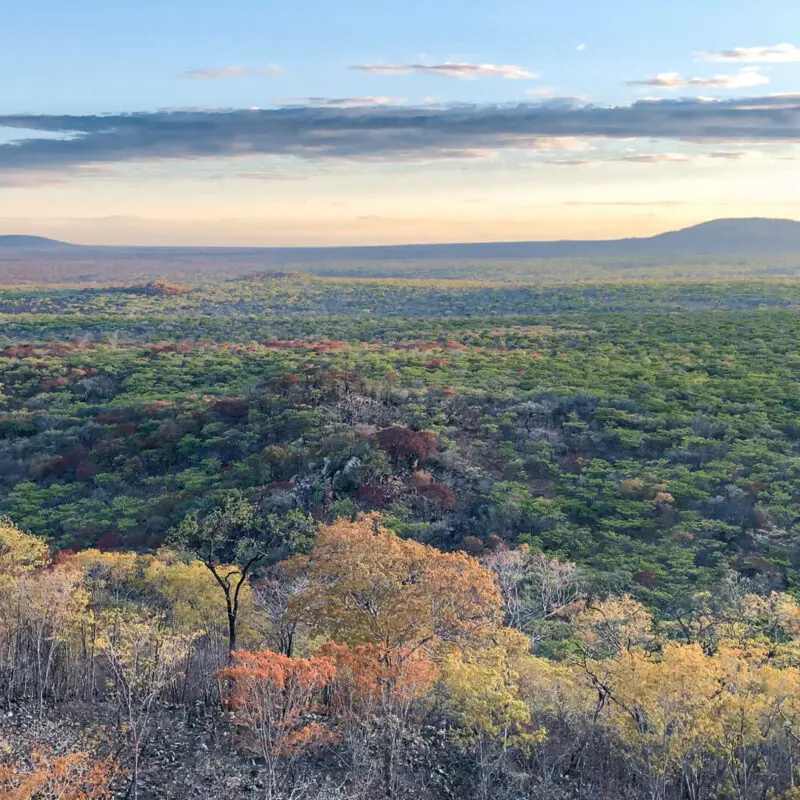
This region is the epitome of uncharted territory, offering an exclusive and authentic wilderness experience that is a privilege to encounter.
The Serengeti National Park is one of the world’s most famous reserves, largely due to the dramatic scenes of The Great Migration. However, the park offers a year-round experience, and can provide a unique wildlife safari without coinciding with the movements of the herds. With an abundance of cats, herds of elephant, elusive black rhino, and a staggering quantity of plains game, there is ample wildlife to be enjoyed throughout the park. Contact Asilia today to plan your safari experience to the Serengeti National Park.