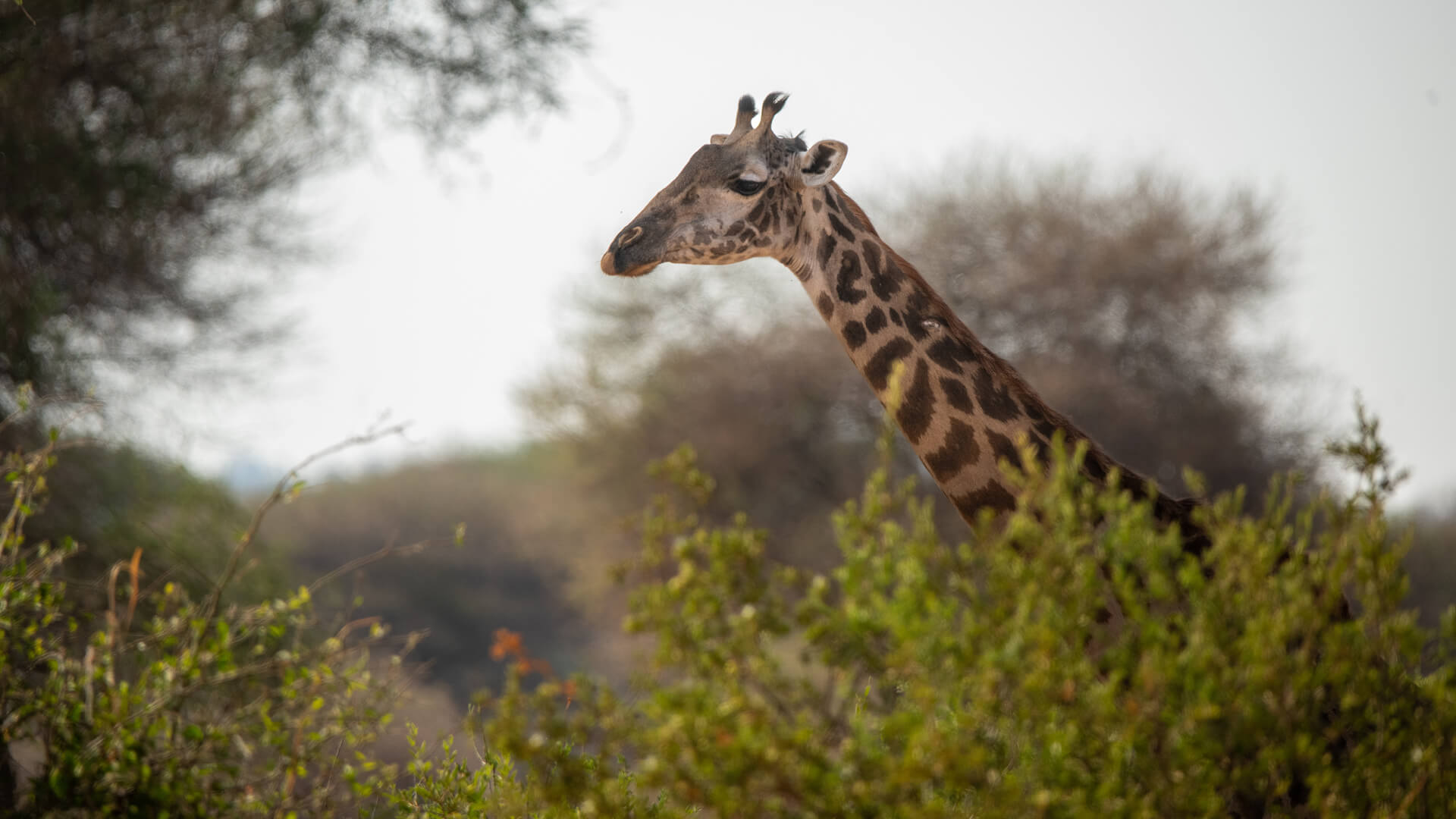
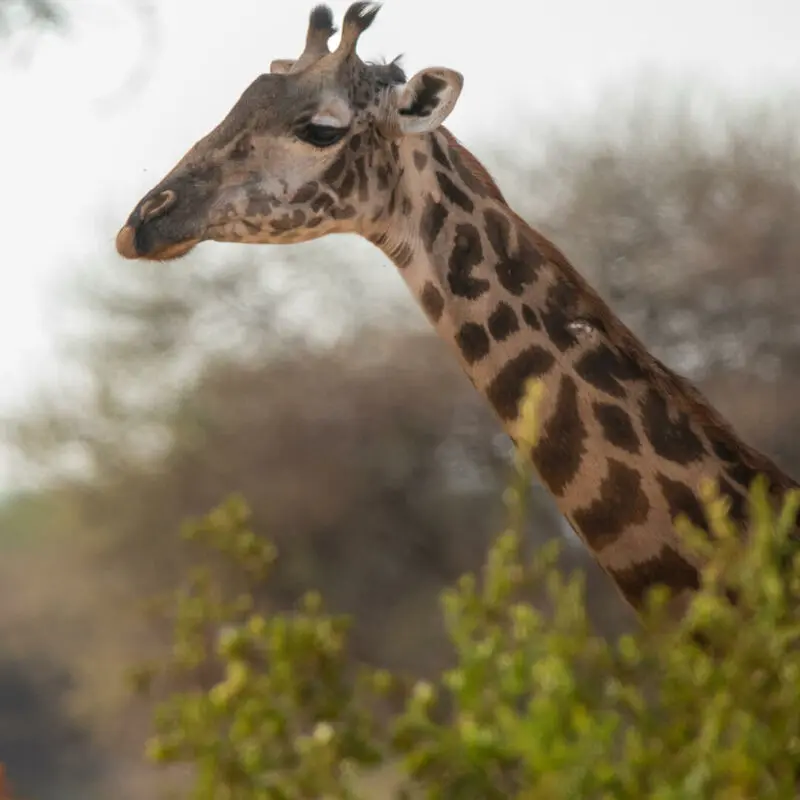
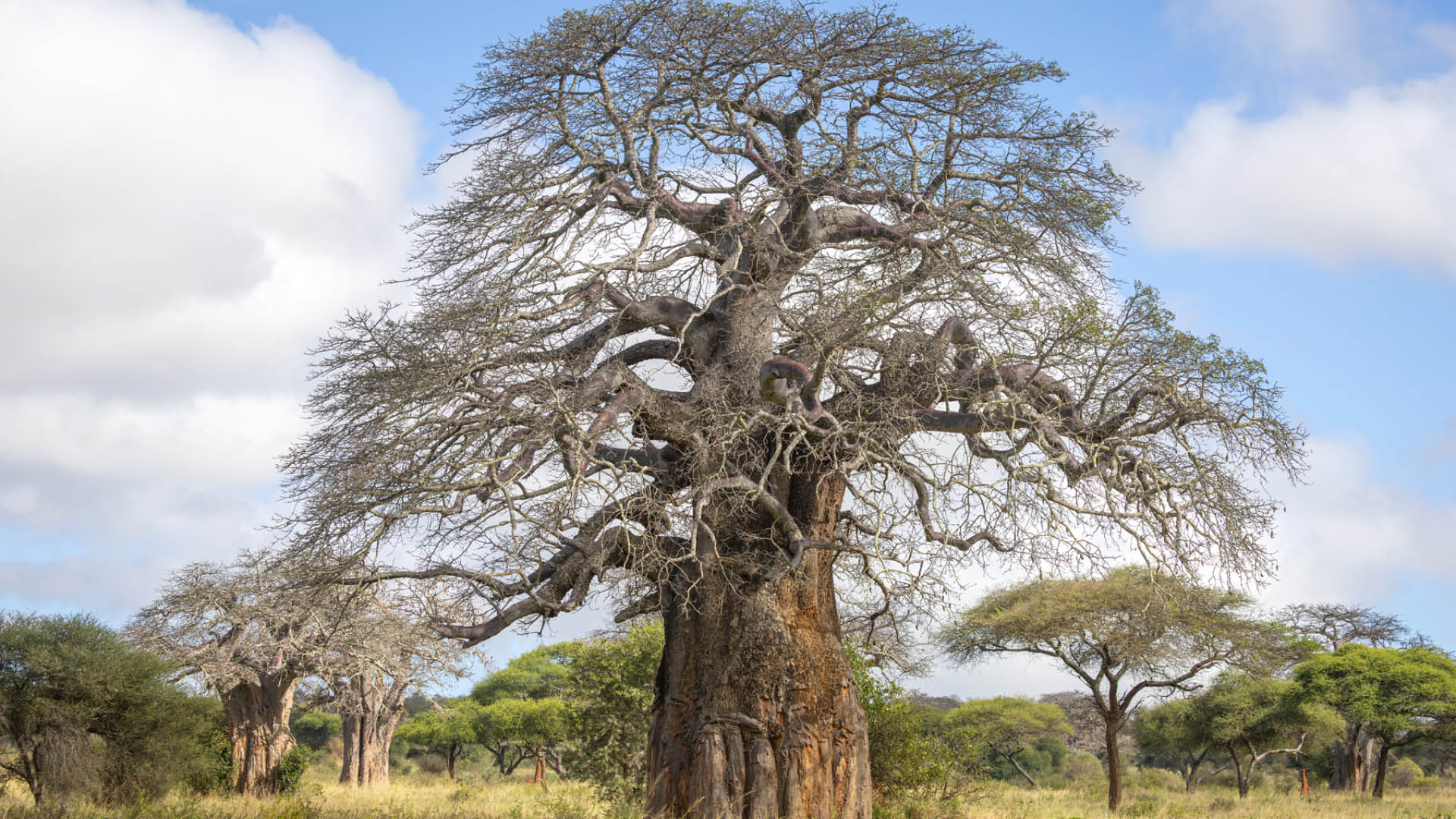
Tarangire National Park, home to Asilia’s Oliver’s Camp, is a hidden gem where vast herds of elephant roam, majestic baobab trees grab your attention with their imposing presence, and diverse habitats prevail. The best time to visit Tarangire National Park is during the dry season, from July to October. See large concentrations of elephant and other iconic wildlife gathering near the Tarangire River. It’s a popular tourist season, featuring warm and sunny weather, minimal vegetation, and fantastic game viewing. November to May is the milder wet season when the park is scenic, lush and green, and the landscapes are bursting with wildflowers. Bird enthusiasts will delight in many additional migratory visitors.
Seasonal Overview
June To September
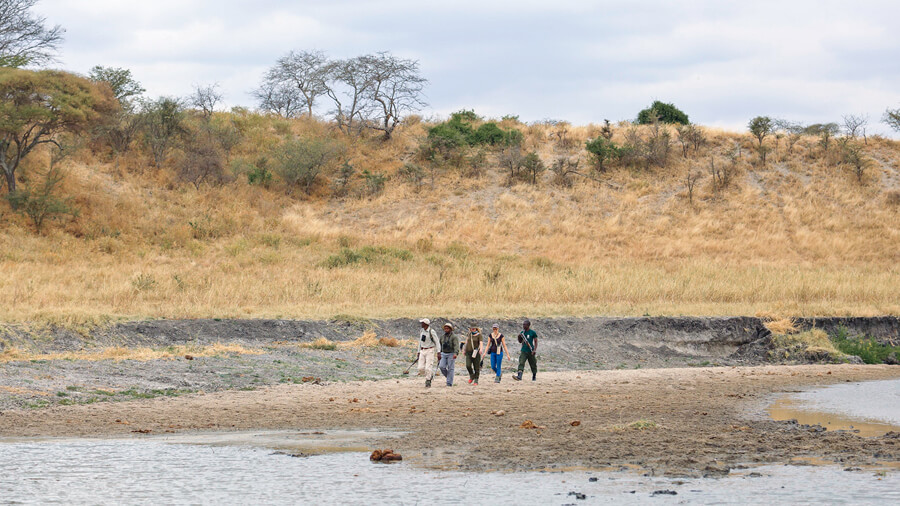
In early June, the park is green and lush after the long rains, with an abundance of water and thick vegetation. The rain has stopped and, from here on in, water will become an increasingly scarce commodity as the dry season wears on. By the end of June, the park is already beginning to transform as the vegetation thins and it becomes easier to spot wildlife. Late June is an excellent time to travel to avoid both high season prices and increased tourist numbers. July marks the start of high season as the park enters its prime game viewing months. The Silale Swamp offers a permanent water source, attracting wildlife from a vast area surrounding the park and creating a wildlife spectacle. Days are sunny and warm, offering excellent walking safari and game drive conditions. By September, the park is approaching its peak, as vegetation is very thin, grass is short, and wildlife is plentiful.
Highlights:
- Increasingly dry and sunny safari conditions offer abundant and varied wildlife sightings.
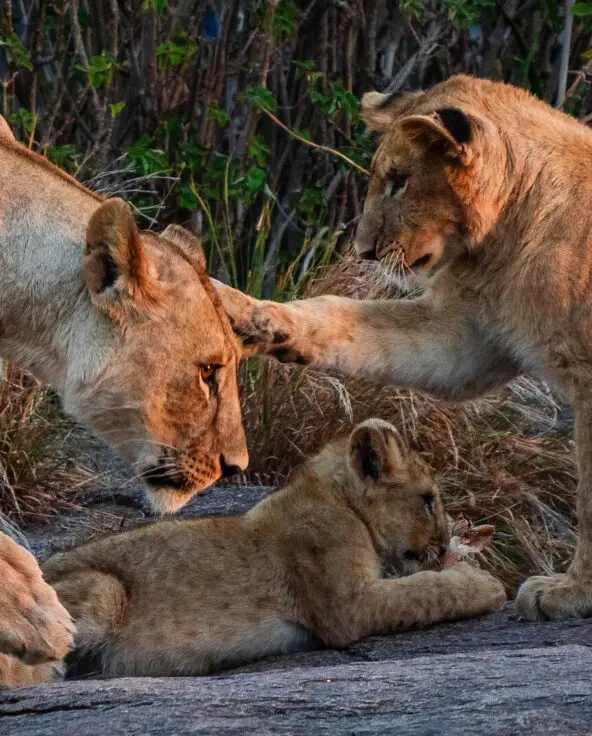
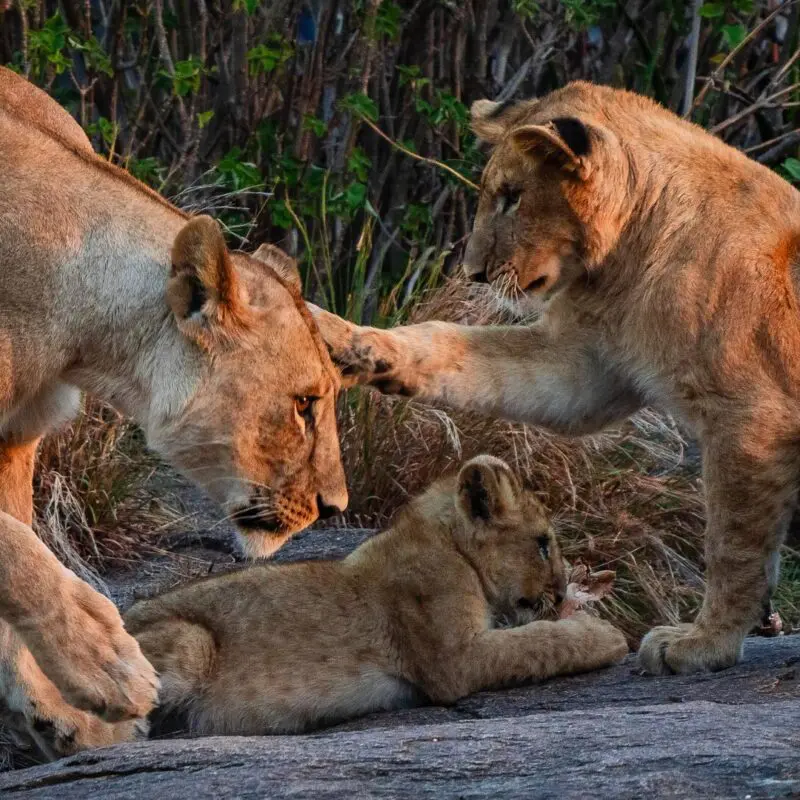
- Excellent cat sightings as the dry season wears on.
- It’s an excellent season for the lowest number of annoying flying insects.

October to January
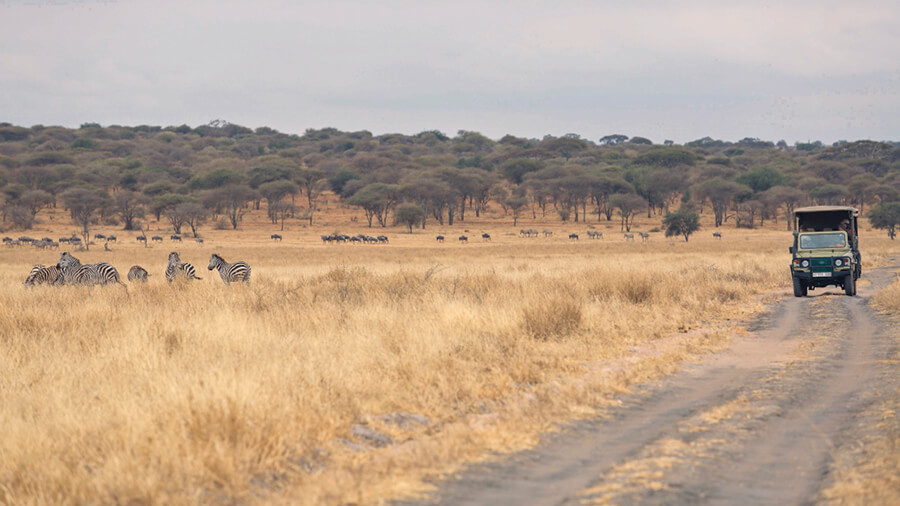
The first two weeks of October often deliver the very best wildlife experience as the park is at its driest, large herds of elephant and buffalo are seen daily in the Silale Swamp, and predators capitalise on the staggering quantity of available prey clustered around watering holes. By late October, the weather is beginning to change, seeing afternoon storm clouds starting to gather until eventually they burst, usually in early November. This marks the start of the short rains, a period that typically delivers afternoon showers lasting an hour or so. The showers refresh the landscape and the wildlife, creating excellent game viewing conditions in the late afternoon as the dust has been dampened and wildlife has been invigorated. The afternoon showers continue through to late December but do not detract from the safari experience. By January, the short rains have come to an end, introducing a warm and clear couple of months. Migratory birds from Europe and Asia have begun to arrive, wildflowers are blooming, and the sense of renewal is strong after the rigours of the dry season.
Highlights:
- Excellent wildlife to be enjoyed, energised after the rains.
- Spot gorgeous migratory birds and fragrant and colourful wildflowers.
- Enjoy reduced rates and fewer tourists.
February to May
February continues in a similar style to January, offering excellent birding safari conditions against a beautiful backdrop of the refreshed national park. The days are sunny and warm, but the humidity begins to climb as March progresses and the long rains approach. Early March is usually still dry, but rainfall should be expected from mid-March onwards. April through to mid-May is typically the wettest period, severely hampering road logistics and limiting game drive opportunities. Many camps close as a result of this, but there is accommodation to be found for those looking for an adventure at very affordable prices. Wildlife can be very dispersed over this period, as there is an abundance of water and good grazing throughout the park and its surrounding areas. By mid-May, the rains have usually subsided, leaving the park green and lush. The air is clear and free of dust after the rains, creating perfect lighting conditions for photography. Temperatures increase, and the annual cycle begins again.
Highlights:
- Excellent birding for both resident and migratory species.
- The landscapes are vibrant, green and vibrating with nature’s rebirth.
- Relish low tourist numbers and reduced safari costs.
Related reads
Tarangire National Park
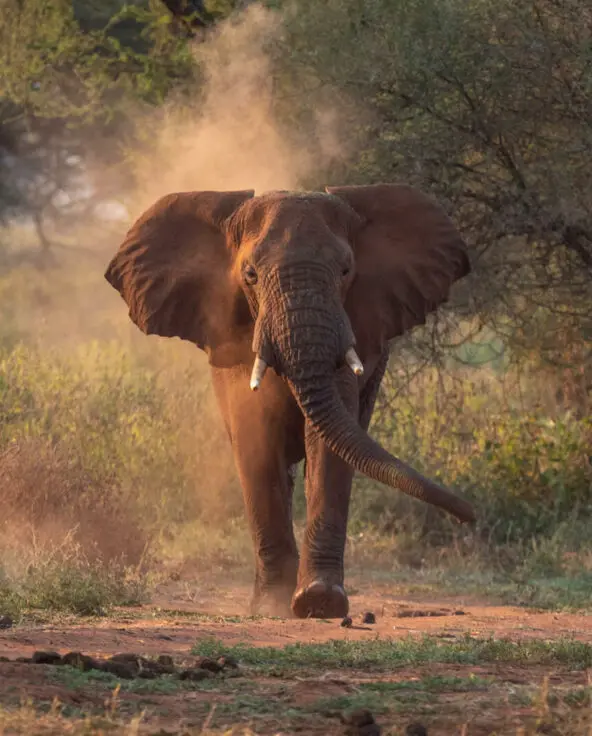
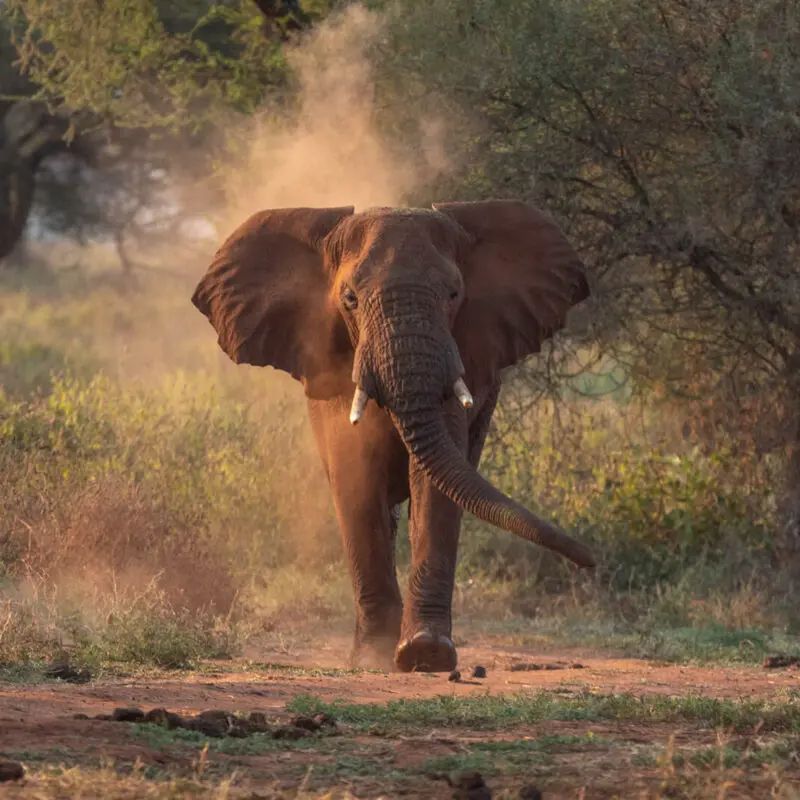
One of the Northern Circuit parks, Tarangire is famed for its huge baobab trees and massive elephant herds. It’s one of the least visited northern parks.
Tanzania
Explore the best destinations in Tanzania with Asilia, from the well-known Serengeti and Ngorongoro Crater, to the remote Ruaha.
Best Time For Wildlife Viewing In Tarangire
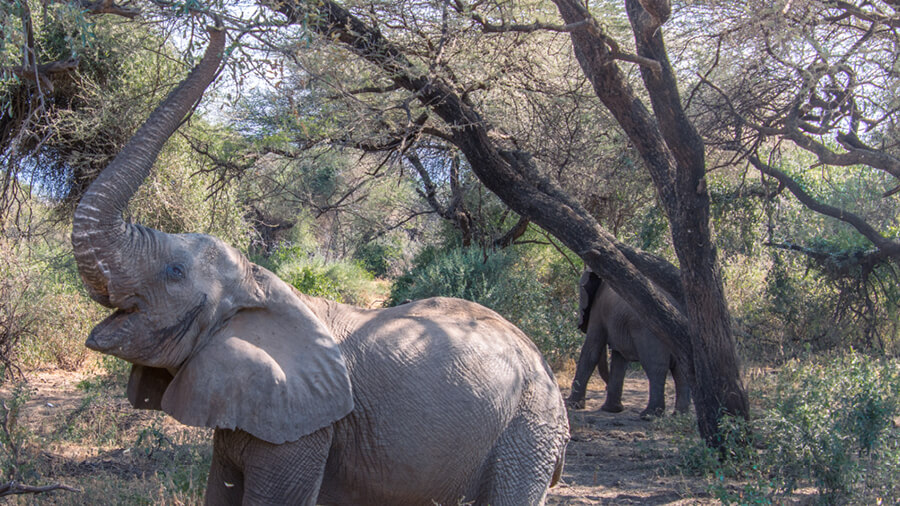
The best time to visit Tarangire National Park is during the July to October dry season and prime game viewing period. The park’s lifeline, the Tarangire River, draws thousands of animals to its permanent water source. Marvel at the majestic elephants, some of the largest herds in Tanzania. Spot lion, leopard, cheetah, and more.
When Is The Tarangire Migration
The best time to visit Tarangire National Park to witness the seasonal Tarangire migration is between July and October. During the dry season, the wet marshland of the Silale Swamps becomes one of the most reliable water sources in the region. Wildlife from far beyond the borders of the park, will migrate into Tarangire, creating a staggering density of wildlife. Enormous herds of elephant and buffalo, a wide variety of plains game, and almost every predator can be seen during these dry season months.
The Best Time For Birdwatching
The best time to visit Tarangire National Park for the finest birdwatching is during the wet and green seasons from November to May. Tarangire is a birdwatcher’s paradise as millions of migratory birds from different parts of Africa and Eurasia flock to the park, adding to the diversity and beauty of the resident birds. Some of the most spectacular visitors are the pink-backed pelican, great white pelican, and yellow-billed stork. Other notable migrants include spotted crake, red-throated pipit, and the rufous-tailed weaver. Tarangire is also home to endemic and near-endemic birds, such as ashy starling, yellow-collared lovebird, and northern pied babbler.
Weather Considerations
Tarangire National Park has a dry season from July to October, offering sunny days and clear skies. The average temperature is 25°C (77°F), but it can get chilly at night, dropping to 14°C (57°F). Rainfall is minimal, less than 1mm (.04 inches) per month, and low humidity. Now is the best time to enjoy wildlife viewing and admire the scenery.
The wet season lasts from November to May, with two rainy periods: short and long rains. The average temperature is around 28°C (82°F), with high humidity. The rainfall varies from 80mm (3.1 inches) in January to 166mm (6.5 inches) in April.
Tarangire is a wildlife paradise famous for vast elephant herds, tree-climbing lion, leopard and more. Whether you prefer the dry season for easy sightings or the wet season for brilliant birdwatching and lush landscapes, Tarangire National Park will deliver an exciting safari experience. Contact Asilia today, to plan a safari experience that includes Tarangire National Park.