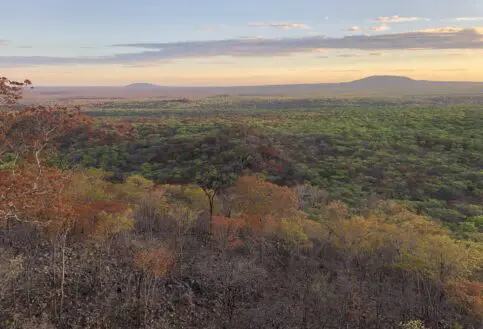
In the early morning, mist clings to the slopes of Bwindi Impenetrable Forest like a gossamer veil, softening the ridgelines before the sun burns through.
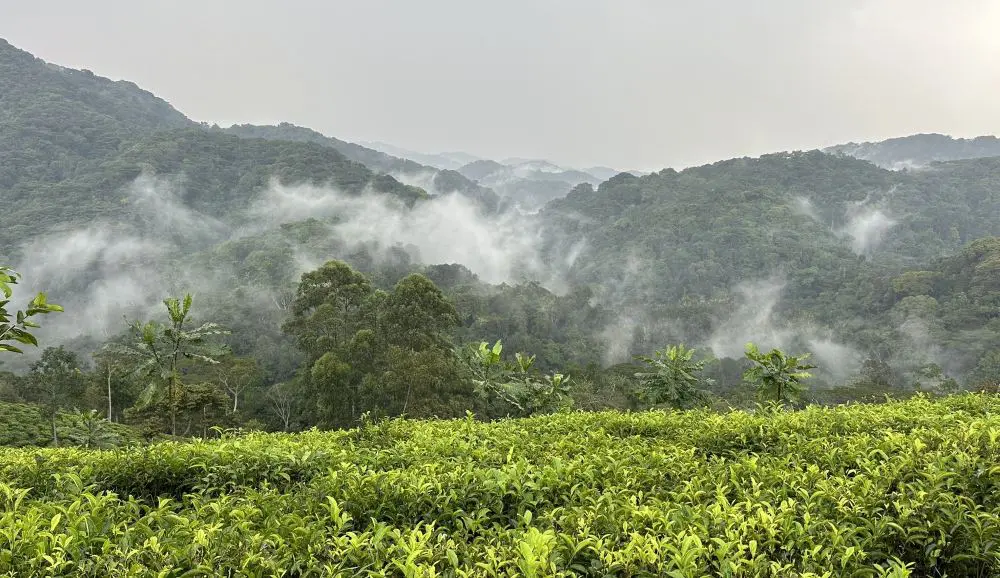
The boundary between Bwindi’s ancient forest and the surrounding land, scarred by decades of intensive agriculture, is stark. On one side, the dense, primeval forest teems with life, home to mountain gorillas, forest elephants, and countless bird species. On the other, the cultivated slopes of old tea plantations reveal eroded soil and a monoculture that no longer sustains the land or its people.
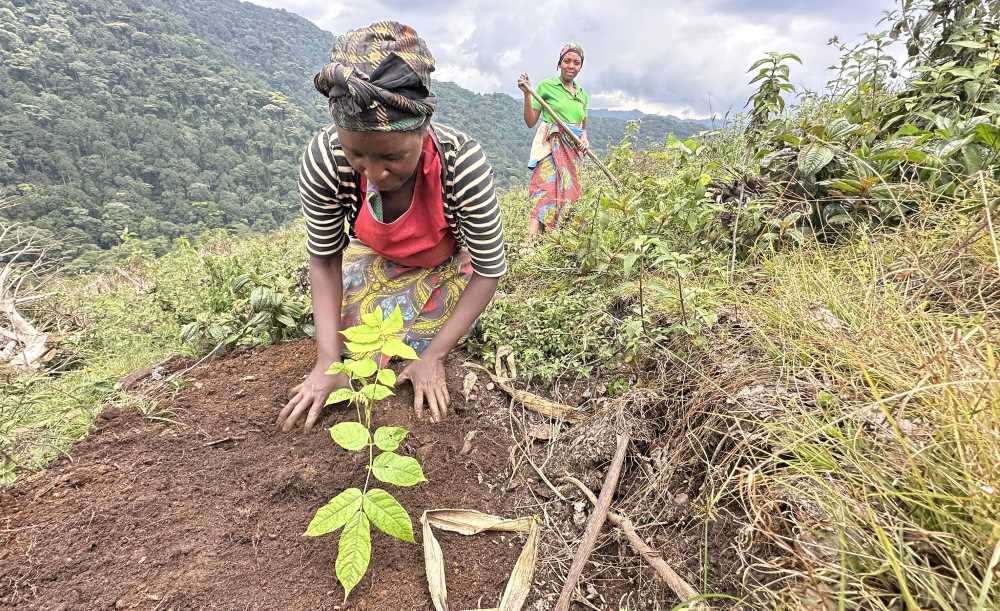
The industrious activity of a group of local men and women planting indigenous saplings where regimented rows of tea plants once stretched toward the horizon signals a landscape in transition. This is the beginning of a reforestation project that will replace failing tea plantations with a diverse, resilient forest ecosystem.

The Benefits of a New Forest
The reforestation project, a partnership between Asilia Africa and Change a Life Bwindi, brings together multiple goals, from ecological restoration to economic opportunity.
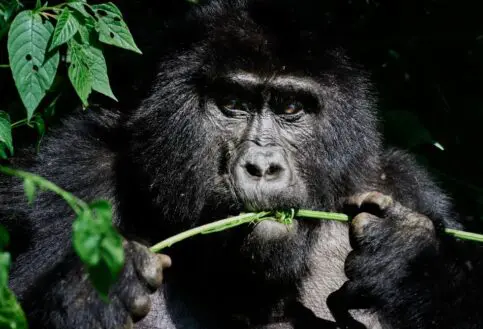
The new forest will act as a buffer zone, extending the habitat for species like mountain gorillas, allowing wildlife populations to expand. For people, it offers the opportunity to rebuild a connection with nature. The Batwa, who once lived in the forest, will have the chance to reclaim aspects of their heritage, regaining access to the plants they once used for food and medicine.
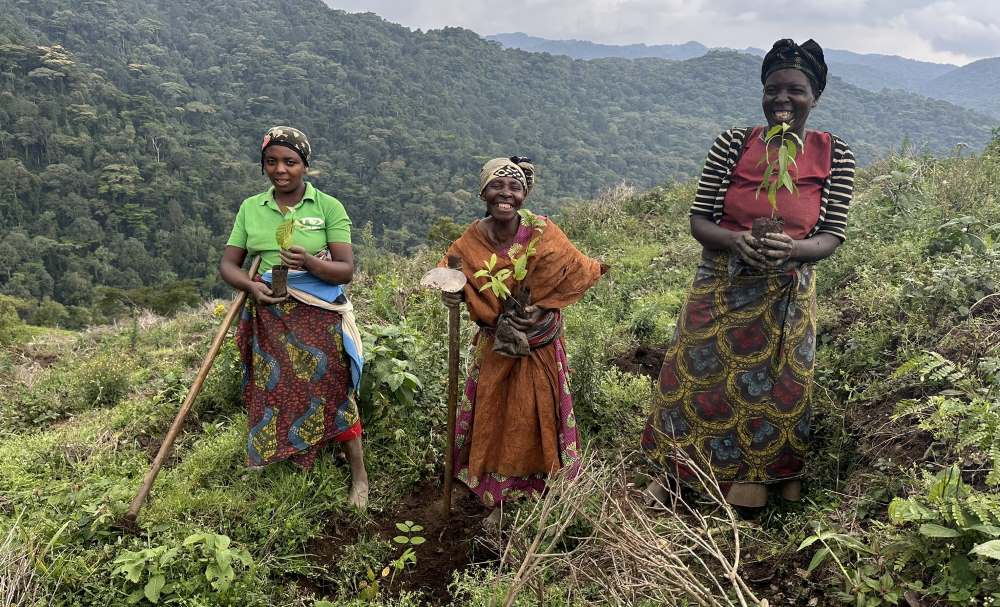
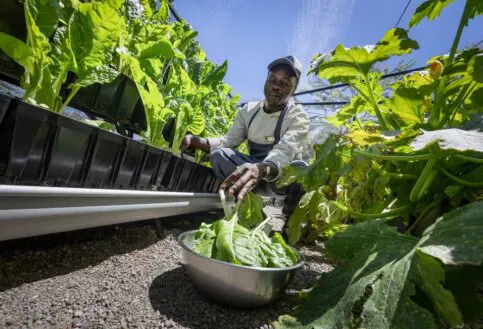
The changing landscape is a step toward creating a sustainable forest economy. Already, hundreds of jobs have been created, with people employed to clear the land, take care of the seedling nursery, and plant saplings. As the new forest grows, the community sees a future of opportunity, where they can find employment managing the land or within the tourism industry, and where their farmers and crafters can access new markets.
Planning a Buffer Zone
Robert Barigyira, the head botanist advising the project, brings a wealth of knowledge to the reforestation effort. With over 30 years of experience studying indigenous plants, he understands the complexities of restoring a forest ecosystem. His work at Mbarara University of Science and Technology supported studies on the ecological impacts of local people harvesting plant species from Bwindi, giving him a deep appreciation for the delicate balance between human needs and conservation. Barigyira, who came out of retirement to take on the project, sees it as an opportunity to pass on his knowledge to the next generation, ensuring that the forest and its resources are valued and protected.
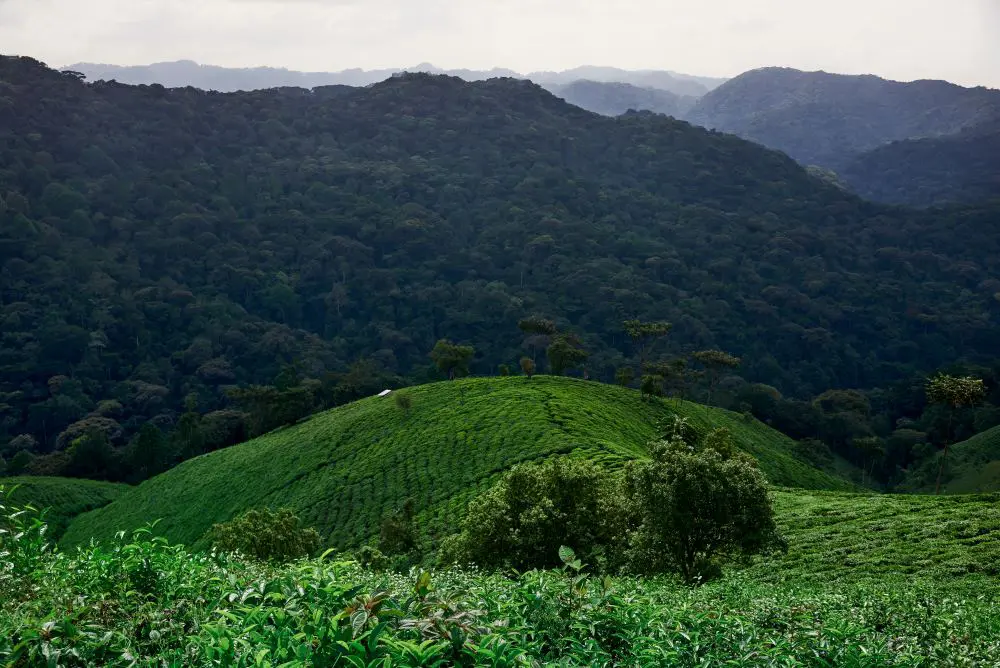
His approach combines scientific rigour with traditional knowledge. Each plant is chosen with considered intent; the rising forest planned to blend seamlessly with the ancient jungle beyond. The knowledge of which species belong here does not come from textbooks alone but also from Batwa elders who remember the lost landscape. Their intimate understanding of the forest is invaluable.
Kakuria David, a 61-year-old Batwa chief, embodies this connection with nature. He once lived in the forest, gathering wild plants for medicine and food, and has been integral in choosing which species should be planted, ensuring that they have both ecological and cultural value.
As he talks about the forest flora, his face lights up. He speaks of a time when the forest provided everything. “We rarely got sick,” he says. “Now, everything must be bought.” As the trees mature, he is excited that they will provide materials that are currently scarce, only available within the protected national park boundaries.
The species he is most eager for include Omusingati and Oruzogo, both prized for their fire-starting properties. Omusingati, with its straight, sturdy branches, is ideal for making fire sticks, while Oruzogo’s resin-rich wood ignites easily, even in damp conditions.
Others include Omumba, a small tree with glossy leaves. David recalls being arrested once when trying to harvest its highly valued bark, which is boiled to create a potent remedy for stomach pain. “It is far more effective than any modern medicine,” he tells me. Omwiha, with its delicate foliage, is another medicinal plant used to treat diarrhoea and digestive issues, while Ebihama, a nutritious and much-prized wild yam that grows in the forest understory, represents the forest’s role as a food source. Each species chosen has been integral to the Batwa lifestyle for generations, representing a thread in the complex fabric of forest ecology and human survival.
Sourcing a New Forest
As well as planning the planting, Barigyira and his team oversee every aspect of the reforestation, starting with collecting seeds and saplings from the forest.
He describes the difficulty of gathering seeds. “We have to identify the mother trees, monitor them when they flower, then return when the seeds are ready,” he explains. “We request permission to enter the forest and employ a team of 20 or 30 people for the day, who are accompanied by the Ugandan Wildlife Authority. Sometimes they return empty-handed, and the day’s effort is lost. Yet, without this work, the new forest will not resemble what was lost.”
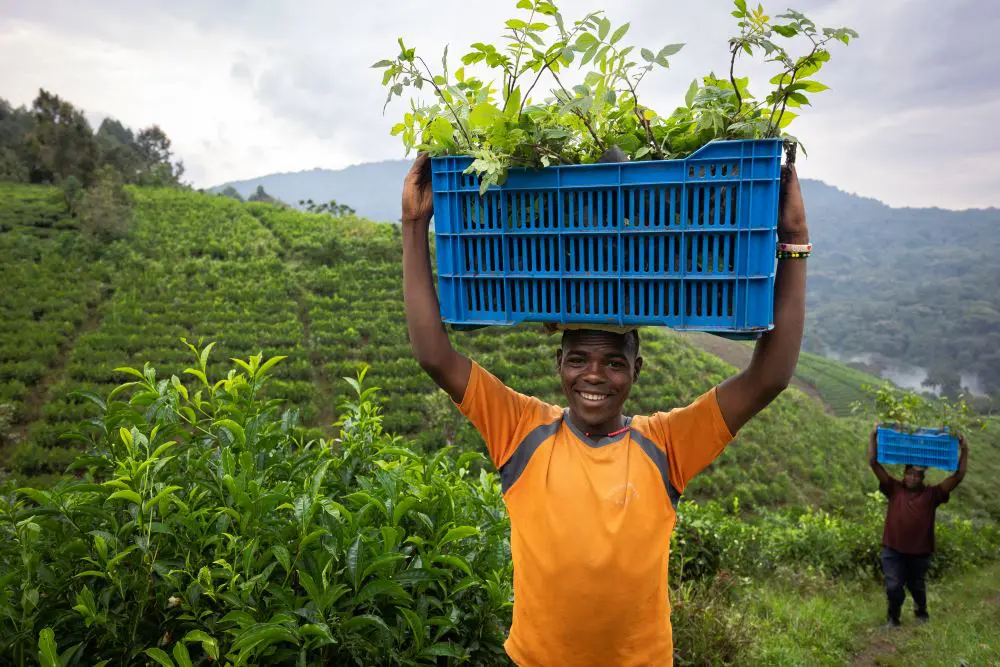
“The Batwa are integral to this effort,” he continues. “They know the forest in a way no one else does. Their elders can pinpoint where specific plants once grew, guiding the team.”
Once collected, the seeds are nurtured at the project’s nursery site, where they are watered, weeded, and protected until they are strong enough to be transplanted.
An additional source of plants to support the reforestation efforts has come from local communities. Indigenous seedlings naturally taking root among farms and tea plantations were once pulled up and discarded as weeds. Now, villagers actively search for and nurture these saplings. In December 2024 alone, over 35,000 seedlings were purchased from community nurseries, providing income and fostering a sense of ownership in the restoration process.
A Forest for the Future
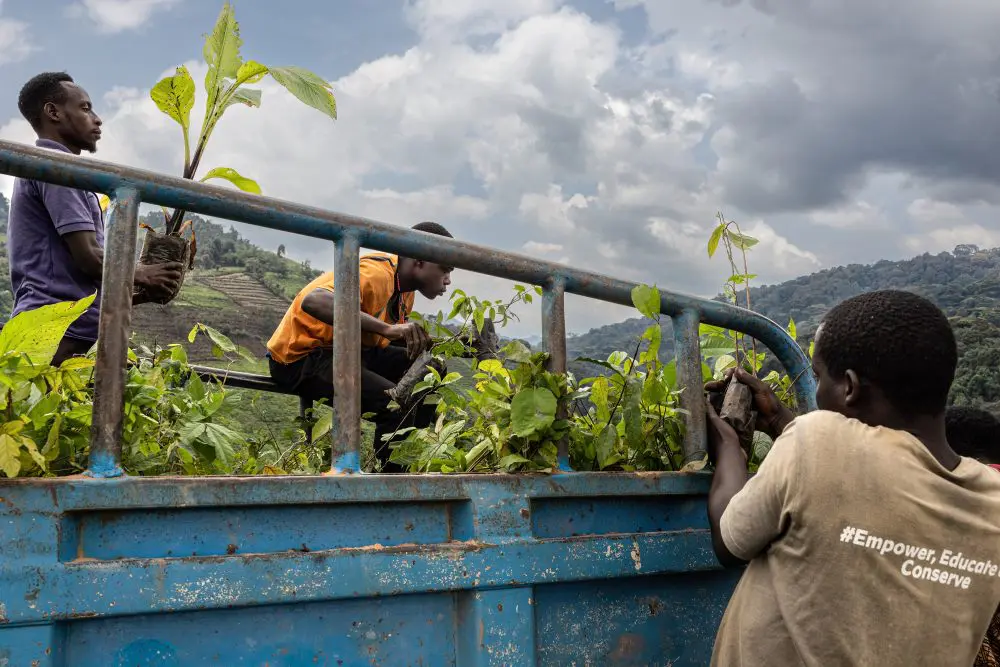
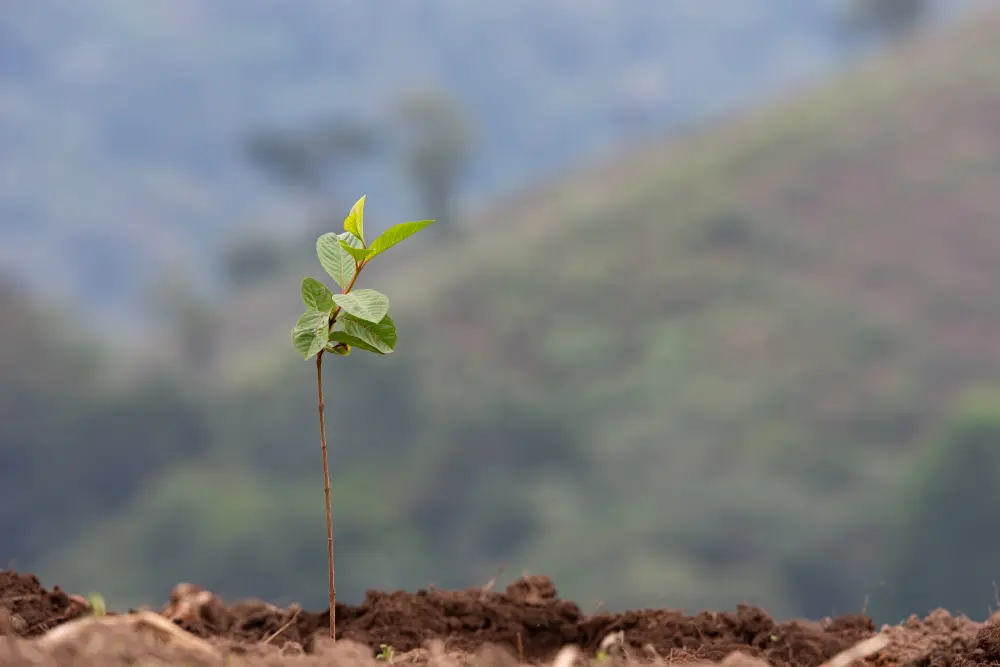
During the rainy season, the saplings are carefully transported and planted on the cleared and carefully prepared hills adjacent to the forest. Over 25,000 native trees have already been planted, with tens of thousands more seedlings being nurtured in nearby nurseries, ready to take root on these slopes.
Already, the landscape is changing. Tiny saplings now stand waiting for the rains to take hold. Where tea once dominated, a new forest is emerging, carefully coaxed back into existence through patient, collaborative work.
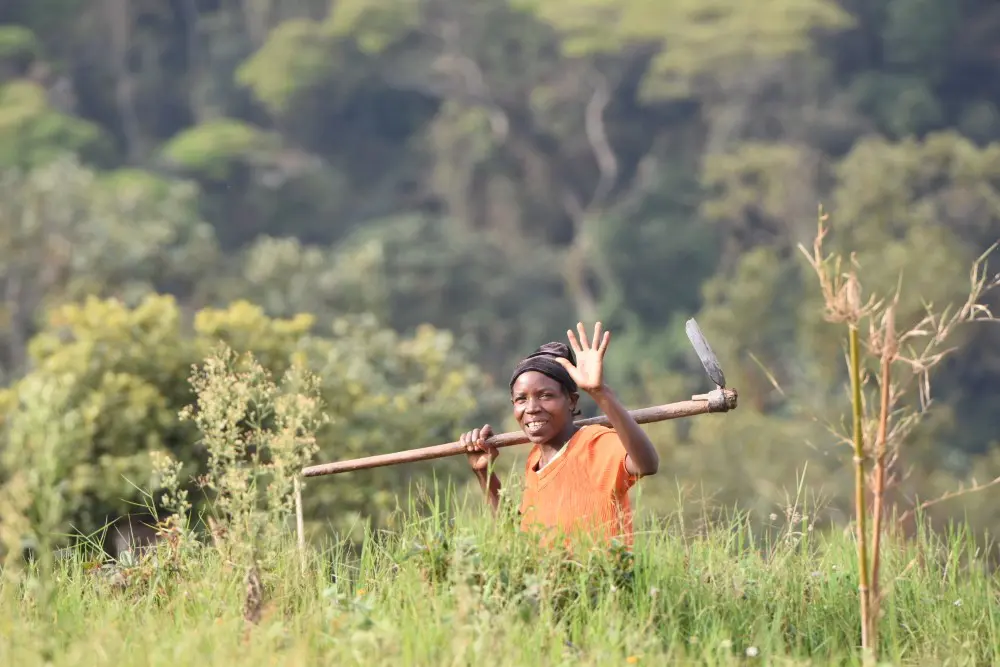
As the morning sun burns away the mist, revealing layers of hills rolling towards the horizon, the promise of this landscape becomes tangible. Each carefully planted sapling represents both botanical renewal and a rebuilding of relationships between people, species, and the natural world. The project represents a new future: for wildlife seeking expanded habitats, for people reconnecting with their ancestral land, for a community looking for new opportunities to thrive, and for an ecosystem finding its balance once more.
Plan your visit to the reforestation project at Erebero Hills