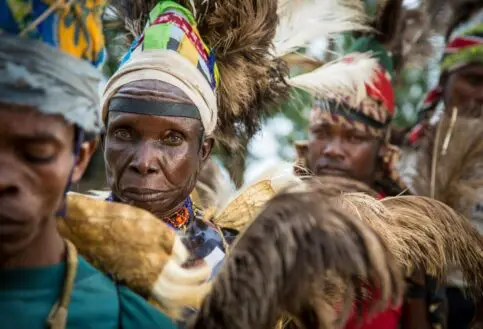
On a misty morning in southwestern Uganda, a group of Batwa men and women gather on a hillside where neat rows of regimented tea plants once stretched toward the horizon. Today, with the depleted tea shrubs now stripped away from the steep slopes, the Batwa are planting indigenous saplings.
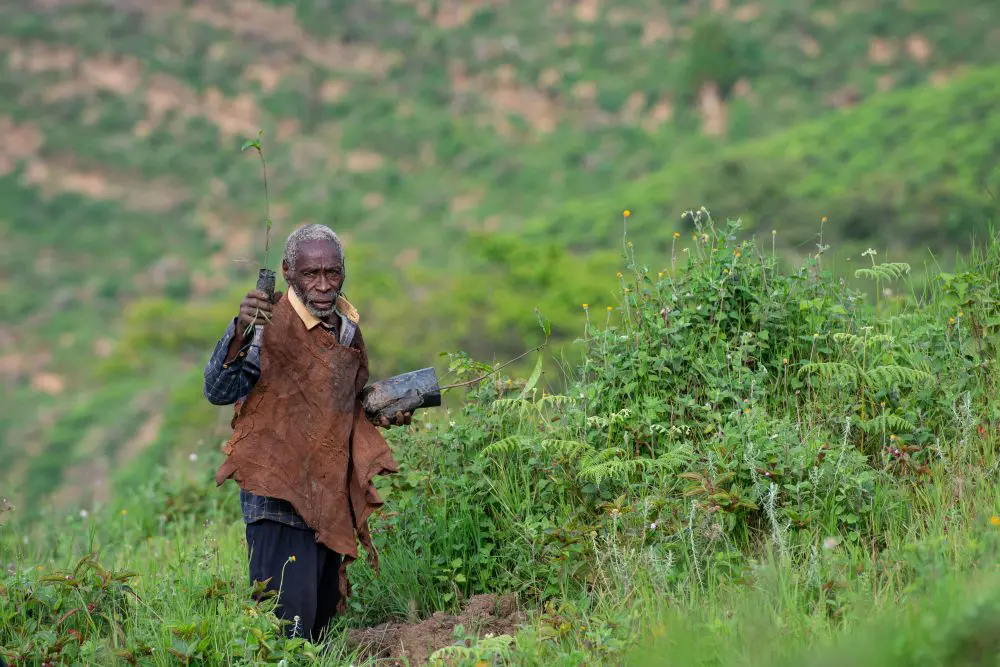
As they work, the conversation flows naturally to what this place means to them. “We call this erebero,” says the 61-year-old Batwa chief, his weathered hands carefully placing another sapling into the dark rich soil. His brown traditional robe moving with each deliberate motion and his grey-flecked beard catching the morning light. “It means a place where you can see far.”
He gestures across the landscape, where layers of hills roll endlessly into the distance. The air carries the same earthy scent of wet leaves that drifts from the ancient forest nearby, a refuge for species such as mountain gorillas that roam its depths. The boundary between the old tea plantations and Bwindi’s primeval forest is stark. A reminder of what was lost and what might be regained.
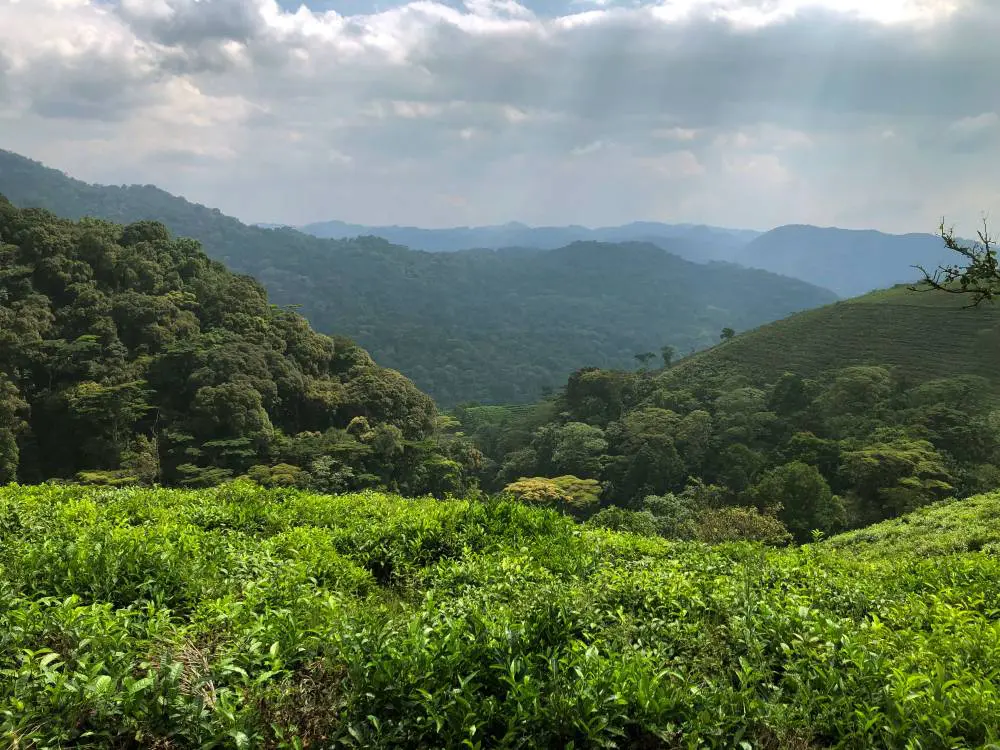
Their planting activity is part of a plan underway to establish a reforested buffer zone bordering Bwindi Impenetrable Forest, restoring large tracts of indigenous vegetation, allowing the forest to reclaim the hills.
For the Batwa, this project represents more than just the planting of trees. When they lost access to their ancestral forest home, they lost their traditional way of life. The forest was their food store, their source of medicine, their cultural touchstone. Now, as they plant each carefully selected sapling, they’re seeding hope for future generations.

“There is no place on these hills that I don’t know,” the chief says, pride lighting up his expressive features. His knowledge spans decades of living in harmony with the forest, gathering plants, and understanding the intricate relationships between species. This deep understanding now guides the selection of every tree species being planted.

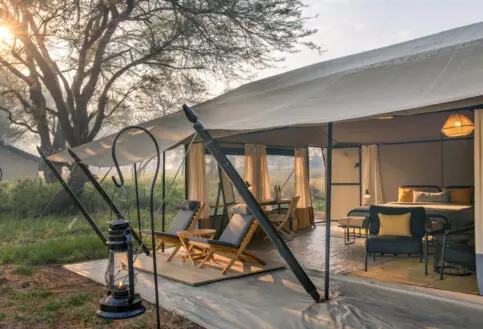
At the heart of our reforestation project is the construction of our new lodge. Its name emerging naturally from these conversations on the hillside, Erebero Hills. For the Batwa chief, this project bridges past and future. His beliefs are rooted in nature and the trees. His spirit, he says, is part of the natural world. As he surveys the hillside where bamboo-constructed lodge buildings will soon rise, his eyes reflect both memory and anticipation. The project offers a chance for his children and grandchildren to reconnect with their heritage while building new livelihood opportunities.
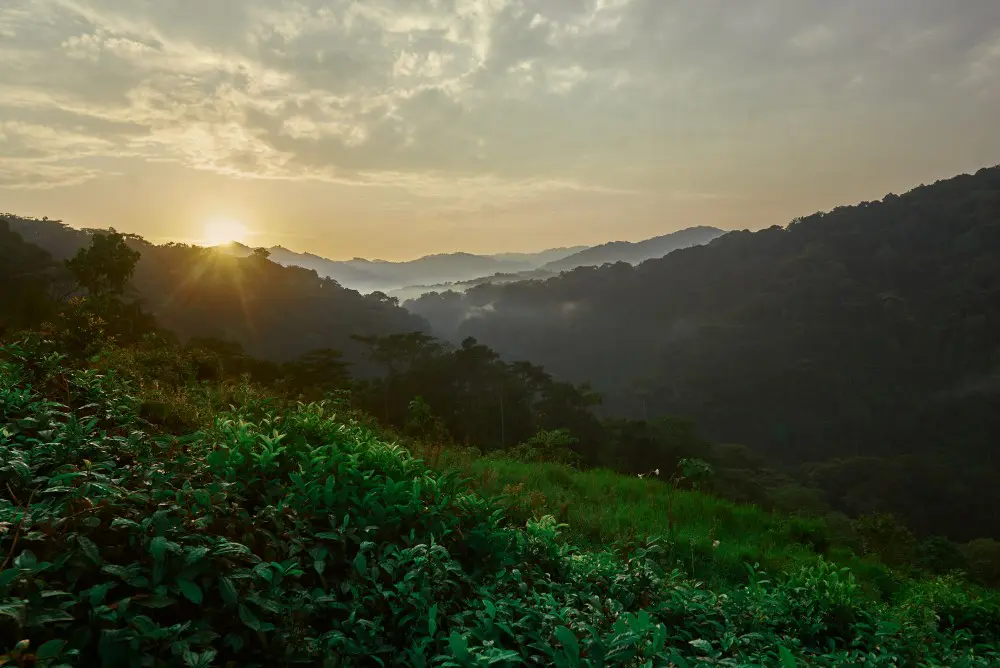
The concept of a forest economy particularly excites the community. Beyond the immediate employment in planting and lodge operations, they see potential for sustainable income through their traditional knowledge and practices. The restoration of native plants they once gathered in Bwindi allowing them to share their botanical expertise with visitors while maintaining their cultural connections.
As morning mist gives way to sunshine, the planting continues. Already, 25,000 native trees have taken root here. Each sapling represents a step toward transforming this former tea plantation into a thriving forest ecosystem. The Batwa’s selection of plants reflects both ecological wisdom and cultural significance, species chosen not just for their environmental benefits but for their role in traditional medicine and practices.

From this vantage point, it’s easy to understand why the name Erebero fits so perfectly. The views stretch far across the landscape, but the vision stretches even further, toward a future where the Batwa can once again access forest resources, share their deep knowledge, and maintain their cultural heritage while building new economic opportunities.
The chief places another sapling in the ground, his hands moving with the assurance of someone who has spent a lifetime reading the forest’s signs. This hill, once stripped of its native vegetation, is beginning to tell a new story – one written in consultation with those who know it best.
Start your journey to Erebero Hills today.