East Africa is busier than ever, especially during peak travel season; more people are visiting, more camps are opening, and the balance between conservation and exploration has never been more important.
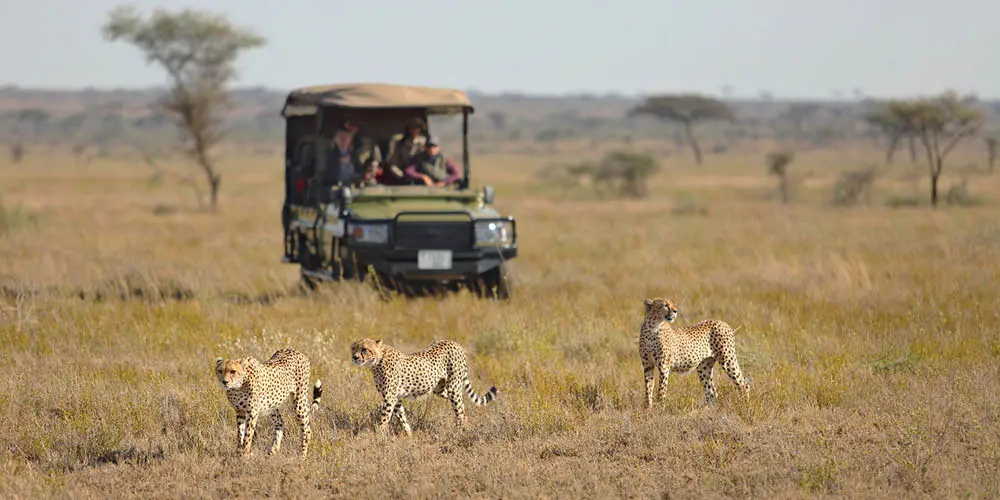
When you choose conservation-led safari packages, every moment counts for something bigger. Across the sweeping savannas of Kenya, the misty mountains of Uganda, and the vast plains of Tanzania, travellers are discovering that adventure and impact can go hand in hand. These are journeys where your presence helps protect endangered species, support local communities, and sustain the ecosystems that make Africa’s wilderness so extraordinary.
Whether you’re tracking rhinos alongside dedicated rangers, staying in lodges that fund wildlife corridors, or joining scientists in real-time research, East Africa conservation safari experiences turn travel into purpose. They invite you to see not just the Great Wildebeest Migration, but the bigger picture: a future where tourism actively safeguards the natural world it depends on.
Why Conservation Safaris Matter in East Africa
In East Africa’s wilderness areas, the stages of survival and renewal are set each day – predators on the move, herbivores grazing in hidden glades, and communities living at the interface between wilderness and human habitation. Safaris become more than an experience; they become part of a much bigger story.
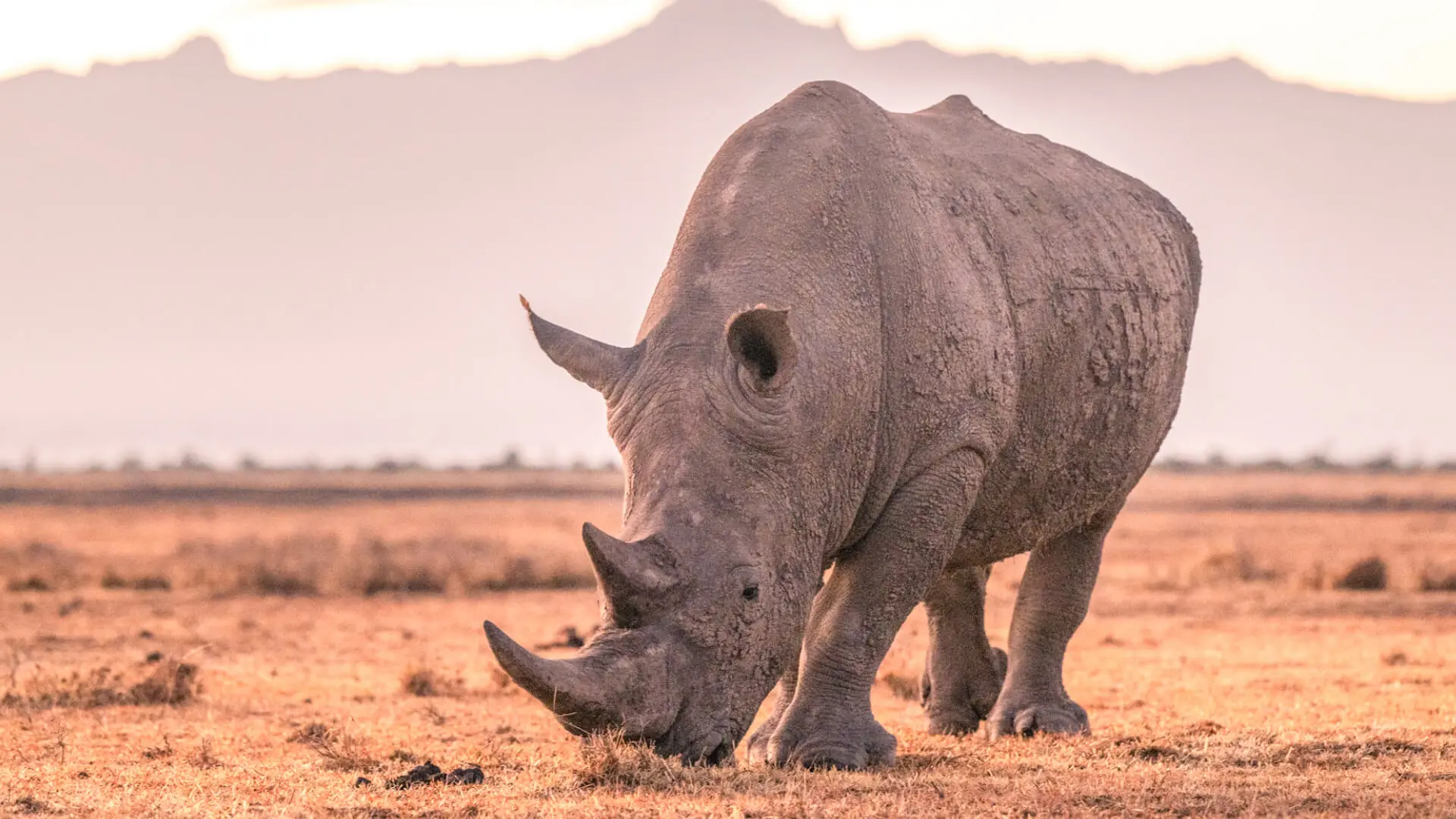
Safaris as a Force for Wildlife Protection
When you go on an ethical safari experience in East Africa, you’re helping sustain the habitats that animals depend on. Landscapes once open only to animals now face increasing pressures from human encroachment, illegal wildlife trade, and diminishing corridors. By visiting thoughtfully, your presence helps:
- Support ranger teams and anti-poaching patrols who are on the front line of protecting species and habitat.
- Maintain open, connected ecosystems where migrations and movements of wildlife can continue.
- Raise awareness of the importance of wildlife both to the land and to the communities that live alongside it.
Community support: People and Nature Side by Side
Africa’s wild places aren’t isolated from people, and thrive mainly when people and ecosystems find the right balance. Conservation safaris anchor that balance by engaging with local communities in meaningful ways:
- Income from tourism assists in providing jobs, education, and training opportunities for local families.
- Wildlife becomes a valued asset rather than a threat, creating incentives for protection rather than conflict.
- Investments in education, local business, and infrastructure raise living standards while aligning with the preservation of nature.
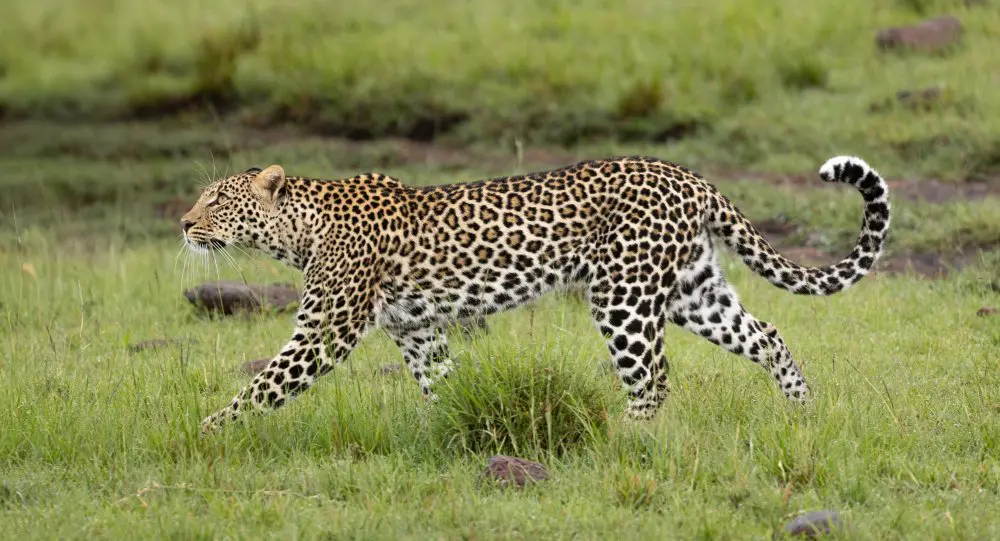
How Asilia Makes a Difference
At Asilia, conservation and sustainability are built into the journey. Travelling with purpose is crucial. Here’s how:
- Guests stay in camps and lodges located in ecologically and economically vulnerable areas, turning them into viable “conservation economies”.
- For every night a guest stays with us, a US$20 levy is contributed to our positive impact fund, which supports communities and wildlife projects across East Africa.
- Partnerships with local organisations and conservation authorities strengthen anti-poaching networks and habitat restoration initiatives.
- We work closely with local communities, conservation authorities, NGOs, and industry partners to ensure long-term outcomes that benefit people and nature.
In choosing a conservation-led safari package with Asilia, you’re doing more than simply visiting Africa: you’re investing in a future where ecosystems thrive, communities are supported, and wildlife is valued.
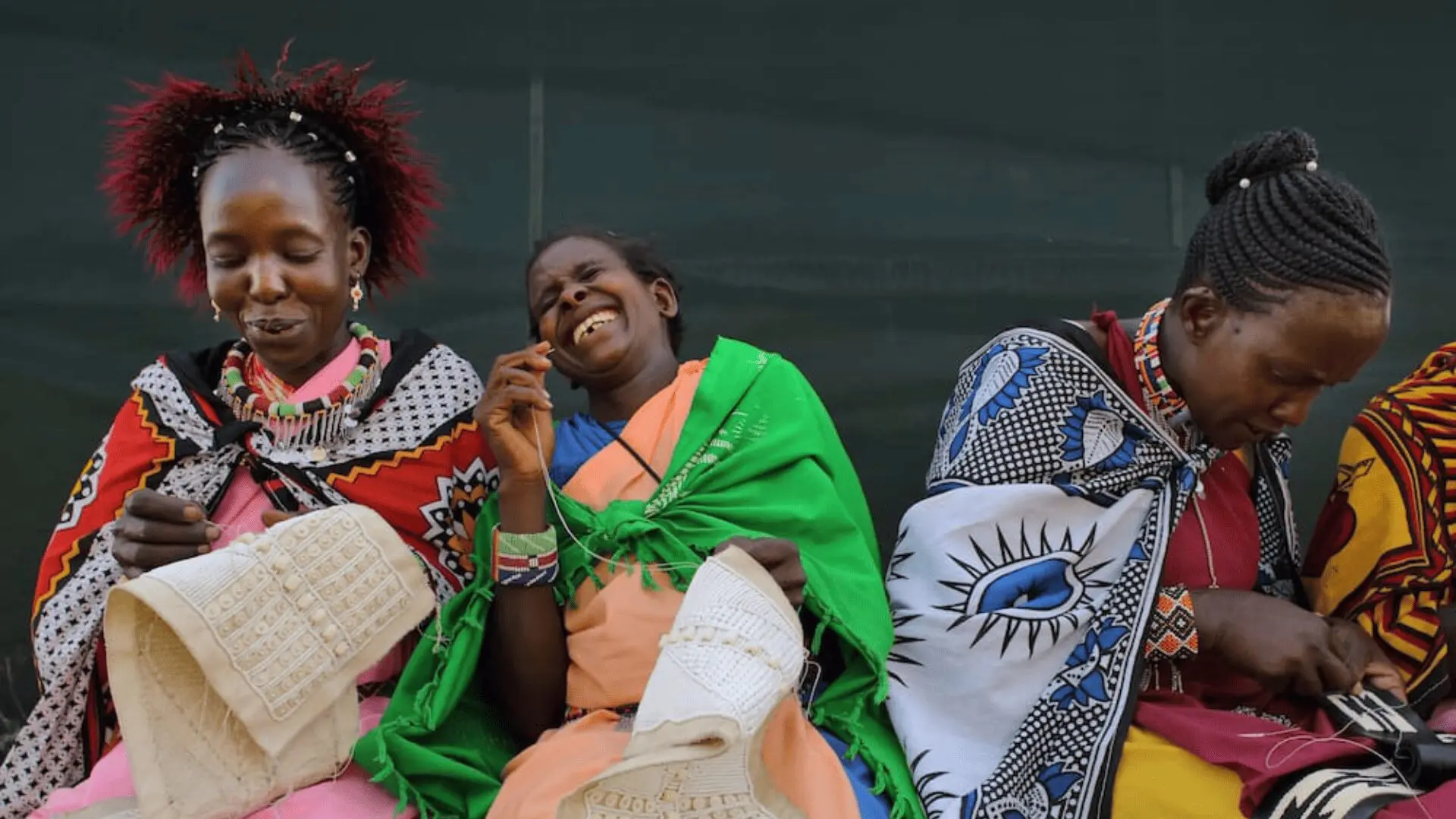
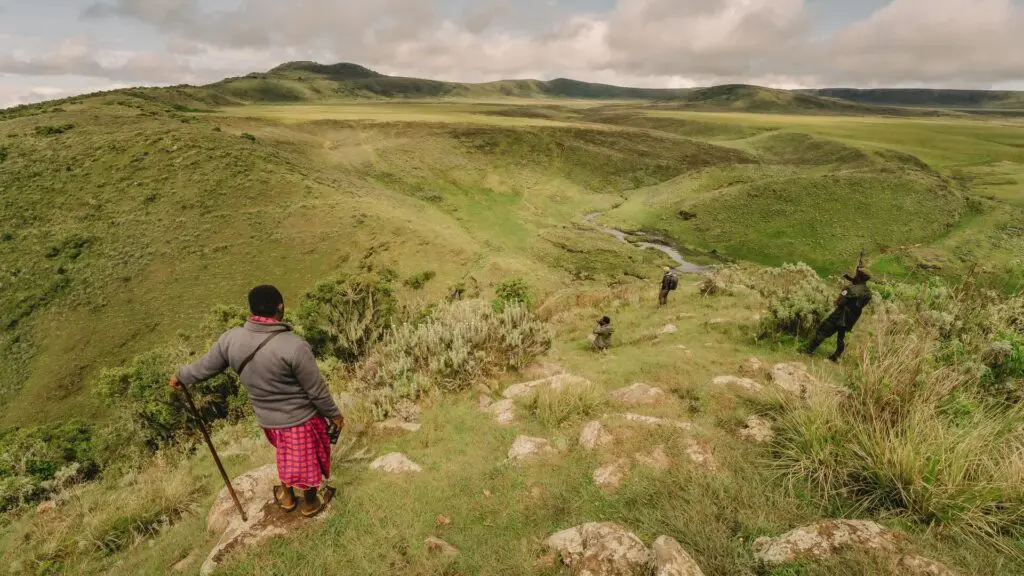
Walking Safaris with Expert Guides
There’s no better way to truly understand East Africa’s ecosystems than on foot. A walking safari brings you eye to eye with the details often missed from a vehicle: the scent of wild herbs when brushing past them, the ripple of bird calls through the trees, and the story told by a single print in the sand. Led by Asilia’s expert guides, these experiences reveal the bush in its most honest form: raw, quiet, and endlessly alive.
Immersive Wildlife Tracking
Every step on a walking safari is a lesson in awareness. With only a handful of guests – usually no more than six – your guide helps you read the landscape through its signs: tracks pressed into soft earth, the alarm call of a bird, or a distant rustle that hints at unseen life. You’ll learn how to identify spoor, interpret scents on the breeze, and understand how each creature fits into the broader ecosystem.
For Asilia’s guides, tracking isn’t just about finding animals; it’s about protecting them. By studying patterns of movement and behaviour, guides and researchers can better monitor species health, migration routes, and population trends providing insights that directly inform conservation strategies and anti-poaching patrols.
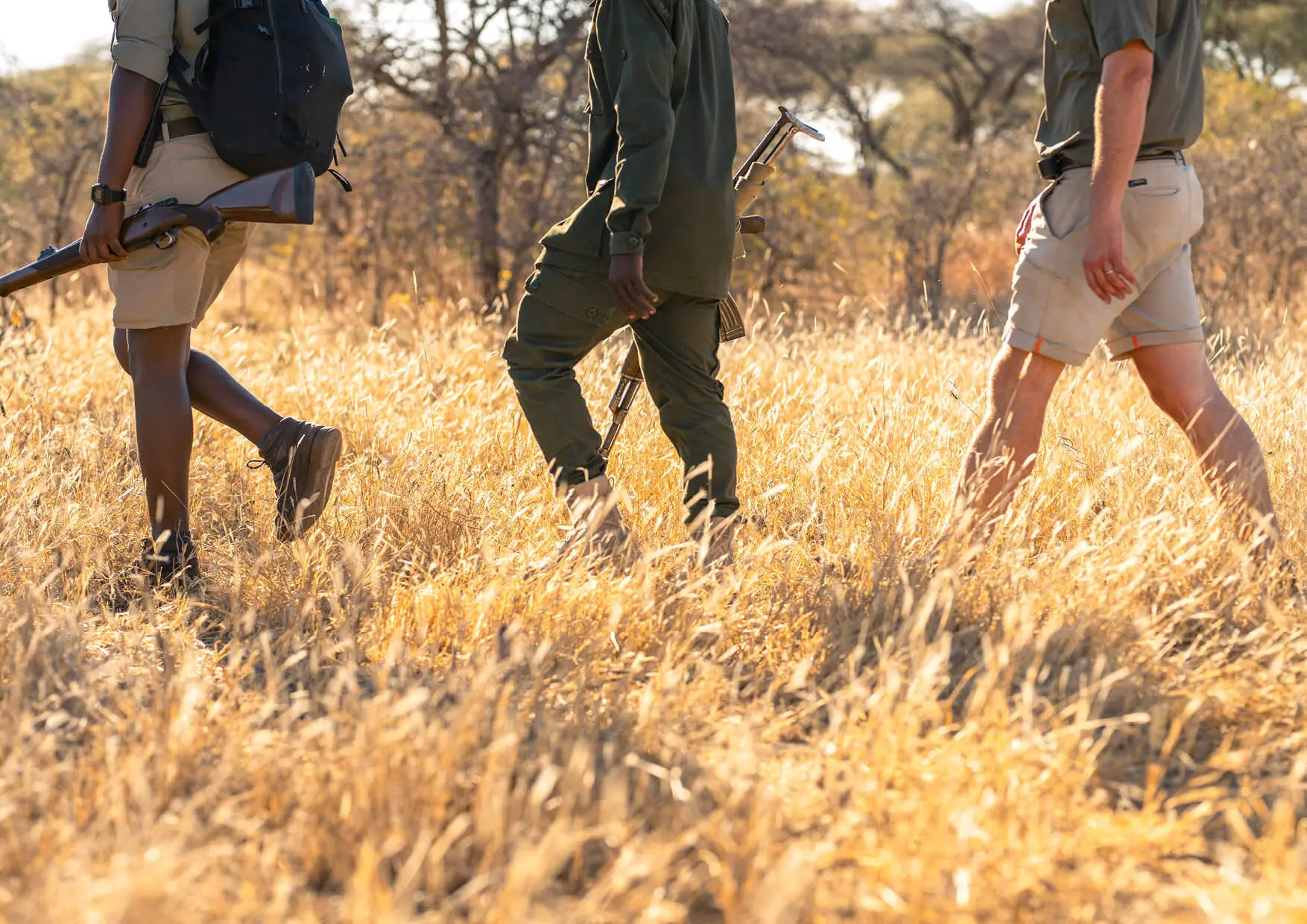
Low-Impact Exploration
Walking safaris offer one of the most sustainable ways to experience Africa’s wild places. Travelling on foot leaves minimal environmental impact and creates a deep, sensory connection with the land. Without the hum of an engine, the sounds of the bush take centre stage; everything from the buzz of insects to the low rumble of distant elephants.
This slower, quieter form of exploration invites a richer appreciation of nature’s complexity. Guests come away not only with lasting memories, but also with a stronger understanding of why conservation and responsible travel matter. In Asilia’s hands, a walking safari becomes more than an adventure, it’s a way to see how every footprint, when thoughtfully placed, helps keep East Africa’s ecosystems thriving. With us, walking safaris are amongst the most ethical safari experiences in East Africa.
Behind-the-Scenes Conservation Projects
Community-Led Wildlife Initiatives
At Asilia, we believe that conservation only works when it’s led by the people who live closest to the land. As part of our various Travel with Purpose initiatives, across East Africa, we work alongside local rangers, researchers, and conservationists who dedicate their lives to protecting wildlife and maintaining the delicate balance between people and nature.
Each stay helps us work hand in hand with communities, conservation partners, and local authorities to create lasting benefits for people and nature alike:
- Collaborating with local conservation leaders: We partner with organisations such as KopeLion in Tanzania, which promotes coexistence between lions and Maasai communities in Ngorongoro, and the Kenya Wildlife Trust, which leads predator monitoring programmes in the Mara ecosystem.
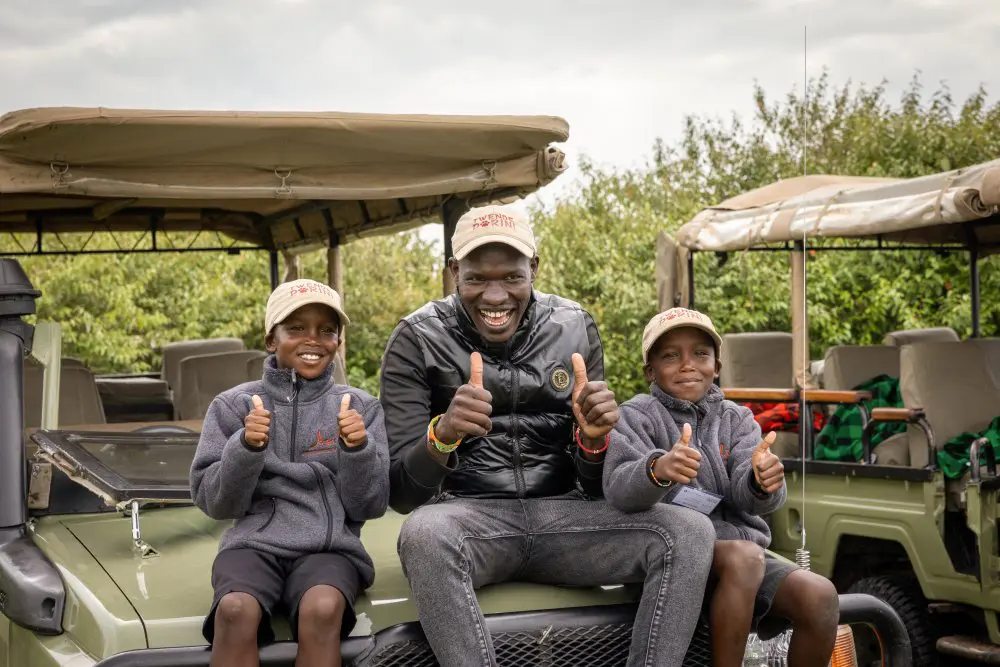
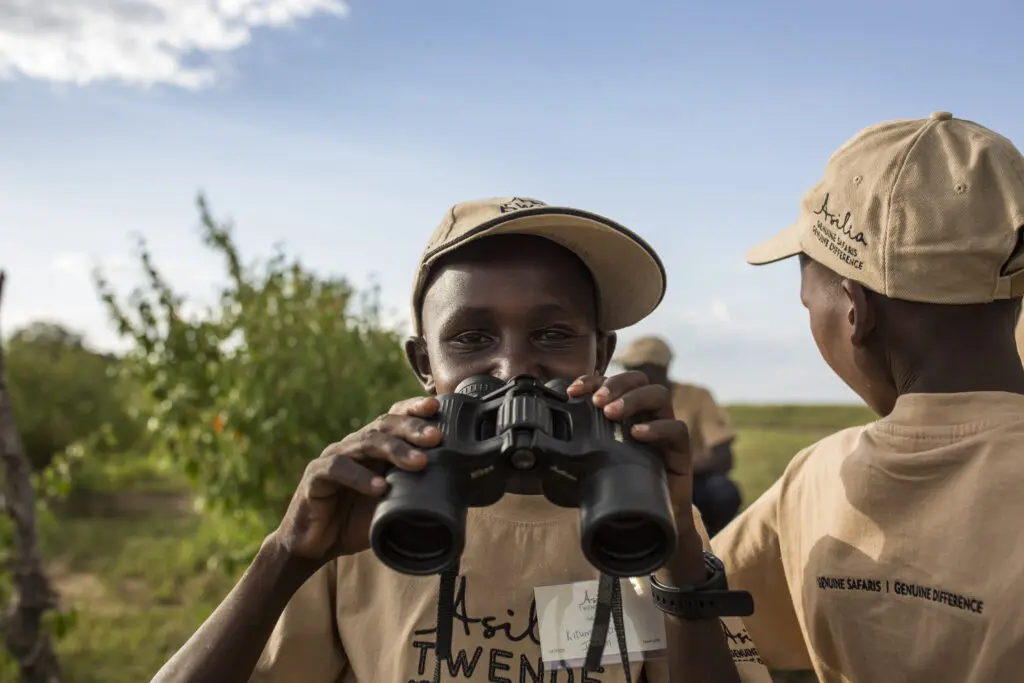
- Supporting the next generation: Through our Twende Porini (“Let’s go to the bush”) programme, we invite children from nearby communities to spend time in our camps, learning about wildlife and the importance of conservation firsthand.
- Connecting guests with experts: While guests don’t always participate directly in lion-tracking or field research, we offer opportunities to meet the rangers, researchers, and conservationists whose work you’re helping to sustain. These experiences vary by camp and season.
Together, these initiatives ensure that wildlife protection isn’t just something we talk about, it’s something we live and share, together.
Support for Local Communities
We’ve seen time and again that when communities thrive, wildlife does too. That’s why Asilia’s commitment extends far beyond our camps.
Your stay helps us:
- Invest in education: Through the Asilia Scholarship Programme, we support young Tanzanians studying at the ILA Vocational College in Arusha, where a one-year Hotel and Tourism Management course opens doors to careers in the tourism industry. We cover tuition, accommodation, and meals, giving bright, motivated students the foundation to build a meaningful future in hospitality.
- Support women and families: Asilia supports women’s groups and small enterprises that create sustainable income opportunities in neighbouring villages. The Maa Trust focuses on women’s rights, equality, and the provision of education.
- Improve access to essentials: We contribute to healthcare, education, and infrastructure projects that enhance wellbeing in the communities around our camps.
- Create “conservation economies”: By ensuring tourism revenue directly benefits local people, we help make wildlife and wild spaces more valuable alive than lost.
When you travel with us, you become part of that story: supporting rangers in the field, students in classrooms, and the communities each landscape is home to, so East Africa’s wild spaces can continue to thrive for generations to come.
Highlights:
Our camps operate with significantly reduced carbon footprints: solar power systems, advanced wastewater and waste-management processes, and sourcing building materials locally wherever possible.
We use farm-to-table and locally sourced food in many of our properties, minimising food miles, supporting local farmers, and reflecting the local flavour of each region.
Staying at these camps means your stay directly helps protect wilderness and wildlife. Many of our camps operate inside protected areas or conservation landscapes where tourism revenue supports habitat protection, ranger teams, and local community development.
Why it matters
When you choose an eco-friendly camp, you’re contributing more than comfort: less reliance on diesel generators and fossil fuels means less disturbance to wildlife and a smaller climate footprint.
Investing in local procurement means real economic benefit for communities that live alongside wild places, turning them into stakeholders in conservation. Your stay helps fund conservation leases, protected area fees, and community employment in fragile ecosystems.
Camps to Explore
Here are our top three eco travel accommodations in East Africa:
Ol Pejeta Bush Camp, Ol Pejeta Conservancy, Kenya
- Carbon-Neutral and eco-friendly operations: The camp is 100% solar-powered and built with sustainable materials, reducing emissions while maintaining comfort and minimizing impact on the environment.
- Sustainable Practices: Locally sourced ingredients and community-driven operations support nearby farmers and artisans, ensuring that resources stay within the region.
- Direct Conservation Support: Guests can actively assist with conservation efforts by taking part in lion tracking, anti-poaching dog training, and learning about the last remaining northern white rhinos. These activities directly contribute to wildlife protection and research.

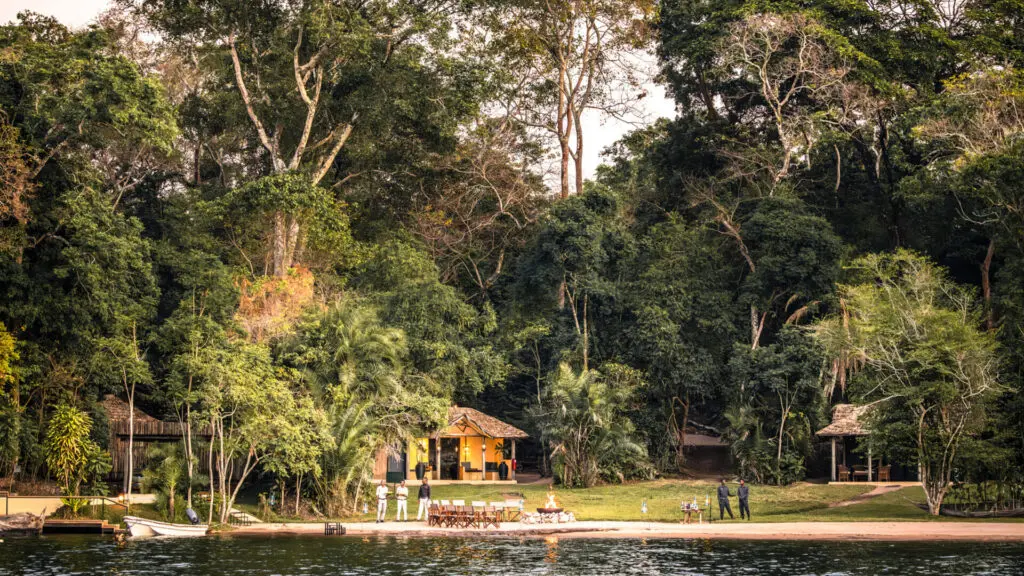
Rubondo Island Camp, Rubondo Island National Park, Tanzania
- Carbon-neutral and eco-friendly operations: As the only camp on the island, it operates with a low ecological footprint, using solar energy and natural building materials that preserve its rainforest setting.
- Sustainable practices: The camp uses locally supplied produce and environmentally sensitive design to ensure minimal disruption to the pristine ecosystem.
- Direct conservation support: Guests can join chimpanzee habituation treks, which help scientists study and protect the island’s growing chimpanzee population.
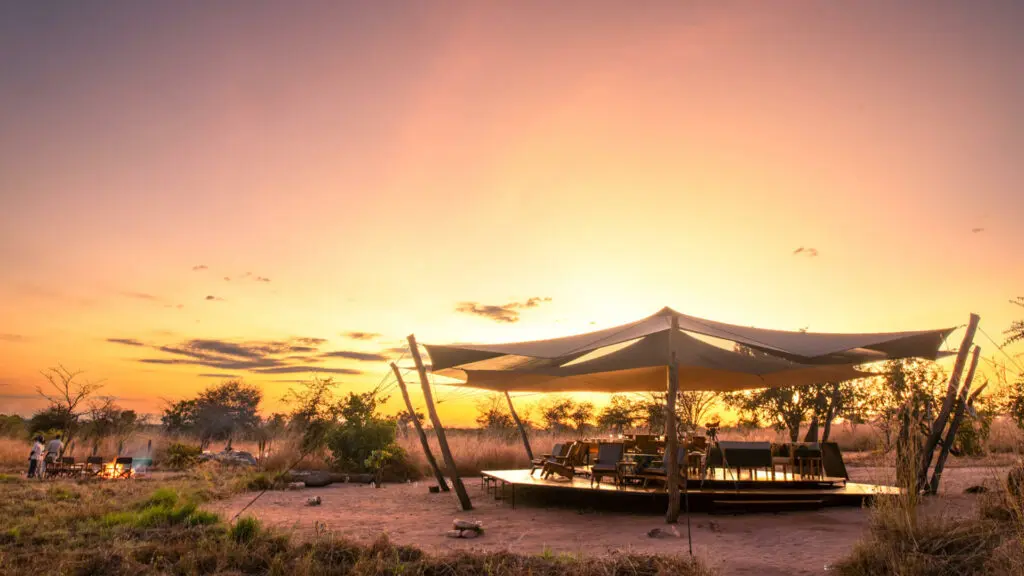
Usangu Expedition Camp, Ruaha National Park, Tanzania
- Carbon-neutral and eco-friendly operations: The guest tents are powered by solar energy and built with natural, low-impact materials that allow the wetlands to thrive undisturbed.
- Sustainable practices: Locally sourced food and eco-friendly waste systems help reduce environmental impact while supporting surrounding communities.
- Direct conservation support: Each stay contributes to the Usangu Wetlands research project, which monitors species, maps habitats, and advances conservation in this newly protected area.
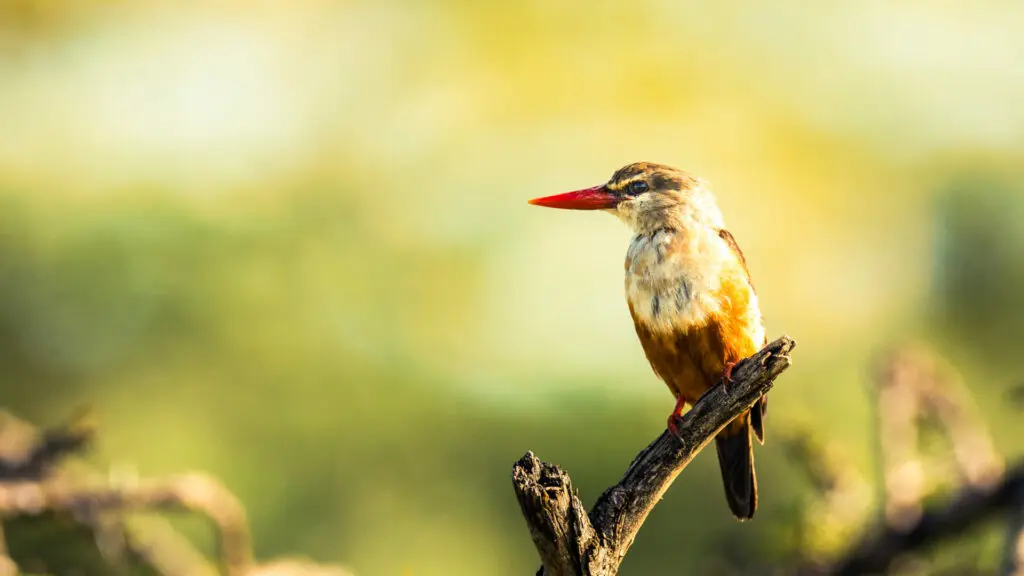
Birding and Biodiversity Safaris
- A gentle way to connect: Birdwatching is one of the most peaceful and rewarding ways to experience East Africa. Guided by our expert naturalists, you’ll explore wetlands, forests, and open plains alive with birdlife, from bright bee-eaters to soaring raptors.
- Birdlife as an indicator: Each sighting tells a story about the health of the ecosystem. Birds are some of nature’s best indicators, helping us understand how habitats are changing and where protection is needed most.
- Your role in conservation: Every guest helps contribute to ongoing biodiversity monitoring. By sharing sightings and supporting our research partners, you play a part in preserving East Africa’s extraordinary web of life.
How Your Safari Makes a Difference
- Protecting wilderness areas: Every night you spend with Asilia contributes directly to the protection of vital ecosystems across East Africa. Your stay supports conservation projects that safeguard wildlife and the landscapes they depend on.
- Collaborating with communities: We believe people and nature can thrive together. By training and employing local people, we support communities in creating lasting livelihoods and caring for these wild areas.
- Sustaining biodiversity: From the forests that feed the Mara River to the grasslands of Ruaha, we work with partners to conserve keystone species and protect the natural balance of each ecosystem.
Your safari can change lives – both human and wildlife. Choose to travel consciously and explore Asilia Africa’s conservation experiences. Together, we can ensure that East Africa’s wildlife and wilderness continue to thrive for generations to come.