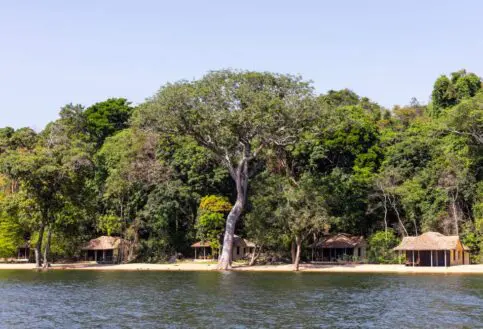
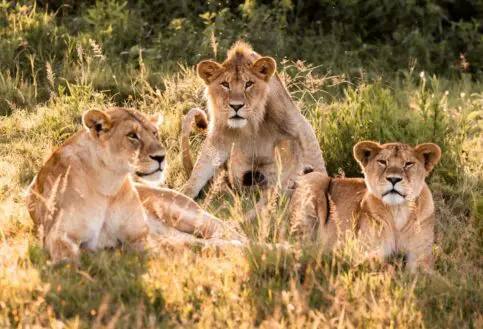
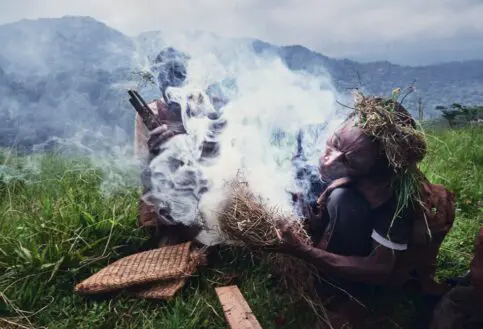
There are places you visit on safari that stay with you. The bend in a river where you watch elephants cross at dusk. The twisted branches of the tree where you watch a leopard sleeping. A stretch of open plain where the grass shifts in the wind and you stop for a sundowner watching the zebra and antelope graze.
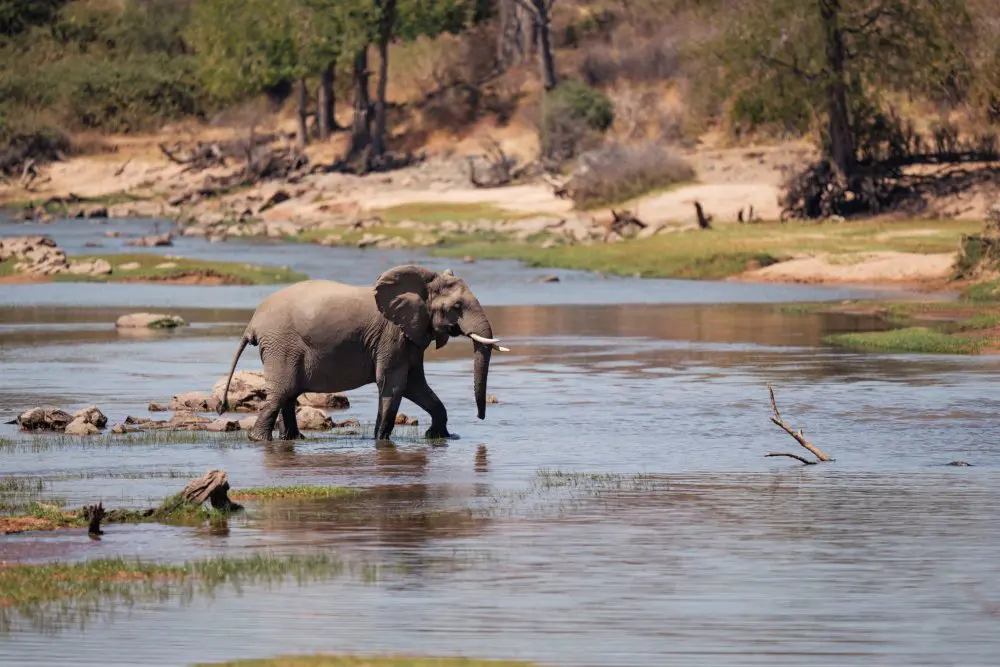
What’s less visible is what holds these places together. Across East Africa, most wildlife does not stay within national parks. It moves beyond them, into land that is farmed, grazed, divided, and owned by rural communities. Around 70 percent of wildlife in East Africa spends time outside protected areas.
If those wider landscapes don’t work for people and wildlife together, the health of the entire ecosystem is threatened. Africa’s national parks cannot function as isolated spaces. Many species move seasonally in search of food, water, and breeding grounds, often travelling between parks and across community land. Without freedom of movement, wilderness areas turn into ecological “islands” where overgrazing, inbreeding, and population decline can occur and predator–prey systems fall out of balance.
This is where much of our impact work sits. Beyond the parks and away from where travellers go. In places that rarely make it into view and often receive little support or funding.
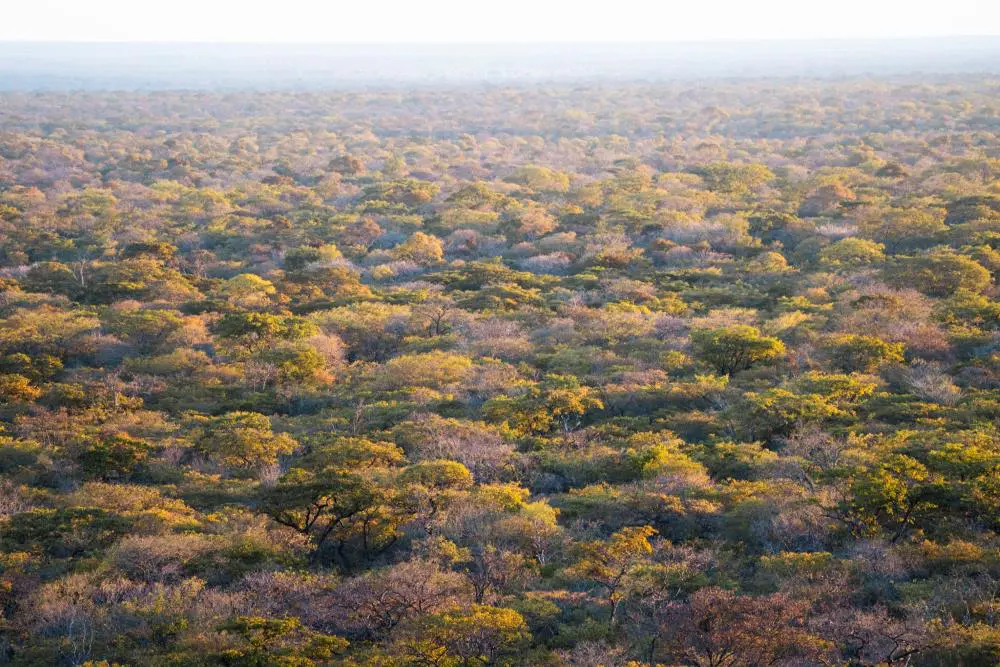
In Southern Tanzania, the miombo woodland stretches out for hours without a road or a landmark to orient yourself against. The ground is dry underfoot, the air still, and in places the smell of charcoal hangs where trees have been cut and burnt. There are no camps here and no reason for most travellers to pass through. Yet this is one of the most important parts of the system. Five Wildlife Management Areas in the Ruvuma region cover more than 15,000 square kilometres, linking the Selous ecosystem with Mozambique’s Niassa Reserve and forming one of East Africa’s largest remaining connected wilderness areas.
For communities living in and around these areas their land has to work to provide for them. Farming and grazing are the basis of daily life. As populations grow, and climate change and land usage result in declining yields, keeping land set aside for wildlife comes with real trade-offs. Crops are lost to elephants, livestock is taken by predators, and communities are asked to leave land wild, that could otherwise be cultivated. For conservation to work, the communities who own the land need to see tangible benefits from the conservation actions.
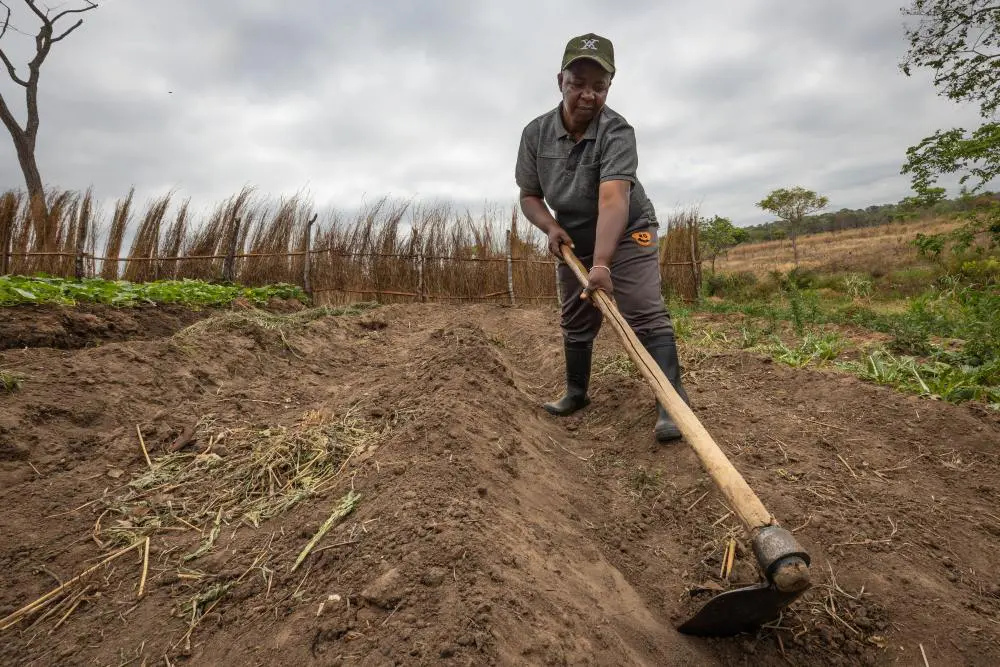
A significant part of our impact work goes into supporting communities within these rural regions. One of our long-term implementation partners is Honeyguide who strengthen governance and management across Wildlife Management Areas (WMAs) in Tanzania. The funding we provide supports communities to build the systems and skills required to professionally manage their protected areas as sustainable enterprises.
This includes supporting the development of management teams, decision-making structures, and practical training in areas like financial management and reporting. For example, accountants are trained to use systems such as QuickBooks to manage budgets, track income, and improve transparency. Alongside this they also help mitigate the cost of living alongside wildlife through human-wildlife conflict mitigation. Their efforts turn nature protection into a viable community business model.
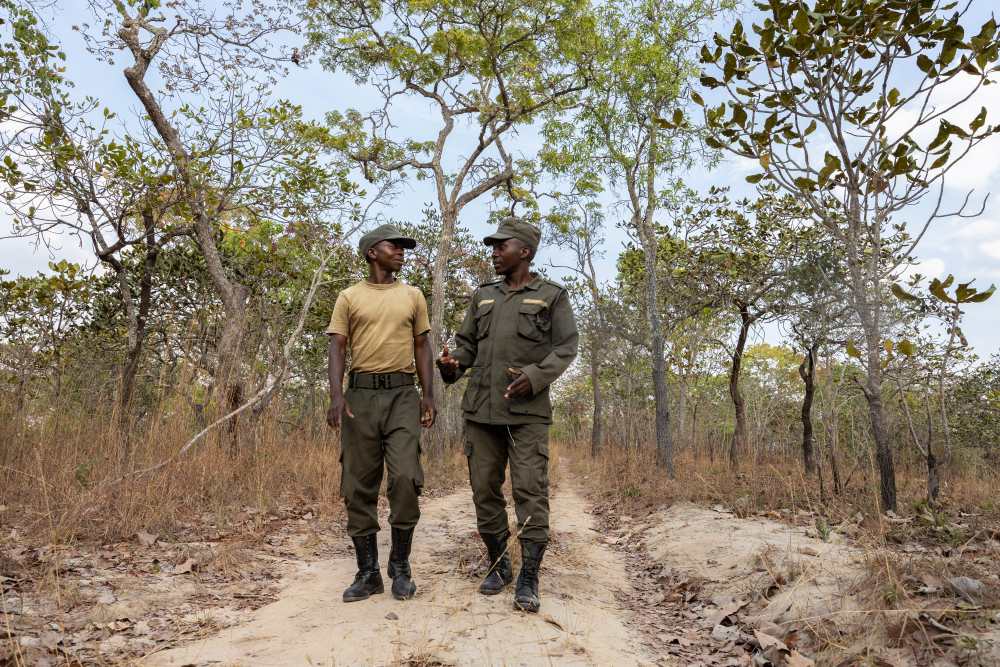
The five Ruvuma WMA management teams have been supported to build governance systems that are helping to unlock new revenue streams. Last year they received advance carbon payments, supporting core operations as they prepare for their first full disbursements from Carbon Tanzania. This revenue has supported core operations, including management and ranger salaries, while some funds are distributed back to villages, where decisions are made locally on how they are used. This is supporting teacher housing, health facilities, and basic infrastructure.
Food security is another area where targeted support can shift the balance. In many of the communities surrounding protected areas, farming is the primary source of food and income, but it is often fragile. Most households rely on rain-fed agriculture and grow a single crop, typically maize. When the rains fail or shift, as they increasingly do, harvests can drop to almost nothing. For many families this means food lasts only part of the year, and in the hardest periods people are left with a single meal a day, often lacking basic nutrition.
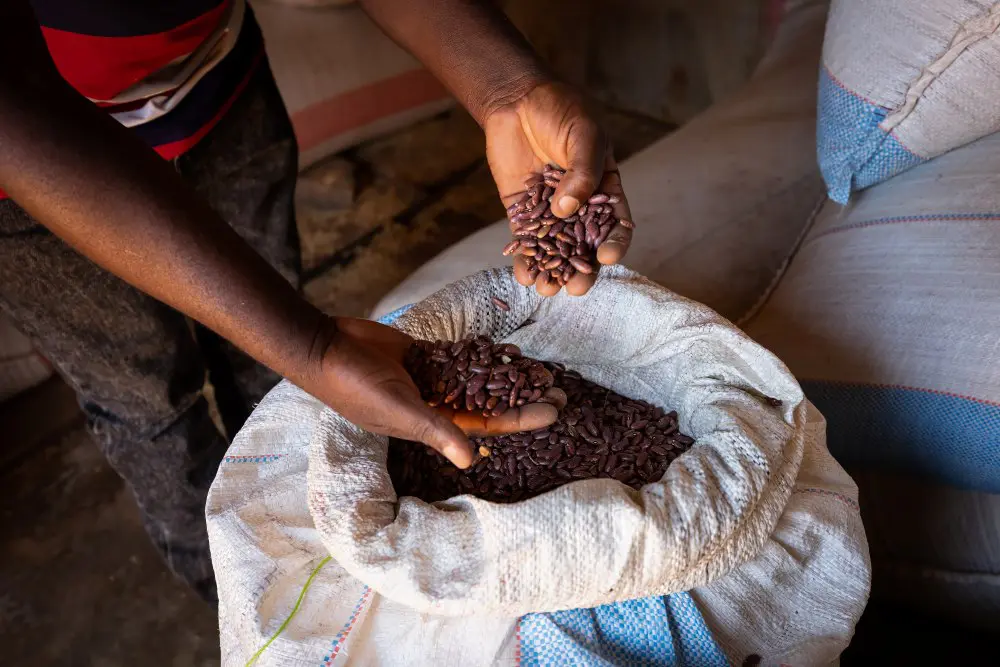
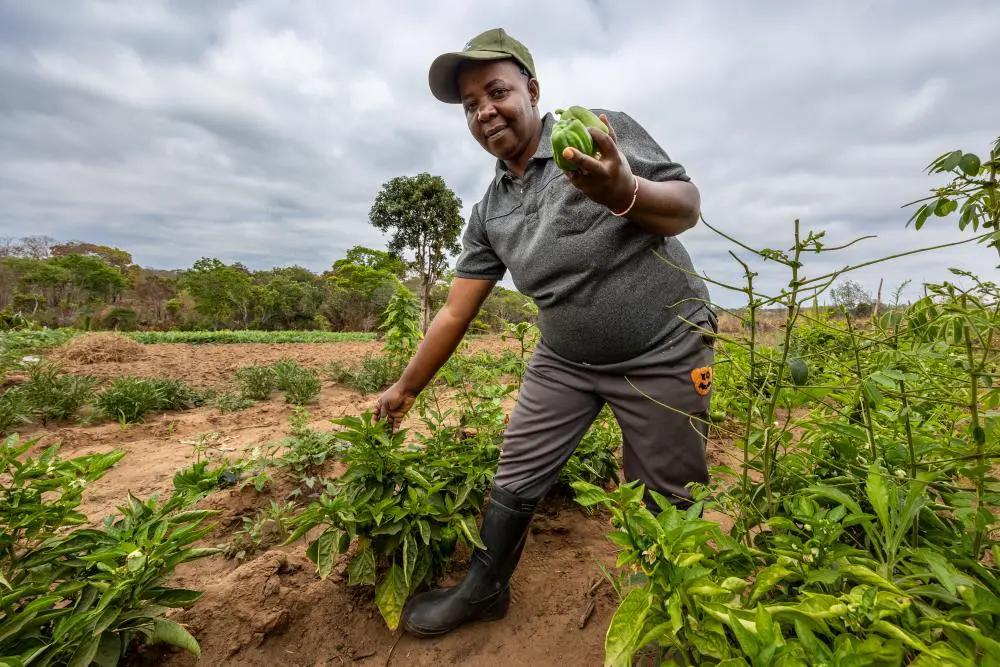
Through our partnership with The Green Economy, work has focused on supporting regenerative farming methods. Farmers are introduced to improved seed varieties that are more resilient to drought and produce higher yields, alongside training in soil and water management. The results have been tangible. Selemani Asedi Linyaka, a farmer from Mchomoro Village, described harvesting 10 bags of rice per acre using local seed, compared to 27 bags after using new seed and adopting improved planting practices. Similar increases have been seen across maize and beans, allowing households not only to feed themselves but to generate income from their farms.
Alongside crop production, diversification is key. Fishponds, vegetable gardens, and small-scale poultry projects have been introduced as part of an integrated approach, allowing families to produce food throughout the year and generate additional income. Water from fishponds is reused to irrigate crops, reducing waste and improving soil fertility without the need for additional inputs.
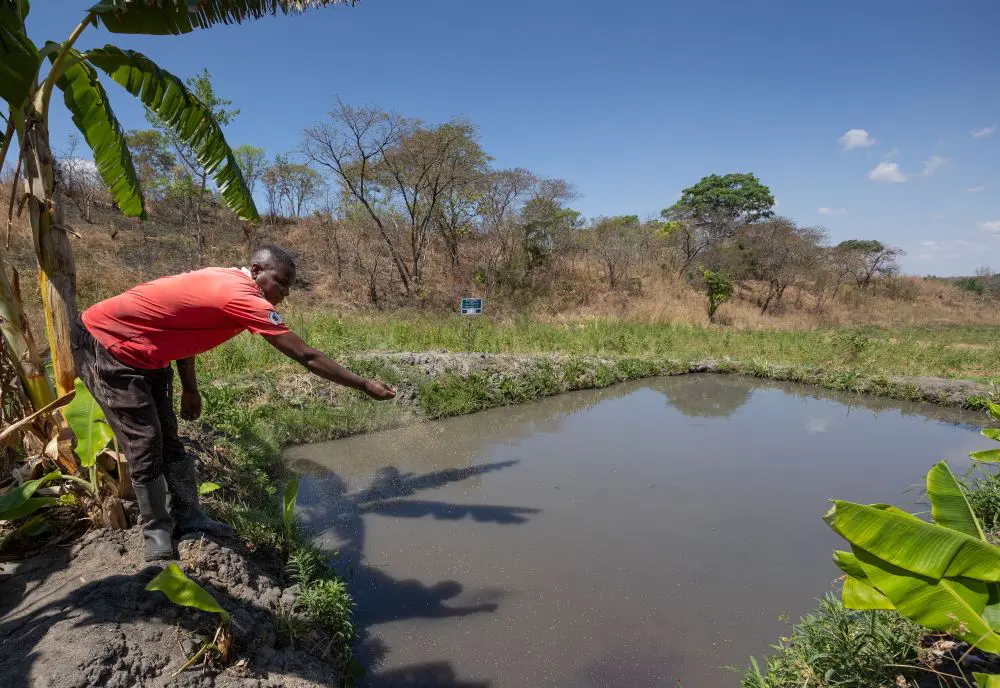
For many, this is the first-time farming has provided more than subsistence. Regenerative farming helps create resilience and reduces pressure on the surrounding landscape. When farming is more productive and reliable, there is less need to expand into new areas, less incentive to turn to activities like bushmeat hunting, and a clearer link between livelihoods and the long-term health of the land.
From the perspective of a traveller, none of this is obvious. You arrive in camp. You move through landscapes that feel intact. Wildlife appears abundant, systems in balance. What you do not see is the work that allows that to be the case. This is not the kind of conservation that is easy to see or to fund. It doesn’t centre on individual animals or moments that can easily be photographed and shared.
Supporting wildlife or frontline protection efforts is often easier to grasp than investing in governance training or teaching financial management in a remote village that most people will never visit. But this is where some of the most important work happens. It strengthens the systems that allow entire ecosystems to function. By building the structures that help communities manage, benefit from, and invest in their land, it supports the long-term health of landscapes at scale, creating a more stable future for both people and wildlife across these connected areas.
When you choose to travel with Asilia, you are choosing to make a meaningful contribution not only to the wildlife areas you experience, but also to the greater wilderness areas across East Africa that rely on this form of quiet conservation for survival.