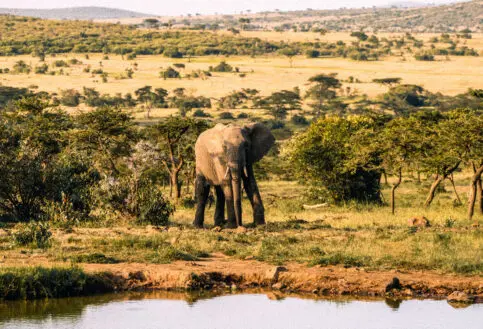
By the end of October, the plains and savannahs of East Africa are parched and dry. The few remaining water sources are overcrowded, and competition for grazing is fierce. This is the height of the dry season, when all hopes are pinned on the imminent arrival of the short rains, and the start of the green season.
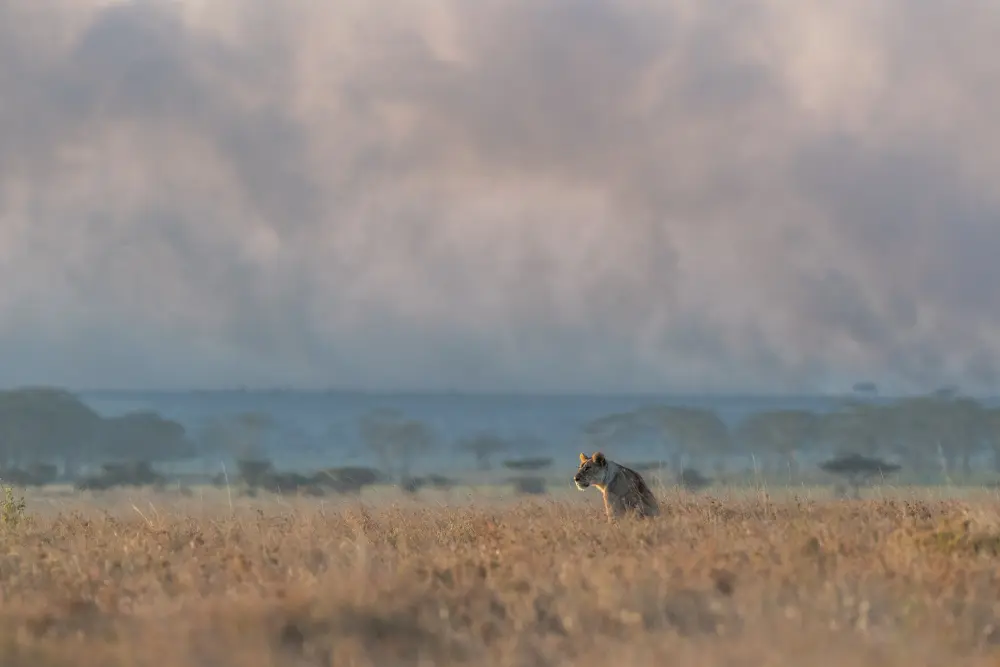
June to October is referred to as the “dry season” in East Africa. With very little rainfall throughout this period, the landscape and vegetation become visibly dry. By early November, the humidity is building daily, and the afternoon clouds increasingly threaten the arrival of the rain, until eventually they burst, and the transformation of green season can get underway. For those travellers looking to break the mould and experience a different shade of East Africa, here are our Top 5 reasons to experience the green season.
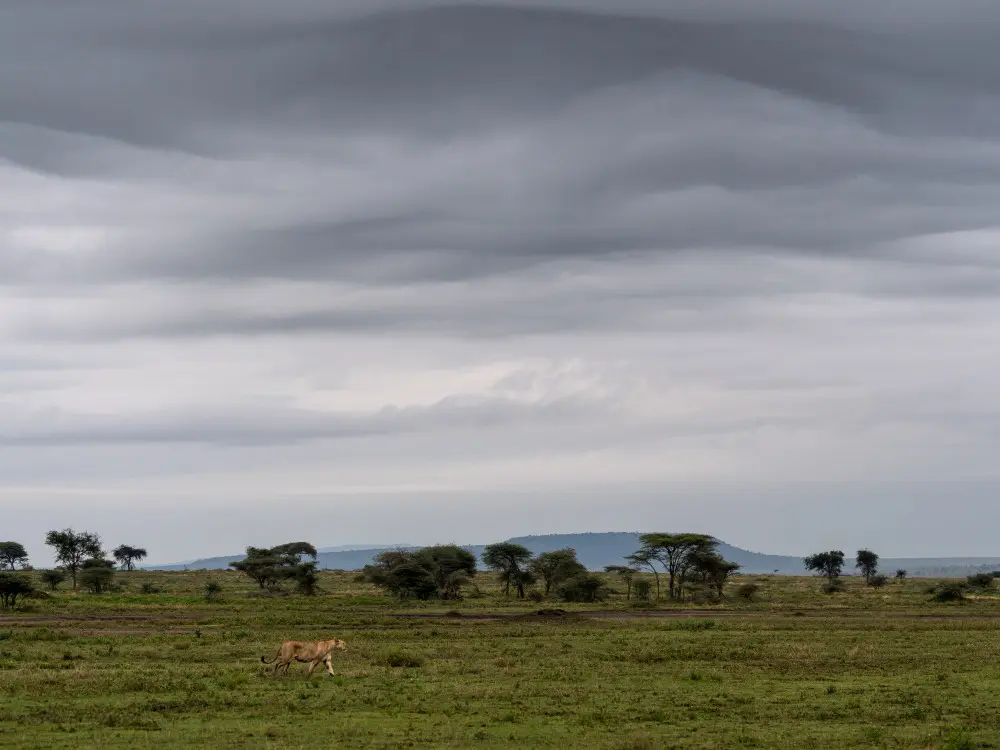
There’s no denying that there may be some rain during your safari experience. November to early December, and late-March to the end of May are the periods where you should expect a higher chance of rain, but January and February will often also see the occasional afternoon shower. However, unlike in April and May, most rain showers will only last an hour or two, usually in the mid-afternoon, meaning there is often very little disruption to a regular safari schedule. For many travellers, that potential threat of rain on their safari, is enough to put them off. The upside of this scenario is the significantly reduced number of travellers in East Africa during this period.
1. Fewer People
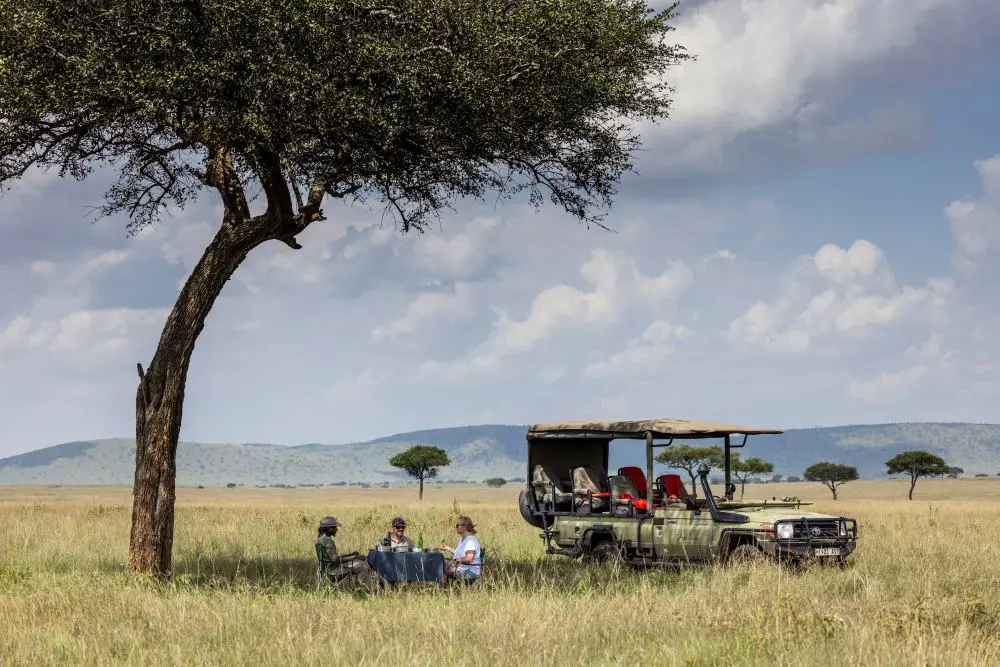
The reduced number of travellers has various knock-on effects, all beneficial to those looking to travel during the green season. Arriving at your international port of entry, you will benefit from significantly shorter queues at immigration. Airports are always busy places, so if you haven’t seen Jomo Kenyatta International Airport in August, you might not immediately appreciate the reduced number of people trying to clear immigration during green season, but the time saving is certainly there.
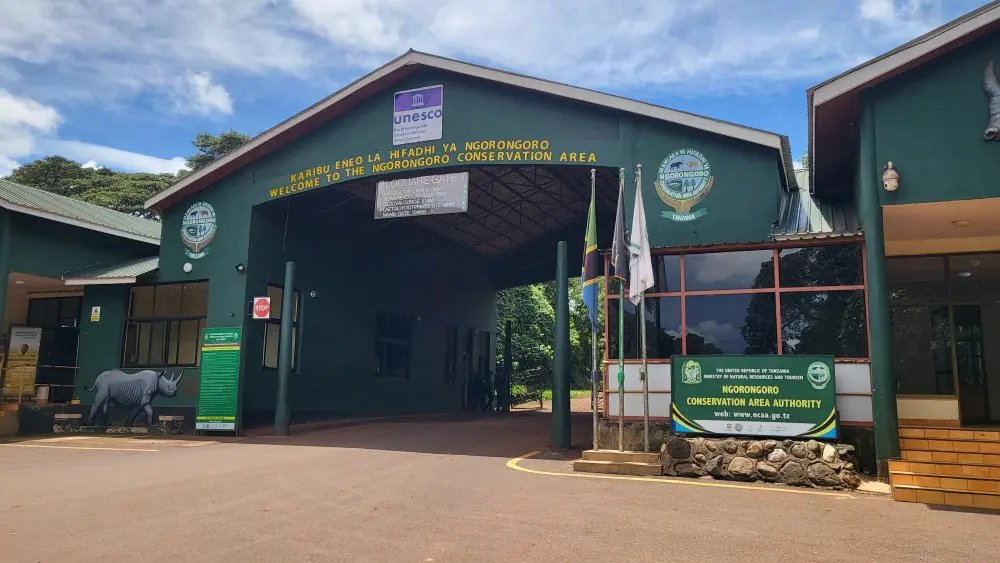
Due to there being fewer travellers, there is less demand for accommodation. This means a greater chance of you being able to secure your first choice of accommodations throughout your safari, instead of having to settle for the accommodation options with availability. And, if you are enjoying a driving safari, when arriving at park entry gates there will be significantly less congestion, allowing for a faster transition through the formalities of paying for park fees and permits upon entry to the national parks. While these benefits may seem small, the impact they can have on your safari experience during the peak of high season cannot be ignored.
2. Pricing
Going hand-in-hand with the decreased demand on accommodation, is the likelihood of special offers. As nearly all accommodation providers struggle to meet their occupancy requirements over these months, the market becomes flooded with special offers, bringing the already reduced prices down considerably further. Over the Christmas and New Year period, and in the southern Serengeti in January and February, these reductions and special offers will usually not apply, as festive travel and the Great Migration drive demand. With careful planning, significant savings can be achieved, potentially bringing your dream safari experience within financial reach, or perhaps allowing you to stay a few days longer to fully absorb the magic of East Africa.
3. The Great Migration
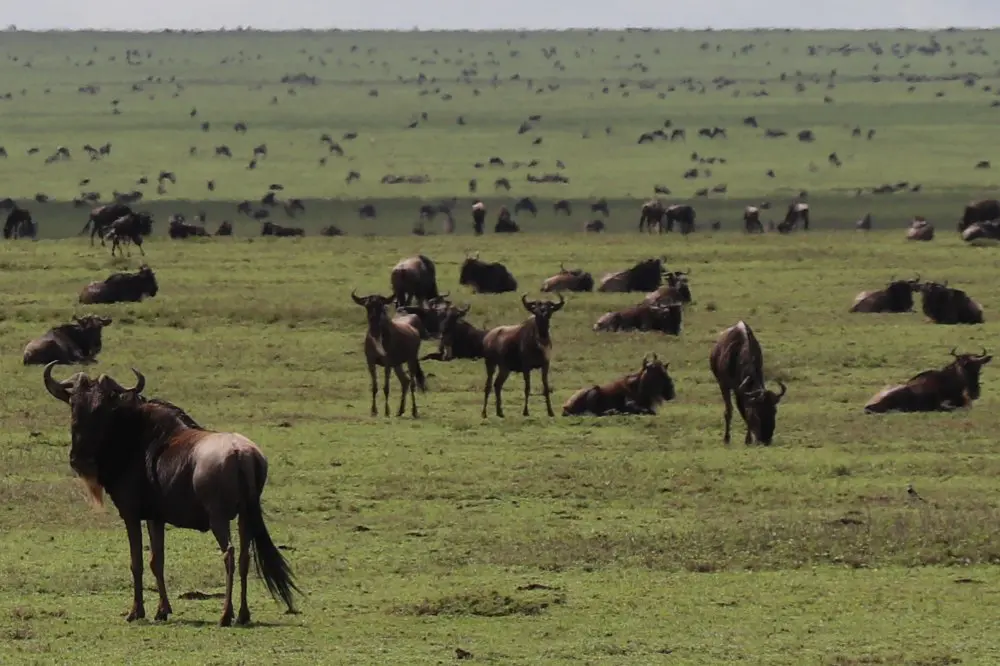
It’s almost impossible to talk about a safari in East Africa without mentioning the Great Migration. While the cycle of the migration is ongoing throughout the year, there are two distinct periods that provide the greatest levels of action and the best viewing opportunities. First, the famous river crossings in the northern Serengeti and the Masai Mara between July to October, which are well known and well documented. Second, the lesser-known calving season on the short grass plains of the southern Serengeti and Ngorongoro Conservation Area. From around mid-December, the herds begin to congregate in the southern Serengeti, spilling over onto the plains of the Ngorongoro Conservation Area, as they munch the nutrient rich grasses which are fed by phosphates from volcanic eruptions millions of years ago.
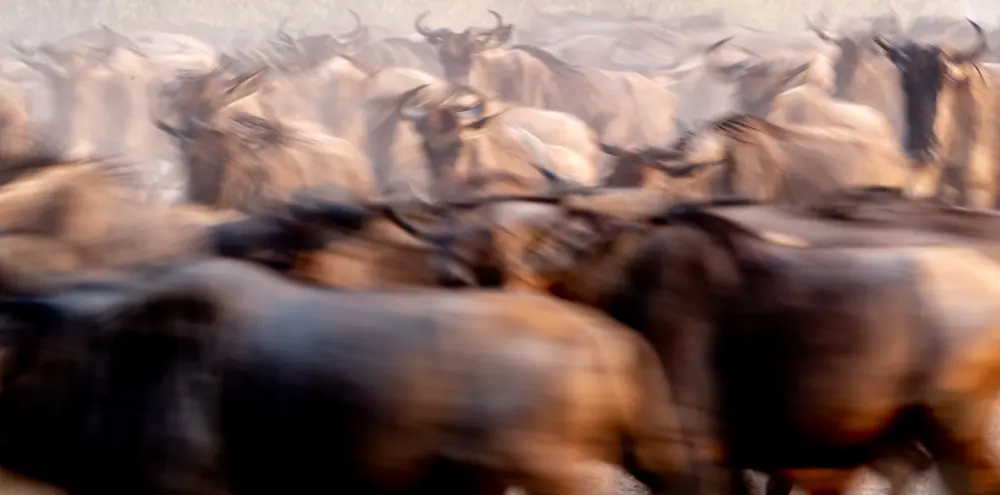
Between January and February, up to 400’000 calves are born on these plains, strategically timed to coincide with the abundant supply of nutritious grazing for the nursing mothers. With this en masse arrival of weak and vulnerable newborn wildebeest, comes a staggering density of predators. Big cat numbers are prolific, while hyena whoop and cackle in dominant packs. Smaller cats and scavengers flirt the periphery, awaiting their opportunity to sneak in undetected, and all the while vultures circle overhead, climbing on the thermals and scanning for the next carcass. Although the safari camps in this area adjust their pricing into high season rates for these months, the experience is phenomenal and should be considered for inclusion as a two- or three-night stay within a longer itinerary wherever possible.
4. Exclusivity
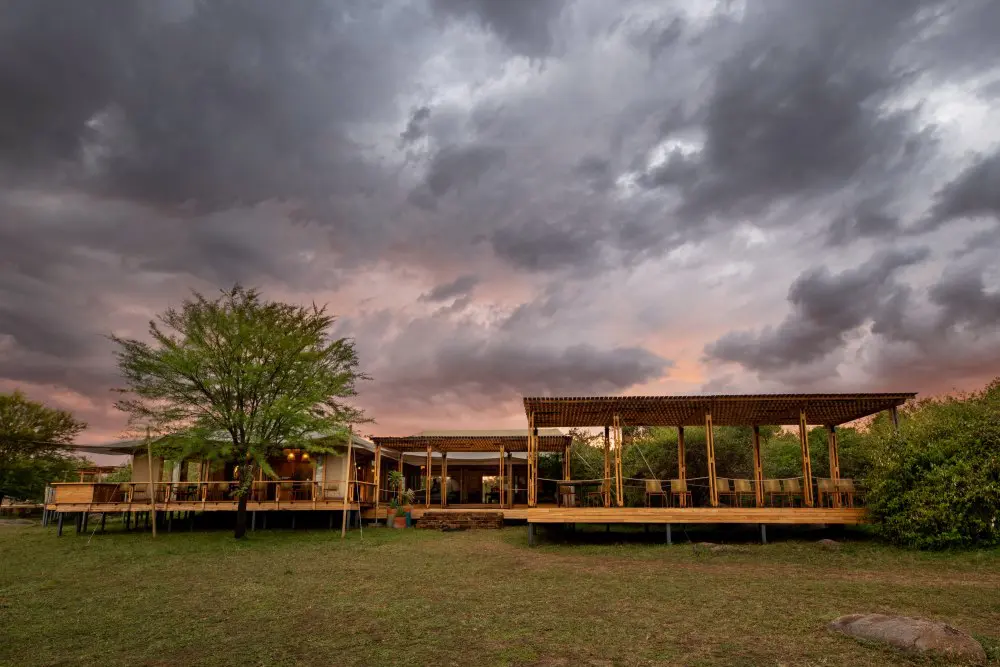
While the green season may attract fewer travellers, the migration always draws a crowd, so you will be sure to see plenty of other safari vehicles bumbling around across the plains as the action unfolds. However, at this same time of the year, the northern Serengeti is exceptionally quiet. All the mobile camps that follow the migration have packed up and moved south, leaving only the permanent camps in place. Occupancies are low, and the great expanse of the northern Serengeti is thrown open to explore for those who dare.
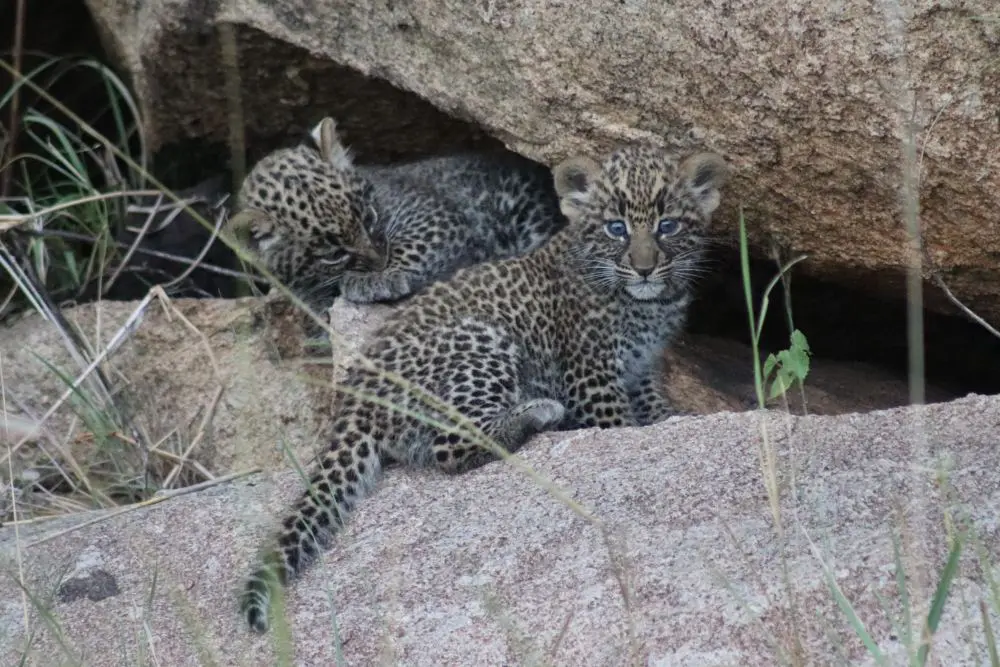
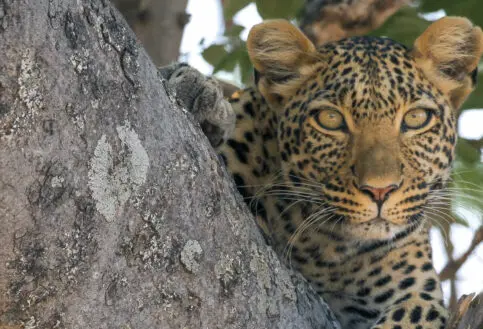
Resident cats are healthy and well fed after having picked off the weak and injured wildebeest, and many cubs are born during this quieter period. Black rhino come out from their hiding places, and the resident plains game return to their regular daily schedules now that the chaos of the migratory herds has moved south. Suggesting that exclusivity can be found within the Serengeti National Park may seem like a stretch of the imagination, but at this time of the year, it is something that the northern Serengeti can offer. It is possible to embark on a game drive and see maybe just one or two other vehicles across the full duration of your drive. To sit at a sighting of a female leopard with young cubs and be the only vehicle enjoying the spectacle. There are still places within East Africa’s busiest national parks where exclusivity can be achieved, if you know where to look.
5. Photography
If you’re a photography enthusiast, you’ll understand the importance of not having to share a wildlife sighting with 20 other vehicles. However, there is so much more than just a clear background that this time of the year brings to photography. There’s an incredible softness to the early morning and late afternoon light. It’s almost as if the harshness of the sun is turned down, but the surrounding environment still pops with colour as though a stronger light is being used. Added to this, much of the landscape has turned a rich shade of green as new growth, encouraged by the afternoon showers, replaces the dry earth. In some regions, such as the Mara Naboisho Conservancy or the Ngorongoro Crater, carpets of wildflowers spring to life, creating a beautiful backdrop in sharp contrast to Africa’s most fearsome predators.
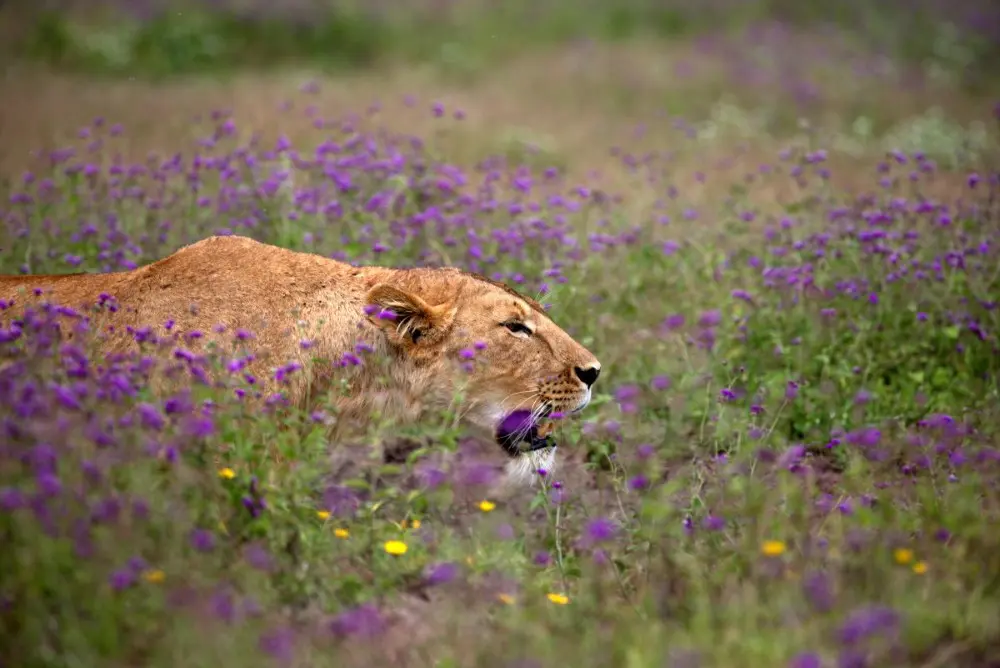
The final element in this unruly combination of seemingly perfect photography conditions, is the sky. The afternoon storm clouds gather and roll, building in intensity as the sky grows noticeably darker. And, if you can catch that moment when the first crepuscular rays find their way through the clouds after the downpour, the visual effect of the moody sky in shades of purple and blue with just a small patch of green landscape highlighted by the struggling sun creates a visual feast for the eyes. If you can coordinate a lion or a leopard on top of a granite kopje within that same moment, the next “Wildlife Photographer of the Year” award will surely be yours. If photography is your passion, ask about our customised photographic vehicles, and our photographic guides who understand how best to position them.

There are many reasons to travel during the green season. If any, or all, of them are applicable to you and you’re ready for an adventure, consider giving the green season the green light for your East Africa safari experience.