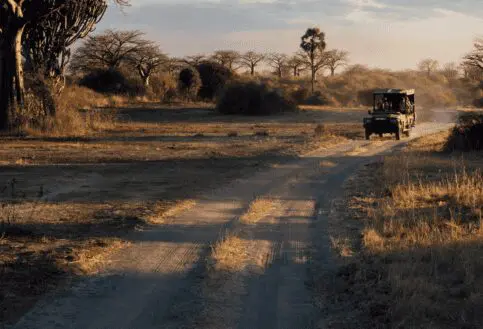
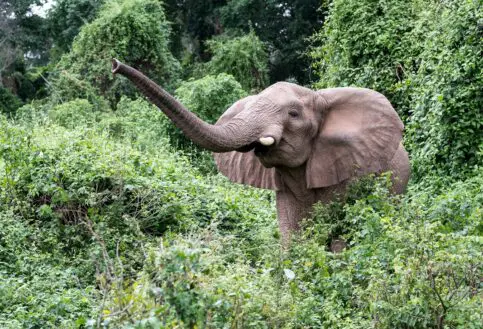
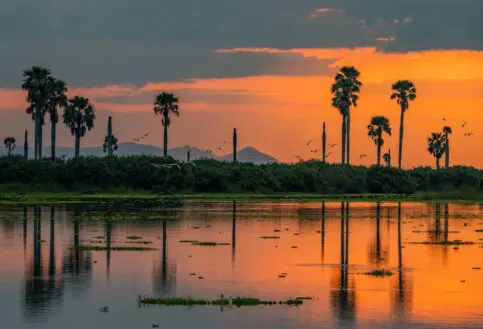
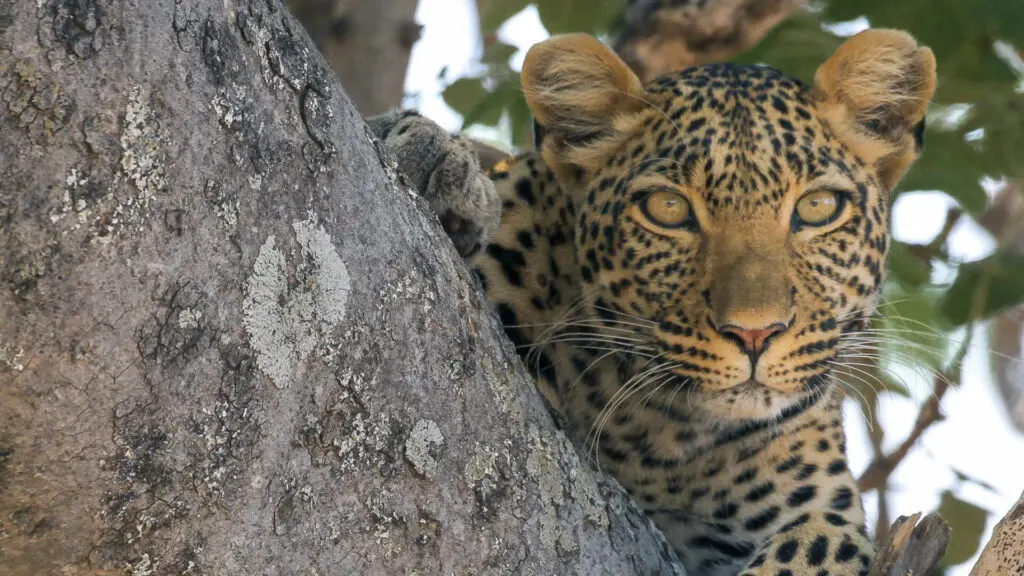
The golden light of dawn breaking over the Serengeti. The thunderous sound of the Great Migration crossing the Mara River. A leopard draped languidly across an acacia branch as the African sun sets behind distant mountains. These moments, the ones that take your breath away and stay with you forever, are waiting for you in Tanzania.
Where to Begin
If you’re reading this, you’re likely feeling that intoxicating mix of excitement and uncertainty that comes with planning your first African safari. What will it really be like? Is Tanzania the right choice for me? With so many incredible places, how do I choose where to go?
Take a deep breath. You’re in exactly the right place.
Tanzania is the perfect canvas for your first safari adventure. Here, you’ll find everything that makes Africa legendary: vast savannahs teeming with wildlife, and a range of luxury camps that seamlessly blend comfort with authentic bush experiences. From the iconic plains of the Serengeti to the forested shores of Rubondo Island, Tanzania offers diversity that few other destinations can match.
What sets Tanzania apart for first-time safari travellers is its reliability. The wildlife viewing is consistently spectacular, the infrastructure is well-developed for tourism, and the country’s stable, peaceful nature means you can focus entirely on the magic unfolding before you. Whether you dream of witnessing the Great Migration, tracking big cats, or simply sitting quietly as elephants pass by your vehicle, Tanzania safari experiences deliver on every level.
Where to Go: Understanding Tanzania’s Safari Regions
Tanzania’s sheer variety can feel overwhelming at first, but think of it as an opportunity rather than a challenge. Each region has its own personality, rhythm, and spectacular offerings. Let’s explore the places to visit in Tanzania that capture the imagination of first-time safari travellers.
The Serengeti: The Stage for Nature’s Greatest Show
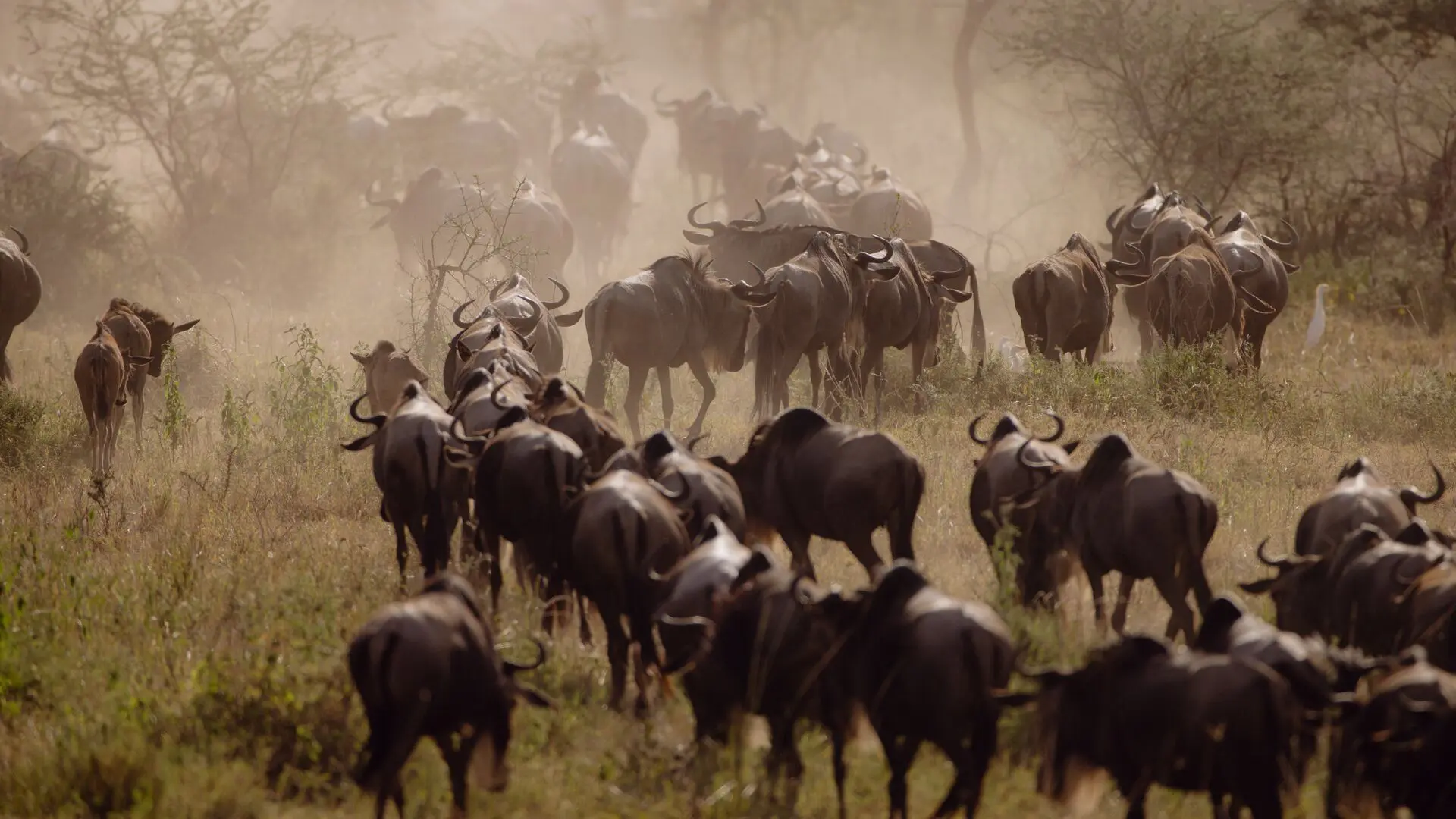
The Serengeti needs no introduction. This UNESCO World Heritage Site is Africa’s most famous safari destination, and for good reason. Here, endless golden grasslands stretch to the horizon, punctuated by rocky kopjes and flat-topped acacia trees. The Serengeti is home to the Great Migration – nearly 2 million wildebeest, zebra, and gazelle that move in an annual cycle following the rains.
But the Serengeti is more than just the migration. It’s exceptional year-round for big cat sightings, with healthy populations of lion, leopard, and cheetah. The birdlife is spectacular, and the sense of space is humbling. First-time visitors often describe feeling like they’ve stepped into a wildlife documentary.
The Serengeti suits travellers who want that classic “Out of Africa” experience. If you’ve dreamed of vast horizons dotted with wildlife, of sunrise game drives where anything can happen, of luxury tented camps where hippos grunt outside your room at night, the Serengeti delivers all this and more. Asilia operates several camps here, including Namiri Plains, renowned for its exceptional cheetah sightings, and Ubuntu Migration Camp, which moves seasonally to follow the herds.
Tarangire: The Land of Giants
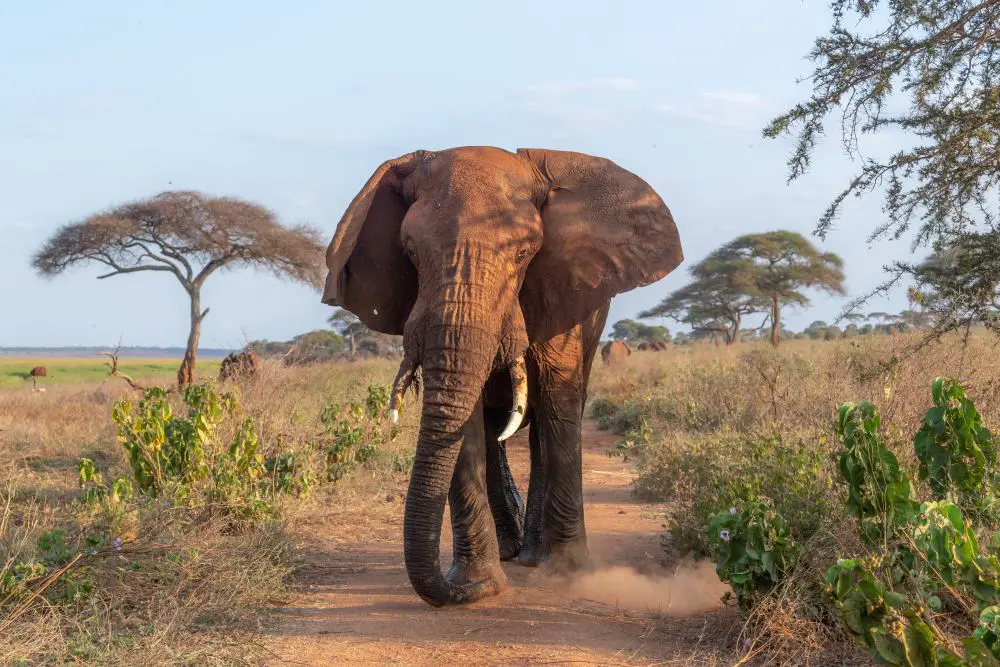
Less famous than its northern neighbour but equally rewarding, Tarangire National Park offers something special for wildlife enthusiasts. This is elephant country – home to some of the largest herds in East Africa. During the dry season (June to October), hundreds of elephants congregate along the Tarangire River.
But Tarangire isn’t just about elephants. The park’s distinctive landscape, dotted with massive baobab trees and termite mounds, creates a photographer’s dream. The birdlife is among Tanzania’s best, with over 500 species recorded. Lions lounge in the shade of ancient trees, while leopards patrol the riverine forests.
Tarangire appeals to travellers seeking a more intimate safari experience away from crowds. It’s perfect for those who appreciate unique landscapes and want to spend quality time observing elephant behaviour. Oliver’s Camp offers an authentic bush experience here, with excellent guiding and the option for walking safaris.
Ruaha: Wild and Untouched
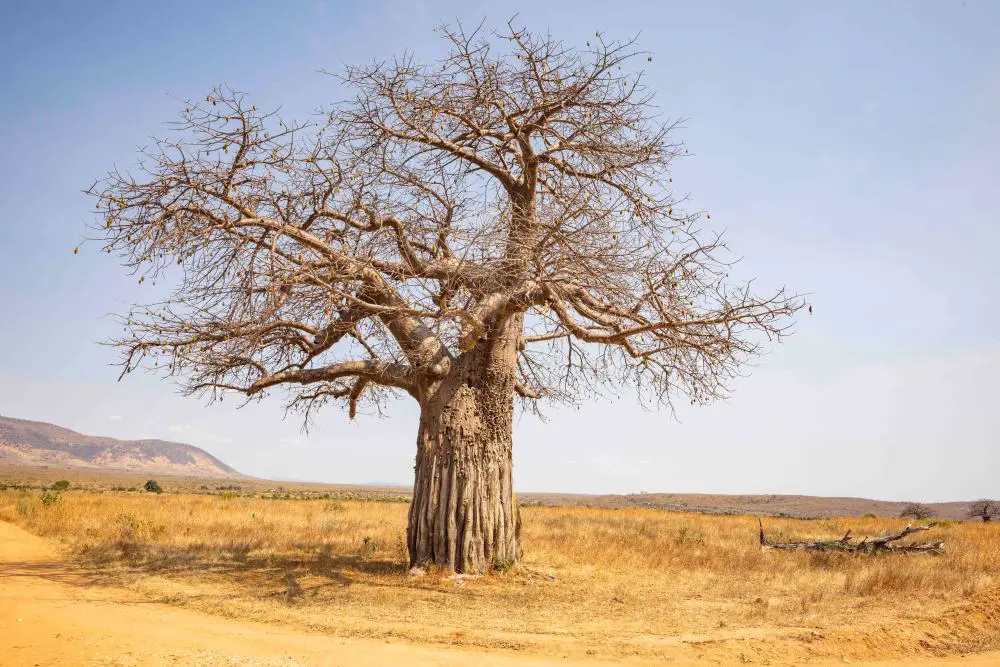
For those seeking adventure off the beaten path, Ruaha National Park represents the wilder side of Tanzania. As the country’s largest national park, Ruaha offers that rare commodity in our modern world: true wilderness. Here, you might drive for hours encountering only wildlife – no other vehicles, no signs of human presence, just you and raw Africa.
Ruaha’s landscape is dramatically different from the northern parks. Great baobabs stand sentinel over a rugged terrain of hills and rocky outcrops. The Great Ruaha River attracts enormous herds of elephants and buffalo, while the park harbours an impressive array of predators, including lions, leopards, cheetahs, and African wild dogs.
This is the park for travellers who value exclusivity and authentic wilderness experiences. If you prefer to earn your sightings through patience and excellent guiding, if the thought of having an entire landscape to yourself fills you with joy, then Ruaha is calling. Jabali Ridge perches dramatically among the rocky kopjes, offering spectacular views and luxurious accommodation in the heart of this wilderness.
The Crater Highlands: Into Another World

The Ngorongoro Conservation Area offers something completely different – a safari experience unlike anywhere else on Earth. The main attraction is the Ngorongoro Crater itself, often called “Africa’s Eden.” This ancient volcanic caldera, 600 meters deep and 260 square kilometres in area, contains an extraordinary concentration of wildlife.
Descending into the crater feels like entering a lost world. The crater floor hosts around 25,000 large animals, including the Big 5. The endangered black rhino finds sanctuary here, offering some of the best rhino viewing opportunities in East Africa. The backdrop of the crater walls rising all around creates a natural amphitheatre and a surreal wildlife watching experience.
The Crater highlands suit travellers who appreciate dramatic landscapes and don’t mind sharing the experience with others. (The crater can get busy.) It’s perfect for those with limited time who want to see an incredible diversity of wildlife in a compact area. The Highlands offers a unique base for exploring this region, combining luxury with authentic Maasai cultural experiences.
Rubondo Island

Rubondo Island offers something completely different from Tanzania’s savanna parks – a lush island sanctuary in the vast waters of Lake Victoria. This is where adventurous travellers come to add primates to their Big 5 experiences, tracking chimpanzees through dense forest paths.
As Africa’s largest island national park, Rubondo remains wonderfully undeveloped. The chimpanzees here, introduced decades ago as part of a conservation project, have adapted beautifully to their island home. Tracking them requires patience and a sense of adventure. In addition to chimpanzees, the island hosts incredible biodiversity; over 300 bird species, elephants, giraffes, and more.
This destination appeals to travellers seeking unique experiences beyond traditional game drives. Rubondo Island Camp offers the island’s only accommodation, ensuring an exclusive experience in this tropical paradise.
When to Go
Understanding Tanzania’s seasons helps you plan the perfect safari, but remember: there’s no set time to visit. Each season offers its own rewards.
Dry Season (June to October)
The dry season is traditionally considered peak safari time, and for good reason. As water sources dwindle, wildlife concentrates around rivers and waterholes, making game viewing more predictable. The vegetation thins out, improving visibility. The weather is generally sunny and pleasant, though mornings can be surprisingly cool.
This is when the Great Migration typically crosses the Mara River in the northern Serengeti, those dramatic scenes of wildebeest plunging into crocodile-infested waters. It’s also excellent for predator sightings, as cats become more active and visible.
The trade-off? This is when Tanzania is busiest and most expensive. Popular areas like the Ngorongoro Crater and central Serengeti see more vehicles. However, with Asilia’s expertly located camps and knowledgeable guides, you’ll still find those magical moments of solitude.
Green Season (November to May)
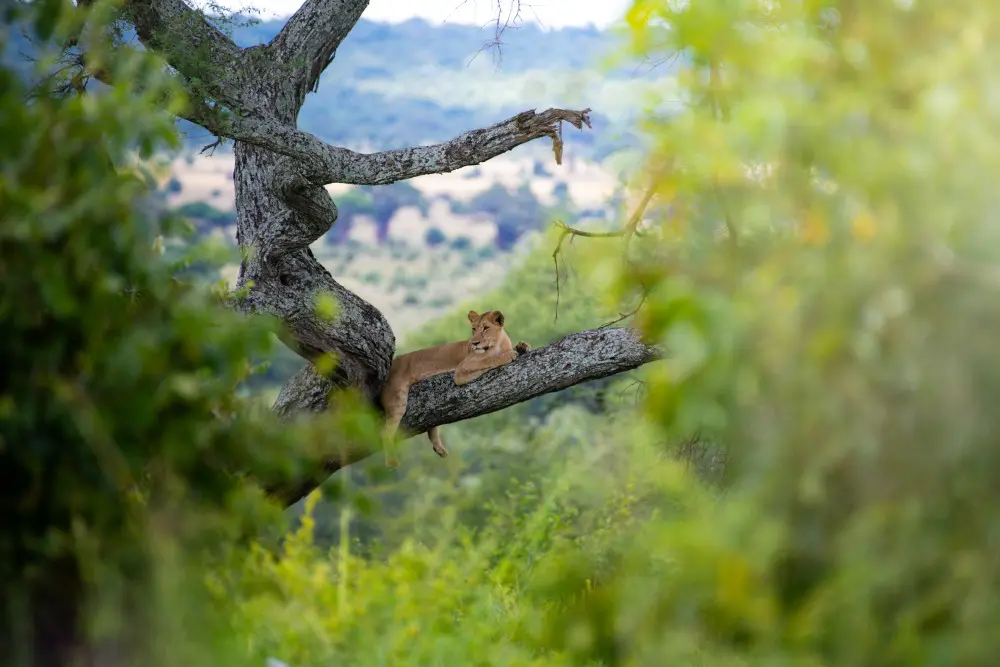
Don’t let the old term “rainy season” put you off. The green season offers some of Tanzania’s most spectacular safari experiences. The landscape transforms into a lush paradise, wildflowers bloom, and the air is crystal clear – perfect for photography.
This is calving season in the southern Serengeti (January to March), when hundreds of thousands of wildebeest give birth. Predator action intensifies as cats take advantage of vulnerable newborns. Migratory birds arrive in their millions, delighting birding enthusiasts.
The rains typically come in short afternoon showers, leaving mornings and evenings perfect for game drives. Some camps offer significant discounts during this period, meaning you can enjoy luxury safari experiences at friendlier rates. The parks are quieter too, enhancing that sense of exclusive wilderness.
Shoulder Seasons (March, June, and November)
These traditional months can offer the best of both worlds – decent wildlife viewing with fewer crowds and attractive rates. Yes, there’s a higher chance of some rain, particularly in late-March, but this is also when Tanzania shows its dramatic side. Storm clouds build over the plains, creating spectacular photographic opportunities, and the bush is at its most vibrant.
For month-by-month details and specific regional variations, explore our guide to the best time for safari in Tanzania.
What a Day on a Tanzania Safari Really Feels Like
Your day typically begins before dawn, usually around 5:30 AM, with a gentle wake-up call. There’s something magical about those pre-dawn moments, sipping coffee while the bush awakens around you.
By 6:00 AM, you’re meeting your guide for the morning game drive. Your expert Asilia guide reads the bush like a book. These aren’t just game drives; they’re interactive adventures where you’re learning to see Africa through expert eyes.
Breakfast is often enjoyed at a scenic spot along the way. Think freshly baked treats, fruits, cereal and a selection of warm and cold beverages.

You’ll return to camp before the heat of the day sets in to enjoy some time as you please. Choose to cool off in the pool, enjoy a massage, read a book, or take a siesta.
Lunch is usually light and refreshing, followed by afternoon tea around 3:30 PM. Then it’s time for your afternoon game drive, departing at around 4:00 PM when the day begins to cool, and the animals become more active again.
Afternoon drives have a different quality from morning excursions. The light turns golden, perfect for photography. Your guide will position the vehicle at a scenic spot for sundowners – that quintessentially African tradition of enjoying drinks as the sun dips below the horizon.
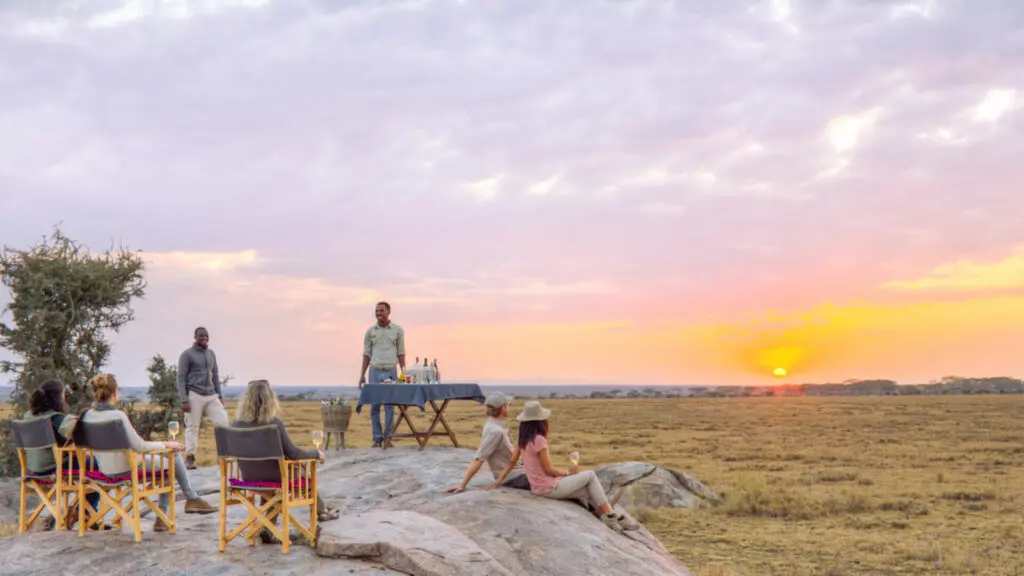
You’ll return to camp after dark in time to freshen up before dinner, with the soundtrack of the African night serenading you. As the camps are not fenced, you’ll be escorted to your tent, where a good night’s rest awaits.
The pace is entirely flexible and adaptable to your desires. Choose to swap out an afternoon game drive for a walking safari, or forgo a morning drive for a balloon safari. You can make the experience your own.
Choose Your Safari Style
One of the joys of a Tanzania safari is the variety of ways to experience the wilderness. While game drives form the backbone of most safaris, adding different activities creates a richer, more dimensional experience.
Classic Game Drives
The traditional game drive remains the most reliable and comfortable way to see wildlife, especially for first-time safari travellers. Drives let you cover long distances to find wildlife with minimal exertion.
Walking Safaris
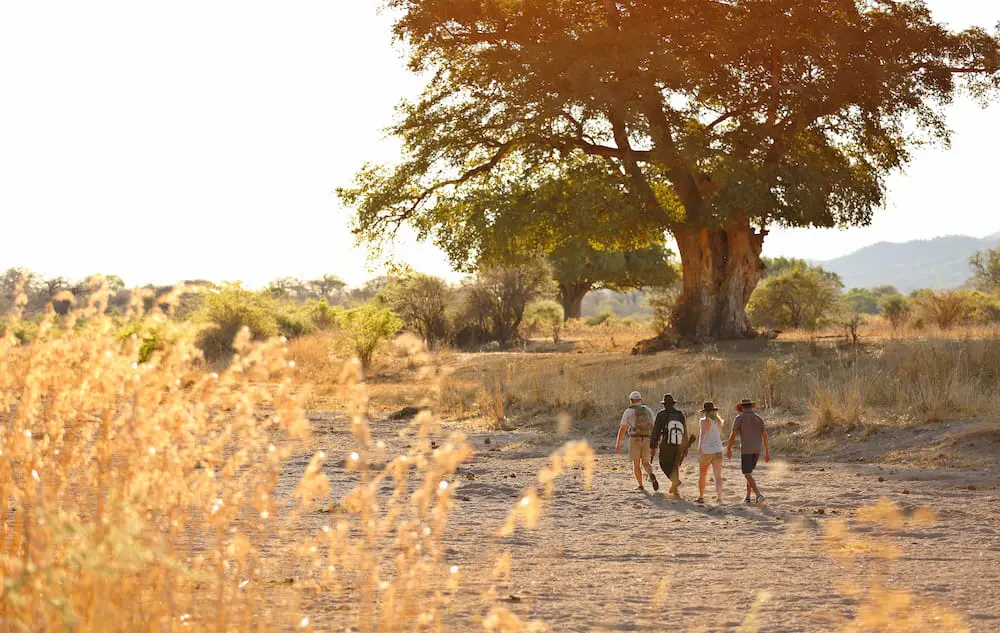
For a more intimate and sensory safari experience, nothing compares to exploring on foot. Walking safaris strip away the barrier between you and the wilderness, allowing you to experience Africa with all your senses.
Most walks last 2-3 hours in the cool morning or late afternoon. Walking safaris are about connection – feeling the earth beneath your feet, smelling the vegetation, hearing the sounds of the wild, and seeing smaller creatures often missed on a drive.
Cultural Encounters
A safari focused solely on wildlife misses half of Africa’s magic. Tanzania’s people, with their diverse cultures and traditions, add profound depth to your journey. Cultural encounters with Asilia are authentic and respectful, and benefit local communities sustainably.
Balloon Safaris
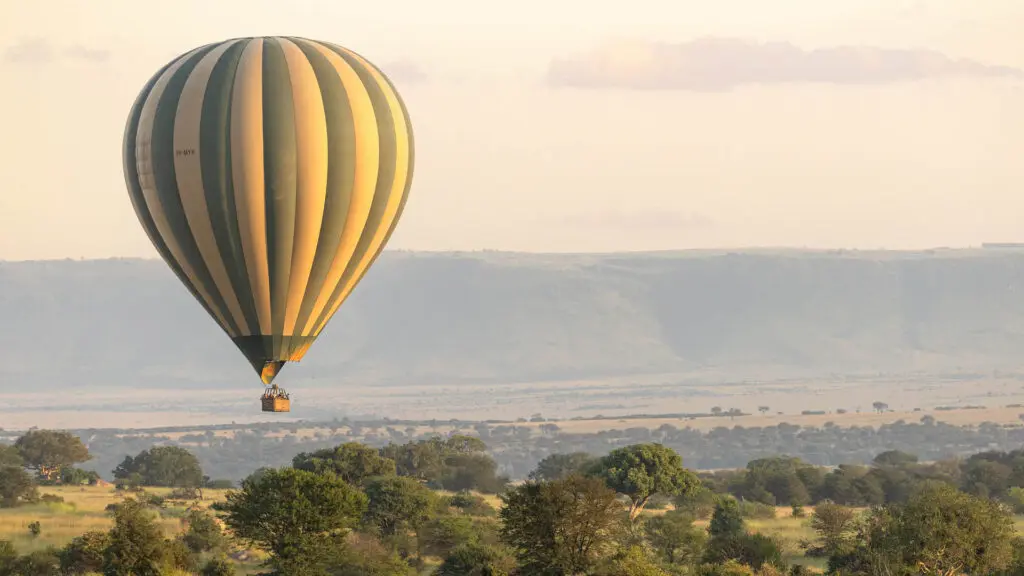
For the ultimate bucket-list experience, a balloon safari offers a completely different perspective on the African wilderness. Floating silently above the Serengeti plains as the sun rises, you’ll witness the landscape awakening from a bird’s eye view.
These excursions typically set off before dawn and last roughly an hour, followed by a champagne breakfast in the bush. While they’re at an additional cost, many consider the experience worth every penny for the unique perspective and sheer romance of floating over Africa.
Primate Experiences
While Tanzania is famous for its savannah wildlife, it also offers exceptional primate encounters. On Rubondo Island in Lake Victoria, you can track chimpanzees through forest paths – a thrilling complement to traditional safari activities.
The beauty of a Tanzania safari lies in combining several of these experiences. You might spend mornings on game drives when wildlife is active, enjoy a walking safari to stretch your legs and deepen your bush knowledge, and add a cultural visit to understand the human dimension of conservation. Your safari specialist will help you find the perfect blend of activities for your interests and fitness level.
What Does It Cost?
A luxury Tanzania safari is an investment, but understanding what influences the costs can help you make informed decisions and recognise the value you’re receiving. Several factors affect pricing:
Time of Year: Peak season (July to October and late December to February) commands higher pricing due to higher demand. The green season (November to May, excluding the holiday period) can offer significantly reduced rates (20-40%) and fewer crowds.
Regions: Some areas are inherently more expensive due to remoteness or exclusivity. However, each region’s pricing reflects its unique value – unique wildlife, exclusive access, or pristine wilderness.
Luxury Level can vary even within Asilia’s portfolio. All camps maintain high standards, but some offer additional amenities like swimming pools, spa treatments, or premium locations.
Remember that safari pricing typically includes far more than just accommodation: all meals, drinks, twice-daily game activities, and park fees.
Group tours provide an affordable entry point for solo travellers or couples. Consider making your itinerary All Asilia: combine multiple Asilia camps for more than 7 consecutive nights and enjoy all inter-camp transfers free.
Combines Best With: Add a Beach or Primate Adventure
Tanzania’s location makes it perfect for combination trips that add contrasting experiences to your safari.
Zanzibar – Beach Break

After dusty game drives, Zanzibar provides the perfect beach finale. This spice island offers pristine beaches, Stone Town’s historical winding alleys, world-class diving, and a unique blend of cultures. The quick 90-minute flight from the Serengeti makes it remarkably accessible for a 3-5 night beach extension.
Kenya – Extend Your Safari
Many travellers combine Tanzania with Kenya’s iconic Maasai Mara, especially during the Great Migration’s crossing season, when the herds cross between the two countries. A Kenya safari adds different landscapes, cultural experiences, and the chance to explore more intimate conservancies outside national parks.
Uganda – Gorilla Trekking
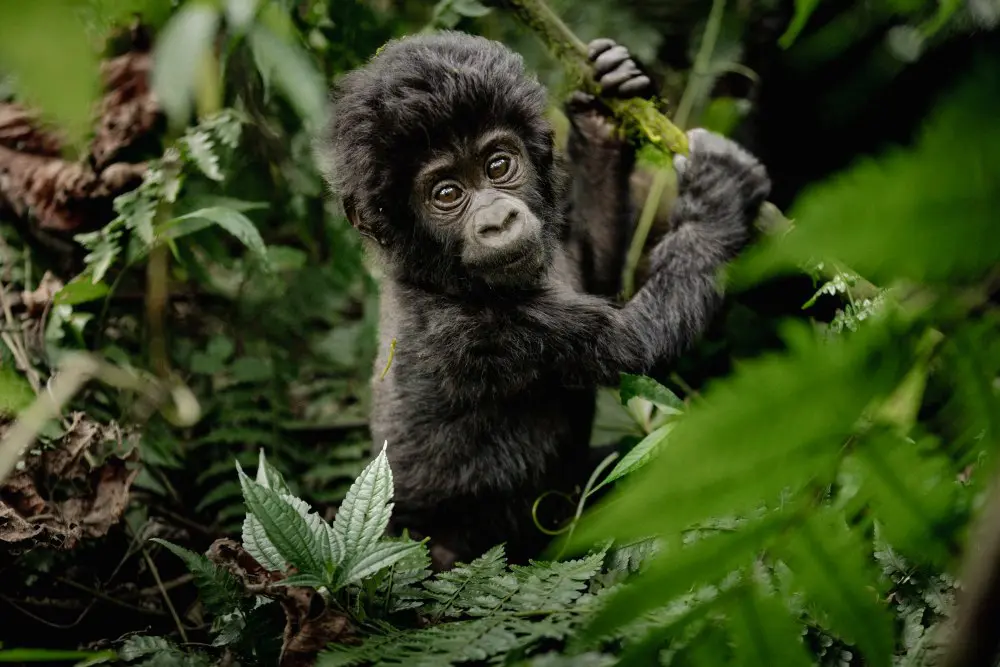
For the ultimate primate encounter, add Uganda’s gorilla trekking to create an unforgettable East African adventure. Sitting with mountain gorillas in their misty forest home provides one of wildlife’s most profound experiences.
Best Tanzania Itineraries for First-Time Travellers
The Classic Edition Small Group Tour – join like-minded travellers on this 10-day scheduled tour to the Serengeti, Tarangire, and Ngorongoro.
All Asilia Northern Tanzania Circuit – a 9-day adventure to Tanzania’s top destinations, staying exclusively at Asilia camps.
Tanzania Highlights – a 10-day classic safari followed by an idyllic Zanzibar beach break.
Tips for Planning Your First Tanzania Safari
Book early for peak months – July to September, and late January fills up fast, sometimes up to a year in advance. Early booking can sometimes lock in better rates, too.
Pack light but smart – internal flights enforce 15-20kg luggage limits, including hand luggage. Soft-sided bags fit better in small planes. Neutral colours are ideal; avoid black and blue, which attract tsetse flies.
Choose camps aligned with your interests. Photographers can choose camps that offer specialised vehicles and flexible schedules. Honeymooners might prefer camps that offer private dining options. Need help planning an Africa safari with teens? Communicate with your planner if you have any priorities.
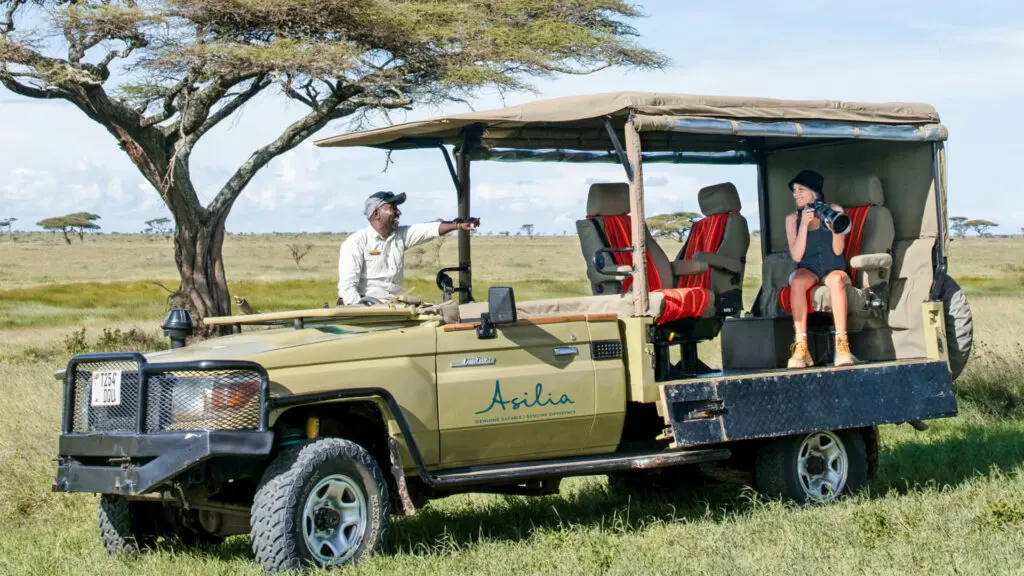
Work with reputable safari planners who understand Tanzania’s complex logistics. They know how to translate your dream into reality by choosing camps aligned with you and your budget.
Ask every question – no query is too basic to ask.
The Asilia Difference
Choosing your safari partner shapes every aspect of your experience. Asilia brings unique advantages to planning your first Tanzania safari.
Our 20-year commitment to Tanzania, combined with unmatched local knowledge. We don’t just operate camps; we’re woven into the fabric of Tanzanian conservation. Our guides grew up in these ecosystems, offering insights no textbook provides.
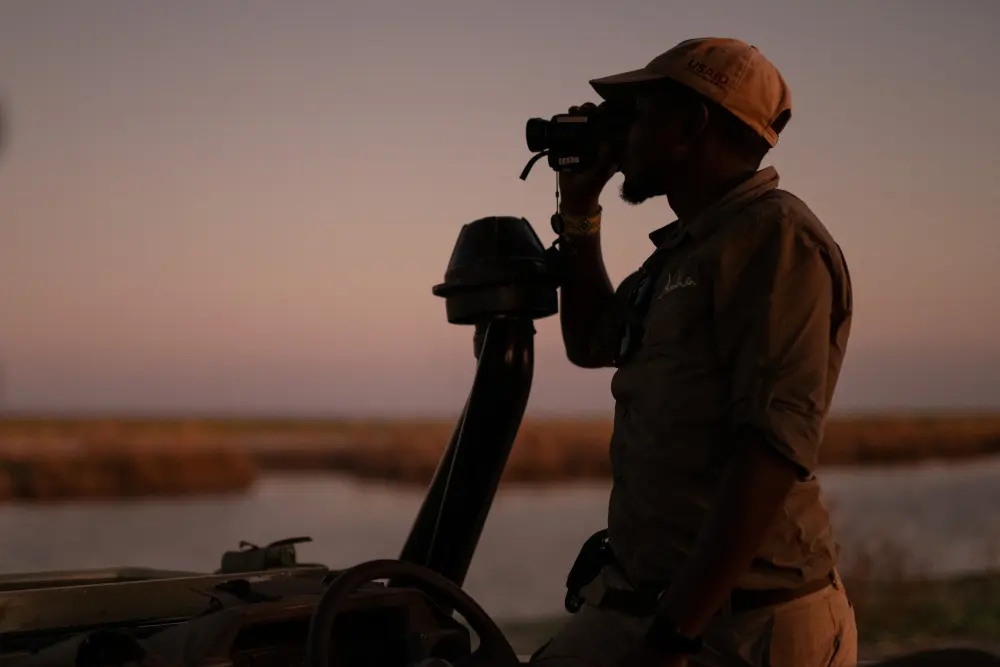
Positive impact defines every Asilia experience. Wildlife thrives where communities benefit from conservation, and your safari contributes directly to this cycle. You’ll see this philosophy in action through our cultural programs and conservation activities.
Ready to plan your first Tanzania safari?
Your African adventure awaits. Let Asilia’s expert team transform your safari dreams into a perfectly crafted reality.