In southern Tanzania the land wakes long before the sun breaks over the horizon. Dust rises from the hooves of cattle driven out to graze, and somewhere beyond the baobabs, a Lion Defender follows the faint indent of a paw print in the dry earth using the knowledge from years of generational bushcraft passed through his Barabaig lineage.
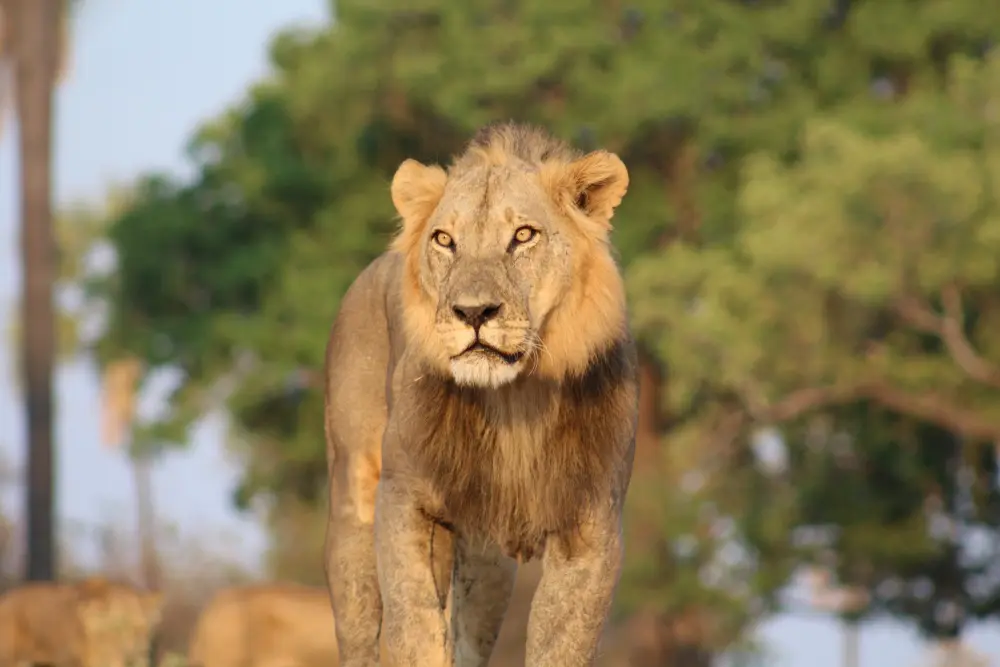
Unlike some of his ancestors, his intent isn’t to track and kill a lion. His efforts are to find it before anyone else does so he can alert those with livestock in the vicinity should it come close to their herds. Around the Greater Ruaha landscape, where lions roam beyond park boundaries into village lands, Lion Landscapes are working to change the story between people and predators. Historically a relationship of conflict, their work supports coexistence. Through our partnership with them as part of NawiriGroup, to date we have funded US$250,000 to support this shift. The funding backs practical, science-led conservation rooted in the lives of the communities who share space with lions. We’re proud to stand behind their work this World Lion Day, and every day that follows.
Why It Matters
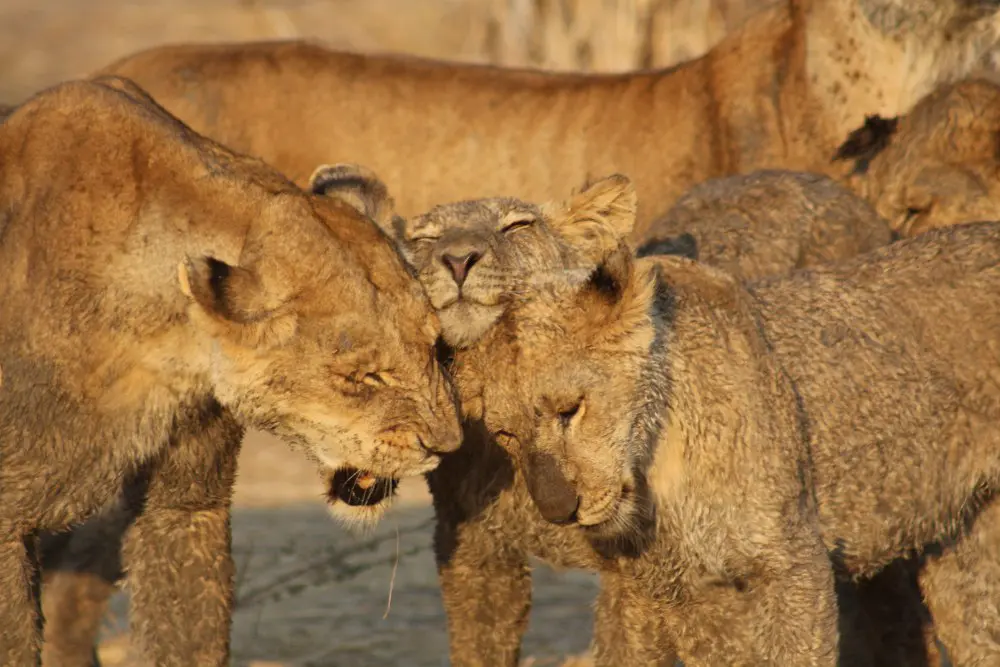
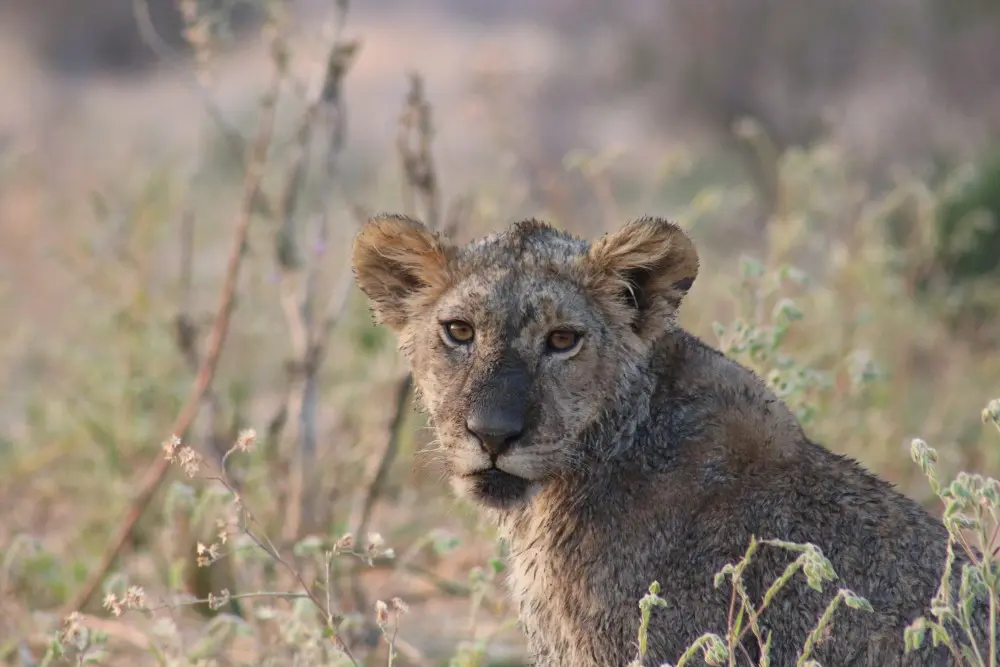
Ruaha and Selous-Nyerere together span one of the most significant lion habitats on the continent. These landscapes support populations of not only lions, but also African wild dogs, leopards, and cheetahs. But most carnivores spend time outside the formal boundaries of Ruaha National Park and Nyerere National Park, where they risk crossing paths with cattle herders and farmers. That’s where the danger begins.
Livestock predation can devastate a household’s income. Retaliatory killings of lions and the use of poison aren’t uncommon. Snares set for bushmeat also claim unintended victims. Add habitat loss and shrinking wildlife corridors, and the pressures mount.
Lion Landscapes’ work targets these threats directly, with a focus on three outcomes: reduce the cost of living with large carnivores, stop their loss, and increase the benefits to those who share their land with them.
Programmes We Support
We’ve backed four programmes that are helping communities and carnivores coexist:
1. Community Camera Trapping (CCT and CCT+)
Across 16 villages in the Ruaha and Selous-Nyerere ecosystems, community members are trained to manage camera traps that record wildlife on village land. The more species they capture, the more points they earn. These points convert into quarterly benefits ranging from healthcare to education and veterinary services for their herds.
This model is now being expanded into CCT+, which adds an accountability layer. Villages now receive bonuses for positive behaviours, such as snare removal or predator-proofing bomas, and penalties for poaching or poisoning incidents.

So far, over US$27,000 has been distributed as community benefits. In Mapogoro, camera traps placed near seasonal waterholes captured groups of elephants and rare carnivores, including wild dogs leading to a spike in rewards. These benefits paid for new school desks, veterinary supplies and health insurance schemes that now cover entire families.
More than 30 local camera trap officers have been trained and employed. For many, it’s their first salaried role.
2. Lion Defenders and Conflict Mitigation
Lion Defenders are usually drawn from young men in pastoralist communities who, in the past, would have gained status by hunting lions. Today, they’re trained to track carnivores, patrol known conflict hotspots and retrieve lost livestock before it’s attacked.
They’re supported by Conflict Officers and Lion Extension Officers, who provide rapid response after livestock attacks, administer first aid to wounded animals and mediate with affected households.
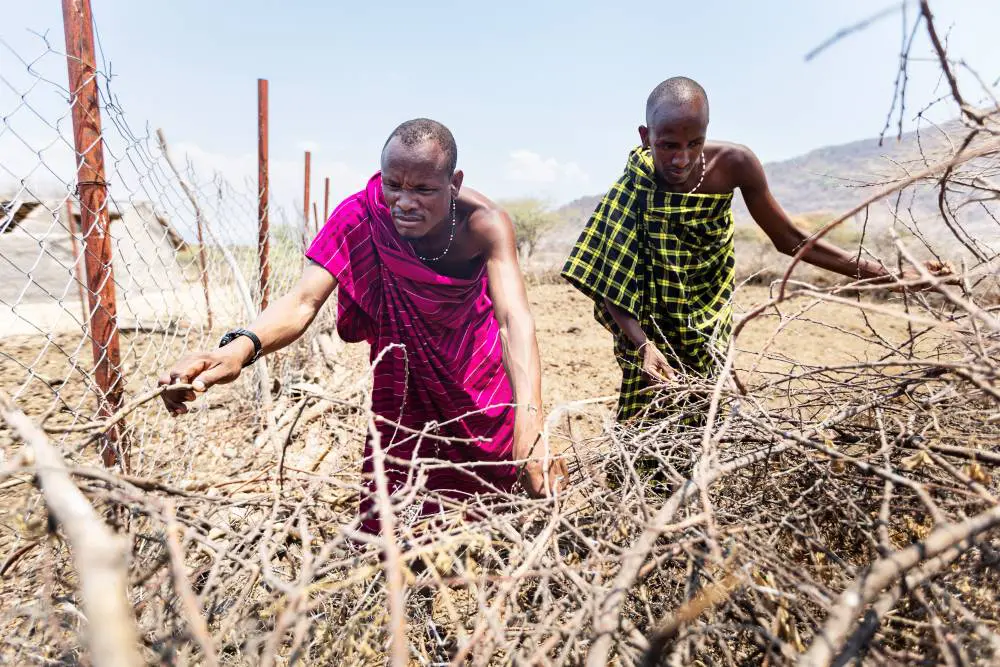
From January to July 2024, the Lion Defender teams in Ruaha patrolled nearly 18,000 km, recovered 368 livestock, and helped reinforce 42 bomas. They also prevented a planned lion hunt. In the Selous-Nyerere landscape, Extension Officers logged over 5,000 km on foot, found over 300 lost livestock and treated animals injured in predator encounters. These are high-impact interventions in areas where a single cow can mean a year’s worth of school fees.
3. IMPS: Interns, Mentees, Partners and Students
True conservation ownership comes from within. The IMPS programme builds that by training African conservationists in ecological research, fieldwork, and project leadership.
We’ve supported three Tanzanian female interns placed in Ruaha. Four MSc students from Dar es Salaam University are now completing year-long research placements on topics like predator-proof bomas and human-wildlife perceptions. A PhD student, Leonard Haule, is tracking wild dog and lion genetics across the Selous.
A strategy to formalise this capacity-building pipeline is now underway, laying the foundations for future leadership in conservation science and practice.
4. Monitoring and Biodiversity Credits
Lion Landscapes is also laying the groundwork for a new economic model utilising biodiversity credits. These would reward communities for measurable gains in wildlife presence and ecological health, similar to carbon offset schemes.
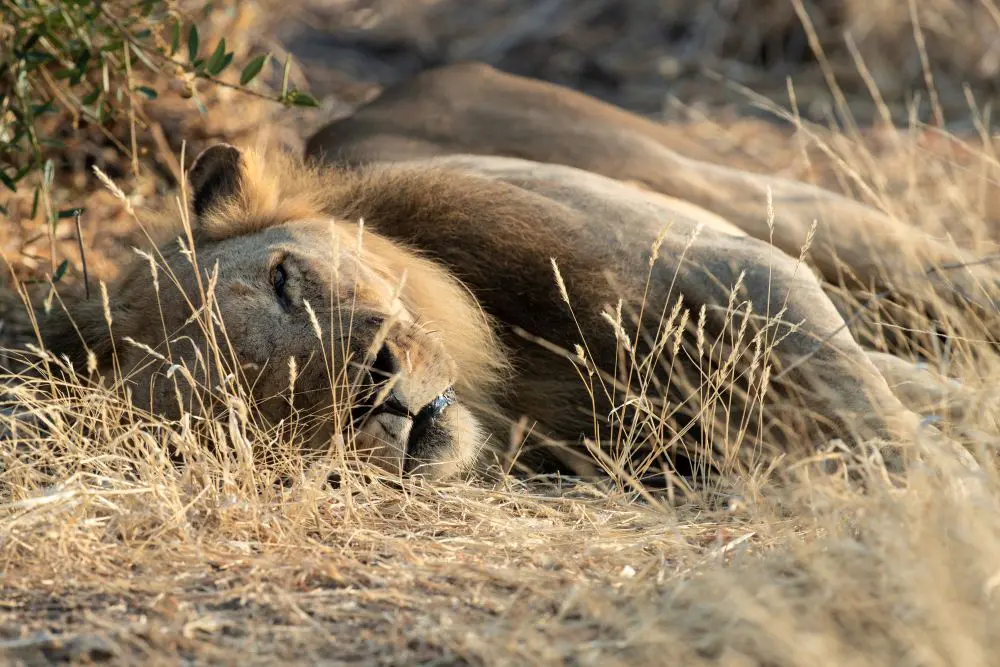
With our support, they carried out a large camera-trap survey across 2,500 km² of Eastern Selous, 116 paired stations recording species from lions to side-striped jackals. Collaring individuals, like the lion “Namanyunyu”, has shown how community-managed areas are critical for maintaining movement corridors.
Data from these surveys feeds into long-term monitoring. If successful, biodiversity credit schemes could help secure lasting income for conservation-aligned communities.
Cultural Shifts
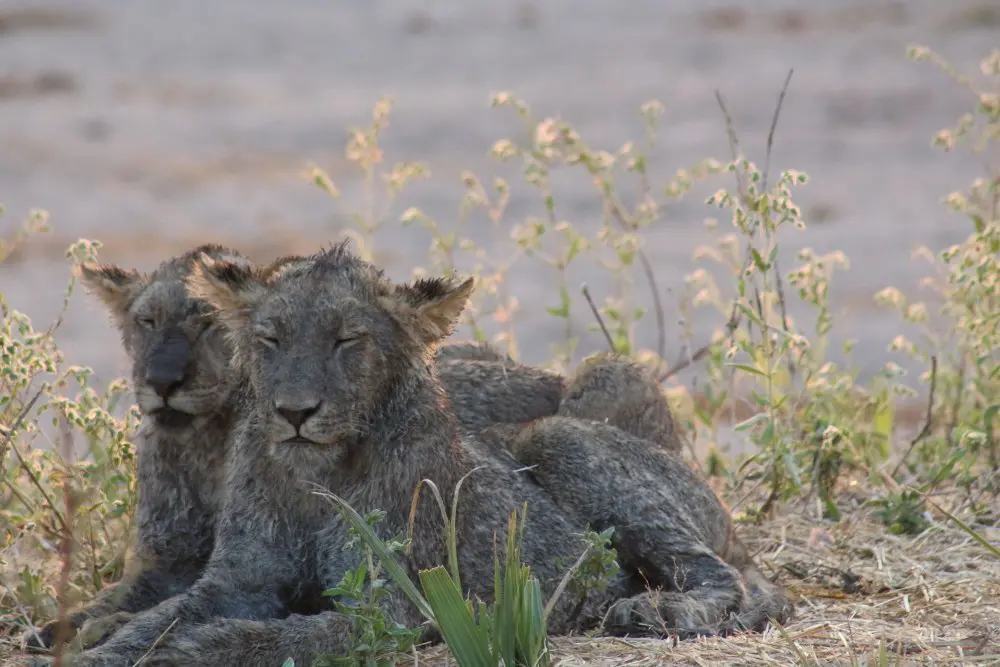
The numbers are impressive, but the cultural shifts are just as important. In the past, warriors danced after killing a lion. Today, those same dances are held to honour peaceful coexistence. Villagers now report lion sightings voluntarily. Meetings about conservation incentives draw interested participants, not scepticism.
Living alongside lions comes at a cost, but with trust, consistency and local leadership, the equation is shifting and we can help communities turn coexistence into opportunity. Our support is helping Lion Landscapes build systems that reward coexistence and puts decision-making in the hands of those who live with wildlife every day.
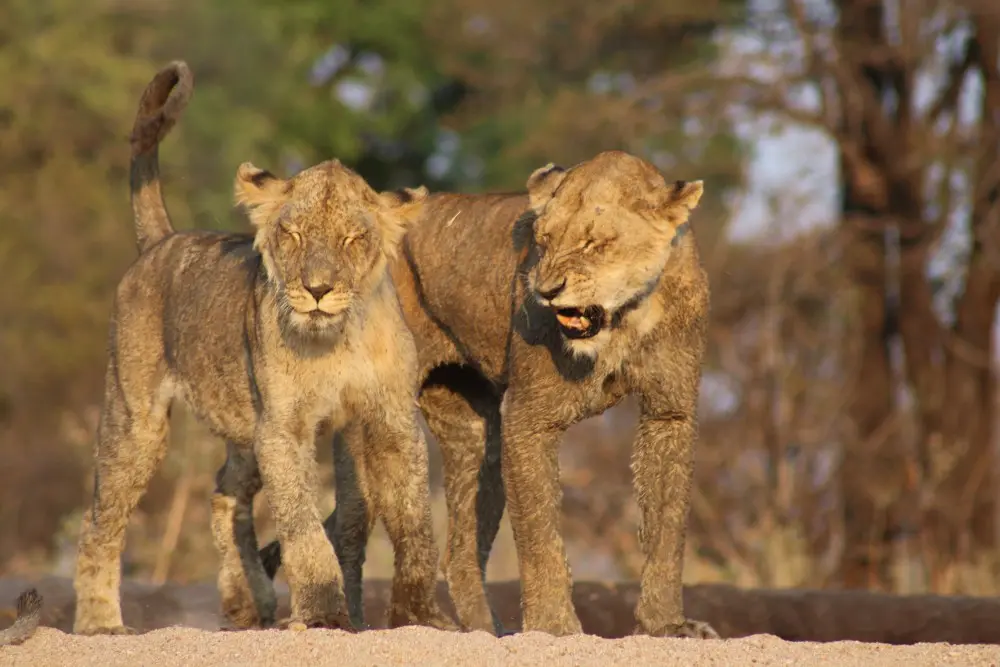
Conservation in these remote areas doesn’t succeed in isolation. It depends on backing the people who live alongside wildlife and making sure they share in the benefits when it thrives. Progress holds when incentives are clear, support reaches rural communities, and science is used to serve their priorities. In landscapes like Ruaha and Selous-Nyerere, that combination drives real, results driven impact.
When you choose to travel with Asilia Africa, you are actively choosing to contribute towards the conservation of wildlife and crucial wilderness areas. Choose to travel responsibly. Choose to travel with purpose.