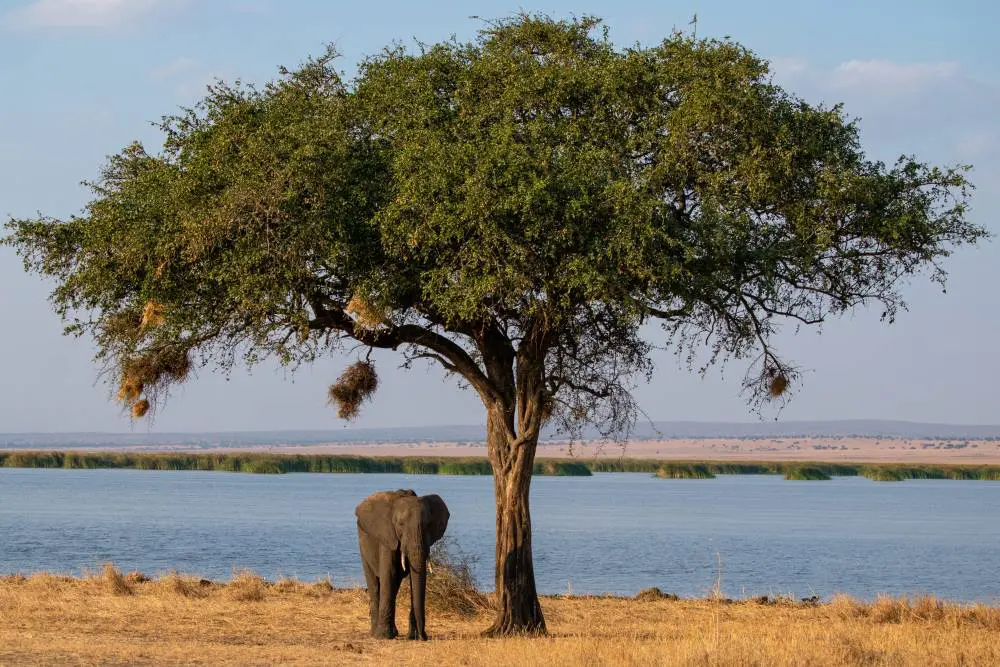
Tuhifadhi Maliasili, meaning “Preserve natural resources”, is an initiative that started in 2022 and strives to protect a crucial corridor of land in the Tarangire-Manyara ecosystem.
A strong start
In September 2022, we reported on the progress being made in the protection of the Kwakuchinja Wildlife Corridor. With the support of USAID (United States Agency for International Development), work was being performed within the local communities to provide education around the importance of sustainable conservation of natural biodiversity and resources. Building on the successes achieved during its initial grant period, we are proud to have been awarded a subsequent USAID grant to expand the Tuhifadhi Maliasili program.

Through the creation of partnerships and alliances with both the local communities and conservation partners, the aim is to effectively promote the sustainable conservation of the Kwakuchinja Corridor and the entire Tarangire-Manyara ecosystem. The corridor provides an important channel for wildlife movement between seasonal bodies of water and, if it is not protected, wildlife may be entirely cut-off from accessing water during the dry seasons. Using the mechanism of tourism, the focus of the work already performed within the project has revolved around creating economic support for the local communities and developing an interest in the conservation of both the wildlife and wilderness. While the fostering of human-wildlife coexistence is the ongoing focus, additional initiatives will be introduced to emphasise community engagement and education for both adults and children alike.

Climate change
One of the areas of activity focuses on climate change and how community engagement can help mitigate the effects while simultaneously conserving biodiversity. Traditional cooking methods rely on charcoal for fuel obtained from the surrounding forested areas and vegetation, and are often very inefficient. In an effort to facilitate behaviour change, improved cooking stoves are being made in the villages in conjunction with the promotion of tree planting initiatives. Education is being provided around the importance of the landscape and the natural resources it contains, to discourage the cutting of trees and removal of vegetation. 5,000 trees have already been planted around primary and secondary schools within the surrounding communities, with more coming in this next phase. 155 people from various communities received training in entrepreneurial and leadership skills, as well as training on how to make the improved cooking stoves. These individuals are now making and selling the stoves throughout their communities, earning an income, and promoting the conservation of natural resources.

Revenue creation
A new initiative is providing training to local community members to become cultural guides within the Kwakuchinja Corridor. The corridor holds beautiful landscapes, a variety of wildlife, and a rich cultural tapestry of the Maasai, Datoga, Iraqw, and Mbugwe tribes. Working with tourism partners, these local guides can accompany safari guides to offer guests unique insight into the area through game drives, walking safaris, and cultural tours. In addition to creating a form of revenue generation, these guides are equipped with the necessary skills and knowledge to effectively support the other conservation initiatives in the corridor, such as intervening in retaliatory killing of carnivores, tree logging for charcoal, and assisting in the prevention of human-wildlife conflict. To further aid the protection of both carnivores and livestock, five lion collars were purchased for the corridor. GPS positioning allows for accurate tracking of movement and provides an enhanced understanding of how best to limit human-wildlife conflict.

Twende Porini
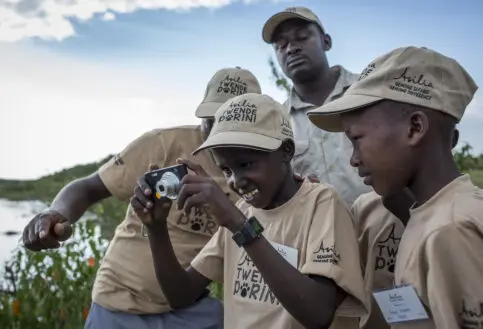
Twende Porini, an in-house initiative created by Asilia, continues to operate across both Kenya and Tanzania, offering school children an exciting and educational wilderness experience within our safari camps. Over a period of 3 days, the children are given the opportunity to experience game drives and safely view wildlife, learning to appreciate them rather than fear them. They are taught about the importance of conservation and how the protection of wilderness areas is crucial for both wildlife and communities to thrive. With the support of USAID, the Twende Porini program at Oliver’s Camp in Tarangire National Park has been expanded to offer increased exposure to a wider number of children from the surrounding communities. By installing an appreciation for wildlife and an understanding of the importance of conservation from a young age, the hope is to create ambassadors who will continue to promote and lead community owned conservation into the future.

We are proud to be recognised by USAID as a partner on the ground capable of driving positive impact at scale in areas where it is most needed. Every guest that stays in an Asilia property contributes towards our community and conservation initiatives through the Asilia Conservation Charge, which generates over $200’000 per year, all of which goes to our Positive Impact initiatives. When you choose to travel with Asilia, you are actively choosing to add purpose to your travel.