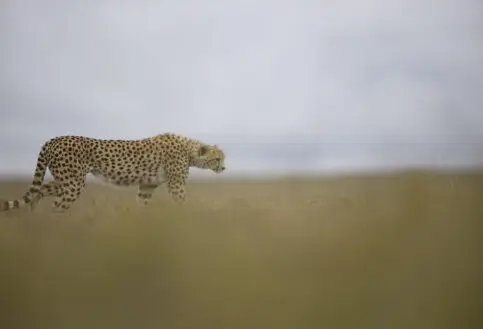
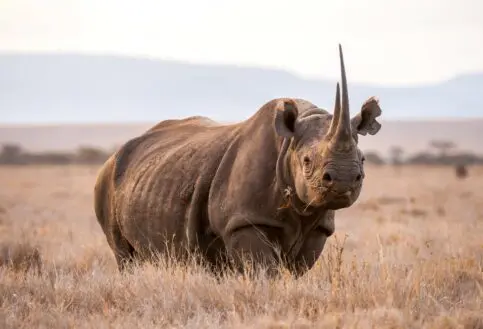
The African sun has just slipped below the horizon, painting the sky in brilliant oranges and purples. The daytime chorus of birds gradually gives way to a completely different soundtrack – one of mysterious calls, rustling grass, and the distant roar of a lion. This is when an entirely different magic begins.
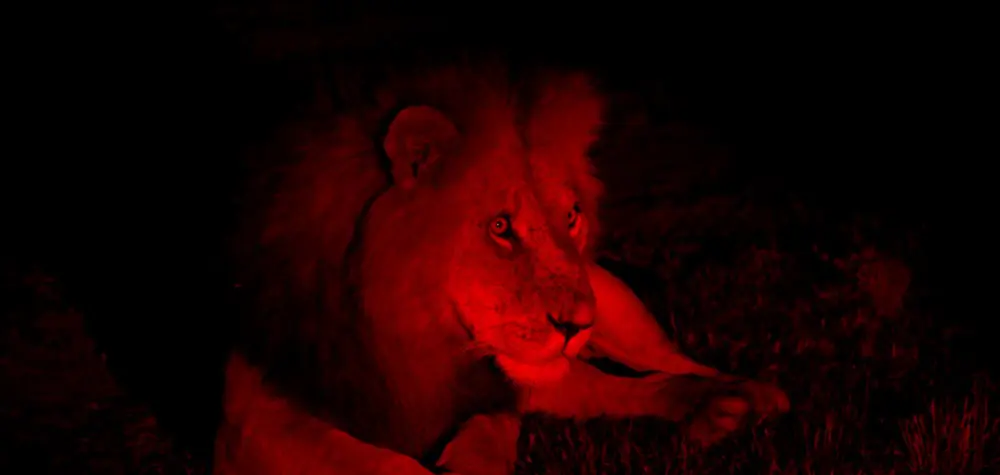
There’s something absolutely electric about venturing into the African wilderness after dark. As your safari vehicle’s red-filtered spotlight cuts through the darkness, you’re entering a world that most visitors never get to experience. The bush transforms completely at night, revealing a secret society of creatures who’ve been waiting all day for their moment to shine.
What makes a safari night game drive with us so special is that our camps are sometimes in private conservancies – places where we can venture off-road and after dark. Unlike most national parks, where night drives aren’t permitted, these conservancies give us the freedom to witness completely natural, undisturbed behaviours. And here’s the thing: nothing is ever guaranteed on a night drive, which makes every single sighting feel like winning the wildlife lottery.
Ready to discover who might be waiting for you in the darkness? Here are the most incredible nocturnal encounters that could make your night safari absolutely unforgettable.
Lions on the Hunt
If you’ve ever wondered what makes a lion’s eyes glow like amber jewels in the spotlight, you’re about to find out firsthand. Nighttime is when these magnificent cats truly come alive – and when you might witness one of nature’s most thrilling spectacles.
During the day, lions are basically the world’s most impressive couch potatoes, lounging in whatever shade they can find. But as darkness falls, they transform into the ultimate predators. This is prime hunting time, when they use the cover of night to stalk their prey with incredible stealth and coordination.
Imagine sitting in hushed silence as your guide’s spotlight reveals a lioness moving like liquid gold through the grass, every muscle perfectly controlled, eyes locked on an unsuspecting antelope. Or picture the heart-stopping moment when an entire pride materialises from the shadows, working together with military precision.
Where you’re most likely to encounter hunting lions: The Masai Mara Conservancies offer some of the most spectacular lion sightings of any Masai Mara safari, especially in Naboisho Conservancy. Tarangire National Park is another hotspot where these nocturnal hunters put on incredible shows. Remember, though – wildlife doesn’t follow schedules, so while our experienced guides know all the best spots and will do what they can to find these magnificent cats, every sighting remains a precious gift from the wild.
Leopards on the Move
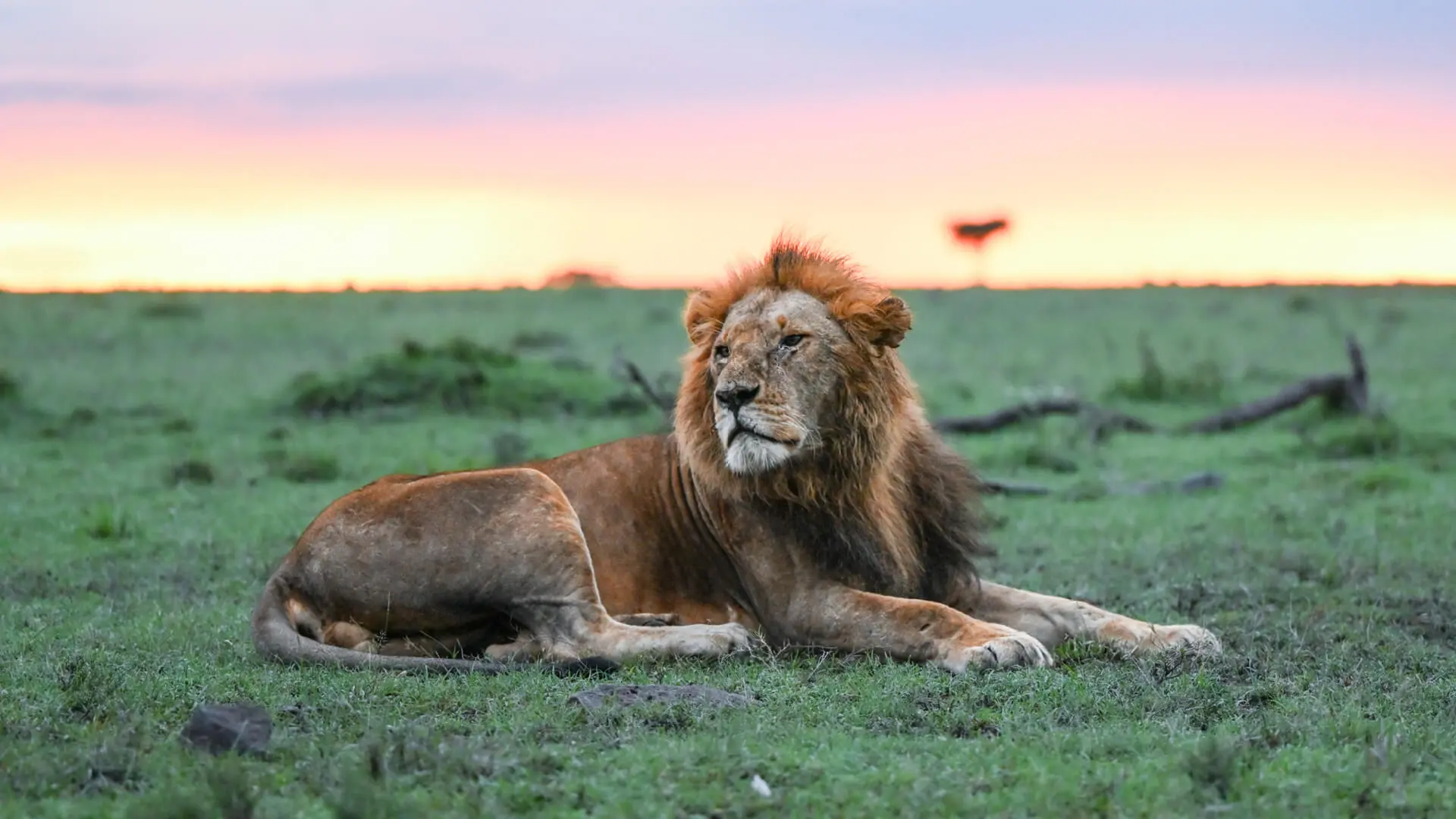
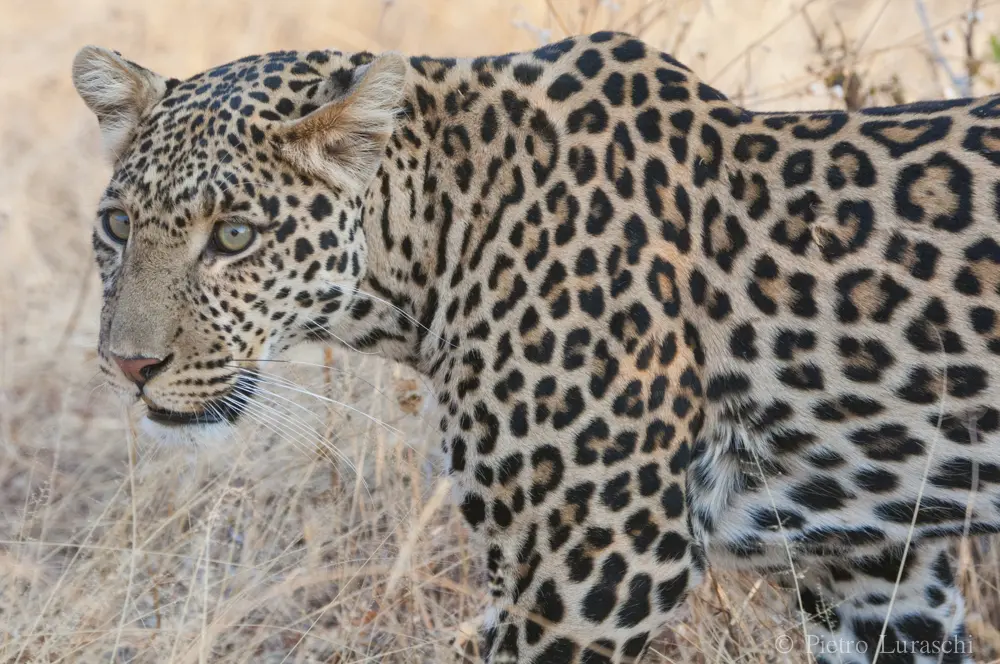
If lions are the kings of the night, then leopards are definitely the mystery masters. These incredibly elusive cats are the ultimate hide-and-seek champions, and spotting one feels like you’ve been let in on one of Africa’s best-kept secrets.
Leopards are naturally shy and prefer to avoid the spotlight (literally!), which makes them almost impossible to see during busy daytime game drives. But at night? That’s when they feel confident enough to emerge from their hidden world. You might catch one padding silently along a riverbank or perhaps witness the incredible sight of a leopard effortlessly hauling its kill up into the safety of a tree.
These spotted beauties are absolutely gorgeous in the red glow of a spotlight – their rosette patterns seem to shimmer, and their green eyes reflect the light with an almost otherworldly intensity. Every movement is poetry in motion, from the way they place each paw to how they can seemingly vanish into thin air the moment they decide they’ve had enough attention.
Where you’re most likely to spot these elusive beauties: Laikipia’s rocky outcrops and riverine forests provide perfect leopard habitat, while Ruaha National Park and the Mara Naboisho Conservancy also offer excellent opportunities. Our guides have spent years learning the subtle signs – a territorial mark here, a favourite tree there – that might lead to one of these magical encounters.
Hyenas Socialising and Scavenging
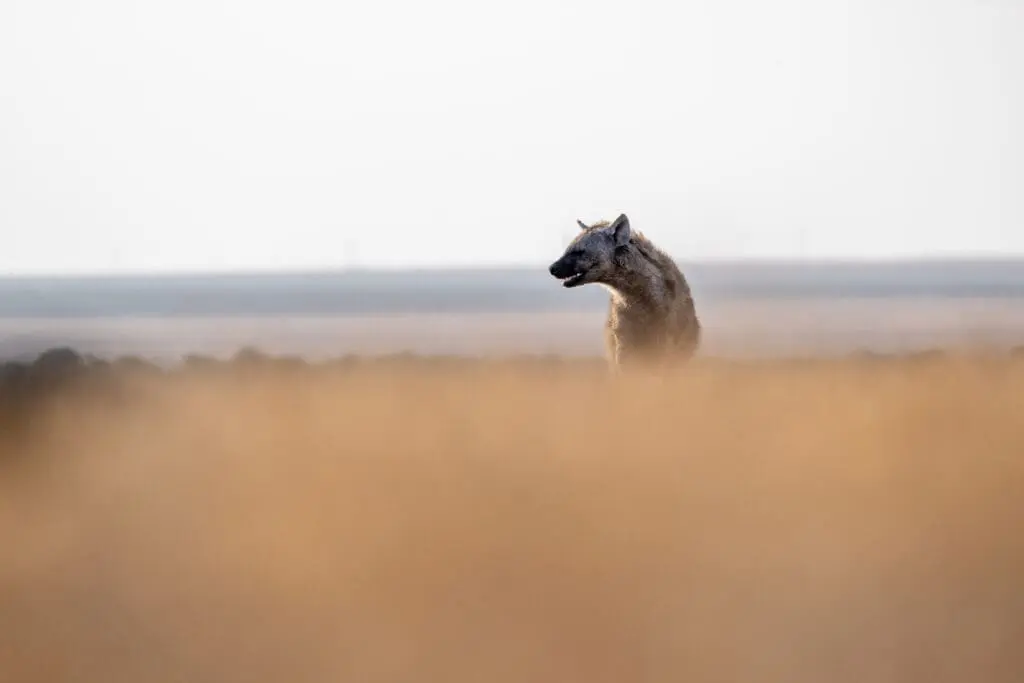
Let’s be honest – hyenas have earned a pretty bad reputation, thanks in part to certain animated movies. But spend one evening with these incredibly intelligent and social animals, and you’ll quickly realise they’re some of the most fascinating creatures in Africa.
Nighttime is when hyena clans really come to life. You might stumble upon an entire family gathering around a waterhole, their distinctive calls echoing across the plains like some ancient conversation. These aren’t just random whoops and giggles – hyenas have one of the most complex communication systems in the animal kingdom, and listening to them ‘talk’ to each other is absolutely captivating.
Don’t be surprised if you witness some serious hyena drama unfolding. These animals have incredibly structuredsocial hierarchies, and watching the interactions between different clan members is like tuning into a wild soap opera. Plus, they’re incredibly successful hunters in their own right – not just the scavengers many people think they are.
Where you’re most likely to encounter hyena clans: The Maasai Mara region, particularly around the Mara Naboisho Conservancy, supports large hyena populations. The open plains and abundant prey make it a perfect territory for these social carnivores to thrive and put on their nightly performances.
Bush Babies and Night Birds
If you’ve never heard a bush baby call echoing through the African night, you’re in for a treat. These tiny primates produce some of the most haunting and beautiful sounds you’ll ever hear – think of it as nature’s own mysterious lullaby.
Bush babies (also called galagos) are absolutely adorable creatures with incredible jumping abilities and enormous, round eyes designed for night vision. Spotting one in your red spotlight feels like discovering a tiny forest fairy. They move through the trees with such grace and speed that you’ll find yourself holding your breath, hoping they’ll pause just long enough for you to really take in their delicate features.
And then there are the night birds – from the distinctive call of the pearl-spotted owlet to the haunting cry of the thick-knee, the African night is filled with an entire symphony of sounds that you simply never hear during the day. Each call tells a story, whether it’s a territorial claim, a love song, or a family checking in with each other.
Where you’re most likely to encounter these magical creatures: The wooded areas of Laikipia are absolutely perfect for bush babies and night birds, as are the forested conservancies and escarpment areas throughout Kenya. The diversity of trees and vegetation creates the perfect habitat for these elusive night dwellers.
Aardvarks, Civets, and Genets
Now we’re getting into the really special stuff – the nocturnal mammals that even experienced safari-goers rarely get to see. Spotting any of these creatures is like hitting the wildlife jackpot.
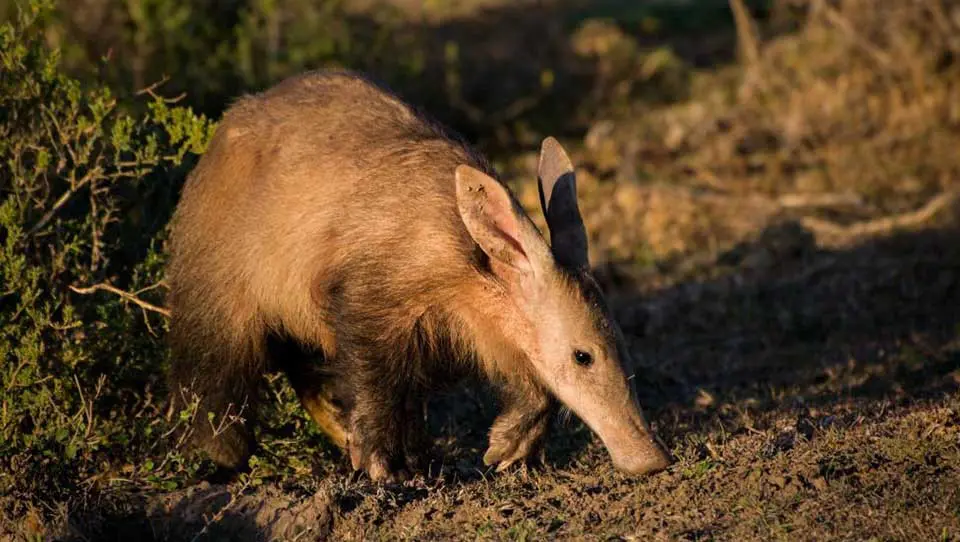
Aardvarks are probably Africa’s most unusual-looking animals, with their pig-like snouts, rabbit ears, and powerful claws built for digging. These incredible insect-eaters emerge only at night to search for their favourite meal: termites and ants. Watching an aardvark methodically work its way across the landscape, stopping to dig precise holes with those amazing claws, is absolutely mesmerising.
Civets and genets are the supermodels of the small carnivore world – sleek, spotted, and incredibly graceful. Genets, in particular, resemble a cross between a cat and a ferret, with the most beautiful spotted coat imaginable. These agile hunters are masters of stealth, and catching one in your spotlight as it moves through the trees is pure magic.
Where you’re most likely to encounter these rare gems: Ol Pejeta Conservancy has excellent populations of all these species, while the northern Kenya plateaus also offer great opportunities. These areas provide the specific habitats these specialised animals need to thrive.
Buffalo, Hippos and Elephants at Night
You might think you know these giants from your daytime game drives, but trust me – seeing them at night is a completely different experience. There’s something almost mystical about encountering these massive animals in the darkness.
Buffalo become much more relaxed and social at night, often gathering in large herds around water sources. Without the heat of the day bothering them, you’ll see behaviours that are hidden during daylight hours. Hippos venture out of the water to graze, creating well-worn paths through the grass.
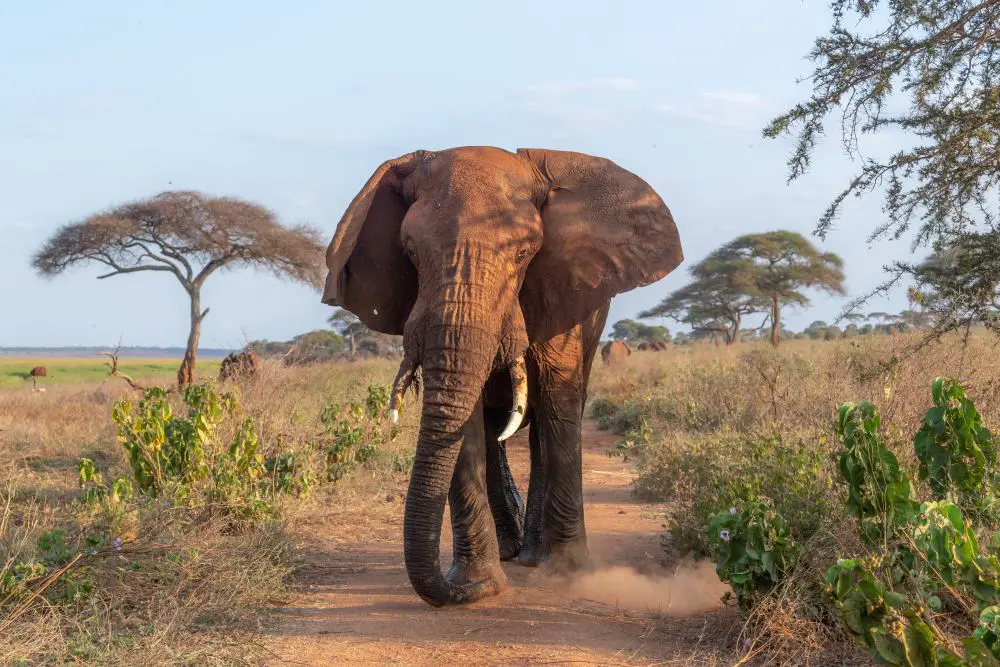
And elephants? They become even more magical after dark. Family groups move through the night with incredible stealth for such large animals, and you might witness tender interactions between mothers and babies that feel incredibly intimate when revealed by your red spotlight. The way they communicate with low rumbles that you feel more than hear creates an absolutely unforgettable atmosphere.
Where you’re most likely to encounter these gentle giants: Near riverbanks and marshes (like the Silale Swamp in Tarangire National Park), these large herbivores gather for drinking and cooling off. Our guides know exactly which water sources attract the most activity at night.
Jackals and Other Small Carnivores
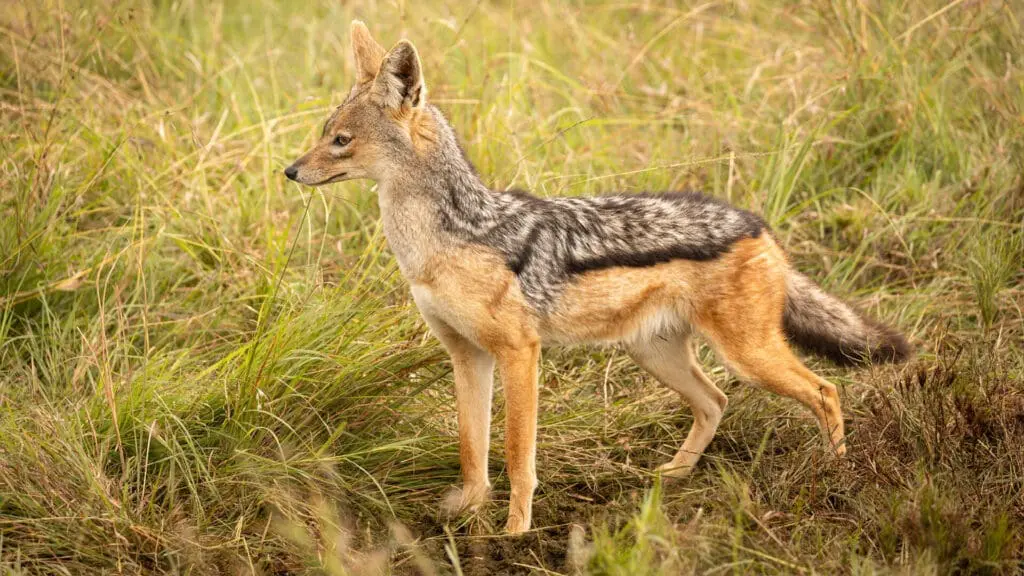
Last but definitely not least are the smaller carnivores that make the night their hunting ground. Jackals, with their intelligent eyes and alert expressions, are incredibly entertaining to watch as they trot through the darkness, always seeming to have somewhere important to be.
These opportunistic hunters and scavengers play a crucial role in the ecosystem, and watching them work is like observing nature’s cleanup crew in action. They’re also surprisingly social, and you might catch family groups communicating with their distinctive calls echoing across the plains.
Where you’re most likely to spot these clever carnivores: Where you’re most likely to spot these clever carnivores: Across many conservancies and national parks in Kenya and on a Tanzania safari that allow night drives, you’ll find healthy populations of small carnivores. Their adaptability and intelligence make them some of the most reliable nighttime sightings – though every encounter still feels special.
Where to Stay for Night Safaris with Asilia
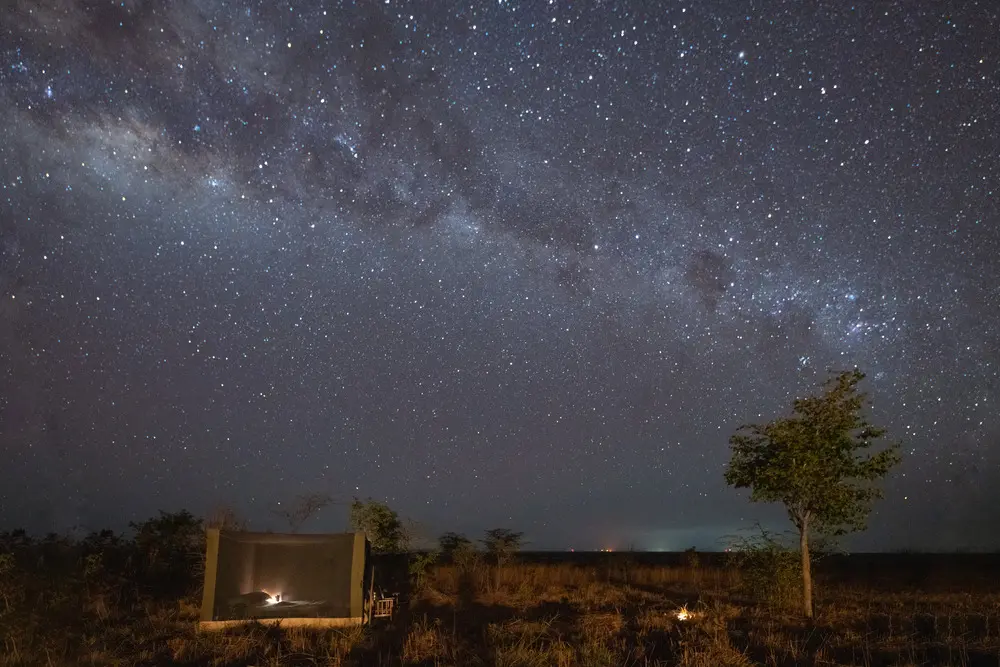
Here’s something really important to know: night drives are only permitted in private conservancies and certain national parks. This is what makes Asilia’s night safaris so incredibly special – we offer these intimate, exclusive experiences in select locations where you can truly connect with nocturnal wildlife without disturbing their natural behaviours.
Camps That Offer Night Drives:
- Naboisho Camp – Mara Naboisho Conservancy, Kenya
- Encounter Mara – Mara Naboisho Conservancy, Kenya
- Ol Pejeta Bush Camp – Ol Pejeta Conservancy, Kenya
- Oliver’s Camp – Tarangire National Park, Tanzania
- Jabali Ridge and Private House – Ruaha National Park, Tanzania
- Usangu Expedition Camp – Ruaha National Park, Tanzania
- Kokoko Camp – Ruaha National Park, Tanzania
What makes these camps so special is that they all operate in areas specifically chosen for their incredible nocturnal wildlife opportunities. Every camp utilises red-filtered spotlights that minimise disturbance to the animals, and our guides are specially trained in low-impact wildlife viewing techniques, ensuring both your safety and the animals’ well-being.
Tips for Your First Night Safari
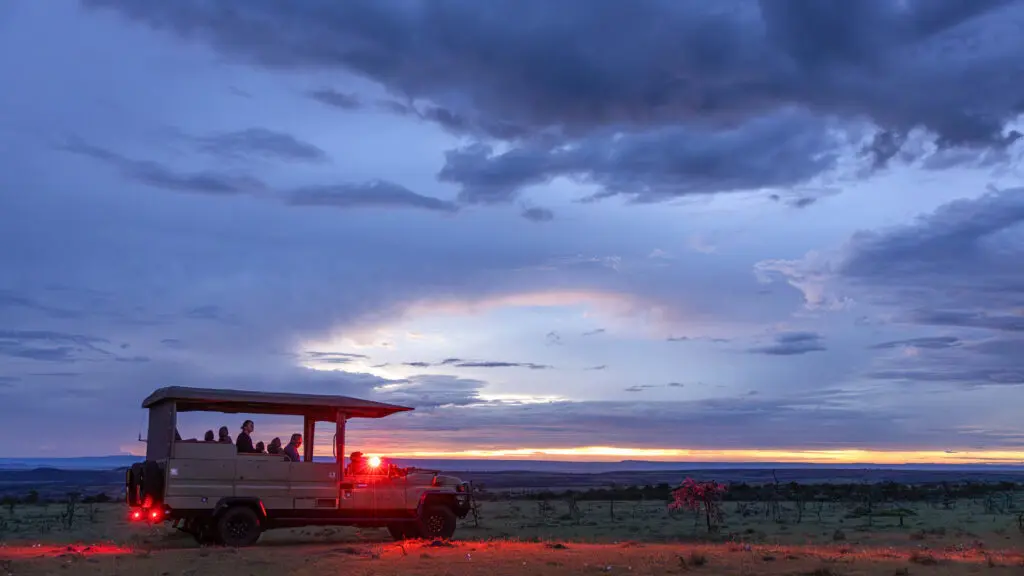
Getting ready for your first night game drive? Here are some insider tips to make sure you have the most incredible experience possible:
Dress warmly: Even if the day is scorching hot, African nights can get surprisingly chilly. Bring layers you can add or remove as needed.
Embrace the quiet: This might be the hardest part for some, but staying quiet is critical. Animals are much more skittish at night, and even whispered conversations can send them running.
Use red-filtered lights only: If you absolutely need to use a flashlight, make sure it has a red filter. White lights can temporarily blind both you and the animals, ruining everyone’s night vision.
Listen as much as you look: Some of the most incredible moments on a night drive are purely auditory. Ask your guide to pause regularly just to listen – you’ll be surprised by the incredible symphony of sounds.
Want to explore a different side of the African bush after dark? Let us arrange your night game drives – where the most mysterious wildlife comes to life.