Why a Slow Safari in Green Season is the Perfect Place to Pause
For many travellers, a safari is defined by movement. Early mornings, full days, and the anticipation of what might be seen next. It’s an experience often shaped by momentum — moving between destinations, maximising sightings, and making the most of time in the wild.

But there is another way to experience an Africa safari. One that invites stillness as much as discovery. A way of travelling that creates space — not just to see more, but to feel more. At its best, a safari is not only about wildlife encounters. It’s about perspective. And when approached more slowly, it becomes an ideal setting for reflection — whether through journaling, quiet observation, or simply stepping away from the constant noise of everyday life.
For travellers considering a slow safari in Africa or wondering when to go on safari for a more peaceful experience, the answer often lies in both pace and season.

The Natural Rhythm of the Wild
There is something about being in wild places that encourages a shift in pace. Without the distractions of modern life — emails, notifications, competing demands — your attention begins to settle.
On safari, this happens almost without effort. It might be the stillness of early morning, when the light is soft and the landscape feels untouched. Or the quiet pause during a game drive, when the vehicle stops and the sounds of the bush come into focus — birds calling, wind moving through the grass, distant movement just beyond view.
Evenings bring a different kind of stillness. Sitting by the fire, watching the sky darken and the stars emerge, there is a sense of perspective that is difficult to find elsewhere. Time feels less structured, and more expansive. These are the moments where reflection naturally begins. Not forced, not scheduled — simply allowed. For those seeking a more mindful Africa safari experience, these quieter moments often become the most memorable.

Why a Slow Safari Changes the Experience
To truly access this sense of space, the pace of your safari matters. A slow safari — with fewer camps and longer stays — allows you to move beyond a checklist of sightings and into a more immersive experience. Rather than constantly transitioning between locations, you begin to settle into each place.
You start to notice the details. The way the light shifts across the landscape. The movement of wildlife along familiar paths. The rhythm of the day, shaped not by a schedule, but by the natural environment around you. With more time in one place, there is less pressure to do everything. You may head out on every game drive — or you may choose to sit one out, remaining in camp to read, reflect, or simply watch the landscape unfold.
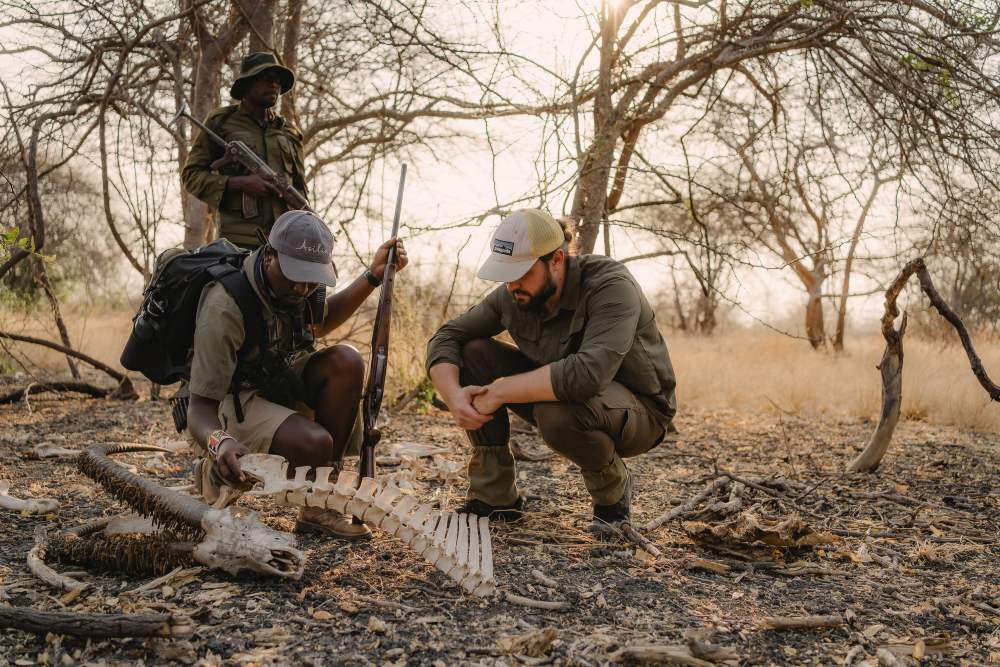
Walking safaris, where available, offer another dimension. Moving on foot through the bush brings a deeper connection to your surroundings, encouraging a slower, more attentive way of experiencing the wild. This shift — from constant activity to considered experience — is what defines a slow safari. And it is within this unhurried rhythm that space for reflection begins to emerge.
Why Green Season is Ideal for a Reflective Safari
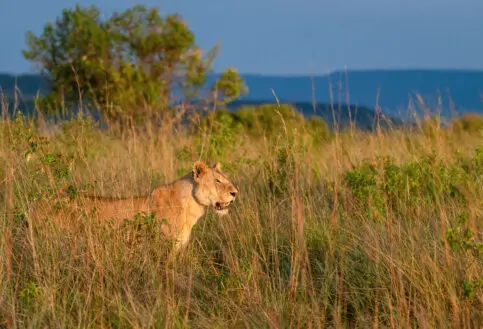
While a slow safari can be experienced year-round, Green Season safaris in Africa offer something particularly special. Following the rains, the landscapes of East Africa are transformed. Dry plains become lush and vibrant, with fresh grass, full waterholes and an abundance of life. The air feels clearer, the colours richer, and the scenery more dynamic.
Storms build and move across the horizon, creating dramatic skies and ever-changing light. Sunrises and sunsets during this time can be especially striking, with soft, diffused light and vivid colours that lend themselves to moments of stillness and reflection.
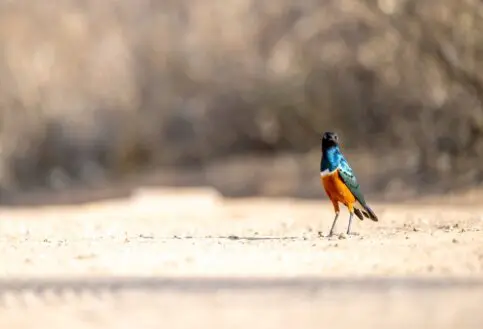
It is also a quieter time to travel. With fewer visitors in camp, a Green Season safari offers a more peaceful and private experience. There is greater flexibility in your day, and more space — both physically and mentally — to slow down. Wildlife remains abundant, with many species taking advantage of the fresh grazing. Birdlife is particularly active, making this an excellent time for birding as well as photography.

There is also a practical benefit. Travelling in Green Season often comes with lower rates, making longer stays — and therefore a slower safari — more accessible. For those wondering when to go on safari in Africa, Green Season offers a compelling alternative to peak travel periods, particularly for those seeking a more reflective and less crowded experience.
Creating Space to Reflect on Safari
A reflective safari does not require a structured plan. In fact, it is often the absence of one that allows it to unfold naturally. It might be as simple as:
- Sitting quietly with a coffee as the day begins
- Taking time to journal between activities
- Choosing rest over routine when needed
- Allowing moments of silence without the need to fill them
These small choices create space — and it is within that space that reflection becomes possible. For some, this may take the form of writing or photography. For others, it may simply be a heightened awareness of the present moment — noticing more, thinking less, and feeling more connected to the environment around them.

A digital detox safari often happens naturally in these settings, as the absence of constant connectivity allows for a deeper engagement with both the landscape and your own thoughts.
A More Meaningful Safari Experience
A slow safari in Green Season offers something increasingly rare — the opportunity to step away from urgency and reconnect with a more natural rhythm. The wildlife remains as compelling as ever. The landscapes, in many ways, are at their most beautiful. But the experience shifts.

It becomes less about how much you see, and more about how deeply you experience it. Less about ticking off sightings, and more about allowing moments to unfold. For travellers seeking a more meaningful Africa safari, this approach offers a different kind of reward — one that extends beyond the journey itself.
In slowing down, you create space not only to experience the wild, but to reflect within it. And in doing so, a safari becomes more than an adventure. It becomes a place to pause, reset, and return with a renewed sense of perspective.
Contact us today to plan a safari that allows you the space and time to get you what you need from the experience.