From the jaw-dropping herds of the Great Migration to intimate encounters with mountain gorillas, East Africa offers some of the planet’s most extraordinary wildlife experiences. While Kenya safaris have a long heritage that has consistently captured imaginations worldwide, a Uganda safari occurs within an emerging safari scene and a distinctly different experience to offer. The secret is that you don’t have to choose between them. Let’s explore how these remarkable destinations perfectly complement each other for the ultimate African safari experience.
What Makes the Masai Mara Special

The Masai Mara gained popularity as the backdrop for one of Earth’s most spectacular wildlife shows—the great wildebeest migration. Between July and October, over two million wildebeest, zebra, and gazelles cross these sprawling plains to the delight of travellers who come from near and far to experience this bucket-list phenomenon.
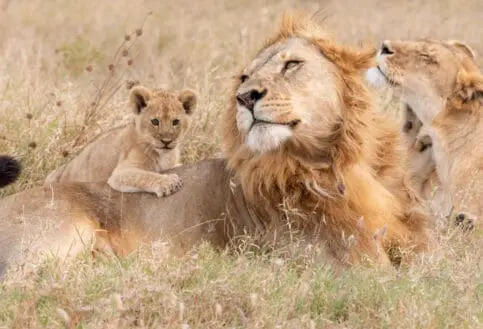
But the Mara offers extraordinary wildlife populations even beyond the migration. The legendary Big 5 are all in attendance here, often visible within a single safari game drive, from prides of lion lazing in the shade to leopards feasting on their prey in the branches of the trees, and even parades of elephant that cross the grasslands.
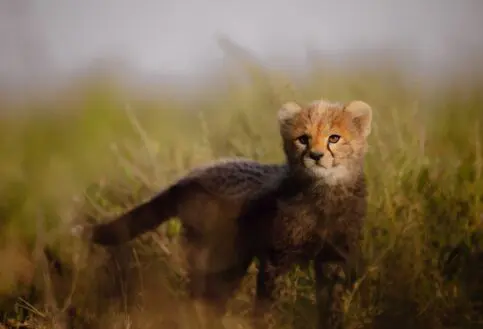
The wealth of a Masai Masai safari lies in its versatility. Your day may begin with a balloon safari, followed by a game drive to reveal a cheetah kill, and continue to a cultural experience at a Masaai village.
What Makes Bwindi Unique
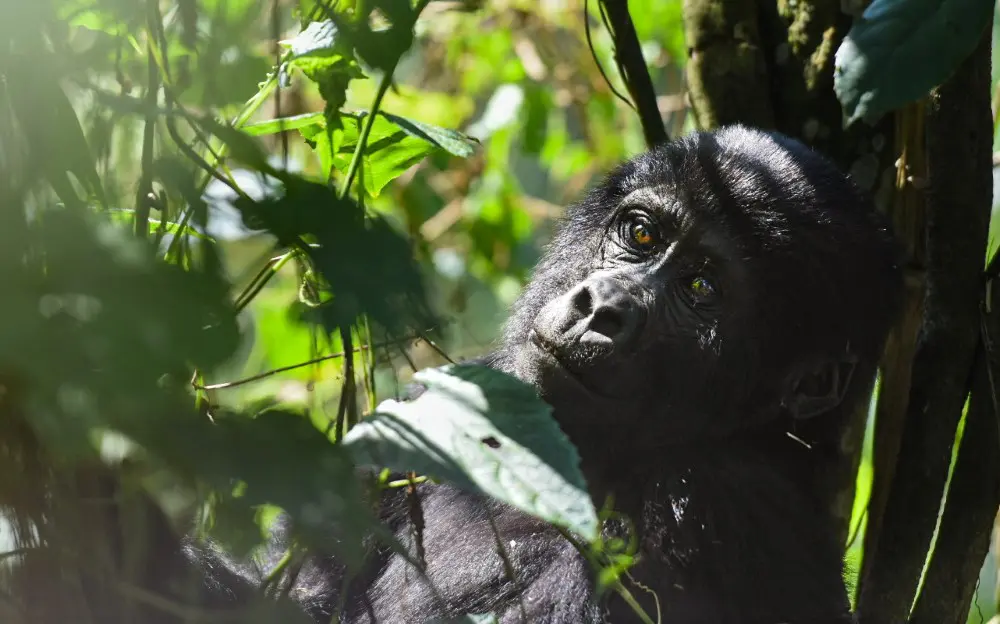
Bwindi Impenetrable Forest presents a distinctly different face of African wildlife viewing. This ancient rainforest, blanketing steep mountain slopes, is home to nearly half of the world’s remaining mountain gorillas. Where the Mara offers big skies and vast plains, Bwindi offers an almost mystical experience as you trek through these misty forests to encounter the gorillas.
Gorilla trekking in Uganda takes wildlife viewing to far more personal heights. Coming face to face with these primates in their natural home is a moment of connection that few other wildlife encounters can offer. The forest itself adds to the sheer mystique of the experience, with some 350 species of bird, rare mountain elephant, and various other primate species to encounter. Find out more about gorilla trekking in rwanda vs uganda.
Wildlife & Activities Compared

How are game drives different in each country?
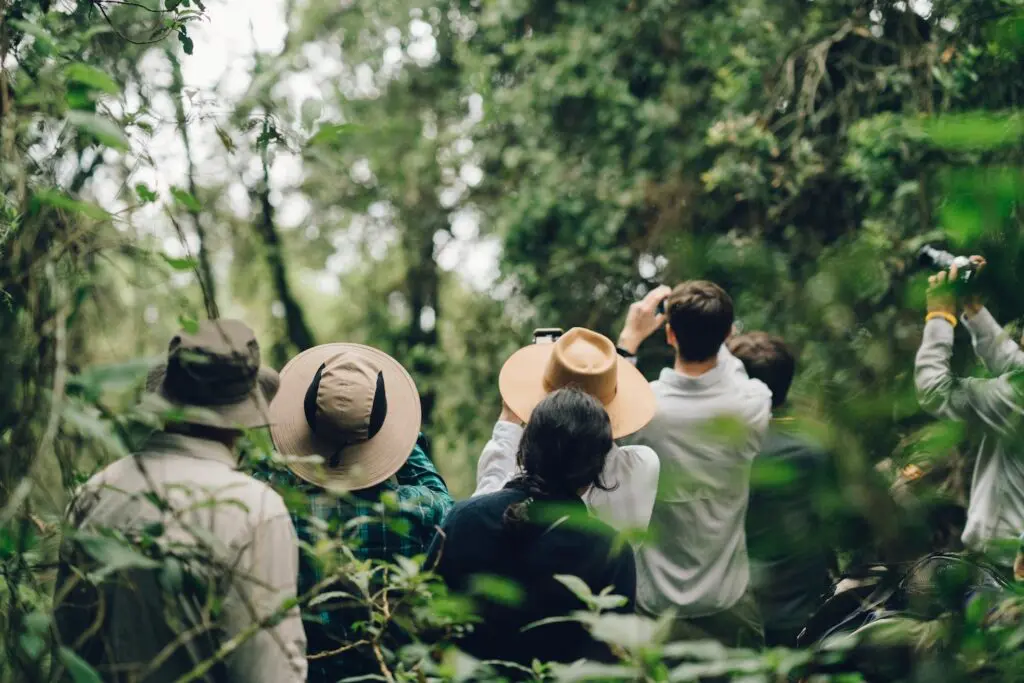
Wildlife encounters are exceptional in both destinations. However, they differ in one key way. In the Mara, you’ll spend your days in a comfortable safari vehicle as you cross the plains in search of wildlife. Bwindi, however, doesn’t give up her secrets as easily and invites you to exit the vehicle and set out on foot through the dense foliage, making every wildlife encounter more intimate.
Different activities compared
Kenya excels in traditional safari experience, including:
- Hot-air balloon safaris over the plains
- Night game drives within the conservancies (i.e., not within the national park)
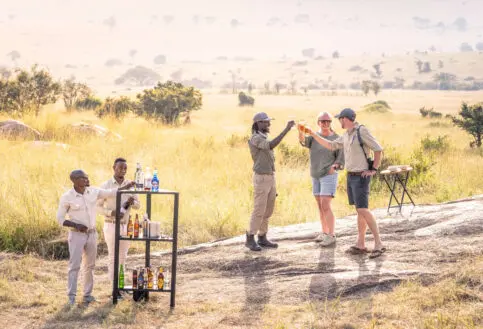
- Sundowners in classic African style
- Traditional Maasai cultural experiences
Uganda’s unique offerings include:
- Forest walks with Batwa guides
- Bird-watching in a pristine rainforest
- Community visits
- River and waterfall experiences
When to Visit
As with any destination, the best time to visit will depend on what experience you wish to have.
Kenya’s Masai Mara is best visited between July and October for the wildebeest migration. It’s important to note that the arrival of the herds in the Mara is driven by rainfall, so it can differ slightly from year to year. For excellent game viewing outside of the busiest season, visit the Masai Mara between January and February. While November and December can see some rainfall, the landscapes are lush and verdant, and there are plenty of newborn animals to see.
In Uganda, the best time to visit for gorilla trekking is in the dry season, between June and August, as trekking conditions are more favourable. Gorilla trekking is available year-round, but the rainy months offer somewhat muddier conditions. If you wish to combine a Kenya safari and Uganda gorilla trekking, December and February are an excellent time in both destinations.
Adding on the Beach
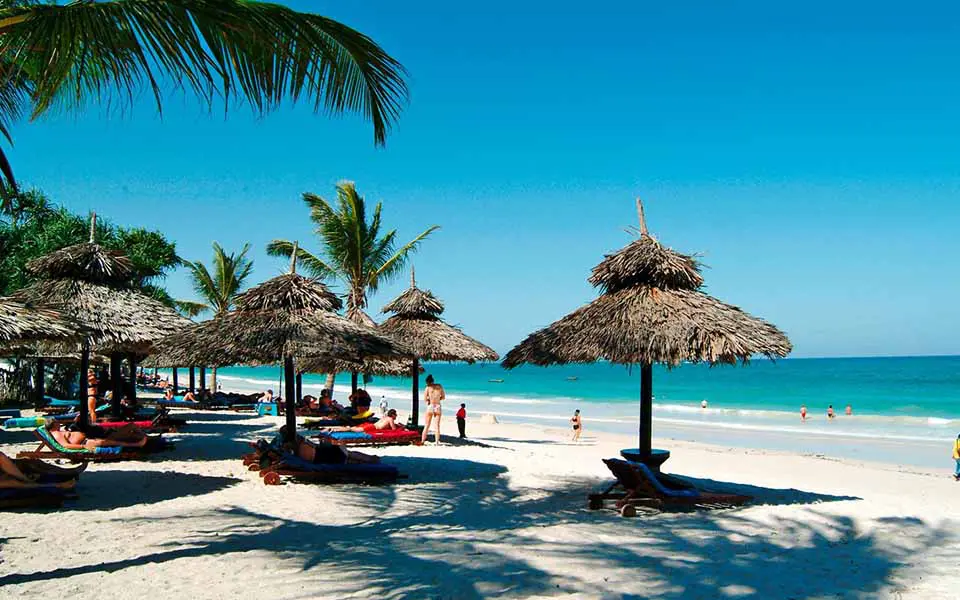
After the dust of the wild savannah and the mists of the rainforest, an escape to one of East Africa’s pristine beaches is a fitting finale. Kenya’s coast offers easy access to the powder-white sands and turquoise waters of Diani Beach, the vibrant coastal city and history of Mombasa, and the Lamu Archipelago, where ancient culture meets pristine beaches.
A triple-threat itinerary including a classic safari, gorillas, and beaches is best enjoyed in January and February, when both countries are dry and the beach conditions are near perfect.
The second-best time for this combination is between June and September, when the conditions offer great wildlife viewing and pleasant coastal conditions.
Accessibility and How to Get There

The two main hubs for international travel are Nairobi in Kenya and Entebbe in Uganda. Major airlines serve both hubs from Europe and the Middle East. From these hubs, regional connections between countries are frequent and reliable, with daily flights between Nairobi and Entebbe and various connections to regional airports near the parks.
Is Driving between Uganda & Kenya an Option?
While driving between the countries is possible, we recommend flying to make the most of your time. The road journey can be long, and border crossings can take quite a bit of time.
Infrastructure in each country compared
Kenya is a well-established safari destination and thus has a well-developed tourism infrastructure, with good road networks and a wide range of accommodation options. Uganda’s tourism infrastructure is growing rapidly. The destination offers a more intimate experience and excellent value for money.
Health & Safety
It’s always best to check with your local travel clinic for the most up-to-date information regarding vaccinations, but generally, both countries require yellow fever vaccinations. Malaria prophylaxis is also recommended.
Basic precautions are recommended regarding safety, with extra caution required in bigger cities. Keep your valuables hidden or locked safely in your accommodation, don’t leave your bags or luggage unattended, and always be aware of your surroundings. As with most destinations, travel insurance is always recommended.
Combining a Classic Kenya Safari with Gorilla Trekking

We recommend kicking off your adventure in Kenya. Depending on what time of day you arrive in Nairobi, you may need to spend a night here before taking a short flight to the Greater Masai Mara. You’ll be met and transferred to your accommodation, where you’ll spend the next three or four days taking in the exceptional wildlife and, depending on the time of year, the Great Migration.
You’ll return to Nairobi for your flight to Entebbe, where you’ll be met and transferred to your accommodation. For the next two or three days, you can explore the majestic forests and embark on a thrilling gorilla trek. At the end of your stay, you’ll return to Entebbe for your onward flight.
The 9-day All Asilia: Tanzania to Uganda itinerary (available from 2026 onwards) is highly recommended. Because you’ll be staying at only Asilia properties for more than 7 days, we’ll pick up the tab for any in country travel. .
Accommodation in Masai Mara and Bwindi
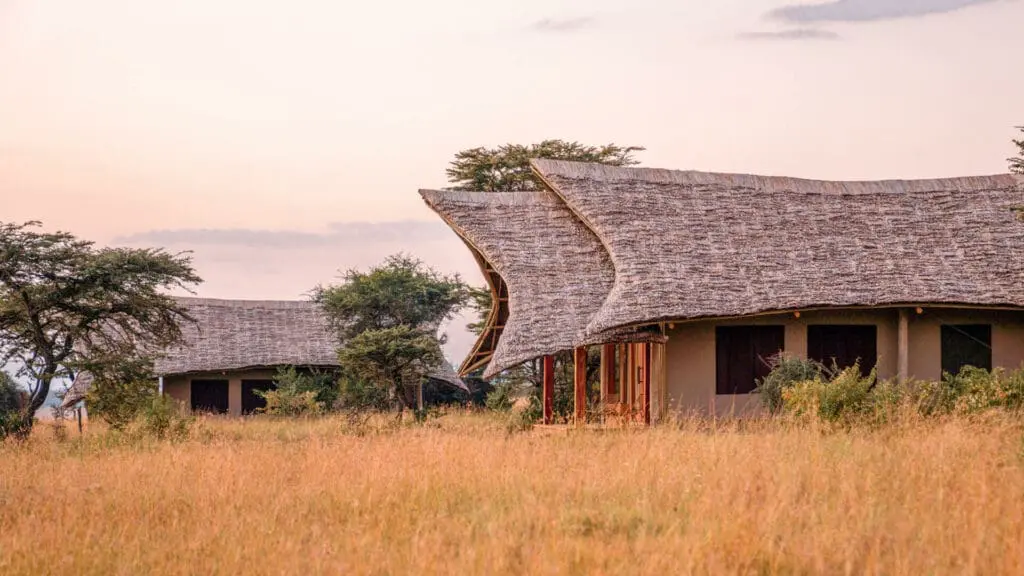
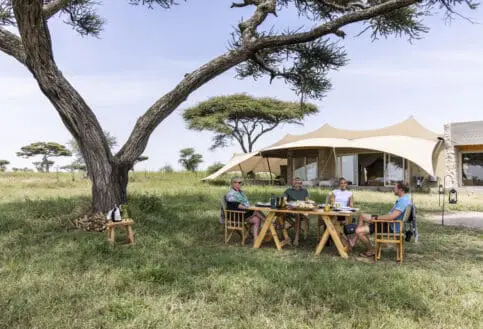
As the Masai Mara has a more established tourism industry, there’s a wide array of options to choose from depending on your style and budget. Masai Mara accommodation ranges from basic, pared-back camps offering an authentic atmosphere to intimate tented camps with butler service and everything in between.
Bwindi accommodation also ranges from simple, budget-friendly guesthouses to stunning forest lodges with jaw-dropping views, but the options are fewer than in the Masai Mara.
Kenya vs Uganda Safari Cost Considerations
Safari costs in Kenya vary significantly based on your preferred level of comfort. Luxury safaris featuring exclusive camps and private guides typically range from $800 to $1500 per person per day. Mid-range options offer superior comfort and cost between $400 and $700 per person daily, while the more budget-friendly options start from $200 to $350 daily and offer simple lodgings.
In Uganda, the cost structure is slightly different. Gorilla permits are a significant consideration at $700 per person. Beyond that, luxury lodging and experiences tend to cost between $600 and $1000 per person per day, while the mid-range falls between $300 and $500.
These costs are merely an indicative estimate, and seasonal variations may apply. While most costs typically include accommodation, meals, and most activities, specific inclusions vary by property.
So, should you go to Kenya or Uganda?
Instead of trying to decide between the two, it’s better to look at Kenya and Uganda as complementary destinations rather than competing ones. Kenya’s Masai Mara delivers the classic safari experience, while Uganda’s Bwindi offers a moving gorilla experience and forest exploration. Together, they offer an unmatched East African experience showcasing the diversity of the region.
Ready to start planning your ultimate East African safari?