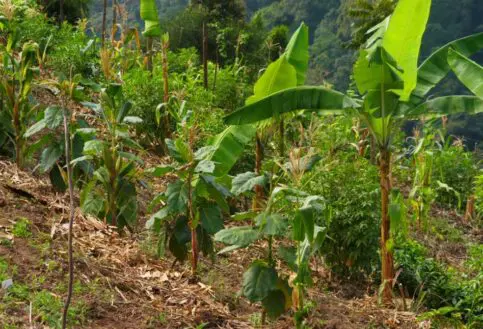
Today’s travellers aren’t venturing into the wild simply to witness Africa’s iconic landscapes and wildlife, they’re seeking meaningful ways to experience the natural world responsibly. There’s a growing awareness that true adventure isn’t just about being present in these extraordinary places, but about protecting them. Eco-travel has evolved far beyond the idea of giving things up; it’s now about making conscious choices that enrich your journey while safeguarding the wilderness for generations to come.
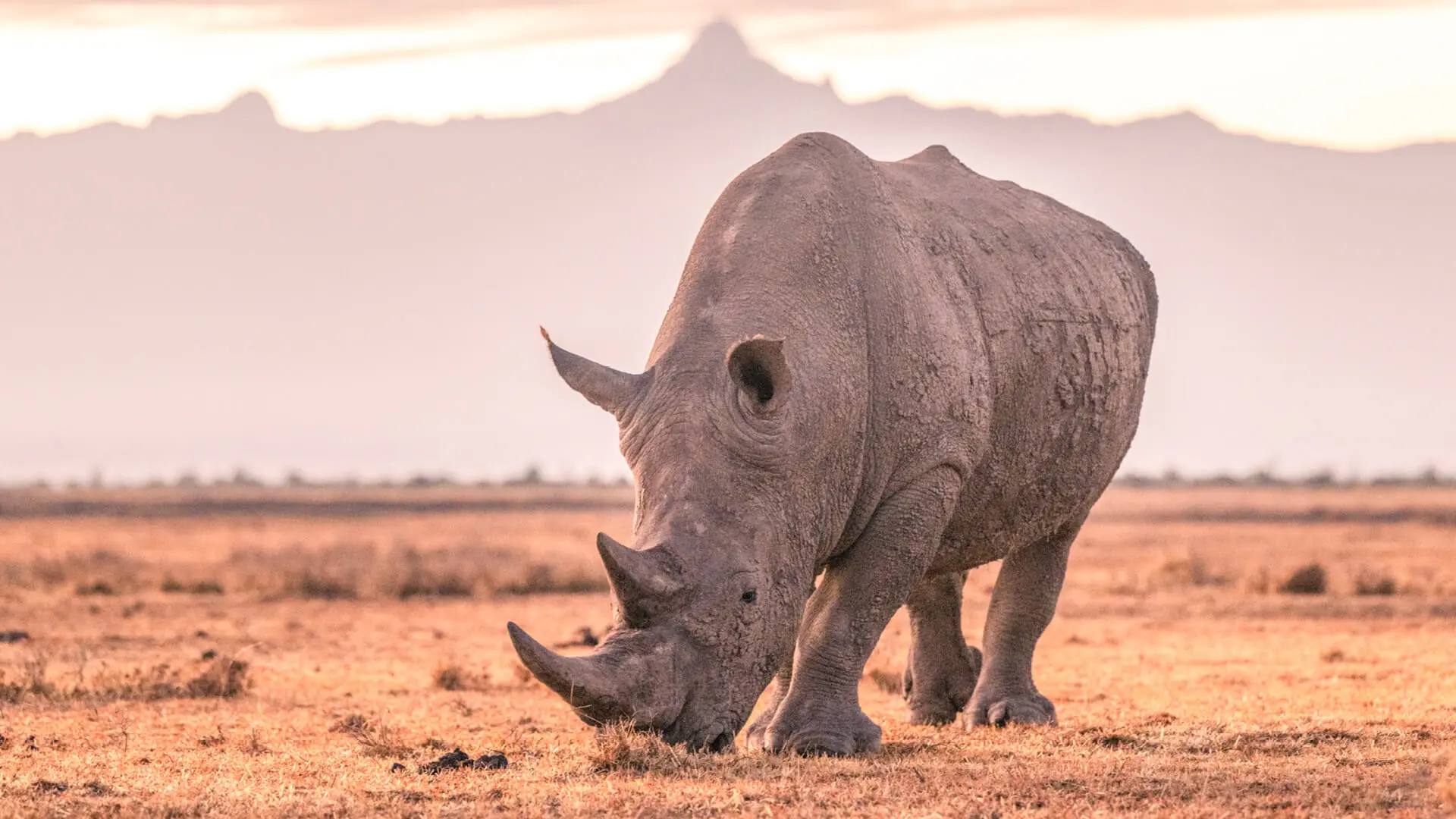
On a modern safari, sustainability isn’t a limitation, rather, it’s an opportunity. When done thoughtfully, an eco-friendly safari in Africa becomes far more than a promise to “do no harm.” It can create a powerful positive impact: restoring fragile ecosystems, supporting local livelihoods, strengthening conservation efforts, and helping communities thrive alongside wildlife.
In this way, travelling lightly doesn’t mean travelling less; it means travelling with intention, and discovering that your safari can contribute to something far greater than the experience itself. With this approach at the heart of every journey we design, we’ve rounded up our top tips for a safari that’s meaningful, responsible, and truly unforgettable.
1. Choose a Camp or Lodge That Gives Back to the Community & Environment
A responsible safari begins with where you choose to stay. Opting for sustainable safari lodges and camps that meaningfully invest in both people and the planet ensures your journey has a deeper, more lasting impact. At Asilia, every stay is designed to contribute to the resilience of East Africa’s wild places and the communities who call them home.

All Asilia camps are built with a low-impact design ethos, using sustainable materials, minimal permanent structures, and systems that reuse or recycle water wherever possible to protect delicate habitats.
But sustainable tourism in Africa goes beyond environmental choices, it’s also about people. By prioritising local employment, fair trade sourcing, and long-term partnerships across the regions where we operate, we help ensure that tourism directly supports livelihoods. Every guest staying with Asilia also contributes directly to conservation and community projects through a small US$10 per night levy, ensuring each stay has a meaningful and measurable impact.
Choosing a camp with these commitments means your time in the bush actively contributes to safeguarding landscapes, empowering communities, and protecting the future of Africa’s wild spaces.
Explore Asilia’s list of top eco-travel accommodation East Africa.
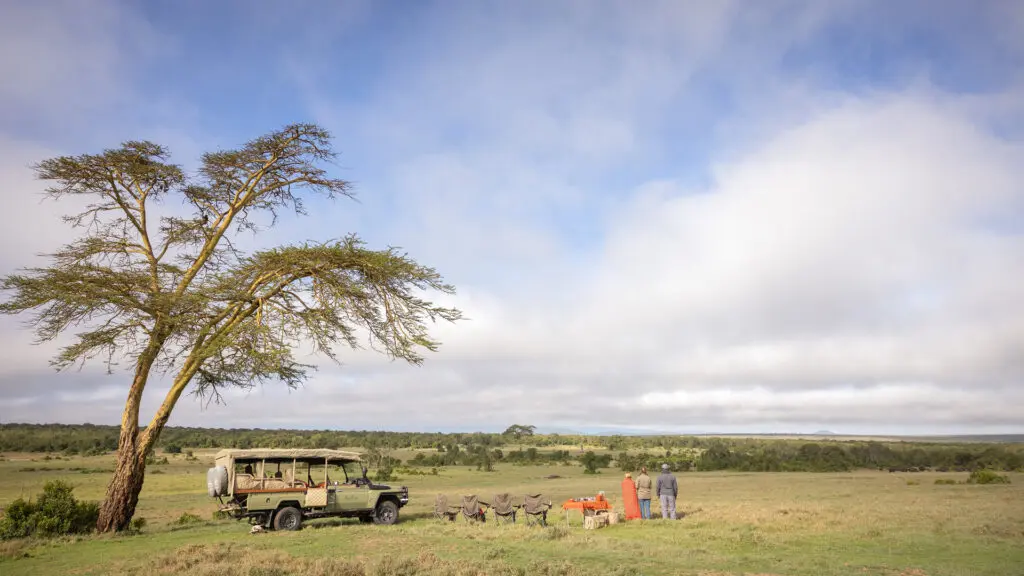
2. Pack Light and Responsibly
Thoughtful packing is one of the simplest -and most effective- ways to reduce your impact while travelling. Start by being mindful of what you bring. Single-use plastic bags are illegal in certain countries, like Kenya, so travellers should avoid packing them altogether. Opt instead for reusable packing cubes, cloth bags, and refillable containers.
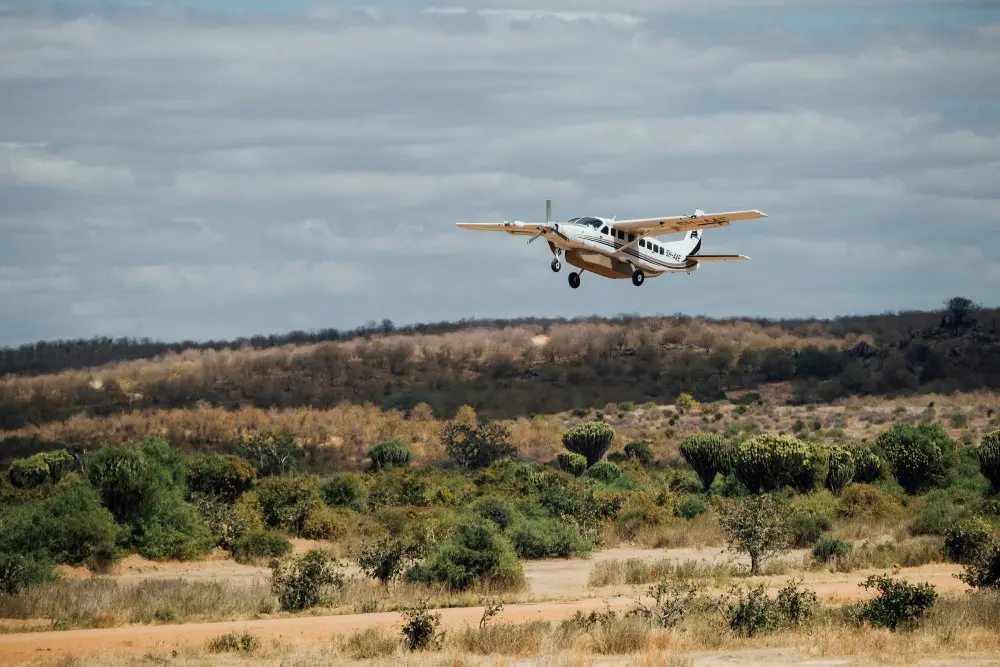
Choose biodegradable toiletries wherever possible and pack natural fibres that require less frequent washing and dry quickly in the sun. These choices help reduce water and chemical use in remote regions. And remember, when flying to the bush, lighter luggage means lower fuel consumption for the small aircrafts used for domestic transfers- a small personal choice that adds up to a meaningful environmental benefit.
3. Support Local Communities
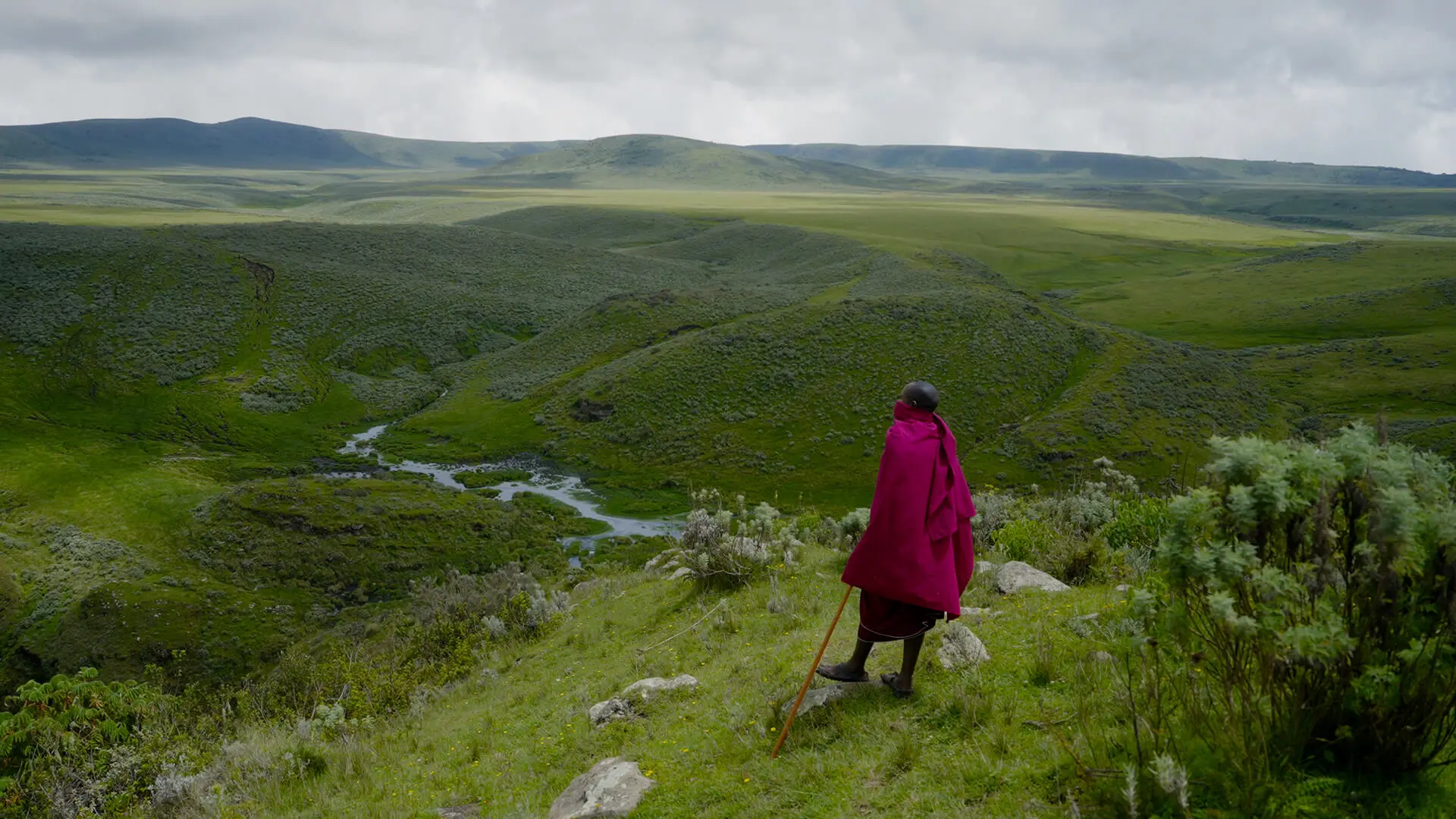
A safari is more than an opportunity to experience wildlife; it’s a chance to connect with the cultures and communities that make East Africa so extraordinary. One of the most respectful and enriching ways to do this is by choosing to learn, not just observe. Asilia’s cultural encounters in East Africa are designed to foster understanding and genuine exchange, offering guests the opportunity to hear stories, ask questions, and appreciate the deep relationship between people and place.
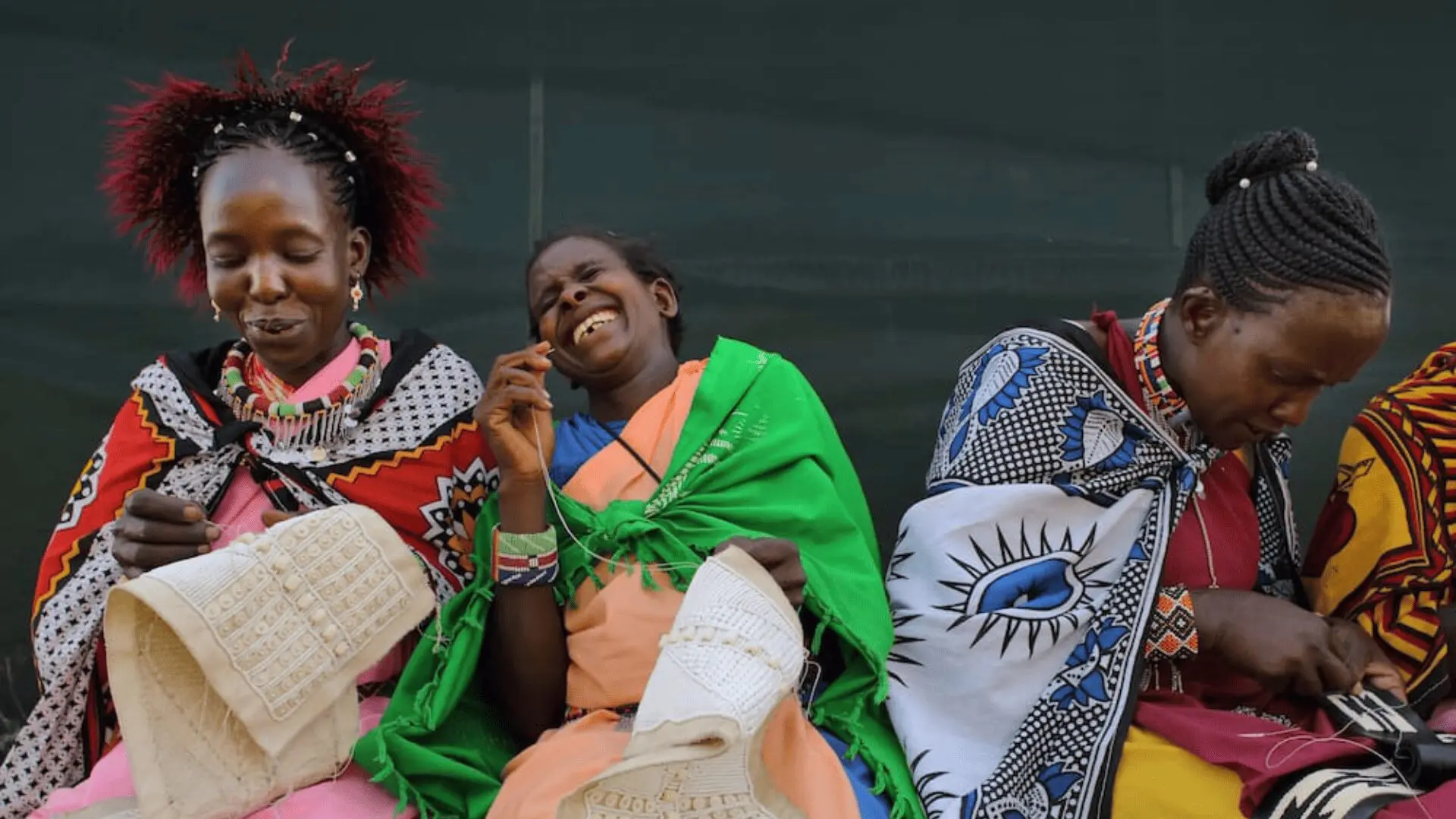
Supporting local enterprises is another powerful way to contribute. Purchasing handcrafted items directly from artisans ensures income flows straight to families and community organisations. In the Maasai Mara, the MAA Trust runs a variety of community-driven initiatives, two of which guests often encounter: MAA Beadwork, a women-led cooperative producing traditional beadwork that supports education and provides independent income, and MAA Honey, a community beekeeping programme that champions sustainable livelihoods.
Always respect local customs and etiquette, and don’t hesitate to engage with your guides, many of whom are local experts and gifted storytellers whose knowledge brings each landscape to life. By supporting communities with intention, you help create a tourism model where people and wildlife can thrive together. Asilia also supports initiatives that reduce human–wildlife conflict, helping neighbouring communities live safely alongside wildlife while protecting the ecosystems they depend on.
4. Offset and Minimise Your Carbon Footprint and Travel Slow
Travelling consciously means considering your impact before, during, and after your safari. At Asilia, we believe that a great journey should not cost the earth. For more than a decade, we have measured, reduced, and offset our emissions while supporting projects that create genuine climate and community benefits across East Africa. This commitment extends across every camp, where we minimise fossil fuel use, rely heavily on solar power, and recycle water wherever possible while continually working to reduce waste.
Asilia has been carbon neutral since 2009, making us one of the region’s longest-standing operators committed to transparent and science-backed climate action. Our investments include initiatives such as the Chyulu Hills REDD+ carbon project, which prevents the release of roughly 580,000 metric tons of greenhouse gases each year and is expected to stop more than 18 million metric tons over its lifetime. These revenues help create sustainable livelihoods for local communities and protect forests that wildlife depends on.

We also work hard to reduce emissions within our camps. Sayari Camp earned a Gold Award at the 2022 World Responsible Tourism Awards for its solar-powered water brewery, which has removed the need for plastic bottled water and significantly lowered carbon emissions in the remote Serengeti.
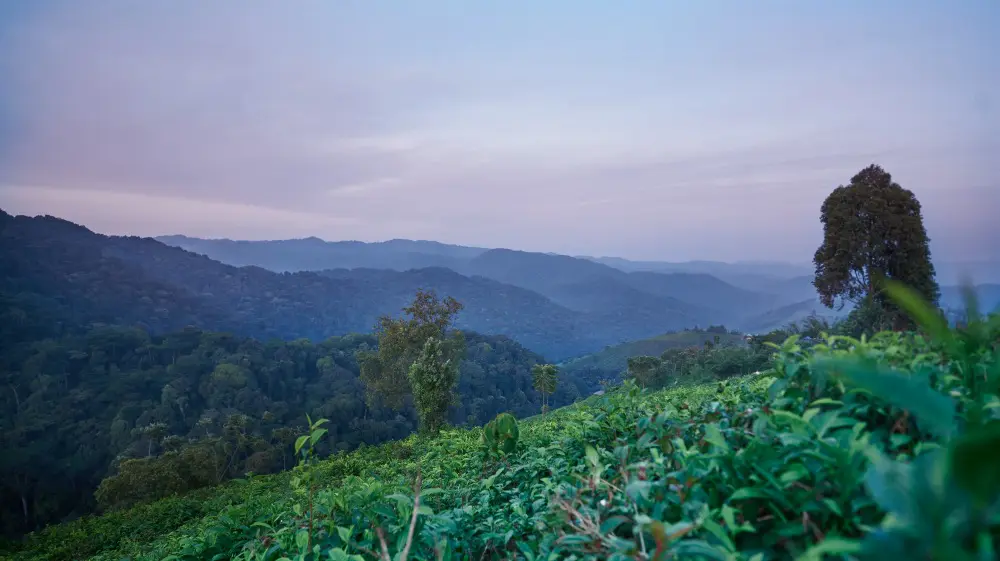
Erebero Hills is our newest lodge, rising on the northern edge of Uganda’s Bwindi Impenetrable Forest with sweeping views over the gorilla-rich treetops. Designed with sustainability at its core, the project supports local livelihoods and community initiatives while pioneering low-impact construction methods such as on-site CoolBricks, an eco-friendly alternative to fired bricks. Opening in 2026, Erebero Hills will offer meaningful cultural experiences, unforgettable gorilla trekking, and a stay that contributes directly to the wellbeing of both people and the forest.
As a traveller, you can contribute by making thoughtful choices:
- Choose direct flights whenever possible because take-offs and landings produce the most emissions.
- Limit internal flights by combining nearby camps or joining one of Asilia’s set departures small group tours, which help reduce aircraft movements and minimise empty seats.
- Embrace slow travel. Staying longer in each location, for example visiting two or three destinations instead of many, reduces transfers, lowers emissions, and allows for more meaningful experiences. You gain a deeper understanding of the ecosystem, the wildlife, and the people who make each place remarkable. Slow travel benefits the planet and enriches your safari in every way.
5. Respect Wildlife and the Wilderness
A responsible safari is built on respect for the animals, the landscapes, and the delicate balance that sustains them. Wildlife sightings are a privilege, and small choices ensure that these encounters remain safe and sustainable.
Maintain a respectful distance from animals so they can behave naturally without feeling pressured or disturbed. Never feed wildlife or attempt to attract their attention, as this can change behaviour and create risks for both animals and people.

Always follow your guide’s instructions. Asilia guides are trained experts whose priority is the wellbeing of guests and wildlife. Finally, stay on designated tracks to avoid damaging vegetation or disturbing sensitive habitats. The more thoughtfully we move through the wilderness, the more it will continue to thrive.
6. Choose an Operator That Shares Your Values
Your safari experience is shaped not only by where you go, but by who you choose to travel with. Selecting an operator that aligns with your values ensures your journey supports the people and places you have come to experience.
At Asilia, our ethos is built on community empowerment, a long-term commitment to East Africa, and a belief that tourism should create meaningful opportunities for local people. In our camps, teams are 100% locally employed, ensuring skills, income, and leadership remain within the communities we operate alongside.

Choosing an operator that shares your values means your safari becomes more than a trip. It becomes a force for good in the places you explore.
Sustainable safari travel is so much more than a series of conscious choices. It is an invitation to travel with purpose, to engage deeply with the landscapes you explore and the communities who belong to and protect them. When you choose experiences that support people, restore ecosystems, and honour wildlife, your safari becomes richer in every way. You slow down. You notice more. You form genuine connections with the place and its stories.
This is the heart of Asilia’s mission: to create journeys that leave a positive mark on the world while offering guests a more meaningful experience in the wild. By choosing to travel responsibly, you help ensure that East Africa’s extraordinary places continue to thrive, not only for your safari, but for the generations who will follow in your footsteps.
Plan your Sustainable Safari with Asilia Africa and discover travel that changes not only how you see the world, but how you see yourself.