When planning a safari, whether independently or with an experienced safari specialist, one of the most important questions you’ll encounter is deceptively simple: are there any specific events or seasons you want to experience?
From the thunderous movement of the Great Wildebeest Migration to periods when predators and prey congregate in the same areas, timing has the power to transform an excellent safari into an unforgettable one. Seasonal changes influence where animals gather, how they move, and which wildlife encounters are most likely.
By understanding these key seasons and natural events, you can plan your 2026 safari with greater intention and, with expert guidance, align your travels with the experiences that matter most to you.
Why Timing Can Matter on Safari
Safaris are not one-size-fits-all experiences. While wildlife exist year-round across East Africa, certain times of year unlock extraordinary natural events, moments that shape not just what you see, but how the entire safari feels.
Rainfall patterns influence where animals move, when predators hunt, which landscapes become most lush, and even how busy or remote a destination feels. The right timing can mean the difference between observing wildlife at a distance and witnessing nature’s most intimate and dramatic scenes unfold just metres away.
At Asilia, our expertise lies in matching travellers with the right place at the right time, crafting safaris around the moments that matter most to you.
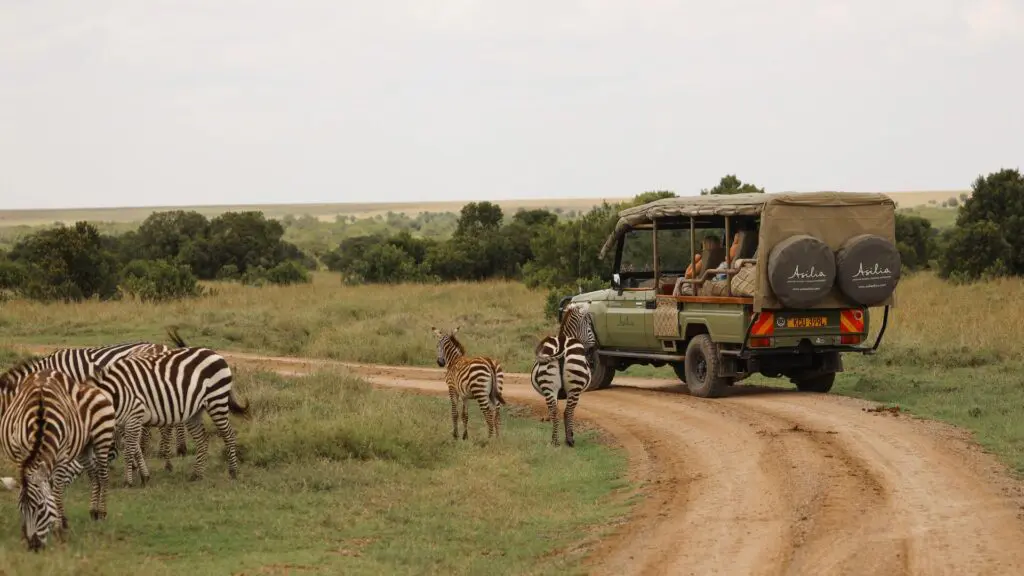
Safari Seasons at a Glance
Before diving into specific events, it helps to understand the broad seasonal rhythms of East Africa:
Dry Season
The dry season or peak season typically runs from July to October, which means:
- Wildlife concentrates around rivers and perennial water sources
- Vegetation thins, improving visibility
- Cooler, drier weather
- Ideal for first-time safari travelers and big game viewing
Green Season
The green season typically run from November to May/June (with short and long rains)
- Lush landscapes and dramatic skies
- Fewer visitors and a more intimate experience
- Peak time for newborn animals and birdlife
- Excellent for photographers and repeat travellers
There is no single “best” time for safari, the best time depends entirely on what you want to experience.
1. The Great Wildebeest Migration: Calving Season
Best time to go: January – March
Best places: Southern Serengeti & Ndutu (Tanzania)
Taking place between January and March in the Southern Serengeti and the Ndutu region of Tanzania, calving season marks one of the most dramatic phases of the Great Wildebeest Migration. During this short window, more than half a million wildebeest give birth within a matter of weeks, transforming the plains into a landscape defined by new life and constant movement.
This sudden abundance of vulnerable calves draws an exceptional density of predators, including lions, cheetahs, hyenas, and leopards, creating fast-paced, high-stakes wildlife encounters and some of Africa’s most intense predator-prey interactions.
Who it’s ideal for: Photographers, predator enthusiasts, repeat safari travellers, documentary-style experiences
Where to see Calving Season with Asilia: Dunia Camp, Ubuntu Migration Camp (South), Olakira Migration Camp (South).
Best time to stay: Late January through February offers the most consistent calving activity, though exact timing can vary slightly year to year.
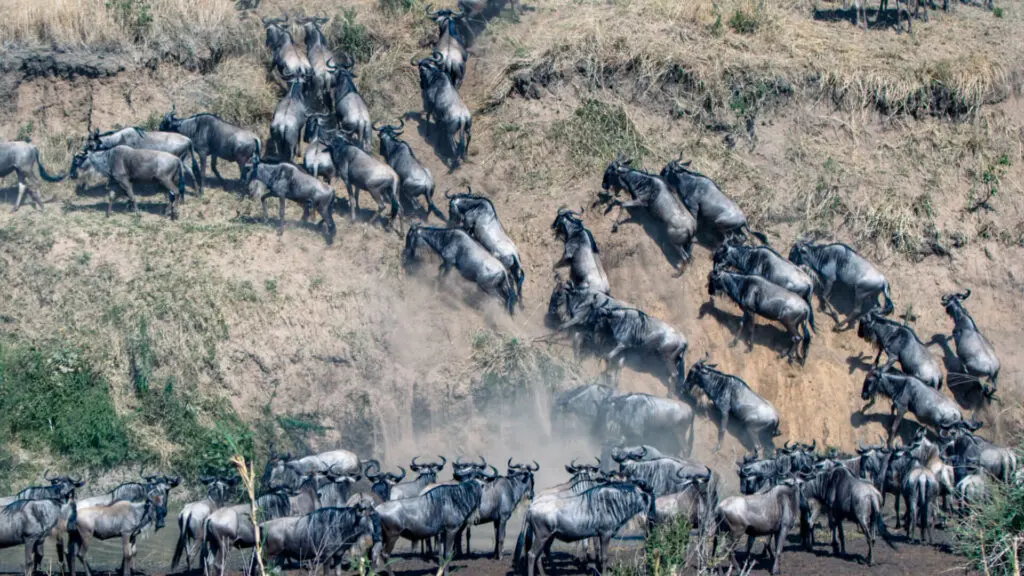
2. The Great Wildebeest Migration: River Crossings
Best time to go: July – September
Best places: Northern Serengeti (Tanzania) & Maasai Mara (Kenya)
Occurring between July and September in the Northern Serengeti and Kenya’s Maasai Mara, the river crossings represent the Great Wildebeest Migration at its most iconic. During this period, vast herds of wildebeest and zebra gather along the banks of crocodile-infested rivers, sometimes waiting for hours or even days as tension builds.
When crossings finally erupt, the result is a dramatic surge of movement and chaos that has come to define classic safari imagery and some of Africa’s most memorable wildlife spectacles.
Who it’s ideal for: First-time safari travellers, families with older children, travellers seeking dramatic wildlife spectacles
Where to see river crossings with Asilia: Sayari Camp, Ubuntu Migration Camp, Olakira Migration Camp, Rekero Camp, Emboo Camp.
Best time to stay: August is traditionally the most reliable month, though crossings can occur anytime from July through early October depending on rainfall and herd movement.
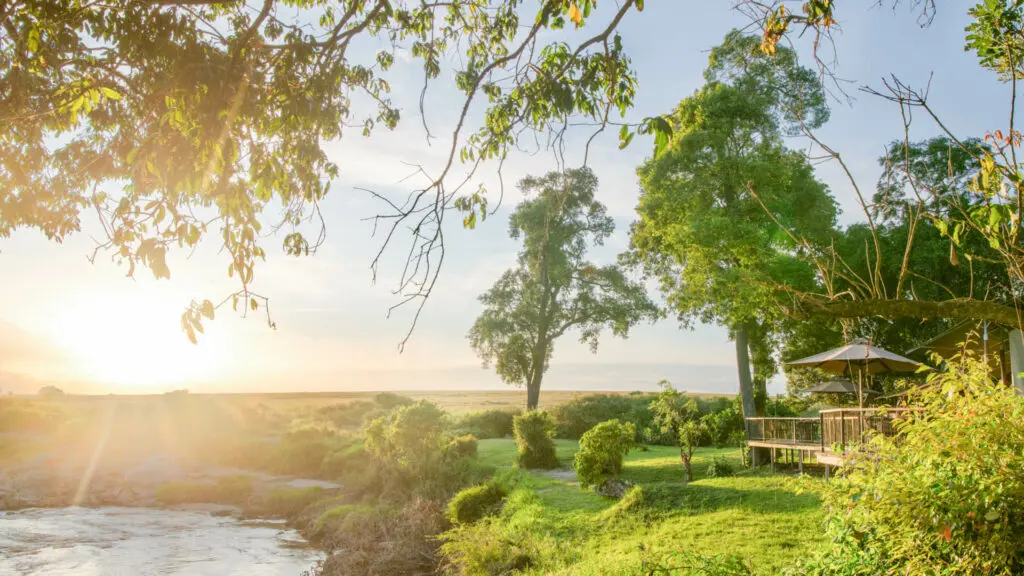
3. Predator Hotspots & Big Cat Season
Best time to go: June – October
Best places: Serengeti, Ruaha, Nyerere & Mara conservancies
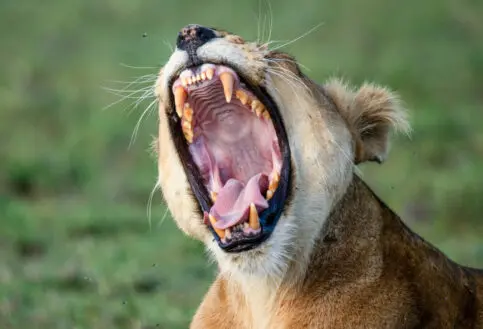
From June to October, predator activity intensifies across multiple East African ecosystems as dry-season conditions concentrate prey into predictable areas. In Tanzania’s Serengeti, Ruaha, and Nyerere ecosystems, as well as Kenya’s Mara conservancies, lions, leopards, and cheetahs take full advantage of improved hunting conditions. Sightings during this period are often prolonged and behaviour-rich, offering consistent opportunities to observe big cats across a variety of landscapes, from open plains to riverine woodland and conservancy terrain.
Learn more about our Big Cat Safaris.
Who it’s ideal for: Big cat lovers, photographers, first-time safari guests
Where to see predators with Asilia: Namiri Plains, Sayari Camp, Naboisho Camp, Jabali Ridge, Roho ya Selous.
Best time to stay: July to September combines excellent predator activity with dry conditions and high visibility.
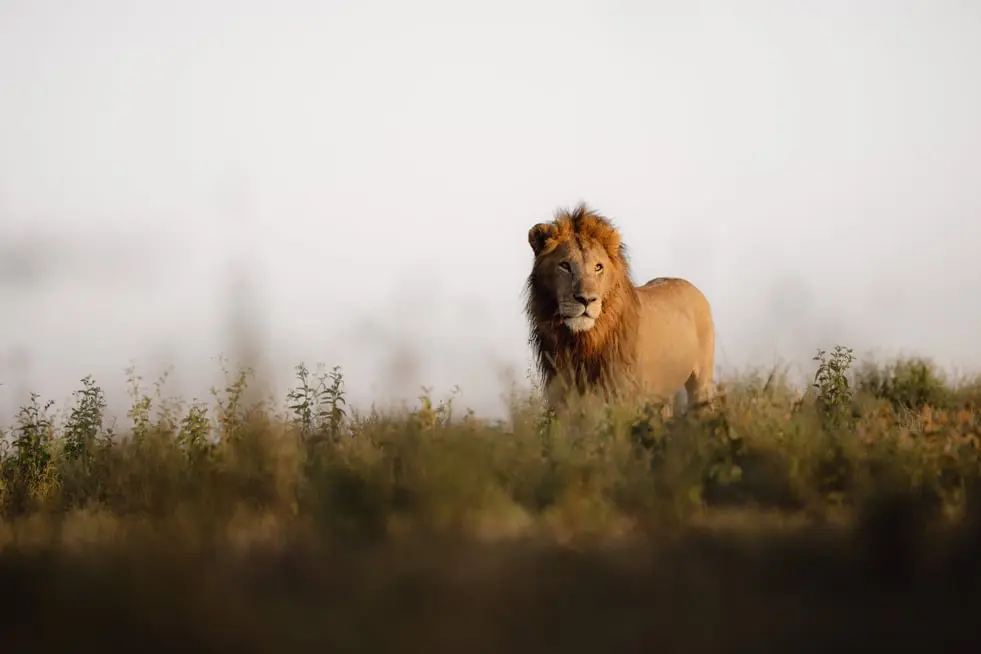
4. Elephant Gathering Season
Best time to go: June – October
Best places: Tarangire, Nyerere & Ol Pejeta
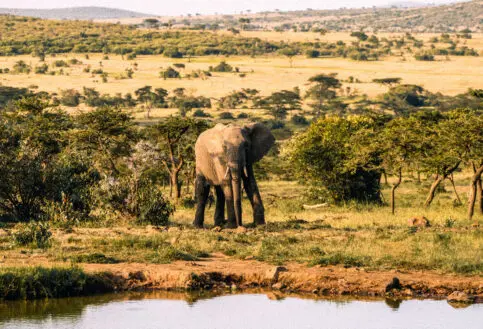
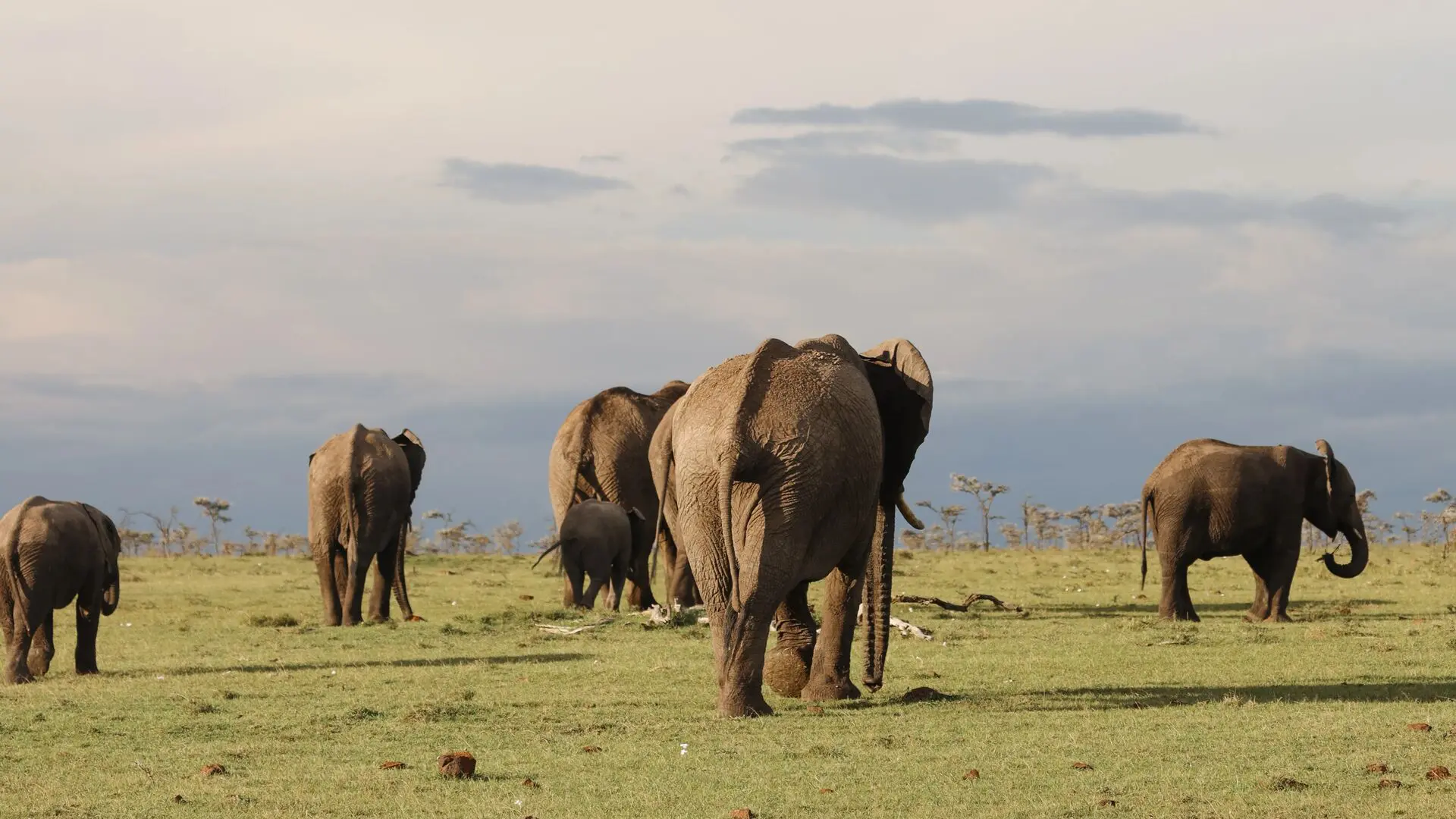
Running from June to October across several key dry-season habitats in Tanzania and Kenya, elephant gathering season is defined by large herds converging around permanent water sources. In places such as Tarangire, Nyerere, and Ol Pejeta, hundreds of elephants congregate along rivers and wetlands, creating both large-scale spectacles and intimate viewing opportunities. The season highlights the social dynamics of elephant herds and offers some of the most reliable elephant encounters anywhere in East Africa.
Discover our top five safari destinations to see elephants in Africa.
Who it’s ideal for: Families, elephant lovers, first-time safari travellers
Where to see elephant herds with Asilia: Oliver’s Camp, Roho ya Selous, Ol Pejeta Bush Camp
Best time to stay: August and September are peak months for large herd concentrations.
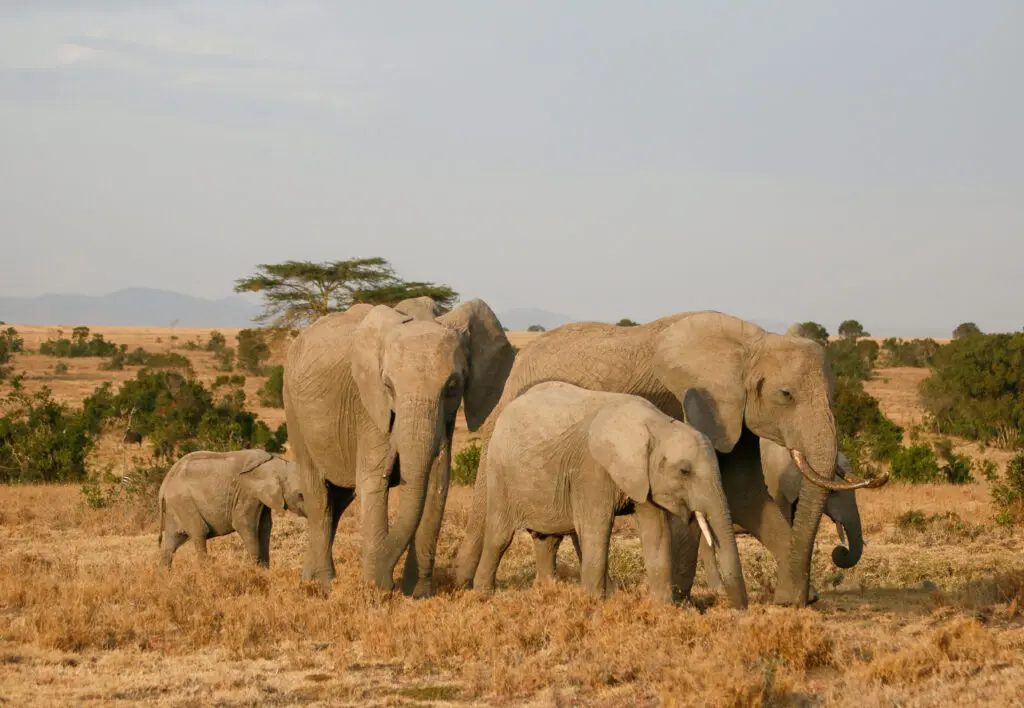
5. Bird Breeding & Migration Season
Best time to go: November – April
Best places: Tanzania, Kenya & Uganda (varied habitats)
Between November and April, East Africa experiences a surge in avian diversity as migratory bird species arrive from Europe and Asia, while many resident birds enter breeding plumage. This season plays out across a wide range of habitats in Tanzania, Kenya, and Uganda, from savannah and highlands to wetlands and forested regions. Increased activity, courtship displays, and nesting behaviour make this one of the most rewarding times for birders and wildlife enthusiasts seeking depth beyond traditional big-game viewing.
Asilia’s birding safaris are designed to offer an intimate, expertly guided exploration of East Africa’s birdlife, combining exceptional sightings with time spent quietly observing birds in their natural habitats.
Who it’s ideal for: Birders, photographers, repeat safari travellers, specialist wildlife enthusiasts.
Relevant Asilia camps: The Highlands, Oliver’s Camp, Jabali Ridge, Rubondo Island Camp, Ol Pejeta Bush Camp, Naboisho Camp, Erebero Hills.
Best time to stay: December to February offers peak diversity and breeding activity with generally good travel conditions.
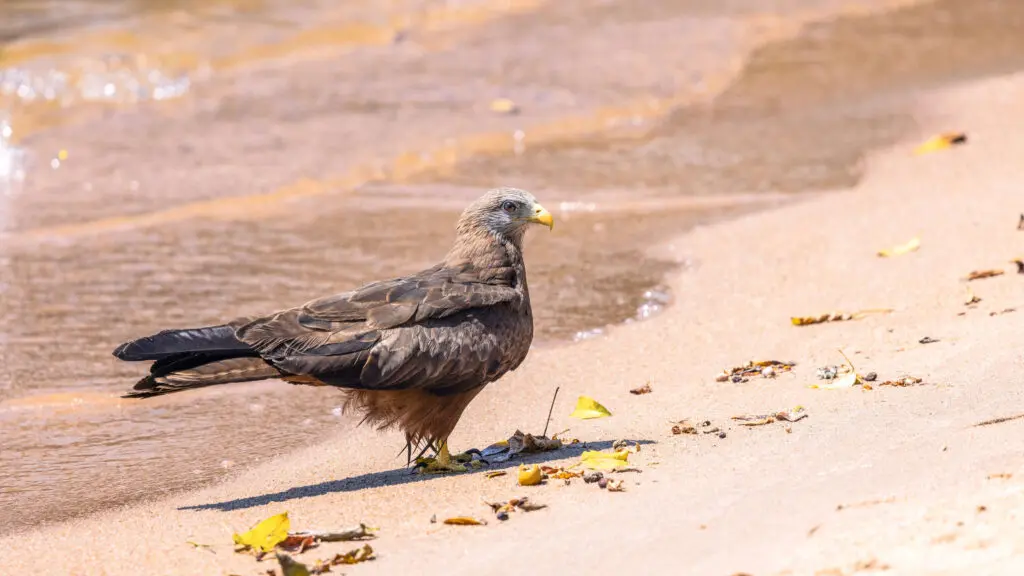
6. Gorilla and Chimpanzee Trekking Seasons
Best time to go: June – September & January – February
Best places: Uganda & Tanzania’s forested regions
Primate trekking is shaped by rainfall and forest conditions, with the most favourable seasons varying across Uganda and Tanzania’s forested regions. Drier months generally offer easier hiking conditions and more predictable primate movement, both ideal for gorilla trekking, while wetter periods bring lush forest growth and increased activity.
From tracking chimpanzees in Uganda’s montane and lowland forests to exploring primate-rich island and forest ecosystems in Tanzania, these seasons provide intimate, conservation-led encounters that differ markedly from classic savannah safaris.
Who it’s ideal for: Wildlife enthusiasts seeking intimate encounters, active travellers, repeat safari guests, conservation-minded travellers
Relevant Asilia camps: Erebero Hills, Rubondo Island Camp.
Best time to stay: June to August for the easiest trekking conditions; January to February as a quieter alternative.

7. Seasonal Water Safaris: Rivers, Lakes & Wetlands
Best time to go: June – August & November – Early-March
Best places: Nyerere, Rubondo Island & Usangu
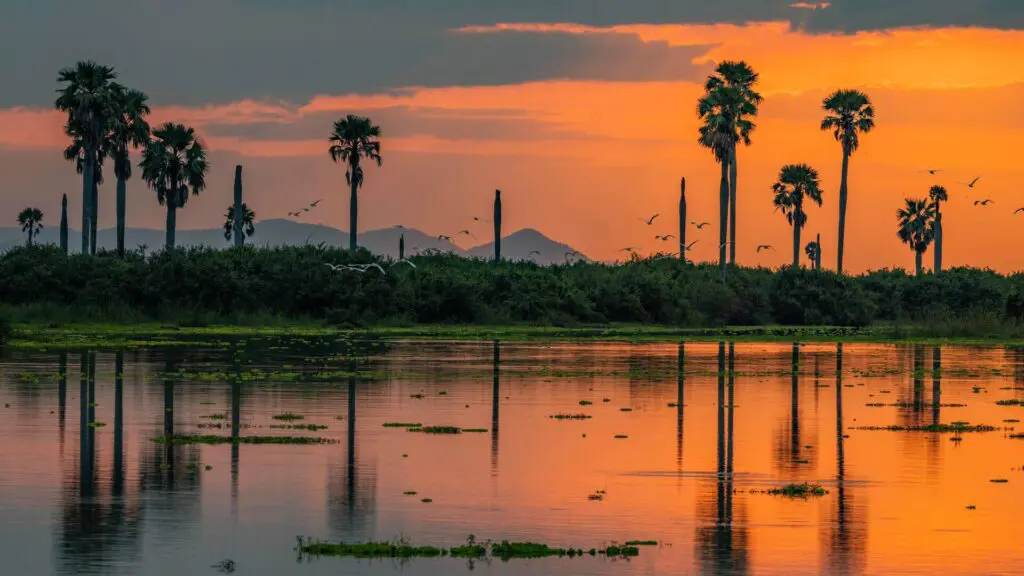
Shaped by seasonal rainfall patterns, water-based safaris come into their own at different times of year across Tanzania, Kenya, and Uganda, offering a distinctive perspective on East Africa’s wildlife. As rivers swell and wetlands fill, boat safaris and lakeside explorations reveal species that are rarely seen on traditional game drives, including hippos, crocodiles, waterbirds, and semi-aquatic mammals.
These environments attract dense concentrations of wildlife during both high-water and dry periods, creating tranquil yet immersive experiences that highlight the importance of water in shaping safari ecosystems.
Who it’s ideal for: Travellers seeking a slower safari pace, birders and photographers, repeat safari travellers, wildlife enthusiasts interested in ecosystem diversity
Relevant Asilia camps: Roho ya Selous, Rubondo Island Camp, Usangu Expedition Camp
Best time to stay: June to August for wildlife density along waterways; November to March for birdlife and lush scenery.
Choosing the Right Safari Season for You
Ultimately, this guide is designed to highlight one essential truth: there is no single “best” time to go on safari, only the best time for you. Each season in East Africa reveals a different safari experience, from the drama of the Great Migration and predator-packed dry months to the quiet beauty and abundance of the green season. The experiences you take away are shaped as much by when you travel as by where you go.
By aligning your safari with the moments that matter most – whether that’s witnessing raw predator-prey interactions, photographing newborn wildlife, enjoying quieter landscapes, or sharing unforgettable encounters with family- you transform a safari from a simple holiday into something deeply personal and unforgettable.
A simple way to match season to style:
First-time safari travellers:
- July-September in the Serengeti or Mara for classic big-game viewing and migration highlights
Photographers:
- January-February in Ndutu for calving season, or November-March for green-season light and colour
Families:
- August-October in Tarangire or Nyerere for reliable elephant sightings and dry conditions
Repeat safari travellers:
- March-May in the Serengeti or Ruaha for green-season intimacy, fewer crowds, and rich behaviour
Wellness & slow-travel seekers:
- November or April on Rubondo Island or Nyerere for lush landscapes, water safaris, and a gentler pace
With expert guidance and a deep understanding of Africa’s seasonal patterns, our tailor-made journeys place you in the right place at exactly the right time.
Plan your 2026 safari with Asilia Africa and create a tailor-made journey shaped by Africa’s most extraordinary wildlife seasons.