Queen Elizabeth National Park
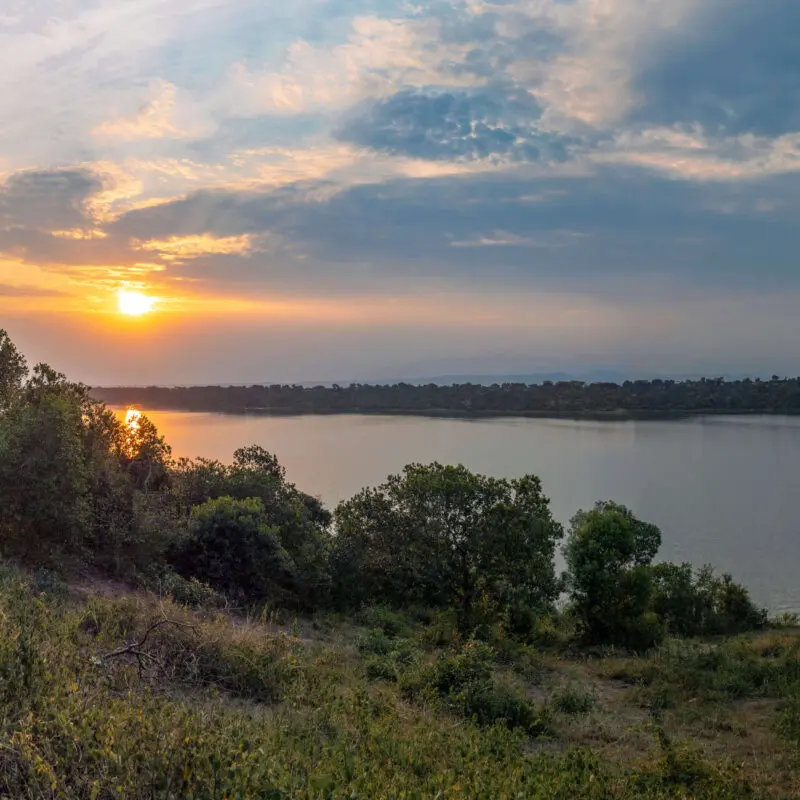
The morning sun casts long shadows across the savannah as your vehicle bumps along the russet-coloured track in Queen Elizabeth National Park, located in southwestern Uganda. A family of elephants moves silently through the golden grass ahead, while overhead a fish eagle’s distinctive call pierces the dawn quiet. This 1,978 square kilometre park sits in western Uganda’s Rift Valley, where lakes, forests and grasslands create one of Africa’s most biodiverse sanctuaries nestled between the snow-capped Rwenzori Mountains and Lake Edward.
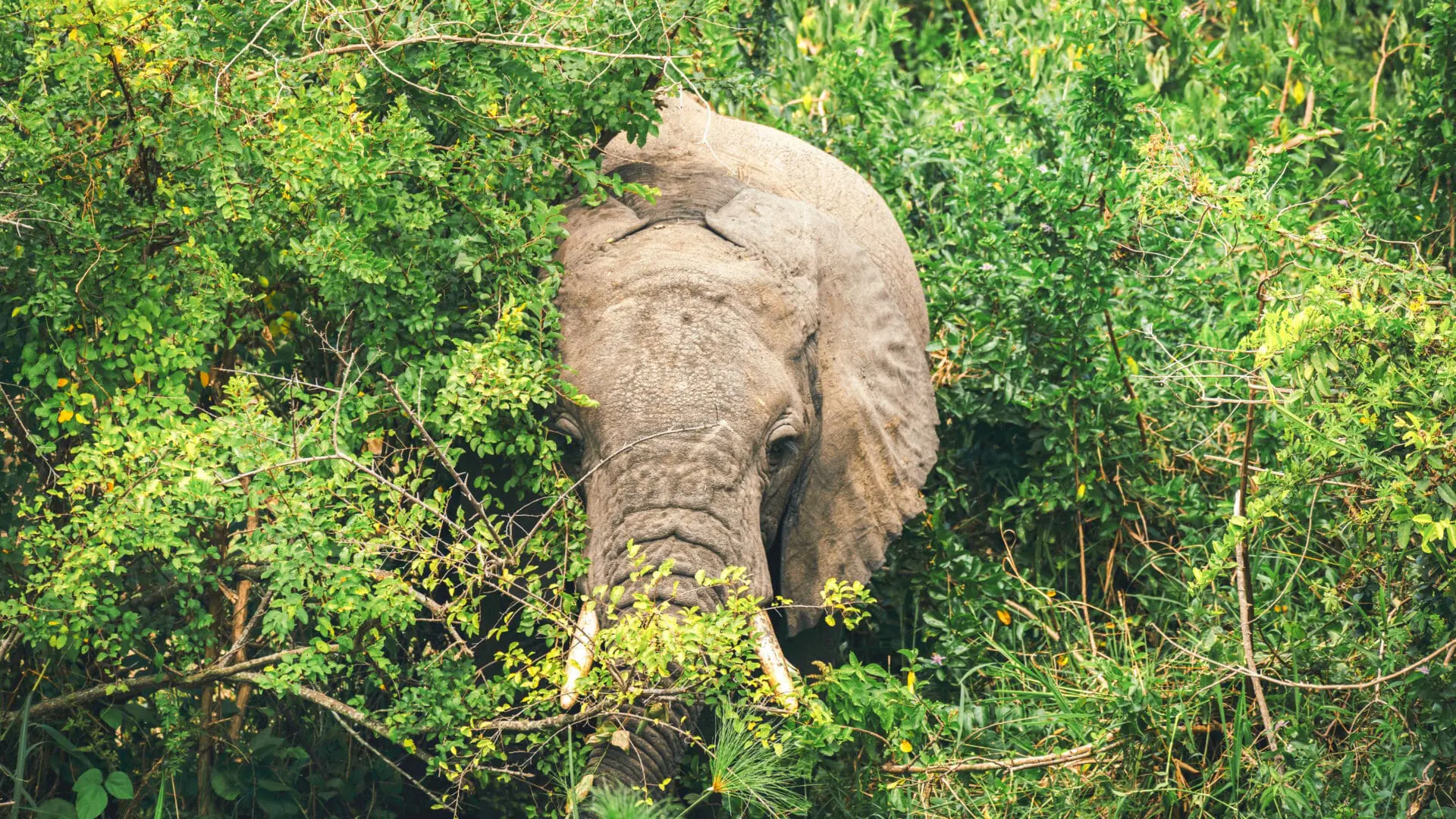
The park is one of the country’s most visited destinations for those seeking a traditional safari experience. Queen Elizabeth National Park supports an extraordinary variety of animals and is home to about 95 species of mammals, including around 200 lion. Herds of elephant roam the savannah, while hippo crowd the waterways. The park’s primates include chimpanzees, black-and-white colobus monkey, and red-tailed monkey. You’ll also find leopard, spotted hyena, and various antelope species, from the tiny oribi to the massive eland. Read more about other places to visit in Uganda and the best time to visit Uganda.

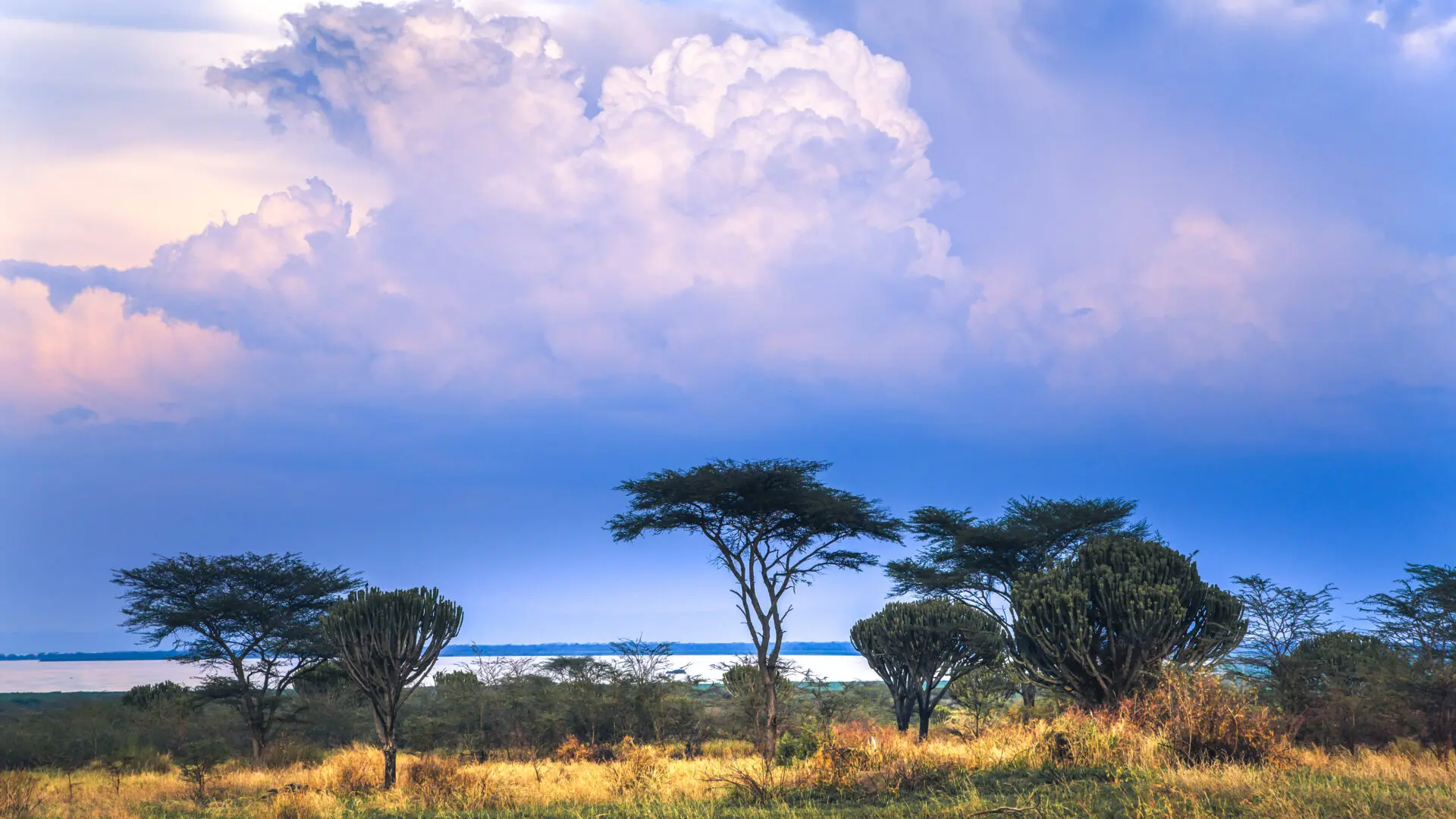

Reasons to go on safari in Queen Elizabeth National Park
1. The Tree Climbing Lions in the Ishasha Sector
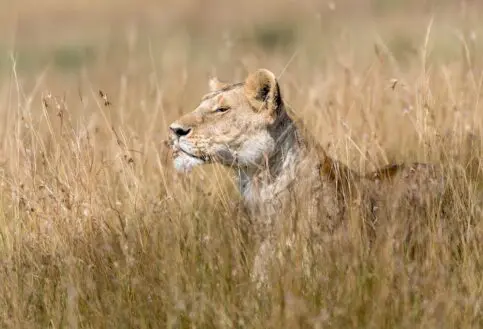
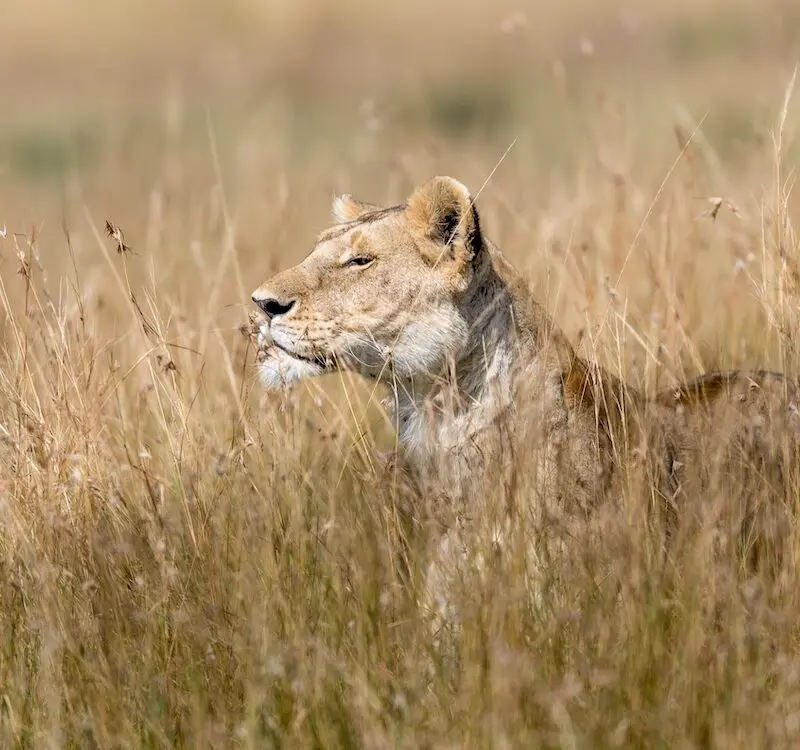
The remote southern sector of the park has become known for its lion who spend their days lounging in fig trees, seeking refuge from flies amongst the shaded branches. As your vehicle approaches, you might spot their tawny forms draped across thick branches, their tails hanging lazily in the breeze. The best time to find them is during the heat of the day when they look to distance themselves from the warm ground.
2. Kazinga Channel Boat Cruise
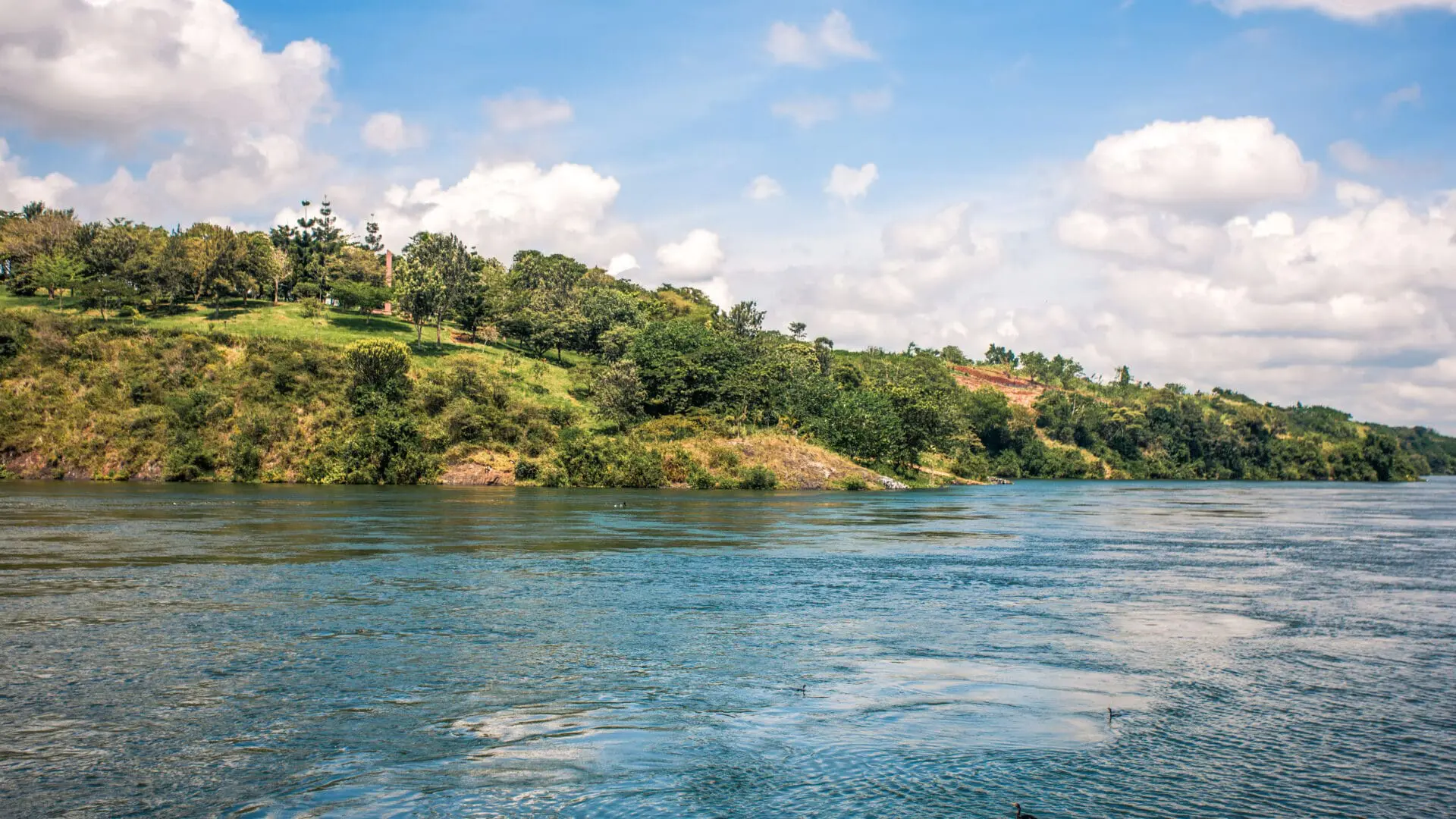
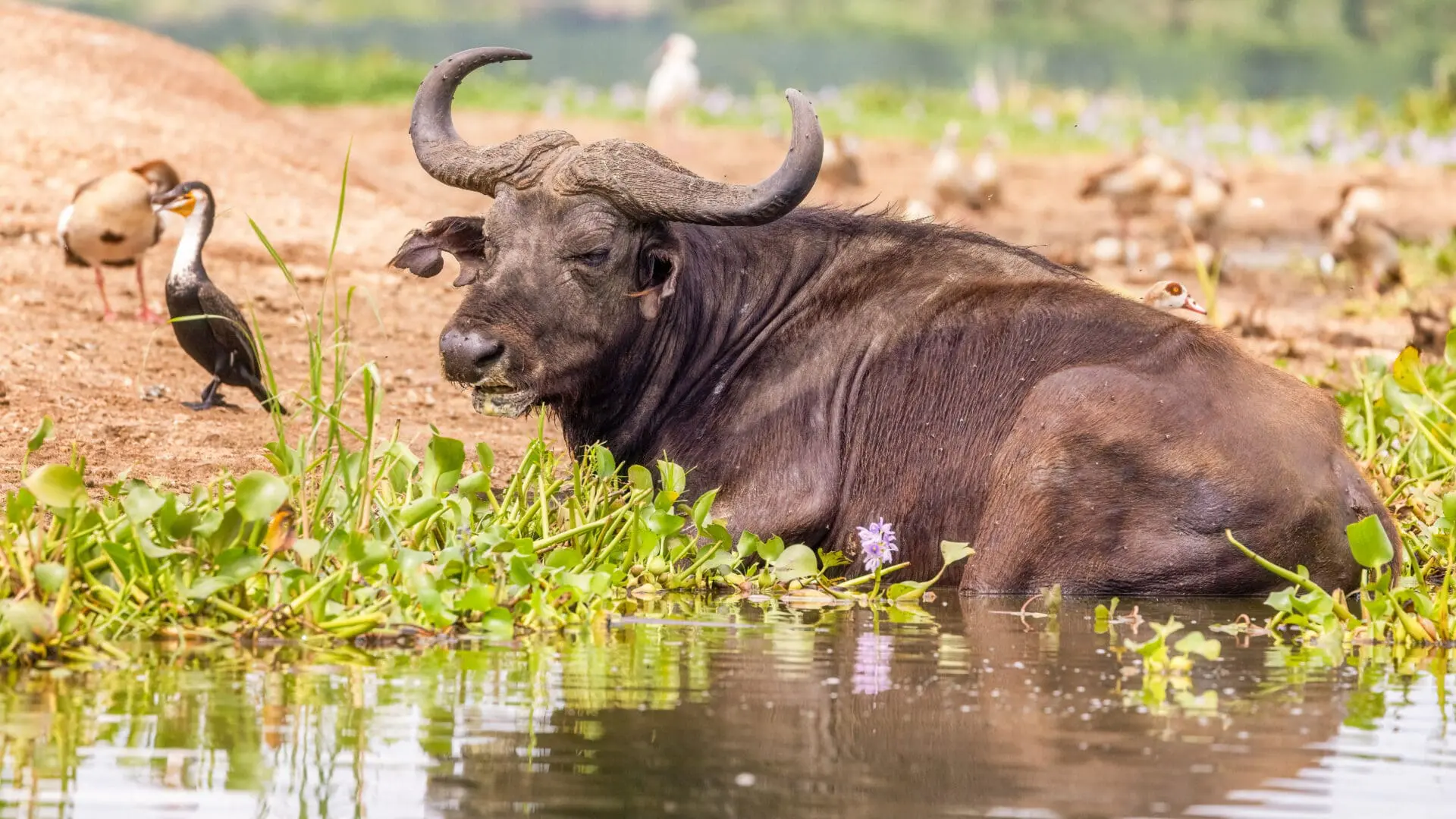
The 32-kilometre Kazinga Channel connects Lake Edward and Lake George, creating a wildlife highway. A boat safari along the channel offers a unique perspective allowing you to drift past pods of hippo submerged to their nostrils, while buffalo cool off at the water’s edge. Elephant often come down to drink, and the banks teem with waterbirds.
3. Chimpanzee Trekking at Kyambura Gorge
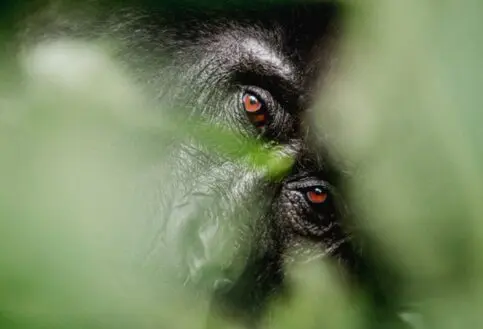
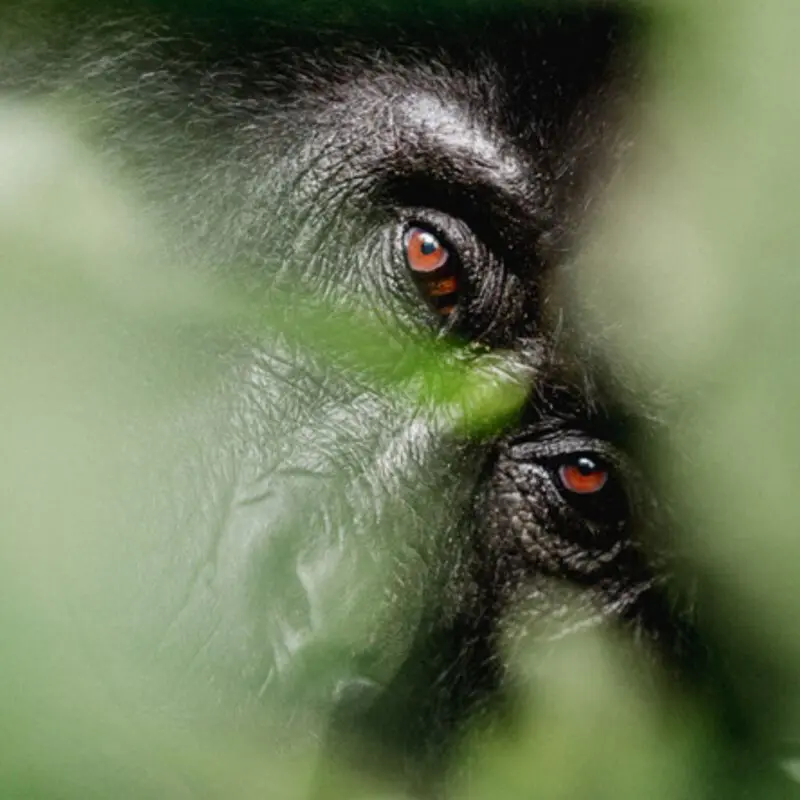
The steep walls of Kyambura Gorge shelter a lost world. This 100-metre-deep ravine contains a strip of rainforest, home to a small community of chimpanzees. As you descend into the gorge, the temperature drops and the air fills with the calls of primates. Tracking these chimps through the undergrowth offers an adventurous wildlife experience.
4. Explosion Craters
The park’s northern sector is peppered with perfectly formed crater lakes. These water-filled hollows, created by ancient volcanic activity, form a stark contrast to the surrounding savannah. A walk along the crater rim offers views across the park to the Mountains of the Moon, the snow-capped Rwenzori Mountains straddling the border with the Democratic Republic of the Congo.
5. Game Drives
The Africa “Big Five” can all be found in Queen Elizabeth National Park. Early morning drives across the plains reveal lion starting their day, herds of Uganda kob standing alert, and elephant moving between acacia trees. The Kasenyi plains are particularly rich in wildlife, where leopard sometimes materialise from the grass, and hyena slouch back to their dens.
6. Maramagambo Forest Nature Walk
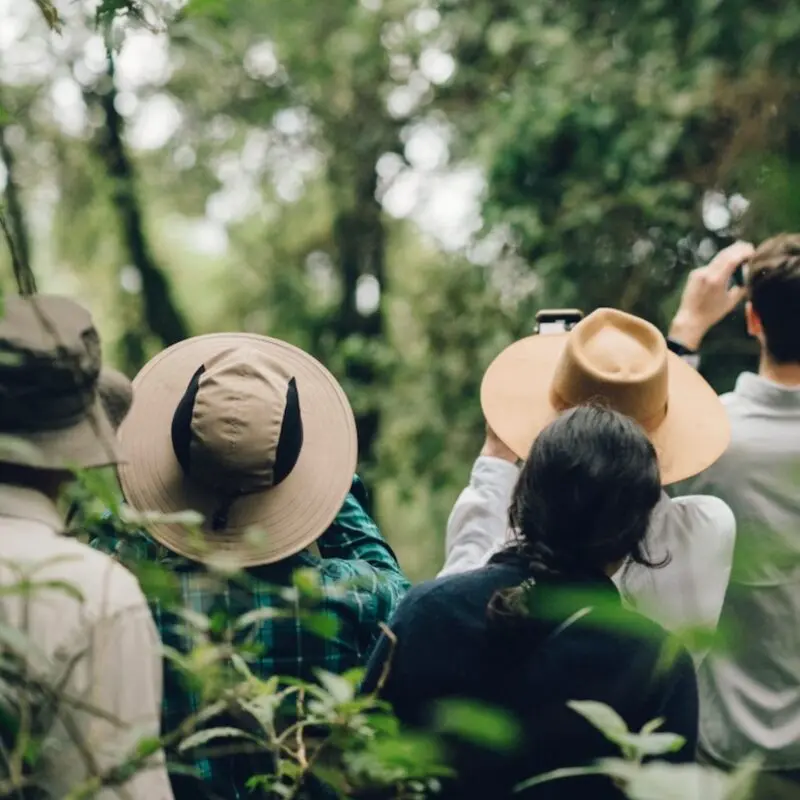
This ancient forest holds secrets in its shadows. A walking safari takes you along trails that wind beneath towering trees where black-and-white colobus monkey leap through the canopy. The forest floor buzzes with life, from countless butterflies to the small forest duiker offering an up-close encounter with the wonders of this vibrant ecosystem.
7. Nocturnal Game Drive
Safari night game drives are possible in Queen Elizabeth National Park and as darkness falls, the park transforms. Spotlights reveal bushbaby leaping between branches, leopard on the hunt, and the glowing eyes of a nightjar. These drives show a different side of the park’s wildlife and the opportunity to spot nocturnal animals rarely seen during the day.
8. Bird Watching
With over 600 bird species recorded, the park is a birder’s paradise. Bird watching safaris offer the chance to spot martial eagles soaring overhead, while the papyrus swamps hide the prehistoric-looking shoebill. The morning chorus here is an orchestra of bird calls, from the distinctive notes of grey-crowned cranes to the metallic tink of black-headed gonoleks.

Queen Elizabeth National Park Accommodation
Accommodation in Queen Elizabeth National Park ranges from high-end lodges to comfortable tented camps. Bush lodges built on elevated platforms offer panoramic views across the savannah, while intimate tented camps bring you closer to nature without sacrificing comfort. Some properties sit near the Kazinga Channel, where you can watch wildlife from your private veranda. Others perch on the rim of extinct volcanoes, offering dramatic views of the surrounding landscape. Our travel consultants can help you build a stay at one of our preferred partner properties into your itinerary.
Asilia Safari Camps in Uganda
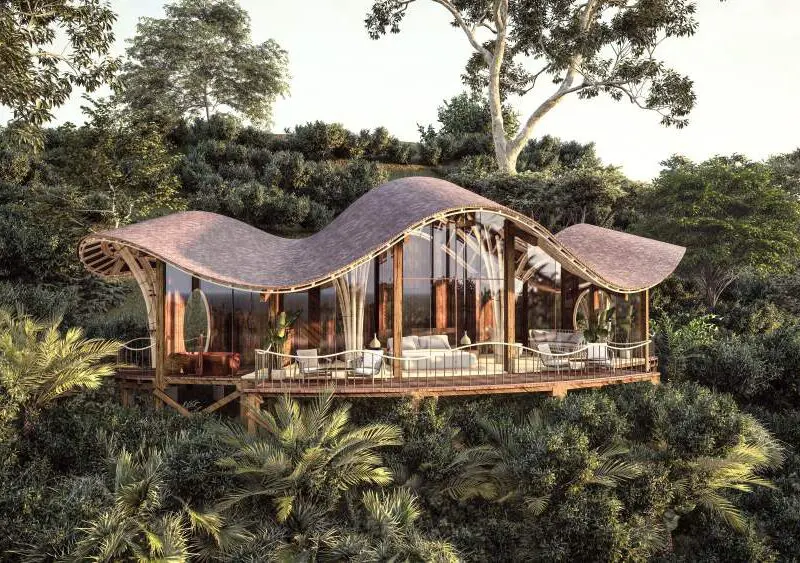
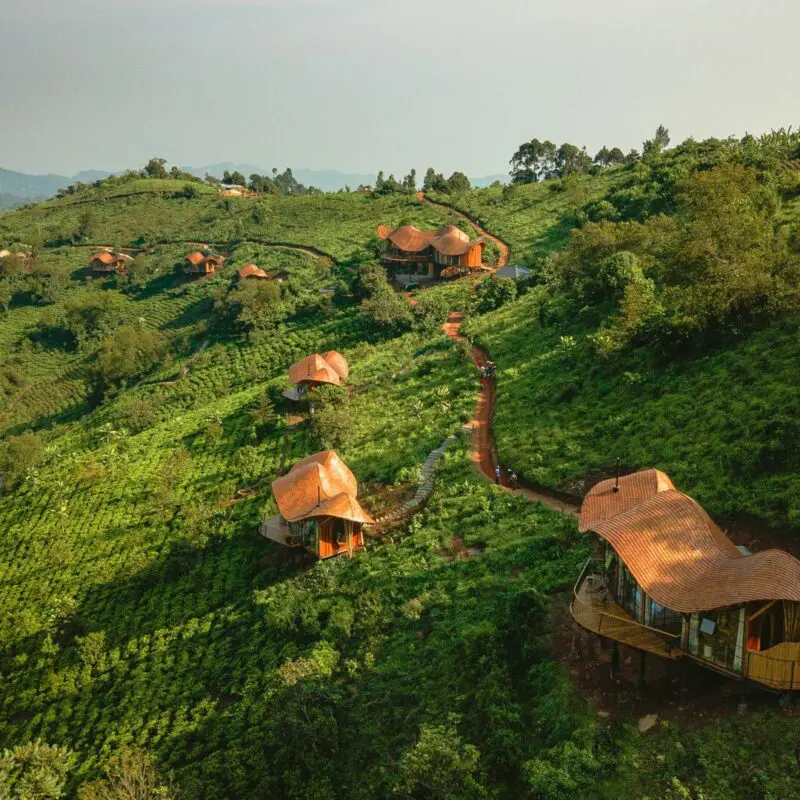
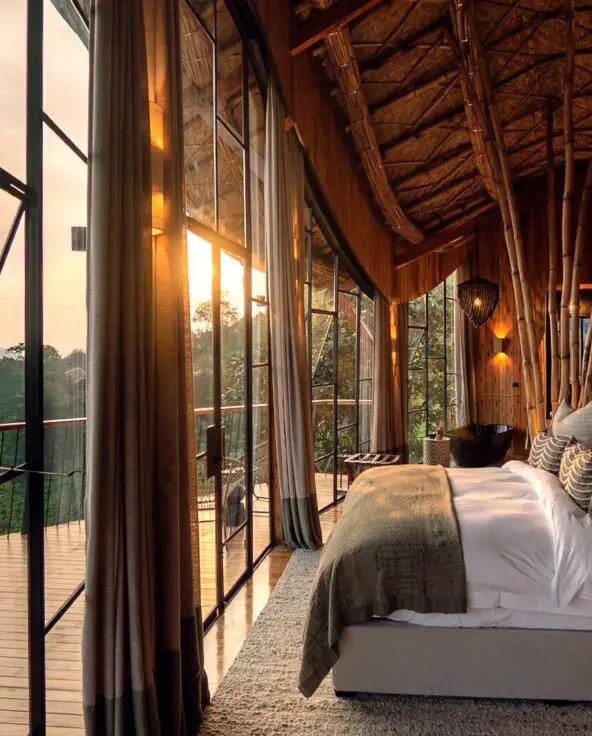
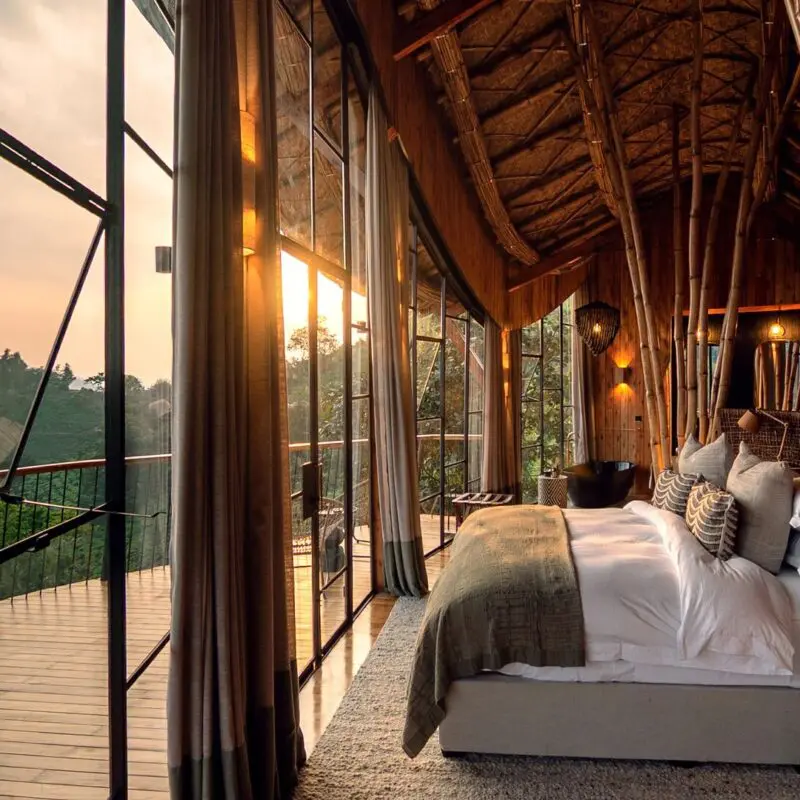
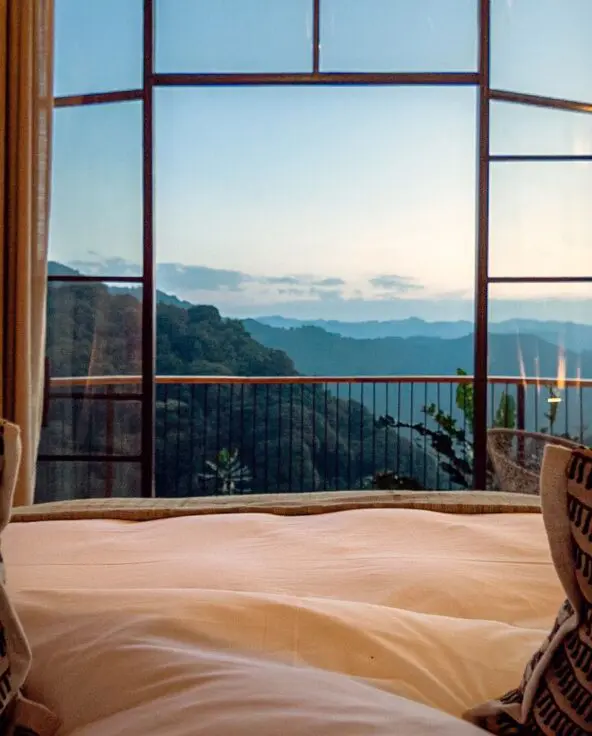
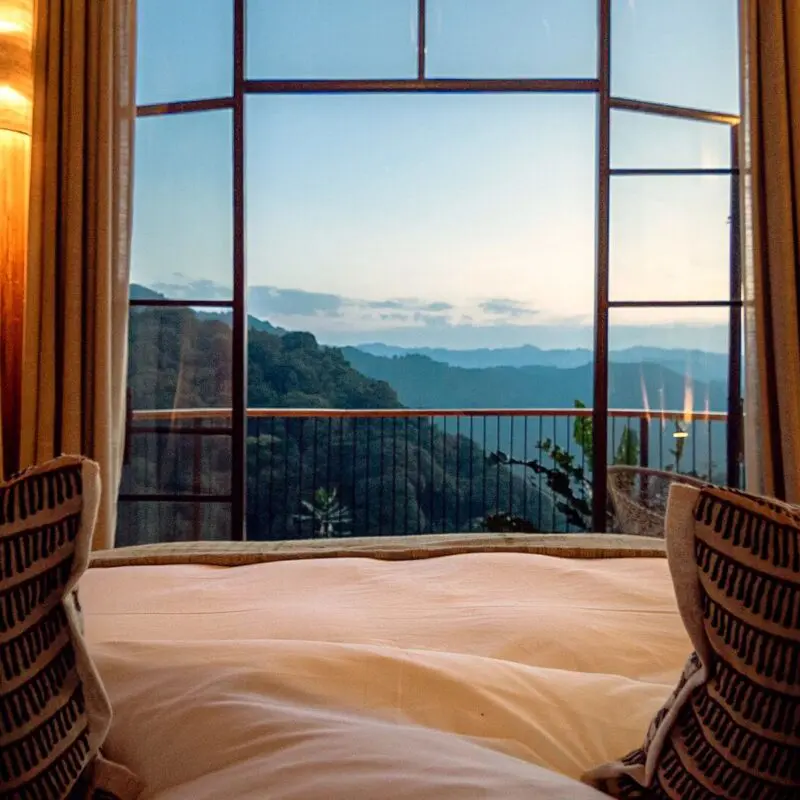
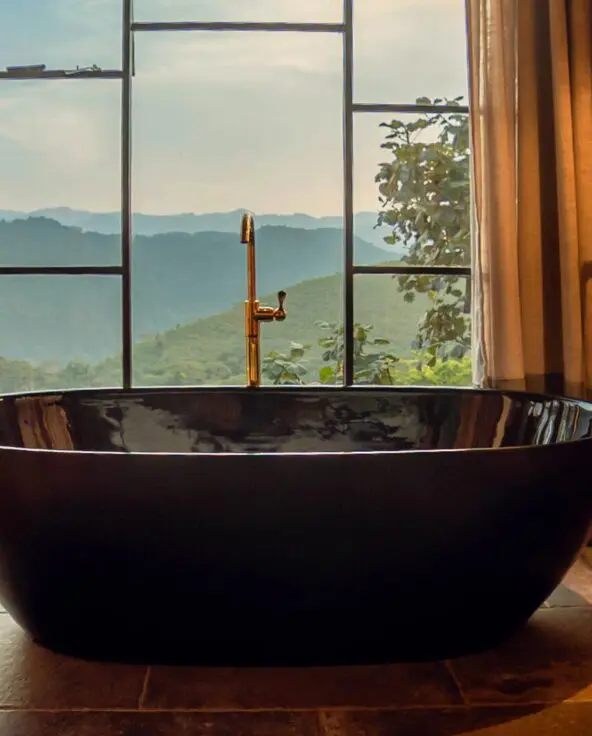
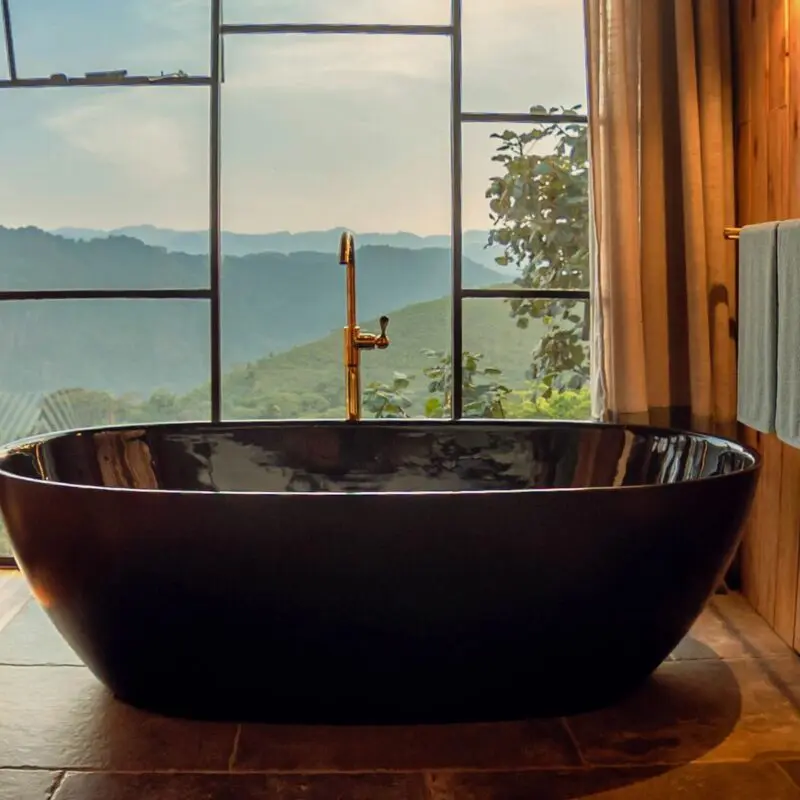
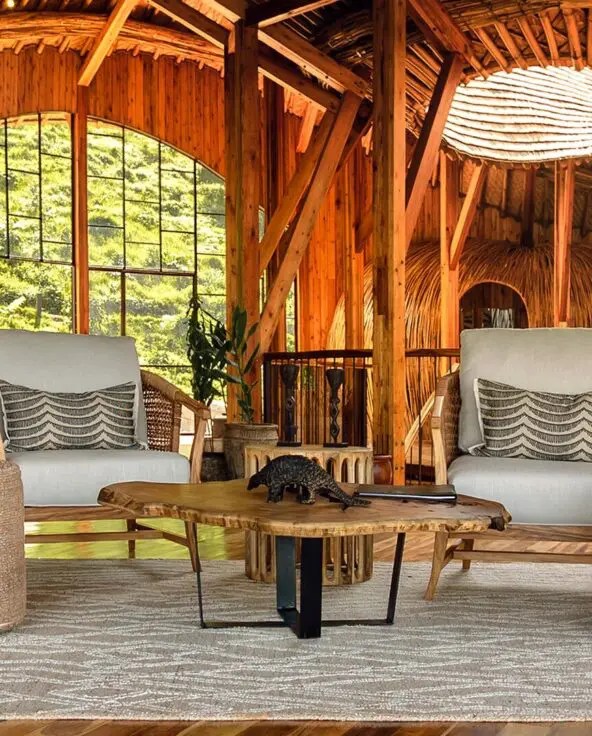
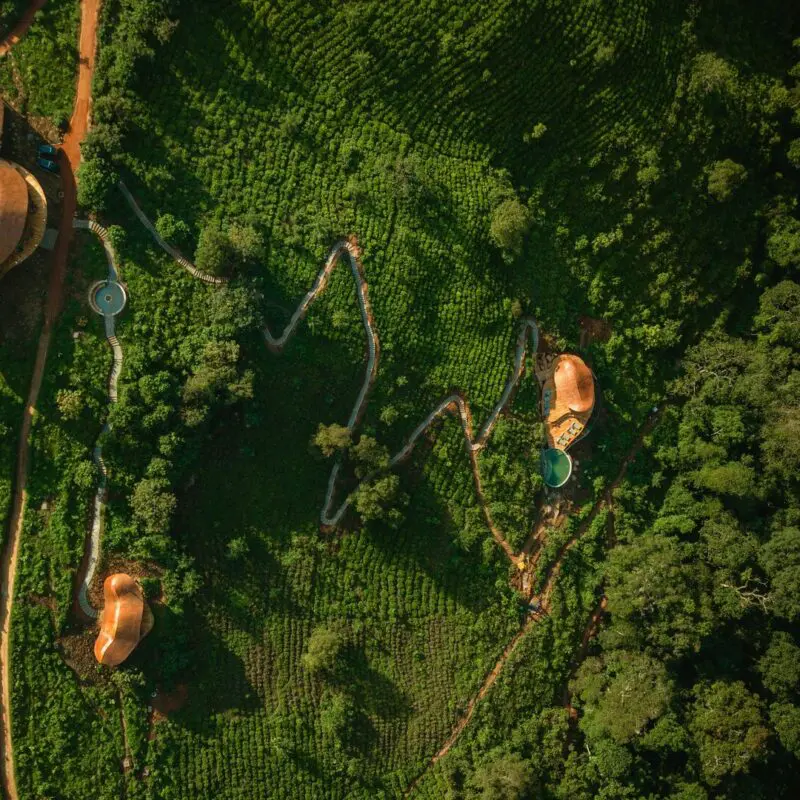
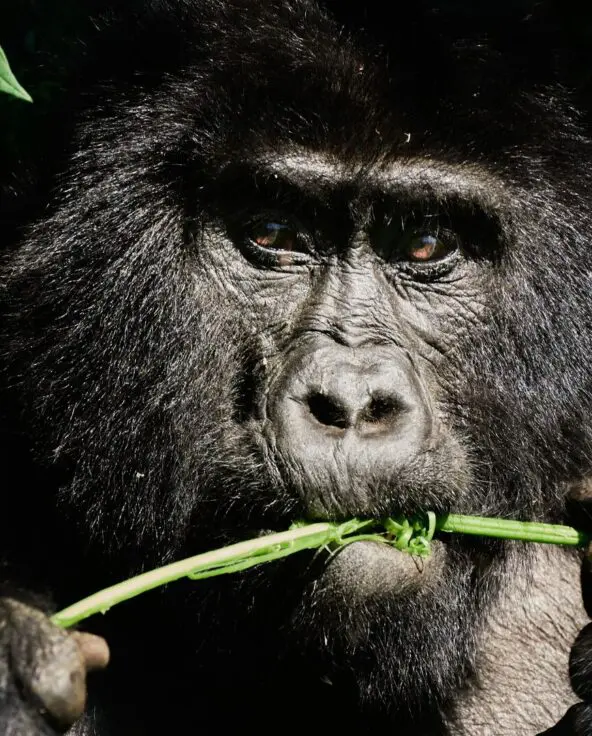
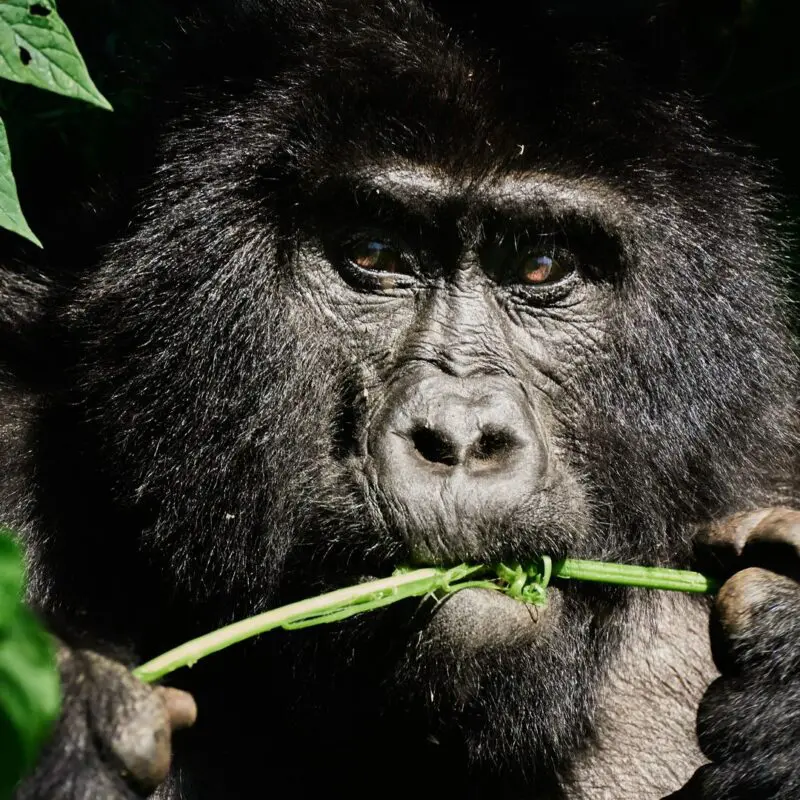
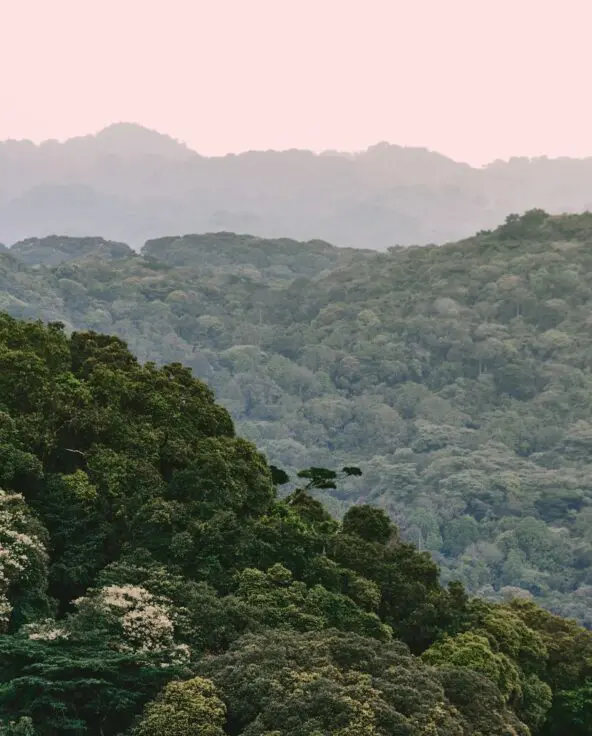
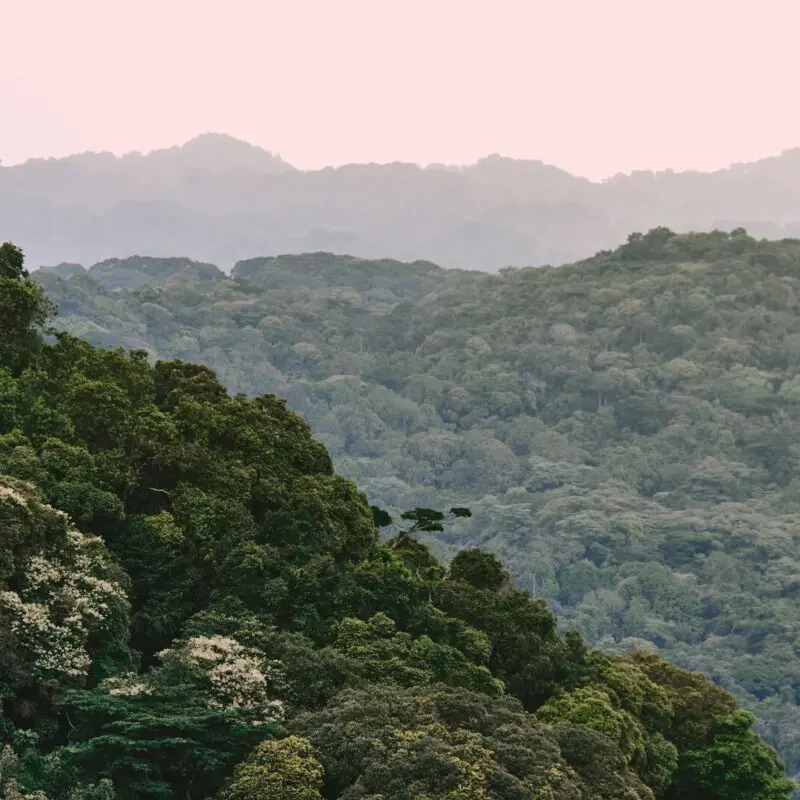
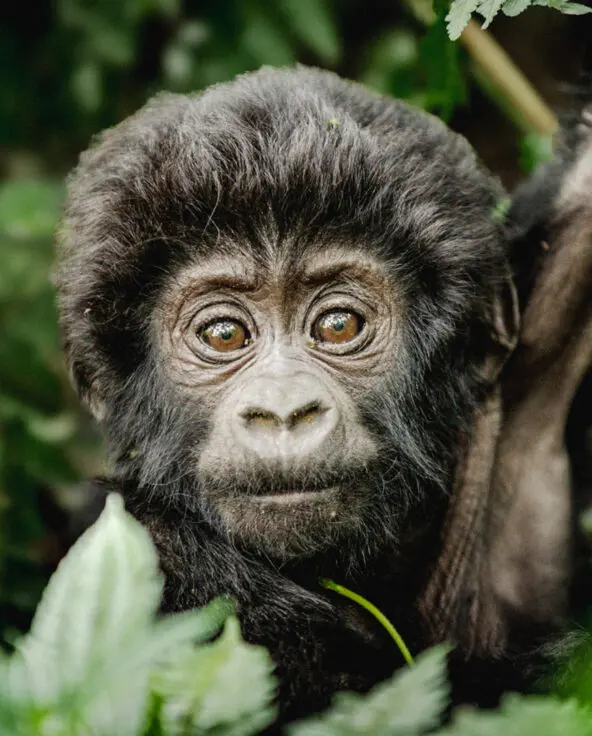
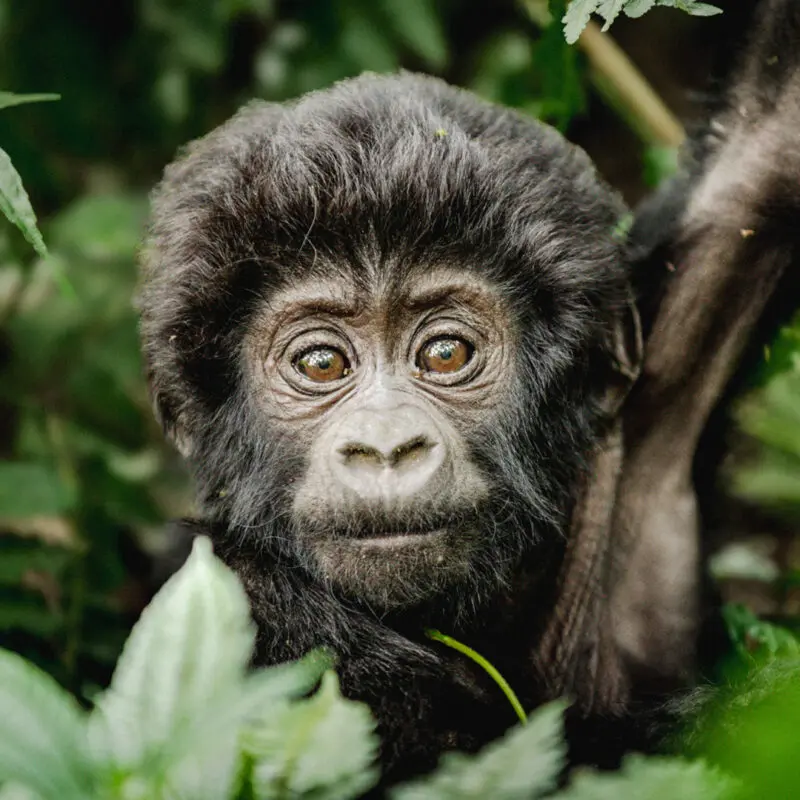
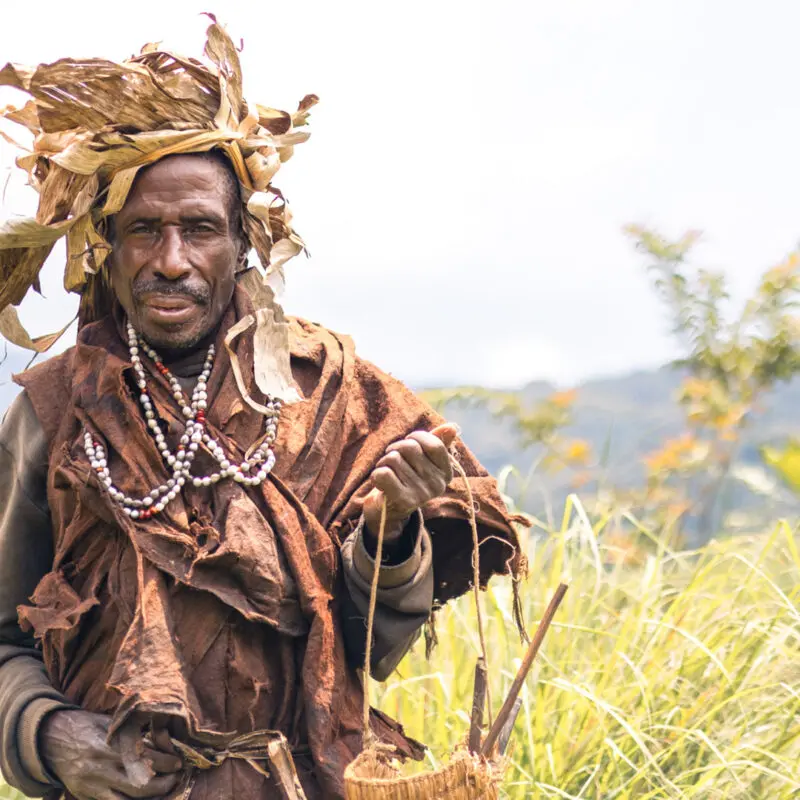
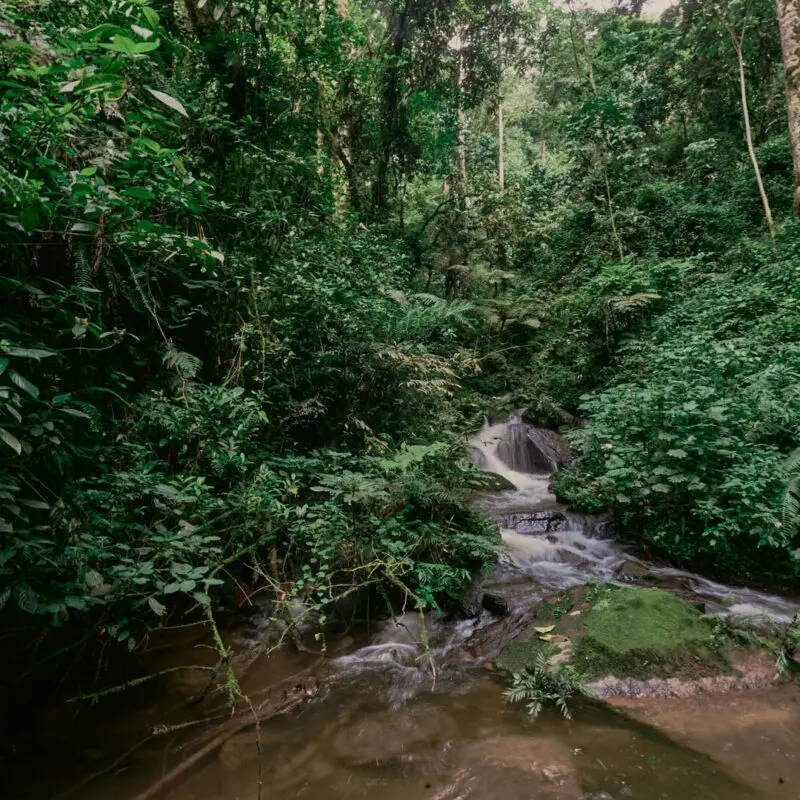
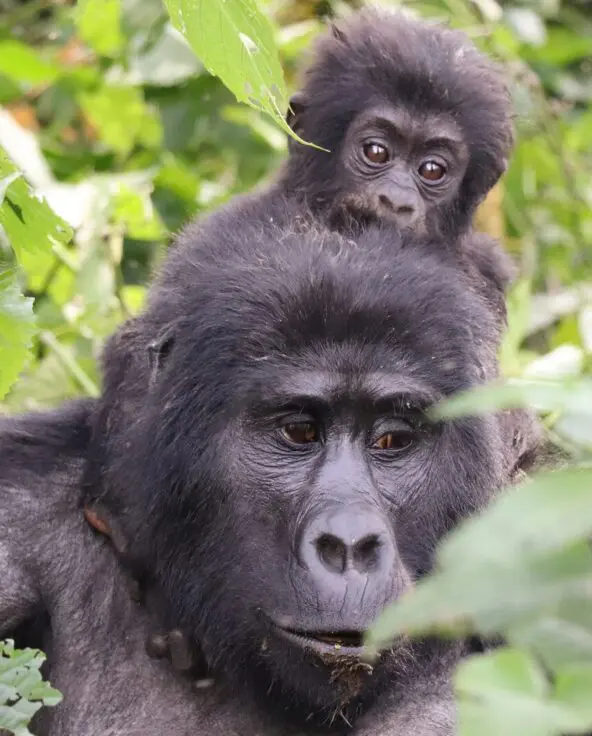
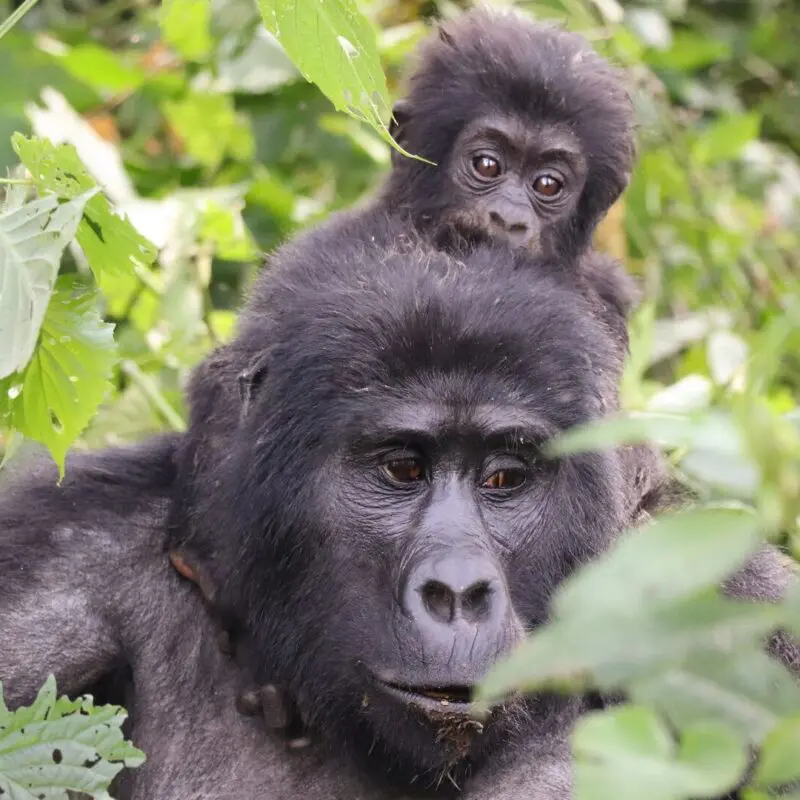
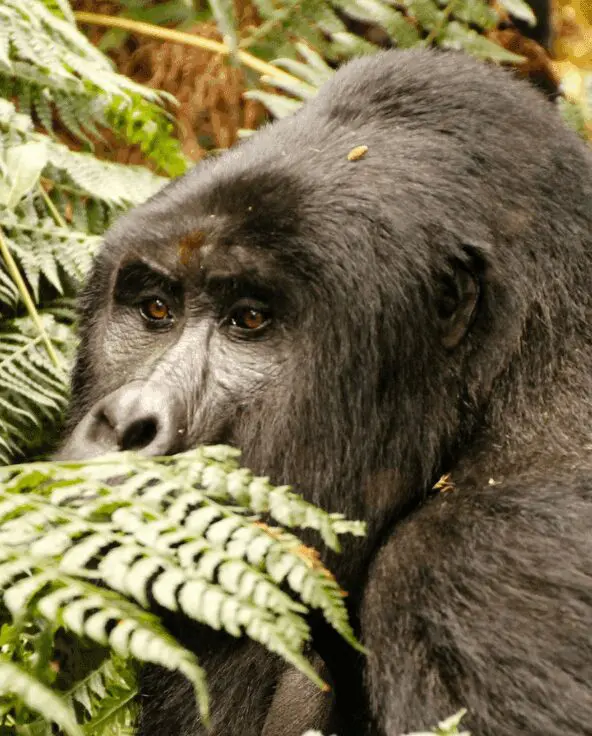
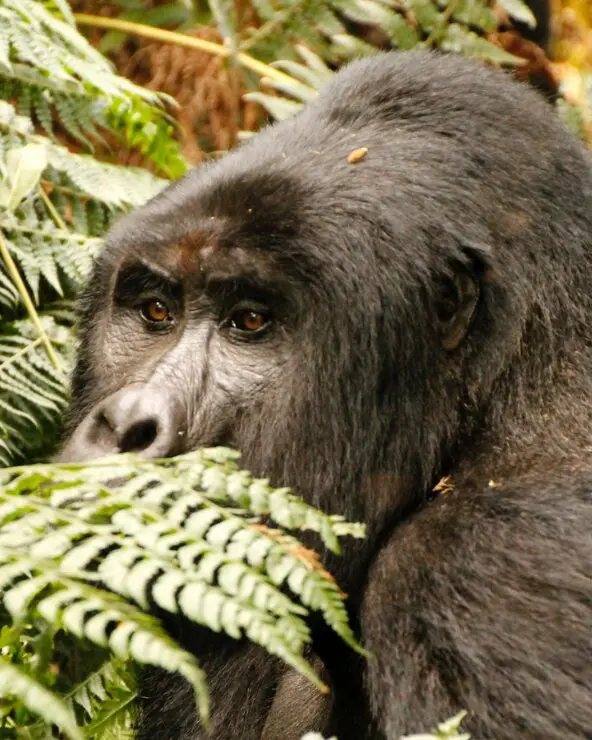
Our first lodge in Uganda will open for travel in 2026. Designed to blend in with the natural landscape, Erebero Hills will bring you closer to the Bwindi Impenetrable Forest - home to over half of the world’s mountain gorilla population.
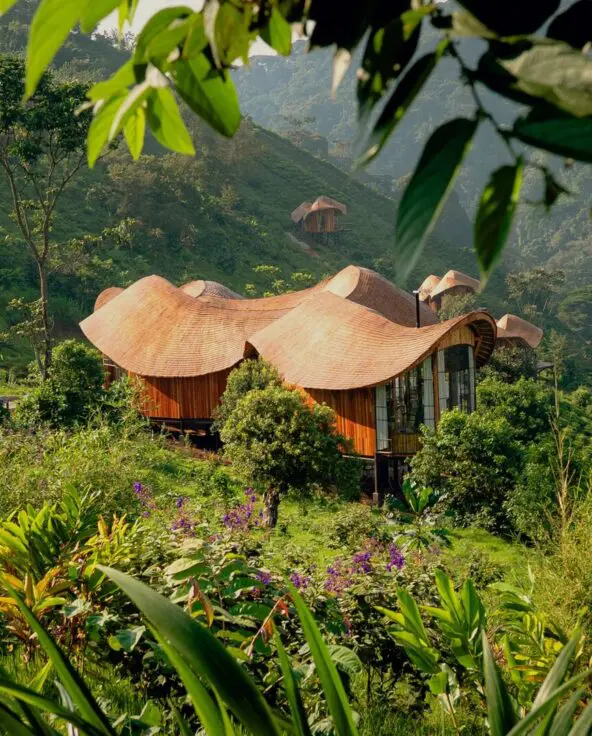
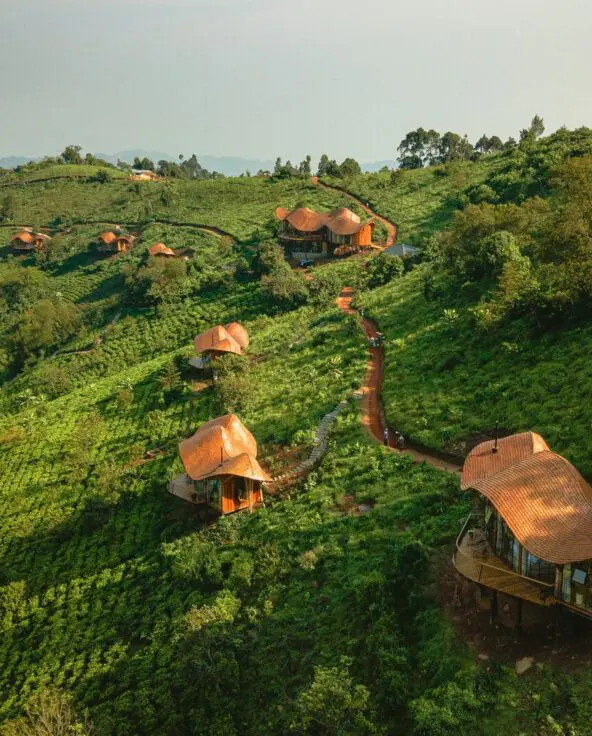


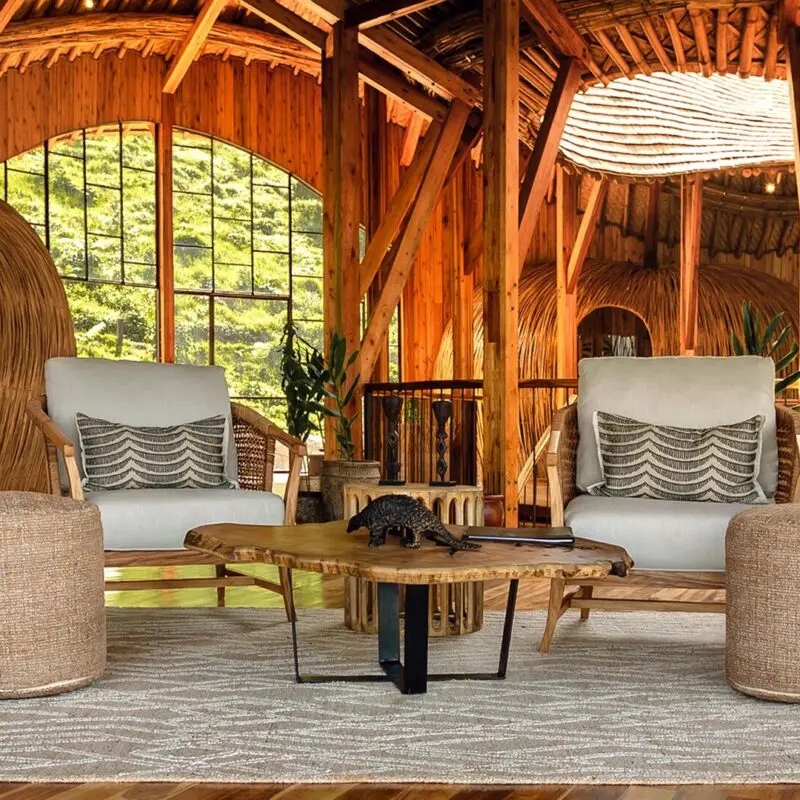

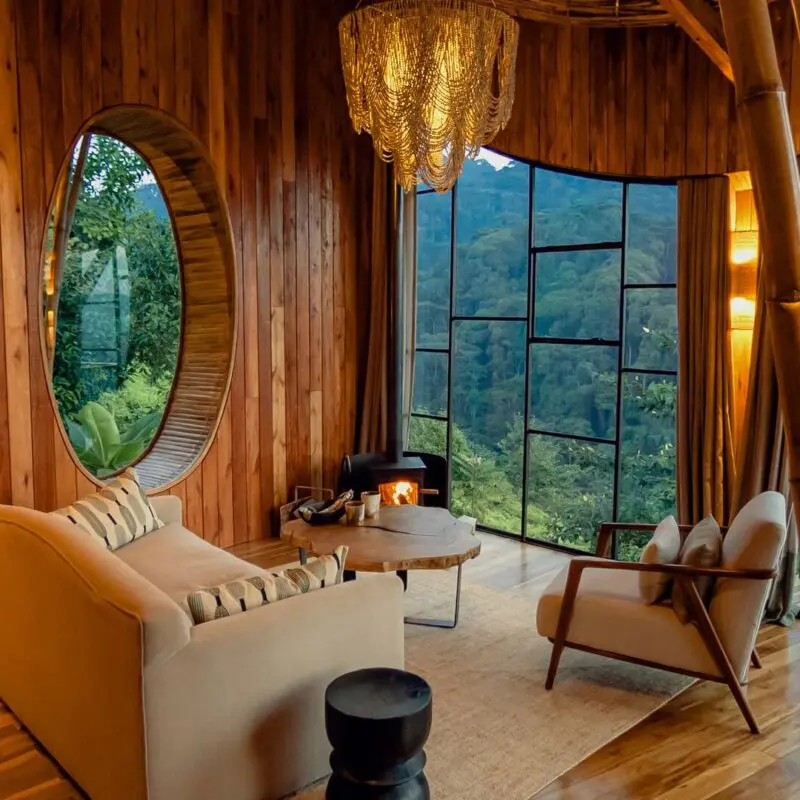
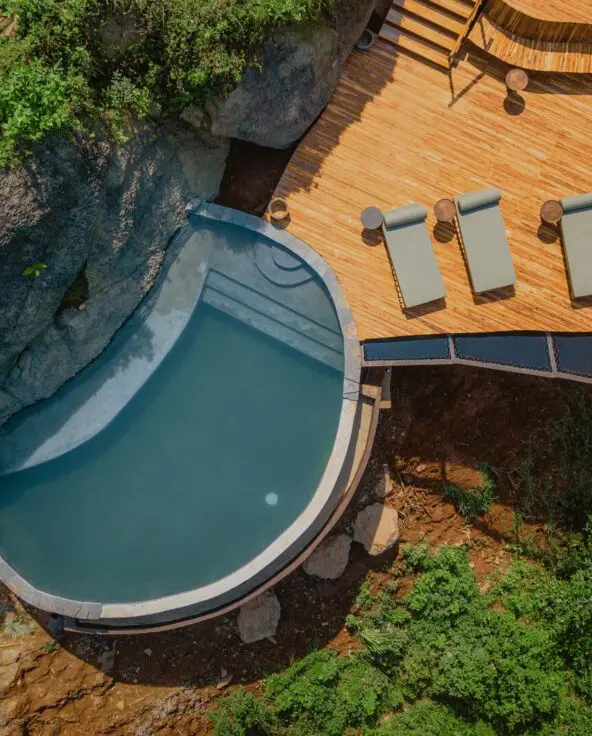
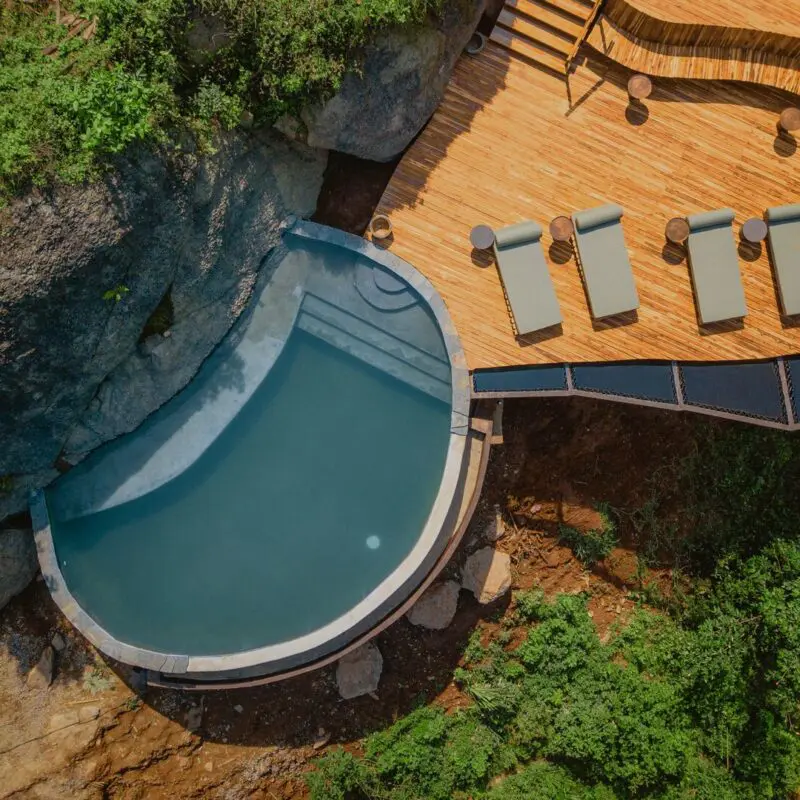
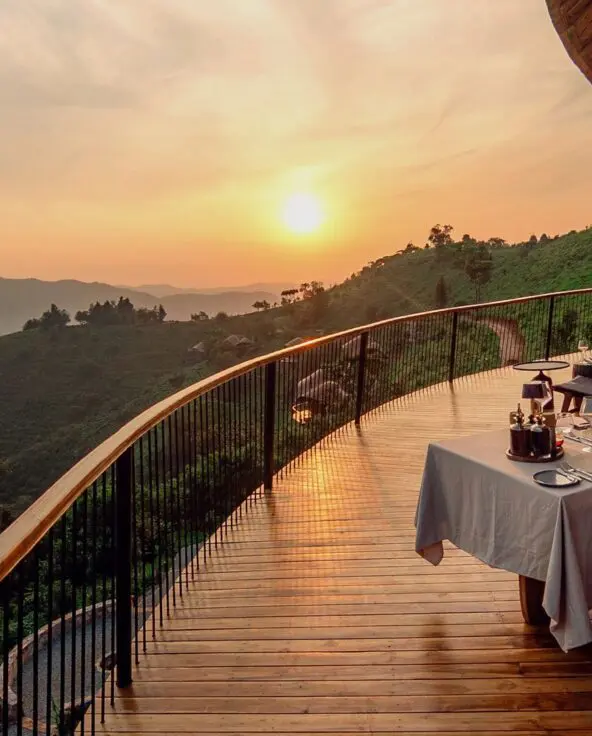

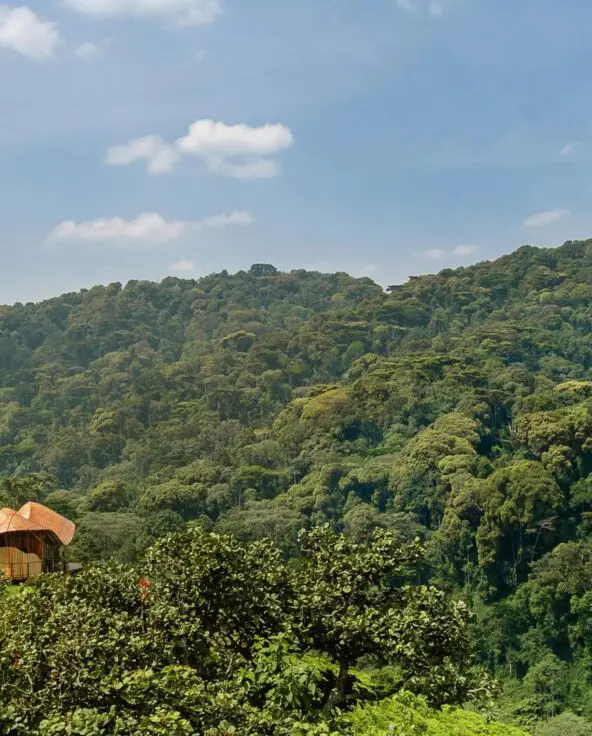
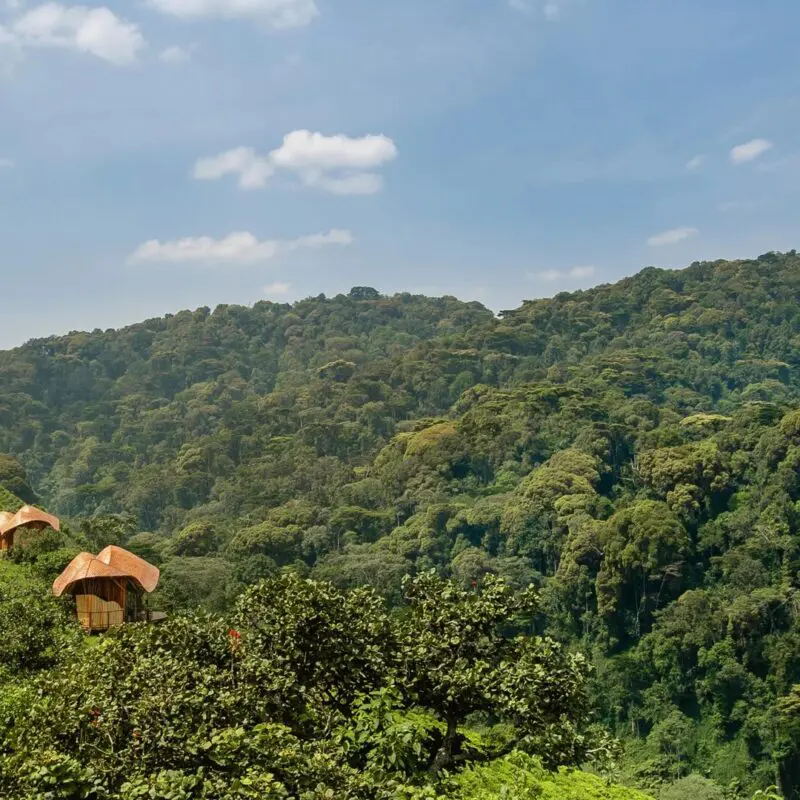
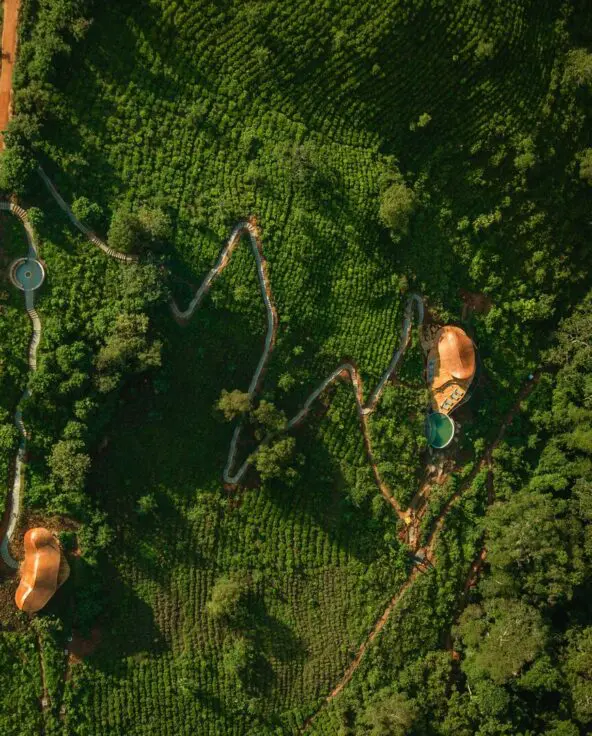
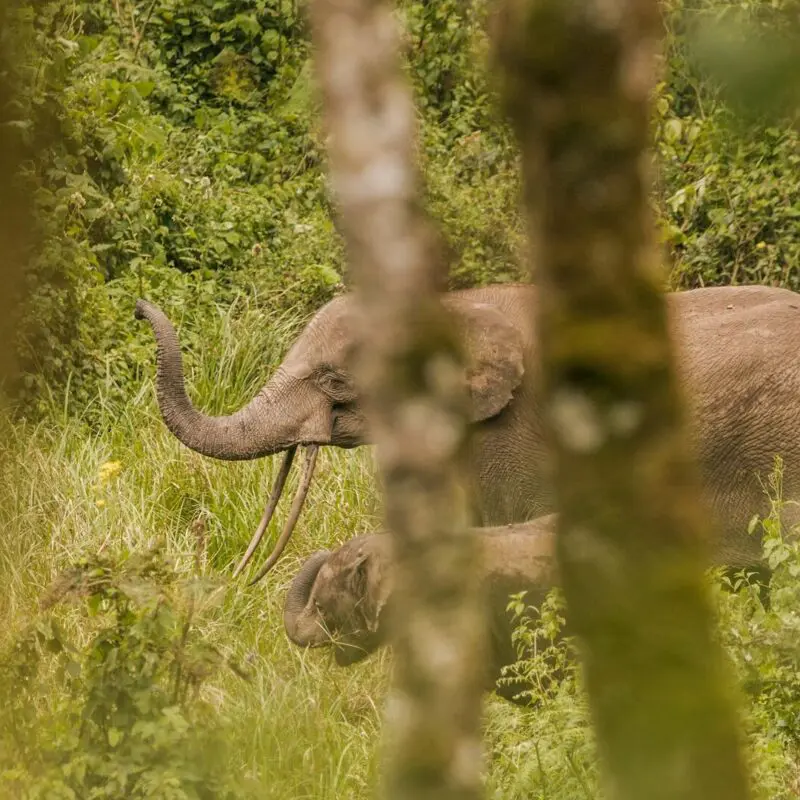


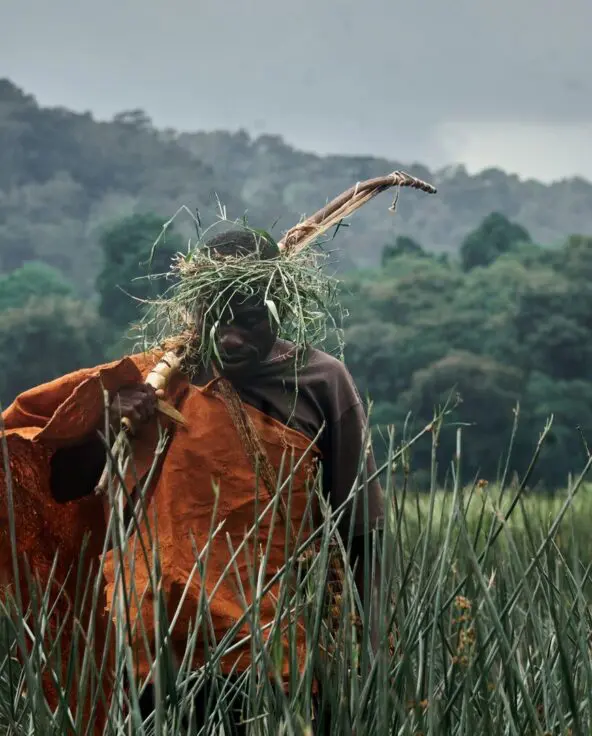
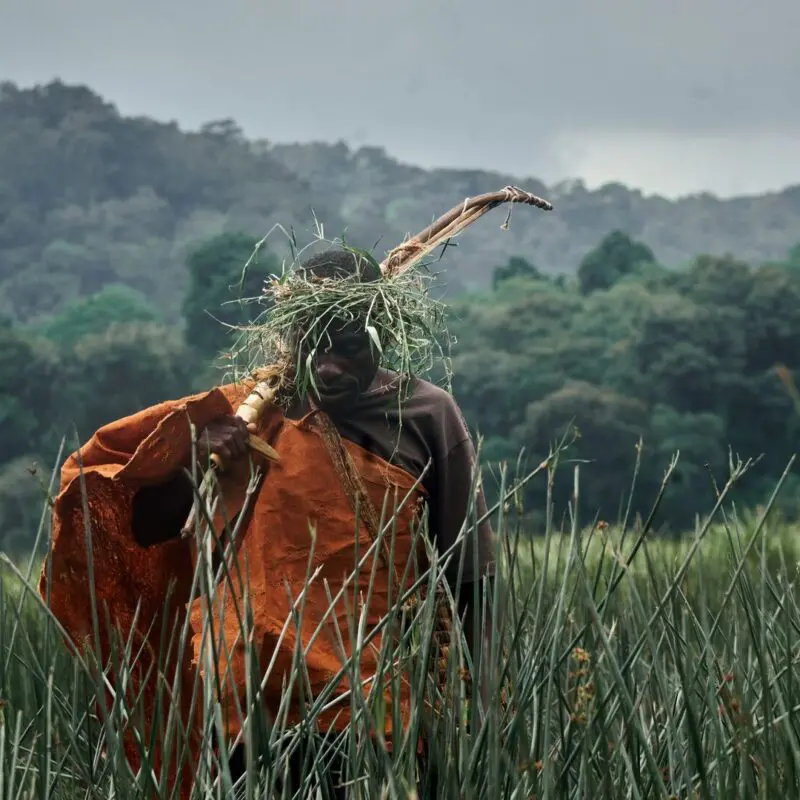


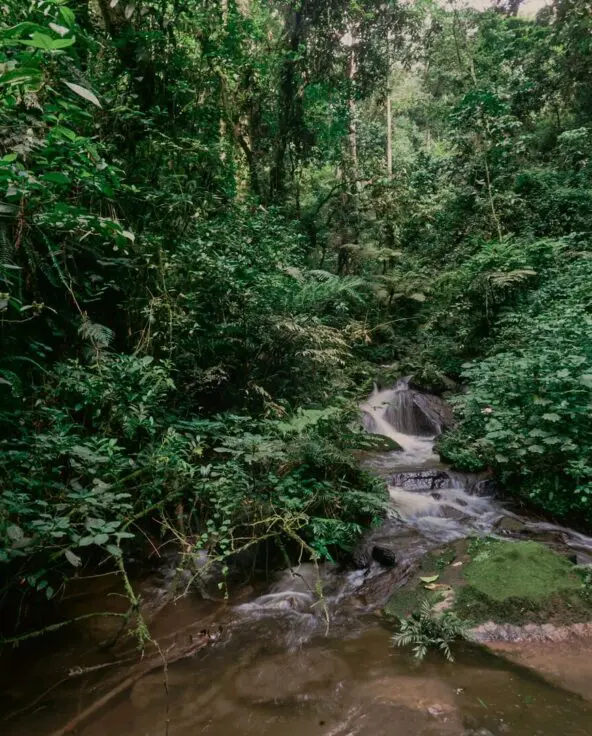
Erebero Hills
Bwindi Impenetrable Forest, Uganda
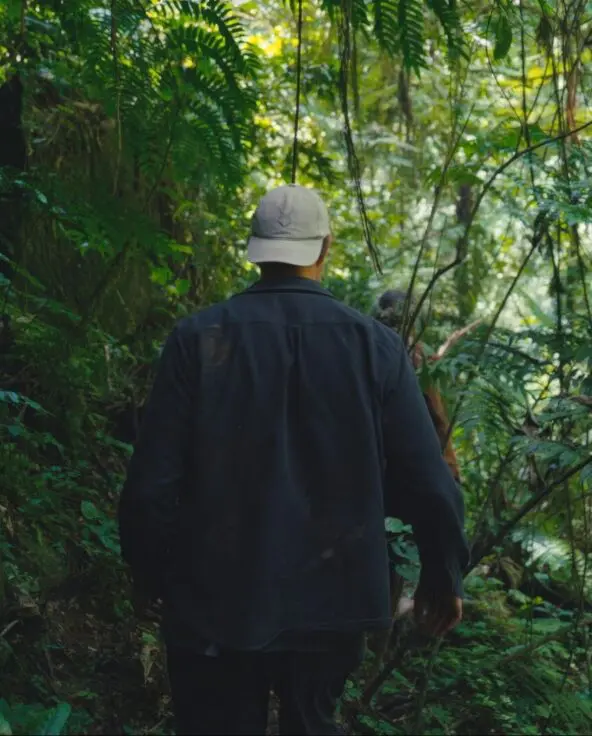
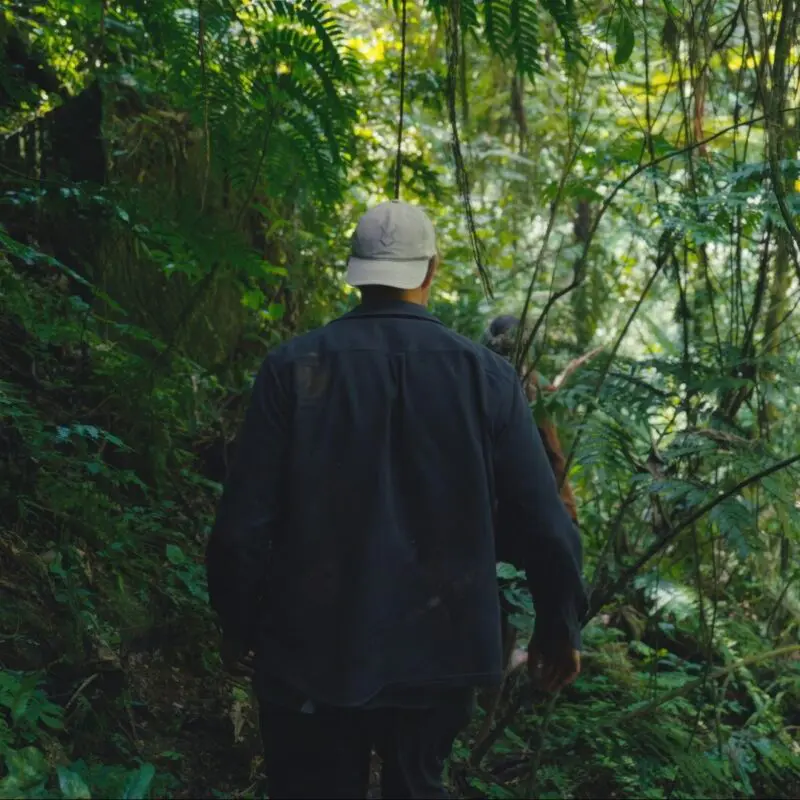
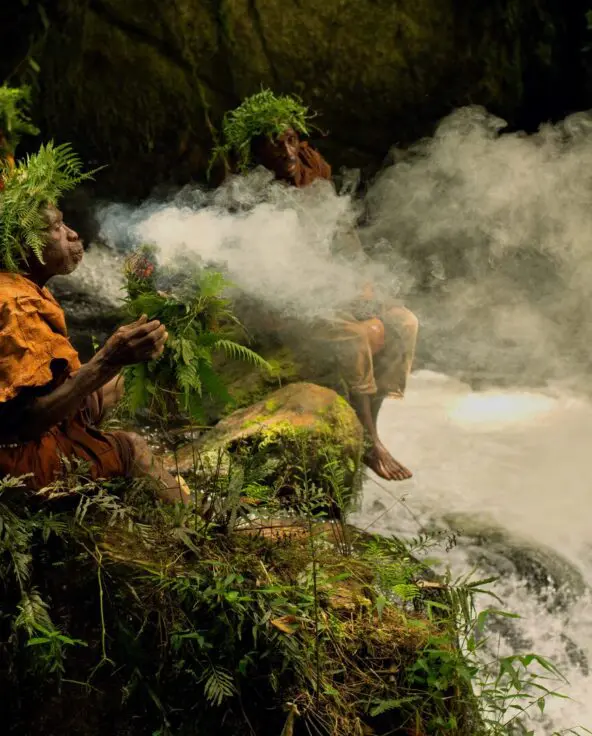
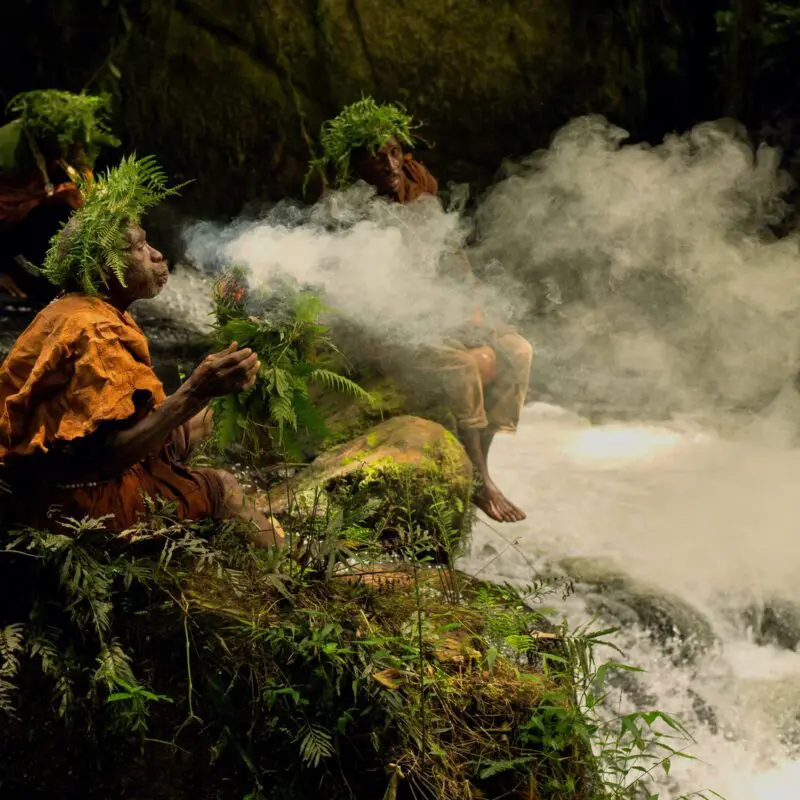
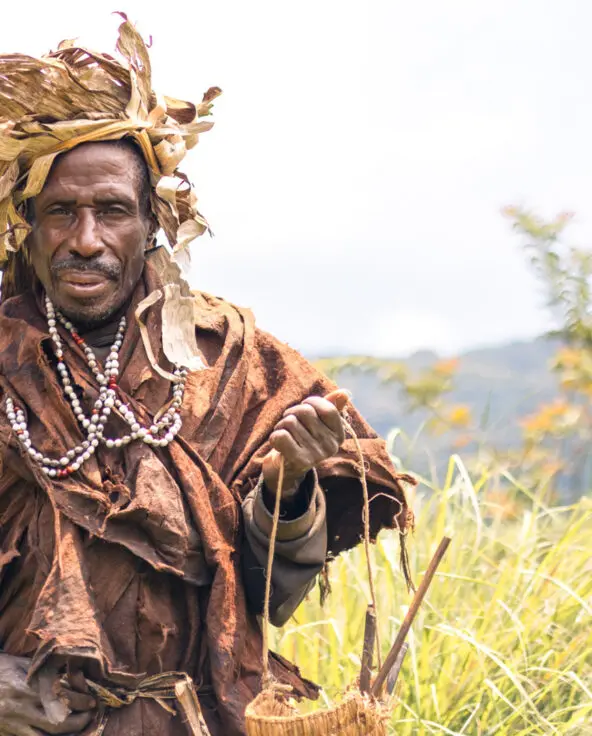
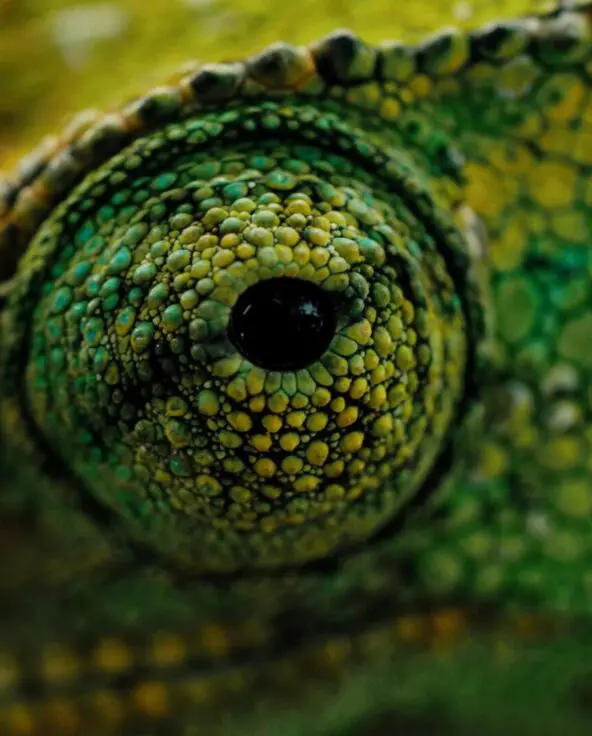
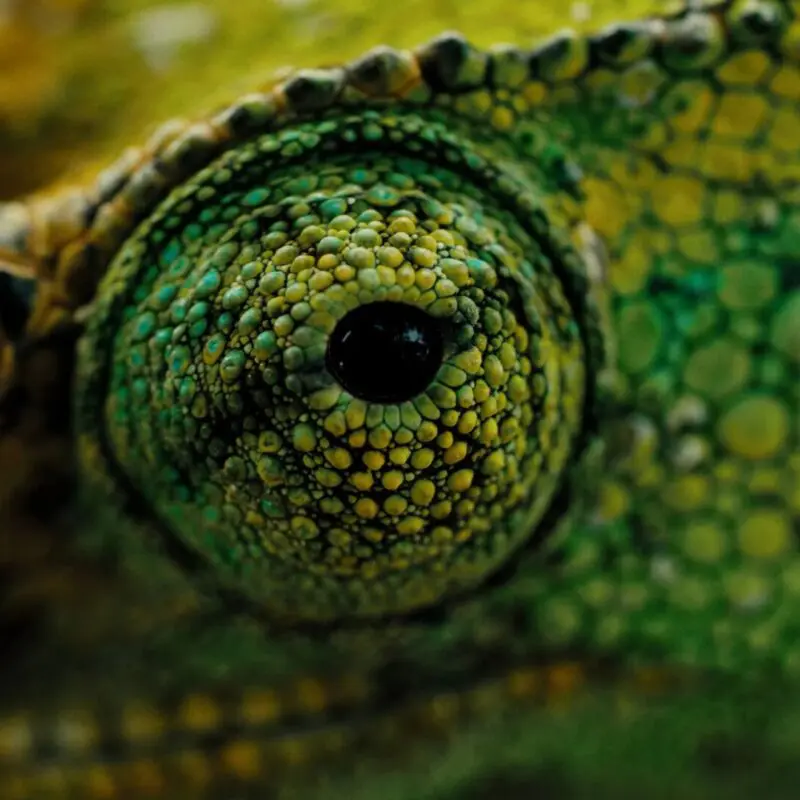
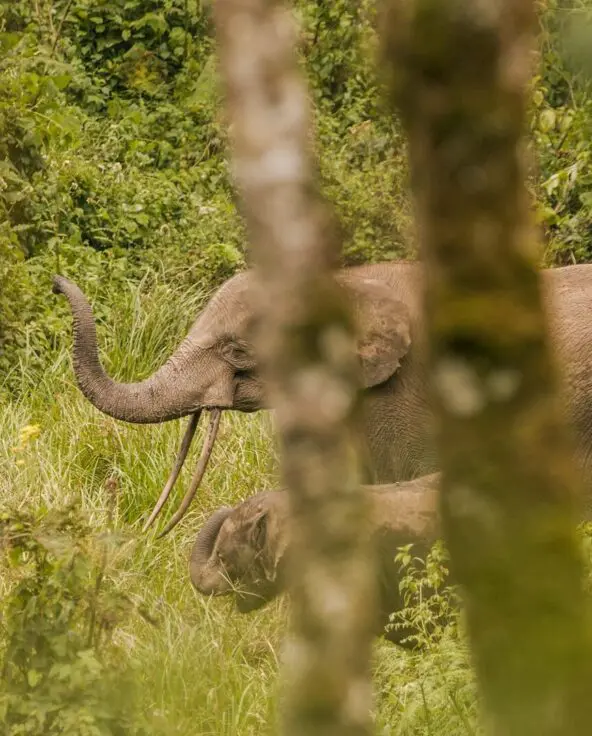
Erebero Hills offers a secluded haven beside Bwindi Impenetrable Forest, home to almost half the world’s mountain gorillas and exceptional biodiversity.
How to Get to Queen Elizabeth National Park in Uganda
The park lies about 400 kilometres from Kampala, a drive of around 6 hours through scenic countryside on well-maintained roads. Alternatively, a domestic flight from Entebbe to Kasese or Mweya airstrips shortens the journey. Many visitors combine their stay with gorilla trekking in Bwindi Impenetrable Forest, and the two are well connected via a 3-4 hour drive.
All Asilia: Northern Tanzania Circuit
From US$13,586
per person sharing
Destinations
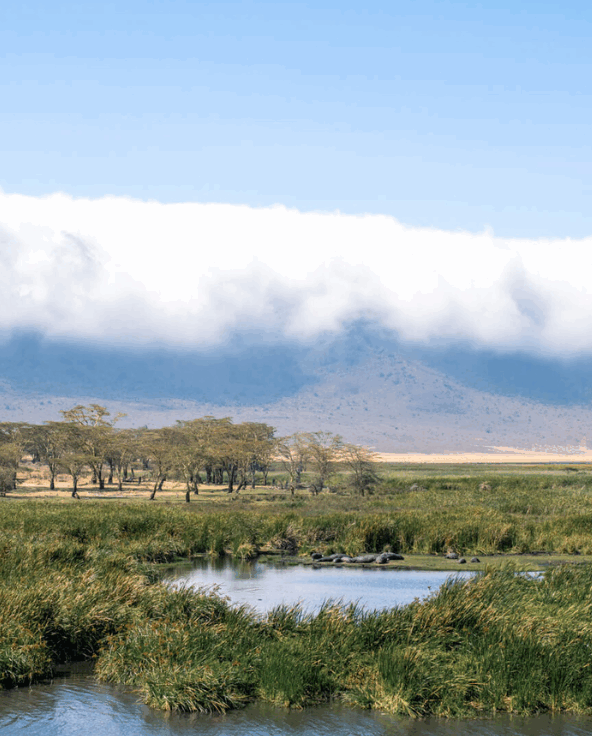
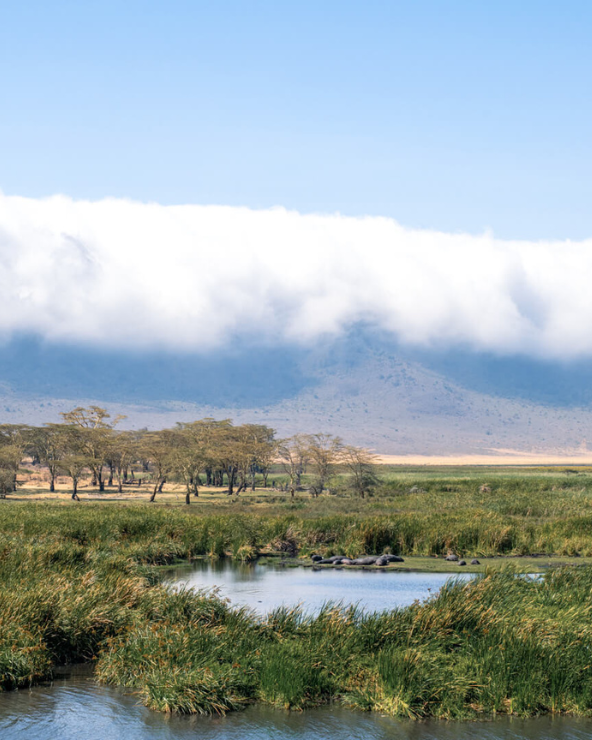
Tanzania, Arusha, Serengeti National Park, Tarangire National Park, Ngorongoro Conservation Area
If you’re thinking about travel to East Africa, we’d love to help. Our safari experts and in-camp teams are standing by to bring you the trip of a lifetime. Simply get in touch with us at any time and we’ll be glad to assist you.