When to go Gorilla Trekking
Uganda is a rewarding destination to visit year-round, where you’ll find a warm climate thanks to its location on the equator. There are two main dry seasons, between June and October and December to February, whilst April and May experience the highest rainfall.
The forests of Bwindi and Mgahinga, which are home to the mountain gorillas experience rain and humidity year-round, making waterproof clothing a recommendation even for those travelling in the dry season. International access is through Entebbe city.
Seasonal Overview
June – September
Why travel at this time:
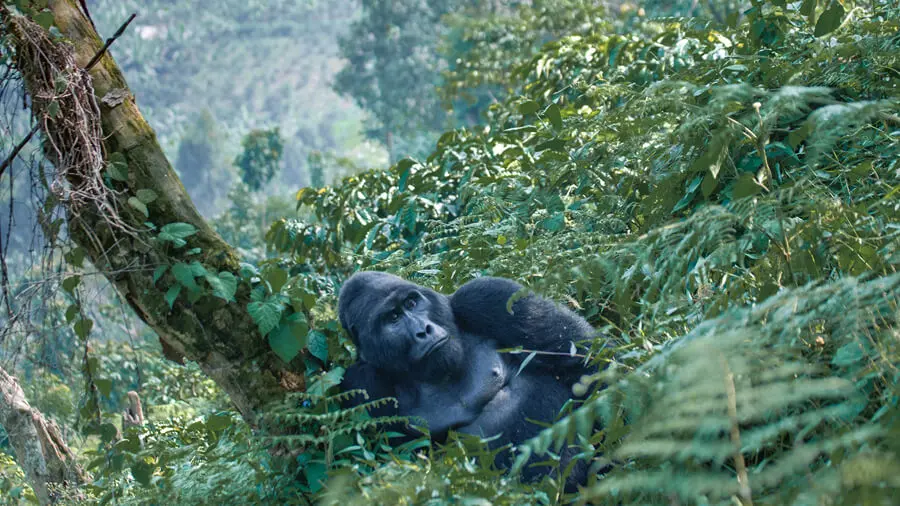
The best time to visit Uganda and the mountain gorillas is between June and August and December and February. The lush landscapes of these forests offer an ideal canvas for gorilla trekking. During these months, the region experiences a long dry season, minimising slippery trails and improving the hiking conditions. Book early to secure gorilla permits. The rainy season starts in September and lasts into November.
Highlights:
* Prime gorilla viewing during this dry season.
* Forest treks are made more accessible since the forests are drier.
* Enjoy stunning landscapes with more sunshine and thinner vegetation.
October – January
Why travel at this time:
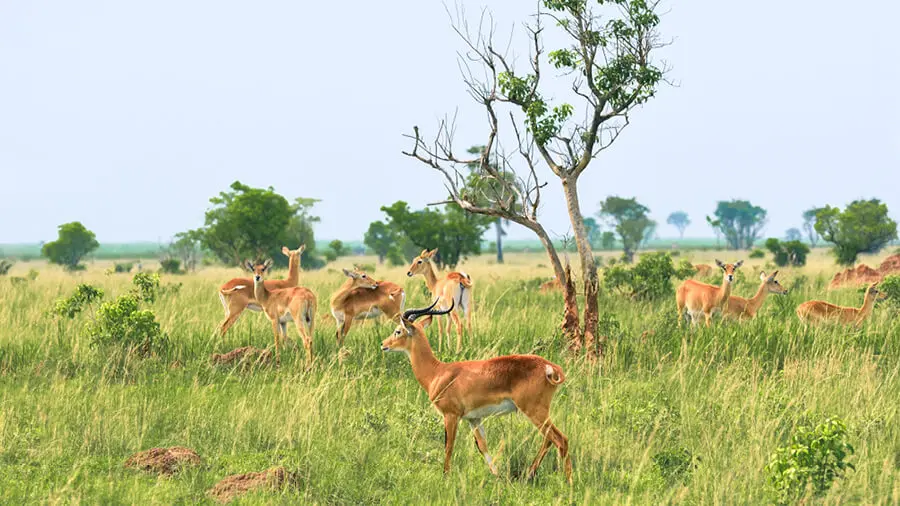
Uganda offers a pleasant tropical highland climate. From October to November, a short rainy season prevails. If you are open to muddy conditions, gorilla treks are still possible, though slightly more challenging in the wet terrain. A brief respite from the rains heralding the dry season from December to January enables more accessible gorilla adventures. Game viewing across the national parks is still good throughout this season.
Highlights
* Gorilla treks are still possible from October to December with fewer travellers and lower trekking permit costs. Bursts of sunshine appear between short showers.
* The climate is warm and dry again from December to January, with prices increasing.
* Migrant bird species arrive from Eurasia between November to April.
February – May
Why travel at this time:
February offers unforgettable gorilla visits due to the warm climate and sunshine. However, prices are typically higher during this dry month, and planning is necessary. March to May marks the long rainy season, with heavy downpours. Gorilla treks can still be enjoyed if you don’t mind muddy conditions and have good rain gear. Birding is excellent throughout this season.
Highlights:
* February offers superb dry gorilla trekking conditions.
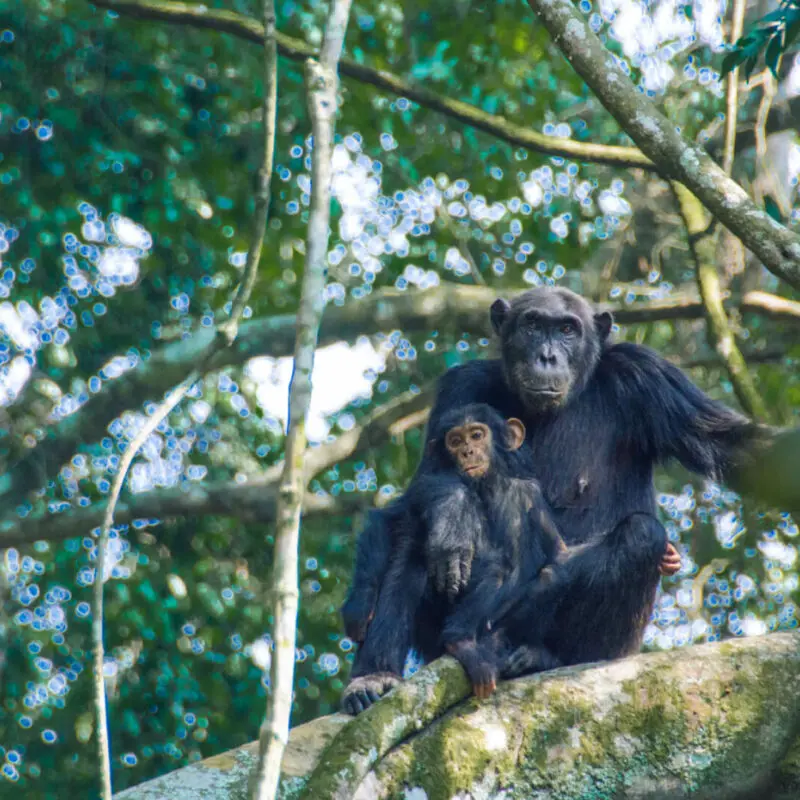
* The rainy seasons from March to May are the optimum times for tracking chimpanzees.
* The scenery during this period is lush and breathtaking, and with good quality raingear, primate treks are still possible.
Related reads
Uganda
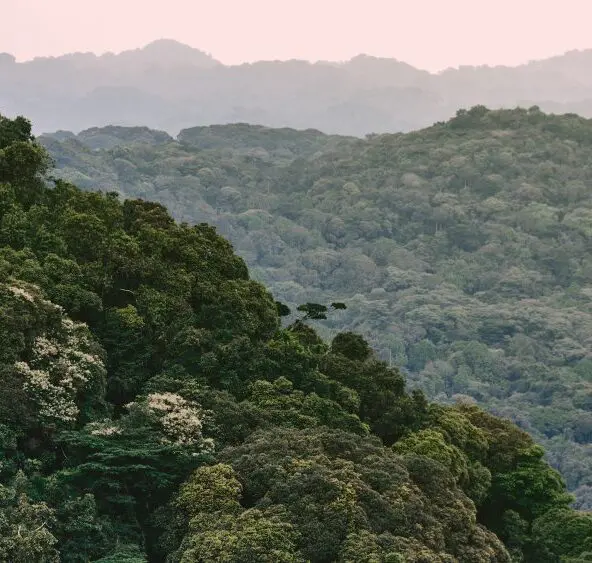
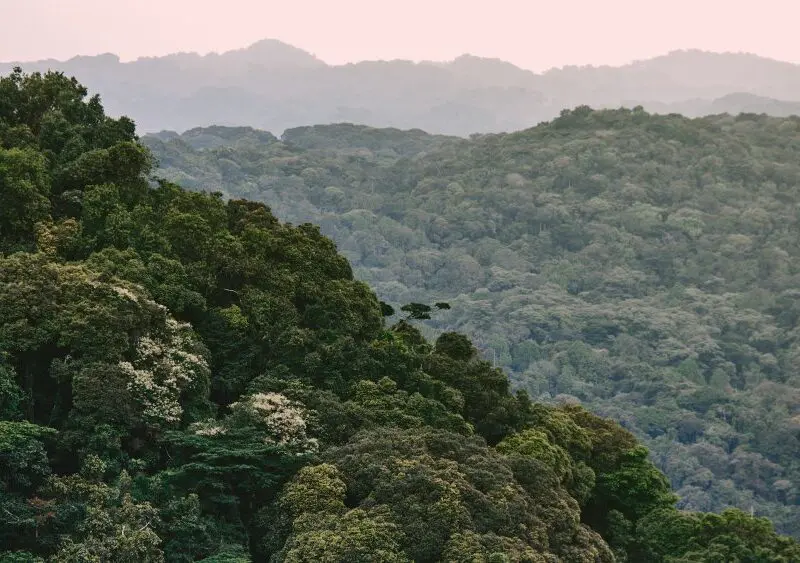
Uganda, the “Pearl of Africa,” offers breathtaking landscapes, diverse wildlife, vibrant cultures, and thrilling adventures.
Top places to visit in Uganda
Uganda’s attractions don’t stop at rainforests and gorilla treks – here are a few more once-in-a-lifetime places to visit on a trip to Uganda.
From the blog
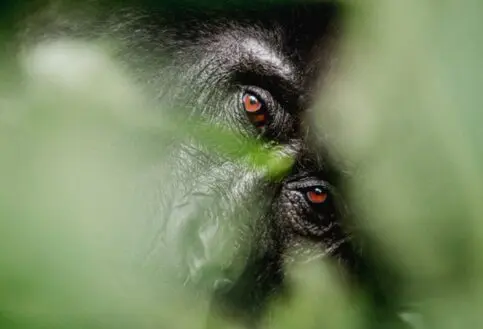
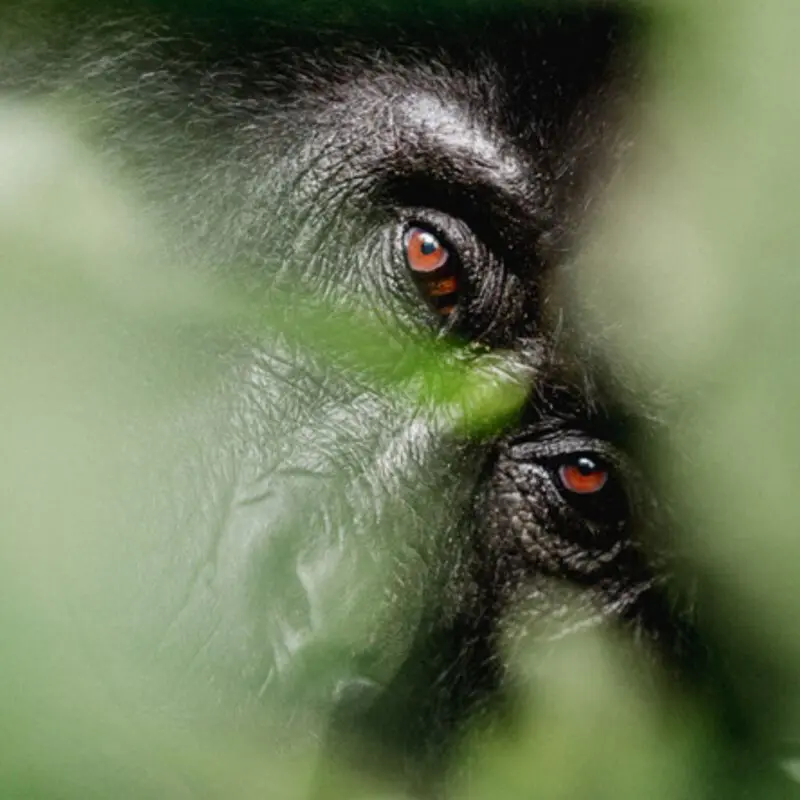
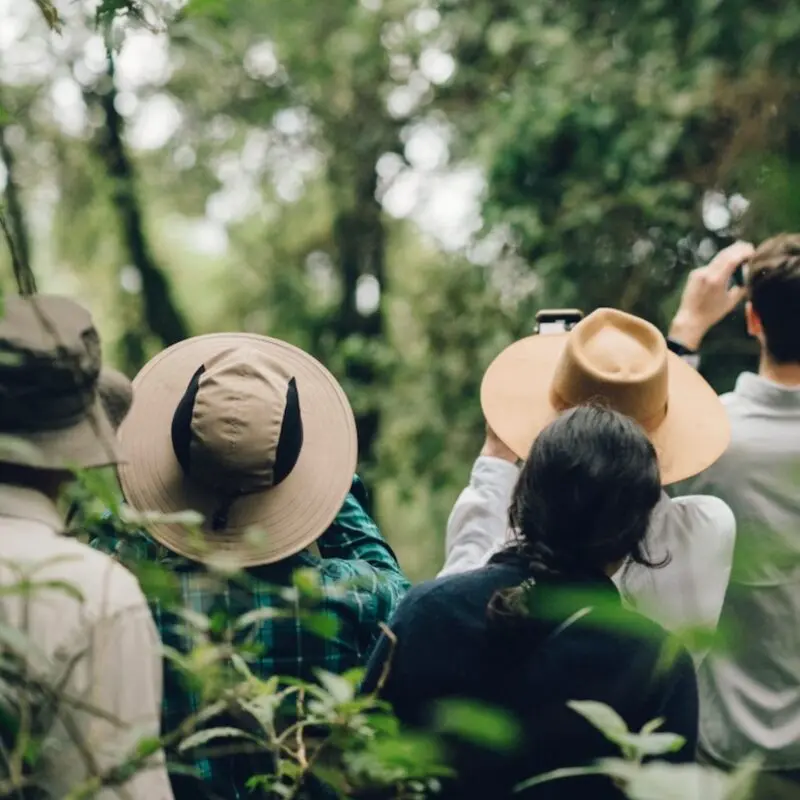


The best time to visit Uganda to see gorillas is between July and October and December and February, during the optimal dry seasons. Combine a gorilla trek in Bwindi, Uganda with the wildebeest migration in Kenya and Tanzania, or for a full guide to exploring Uganda, from logistics and culture to wildlife and adventure, take a look at our ultimate FAQ: The Ultimate Guide Beyond Gorillas. Contact our expert safari and gorilla trekking specialists to plan your adventures now!