Gorilla Trekking & Safaris
While Rwanda is world-renowned for its unforgettable gorilla trekking experiences, the country offers far more – from its diverse landscapes and rich cultural heritage to year-round opportunities for adventure, wildlife viewing, and relaxation. Whether it’s classic Big Five encounters on the savannahs of Akagera National Park or sun-drenched afternoons along the palm-fringed shores of Lake Kivu, Rwanda reveals a depth of experiences that extend well beyond the forest.
Best Time To Visit Volcanoes National Park For Wildlife & Gorilla Trekking
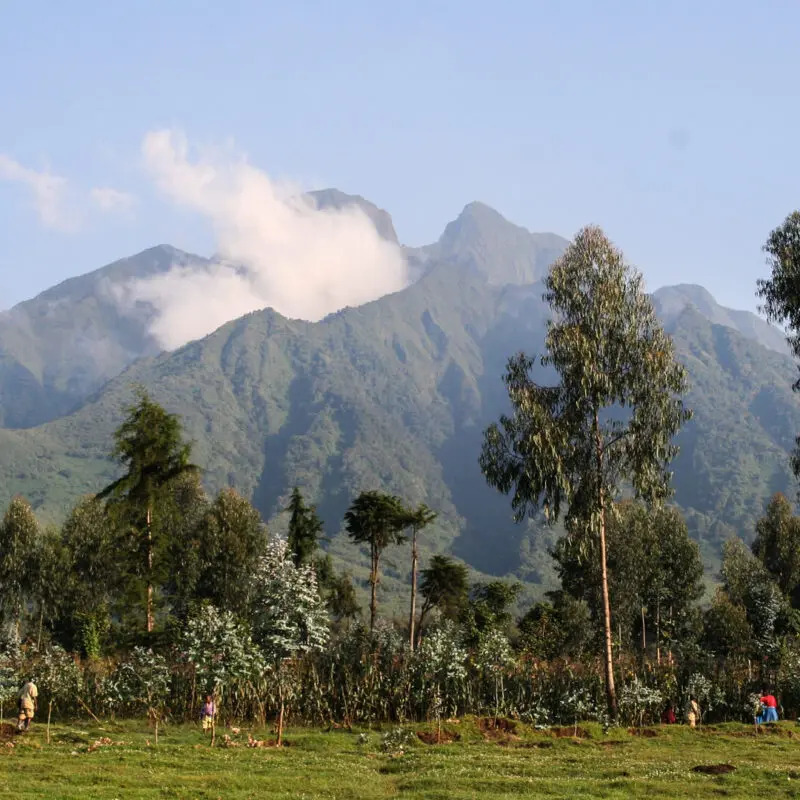
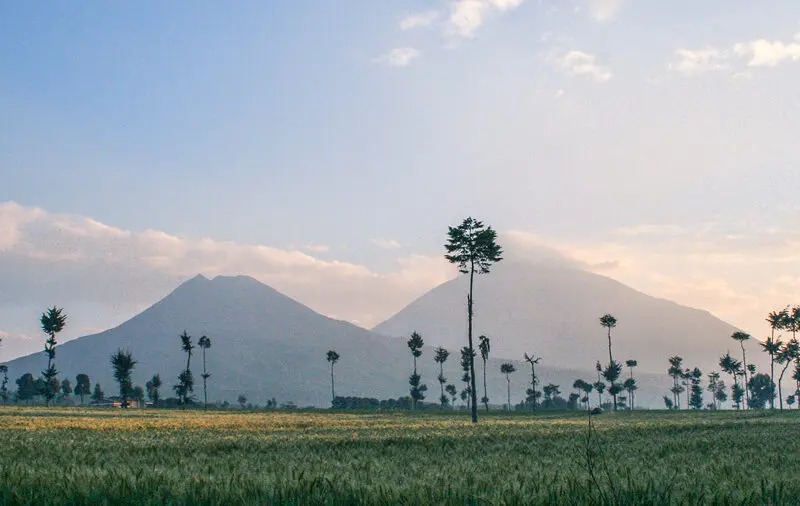
Tucked into the misty folds of the Virunga Mountains, Volcanoes National Park is not only famed for its mountain gorillas but also surprises visitors with a rich tapestry of wildlife – from elusive forest elephant and golden monkeys to over 200 species of birds and the tranquil aquatic life that thrives in its unique wetlands.
The dry season, spanning from June to September and again from December to February, is widely considered the best time to visit Volcanoes National Park for both gorilla trekking and wildlife viewing. During these months, the forest thins slightly under the sun’s steady warmth, making it easier to spot the park’s more elusive residents. With water sources becoming scarcer, animals tend to congregate around the remaining streams and wetlands, offering travellers a better chance of seeing forest elephant, buffalo, and playful troops of golden monkeys as they forage and drink. Birdwatching is particularly rewarding too, with species more active and visible in the drier conditions. The trails are also at their most accessible, making treks into the rainforest more comfortable and photography even more rewarding under clear skies. August also brings the Kwita Izina, Rwanda’s annual gorilla naming ceremony held in the Volcanoes National Park.
When considering gorilla trekking in Uganda vs Rwanda, travellers often consider the contrasting experiences offered by each destination. The wet seasons, March to May and October to November, bring heavier rainfall and unveil a different kind of magic in Volcanoes National Park. The rainforest comes alive in a palette of deep greens and vibrant blooms, transforming the landscape into a lush paradise. For birdwatchers, this is a particularly rewarding time to visit. Migratory species arrive in full song, and resident birds display their brightest plumage as they court and nest, making sightings more vivid and varied. The rains may make the trails a bit muddier and the trekking more challenging, but for those drawn to rich biodiversity and dramatic scenery, the wet season offers a quieter, more intimate encounter with the park’s natural rhythms.
While Volcanoes National Park remains open year-round, trekking conditions and visibility can vary with the seasons, with occasional trail closures or itinerary adjustments during periods of heavy rain. As part of your planning, consider combining a gorilla trek with the wildebeest migration on a Tanzania safari or Kenya safari.
Best Time To Visit Akagera National Park
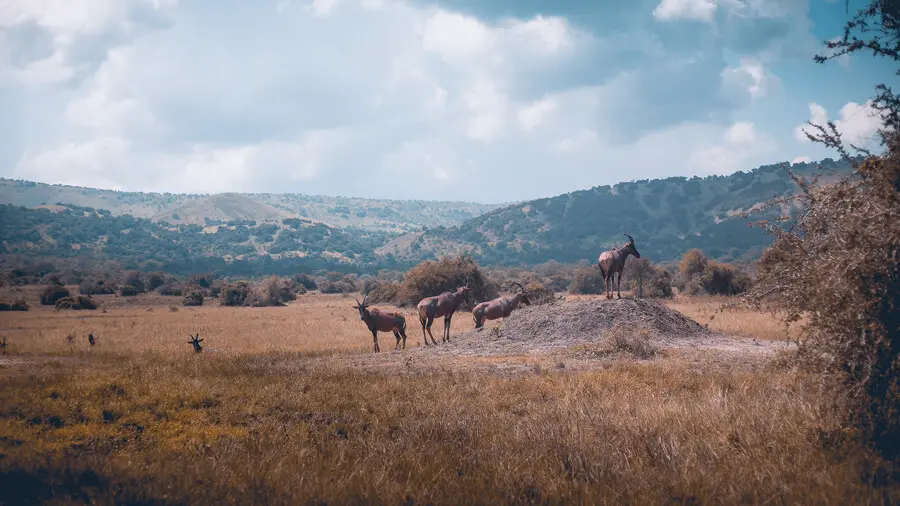
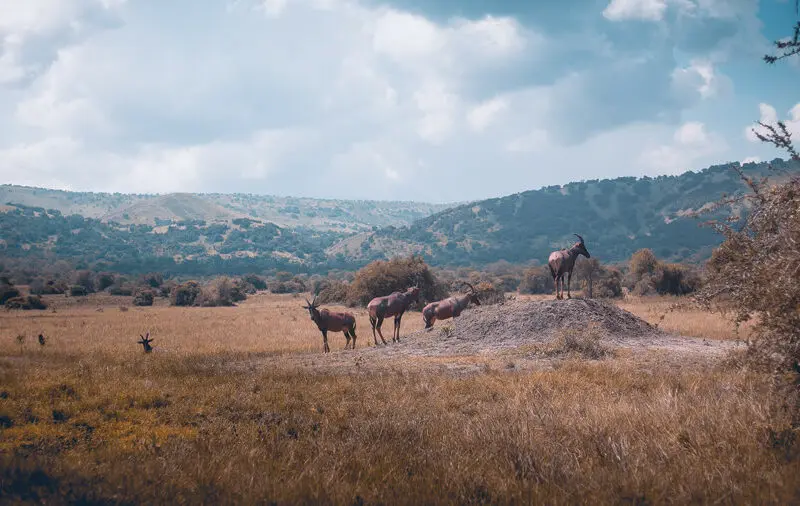
Akagera National Park is Rwanda’s premier safari destination, where vast savannahs, shimmering lakes, and acacia woodlands set the stage for thrilling encounters with lion, elephant, and prolific birdlife.
The dry seasons, spanning June to September and December to February, bring wildlife into clear view. During these months, the vegetation thins out and animals naturally gather around the park’s lakes and watering holes, making sightings of elephant, buffalo, and even elusive predators like leopard more frequent and rewarding. The clear skies and golden light also create ideal conditions for photography, allowing travellers to capture the drama and beauty of the Rwandan wilderness at its most vibrant.
During the wet seasons, from March to May and October to November, Akagera is transformed into a lush, green haven. This period is an especially rewarding time for birdwatchers and nature photographers. Migratory species arrive in abundance, joining the park’s already rich birdlife, which includes African fish eagles, papyrus gonoleks, and crowned cranes. The refreshed landscapes, alive with vibrant vegetation and dramatic skies, offer a different kind of beauty. The atmosphere is serene and ideal for travellers seeking a more tranquil safari experience.
Park access remains open year-round, though some tracks may become muddy and less accessible during the peak of the rains.
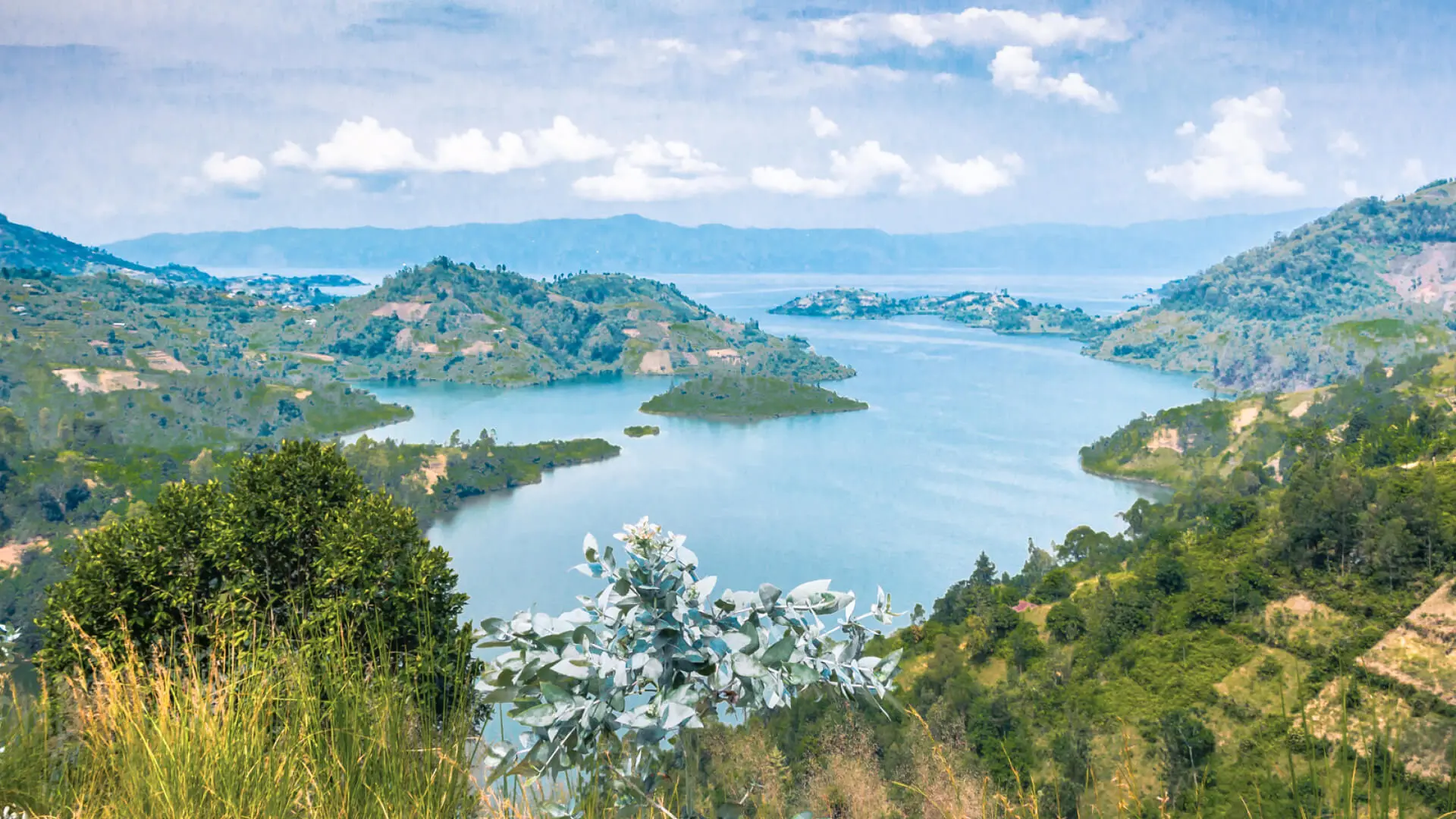
Best Time To Visit Lake Kivu
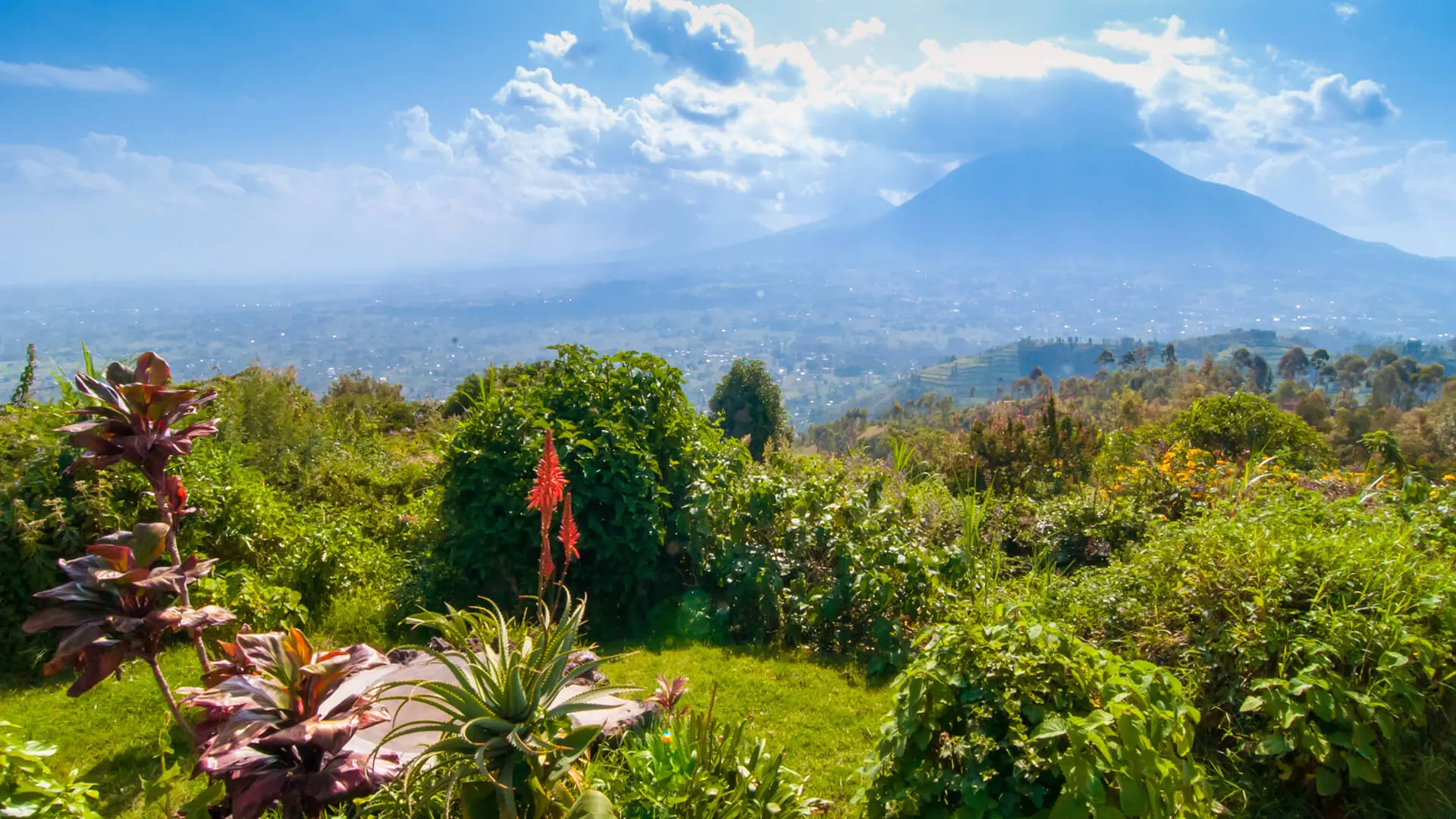
Fringed by verdant hills and dotted with charming lakeside towns, Lake Kivu offers a peaceful retreat where travellers can unwind on sandy shores, take in sweeping views, or enjoy water-based activities like kayaking, boating, and swimming.
Thanks to its sheltered location, Lake Kivu remains a pleasant destination throughout the year. However, the dry season from June to September is particularly well-suited for enjoying the outdoors. The weather is generally sunny with average temperatures around 25°C, offering warm days and minimal rainfall, perfect for kayaking across the calm waters, lounging by the shore, or exploring nearby trails. With clear skies and cooler evenings, this period also brings out the best of the lake’s scenic beauty, making it an ideal time for both relaxation and adventure.
During the wet seasons, March to May and October to November, Lake Kivu takes on a softer, misty character. While afternoon showers are more frequent, mornings are often clear and peaceful, allowing for quiet paddles on the water or leisurely strolls along the shoreline. Travellers who don’t mind the occasional rain will still find plenty to enjoy, from the lush, refreshed landscapes to cosy moments in lakeside lodges with panoramic views.
Throughout the year, Lake Kivu hosts cultural events such as music festivals, fairs and the traditional harvest celebration Umuganura, celebrated on the first Friday of August. December brings local festivals to the lakeside towns, with music and dance celebrating the end of the year.
When to See Chimpanzees in Rwanda
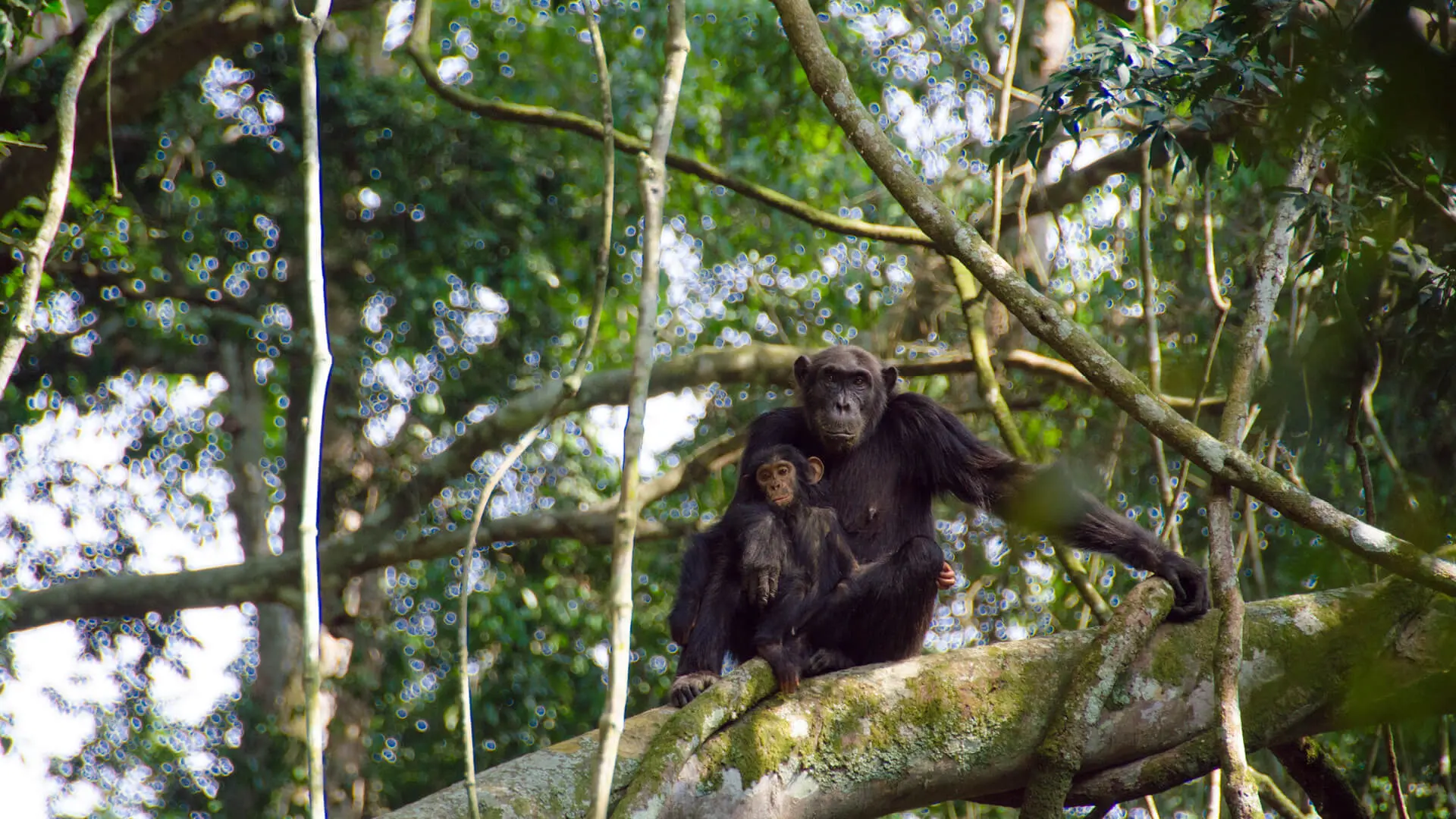
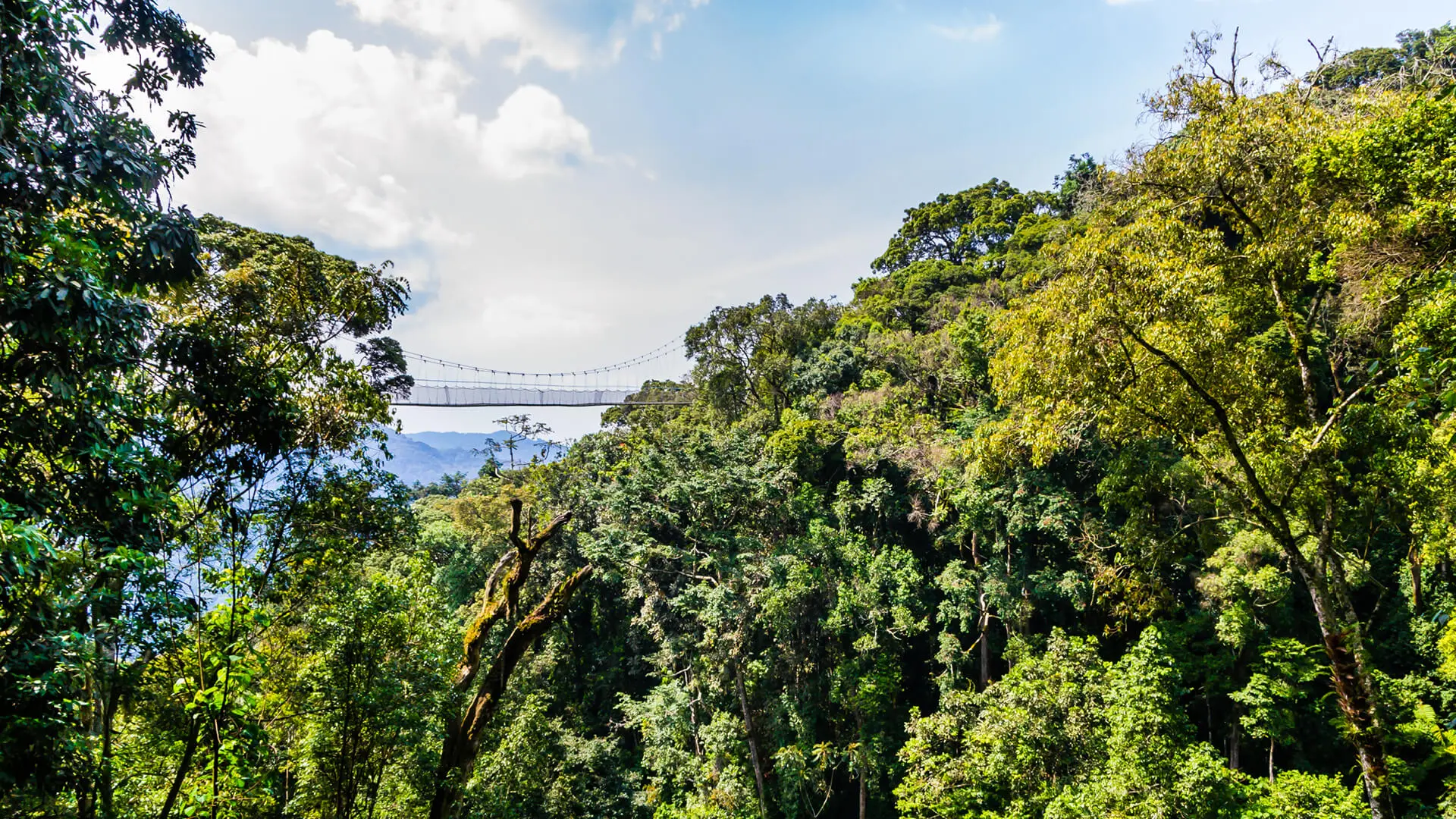
For chimpanzee tracking, opt for the rainy seasons of March to May and October to November, when fruiting trees are abundant and chimpanzees tend to stay closer together, making them easier to spot. The best place to see chimpanzees in Rwanda is Nyungwe Forest National Park, a vast montane rainforest in the southwest, home to one of Africa’s largest populations of eastern chimpanzees. You can also visit Gishwati-Mukura National Park, a smaller option where you can enjoy more intimate encounters in a less crowded setting. Rubondo Island National Park on the edge of Lake Victoria in Tanzania offers an alternative to chimpanzee tracking, with access to Rubondo Island Camp – the only camp on the island. Rubondo Island is a profound and soulful encounter, not a destination, but rather something that must be experienced to be understood.
Seasonal Overview
June – September
Why travel at this time:
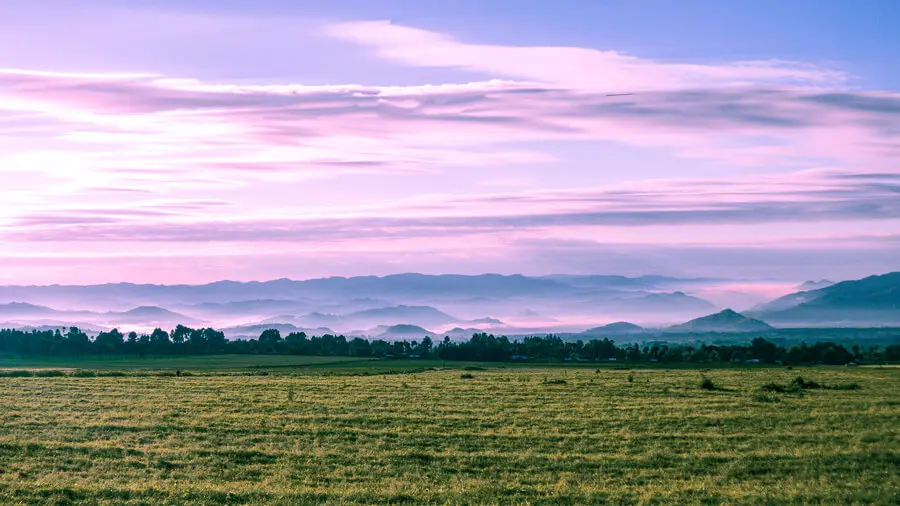
Between June and September, Rwanda offers an ideal climate for exploration. With pleasant temperatures and often light clouds covering the forests, this period is perfect for gorilla trekking and discovering the country’s lush national parks. The long dry season ensures navigable terrain, lower malaria risk, and breathtaking landscapes.
Highlights:
Prime gorilla viewing during this dry season.
Forest treks are made more accessible since the forests are dry.
Enjoy stunning landscapes with sunshine and thinner vegetation.
October – January
Why travel at this time:
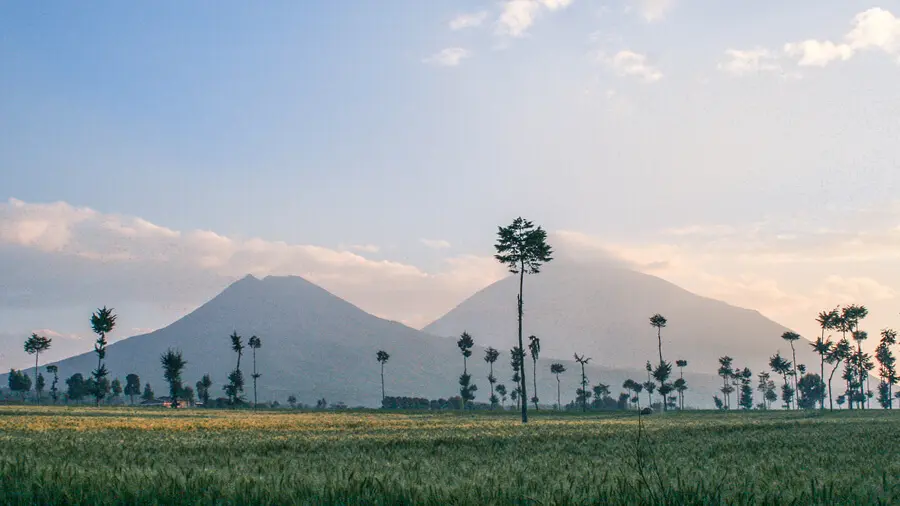
Rwanda offers a pleasant tropical highland climate. From October to November, a short rainy season with brief bursts of showers that quickly disappear prevails. If you are not opposed to muddy conditions, gorilla treks are still possible, though slightly more challenging. A brief dry season from December to February enables more accessible gorilla adventures.
Highlights:
Gorilla treks are still possible with fewer travellers from October to December, with bursts of sunshine appearing between short showers.
The climate is warm and dry again for January.
February – May
Why travel at this time:
February offers unforgettable gorilla visits due to the warm climate and sunshine. However, accommodation prices are typically higher during this dry season, and planning is necessary. February offers a captivating blend of gorilla trekking, lush rainforests, and cultural exploration. February to May marks the long rainy season, with heavy downpours.
Highlights:
February offers superb dry gorilla trekking conditions, although trekking is still possible throughout the rainy season.
May becomes a birdwatcher’s paradise as breeding season begins, and an array of colourful plumage goes on display.
Related reads

Rwanda
Rwanda is an incredible safari destination, not only for its once-in-a-lifetime Gorilla Trekking experience, but so much more.
Top Places To Visit In Rwanda
Rwanda’s attractions continue beyond rainforests and gorilla treks – here are a few more once-in-a-lifetime places to visit on a trip to Rwanda.
Contact our expert safari specialists to find out more, to help you plan you Rwanda safari, or to explore The Primate Edition from Asilia’s collection of Small Group Tours to combine the perfect gorilla and chimpanzee experience.