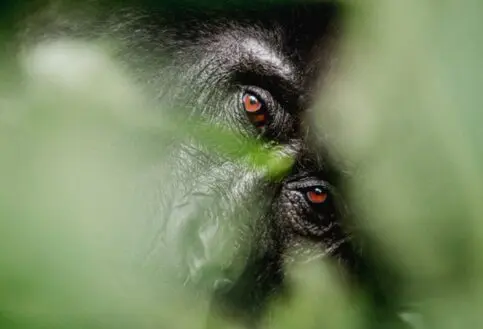
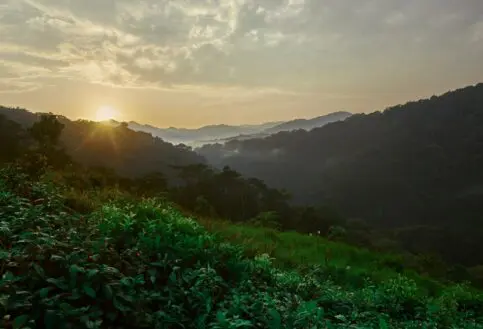
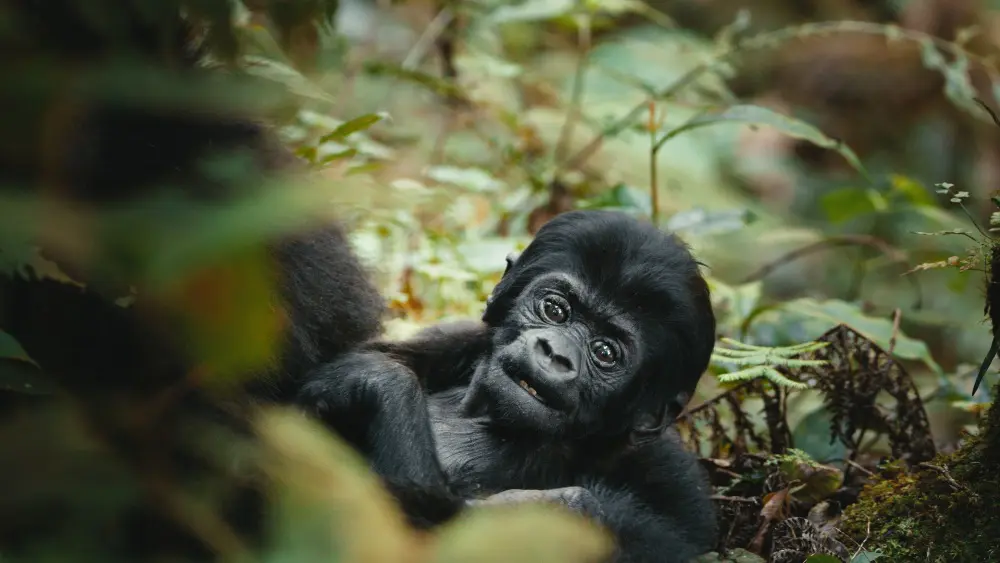
There is one experience almost everyone arrives at Erebero Hills already knowing about. Mountain gorillas.
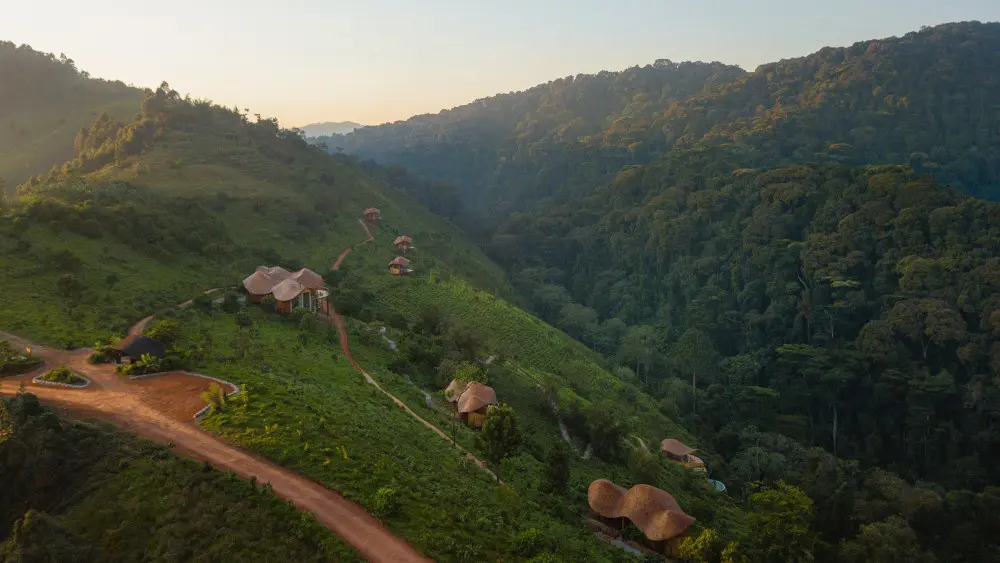
Bwindi Impenetrable Forest is home to almost half of the world’s remaining mountain gorillas, and spending time with a habituated family in the forest is understandably at the heart of most journeys here. However, once you return to Erebero Hills after your trek, with muddy boots at the door and a camera full of photographs, you may begin to realise that the gorillas are only part of the story.
There are other ways to experience Bwindi. Some take you deeper into the forest. Others introduce you to the people whose knowledge and history are intertwined with it. And some begin only a few steps from the lodge, revealing how the landscape surrounding Erebero Hills is being used to connect conservation, community and food. Stay curious, and there is much more to discover.
Follow the forest to the waterfalls
Behind the spa at Erebero Hills, a trail drops through the tea plantation towards the edge of Bwindi. Follow it far enough and you cross from the lodge landscape into Bwindi Impenetrable National Park itself. This is the Waterfalls Forest Hike – currently the only trail that allows you to walk directly from Erebero Hills into the national park.
The character of the walk changes as you go. The established lodge trail gives way to the more unruly terrain of the rainforest, where the path can become steep, bushy and slippery. This is not a manicured forest walkway, and that is part of its appeal.
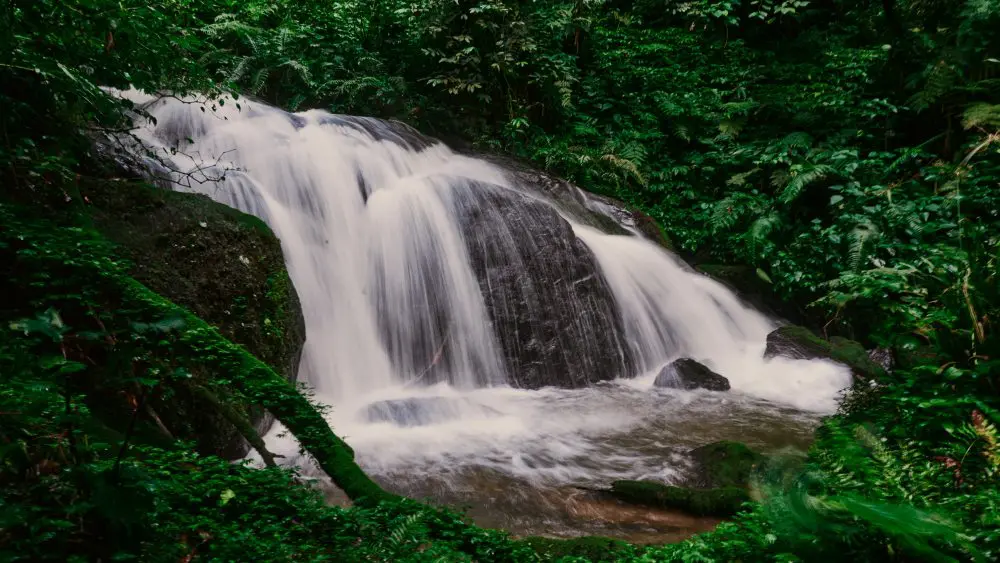
Look beyond your feet and there is plenty competing for your attention. Butterflies move between the vegetation, birds call from somewhere within the canopy and your guide can begin to unpack a forest that, at first glance, can feel impossibly dense. Eventually, the trail leads towards a series of small waterfalls cascading through three different levels of the forest. It’s a beautiful place to pause for a while, surrounded by the layered sounds of the forest.
Allow around three hours, perhaps four if you walk slowly or regularly find yourself stopping for birds. Whenever possible, a Batwa guide can also join the walk, bringing another perspective to the forest and generations of knowledge about the plants and landscape around you.
Walk the edge of Bwindi
Not every forest adventure needs to be a challenging one. The first section of the Waterfalls Forest Hike forms another experience entirely: the Erebero Hills Forest Edge Trail.
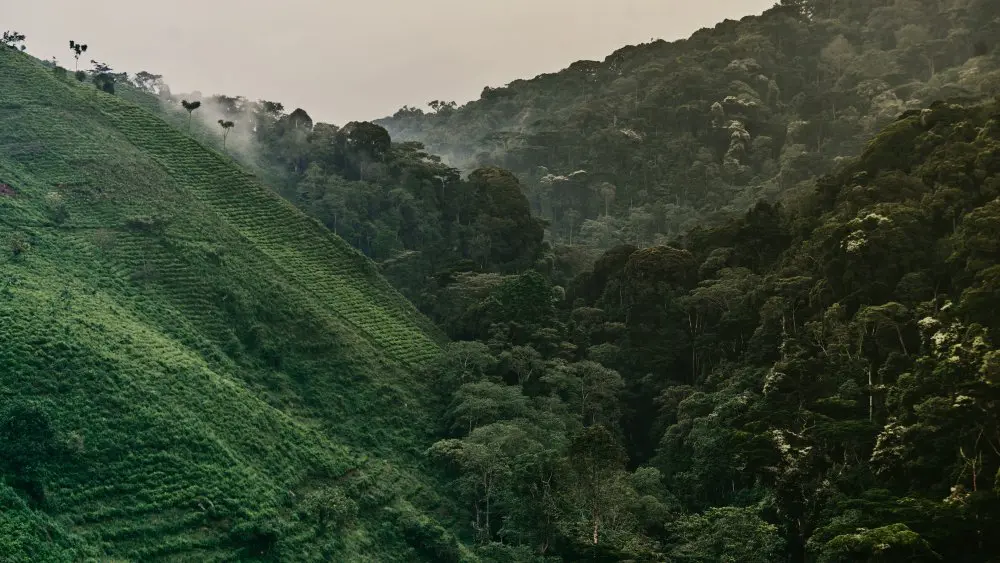
The walk begins behind the spa and follows the same winding trail down the hill through the tea plantations. On arrival at the forest boundary, the trail breaks to the left, tracing the park border. You remain outside the national park, but close enough to experience the sights, smells and sounds of Bwindi. There is no particular need to hurry. The walk generally takes around two hours, but it can be shortened for an easy morning wander or extended when a bird, butterfly or interesting plant provides a good enough reason to stop.
The path meanders through the developing reforestation landscape, which will eventually help extend the forest beyond the park boundary, before culminating at the swimming pool. If you’ve planned ahead and brought your swimming costume, few things will feel better than slipping into the pool at the end.
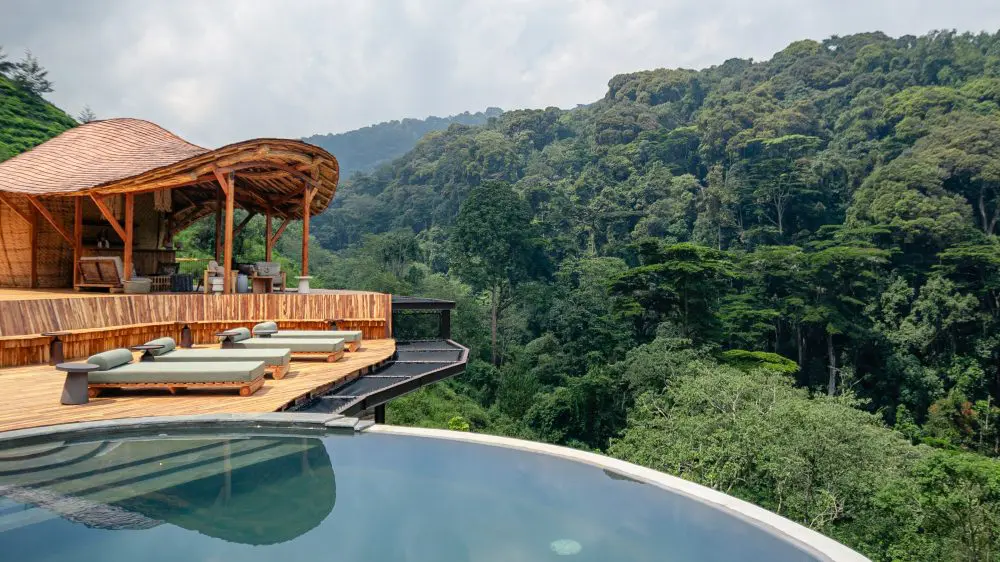
This walk offers a gentle opportunity to spend time outside and begin noticing the smaller details of this remarkably biodiverse landscape. For guests who have already spent a demanding morning gorilla trekking, it can also be exactly the kind of afternoon that is needed to help ease stiff muscles.
Learn to see the forest differently
For generations, the Batwa lived within the forests of Bwindi as hunter-gatherers, developing an intimate understanding of the plants, animals and resources around them. Today, spend time with members of the Batwa community for an opportunity to experience some of that knowledge that has been passed down through the generations.
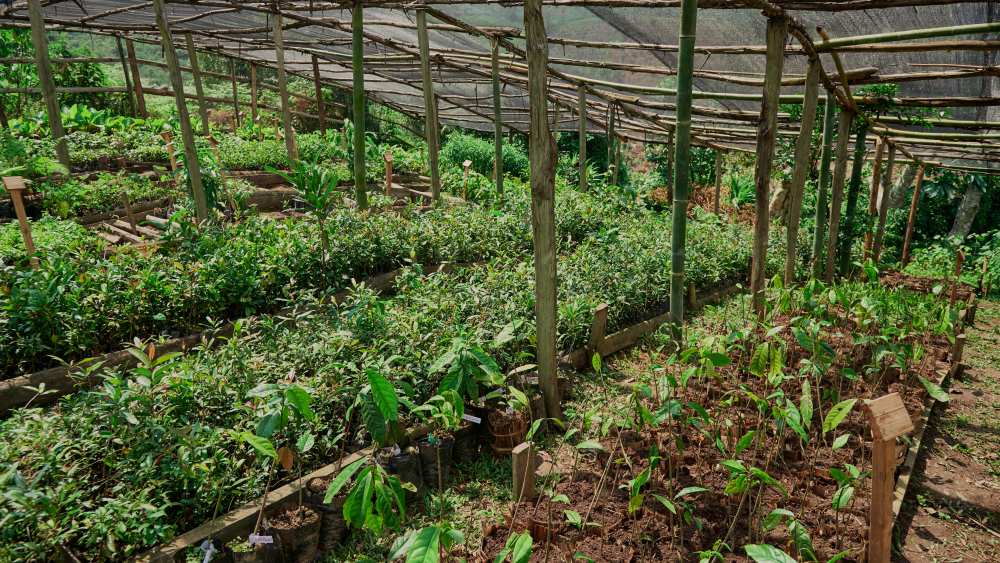
The excursion begins at the community nursery, where conservation and community projects are helping to grow plants and tree species with a connection to traditional Batwa knowledge. This is a crucially important element for the Batwa community, as many of the plants used in traditional practices can only be found within the forest. The nursery provides somewhere for these culturally important plants and trees to be cultivated outside the national park.
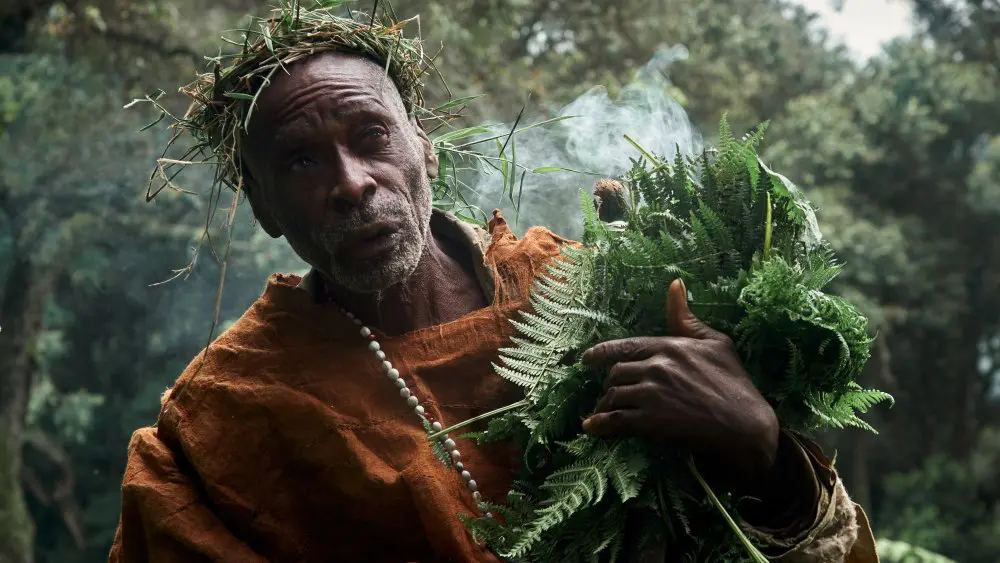
Many of the saplings grown here have been replanted as part of the reforestation project, helping to restore the Batwa community’s connection to a living, accessible forest while ensuring traditional knowledge can be shared with younger generations. As you explore the nursery with your guide, discover how particular plants are used to treat various ailments, and how some of this knowledge is also known by Bwindi’s gorilla families.
From here, a Batwa guide leads you through demonstrations of skills once used in everyday forest life. You might learn how fire was made using just a couple of pieces of wood, and how that fire was then carried amongst a smoking mass of green foliage intended to keep biting flies and mosquitoes at bay. Watch as simple hunting traps are constructed or witness a display of bow and arrow skills. Traditional singing and dancing bring the experience to a close.
But this is more than a demonstration of how life once was. The experience is interactive, personal and unhurried, creating an important link between past and future, and offering guests a different understanding of Bwindi in the process. The activity generally lasts between two and three hours, making it a gentle afternoon activity following a gorilla trek, or a morning excursion before a relaxed day at Erebero Hills.
Journey deeper into the Impenetrable Forest
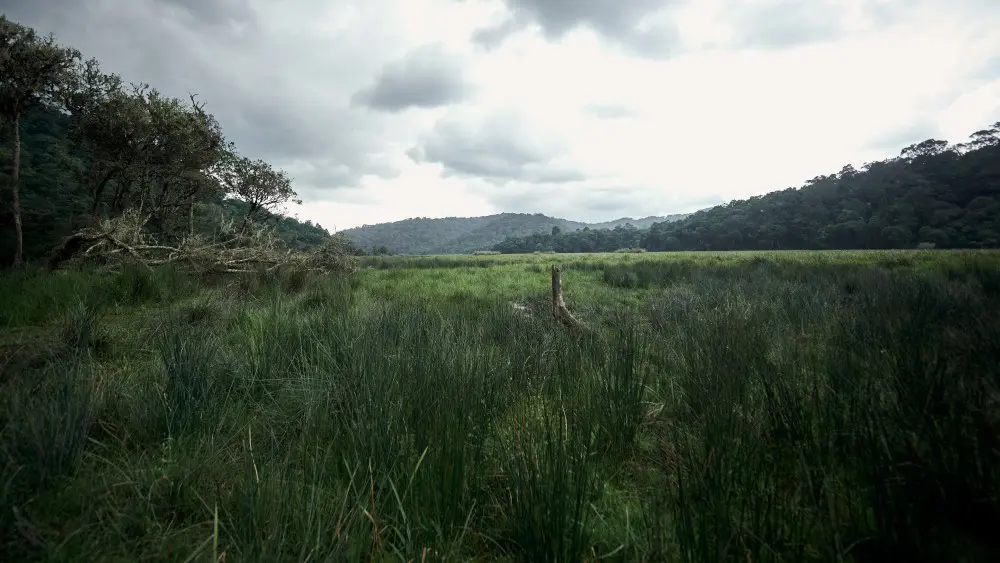
Beginning at Ruhija, the Mubwindi Swamp Forest Walk follows approximately 14 kilometres of trail through pristine rainforest towards a secluded swamp hidden within Bwindi. This is a serious walk. Depending on your pace, how frequently you stop and, most importantly, how easily you can walk past an interesting bird, it can take anywhere from five hours to a full day.
For keen birders, there is a name that can inspire almost as much excitement as the gorillas. The African Green Broadbill. The damp Mubwindi Swamp area is one of its most important habitats, making this an attractive venture for birders willing to put in the hard work required to reach it.
Bwindi Impenetrable Forest National Park is internationally recognised for its birdlife, particularly the Albertine Rift endemics found within this part of Uganda. The Mubwindi Swamp adds another layer to this birding experience through the unique high-altitude wetland environment it offers. A specialist bird guide can be arranged for guests who want to make the most of the experience, transforming the journey into a slow exploration of calls, movement and flashes of colour within the forest.
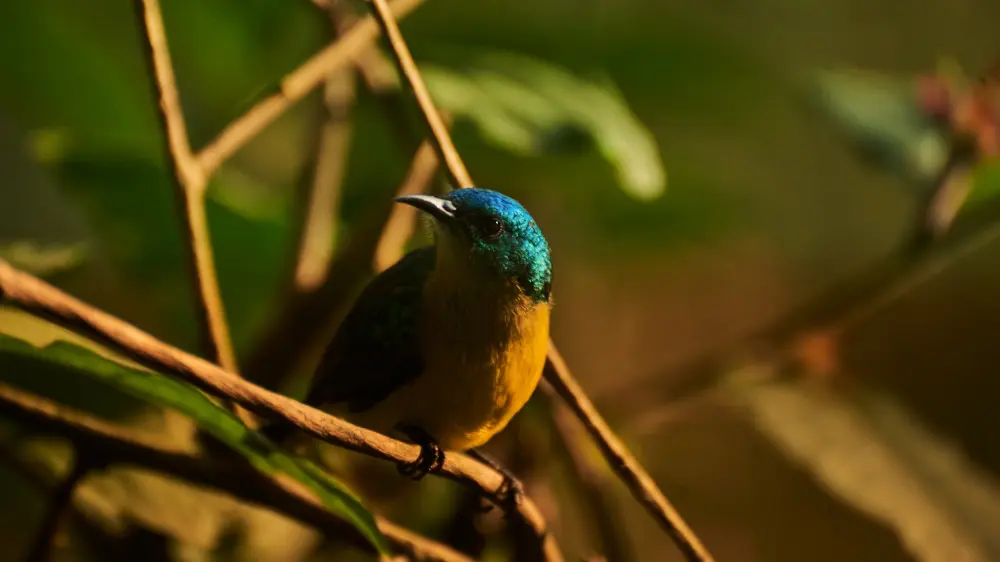
Time spent beneath Bwindi’s canopy has its own reward. Away from the rhythms of daily life, there is the space to slow down, listen and become absorbed in the forest around you. This excursion is by no means reserved exclusively for birders but will be enjoyed by anyone looking for a deeper connection to Bwindi or an excuse to experience another day beneath its canopy.
Where arrangements allow, Batwa can accompany the walk too. Their knowledge adds another layer entirely, with insights into medicinal plants, traditional fire making and hunting practices revealing a forest understood not simply as wilderness, but as a place that once provided everything needed for daily life.
Whether or not you begin the walk looking for a bird, you are likely to return having discovered considerably more.
See where sustainability takes root
Not every Erebero Hills experience requires walking into Bwindi. Some begin right outside your room. The landscape surrounding the lodge is part of a much bigger story about the relationship between tourism, food production, conservation and the communities living around the forest.
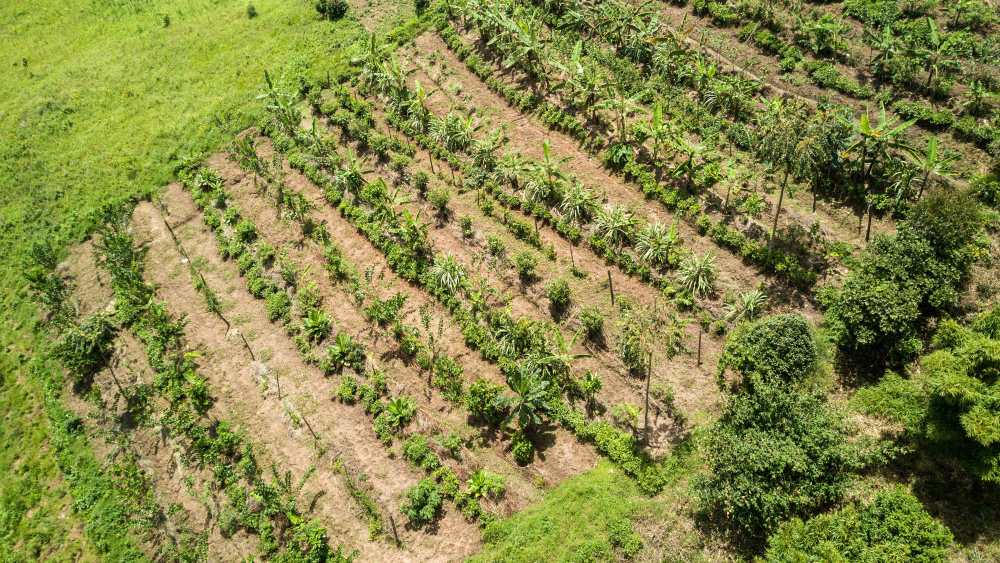
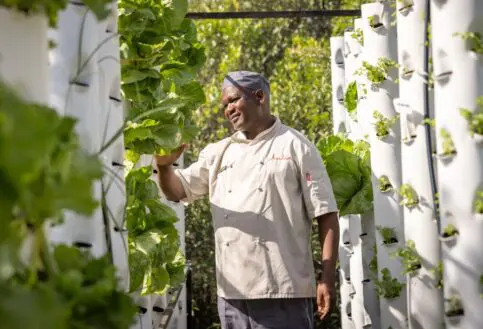
The Roots of Sustainability Tour offers a look behind the scenes. Walk through the living landscape surrounding Erebero Hills and you will encounter fruit trees, herbs and vegetables grown by local farmers. The Syntropic Farm uses regenerative farming techniques designed to restore the health of the land while producing fresh ingredients for the lodge and creating opportunities for local community members to develop practical agricultural skills.
Visit the tree nursery and learn how indigenous trees are being propagated to support the restoration of natural habitat in close partnership with the local Batwa community. Step inside the mushroom farm and discover where some of the ingredients destined for the lodge kitchen begin their journey. Informative signboards throughout the grounds of Erebero Hills allow you to explore these initiatives at your own pace, or you can walk with an Asilia guide who can add another layer of insight and context.
Individually, these may seem like small things. Together, they reveal how Erebero Hills connects what happens within the lodge to the landscape beyond it, supporting livelihoods, growing food locally and helping restore habitat around one of Africa’s most important forests. It also means that the herbs or mushrooms you notice during the walk may appear again later, this time on your plate.
Stay for the forest
There is a reason gorilla trekking dominates conversations about Bwindi. Few wildlife experiences compare with standing quietly in the rainforest while a mountain gorilla feeds only metres away. But the forest does not stop revealing itself when the gorilla trek ends.
Slow down and birds, butterflies and plants begin to emerge from what initially seemed an impenetrable wall of green. Spend time with the Batwa and the forest becomes a place of history, knowledge and culture. Explore the landscape surrounding Erebero Hills and you begin to see the connections between conservation, communities and the food arriving at the table each day.
The gorillas may be what bring you to Bwindi. Give yourself enough time, and everything around them may become just as much a part of the story.