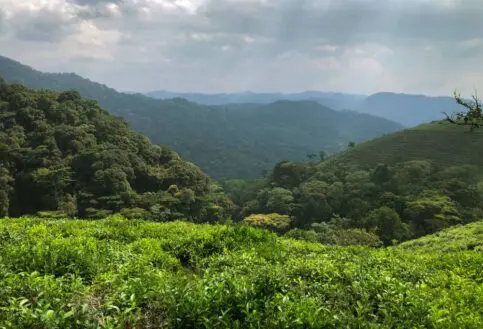
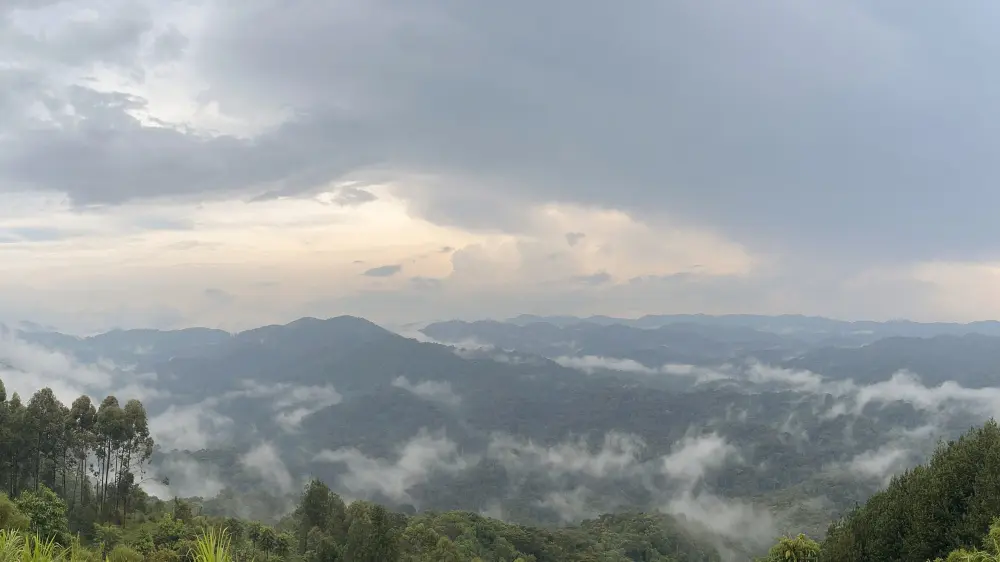
Every morning at Erebero Hills begins with a sense of anticipation. As the mist slowly lifts from the hillsides of Bwindi Impenetrable National Park, guests set off on the short journey to the Ruhija Ranger Headquarters.
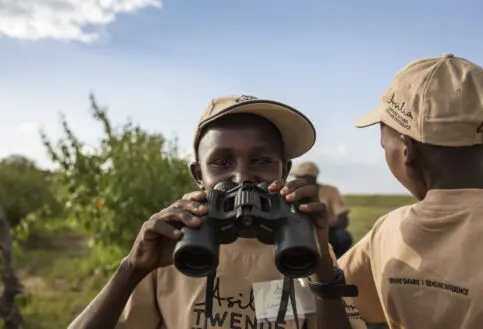
Here, trekking groups gather, guides introduce the day ahead, permits are assigned and walking sticks selected before everyone disappears into one of Africa’s oldest forests. For many first-time visitors, the excitement lies in the thought of seeing mountain gorillas in the wild. But experienced guides know something different. You are not simply searching for gorillas. You are setting out to meet a family. That distinction changes everything.
Mountain gorillas are among our closest living relatives, sharing around 98% of our DNA. Every silverback leads differently. Every youngster learns differently. Every family develops its own rhythm. Like us, they live in close-knit family groups with distinct personalities, changing relationships and stories that unfold over generations. For guests staying at Erebero Hills, that story begins in Ruhija.
Why Ruhija?
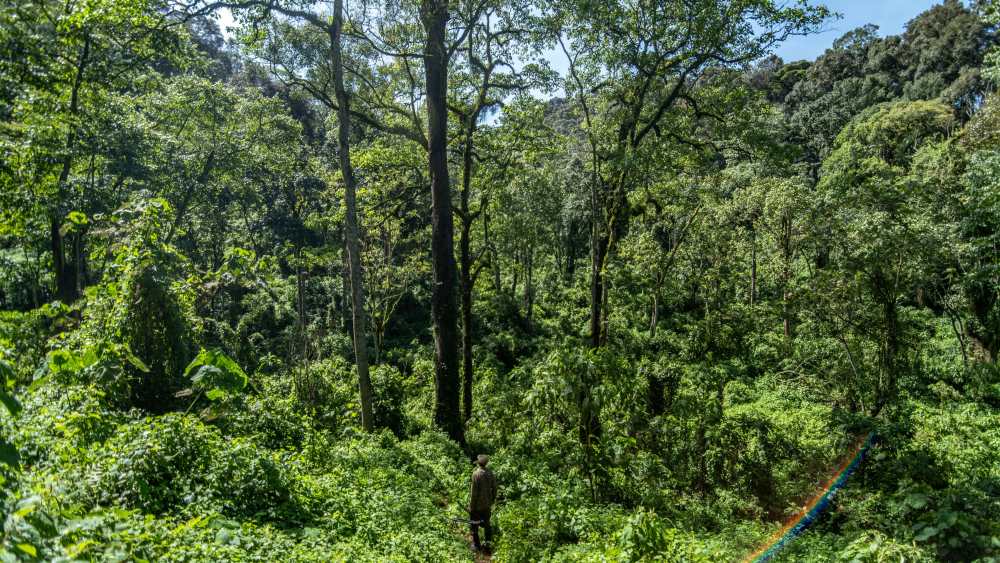
Bwindi Impenetrable National Park is divided into four trekking sectors – Buhoma, Ruhija, Rushaga and Nkuringo – each offering a unique perspective of this remarkable forest. Erebero Hills sits just minutes from the Ruhija Ranger Headquarters, making it the perfect base for exploring one of the quieter corners of Bwindi.
Perched high on the eastern ridge of the forest, Ruhija offers a different atmosphere to some of the park’s busier trekking sectors. The air is cooler, the montane forest often cloaked in drifting mist, and the ridges rise and fall beneath towering trees draped in moss and lichens. Birdlife is exceptional, with many Albertine Rift endemics found here, while the relative tranquillity of the area allows the forest itself to take centre stage.
Rather than crowds gathering at the trailhead, there is a sense of space. Guides and trackers know these forests intimately, reading subtle signs left during the night to determine where each family has travelled before leading guests into the undergrowth. The trek itself becomes part of the story, an experience that feels wonderfully unhurried.
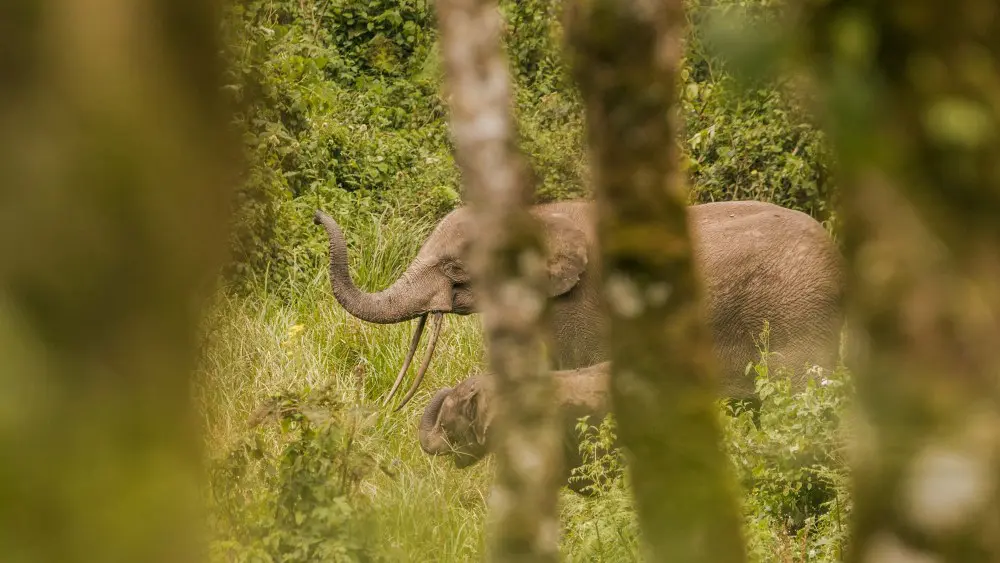
Some mornings may involve a gentle walk beneath the canopy. Others require climbing steep ridges or descending into densely vegetated valleys. Every day is different because the gorillas themselves decide where the journey leads. And whichever path you follow, it ends with a family.
More Than a Group of Gorillas
Mountain gorillas live in stable family groups centred around a dominant silverback. He provides leadership and protection, guiding the family to feeding areas, mediating disputes and defending the group when necessary. Around him are adult females, curious juveniles, energetic infants and younger males known as blackbacks, each playing their own role within the family.
Over time, these groups develop their own identities. Some are peaceful and remarkably tolerant. Others are energetic and playful. Some carry decades of conservation history, while others continue to grow through new births and changing leadership. These personalities are what make every trek unique. Among the families that call Ruhija home, each tells a different story.
Kyaguriro – The Researchers
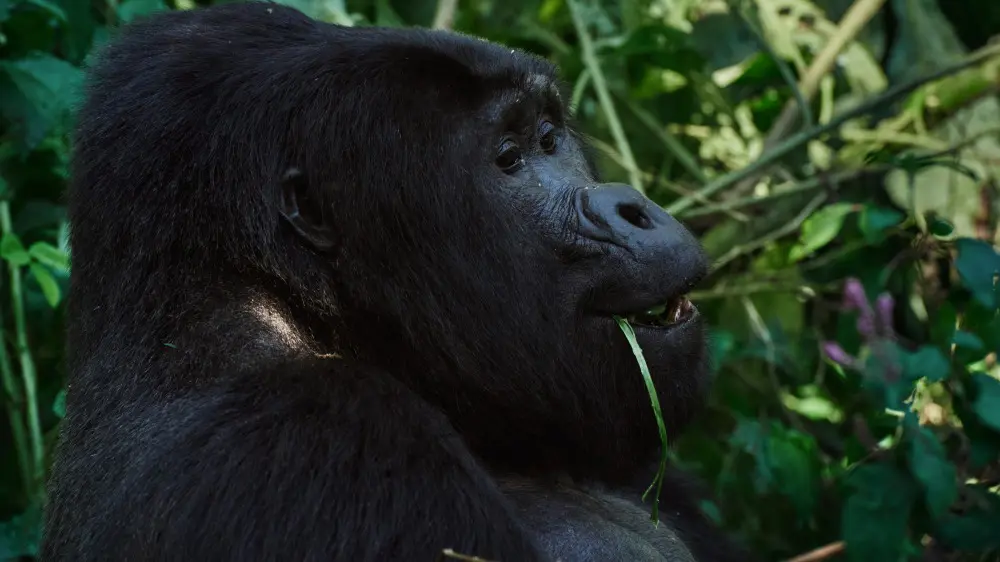
Some gorilla families are remembered for their personalities. Kyaguriro is remembered for its contribution to conservation. As one of the oldest habituated families in Ruhija, it has played an invaluable role in helping researchers understand mountain gorilla behaviour. For decades, scientists have observed the family, documenting births, leadership changes, social interactions and the complex dynamics that shape gorilla society.
Today, the original family exists as two groups. Kyaguriro A is visited by trekkers, while Kyaguriro B remains dedicated to scientific research. Its story is one of continuity. Successive silverbacks have led the family through periods of growth, division and renewal, creating one of the most closely documented gorilla lineages in Bwindi. Meeting Kyaguriro is to step into the living history of mountain gorilla conservation.
Mukiza – Strong and Structured
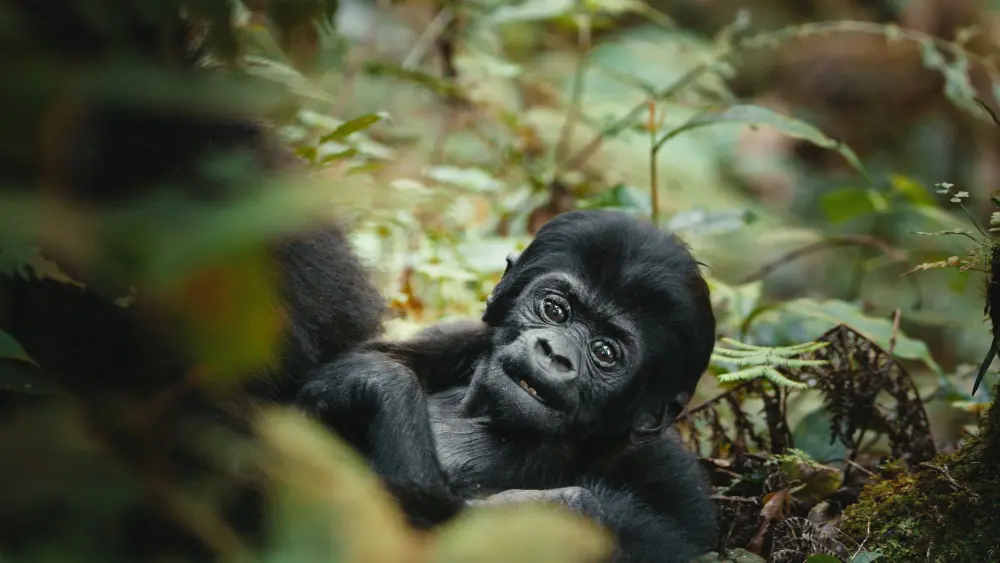
The Mukiza family represents the ever-changing nature of gorilla society. Originally formed when it separated from Kyaguriro, the group has steadily expanded through new births, becoming the largest habituated family in Ruhija. Its strength lies not only in numbers but in the stability of its leadership.
Named after the silverback Mukiza, the family has grown into a thriving, multi-generational group where infants, juveniles and adults coexist beneath the careful guidance of an experienced leader. Watching the family interact reveals the complexity of gorilla life. Youngsters wrestle beneath the canopy while mothers patiently forage nearby. Older siblings keep a watchful eye on the youngest members, and the silverback remains quietly aware of everything happening around him. There is an unmistakable sense of order. It is easy to see why Mukiza has become one of Ruhija’s defining families.
Bitukura – The Gentle Diplomats
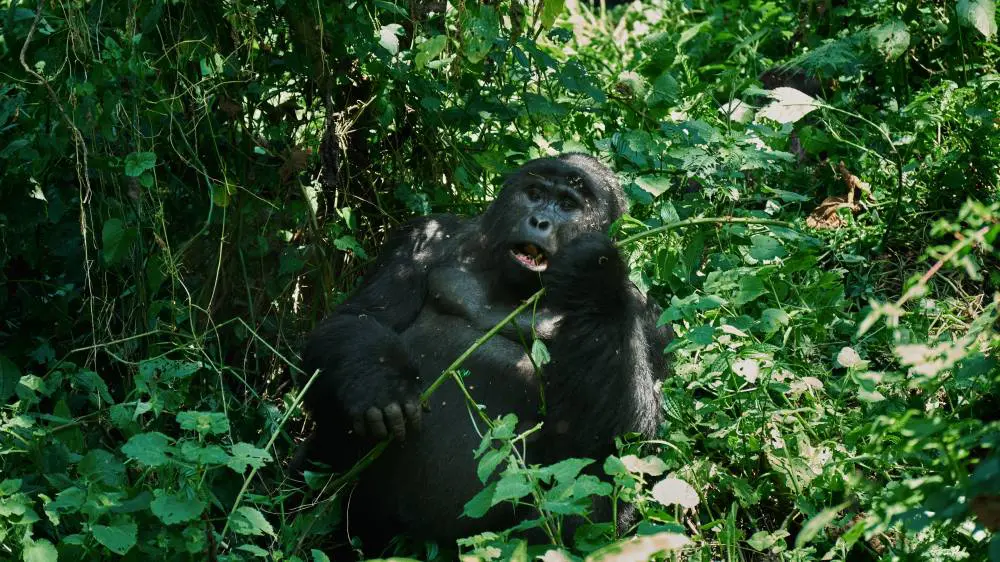
Among mountain gorillas, harmony between multiple silverbacks is uncommon. That is precisely what makes Bitukura so remarkable. Often described by guides as one of Ruhija’s calmest families, Bitukura is known for the peaceful coexistence of several adult males. Rather than constant displays of dominance, visitors frequently witness quiet interactions, shared feeding areas and moments of gentle grooming beneath the forest canopy.
It is this relaxed nature that has made the family a favourite among photographers. Instead of dramatic movement, the rewards often lie in subtle moments – a reassuring touch between family members, juveniles playing nearby or the quiet confidence of silverback Ndahura as he surveys his surroundings. Following the birth of a new infant in 2025, Bitukura continues to grow, reminding visitors that even the most established families are constantly evolving.
Oruzogo – The Playful Entertainers
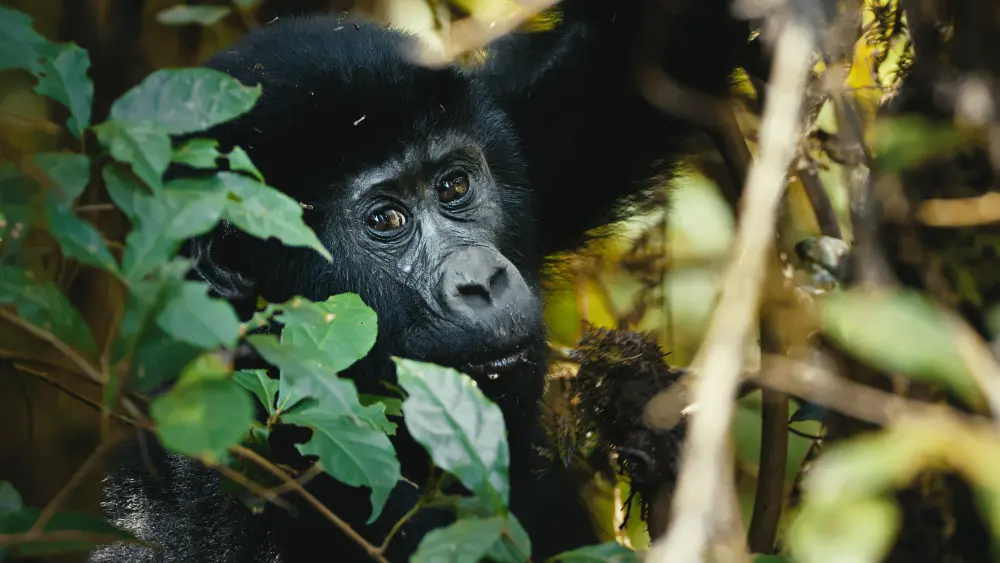
If one family captures the joyful spirit of Bwindi, it is Oruzogo. Life here is wonderfully unpredictable. Young gorillas tumble over fallen logs, chase one another through the undergrowth and swing effortlessly from low branches, their curiosity seemingly endless. For many guests, it is these playful interactions that become the most enduring memory of their trek.
The family is led by silverbacks Byegye and Kaganga, together with the blackback Rukija, each contributing to the rhythm and stability of the group. Byegye, whose name fittingly means ‘Journey’, is also a devoted father, and his growing family reflects the continued success of gorilla conservation in Bwindi. While the youngsters provide endless entertainment, they are also learning. Every game, every climb and every playful wrestling match helps prepare them for life within the family they will one day help shape.
A Story That Continues Long After You Leave
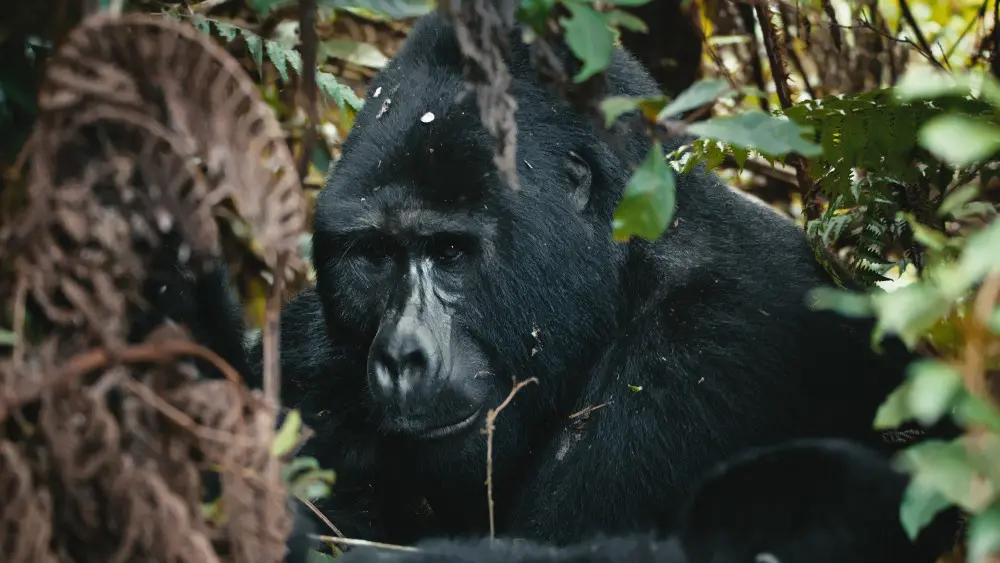
One of the remarkable aspects of gorilla trekking is that every encounter is entirely unscripted. You never know how long the walk will be, where the family will be feeding or what behaviour you might witness during your precious hour together. A silverback may emerge silently through the foliage before settling just metres away. An infant might investigate a nearby branch with endless fascination. A mother may gently gather her young before continuing deeper into the forest. These are not performances. They are fleeting glimpses into lives that continue long after you have returned to camp.
By the end of your stay at Erebero Hills, you may find yourself remembering more than simply seeing mountain gorillas, as they will now be so much more than just mountain gorillas. They are families whose stories continue to unfold within the ancient forests of Bwindi – and, for one unforgettable hour, you were invited to become a small part of that story.
This is your invitation, come meet the families of Ruhija.