Discover the Top 5 Reserves Where Lion Reign Supreme
Few wildlife encounters capture the imagination like witnessing the mighty African lion in its natural habitat. The unmistakable silhouette of a male’s mane against a fiery orange sunset, the heart-stopping sound of a roar echoing across the savannah, or the breathtaking sight of a pride in the hunt – these moments are arguably the most iconic of any safari experience.
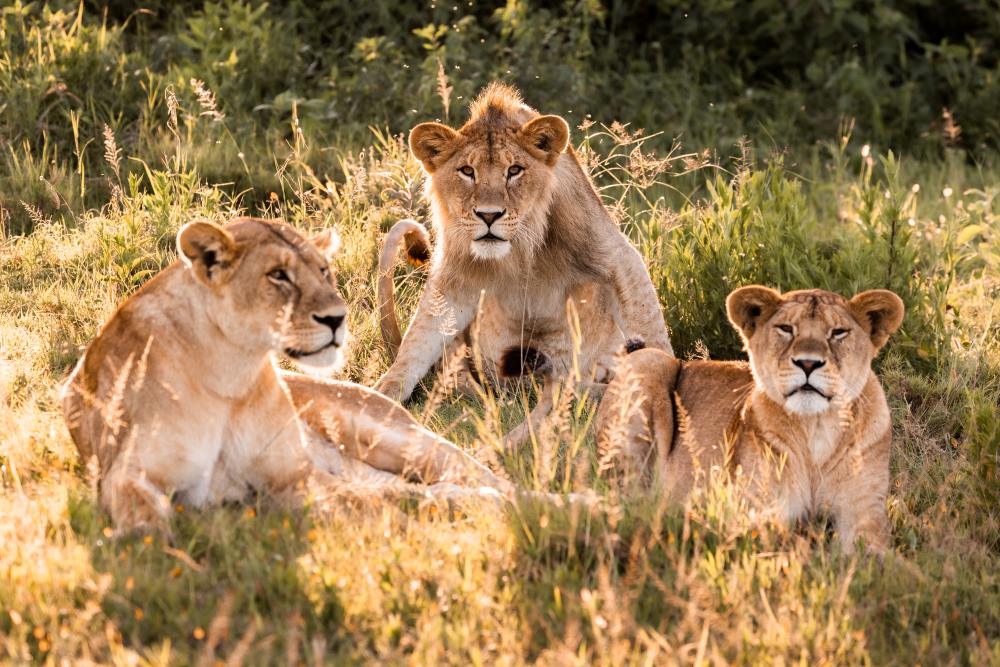
While lion can be found across several African countries including South Africa, Botswana, Namibia and Zimbabwe, East Africa stands out as the ultimate destination for lion enthusiasts. The region offers vast protected areas, abundant prey, and decades of conservation efforts, making lion sightings fairly reliable.
Whether you’re a first-time safari-goer or a seasoned wildlife photographer, here are the five best reserves to visit for unforgettable lion encounters in East Africa.
Top 5 Reserves for Seeing Lion in East Africa
Serengeti National Park, Tanzania
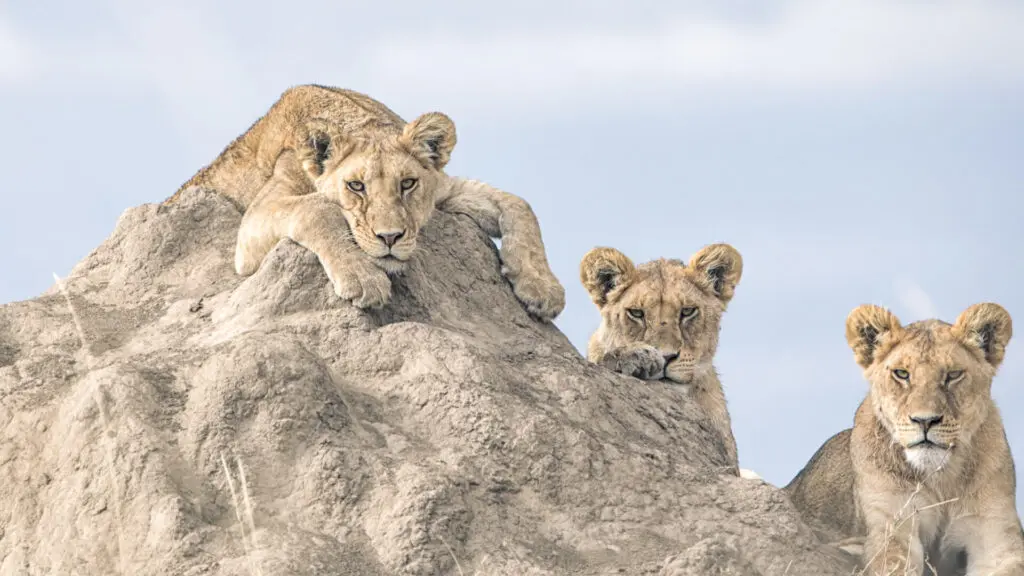
The legendary Serengeti needs little introduction. Home to an estimated 3,000-4,000 lion, one of the largest populations in Africa, this iconic ecosystem offers unparalleled opportunities to witness the prides of the savannah.
Why it’s great for lion:
The Serengeti’s vast plains provide ideal hunting grounds for lion, while the Wildebeest Migration provides an endless buffet of prey. The park is home to several famous prides, including remarkable ‘super prides’ which can number over 30 individuals. The Serengeti Lion Project, one of the longest-running wildlife research initiatives in Africa, has studied these magnificent cats here since the 1960s.
What makes it unique:
The Serengeti covers over 14,750 square kilometers, and its endless plains allow lion to display their natural behaviors against a backdrop of varying landscape. The Wildebeest Migration sees prides positioning themselves strategically to maximise their chances.
Best time to visit:
Lion viewing in the Serengeti is exceptional year-round. Of course, following the migration route can greatly increase your chances of seeing dramatic sightings. The southern plains around Ndutu are great between December and March when prides try to make the most of the calving season and the vulnerable newborns.
Lion pursue excellent hunting conditions in the Western Corridor between April and June, and in the Northern Serengeti between July and October. The central Seronera area provides reliable year-round sightings.
Other highlights:
Beyond lion, the Serengeti delivers the complete safari package – cheetah sprinting across the plains, leopard lounging in trees, massive herds of elephant, and over 500 bird species.
Masai Mara National Reserve, Kenya

The Serengeti ecosystem extends into Kenya where it’s known as the Masai Mara, creating the country’s premier lion viewing destination. This relatively compact reserve is home to approximately 850-900 lion.
Why it’s great for lion:
The open grasslands of the Masai Mara are the ideal habitat for lion, and visitors can make the most of the excellent visibility. The reserve’s famous prides, including the Marsh Pride (made famous by BBC’s Big Cat Diary), have been observed for generations, creating a fascinating record of lion behaviour and social dynamics. Many lion here are well-habituated to vehicles, allowing for excellent close-up sightings without disturbing their natural behaviours.
What makes it unique:
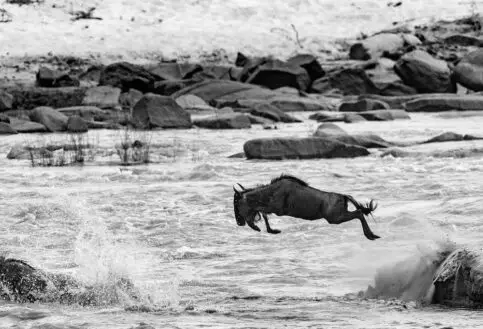
The Mara offers the quintessential safari landscape with golden grasses, flat-topped acacias, and dramatic skies. The arrival of the herds of the Great Migration provides spectacular hunting opportunities, particularly at river crossing points.
Best time to visit:
The dry season (June to October) coincides with the Great Migration’s presence in the Mara, creating a concentration of prey that draws lion into these open areas. Dawn and dusk game drives offer the best chances to witness hunting behaviour, while midday typically sees the prides resting in the shade.
Other highlights:
The Mara offers excellent chances to see all three big cats (lion, leopard, and cheetah), along with elephant and buffalo. The area’s rich Maasai cultural heritage adds another dimension to the experience.
Ngorongoro Crater, Tanzania
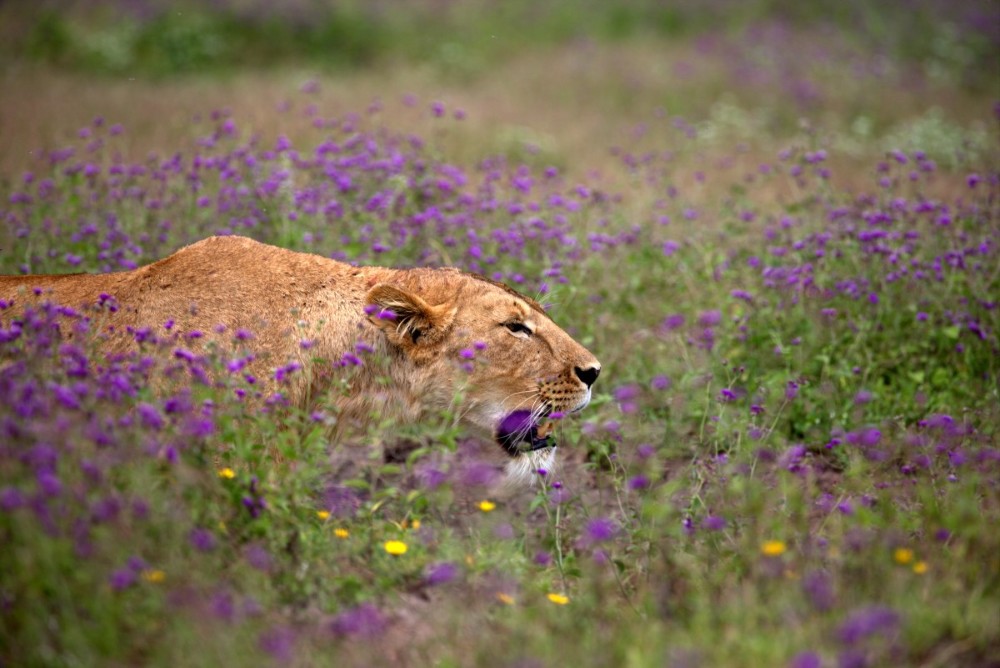
A UNESCO World Heritage Site, the Ngorongoro Crater offers perhaps the most unique lion viewing experience in Africa, with big cats inhabiting the floor of an ancient volcanic caldera.
Why it’s great for lion:
The Ngorongoro Crater hosts what may be the highest density of lion on the planet within its confined 260 square kilometer floor. The enclosed nature of the Crater creates a natural ‘lion bowl’ where sightings are almost guaranteed. These lion are extremely habituated to vehicles, often hunting or resting in plain view.
What makes it unique:
The Crater’s dramatic setting – a perfect circular caldera surrounded by 600-meter-high walls – creates a microclimate and ecosystem unlike anywhere else. The relatively small area makes spotting the Big 5 possible in a single day. The Crater’s isolation once led to concerning inbreeding issues, but conservation work by organisations like KopeLion is helping improve genetic connectivity with surrounding populations.
Best time to visit:
The Crater floor has many permanent water sources, making it an excellent year-round destination for lion viewing. However, the dry season (June – October) concentrates wildlife around these water sources, making the animals easier to find.
Other highlights:
The Crater is one of the best places in East Africa to see endangered black rhino, along with large elephant bulls sporting impressive tusks, dense hippo pools, and seasonal flamingo populations remaining in Africa.
Queen Elizabeth National Park, Uganda

While Uganda is primarily known for its primates, Queen Elizabeth National Park offers a lion viewing experience that can’t be found elsewhere in East Africa.
Why it’s great for lion:
The park’s Ishasha sector is famous for tree-climbing lion – one of only two populations in Africa that regularly displays this unusual behaviour (the other being Lake Manyara in Tanzania, though sightings there have become increasingly rare). Finding a pride of lion lounging in the branches of a massive fig tree is an unforgettable safari moment.
What makes it unique:
Seeing adult lion perched several meters above the ground is a behaviour rarely observed elsewhere. While theories abound (escaping biting insects, catching cooling breezes, or gaining better vantage points for hunting) witnessing this adaptation firsthand is remarkable. The park hosts approximately 100 lion, with several prides exhibiting this tree-climbing behaviour.
Best time to visit:
The dry seasons (June-August and December-February) offer the best game viewing conditions. Lion typically climb trees during the heat of the day (late morning to early afternoon), making midday game drives more productive than in other parks.
Other highlights:
Boat cruises along the Kazinga Channel reveal enormous concentrations of hippo and crocodile, while nearby Kyambura Gorge offers chimpanzee tracking. The park’s diverse habitats support everything from forest elephant to giant forest hog.
Tarangire National Park
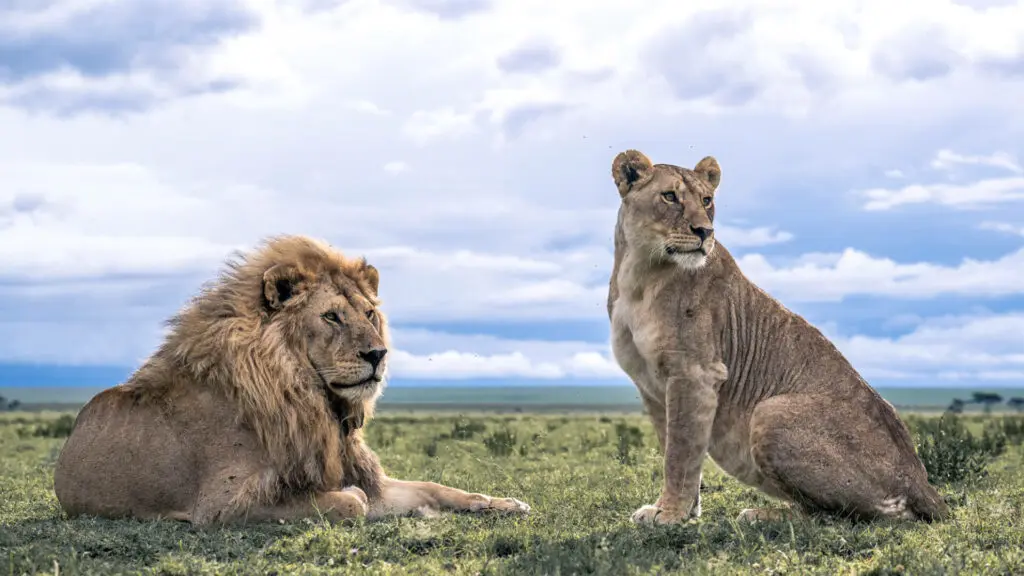
Often overlooked in favour of its more famous northern circuit neighbours, Tarangire National Park delivers exceptional lion viewing during the dry season in a uniquely beautiful landscape.
Why it’s great for lion:
Tarangire’s lion have adapted perfectly to the park’s seasonal rhythms. During the dry months, prey animals congregate along the Tarangire River, drawing lion prides into areas with excellent visibility. Lion are frequently spotted resting beneath the park’s iconic baobab trees or stalking through the tall elephant grass.
What makes it unique:
Tarangire’s distinctive landscape, dotted with ancient baobabs, massive termite mounds, and ribbon-like swamps, creates a different aesthetic from the classic savannah. The park feels wilder and less visited than the Serengeti, offering a more intimate safari experience with its 600+ lion.
Other highlights:
The park hosts some of the largest elephant herds in Africa, with concentrations of up to 300 individuals during the dry season. Leopard and cheetah, though less common than in the Serengeti, are present. Birdwatchers can spot over 550 species, including the endemic, yellow-collared lovebird.
Choosing Where to Visit
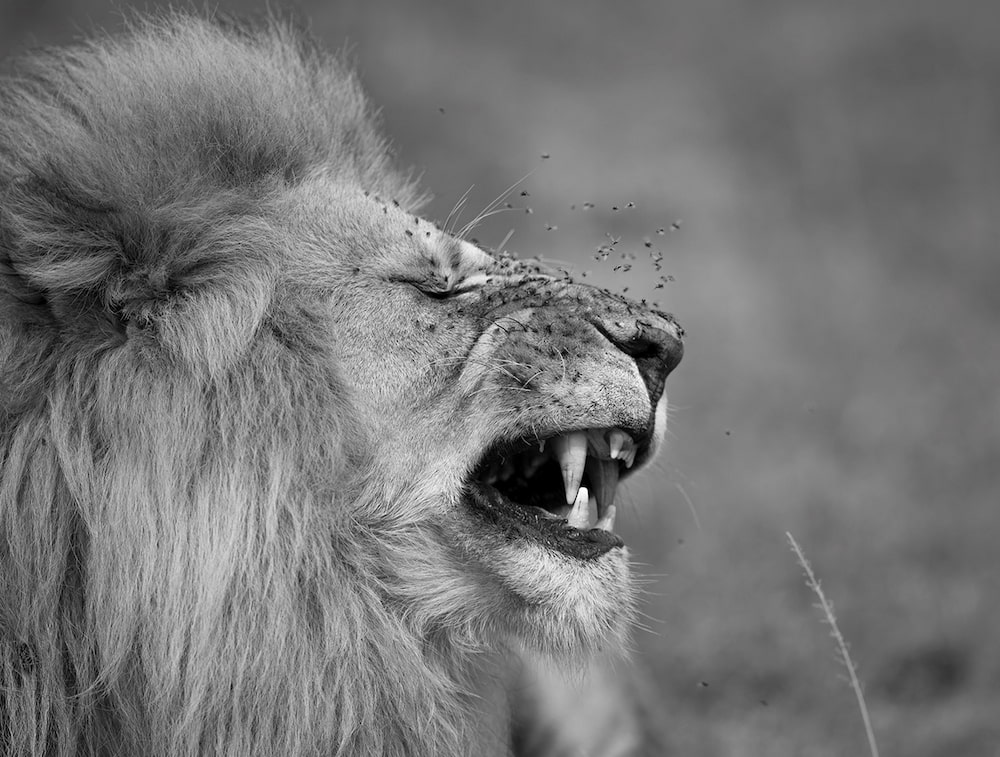
When planning your lion safari, consider factors beyond just lion populations. Your budget, available time, desired safari style (luxury lodges vs mobile camping), and interest in other wildlife will all influence your ideal destination.
The timing of your visit significantly impacts your experience. The dry season (June – October) generally offers the most reliable sightings across East Africa, as predators concentrate around limited water sources. However, the green season (November – May) brings lush landscapes, fewer crowds, and often lower rates.
It’s also worth considering the conservation impact of your visit. Lion face numerous threats across their range, including habitat loss, poaching, human-wildlife conflict, and disease. Responsible tourism provides crucial funding for protected areas and creates economic incentives for communities to coexist with wildlife. By choosing operators committed to conservation, your safari directly contributes to securing a future for Africa’s lion.
Our Suggested Itineraries to See Lion in Africa
The Ultimate Lion Safari: Serengeti and Mara
A 10-day itinerary that combines two of the most lion-rich ecosystems in Africa. Beginning in Tanzania’s Serengeti (staying at Namiri Plains, located in an area with one of the highest big cat densities in the park), you’ll then cross the border to Kenya’s Masai Mara (at Rekero Camp, positioned in prime hunting grounds along the Talek River). This journey will offer you an unparalleled opportunity to witness different lion prides and behaviours across a single, vast ecosystem.
Perfect for: Wildlife photographers and big cat enthusiasts seeking maximum lion encounters.
East African Lion and Landscapes
A comprehensive 14-day journey visiting four distinctive ecosystems, each offering unique lion viewing opportunities. Beginning in Tanzania’s Tarangire National Park (Oliver’s Camp), you’ll continue to Ngorongoro Crater (The Highlands), before exploring the eastern and central Serengeti (Namiri Plains and Dunia Camp). Conclude in Kenya’s Masai Mara (Rekero Camp), providing a complete survey of East Africa’s lion populations and behaviours.
Perfect for: First-time safari-goers who want to combine premier lion viewing with diverse landscape and cultural experiences.
For more inspiration to whet your appetite, check out the itinerary finder to find the ideal trip for you or get some inspiration to begin planning your dream adventure. Whatever your dream itinerary is, remember to make it All Asilia – book 7 or more consecutive nights at all Asilia camps, and we’ll pick up the tab for all inter-camp transfers.
Are you ready to begin planning your incredible lion safari? Need to chat to someone for some expert advice? Contact our team of safari experts!
Not quite ready yet, but want to stay in touch? Sign up for our newsletter to get all the latest news and updates form us delivered to your inbox (unsubscribe at any time).