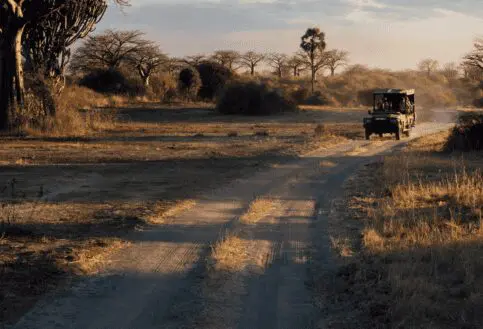
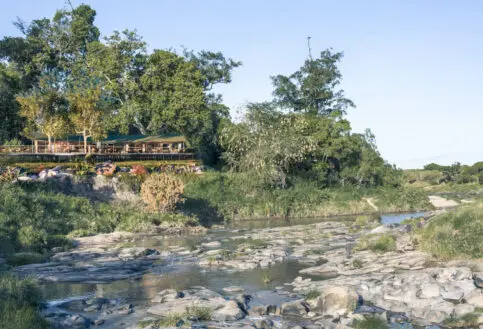
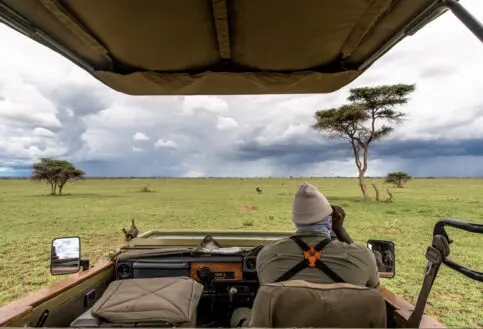
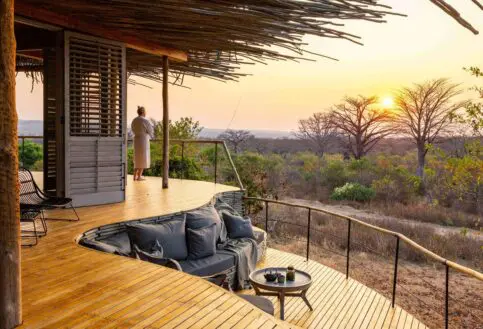
The months from July to October are the undisputed highlight of the East African safari calendar. Dry conditions, abundant wildlife, and dramatic natural events make this the ideal time to explore the region’s iconic parks and hidden gems.
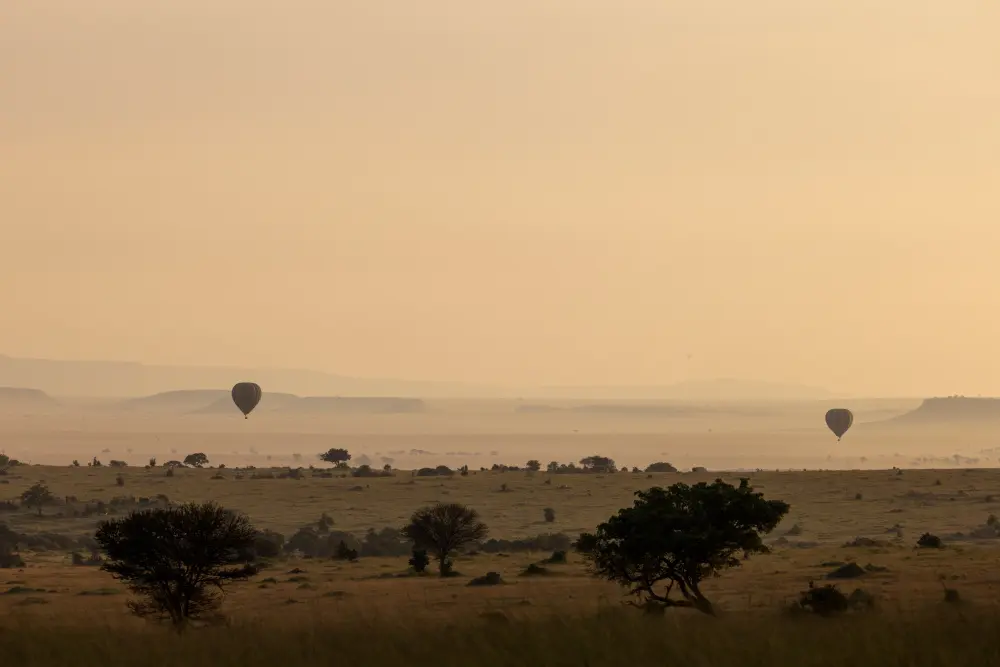
July & August: River Crossings, Chimps & Dry Trails
1. Northern Serengeti River Crossings
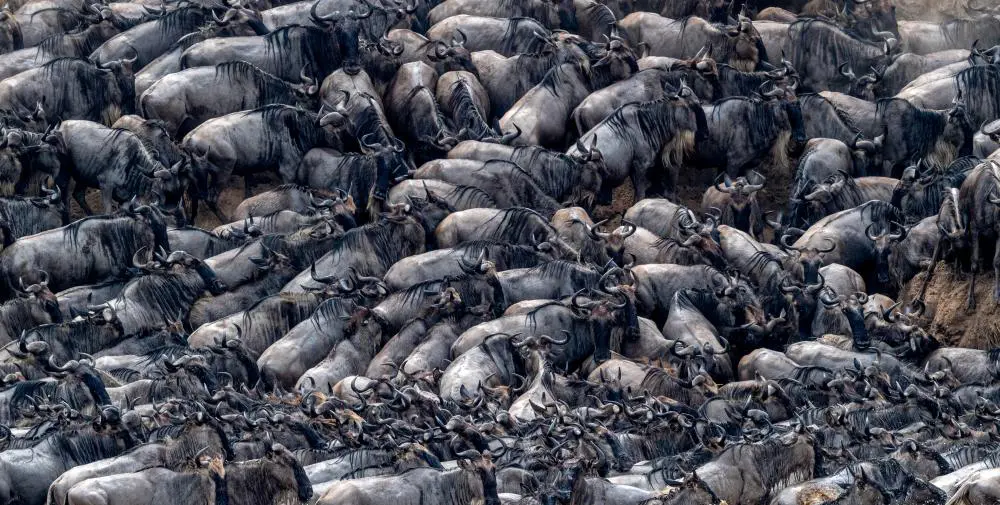
From July through August, the northern Serengeti comes alive with one of the most spectacular wildlife events on the planet – the Mara River crossings. As part of the Great Migration, hundreds of thousands of wildebeest and zebra plunge into crocodile-infested waters in their desperate bid to reach the Masai Mara. Driven by the promise of improved grazing, the sheer drama of nature on display here is unmatched. Predator action unfolds almost daily as big cats pick off the stragglers, leaving carcasses strewn across the plains. Early July typically sees the first crossings, while August is peak time for both frequency and volume. Sayari Camp holds the best location of all permanent camps in the area, offering easy access to the river when the herds begin to cross. Our mobile camps, Olakira and Ubuntu, offer a more traditional under canvas safari experience, in strategically chosen locations immersed in the wilderness.
2. Chimp Trekking on Rubondo Island
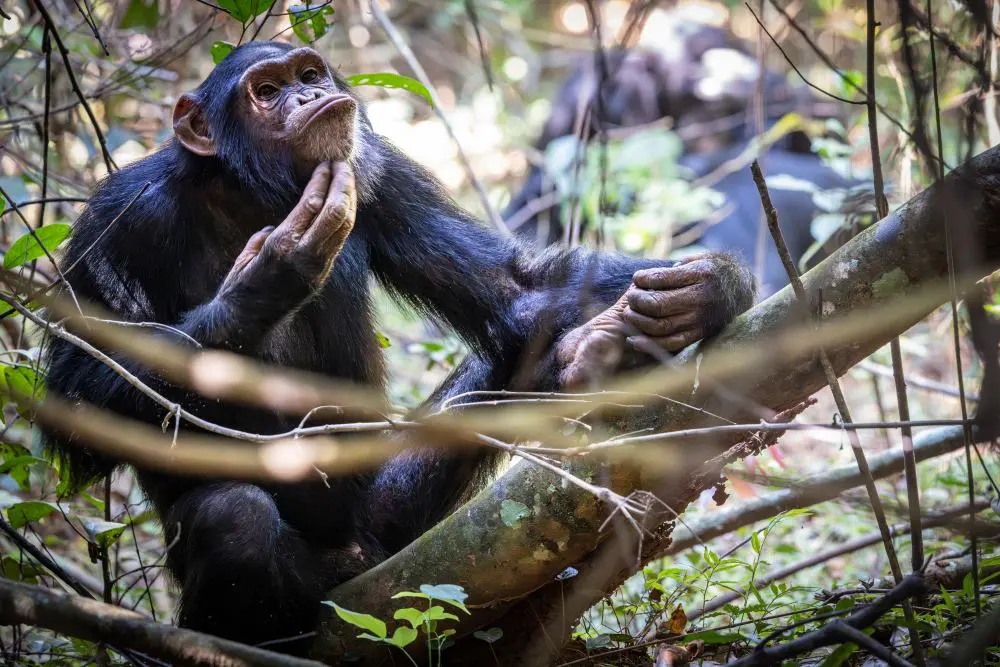
Over in western Tanzania, Rubondo Island in the southwest corner of Lake Victoria, offers a rare and intimate chimp trekking experience. Nearly 80% of this island national park is covered by pristine equatorial rainforest, providing the perfect habitat for the 70 chimpanzee that call this island their home. In July and August, the fruiting season is in full swing as fruit trees offer up an abundance of freshly ripened fruit. This means the chimps are more stationary and easier to locate, often staying in one area for longer periods while they feed. Chimps are often fast-paced primates, constantly on the move and difficult to keep up with, but their slower lifestyle at this time of the year makes it the best time for close observation and exceptional photography. In addition to chimp trekking, Rubondo Island Camp offers boating safaris, catch-and-release fishing, and exploratory drives across the island in search of elephant, giraffe, and white colobus monkeys.
3. Gorilla Trekking in Bwindi Forest, Uganda
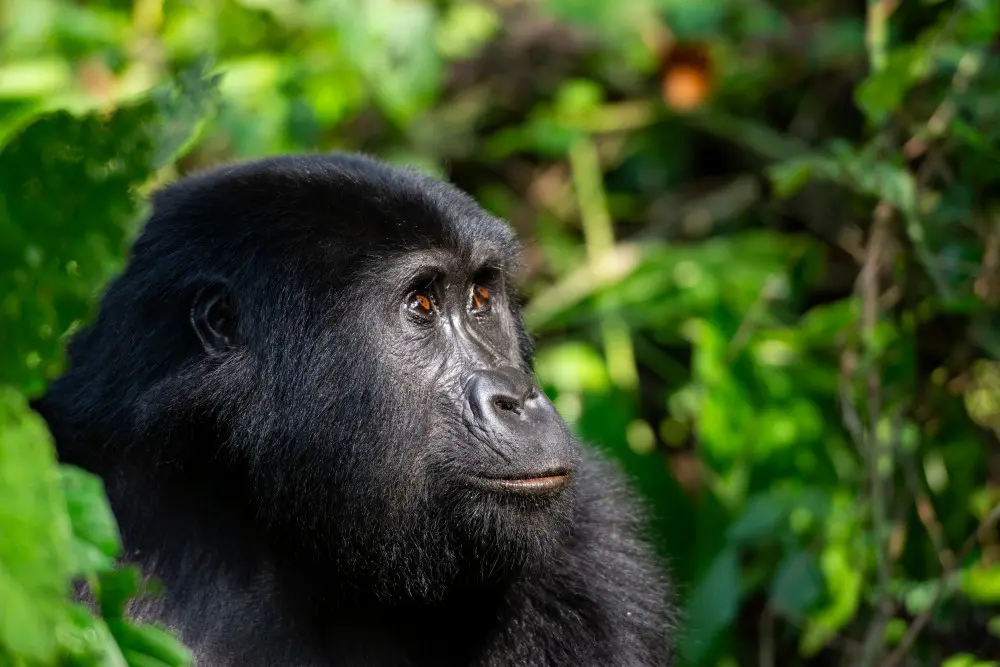
If you’re keen on primate encounters, Bwindi Impenetrable Forest in Uganda should be high on your bucket list. This ancient and biodiverse rainforest is home to more than half the world’s mountain gorilla population, as well as over 350 bird species and an astonishing 1,000 variations of plant species. July and August offer the best gorilla trekking, when the weather is dry, trails are more navigable, and the chances of uninterrupted views are highest. The condition of the trails makes a huge impact on the quality of the trekking experience. Being a rainforest, it is damp throughout the year, but during the dry season the trails become firm underfoot, creating easier and more pleasurable walking conditions. Dry weather also means clearer photography conditions and a more comfortable hiking experience overall. Erebero Hills, open in 2026, sits on the fringes of Bwindi Impenetrable Forest offering remarkable views and providing the ideal haven from which to explore beneath the canopy.
August & September: Masai Mara Magic and Migration Action
4. The Migration in the Masai Mara
By August, the herds that crossed the Mara River have reached Kenya’s Masai Mara, blanketing the reserve’s rolling plains. This is the best time to witness the migration here, with September offering incredible predator-prey interactions as lions, cheetahs, and hyenas seize hunting opportunities, followed closely by jackals and vultures eagerly awaiting a fresh carcass. The sheer density of game makes this period absolutely thrilling, but that excitement also attracts the highest tourist volumes into this relatively small wilderness area. Rekero Camp, situated on the Talek River, overlooks a well-frequented crossing point, allowing for the spectacle to be enjoyed from the comfort of Rekero’s spacious deck.

5. Naboisho Conservancy: Exclusive Safari Excellence
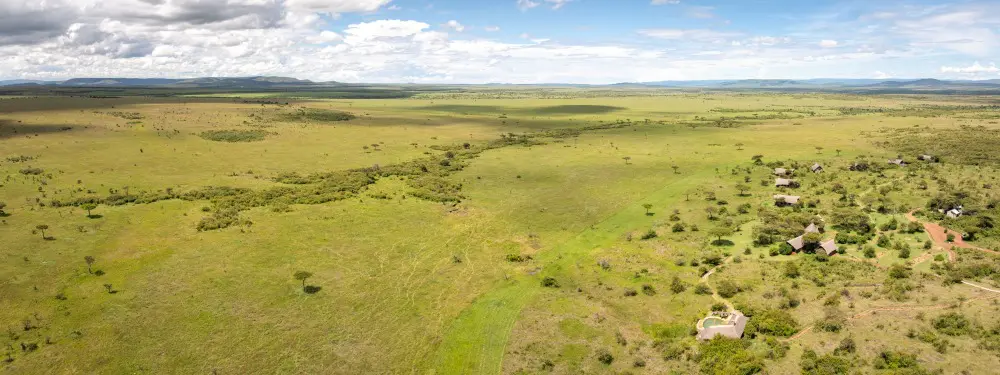
Adjacent to the main reserve, the Mara Naboisho Conservancy offers a welcome escape from the high density of visitors and vehicles in the Masai Mara during this period. Through the peak season months, its limited lodges and controlled access ensures exclusivity and a wildlife experience that is conducted with respect. The conservancy boasts some of the highest lion densities in East Africa, along with leopards, elephants, and giraffes in abundance. It is perfect for travellers who want all the drama of the Mara – without the crowds. Naboisho Camp and Encounter Mara Camp, while both situated within the conservancy and offering a similar wildlife experience, provide differing and unique accommodation styles to suit a range of guest preferences.
September & October: Walking Safaris & Wildlife Congregations
6. Walking Safaris in Ruaha & Nyerere National Parks
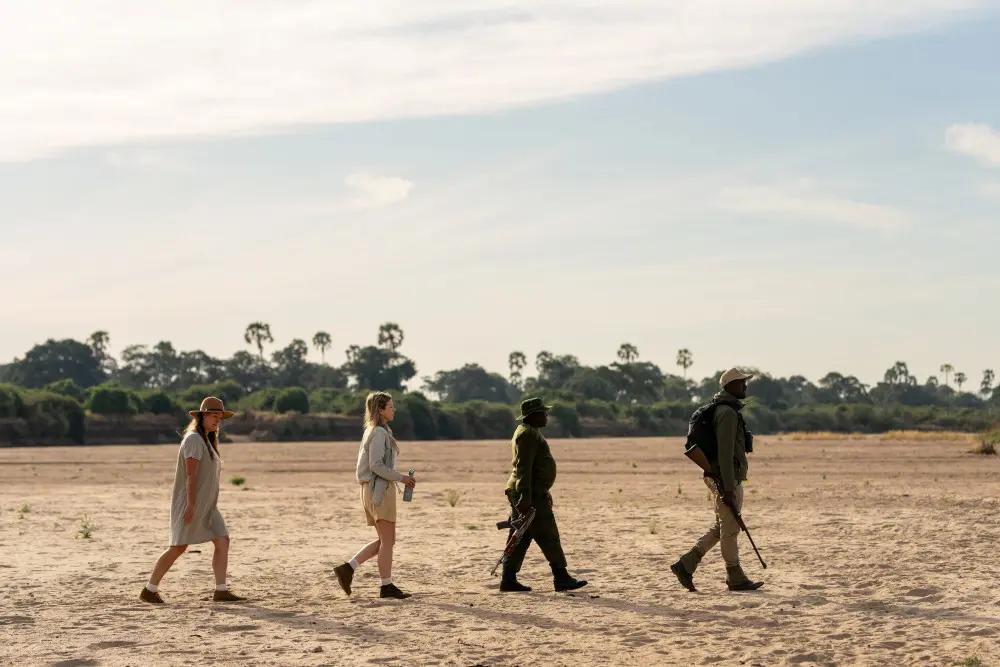
Tanzania’s southern parks, especially Ruaha and Nyerere (formerly Selous), shine brightest in September and October. These are the driest months of the year, making it ideal for walking safaris, as vegetation thins out and wildlife is easier to spot on foot. The scarcity of water makes wildlife movements throughout the day more predictable and walking safaris that much more enjoyable as opportunities arise to simply sit and watch wildlife interactions unfold around a watering hole. The parks are quiet, wild, and incredibly rewarding – think large herds of elephants, lions on the hunt, and vibrant birdlife, all viewed from ground level with an expert guide. In Ruaha National Park, Jabali Ridge, Jabali Private House, and Kokoko Camp all offer walking safaris in and around the Mwagusi River area where elephant dig for water through the dry sand. Further south, guests at Usangu Expedition Camp explore the dry floodplains and miombo woodlands of the Usangu Wetlands. In Nyerere National Park, Roho ya Selous offers walking safaris along the shoreline of Lake Nzerakera where dwindling water supplies attract a variety of game amidst territorial disputes between resident hippos.
7. Tarangire National Park & Silale Swamp Concentrations
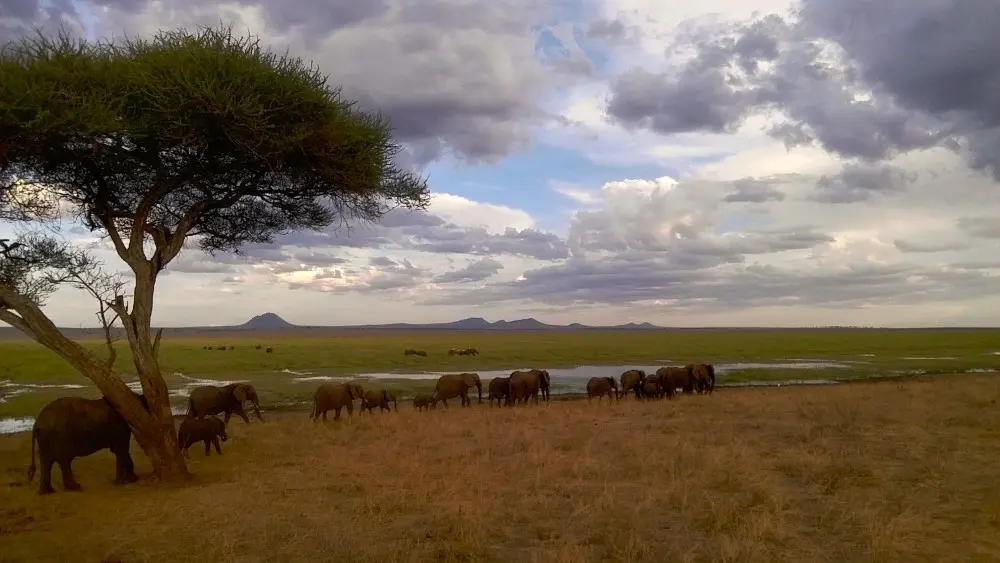
In northern Tanzania, Tarangire comes into its own in September and October, thanks to the Silale Swamp. As surface water disappears across the landscape, animals converge on this reliable wetland. You’ll find enormous herds of elephant, buffalo, and all manner of plains game drawn to the permanent water source the swamp offers. Predators like lion, leopard and cheetah are not far behind, constantly on the lookout for an easy target. The swamp acts like a magnet for wildlife, making this one of the most action-packed game-viewing areas in the region at this time. Oliver’s Camp, located close to the Silale Swamp, offers unprecedented access to this wilderness wonderland through game drives, night drives, and walking safaris.
Crafting Your Perfect Peak Season Safari
The beauty of East Africa’s peak season lies in its diversity: from explosive migration scenes and tranquil primate treks to off-the-beaten-path walking safaris. With careful planning, you can tailor your safari to match your interests, whether you’re chasing drama, exclusivity, or immersion in wild, untamed landscapes.
Ready to start designing a safari that captures the best of these moments? Get in touch with our team of experts to build your dream East African adventure.